Explore our core certified portfolio of high-efficiency scale inhibitors, defoamers, and flocculants
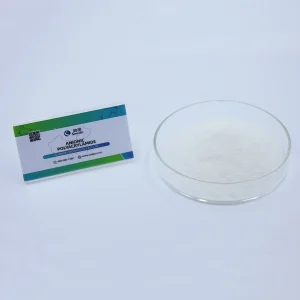
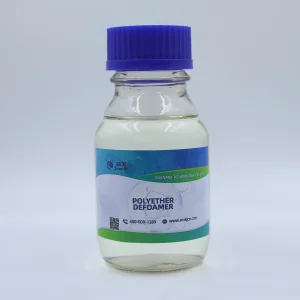
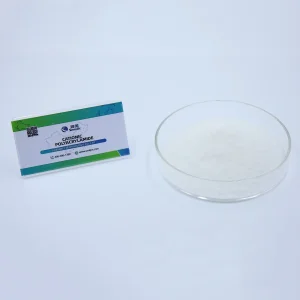
Polyacrylamide (PAM) is a water-soluble polymer synthesized from acrylamide subunits. It is widely recognized as one of the most effective coagulants and flocculation aids in modern wastewater treatment, mining operations, oil extraction, and paper manufacture. Flocculation is determined by two main molecular mechanisms: charge neutralization and polymer bridging.
The molecular weight of PAM can range from 1 million to over 25 million Daltons, dictating the length of the polymer chain. High molecular weight polymers extend their chains deep into the aqueous suspension, trapping suspended colloids via bridging. Meanwhile, the charge density determines the electrostatic interaction with suspended solids. Correct choice of charge and molecular weight is essential to optimize settleability, minimize chemical consumption, and prevent filter screen blinding.
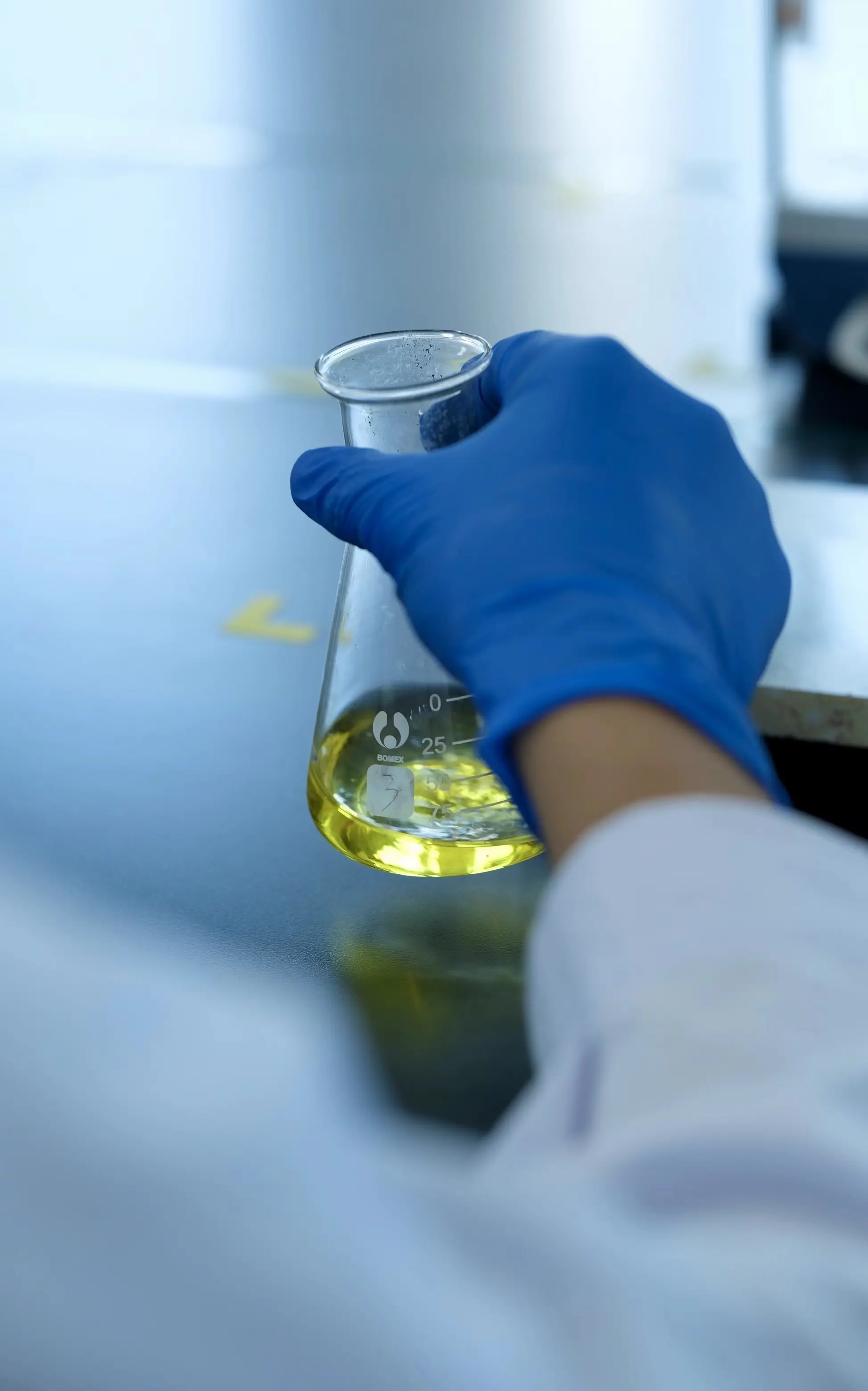
Tailoring charge density and molecular weight to specific industrial matrices
| PAM Type | Molecular Weight (Million Daltons) | Hydrolysis / Charge Density | Primary Applications | Key Mechanism |
|---|---|---|---|---|
| Anionic PAM (APAM) | 8.0 – 25.0 | 10% – 40% (Hydrolysis) | Mineral processing, coal washing, inorganic chemical wastewater, metallurgical tailing treatment | Polymer bridging, hydrogen bonding |
| Cationic PAM (CPAM) | 5.0 – 15.0 | 5% – 80% (Ionicity) | Municipal sludge dewatering, food processing wastewater, organic industrial effluents | Electrostatic neutralization, patch flocculation |
| Non-Ionic PAM (NPAM) | 2.0 – 15.0 | < 1% (Hydrolysis) | Acidic wastewater, soil stabilization, high-salinity brines, secondary oil recovery | Interparticle bridging, sterical entrapment |
| Amphoteric PAM | 4.0 – 12.0 | Balanced Cationic/Anionic | Complex sludge dewatering, heavy metal complexation, variable pH effluents | Synergistic charge-bridging action |
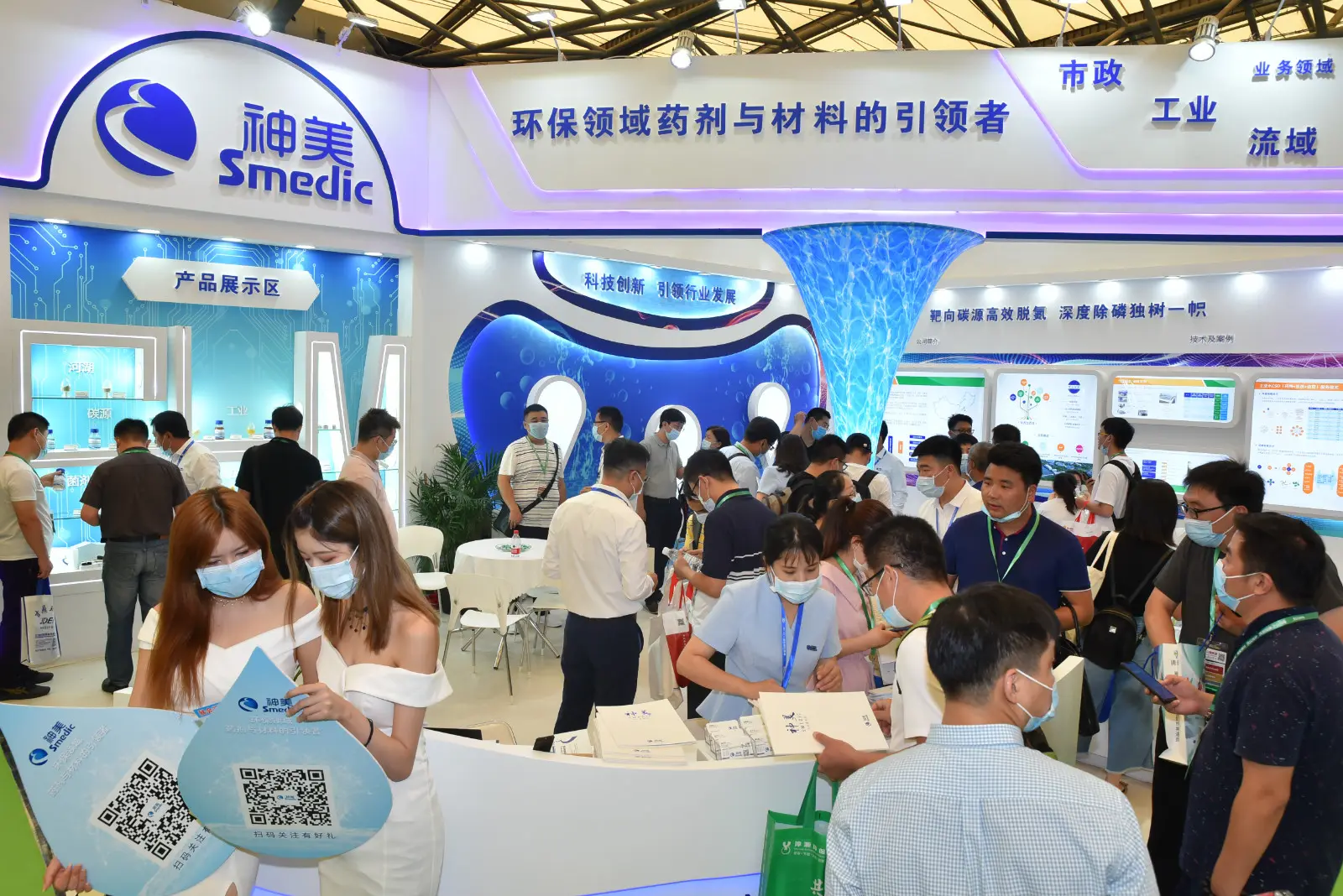
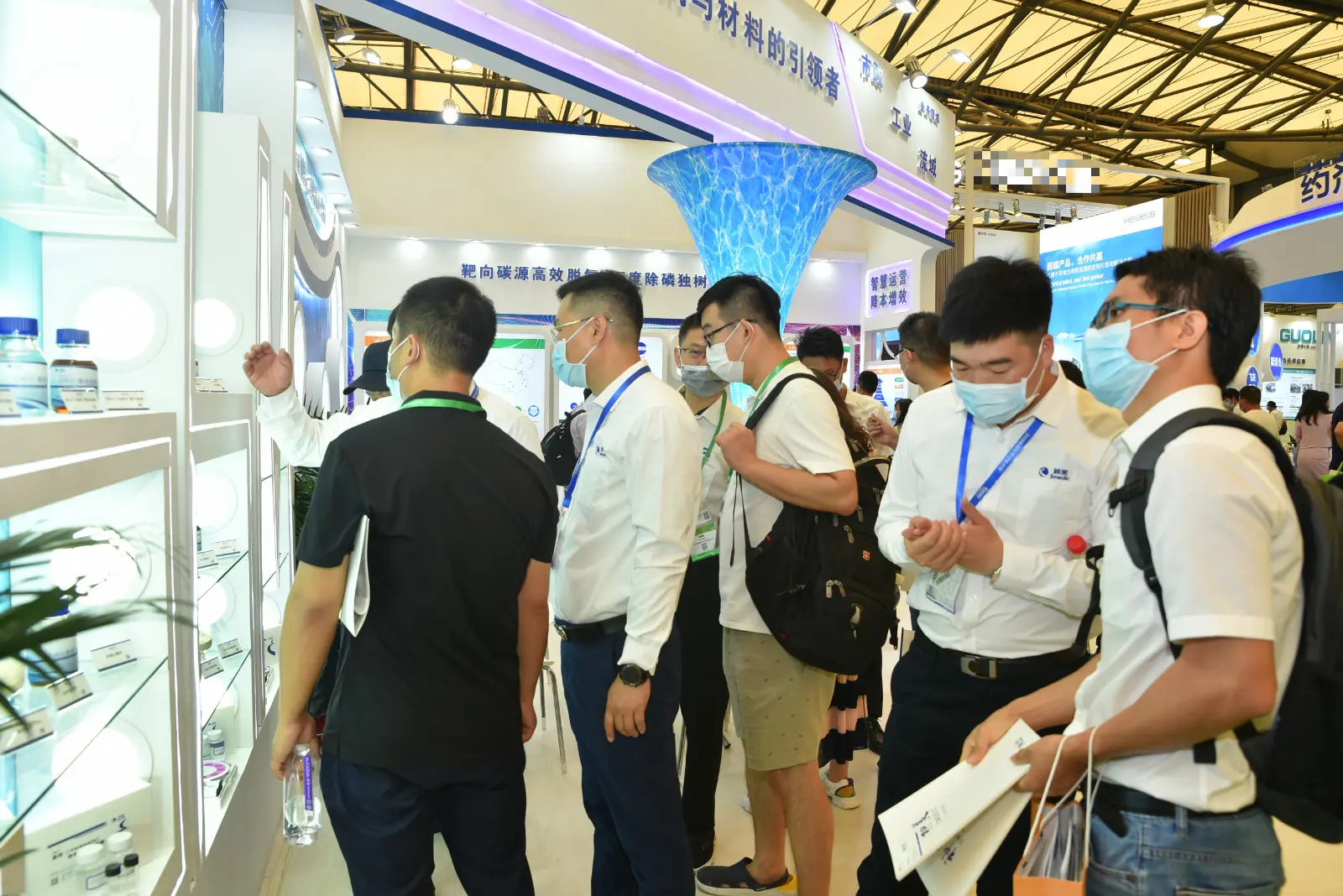
Established in 2011, Smedic Technology Co., Ltd. is a comprehensive environmental protection solutions provider specializing in chemical agent research, development, scale-up production, sales, and on-site engineering support. We address water purification and sludge dewatering demands across municipal sewage networks, industrial factories, and mineral processing complexes.
Our corporate headquarters is located in the high-tech hub of Beijing. To ensure geographical efficiency and robust logistics, Smedic operates wholly-owned production facilities in Hebei, Guizhou, and Shanxi, alongside ten OEM partner factories and regional warehousing hubs in Shandong, Anhui, Guangxi, and Sichuan. This distributed architecture covers over 20 provinces across China, catering to more than 600 municipal sewage treatment plants and over 1,000 industrial end-customers. Our active projects handle an aggregate sewage treatment capacity exceeding 20 million tons per day.
Optimizing chemical delivery to enhance throughput and reduce energy costs
High-efficiency belt presses, centrifuge decanters, and plate-and-frame filter presses require customized Cationic PAM. Our polymers are optimized to withstand high shear forces inside modern centrifuges, providing exceptional dry cake solids content and clear, suspended-solid-free filtrates.
In coal washing, iron ore concentration, and gold recovery, rapid sedimentation of tailings is critical for water recycling. Our Anionic PAM polymers rapidly settle fine clay particles and metal silicates, ensuring clear overflow water and preventing tailing dam buildup.
PAM is utilized to modify injection water viscosity, improving sweep efficiency during oil flooding. Our temperature and salt-tolerant Non-ionic and modified anionic PAM polymers withstand reservoir shear and salinity, preserving long-term structural integrity.
Our state-of-the-art production centers run fully automated DCS-controlled polymerization lines. This modern infrastructure guarantees absolute precision over key reaction variables—such as initiator dosing speed, temperature ramps, and drying times—minimizing free monomer content to below 0.05%.
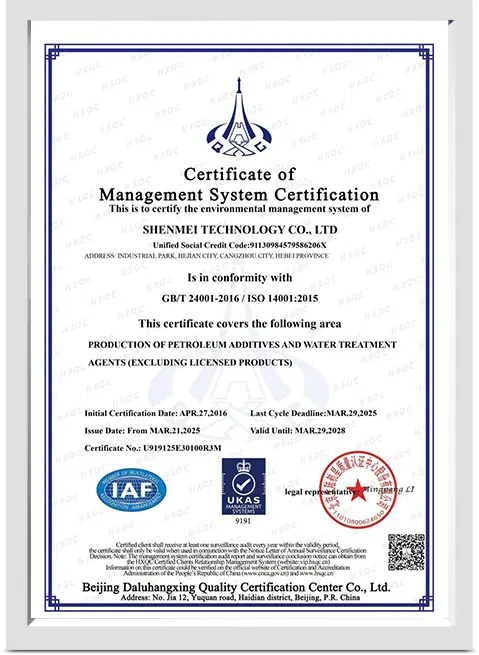
With an annual capacity of over 1 million tons, Smedic ensures consistent supply chain stability, insulating global buyers from volatile raw material shortages. In addition, our manufacturing facilities operate as "Green Factories" certified by provincial environmental ministries, highlighting our commitment to low-emission, energy-saving chemical synthesis.
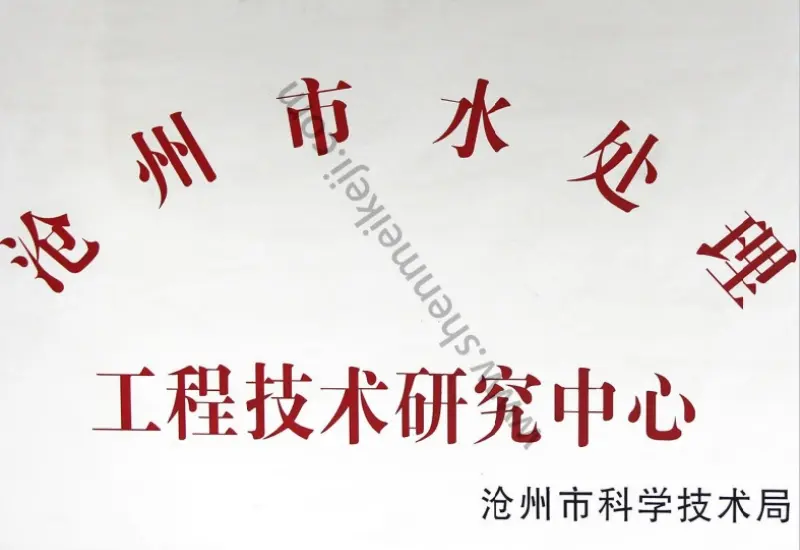
Our core R&D division includes one central academy, three specialized research institutes, and five manufacturing validation bases. Our scientists collaborate with elite Chinese institutions, including joint R&D labs at Tsinghua University, Shandong University, and Beijing University of Technology, turning cutting-edge academic chemistry into high-value industrial solutions.
Over 60 patents and standard-drafting leadership validating our technological authority
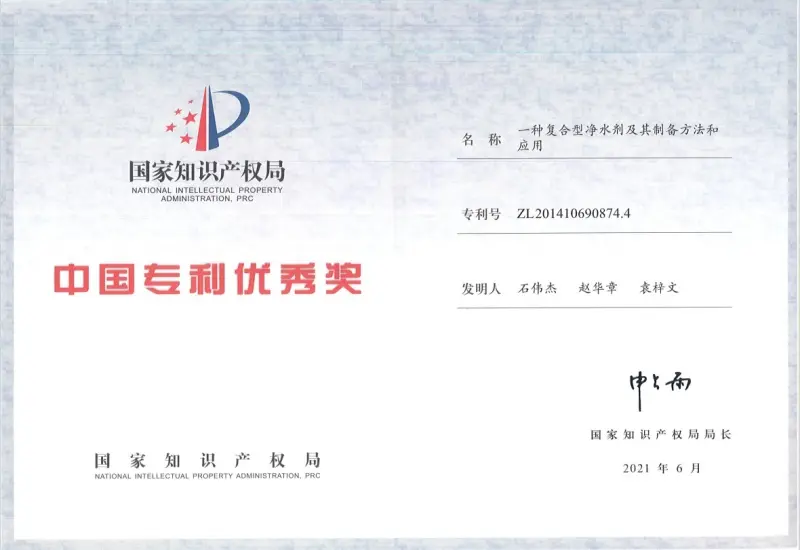
Smedic Technology has been awarded over 60 Chinese patents (including more than 40 invention patents and 20 utility model patents) and has led the drafting of more than 10 national and industry standards. Our proprietary "Inorganic-Organic Covalent Bond Flocculant" received the 22nd China Patent Award and the First Prize for Technological Invention from the China Petrochemical Industry Association.
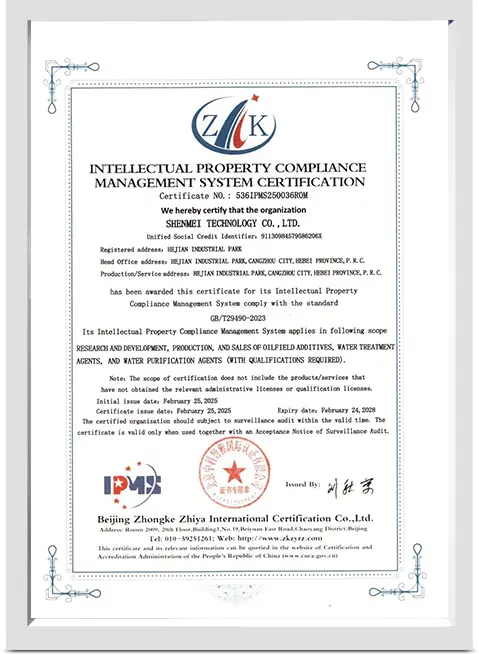
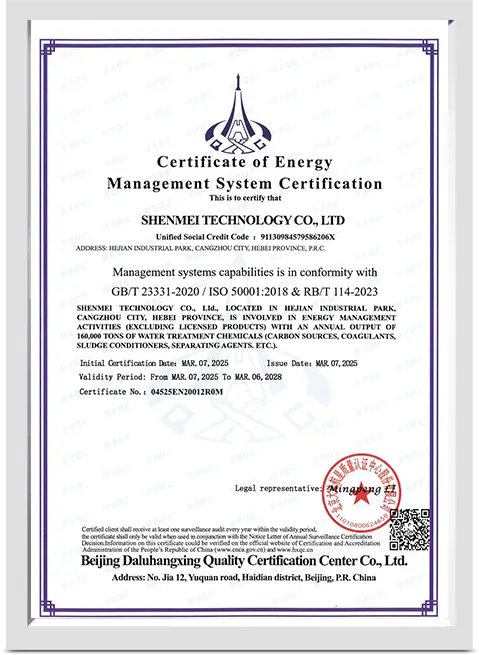
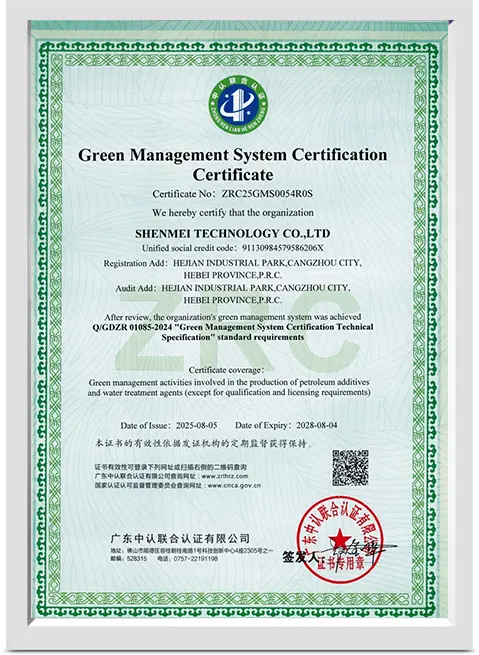
Strategic partnerships with leading global groups: Shouchuang Ecological, Yangtze River Ecology, Beijing Enterprises Water, OriginWater, and China Water Environment.
Over a decade of scaling chemistry, R&D, and green manufacturing
Smedic Technology Co., Ltd. founded in Beijing, focusing on environmental agent R&D.
Established a complete municipal wastewater treatment product portfolio, expanding scale across North China.
Formally recognized as a National High-tech Enterprise, following milestone patents in flocculant synthesis.
Commissioned a state-of-the-art municipal and industrial agent manufacturing facility in Guiyang to serve Southwest China.
Completed major capacity expansions in Hebei, Shandong, and Guizhou, exceeding 1 million tons in aggregate annual capacity.
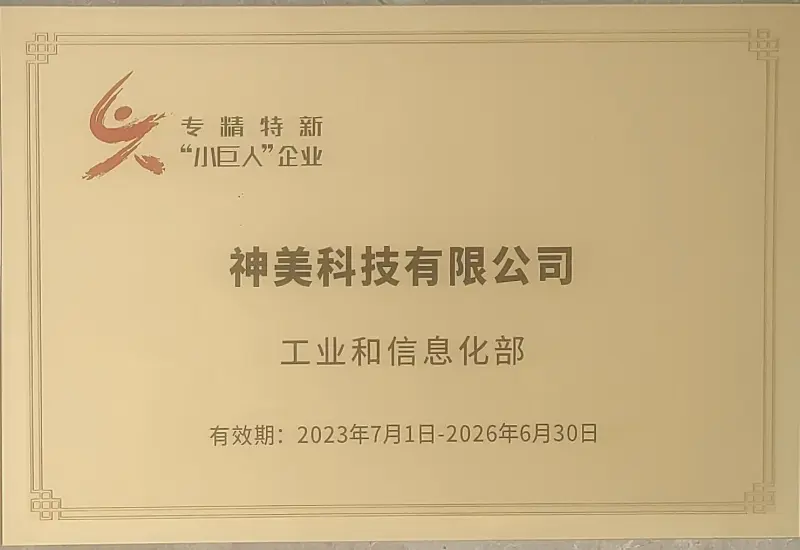
Recognized as a National Specialized, Refined, Unique and Innovative "Little Giant" Enterprise.
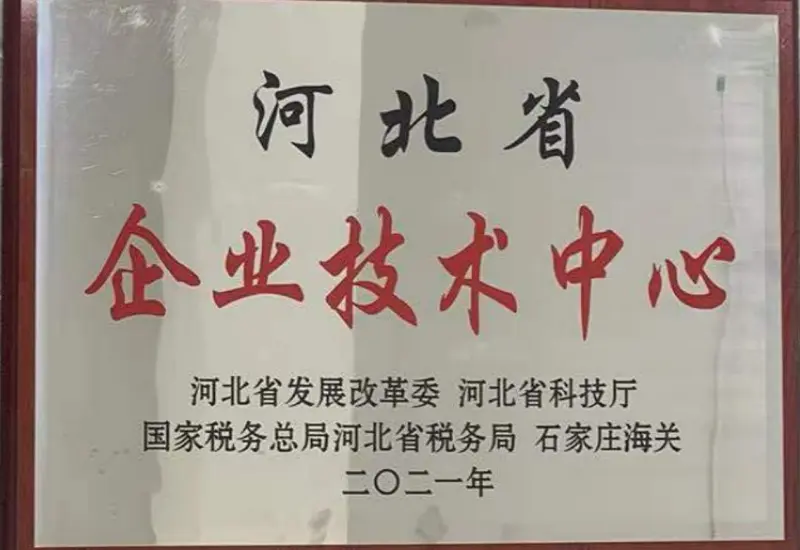
Established Hebei Provincial Enterprise Technology Center, building a core academic water purification research base.
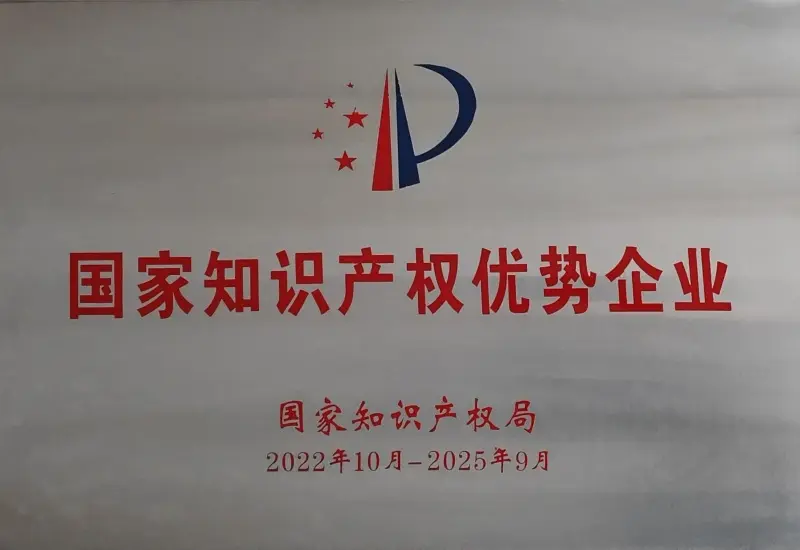
Received the official designation of National Intellectual Property Advantage Enterprise with over 60 active patents.
Formed a landmark joint venture with Chengdu Institute of Mineral Comprehensive Utilization, China Geological Survey, to pioneer eco-friendly flotation agents and high-efficiency mine polymers.
Pioneering green, low-carbon chemistry for the next generation of water treatment
As global environmental regulations tighten, the flocculant industry faces a dual challenge: improving separation kinetics while lowering the ecological footprint of polymer residues. Our R&D roadmap targets three core areas:
By coordinating with our research partners, Smedic is focused on closed-loop municipal and industrial projects. Designing flocculants that leave zero secondary toxicity in treated sludge is crucial to enabling sludge use in energy recovery or agriculture, helping municipal customers achieve net-zero carbon targets.
From custom laboratory jar tests to international logistics compliance
Our network of logistics hubs adjacent to major ports ensures rapid dispatch of bulk dry powders and liquid emulsion PAM. Smedic manages all customs declarations, SGS inspections, and dangerous-goods-free declarations, ensuring reliable delivery to North America, Europe, Southeast Asia, and the Middle East.
Industrial effluents change based on process shifts. We don't just supply standard formulations; we specialize in customized products tailored to your wastewater profile. Our engineers adjust molecular weight and charge densities to match the specific zeta potential of your sludge.
We provide global technical support, including jar test evaluations, dosage calibration, and pilot run optimization. Whether dealing with a mining thickening tank or a municipal decanter centrifuge, Smedic technical specialists help fine-tune chemical and mechanical parameters on-site.
Expert answers to common queries from chemical procurement heads and plant operators
Selection depends on the surface charge (zeta potential) of the suspended solids. Inorganic suspensions (clay, sand, mineral tailings, metal hydroxides) have positive charges and are best settled using Anionic PAM (APAM). Organic slurries (biological sewage, food processing waste) have negative charges and require Cationic PAM (CPAM) for charge neutralization. Non-ionic PAM (NPAM) is used in highly acidic conditions, high salinity, or where steric hindrance is the main bridging mechanism.
PAM has high viscosity and must be dissolved slowly. Powder should be added gradually into a vortex of clean water (temp < 40°C) to prevent agglomerations ("fish-eyes"). The system should stir at 100-300 rpm for 40-60 minutes depending on the molecular weight. Avoid high-shear mixers (like turbine impellers) which can break the long polymer chains, reducing flocculation performance.
Once dissolved, PAM solutions degrade within 24 to 48 hours depending on water purity and temperature. Bacterial activity, exposure to UV light, and presence of divalent iron ions (Fe2+) accelerate degradation by cleaving the polymer chains. Dissolved PAM should be stored in plastic, fiberglass, or epoxy-coated tanks. Avoid contact with rust-prone steel or copper surfaces.
The degree of hydrolysis represents the percentage of acrylamide groups that have been converted to negatively charged acrylate groups. A higher hydrolysis degree increases the negative charge density, making the polymer chain stretch wider in water due to electrostatic repulsion. This stretching increases solution viscosity and improves bridging efficiency in high-density slurries.
High-quality formulation agents for industrial defoaming, scaling control, and metal removal
 Smedic Tech