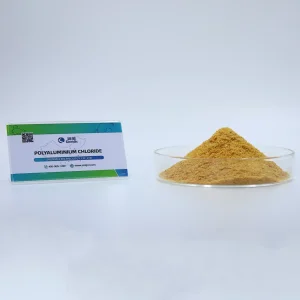
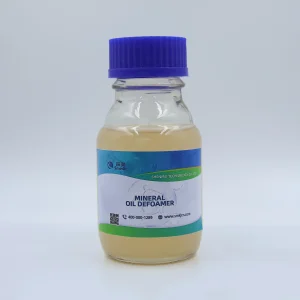
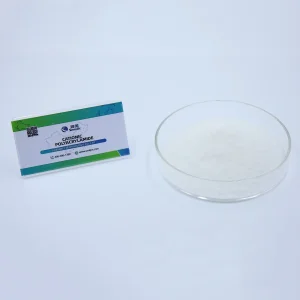
Explore our advanced range of coagulants, scale inhibitors, and defoamers engineered to meet global industrial efficiency benchmarks.
An in-depth chemical and economic analysis of HCl applications in municipal and heavy industrial water processing networks.
Hydrochloric acid (HCl) stands as one of the most critical foundational chemical agents in the global water treatment landscape. In an era where water scarcity, regulatory compliance, and process efficiency govern industrial strategies, high-purity hydrochloric acid serves as a versatile tool. Primarily deployed for pH neutralization, it balances highly alkaline effluent streams originating from chemical synthesis, metal finishing, textile manufacturing, and food processing plants. Unlike alternative mineral acids, such as sulfuric acid ($H_2SO_4$), hydrochloric acid prevents the precipitation of calcium sulfate scale, which is infamous for fouling downstream reverse osmosis (RO) systems and piping networks.
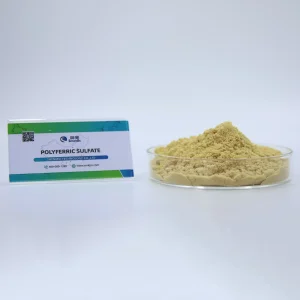
Beyond simple neutralization, HCl is indispensable in the regeneration of ion-exchange resins used for water softening and demineralization in high-pressure boiler feed networks. The strong acid dissociation of HCl effectively displaces accumulated divalent cations ($Ca^{2+}$, $Mg^{2+}$) and heavy metals from cationic exchange matrices, restoring the system's capacity without leaving insoluble deposits. Furthermore, hydrochloric acid is the key precursor in the synthesis of coagulants like Polyaluminum Chloride (PAC) and Polyferric Sulfate (PFS), which are globally recognized for primary flocculation in municipal water facilities.
During the regeneration cycle, the high concentration of hydrogen ions ($H^+$) shifts the equilibrium of the exhausted resin beds:
R-Mn+ + n H+ ↔ n R-H + Mn+
The high solubility of resulting metal chloride salts ($MCl_n$) ensures a clean flush, preventing the channel clogging commonly observed with sulfuric acid regeneration cycles.
Why Chinese chemical manufacturing clusters provide unparalleled economic and quality benefits to global industrial clients.
China's chemical production clusters capitalize on direct vertical integration with Chlor-Alkali manufacturing facilities. By converting co-product chlorine ($Cl_2$) gas directly into hydrochloric acid ($HCl$) via high-temperature synthetic burners, factories minimize storage costs and eliminate transport hazards. This process results in an exceptionally consistent, high-concentration (typically 31% to 37%) product stream ready for industrial deployment.
Modern Chinese chemical plants utilize closed-loop recovery installations and dual-stage scrubbing systems to capture off-gases, drastically reducing particulate emissions. These facilities operate as fully recognized "Green Factories," aligning with international ESG (Environmental, Social, and Governance) targets and securing continuous operation even under stringent environmental inspection periods.
Leveraging state-of-the-art DCS (Distributed Control Systems), Chinese exporters maintain strict tolerances on concentration deviations, iron impurities, and organic compound contents. Combined with automated packaging lines capable of rapid filling into IBC totes, ISO tanks, and specialized acid-resistant drums, product safety and stability during long-distance maritime transit are guaranteed.
Established in 2011, Smedic Technology Co., Ltd. has developed into a premier comprehensive solution provider specialized in environmental protection agents, integrating advanced R&D, production, sales, and complex engineering-related technical services. We are dedicated to providing our global clientele with customized chemical products, technical solutions, and long-term operating support.
Smedic produces environmental protection agents covering multiple sectors, including municipal sewage treatment, industrial wastewater reclamation, and tap water purification, alongside specialized mineral processing agents and oilfield chemicals. We boast an expansive catalog of more than 80 different environmental protection products, with an annual manufacturing capacity exceeding 1 million tons across our domestic production network.
A resilient warehousing, manufacturing, and support infrastructure serving critical global pipelines.
Our corporate headquarters is located in Beijing, backed by multiple wholly-owned production bases in Hebei, Guizhou, Shanxi, and other strategic regions. Smedic has established more than ten OEM partner factories and regional warehousing/logistics bases across Shandong, Shanxi, Anhui, Guangxi, and Sichuan provinces. Our commercial and technical service network covers over 20 provinces across China and extends to key export regions worldwide. Our projects involve more than 600 urban sewage treatment plants and over 1,000 end customers in industrial wastewater treatment, mining, and petrochemical operations, helping process a combined total exceeding 20 million tons of wastewater per day.
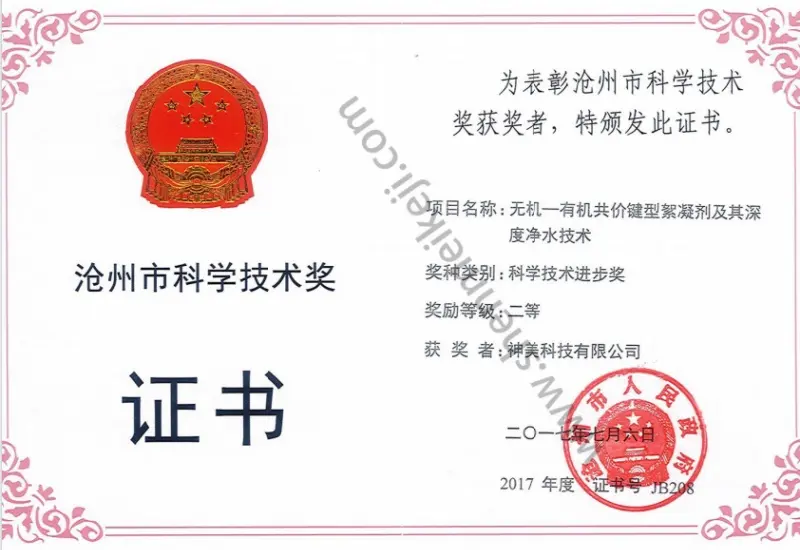
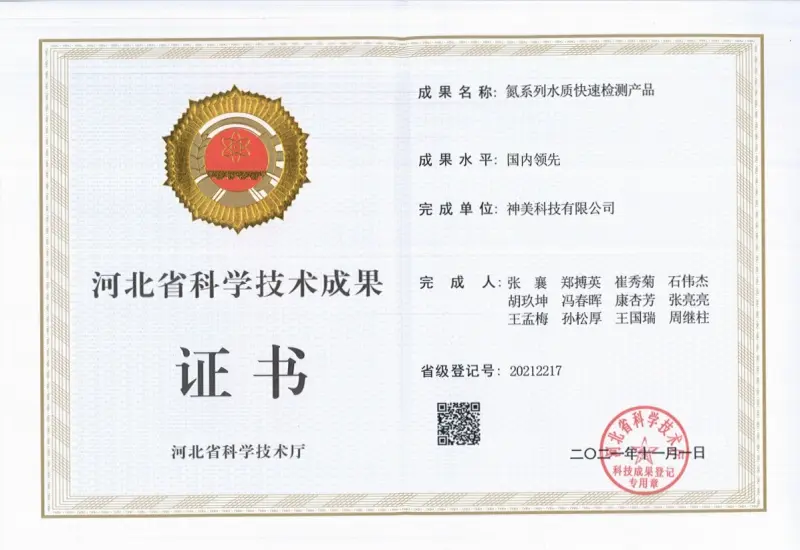
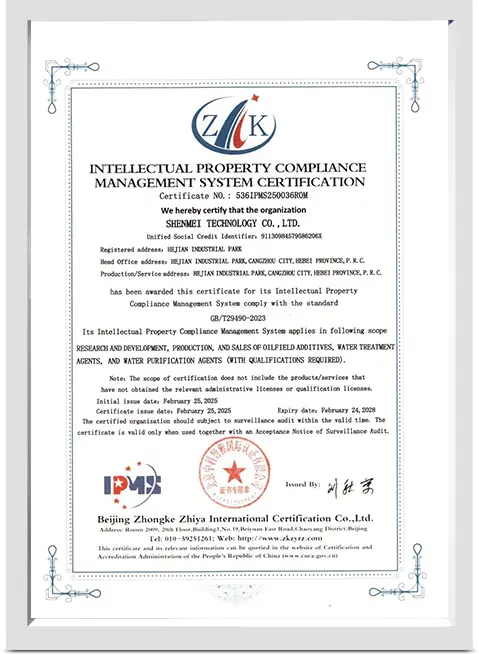
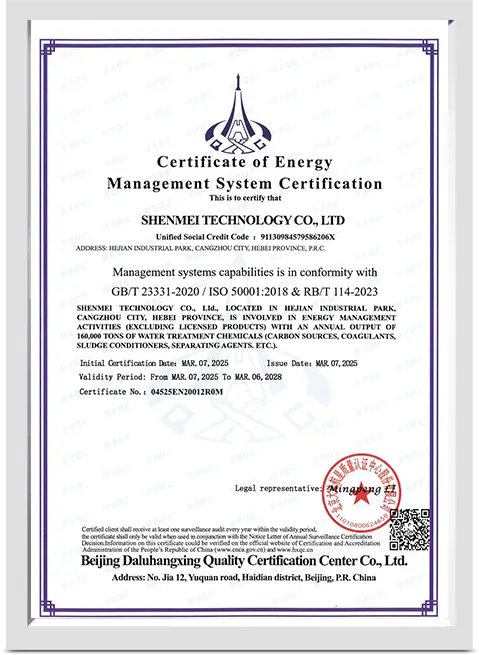
We have obtained prestigious national recognitions including the National High-tech Enterprise, National Specialized, Refined, Unique and Innovative "Little Giant" Enterprise, and the Hebei Province Green Factory designation. Smedic acts as a Class A R&D institution in Hebei Province, managing the Advanced Water Treatment Chemicals Technology Innovation Center.
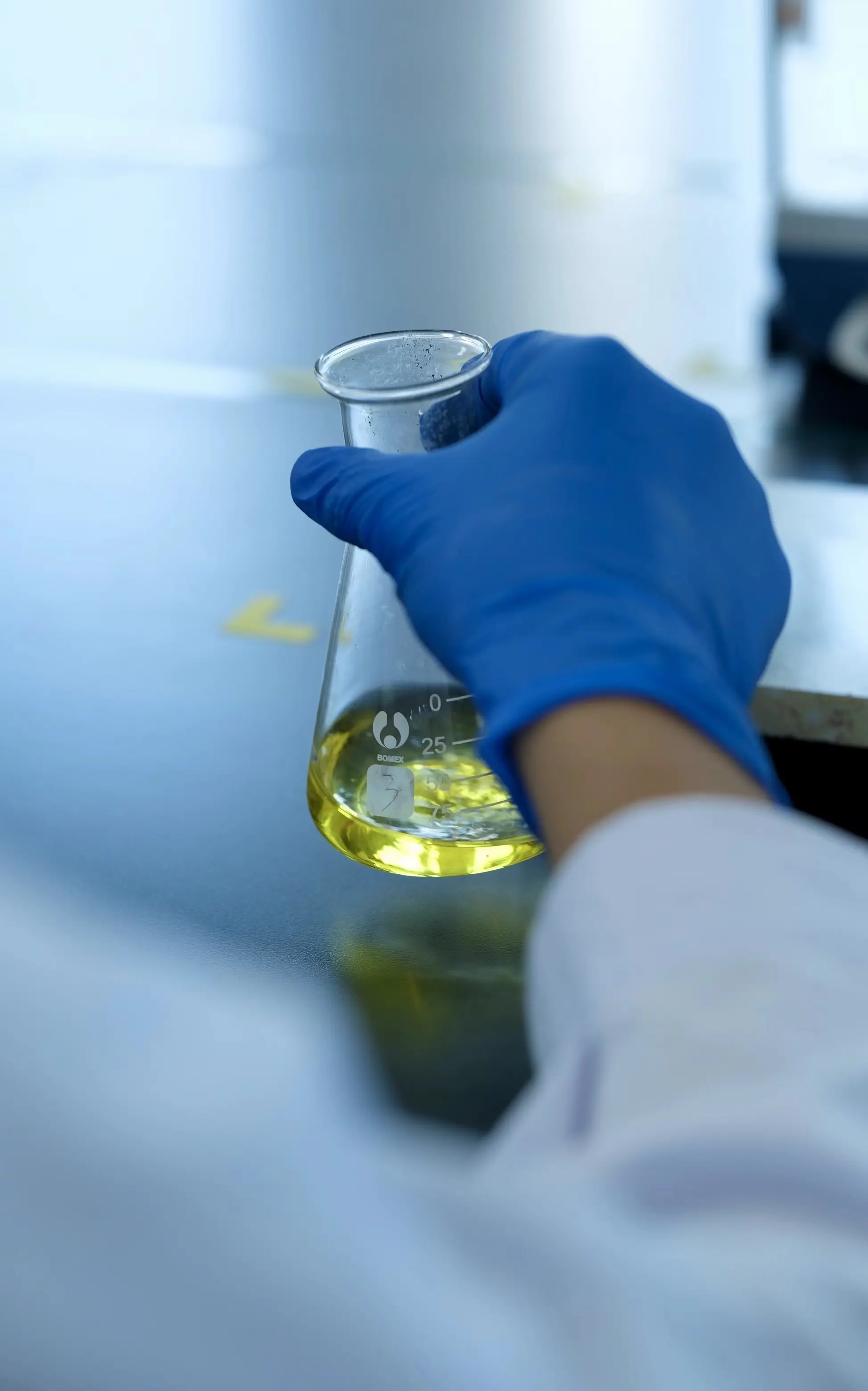
Our core technical team comprises senior academics, professors, and chemical process engineers. Through joint laboratories with Tsinghua University Association of Senior Scientists and Technicians, Shandong University, and Beijing University of Technology, we translate academic findings into powerful industrial reagents. We have led the drafting of more than 10 national and industry standards (including composite carbon sources, composite coagulants, sodium acetate, and specialized nitrifying bacterial agents).
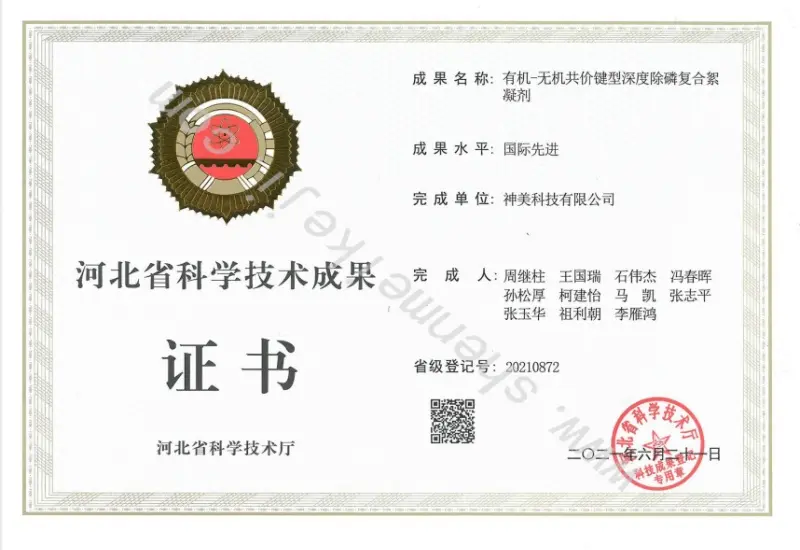
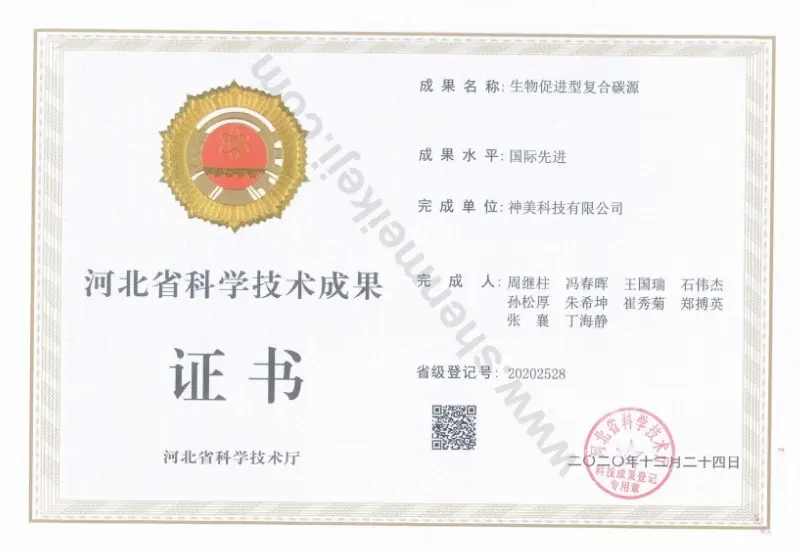
Smedic has been granted over sixty Chinese patents, including more than forty invention patents and over twenty utility model patents. Our bio-enhanced denitrification carbon source and deep multi-nuclear phosphorus removal agents have won first-tier praise, being appraised as "internationally advanced" by the Science and Technology Department of Hebei Province. Our "Inorganic-Organic Covalent Bond Flocculant" earned the 22nd China Patent Award and the First Prize for Technological Invention from the China Petrochemical Industry Association.
A history of technological breakthroughs and market expansions establishing Smedic as an industry leader.
Smedic Tech founded in Beijing, specializing in wastewater purification and engineering services.
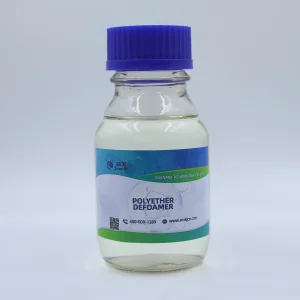
Established a complete municipal wastewater chemical portfolio, including carbon sources and defoamers.
Guiyang chemical production base completed, expanding southwestern market reach.
Proprietary bases in Hebei, Shandong, and Guizhou expanded, pushing aggregate capacity past 1,000,000 tons annually.
Officially recognized as a National Specialized, Refined, Unique and Innovative "Little Giant" Enterprise.
Recognized as a National Intellectual Property Advantage Enterprise with over 60 utility and invention patents.
Joint venture established with Chengdu Institute of Mineral Comprehensive Utilization (China Geological Survey) to develop next-gen green mineral processing agents.
Practical implementation guidelines for hydrochloric acid water treatment across diverse industrial sectors.
In large seawater desalination installations, scaling by calcium carbonate ($CaCO_3$) and magnesium hydroxide ($Mg(OH)_2$) is a major operational threat to high-pressure RO membranes. Continuously dosing highly controlled quantities of technical-grade hydrochloric acid reduces pH to approximately 5.8-6.2. This converts bicarbonate ions into soluble carbon dioxide gas, extending membrane service life, maintaining flux stability, and preventing mineral precipitation.
Thermal and nuclear power facilities rely on vast open-loop cooling systems. High evaporation rates rapidly concentrate calcium ions, leading to thermal insulation scales. Controlled hydrochloric acid injection converts carbonates to highly soluble chlorides, mitigating scale accumulation. This chemical treatment improves heat-exchanger efficiency, lowering fuel inputs and overall carbon intensity.
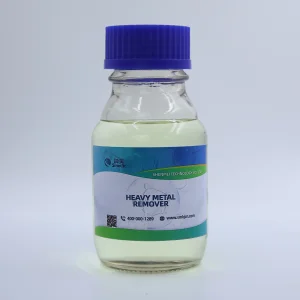
In electroplating and mining wastewater, heavy metal complexes are highly stable. Acidifying the effluent using hydrochloric acid down to pH 2.0-3.0 breaks down coordinate bonds, releasing free metal ions ($Cu^{2+}$, $Ni^{2+}$, $Cr^{3+}$). These are subsequently precipitated as hydroxides by adding alkaline neutralizing agents (such as calcium hydroxide) along with Smedic heavy metal removal agents, allowing facilities to easily meet strict municipal sludge discharge standards.
Essential guidance for procurement officers and chemical supply chain managers dealing with hazardous material importing.
Procuring hydrochloric acid at an international scale demands strict attention to regulatory compliance, chemical stability, and safe transport protocols. Because HCl is classified as a hazardous substance (UN 1789, Class 8 Corrosive), sourcing from an exporter with certified packaging and specialized logistics relationships is crucial. Standard packaging options include intermediate bulk containers (IBC Totes), robust UN-approved polyethylene drums, and bulk ISO tanks lined with specialized halobutyl rubber or vinyl ester resins to prevent iron contamination during sea transit.
Determining Purity Grades: Procurement managers must clearly distinguish between Technical Grade (for standard pH correction), Synthetic/Food Grade (low iron, low heavy metal content, required for pharmaceutical, potable water, and starch processing), and Electronic Grade (extremely low trace metal parts-per-billion levels). Smedic ensures that each shipped batch comes with a detailed Certificate of Analysis (CoA) tracing density, free chlorine levels, and iron content ($Fe \le 5\text{ ppm}$), guaranteeing reliable performance upon arrival.
How the alignment of digital optimization and sustainable chemical formulations is shaping the future of global water networks.
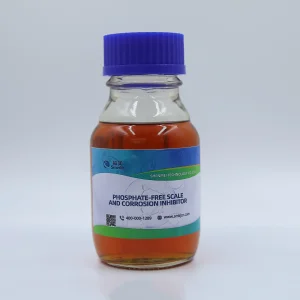
As global environmental regulations tighten, the water treatment sector is shifting from basic curative dosing to preventative process control. This evolution centers on three primary trends: the development of phosphate-free and biodegradable scale inhibitors to prevent eutrophication, the growth of industrial symbiosis networks (where waste hydrochloric acid streams from chemical syntheses are purified and re-used in municipal networks), and the integration of AI-driven automated dosing systems. Real-time sensor arrays measure influent pH, turbidity, and chemical oxygen demand (COD), adjusting chemical feed rates dynamically. This minimizes excess dosing, lowers chemical procurement costs, and protects delicate downstream biological treatment processes from chemical shock.
Expert answers to the most common inquiries regarding hydrochloric acid water treatment and chemical exports.
Explore our complete catalog of industrial reagents designed for wastewater treatment and oilfield applications.
 Smedic Tech