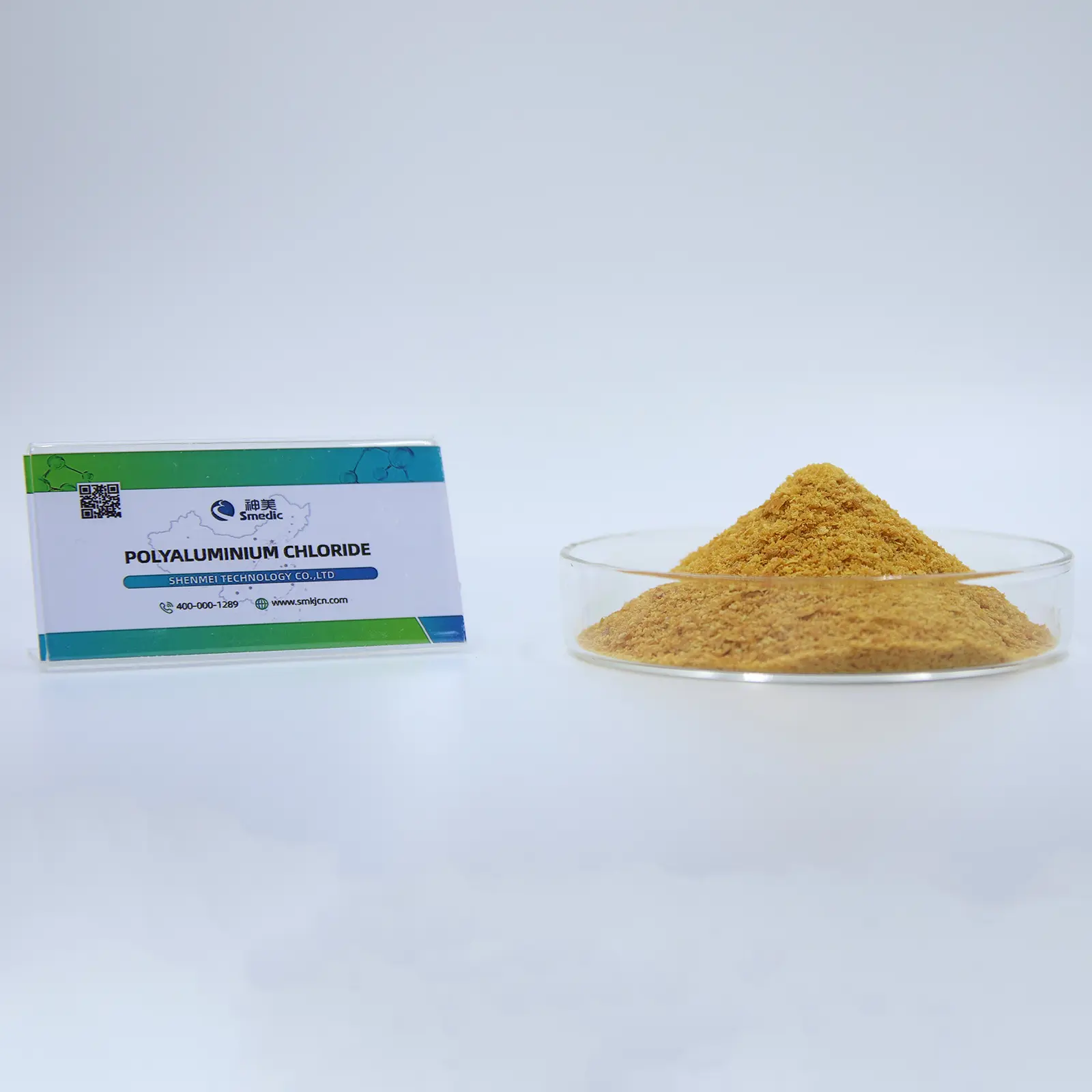
As strict water quality guidelines demand lower trace metal impurities, reduced phosphorus runoff, and the elimination of volatile gases, industrial wastewater treatment plants are re-evaluating conventional chemical agents. Ferrous Chloride (FeCl₂) has emerged as one of the most efficient, cost-effective, and versatile agents for advanced coagulation, flocculation, chemical reduction, and sulfide control.
Unlike standard iron-based coagulants such as Ferric Chloride (FeCl₃) or Ferric Sulfate (Fe₂(SO₄)₃), Ferrous Chloride carries a divalent iron core ($Fe^{2+}$). This state provides unique reducing chemistry. In industrial ecosystems, this reducing capability is critical for targeted detoxification. A primary example is the elimination of hexavalent chromium ($Cr^{VI}$), which is common in plating and metallurgical rinse waters. When introduced under specific acidic conditions, $Fe^{2+}$ donates an electron, reducing toxic $Cr^{VI}$ to the significantly less toxic and easily precipitable $Cr^{III}$:
The newly generated ferric ($Fe^{3+}$) and chromium ($Cr^{3+}$) ions then hydrolyze to form dense, insoluble hydroxide flocs at neutral to alkaline pH, ensuring complete metal capture. Additionally, Ferrous Chloride plays an indispensable role in hydrogen sulfide ($H_2S$) prevention. In municipal collections and sludge anaerobic digesters, dissolved sulfide ions ($S^{2-}$) present severe health hazards and cause biogenic sulfuric acid corrosion in concrete piping. By dosing Ferrous Chloride, the iron reacts directly with dissolved sulfide to form iron sulfide ($FeS$), a highly insoluble precipitate:
This reaction rapidly traps dissolved sulfur species, preventing their release into the headspaces of sewers and anaerobic reactors.
Industrial procurement managers, municipal engineering consultants, and process chemists require reliable supplies of high-purity coagulants. To help procurement teams navigate these needs, our chemical synthesis research team has identified several key factors shaping global sourcing strategies:
Regulators in the EU (Water Framework Directive) and North America (EPA Clean Water Act) are lowering allowable total phosphorus (TP) levels down to 0.1 mg/L or below. Combining biological phosphorus removal with chemical co-precipitation using Ferrous Chloride helps municipal operators meet these standards economically.
Heavy manufacturing sectors—including coal chemistry, microelectronics, and advanced lithium battery plants—increasingly adopt closed-loop recycling. Efficient heavy metal and silica removal using specialized iron salt precipitants is vital to protect down-stream reverse osmosis membranes from premature fouling.
The global push for green hydrogen and biogas generation relies heavily on Ferrous Chloride. Adding $FeCl_2$ directly to anaerobic digesters prevents hydrogen sulfide poisoning of methanogenic consortia, ensuring highly pure biomethane production.
As supply chains face increasing disruptions, securing a reliable supplier of essential industrial chemicals is critical. Smedic Technology Co., Ltd. addresses this challenge through advanced manufacturing, regional storage hubs, and a robust raw material supply chain.
Operating under China’s Factory 4.0 initiatives, Smedic’s production facilities integrate DCS (Distributed Control Systems) and SCADA systems. This setup monitors chemical reactions, feed ratios, crystallization parameters, and packaging in real time, minimizing human error and ensuring consistent product quality.
Our corporate headquarters is located in Beijing, with wholly-owned production bases in Hebei, Guizhou, and Shanxi. To support regional demands, we have established over ten OEM partner factories and regional warehousing and logistics bases in Shandong, Shanxi, Anhui, Guangxi, and Sichuan. This distributed network helps buffer against local raw material shortages, high freight costs, and regulatory disruptions. Our business covers over 20 provinces across China, supporting more than 600 urban sewage treatment plants and over 1,000 industrial and mining end customers.
Achieving optimal performance with Ferrous Chloride requires tuning chemical parameters to the specific wastewater matrix. Below are four common application scenarios:
Target: Reduction of hexavalent chromium to trivalent chromium.
Operation: Maintain the reactor pH between 2.0 and 3.0 using diluted hydrochloric acid. Dose Ferrous Chloride liquid at a stoichiometric ratio of approximately 3:1 ($Fe^{2+}:Cr^{VI}$). Allow 15-20 minutes for complete electron transfer, then raise the pH to 8.5-9.0 using sodium hydroxide or lime. This precipitates chromium hydroxide [$Cr(OH)_3$] and iron hydroxide [$Fe(OH)_3$] for rapid settling.
Target: Reduction of Orthophosphates to <0.1 mg/L.
Operation: Feed Ferrous Chloride directly to the pre-aeration basin or the influent of the primary clarifier. The oxygen in the aeration basin oxidizes $Fe^{2+}$ to $Fe^{3+}$, which reacts with dissolved orthophosphates to form insoluble ferric phosphate ($FePO_4$). Dosing before biological filtration can also help remove any remaining colloidal particles.
Target: Destabilization of chromophores in high-color effluents.
Operation: Dyes containing azo linkages ($-N=N-$) resist standard biological oxidation. Dosing Ferrous Chloride reduces these azo bonds, breaking down the dye molecules. The resulting ferric species act as primary coagulants, aggregating the broken-down dye molecules into larger flocs that can be easily removed by dissolved air flotation (DAF).
Target: Sulfide control in collections systems.
Operation: Use an automated system to dose Ferrous Chloride upstream in gravity pipelines, wet wells, or force mains based on diurnal flow variations. The iron binds free sulfide ions into a stable iron sulfide ($FeS$) precipitate, eliminating the odor of hydrogen sulfide gas ($H_2S$) and protecting concrete sewer walls from biogenic acid corrosion.
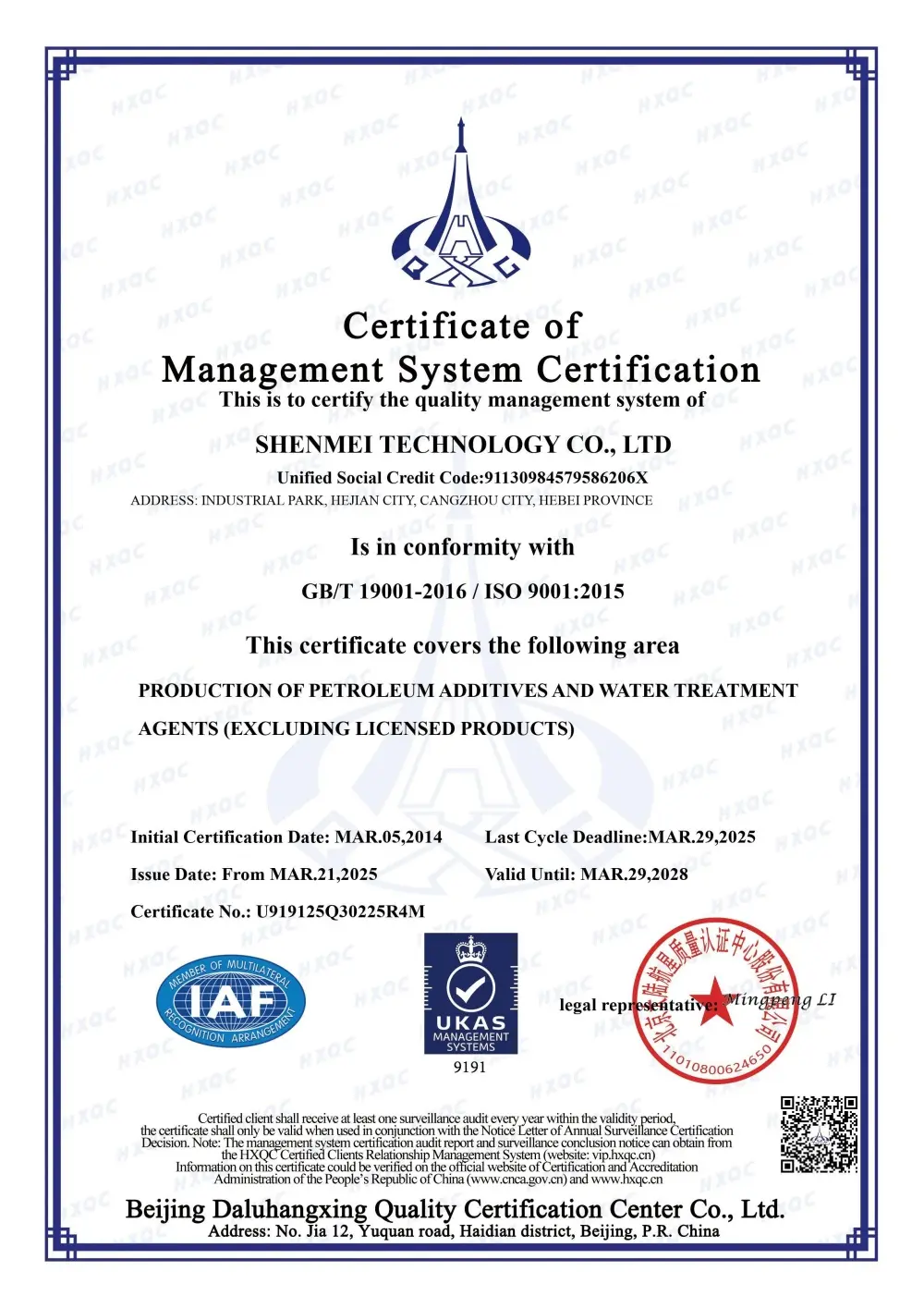
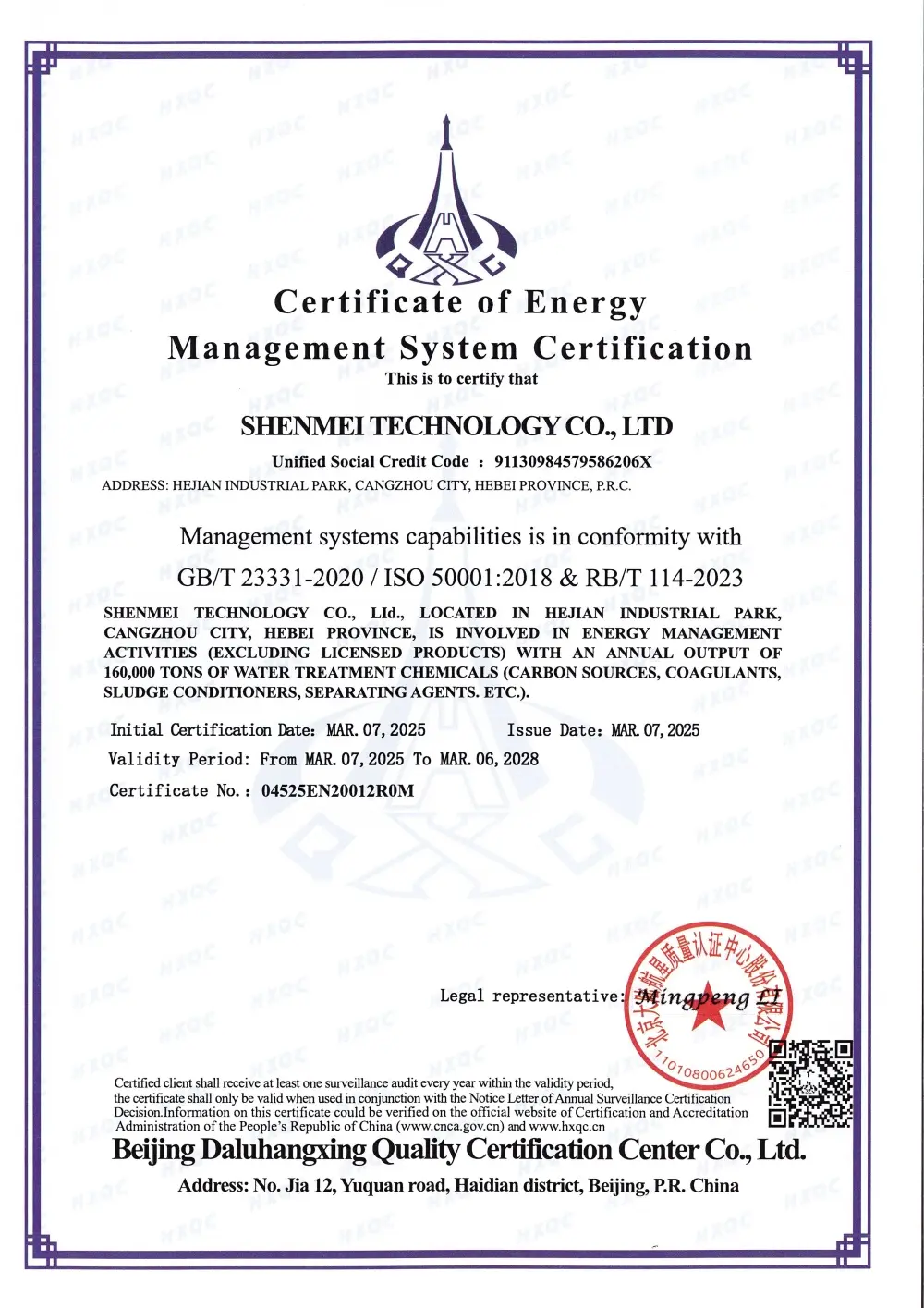
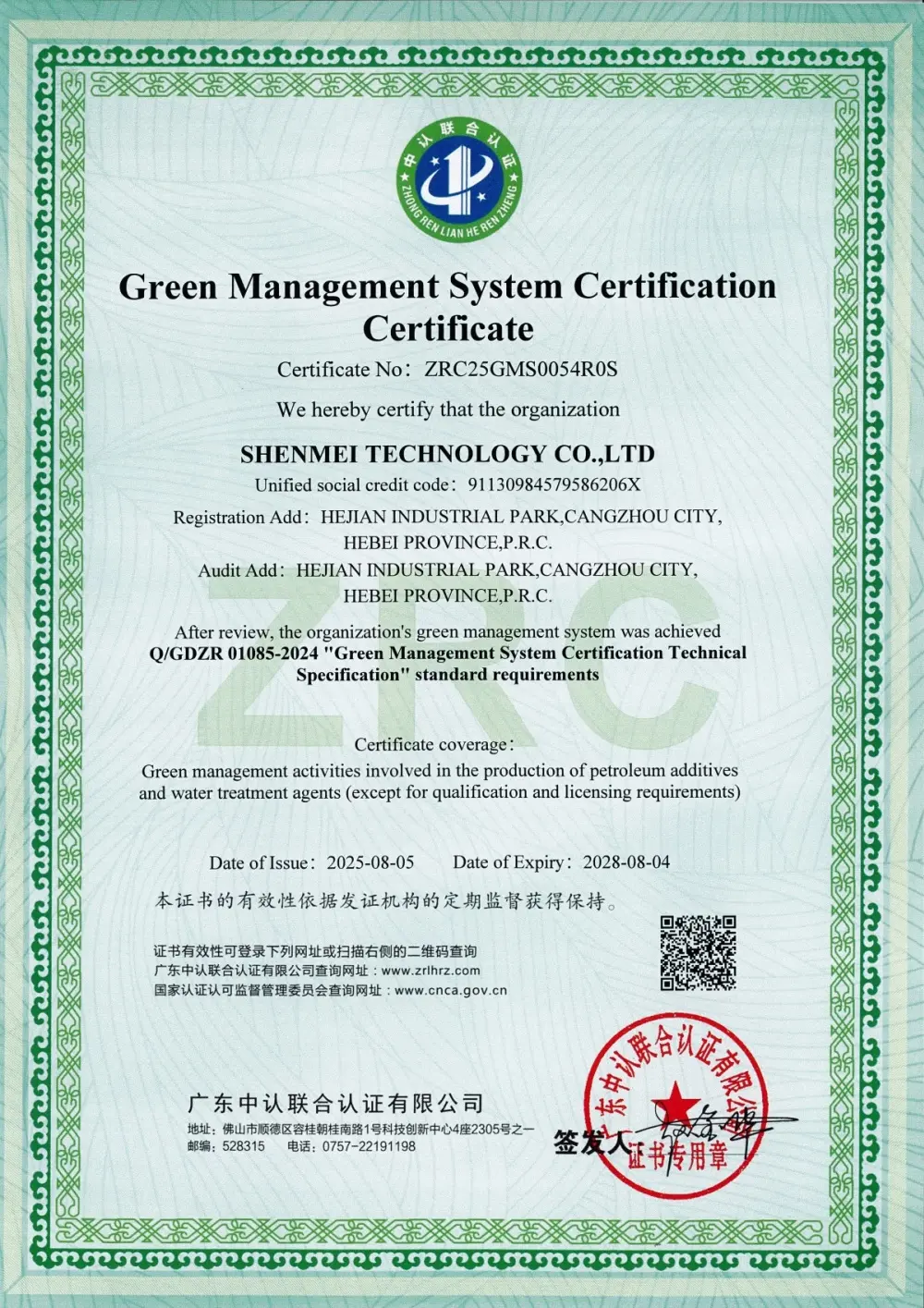
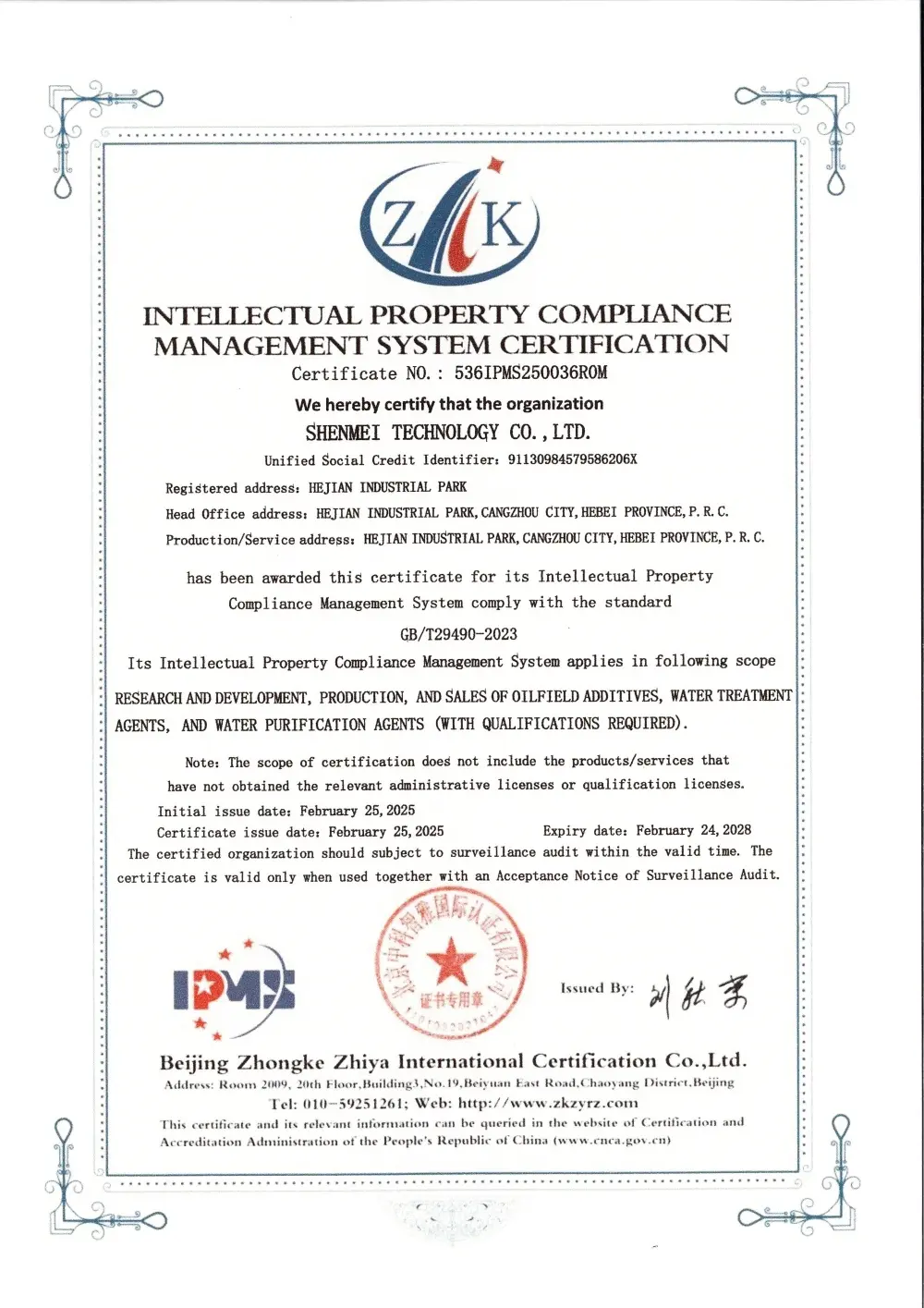
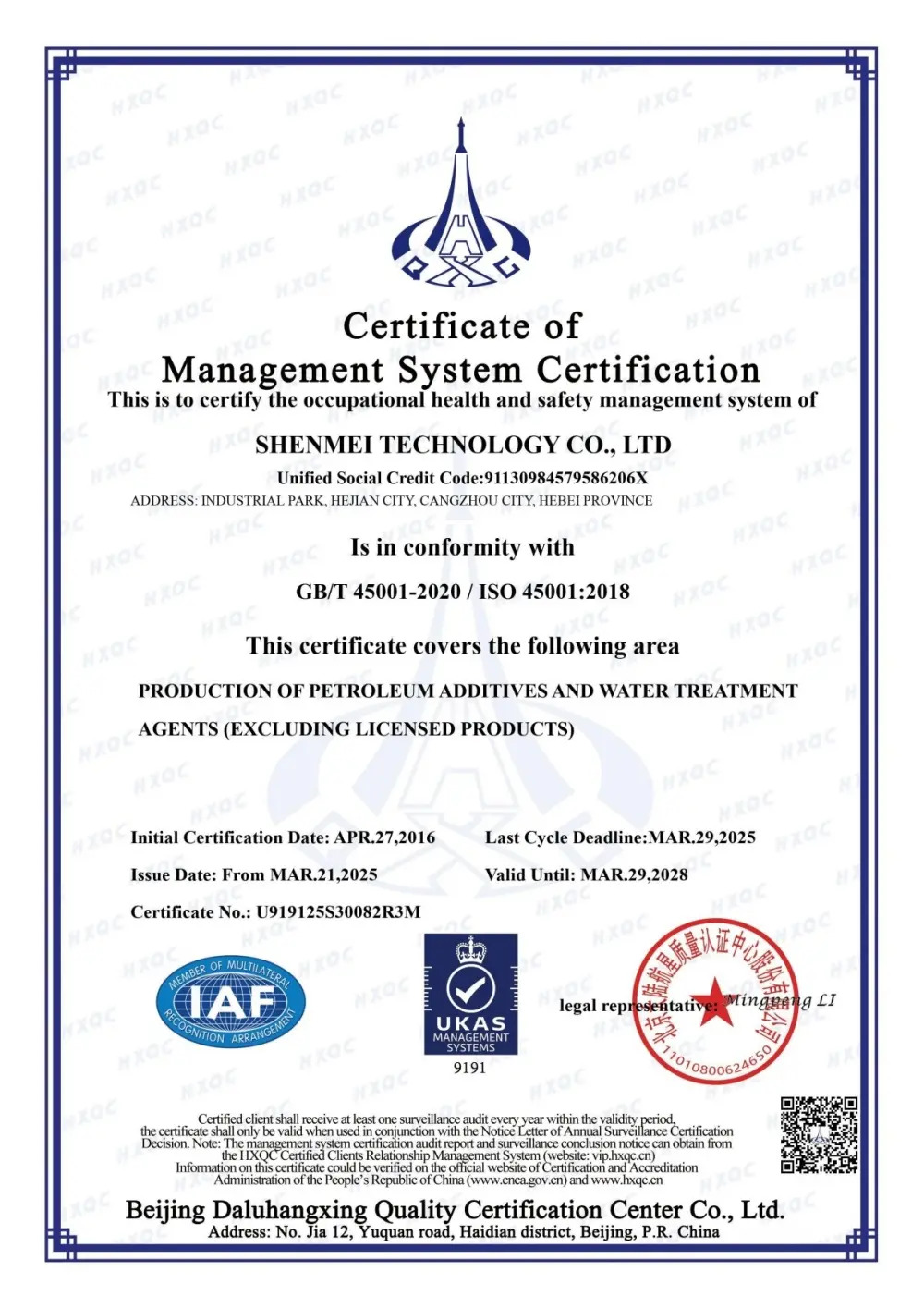
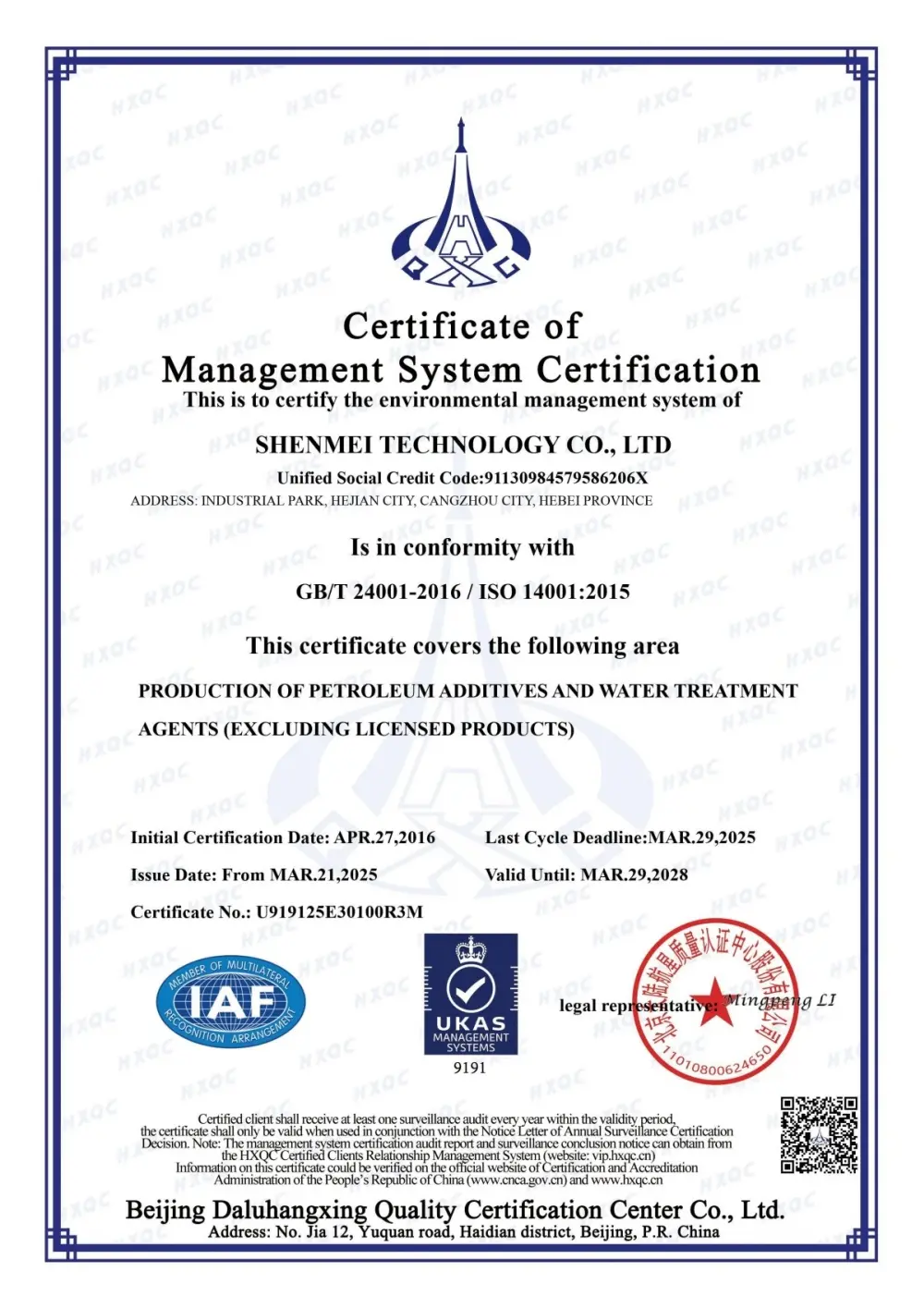
Smedic Technology Co., Ltd. is committed to high quality standards, backed by robust research capabilities and environmental certifications.
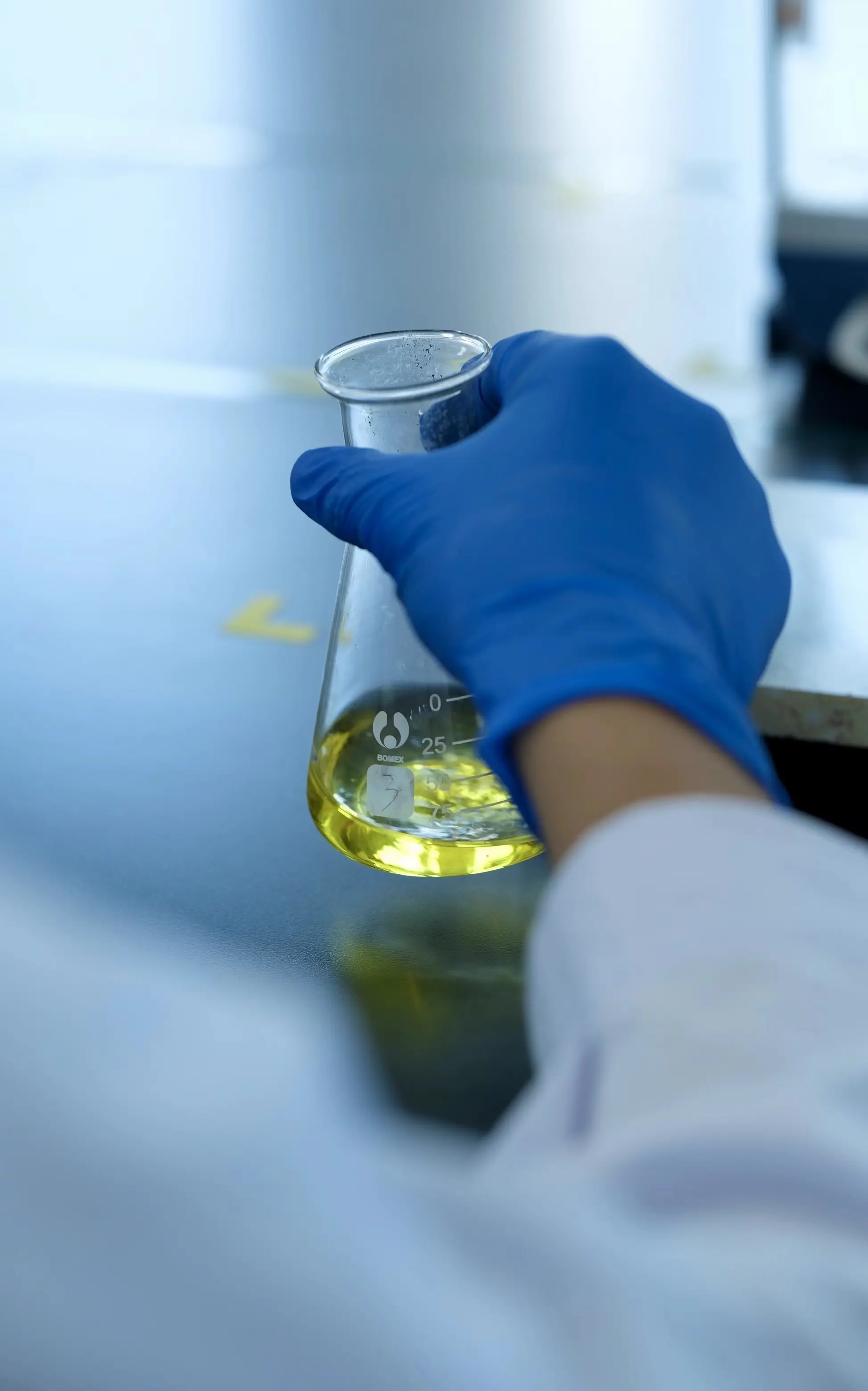
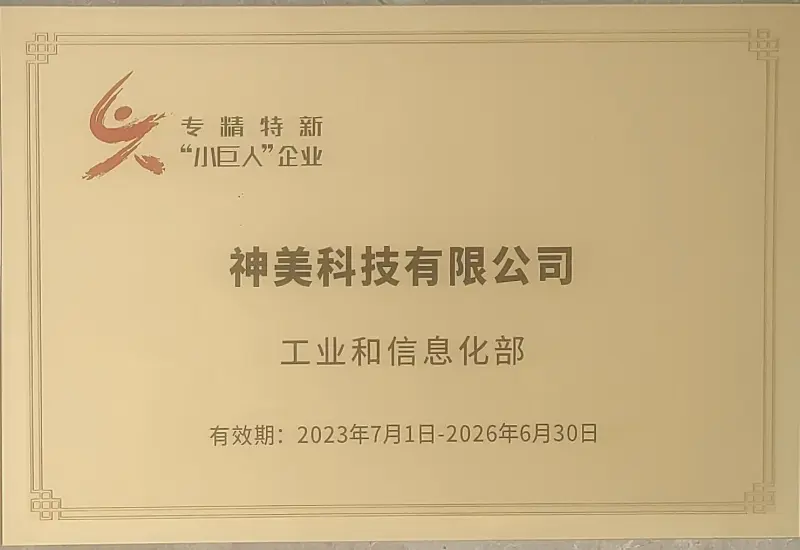
Smedic has been recognized as a National High-tech Enterprise and a National Specialized, Refined, Unique and Innovative "Little Giant" Enterprise. Our facilities include Hebei Province Green Factories, and we are recognized as a leading environmental protection developer in Hebei.
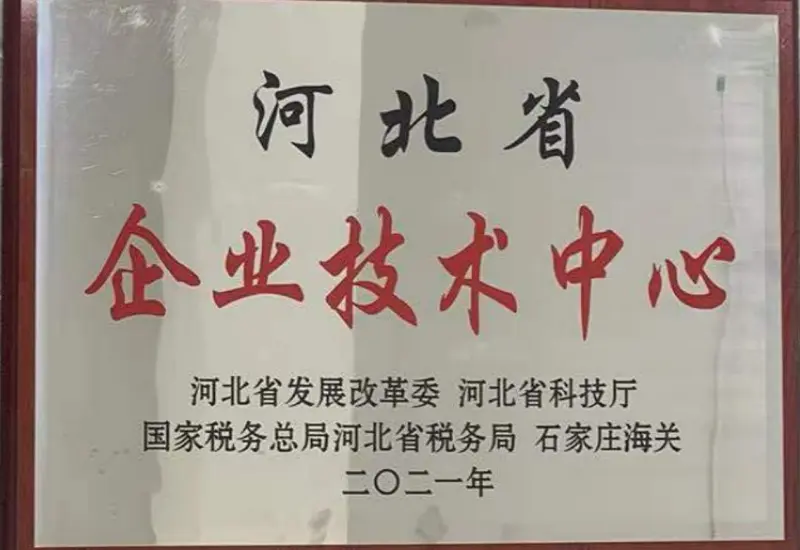
Our R&D network is built around one academy, three research institutes, and five testing bases. This system includes the Hebei Provincial Enterprise Technology Center and the Advanced Water Treatment Chemicals Technology Innovation Center. We maintain an expert workstation in collaboration with the Tsinghua University Association of Senior Scientists and Technicians, and run joint laboratories with Shandong University and Beijing University of Technology.
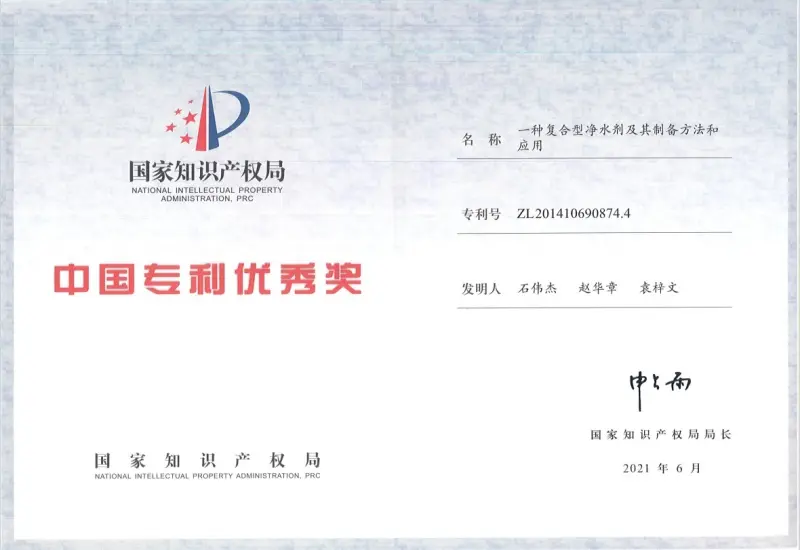
We hold over sixty Chinese patents, including more than forty invention patents and twenty utility model patents. Smedic has led the drafting of over ten national and industry standards for chemical carbon sources, coagulants, sodium acetate, and bacterial agents.
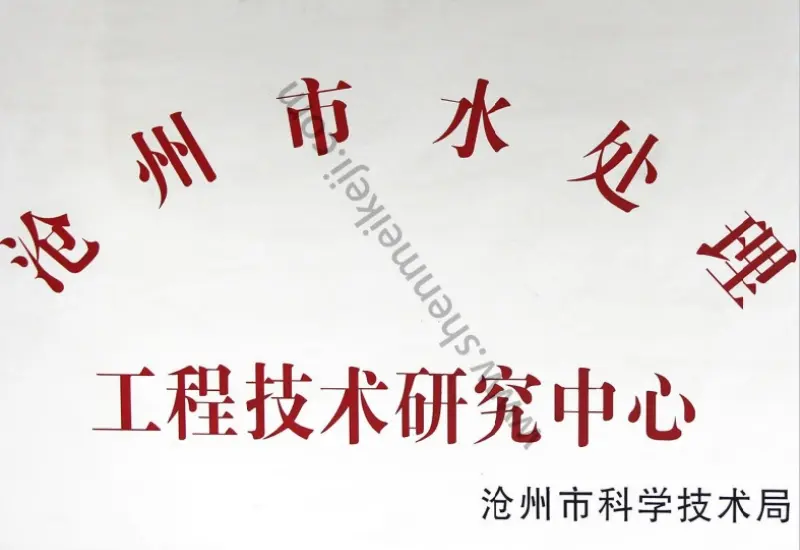
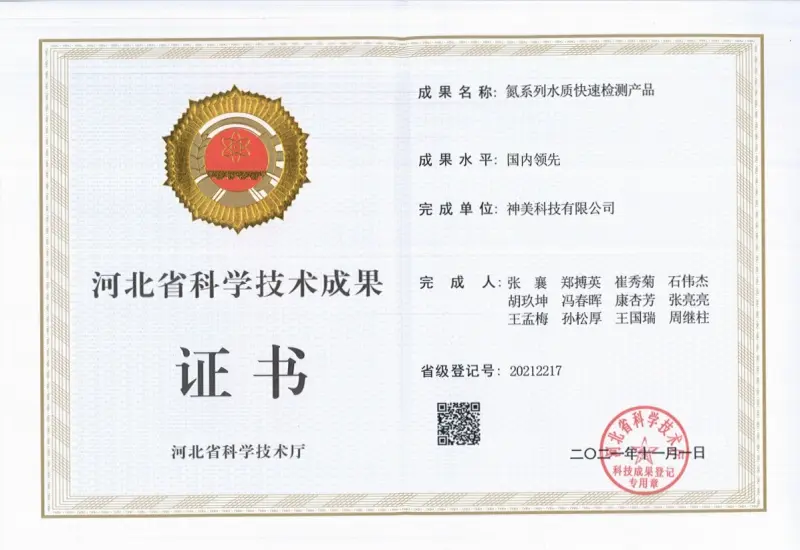
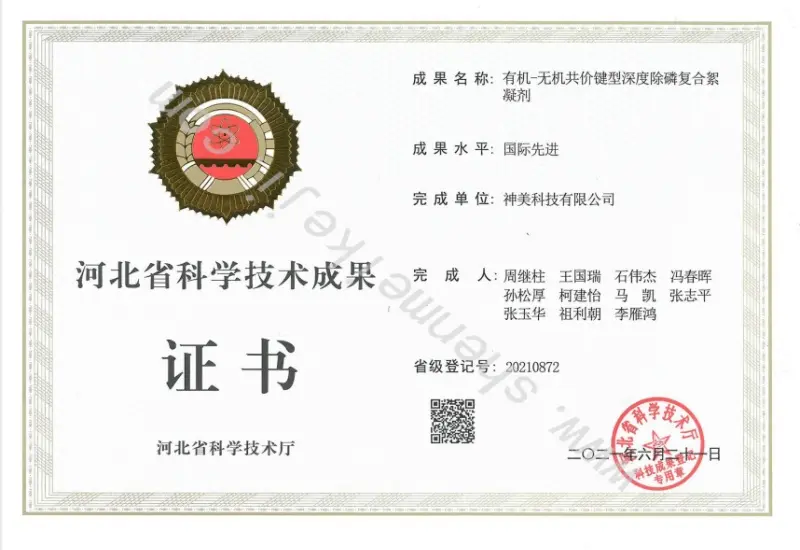
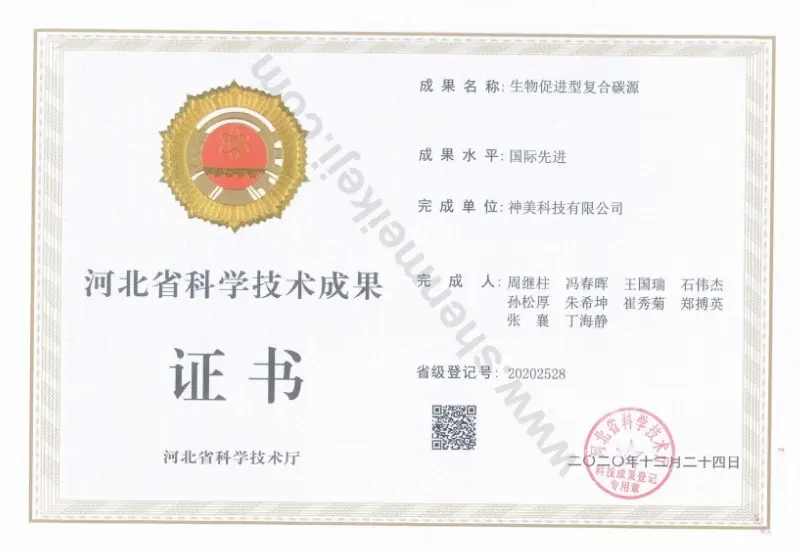
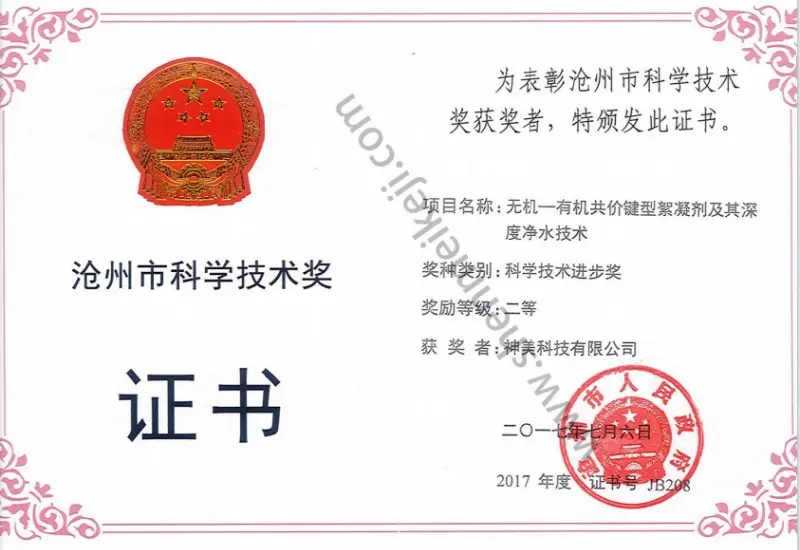
Our independently developed bio-enhanced denitrification carbon sources and deep multi-nuclear phosphorus removal agents have passed scientific evaluations by the Science and Technology Department of Hebei Province, appraising them as "internationally advanced."
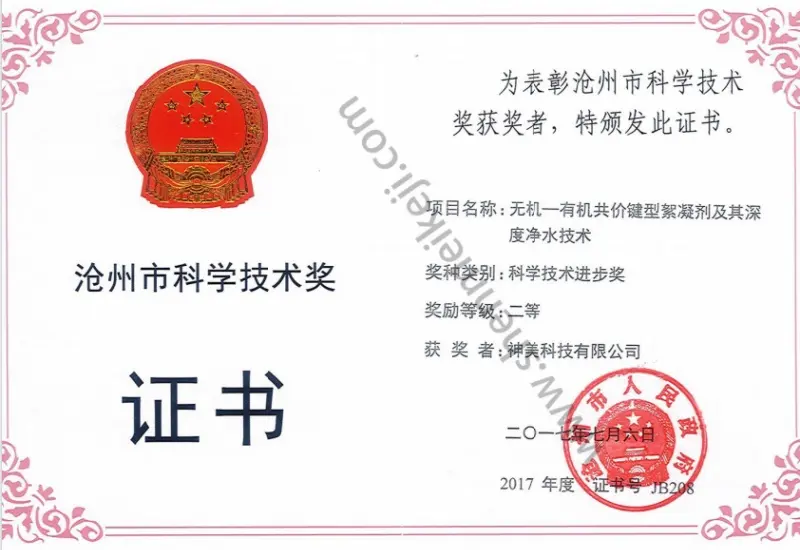
Our "Inorganic-Organic Covalent Bond Flocculant" technology won the 22nd China Patent Award and the First Prize for Technological Invention from the China Petrochemical Industry Association. Smedic has been named a "Leading Brand of Advanced Wastewater Treatment Chemicals" by China Water Network and the E20 Environmental Platform for four consecutive years. We have established strategic partnerships with major water utility groups, including Shouchuang Ecological, Yangtze River Ecology, Beijing Enterprises Water, OriginWater, and China Water Environment.
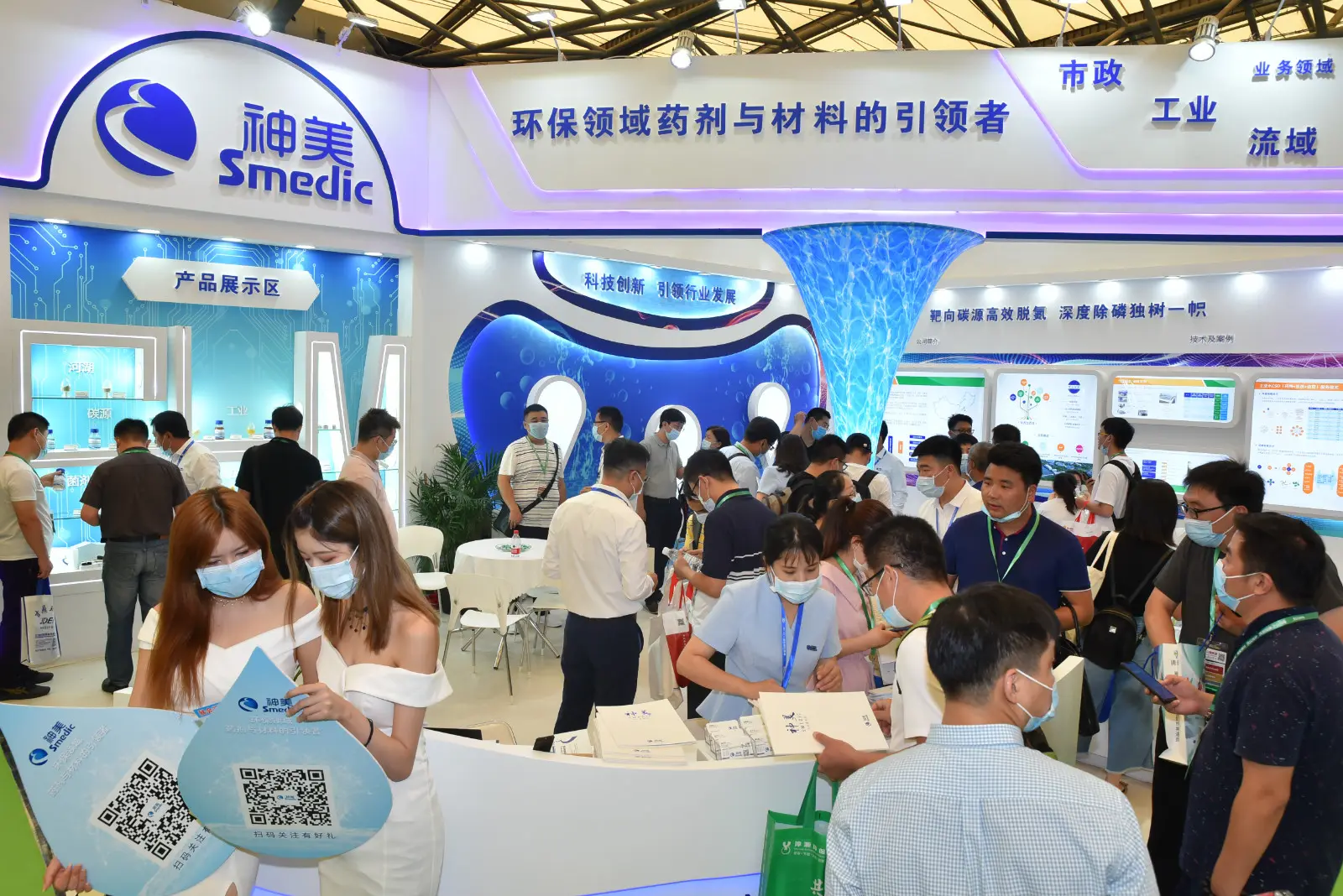
Smedic Technology was established, beginning operations in environmental protection agents and municipal chemical supplies.
Developed a complete product portfolio of treatment chemicals for municipal wastewater plants.
Recognized as a key National High-tech Enterprise due to our growing R&D investments.
Established a production base for water treatment chemicals in Guiyang to support southwestern markets.
Expanded production bases in Hebei, Shandong, and Guizhou, raising total annual capacity past 1 million tons.
Named a National Specialized, Refined, Unique, and Innovative Small and Medium-sized Enterprise.
Established a provincial-level R&D platform in Hebei to accelerate technology commercialization.
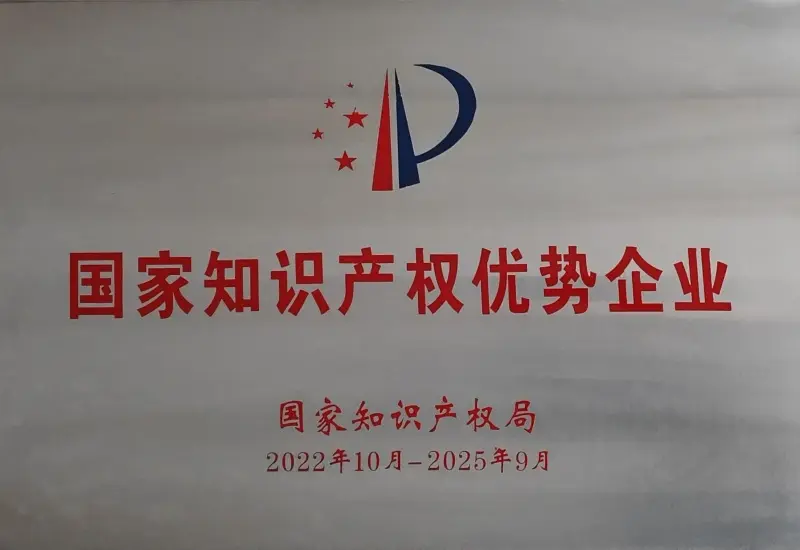
Recognized as a National Intellectual Property Advantage Enterprise with over sixty patents.
Established a joint venture with the Chengdu Institute of Mineral Comprehensive Utilization, China Geological Survey, to develop specialized mineral reagents.
Browse our technical database for answers to common questions about using Ferrous Chloride in wastewater treatment.
Verified quality assurance parameters certified by national laboratories.
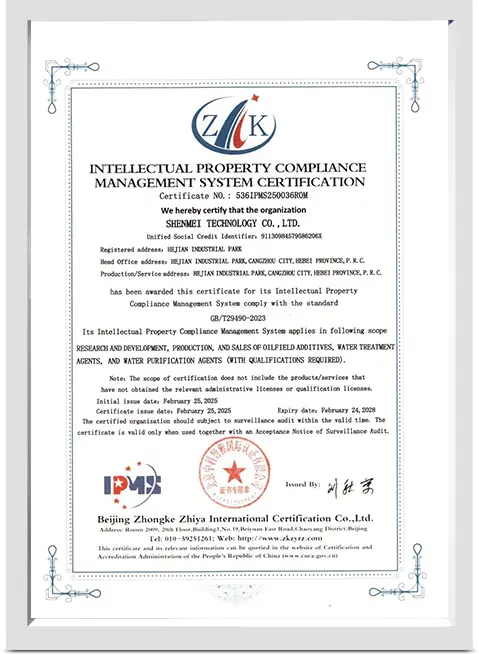
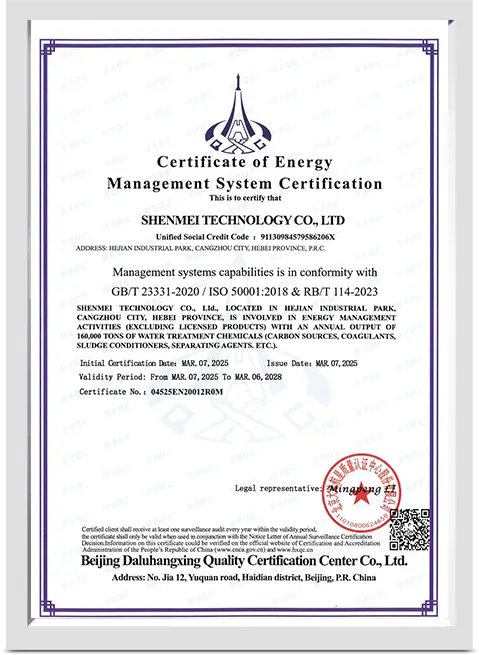
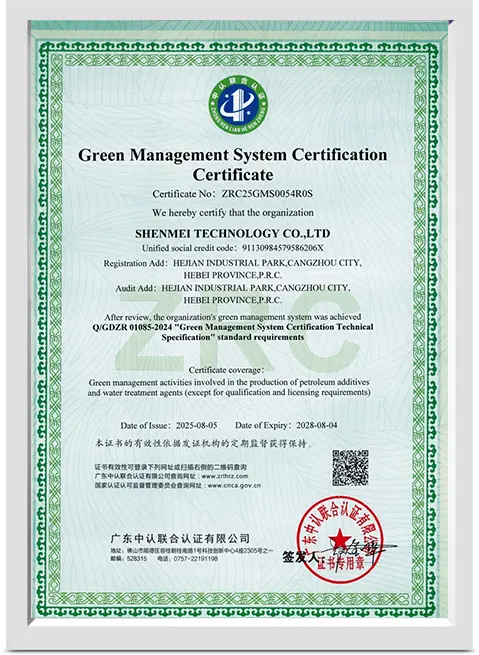
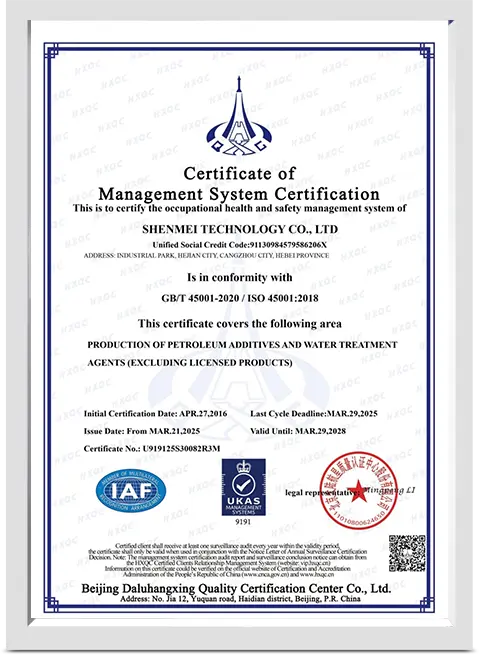
A comprehensive range of environmental protection chemicals, coagulants, defoamers, and biological nutrients.
 Smedic Tech