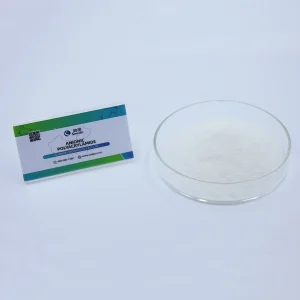
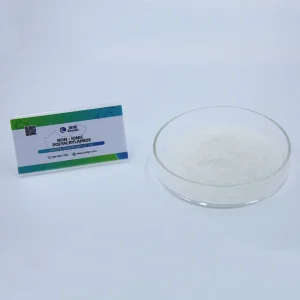
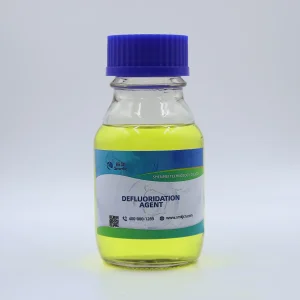
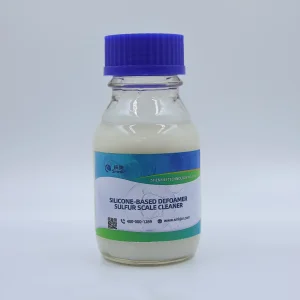
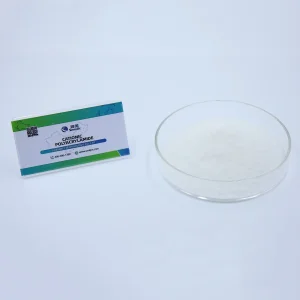
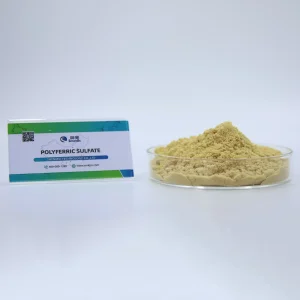
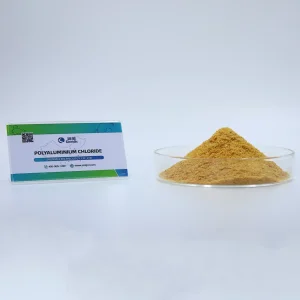
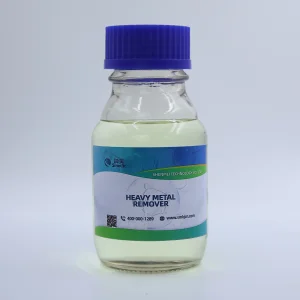
Explore our premium grade chemical agents optimized for comprehensive sludge dewatering, heavy metal binding, and high-efficiency flocculation.
A deep analytical perspective on global market dynamics, regulatory changes, and industrial demands shaping coagulant distribution.
As modern regulatory bodies enforce progressively stringent constraints on effluent discharges, the industrial significance of polymeric iron-based coagulants has surged. In particular, Polyferric Sulfate (PFS) has emerged as a key technology for municipal and industrial wastewater facilities aiming to comply with environmental regulations. This shifting landscape represents a move away from traditional monomeric coagulants like Aluminium Sulfate and Ferric Chloride. Global markets, particularly across North America, the European Union, and rapidly industrializing zones in Asia-Pacific, are adopting polymeric iron formulations due to their higher molecular weight, superior charge-neutralization capabilities, and minimal environmental footprints.
From a commercial perspective, the market dynamics of Ferric Sulphate Coagulants are closely tied to the global demand for clean process water and heavy metal mitigation. In municipal systems, the requirement to control eutrophication has made chemical phosphorus removal a priority. PFS, with its polymeric structure, exhibits high affinity for orthophosphates, precipitating them out of suspension far more effectively than traditional options. Industrial sectors, including petrochemical refining, textile printing, pulp and paper manufacturing, and automotive painting, rely on PFS to address complex wastewater containing emulsified oils, organic dyes, and refractory colloidal suspensions.
Furthermore, concerns regarding residual aluminium levels in treated water and the subsequent health implications have prompted municipal water plants to seek iron-based alternatives. Industrial operations are also turning to PFS to improve their sludge dewatering processes. The dense, rapid-settling flocs produced by polymeric ferric compounds yield compact sludge cakes with reduced water content, lowering disposal costs. Smedic Technology is positioned to meet this demand, combining our production infrastructure with specialized R&D platforms to provide chemical solutions globally.
Established in 2011, Smedic Technology Co., Ltd. operates as a comprehensive environmental protection agent provider, integrating research and development, large-scale production, global sales, and specialized engineering services. Our chemical portfolio supports key sectors, including municipal sewage treatment, industrial wastewater purification, tap water clarification, mineral processing, and oilfield operations.
With an annual production capacity exceeding 1 million tons and a selection of over 80 environmental protection products, we address complex water treatment needs across diverse operations. Our service network covers over 20 provinces in China and extends globally, supporting over 600 urban sewage treatment plants and 1,000 industrial end-customers. Our technical team includes academicians, industry experts, professors, and senior engineers, collaborating within an R&D framework consisting of one academy, three research institutes, and five manufacturing bases.
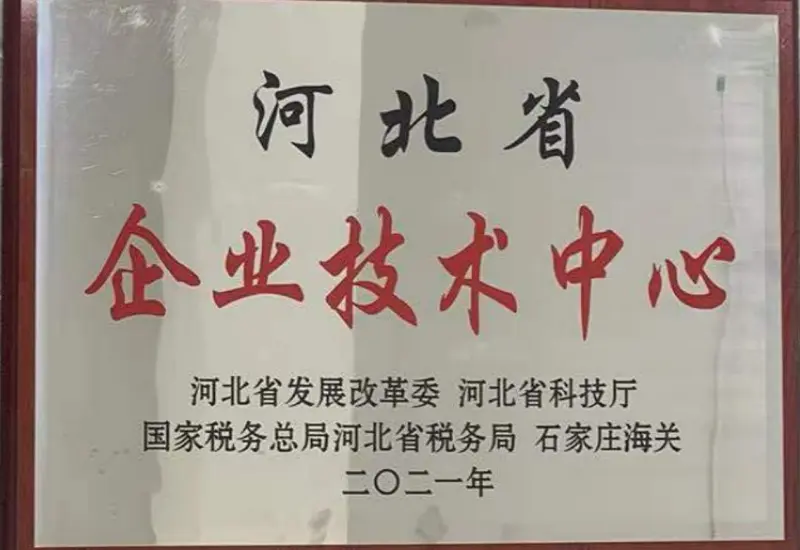
Our research and development capabilities are anchored by recognized provincial institutions, including the Hebei Provincial Enterprise Technology Center, the Hebei Provincial Advanced Water Treatment Chemicals Technology Innovation Center, and the Cangzhou Water Treatment Engineering Technology Research Center. Through collaborative research with institutions like Tsinghua University, Shandong University, and Beijing University of Technology, we work to convert laboratory advancements into scalable industrial solutions.
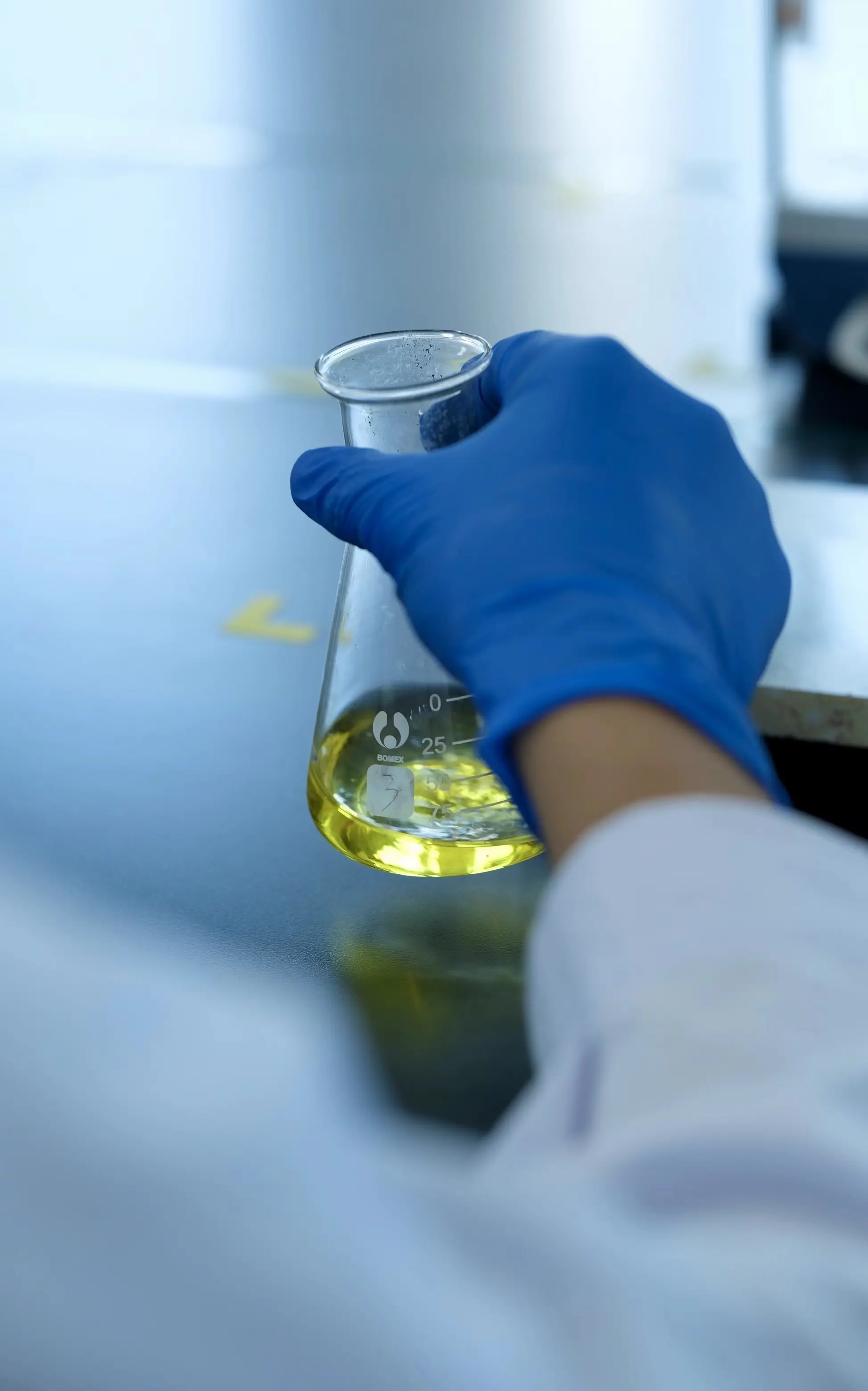
A detailed review of the chemistry, performance advantages, and specifications of polymeric ferric coagulants.
Polyferric Sulfate is an inorganic polymer coagulant characterized by a hydroxyl-bridged, multi-nuclear polymeric structure. Unlike monomeric salts (e.g., $FeCl_3$ or $Fe_2(SO_4)_3$), PFS rapidly hydrolyzes in water to form a series of multinuclear complex ions. These include $[Fe_2(OH)_3]^{3+}$, $[Fe_3(OH)_6]^{3+}$, and $[Fe_8(OH)_{12}]^{12+}$. This structural configuration provides several distinct chemical advantages:
| Parameter / Specification Metric | Liquid Grade PFS (Industrial) | Solid Powder Grade PFS (High-Purity) | Test Methods & Standard Compliance |
|---|---|---|---|
| Appearance | Reddish-brown, viscous liquid | Light yellow, amorphous powder | Visual inspection / GB14591-2016 |
| Total Iron ($Fe^{3+}$) Content | ≥ 11.0 % | ≥ 21.0 % | Potentiometric Titration |
| Reducing Iron ($Fe^{2+}$) Content | ≤ 0.1 % | ≤ 0.15 % | Permanganate Index Analysis |
| Basicity (Alkalinity Index) | 8.0 % - 16.0 % | 9.0 % - 17.0 % | Acid-Base Back-Titration Method |
| pH (1% aqueous solution) | 2.0 - 3.0 | 2.0 - 3.0 | Standard Electrode pH Metering |
| Water Insolubles | ≤ 0.5 % | ≤ 0.8 % | Gravimetric Filtration Analysis |
| Heavy Metals (Pb, As, Cr) | Complies with EU & GB Specs | Complies with Potable Water Specs | Inductively Coupled Plasma Mass Spectrometry |
For decades, Polyaluminum Chloride (PAC) was the default choice for water clarification. However, comparative studies show PFS provides several key advantages in demanding wastewater environments. First, PFS operates across a wider pH range (4.0 to 11.0), whereas PAC performance typically degrades outside the 6.5 to 8.5 range. Second, because iron has a higher density than aluminium (the density of ferric hydroxide is approximately 3.4 g/cm³ compared to 2.4 g/cm³ for aluminium hydroxide), the flocs formed by PFS settle at a faster rate, reducing the required retention time in sedimentation tanks.
Additionally, PFS chemical precipitation is highly effective for phosphorus removal. Orthophosphates form insoluble ferric phosphate ($FePO_4$), which precipitates out of the system. This reaction is more stoichiometric and efficient than the corresponding aluminium phosphate precipitation, allowing plants to achieve low effluent phosphorus levels with optimized dosing. Finally, PFS does not release residual aluminium ions into the treated effluent, avoiding issues with regulatory limits on aluminium in potable water and industrial discharge.
Our journey of scaling production, establishing joint R&D partnerships, and earning recognition as a water treatment industry leader.
Smedic was founded, establishing operations in Beijing to serve the environmental protection agent market.
Expanded into the municipal wastewater sector, introducing a dedicated portfolio of carbon sources and specialized coagulants.
Recognized as a National High-Tech Enterprise, reinforcing our commitment to research and development.
Established a dedicated water treatment chemical manufacturing facility in Guiyang to serve southwestern regional markets.
Completed expansion phases across our Hebei, Shandong, and Guizhou facilities, bringing annual production capacity past the 1 million-ton milestone.
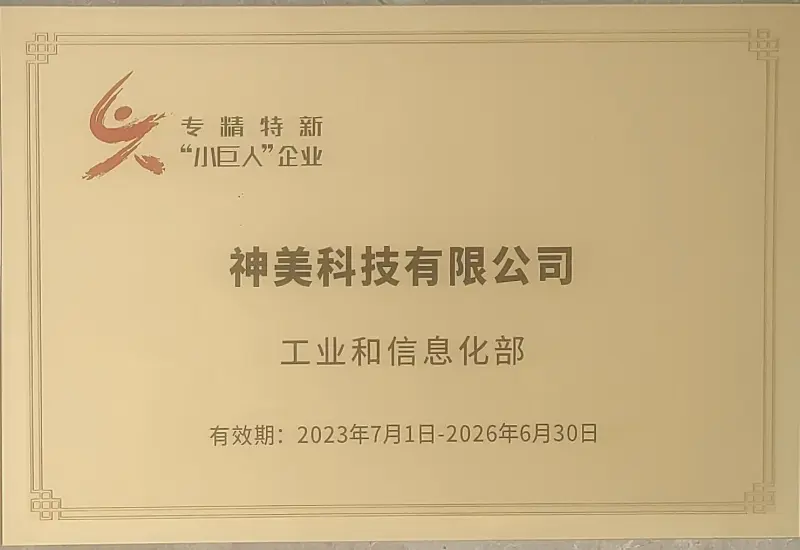
Designated a National Specialized, Refined, Unique and Innovative "Little Giant" Enterprise by regulatory authorities.
Built a provincial-level R&D platform in Hebei, integrating advanced testing suites for physical and chemical analysis.
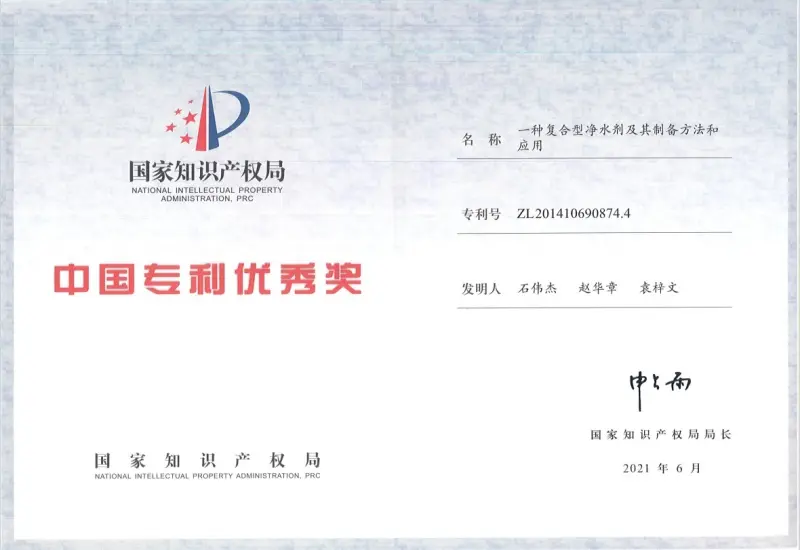
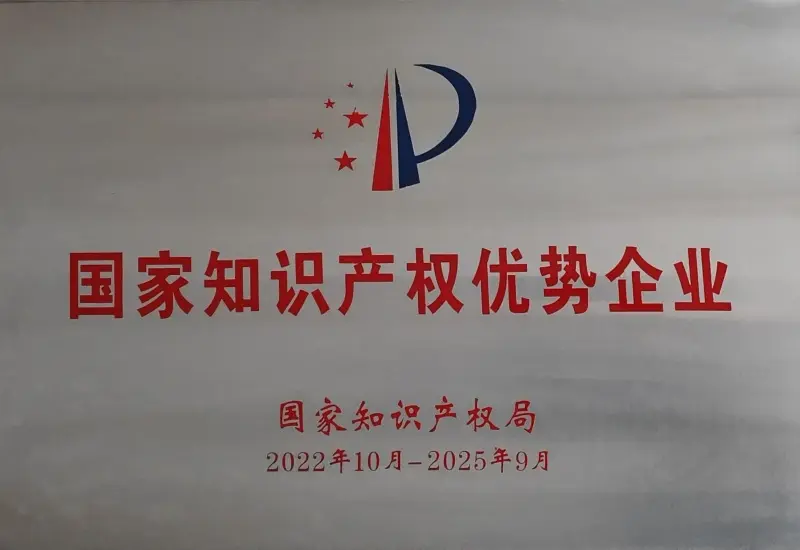
Recognized as a National Intellectual Property Advantage Enterprise, holding over 60 patents, including 40+ invention patents.
Formed a joint venture with the Chengdu Institute of Mineral Comprehensive Utilization, China Geological Survey, expanding our capabilities into mineral processing reagents.
Targeted chemical programs designed to address specific industrial and municipal treatment challenges.
Effective precipitation of heavy metal ions, including copper, nickel, zinc, and lead, from industrial plating and electronics manufacturing effluents.
Breaking emulsified oil-water mixtures in petroleum processing streams, ensuring clean water output and enabling oil phase recovery.
Enhanced primary treatment and phosphorus removal to control discharge metrics, preventing downstream eutrophication in natural receiving waters.
Textile printing and dyeing effluents present notable challenges for water treatment due to high chemical oxygen demand (COD), fluctuating alkalinity, intense coloration from synthetic dyes, and high concentrations of suspended solids. A major textile facility in Southeast Asia struggled with inconsistent coagulation using traditional aluminum salts, which led to high sludge volumes and residual color that exceeded local discharge standards.
Smedic engineers implemented a treatment program using our high-purity Solid Polyferric Sulfate (PFS) in combination with a custom-engineered Anionic Polyacrylamide (APAM) flocculant. The polyferric formulation was chosen for its strong charge-neutralization capabilities, which destabilize the anionic dyes, and its stable performance across the facility's broad pH range.
The results of this program demonstrate the efficiency of the combined system. The treatment achieved an 88% reduction in total COD and over 95% color removal. Floc settling velocity increased by 40%, which resolved bottlenecking issues in the primary clarifiers. Additionally, the higher density of the iron-based flocs reduced the volume of wet sludge by 25%, lowering overall dewatering and disposal costs for the facility.
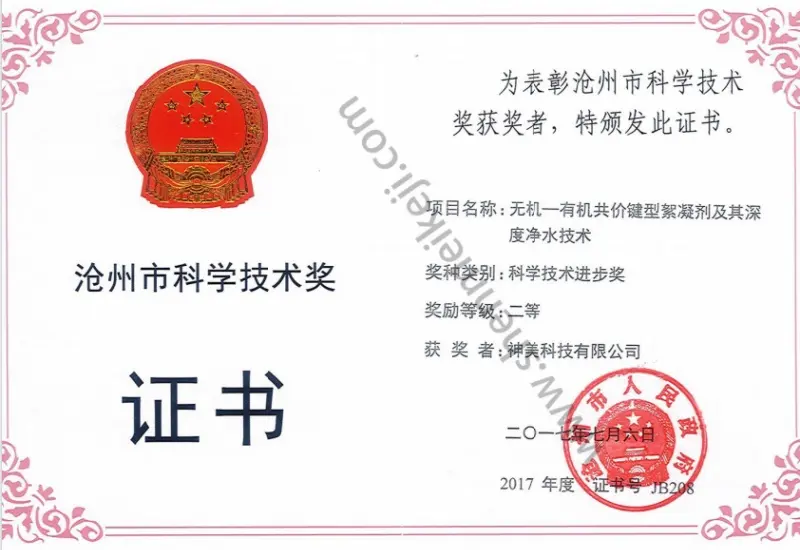
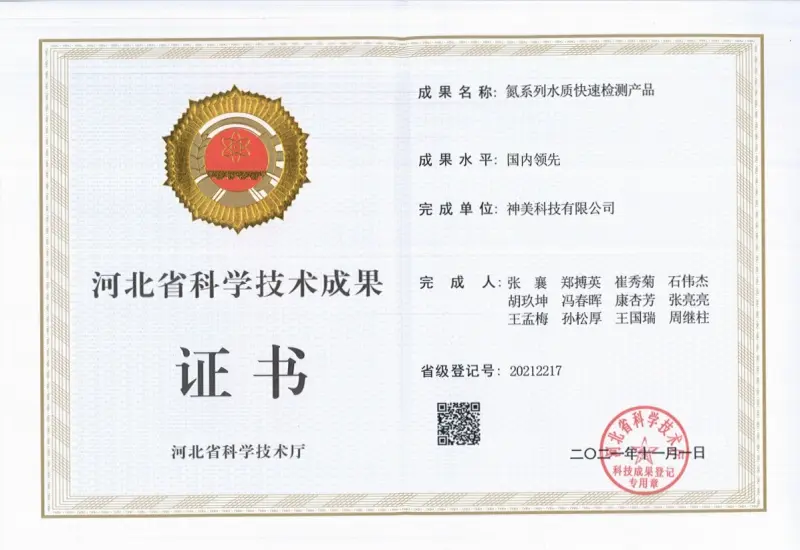
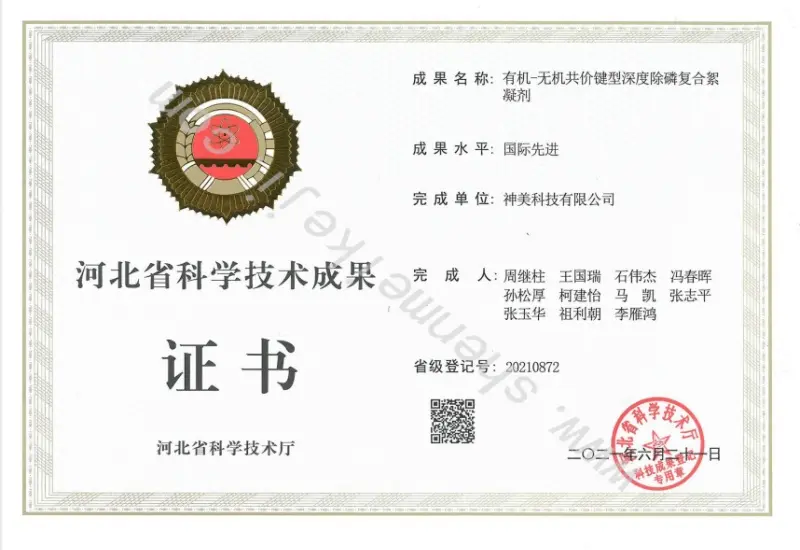
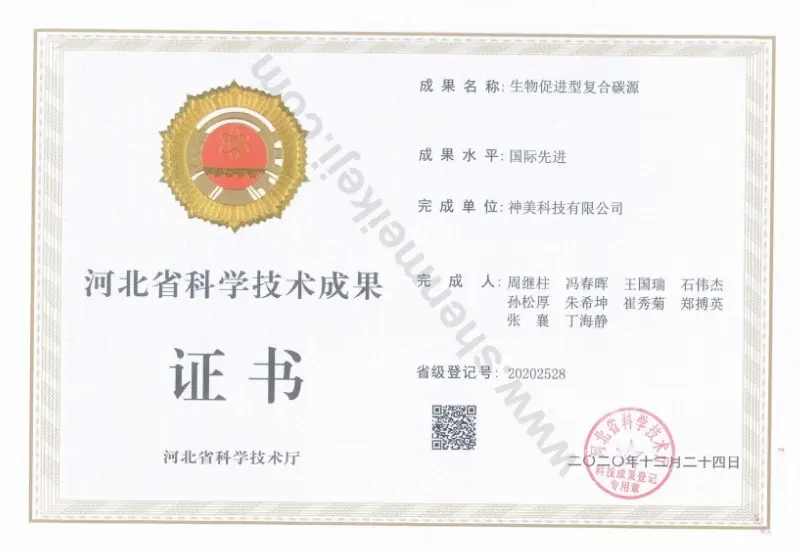
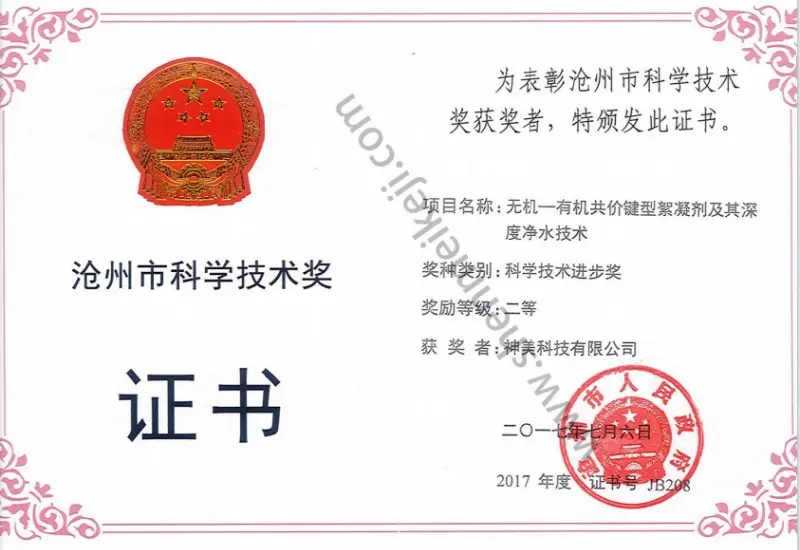
A showcase of our core certifications, patent filings, and industry credentials, demonstrating our commitment to quality standards.

Practical answers to common operational questions regarding Polyferric Sulfate and associated treatment agents.
Unlike traditional coagulants like Alum or Ferric Chloride, which have narrow operational bands, Polyferric Sulfate operates across a broad pH range of 4.0 to 11.0. The optimal range typically falls between 6.0 and 9.0, where the hydrolysis products form stable hydroxyl-bridged polymeric complexes that maximize charge neutralization and sweep-flocculation.
PFS is generally more effective for chemical phosphorus removal than PAC. The iron ($Fe^{3+}$) ions in hydrolyzed PFS react stoichiometrically with orthophosphates ($PO_4^{3-}$) to form highly insoluble ferric phosphate ($FePO_4$) precipitates, which settle out of the water column. This process achieves higher removal rates per unit mass of coagulant compared to aluminum-phosphate reactions, helping plants meet strict effluent phosphorus limits.
Liquid PFS has a typical shelf life of six months and should be stored in corrosion-resistant vessels, such as FRP, PVC, or HDPE tanks, to prevent degradation. Solid powder PFS is hygroscopic and should be stored in dry, well-ventilated warehouses in its original sealed packaging; under these conditions, it remains stable for up to two years. For global export, solid PFS is packed in 25kg double-layer bags or 1000kg bulk containers, ensuring stable handling during sea transport.
Because iron-based flocs are denser than aluminum-based equivalents, the resulting sludge compacts more easily, reducing the total wet sludge volume. During mechanical dewatering processes (such as filter presses or centrifuges), the structured, crystalline nature of the ferric precipitate helps release bound water, yielding drier sludge cakes and reducing overall hauling and disposal costs.
Explore our targeted chemical formulations, including specialized defoamers, heavy metal precipitants, and high-efficiency coagulants.
 Smedic Tech