Explore our leading environmental agents, scale inhibitors, and defoamers engineered for critical industrial and municipal operations.
Ferric Chloride ($FeCl_3$, CAS No. 7705-08-0), dynamic in both its anhydrous and liquid configurations, represents one of the most chemically versatile, cost-effective, and powerful acidic coagulants utilized in modern process industries. Structurally, iron in its +3 oxidation state ($Fe^{3+}$) exhibits highly localized charge density, making it exceptional at destabilizing colloidal suspensions compared to divalent metal coagulants. This white paper serves to analyze the macroscopic market trends, procurement strategies, and microscopic chemical dynamics that define Ferric Chloride sourcing today.
In aqueous systems, Ferric Chloride undergoes rapid hydrolysis, producing a cascade of mononuclear and polynuclear aqua-metallic complexes, including $[Fe(H_2O)_6]^{3+}$, $[Fe(H_2O)_5(OH)]^{2+}$, and the dimeric $[Fe_2(H_2O)_8(OH)_2]^{4+}$. These positively charged species bind rapidly with negatively charged suspended solids, natural organic matter (NOM), and silicate colloids. This neutralization process diminishes the zeta potential of suspended particles, allowing van der Waals forces to dominate, leading to the formation of dense, shear-resistant flocs. Furthermore, the precipitation of amorphous ferric hydroxide ($Fe(OH)_3$) acts as a physical sweep network, capturing remaining micro-flocs through sweep coagulation.
Anhydrous Ferric Chloride is a highly hygroscopic crystalline solid with a dark green-black metallic appearance, whereas liquid Ferric Chloride is typically supplied as a dark, red-brown aqueous solution at concentrations of 38% to 42%. Sourcing anhydrous variants offers clear advantages for long-distance international shipping, reducing weight-associated freight costs. However, it demands specialized hermetic packaging and on-site dissolving systems. Conversely, liquid Ferric Chloride avoids dust hazards and simplifies dosing operations but requires dedicated corrosion-resistant storage systems (such as FRP or lined steel tanks) and has higher transport costs due to water weight.
The global demand for high-quality Ferric Chloride is expanding rapidly, driven by two primary macroeconomic tailwinds: rising environmental regulatory mandates for wastewater discharge, and the exponential growth of high-density interconnect (HDI) printed circuit board (PCB) manufacturing. Heavy industrial nations in the Americas, Europe, and the Asia-Pacific region are enforcing stringent regulations on phosphorus runoffs, heavy metal concentrations, and total organic carbon (TOC) levels in discharge streams.
Industrial buyers face a complex landscape characterized by chemical purity requirements, transport logistics compliance, and supplier reliability. Ferric Chloride is classified as a hazardous material (UN 1773 for anhydrous, UN 2582 for solution) due to its corrosive nature. Consequently, international procurement requires exporters with proven regulatory expertise, robust shipping configurations, and complete adherence to localized environmental protections.
Procuring entities must verify the levels of insoluble matter, free acid ($HCl$), and heavy metal contamination (such as arsenic, lead, and chromium). High-precision electronics etching requires ultra-pure grades with minimal trace metal variances to prevent substrate degradation.
Liquid variants must be transported in specialized rubber-lined steel tankers, titanium-reinforced ISO tanks, or UN-approved IBC containers. For anhydrous products, double-layer sealed HDPE bags or heavy-duty steel drums are essential to prevent moisture absorption.
Uninterrupted supply is vital for municipal operations that cannot tolerate plant shutdowns. Procurement contracts now mandate multi-regional distribution networks and regional warehousing bases to mitigate transport delays.
The manufacturing and application of Ferric Chloride are undergoing a significant technological shift toward sustainability, precision automation, and circular economy integration. Historically, Ferric Chloride was produced primarily by dissolving iron ore or pickling liquors in hydrochloric acid followed by chlorination. Today, advanced manufacturers are utilizing clean chlorine gas loops and high-purity scrap metals to reduce environmental footprints and improve product consistency.
Modern chemical complexes are integrating chlorine waste streams from titanium dioxide production directly into iron chlorination systems. This industrial symbiosis reduces greenhouse gas emissions and decreases the energy consumption required for primary chemical extraction.
The PCB industry's move toward sub-millimeter tracing requires etching agents with highly predictable chemical kinetics. Advanced Ferric Chloride formulations now incorporate specialized oxidation stabilizers, ensuring stable etch rates and minimizing copper undercutting.
Wastewater plants are adopting smart dosing systems that read real-time pH, turbidity, and phosphorus levels. These systems use predictive AI models to adjust Ferric Chloride dosing dynamically, preventing over-dosing, reducing sludge volume, and optimizing costs.
Rather than discarding ferric-rich sludge to landfills, researchers are developing recovery processes to extract iron oxides for paint pigments or use the dried sludge as a feed material in cement production, closing the resource loop.
China's chemical sector has transitioned to the Factory 4.0 paradigm, combining raw material availability, automated process control, and digital logistics to offer resilient supply chains for international buyers. Smedic Technology Co., Ltd. sits at the intersection of this transformation, leveraging advanced manufacturing systems to deliver consistent product quality at scale.
Our manufacturing plants utilize Distributed Control Systems (DCS) to monitor reaction temperatures, gas flow rates, and feed concentrations in real time. This level of automation ensures that every batch of liquid or anhydrous Ferric Chloride meets strict purity specifications. Additionally, our factories are co-located near reliable sources of hydrochloric acid and iron, insulating our production from raw material shortages.
Beyond process control, our logistics network features dedicated hazardous cargo fleets and strategically located warehousing facilities across China. This infrastructure allows us to manage domestic transport efficiently and coordinate sea freight operations, providing reliable delivery timelines to our global customers.
Providing technical solutions for complex industrial processes across diverse applications.
Municipal wastewater plants face strict limits on total phosphorus ($TP$) levels, often requiring discharge concentrations below 0.5 mg/L. Dosing Ferric Chloride into the biological treatment stage reacts with soluble orthophosphates to create insoluble iron phosphate complexes ($FePO_4$). These precipitates are subsequently removed during secondary clarification, helping facilities meet environmental compliance targets.
For the electronics industry, Ferric Chloride is a standard chemical etchant for copper-clad laminates. Its high solubility and rapid reaction rate allow it to dissolve copper from unmasked areas, creating the precise circuit patterns required for electronic assemblies. Maintaining consistent concentration and temperature is key to achieving uniform etching results.
Industrial sludge must be conditioned prior to plate-and-frame filter press operations to improve water release. Smedic's Ferric Chloride conditioning agents destabilize organic matter and reduce compressibility, producing dryer cake solids and reducing sludge disposal costs.
Textile processing effluents contain complex, highly soluble dye chemicals that are resistant to standard biological treatment. The $Fe^{3+}$ ion acts as a strong de-colorizing agent, binding with anionic dye molecules to form insoluble complexes that precipitate out of the wastewater stream.
Established in 2011, Smedic Technology Co., Ltd. is a provider of environmental protection agents, integrating research and development, manufacturing, and technical services. Our operations span municipal sewage treatment, industrial wastewater clarification, potable water treatment, mineral processing, and oilfield chemistry. Smedic produces over 80 environmental chemical products, with an annual capacity exceeding 1 million tons.
Headquartered in Beijing, we operate production bases in Hebei, Guizhou, and Shanxi, alongside ten partner factories and regional logistics centers in Shandong, Shanxi, Anhui, Guangxi, and Sichuan. Our service network covers over 20 provinces across China, supporting more than 600 municipal sewage treatment facilities and over 1,000 industrial customers, with a collective treatment footprint exceeding 20 million tons of wastewater per day.
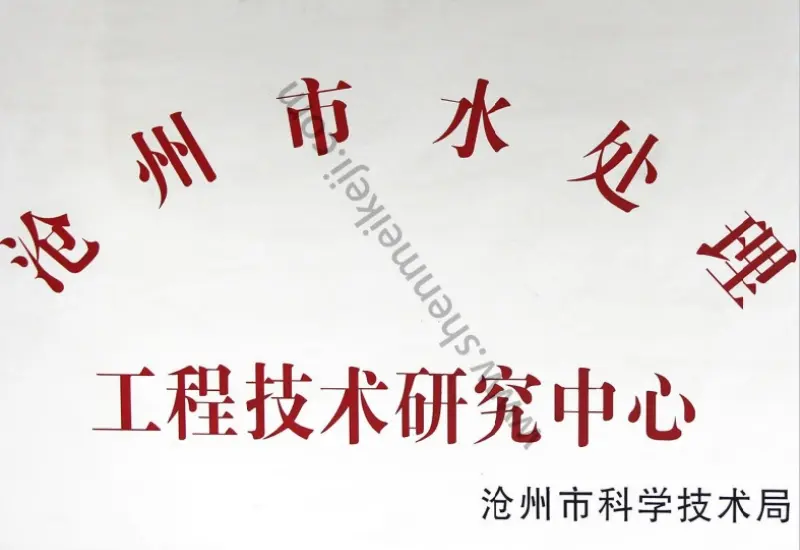
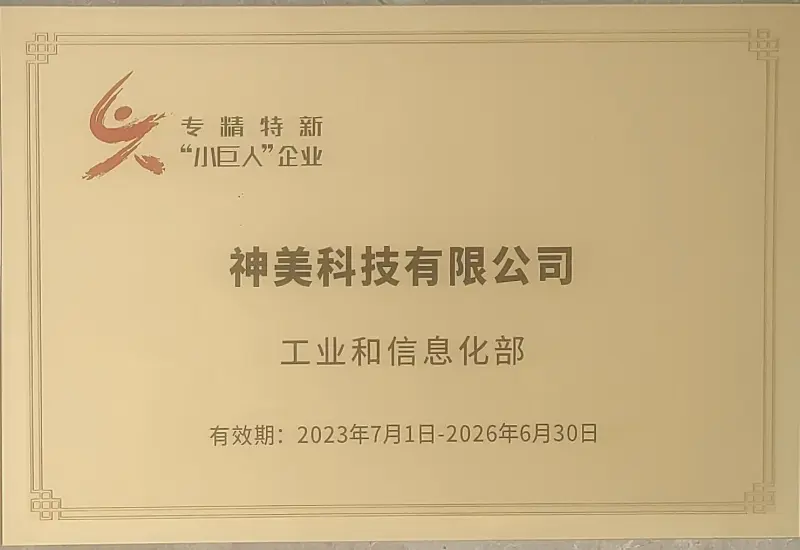
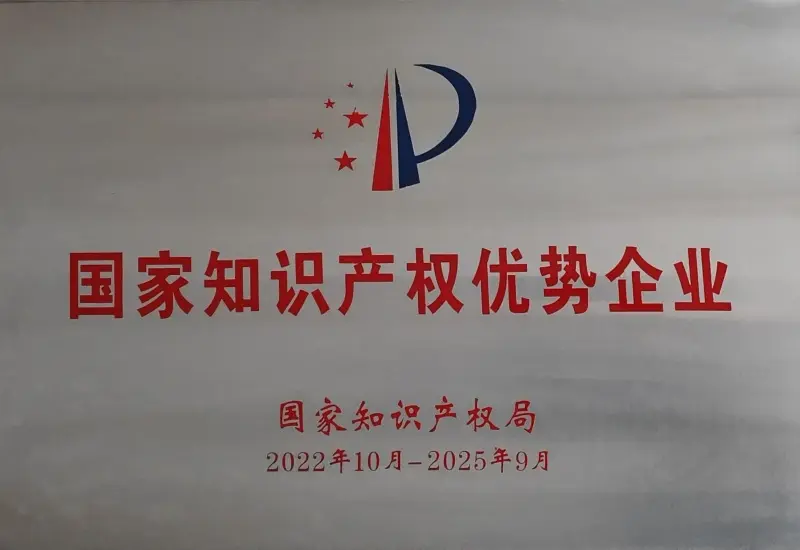
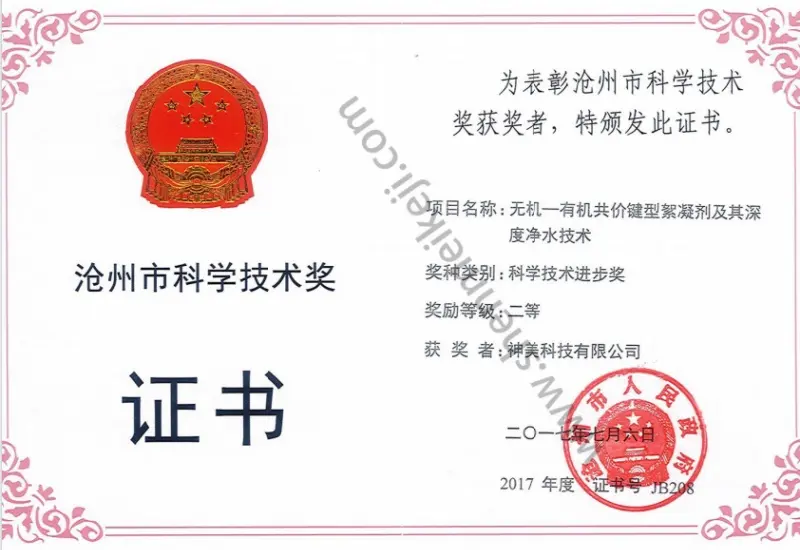
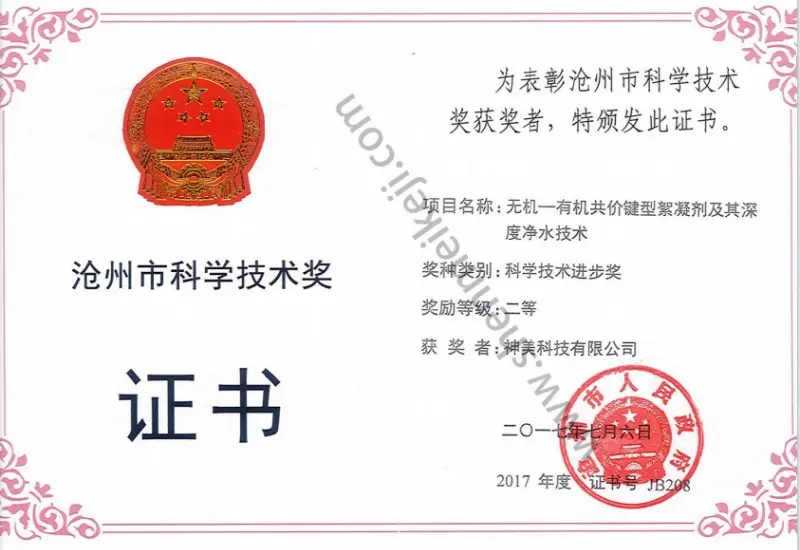
Smedic has been recognized as a National High-tech Enterprise, a National Specialized, Refined, Unique and Innovative "Little Giant" Enterprise, and a Hebei Province Green Factory. Our technical organization connects academic resources with industrial production through a system of research institutes and development bases.
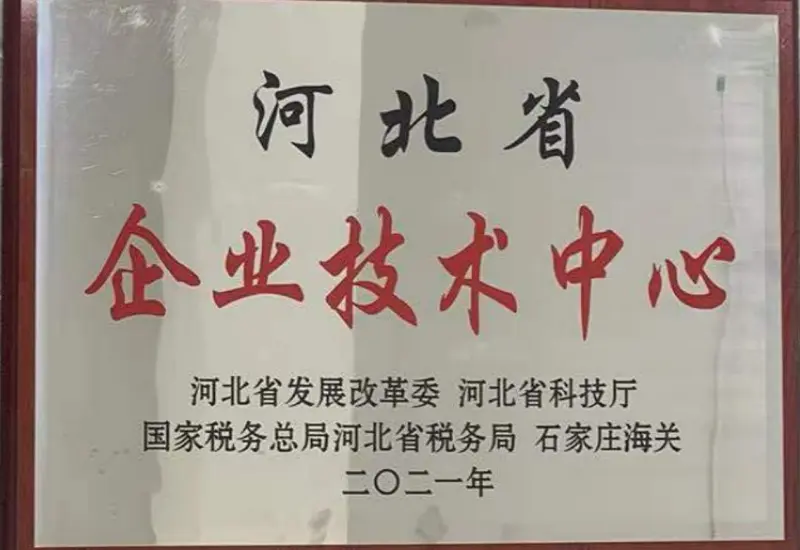
We operate the Hebei Provincial Enterprise Technology Center and the Hebei Provincial Advanced Water Treatment Chemicals Technology Innovation Center. Our R&D efforts are supported by an expert workstation in collaboration with the Tsinghua University Association of Senior Scientists and Technicians, along with joint laboratories at Shandong University and Beijing University of Technology. Smedic also collaborates on technology commercialization with Peking University and Tianjin University.
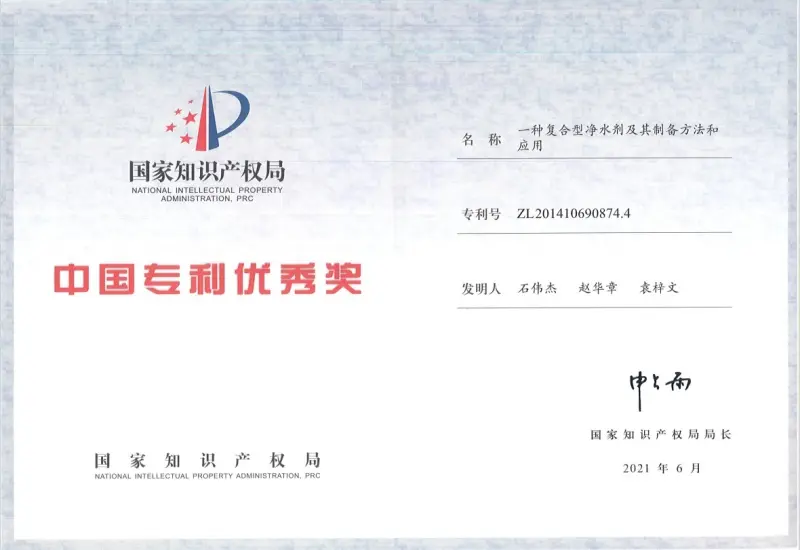
Our intellectual property portfolio includes over sixty Chinese patents, including forty invention patents and twenty utility model patents. Smedic has contributed to the drafting of more than ten national and industry standards for chemical agents, including formulations for composite carbon sources, composite coagulants, sodium acetate, and bacterial agents.
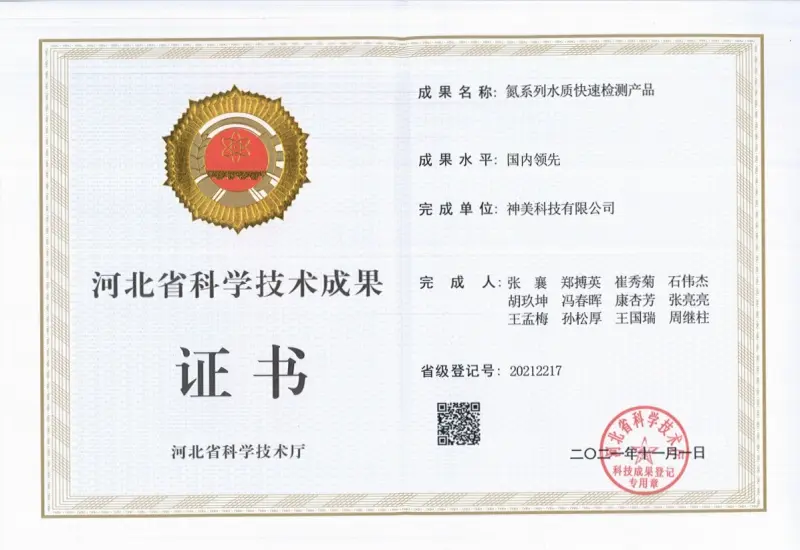
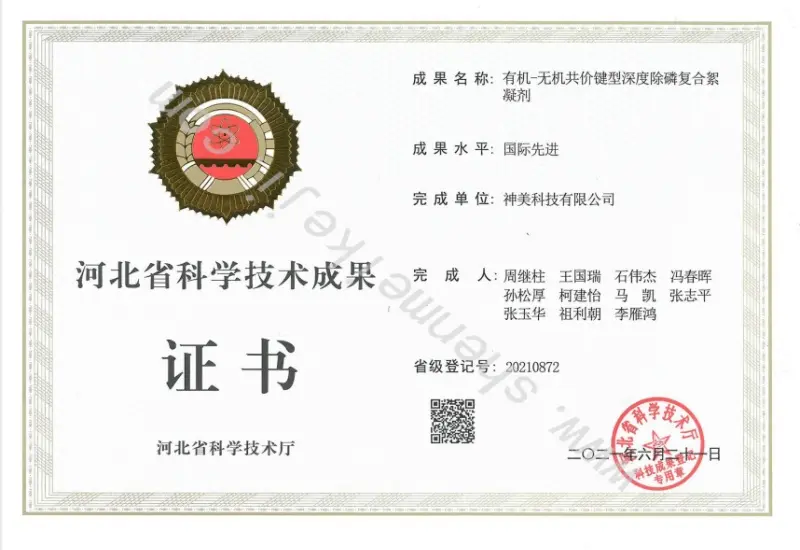
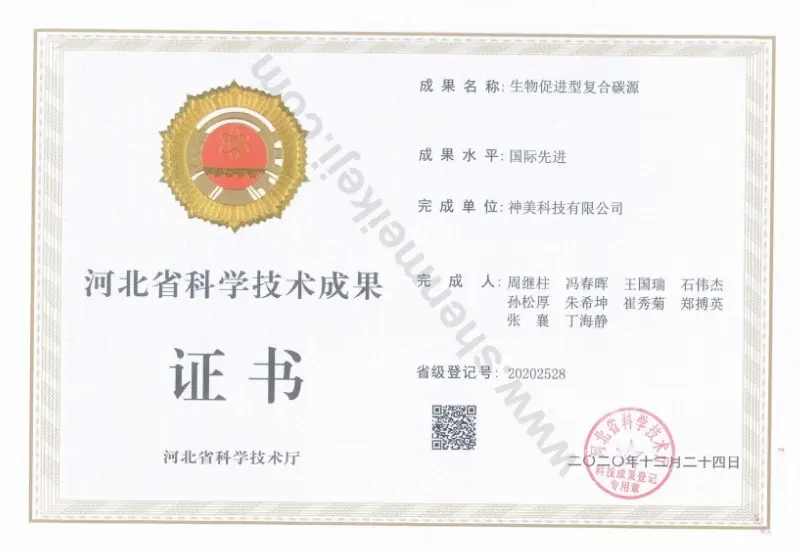
Our proprietary products, such as the bio-enhanced denitrification carbon source and the multi-nuclear phosphorus removal agent, have been evaluated as "internationally advanced" by the Science and Technology Department of Hebei Province. Our "Active Oxygen Compound Disinfectant" has been recognized by the Ministry of Housing and Urban-Rural Development as a recommended technological project.
Answers to common technical questions regarding chemical parameters, safety practices, and dosing application guidelines.
Explore additional specialized formulations from Smedic's manufacturing facilities.
 Smedic Tech