In modern industrial processes, the dye manufacturing, textile coloring, and printing ink industries generate some of the most complex, high-strength wastewater profiles in environmental engineering. This effluent is characterized by intensely deep coloration, highly fluctuant pH levels, high Chemical Oxygen Demand (COD), elevated Total Organic Carbon (TOC), and the presence of refractory aromatic compounds such as azo, anthraquinone, and triphenylmethane structures. Resolving these challenges requires a molecular-level understanding of coagulation, charge-neutralization, and advanced oxidation technologies.
As leading dye wastewater chemical manufacturers and exporters, Smedic Technology is committed to delivering systematic, high-efficacy environmental solutions. By synthesizing advanced polymeric materials—including Cationic Polyacrylamide (CPAM), Anionic Polyacrylamide (APAM), and specialized heavy metal chelators—we enable global enterprises to establish reliable, cost-effective water treatment circuits that comply with stringent local discharge guidelines and Zero Liquid Discharge (ZLD) paradigms.
Dyes contain highly stable chromophore groups designed to resist light, heat, and microbial degradation. Our customized coagulants target these organic structures, breaking the complex chromophoric bonds and promoting rapid sedimentation.
By using a combination of inorganic-organic covalent bond flocculants, we trap dissolved organic matter within macro-flocs. This synergistic action yields up to an 85% reduction in primary stage COD, easing the organic load on downstream biological treatments.
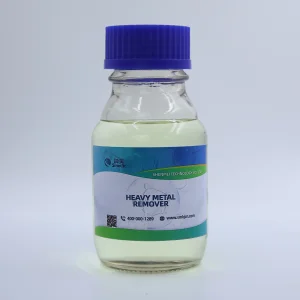
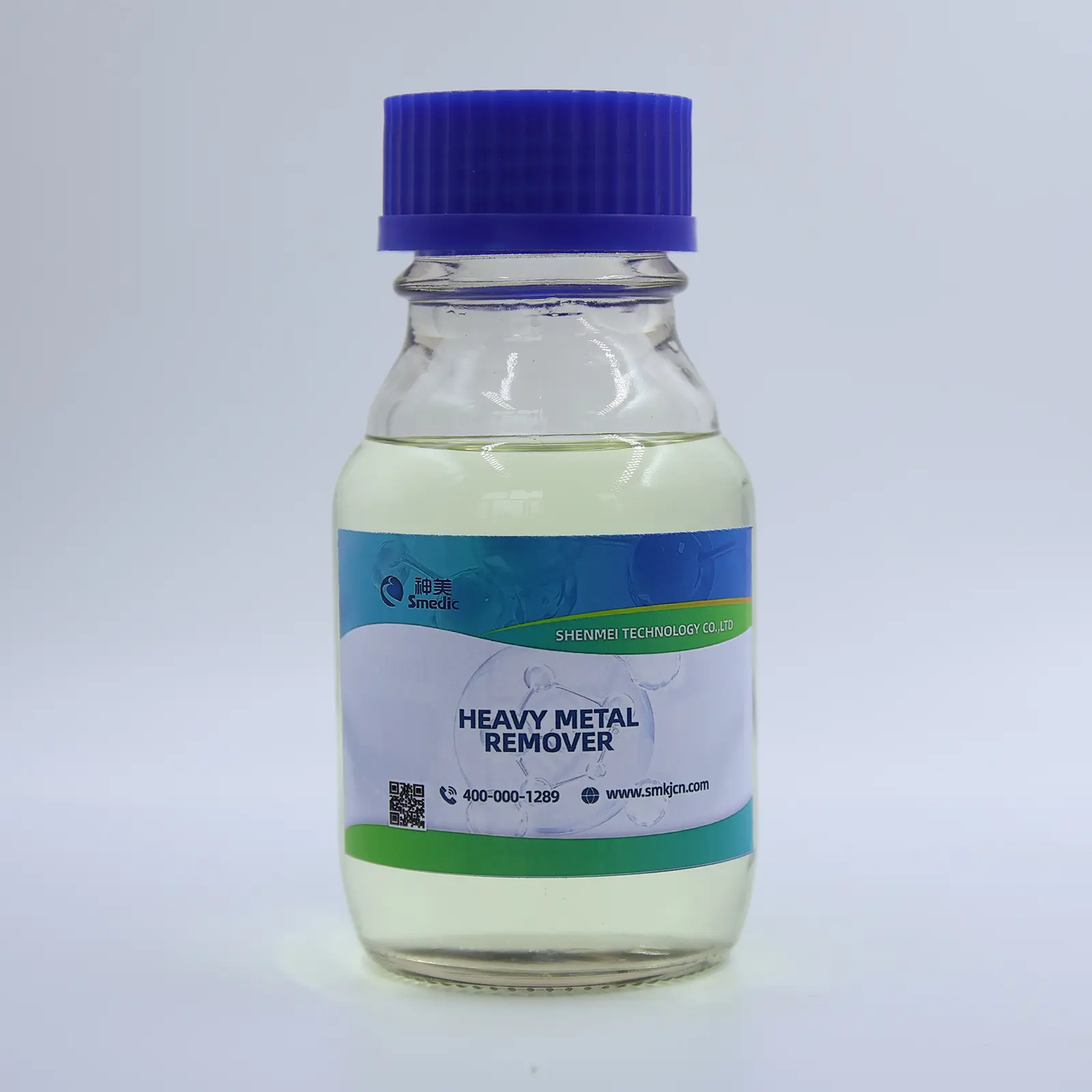
Metalized dyes, widely used for deep blacks, blues, and reds, contain complexed copper, chromium, nickel, and cobalt. Our specialized heavy metal removal agents break down these coordination complexes to form insoluble, high-density metal precipitates.
Smedic Technology Co., Ltd. was established in 2011 as a comprehensive solution provider specialized in environmental protection agents, integrating R&D, production, sales, and engineering-related technical services. We are dedicated to providing customers with customized chemical products, technical solutions, and services. Smedic produces environmental protection agents covering multiple sectors such as municipal sewage, industrial wastewater, and tap water treatment, as well as mineral processing agents, and oilfield chemicals. We offer more than 80 different environmental protection products, with an annual production capacity exceeding 1 million tons.
Our corporate headquarters is located in Beijing, we have multiple wholly-owned production bases in Hebei, Guizhou, Shanxi, and other regions, and have set up more than ten OEM partner factories and regional warehousing and logistics bases in Shandong, Shanxi, Anhui, Guangxi, and Sichuan provinces, among others. Our business and service network covers over 20 provinces across China.
Purchasing environmental reagents on a global scale requires an evaluation of supply chain integrity, raw material consistency, and scalable manufacturing. Smedic Technology operates a sophisticated, integrated manufacturing network across China that leverages major domestic chemical clusters. Here is how our operational footprint directly translates to procurement safety for global exporters and importers:
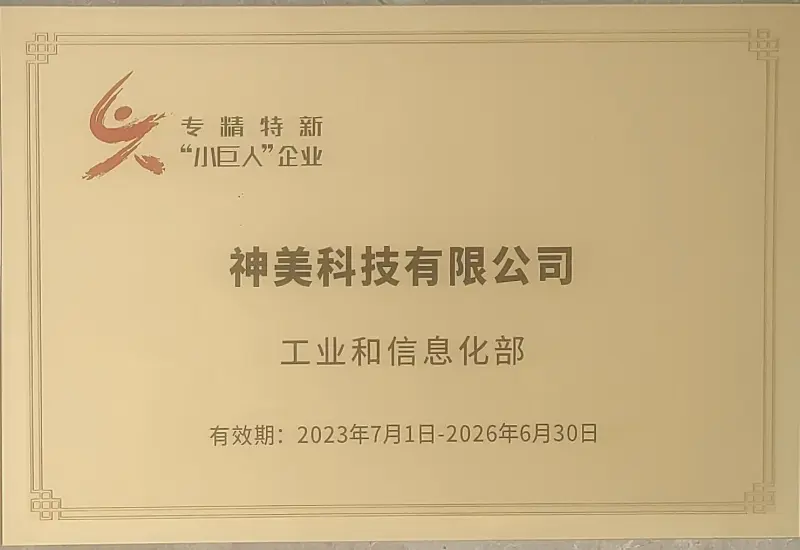
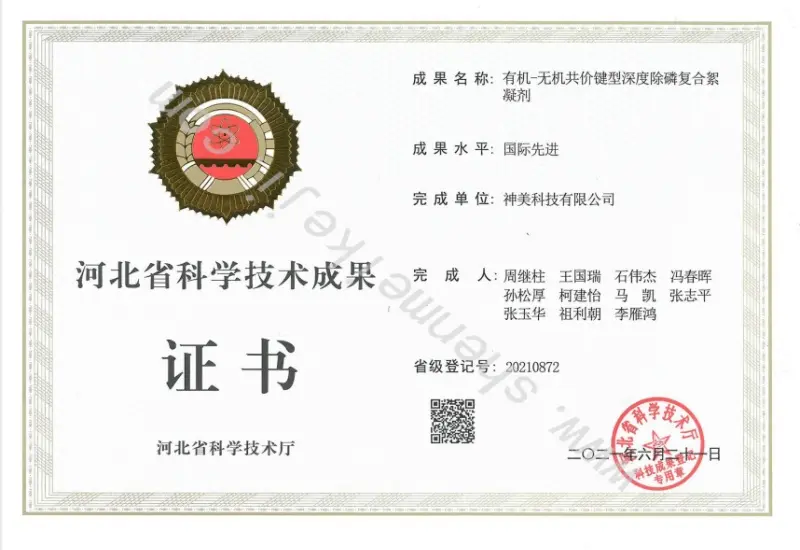
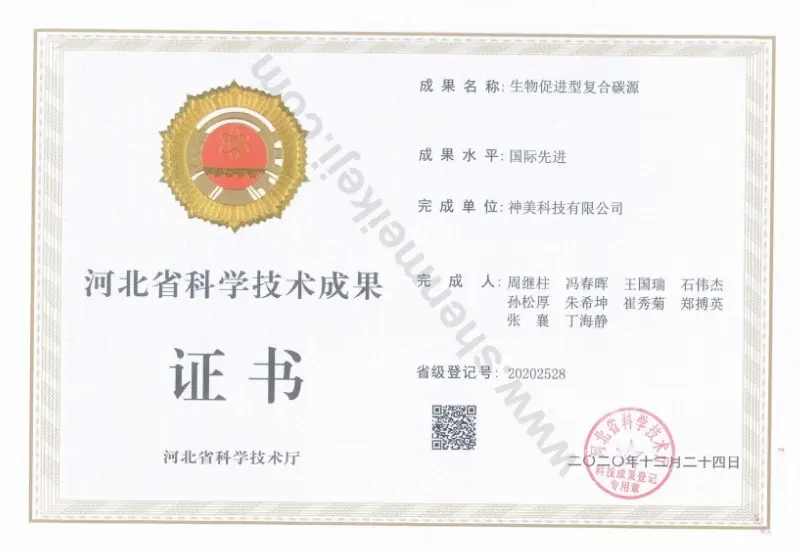
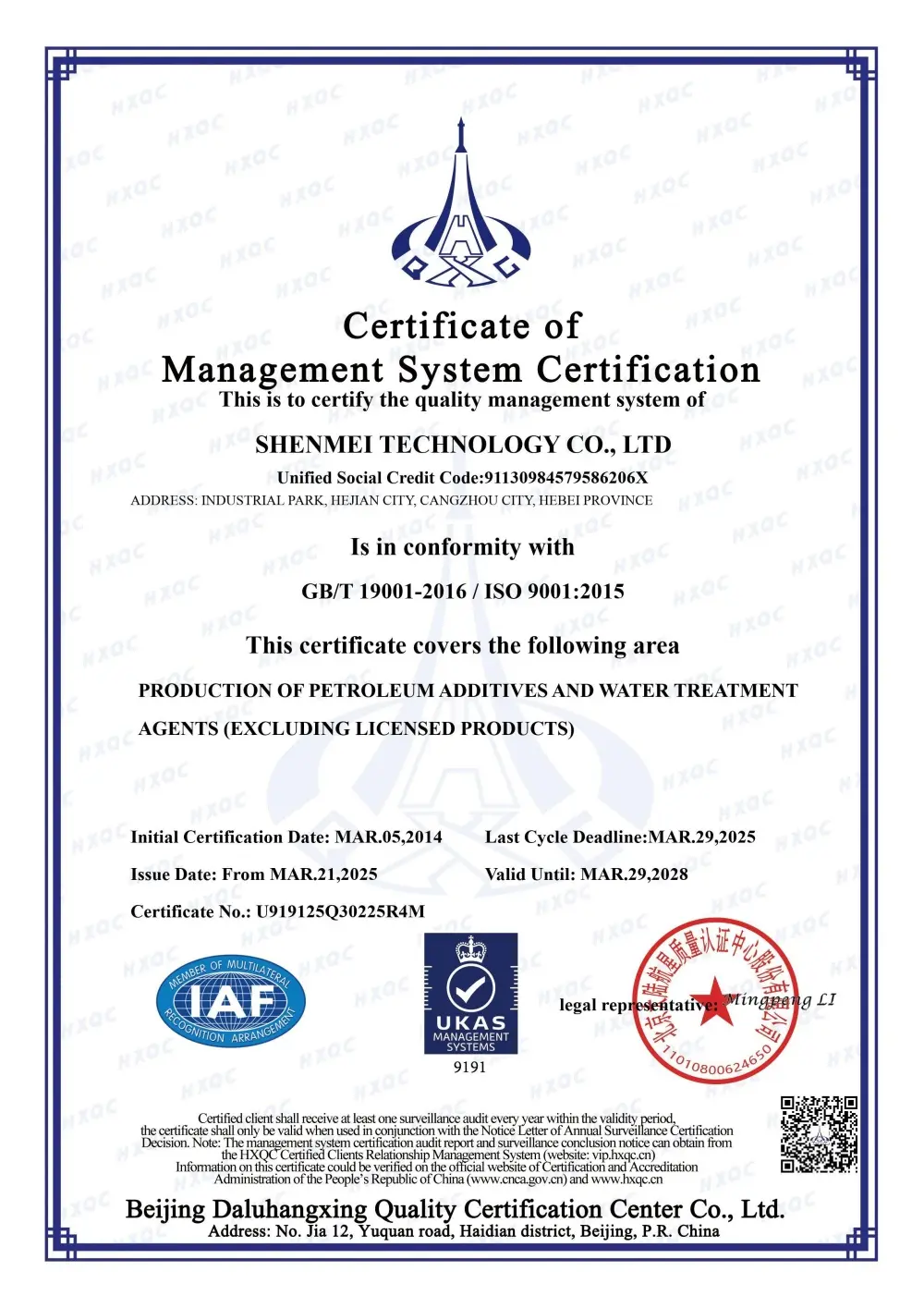
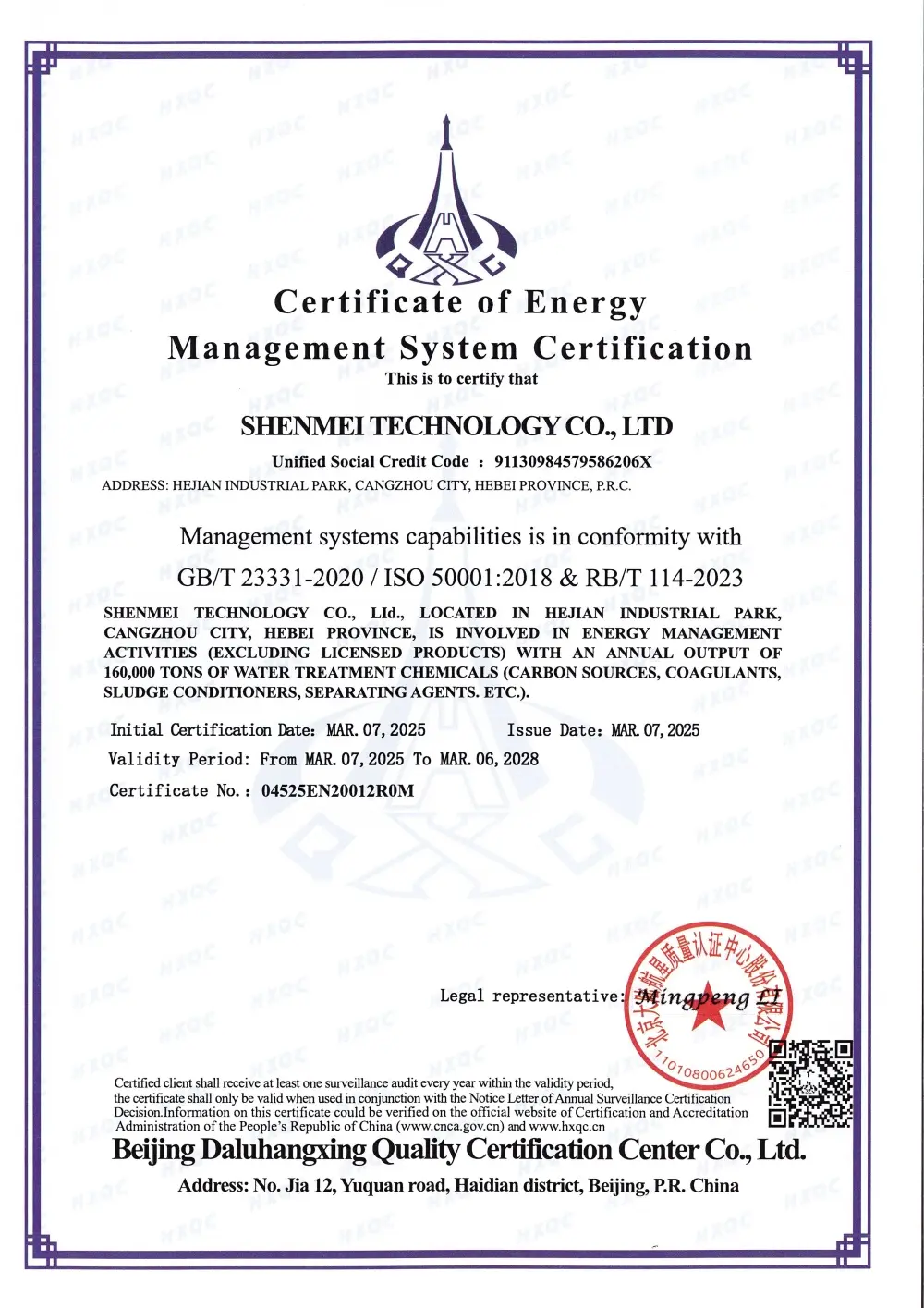
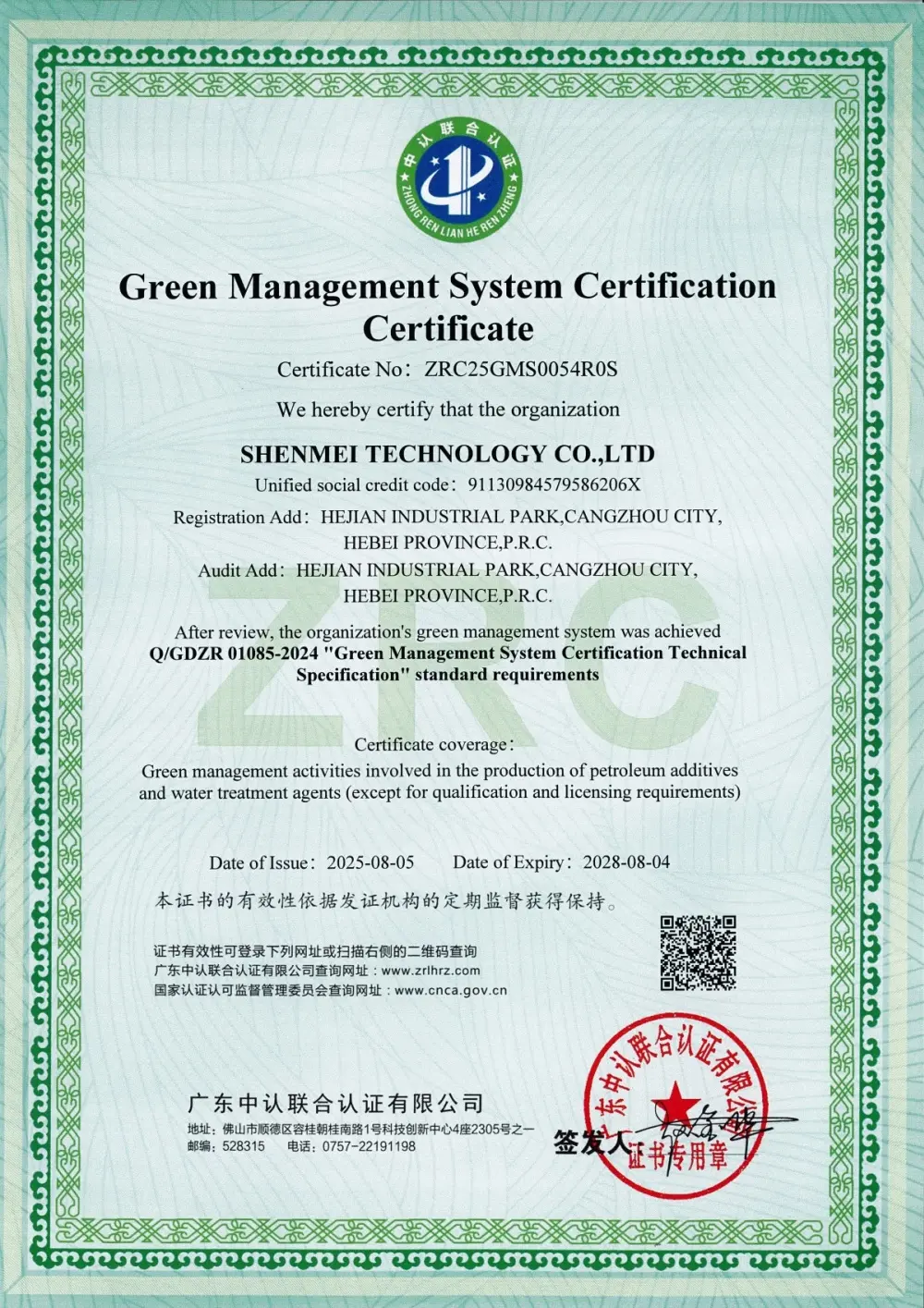
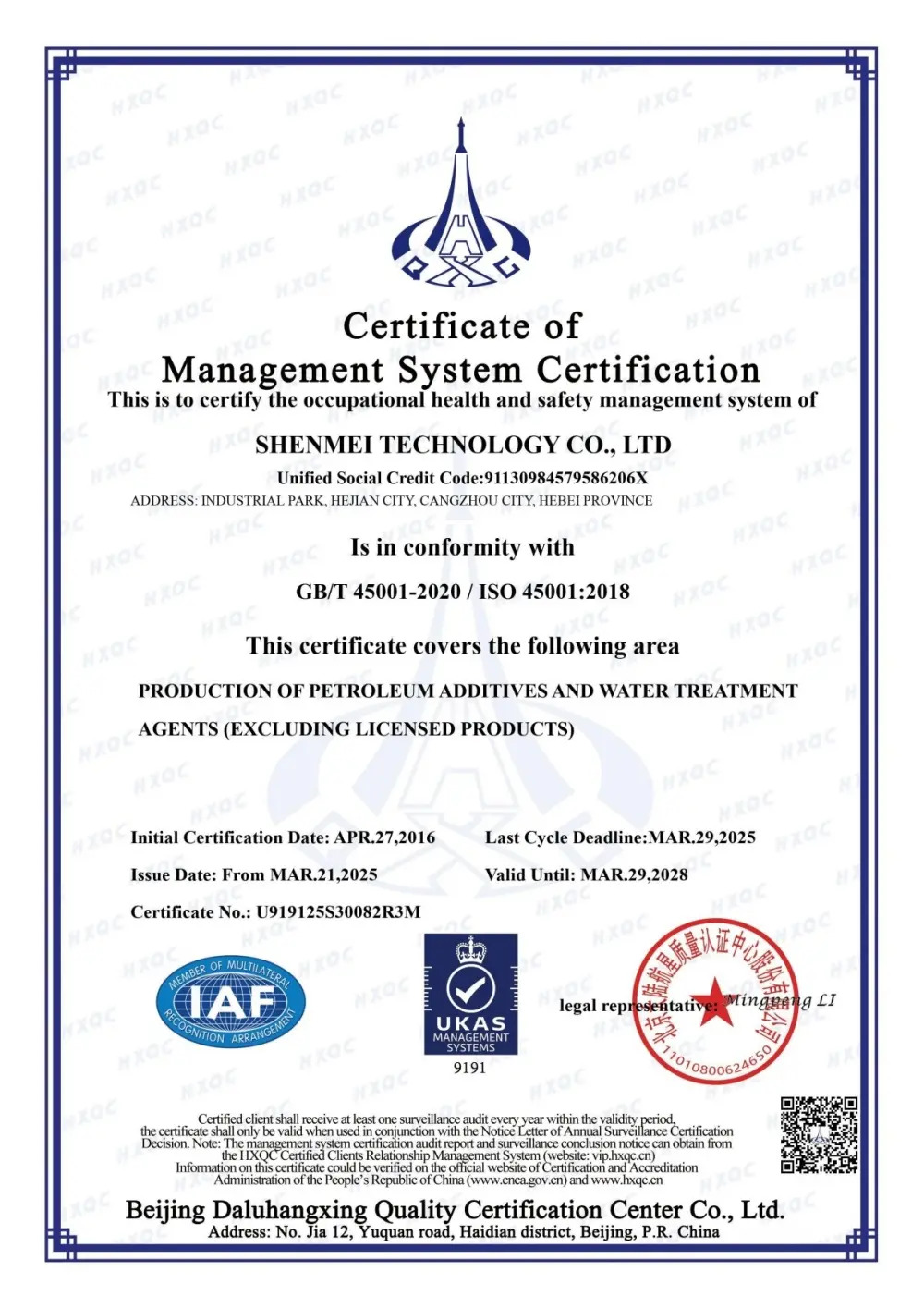
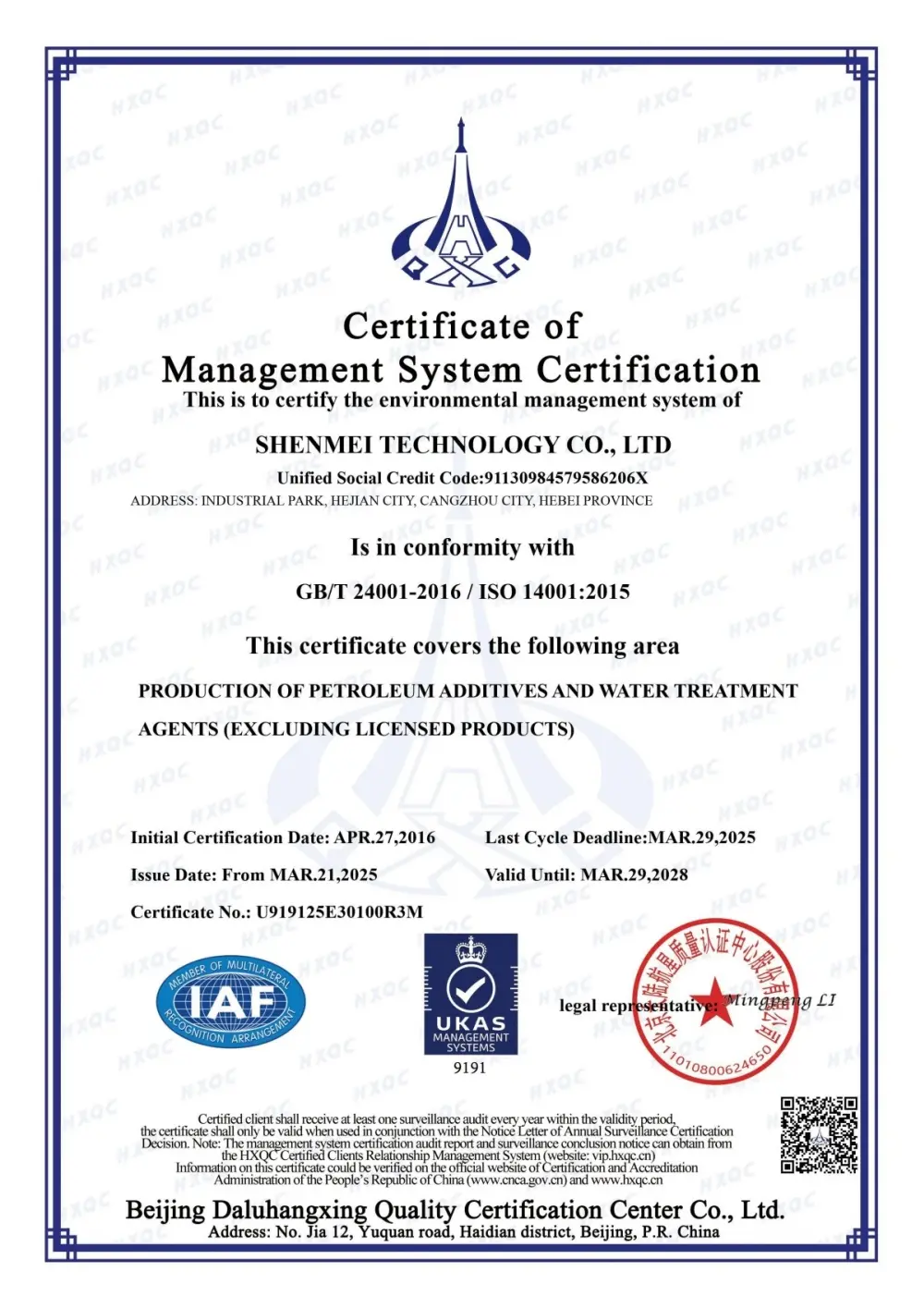
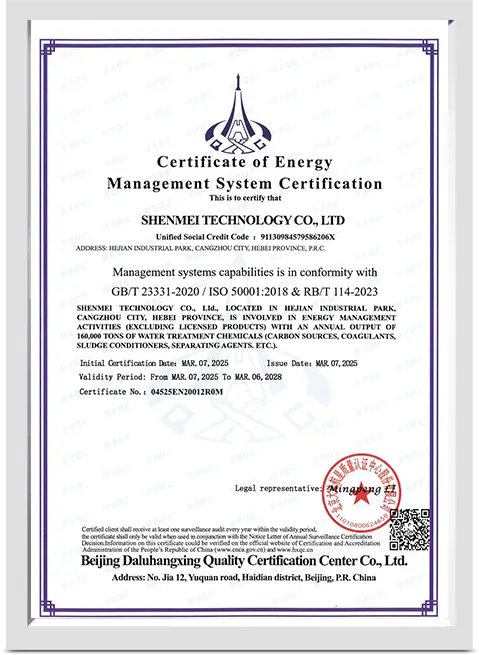
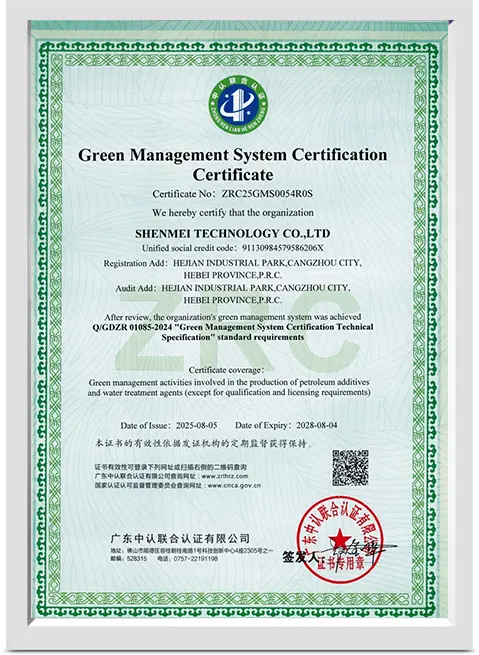
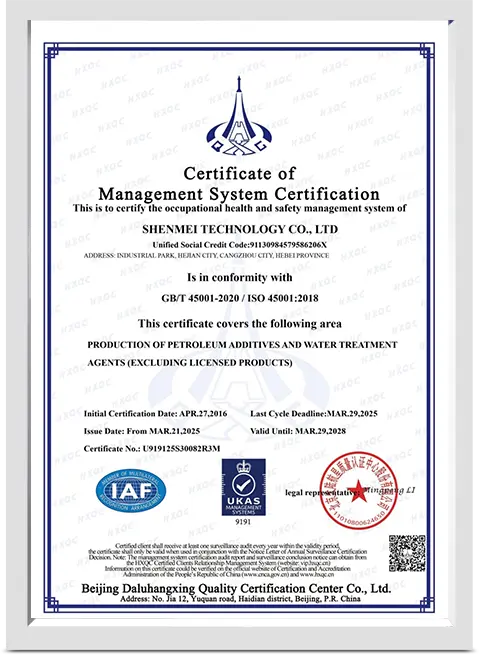
Our technical capabilities are built on a solid foundation of scientific research and industry standards. Smedic Technology has obtained certifications including National High-tech Enterprise, National Specialized, Refined, Unique and Innovative "Little Giant" Enterprise, and Hebei Province Green Factory. We are also recognized as a Class A R&D institution in Hebei Province.
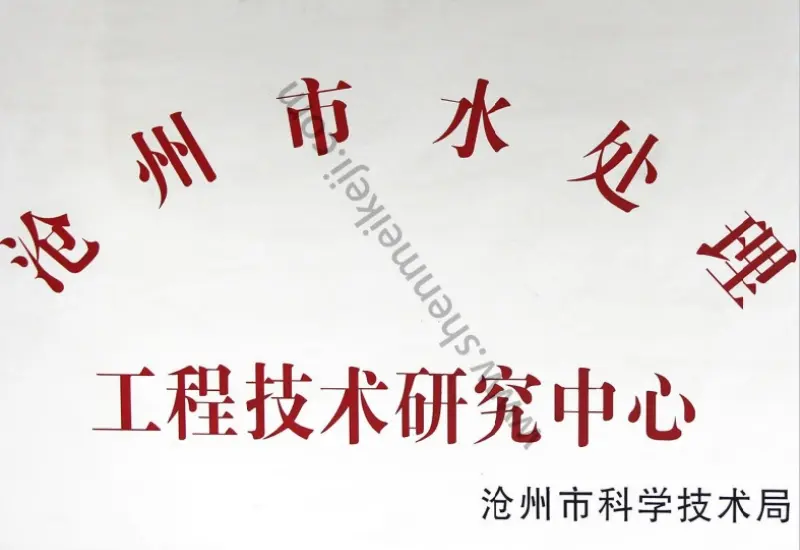
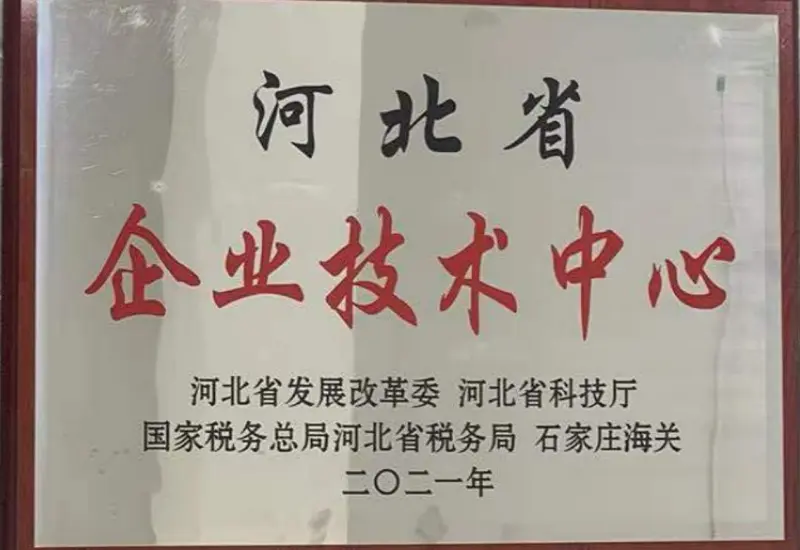
Our technology commercialization network includes one academy, three research institutes, and five bases. We have established the Hebei Provincial Enterprise Technology Center, the Hebei Provincial Advanced Water Treatment Chemicals Technology Innovation Center, and the Cangzhou Water Treatment Engineering Technology Research Center. In addition, we operate an expert workstation in collaboration with the Tsinghua University Association of Senior Scientists and Technicians, alongside joint R&D laboratories with Shandong University and the Beijing University of Technology.
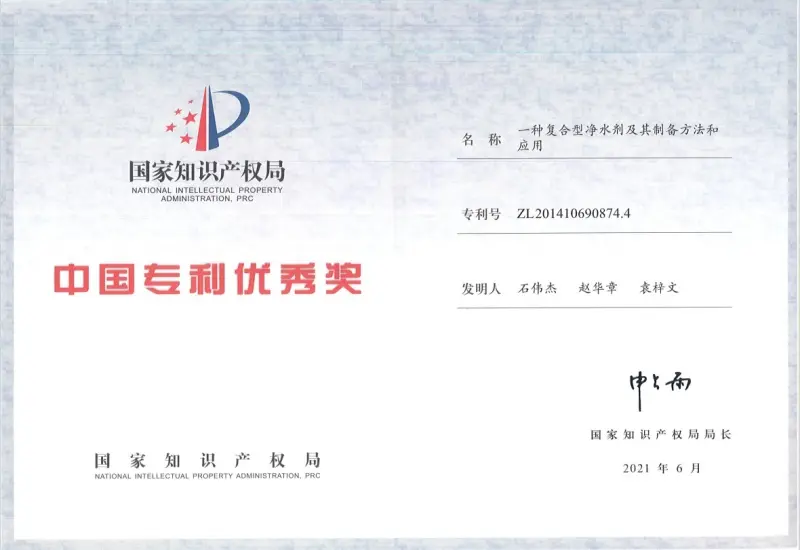
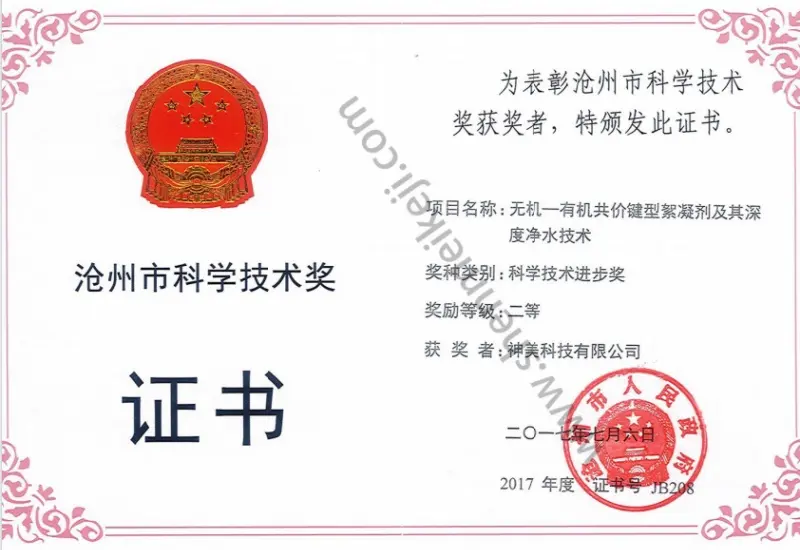
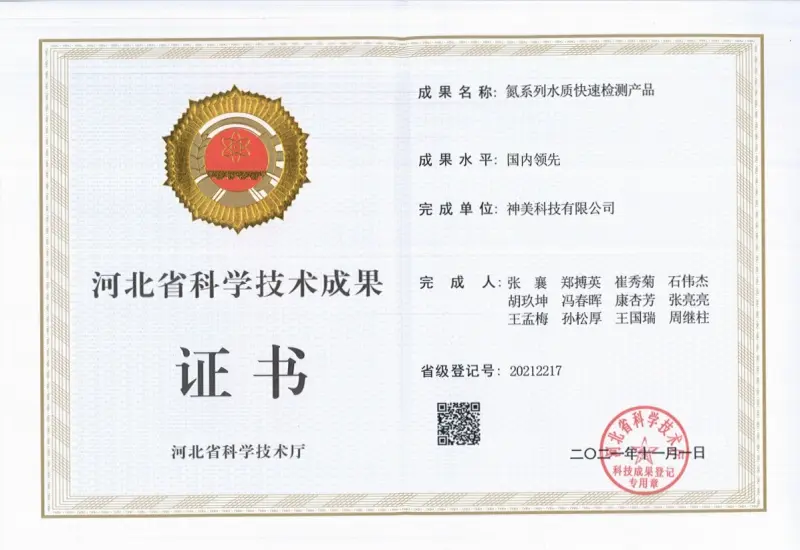
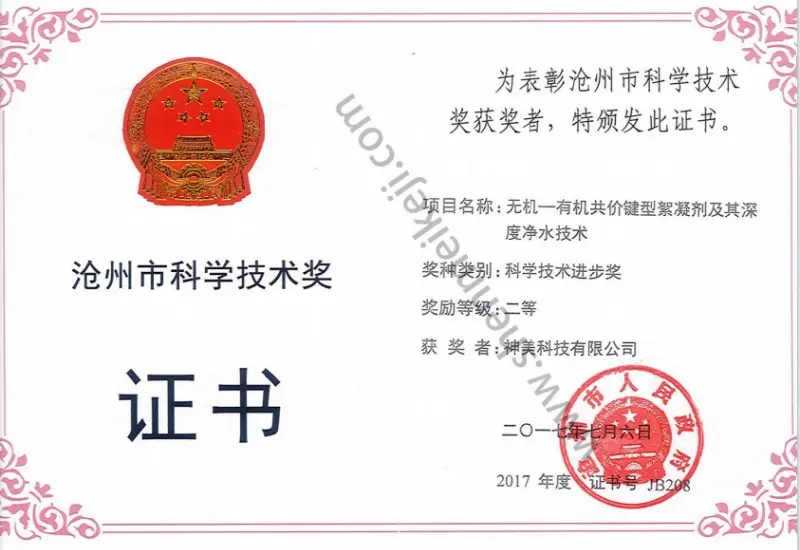
Our independently developed "Inorganic-Organic Covalent Bond Flocculant and Its Advanced Water Purification Technology" has won the 22nd China Patent Award and the First Prize for Technological Invention from the China Petrochemical Industry Association. The Science and Technology Department of Hebei Province has appraised our bio-enhanced denitrification carbon source and deep multi-nuclear phosphorus removal agent as "internationally advanced," filling a critical gap in the domestic market.
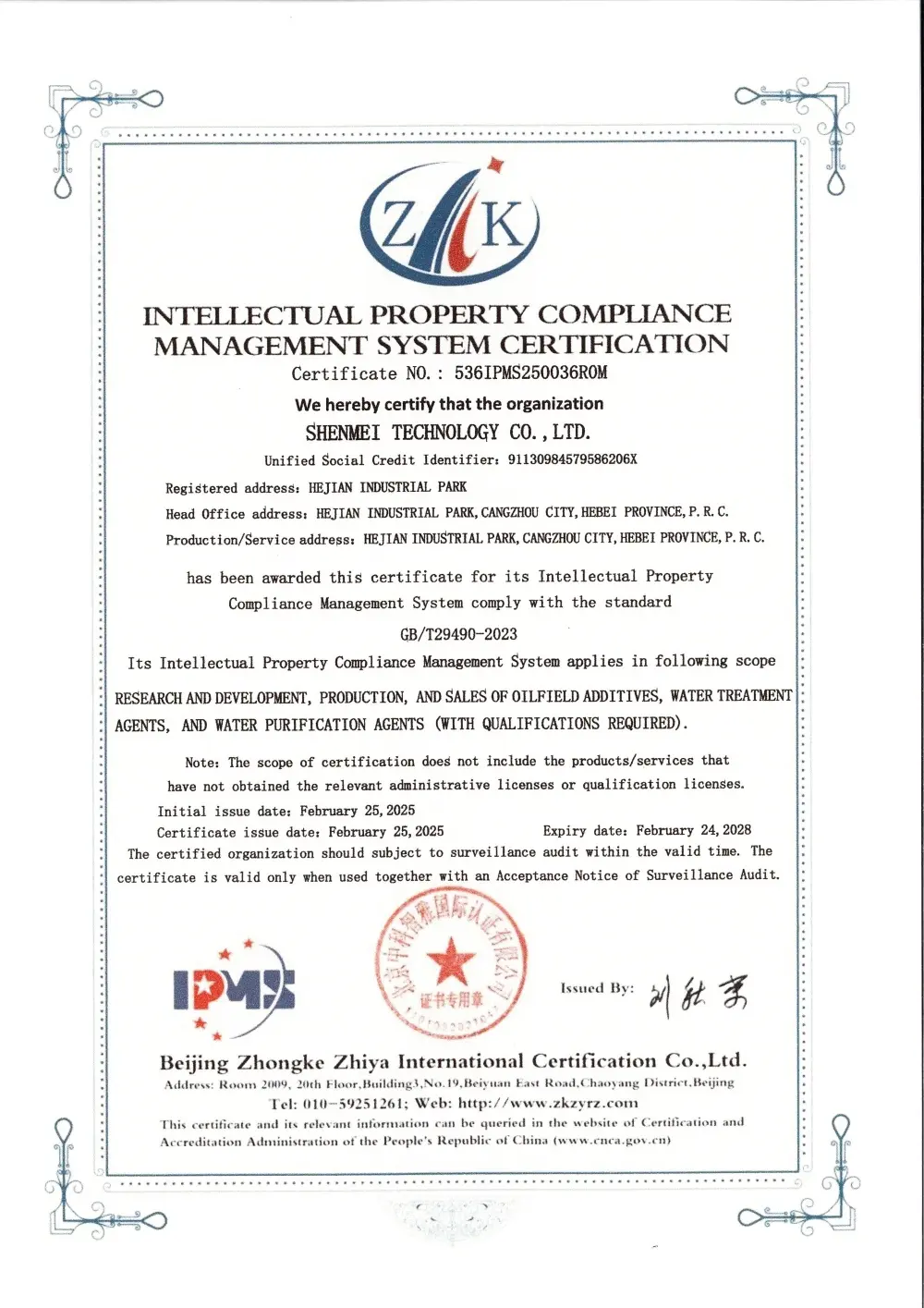
We have led the drafting of more than ten national and industry standards for composite carbon sources, composite coagulants, sodium acetate, and nitrifying and denitrifying bacterial agents. Our IP portfolio features over sixty Chinese patents, including more than forty invention patents and over twenty utility model patents.
Wastewater characteristics vary depending on the specific dye processes and fabric materials used. Different applications require tailored chemical interventions:
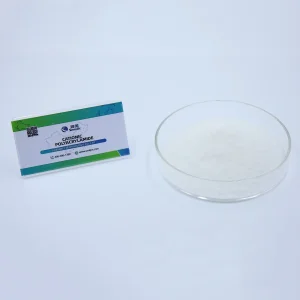
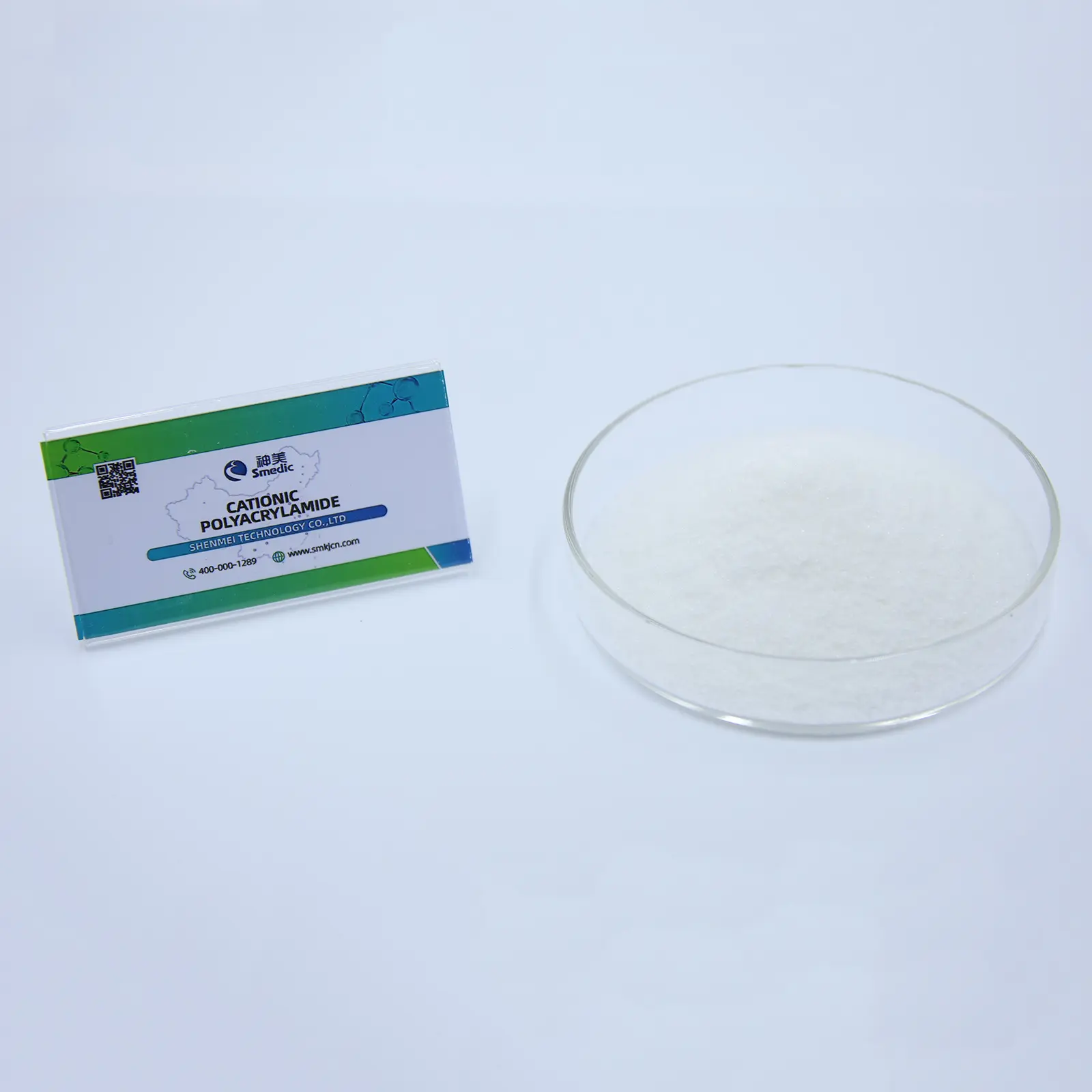
Denim washing processes produce high levels of suspended indigo dye solids, sodium hydrosulfite, and alkaline salts. Under these conditions, standard organic polymers often fail due to charge shielding. Our custom Cationic Polyacrylamide (CPAM) is formulated with specific charge densities to neutralize the anionic dye colloids, facilitating quick separation and clean water recovery.
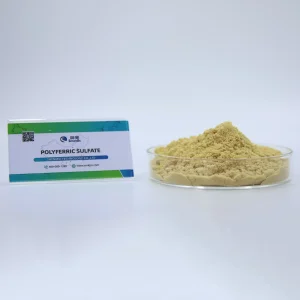
Reactive dyes are highly soluble, making them difficult to precipitate. Smedic's Inorganic-Organic Covalent Bond Flocculants combine the strong bridging properties of high-molecular PAM with the charge-neutralizing power of multi-nuclear iron and aluminum complexes. This combination effectively traps and precipitates reactive dye molecules.
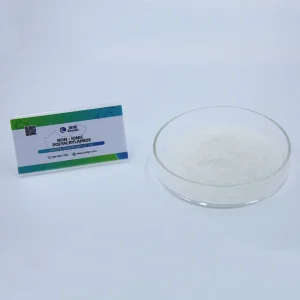
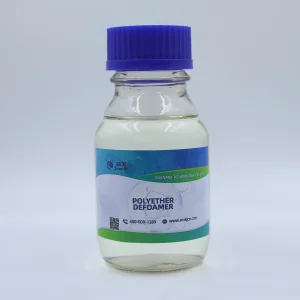
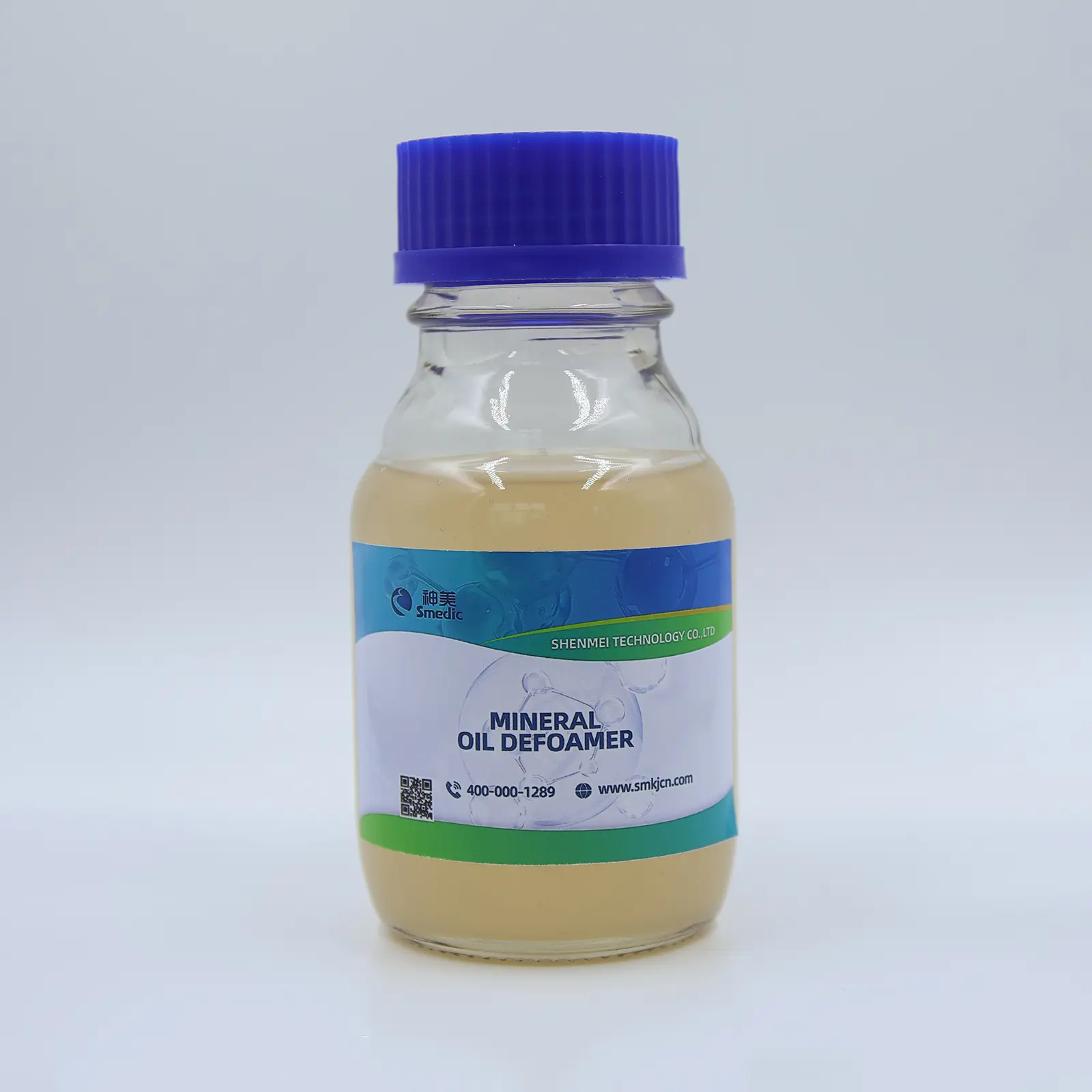
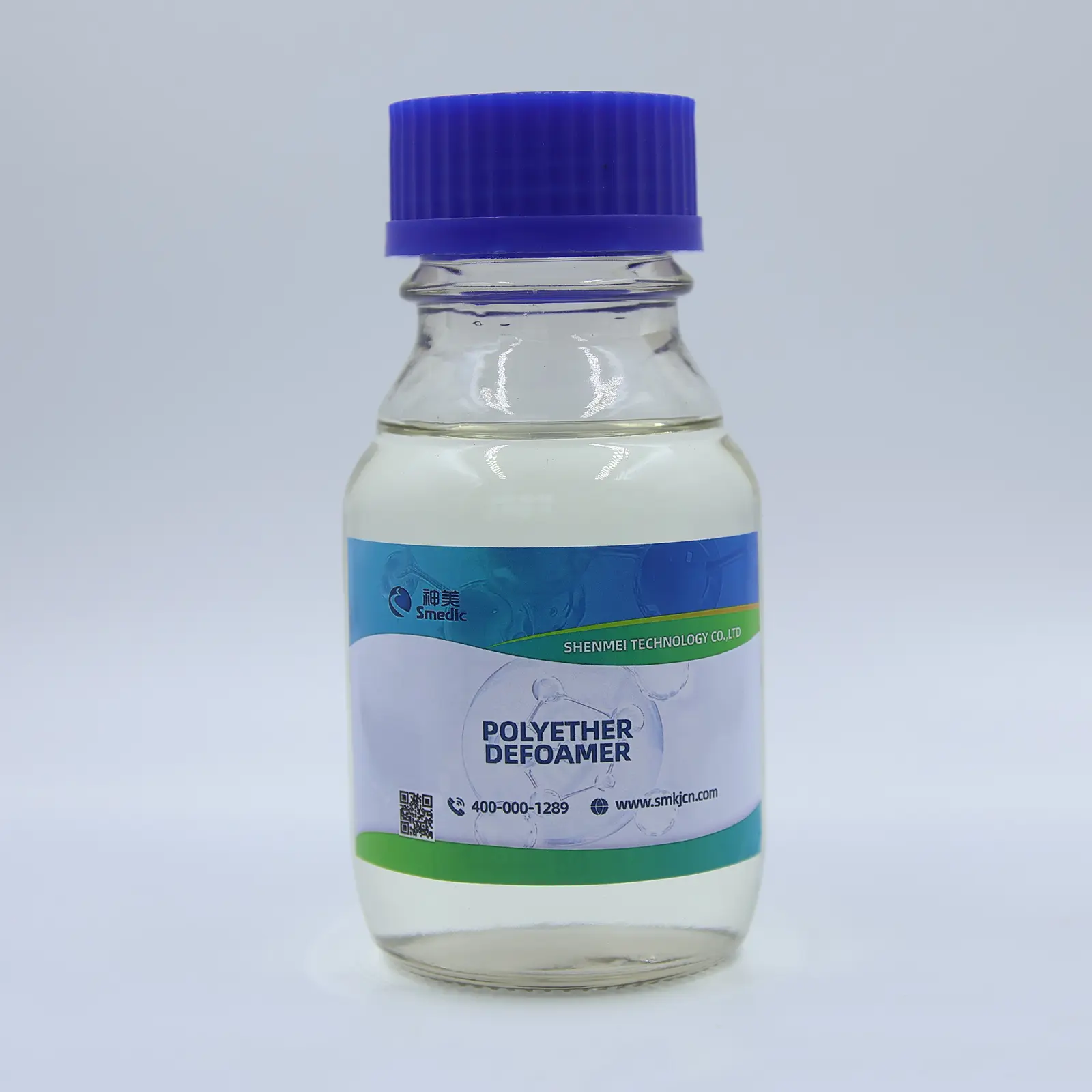
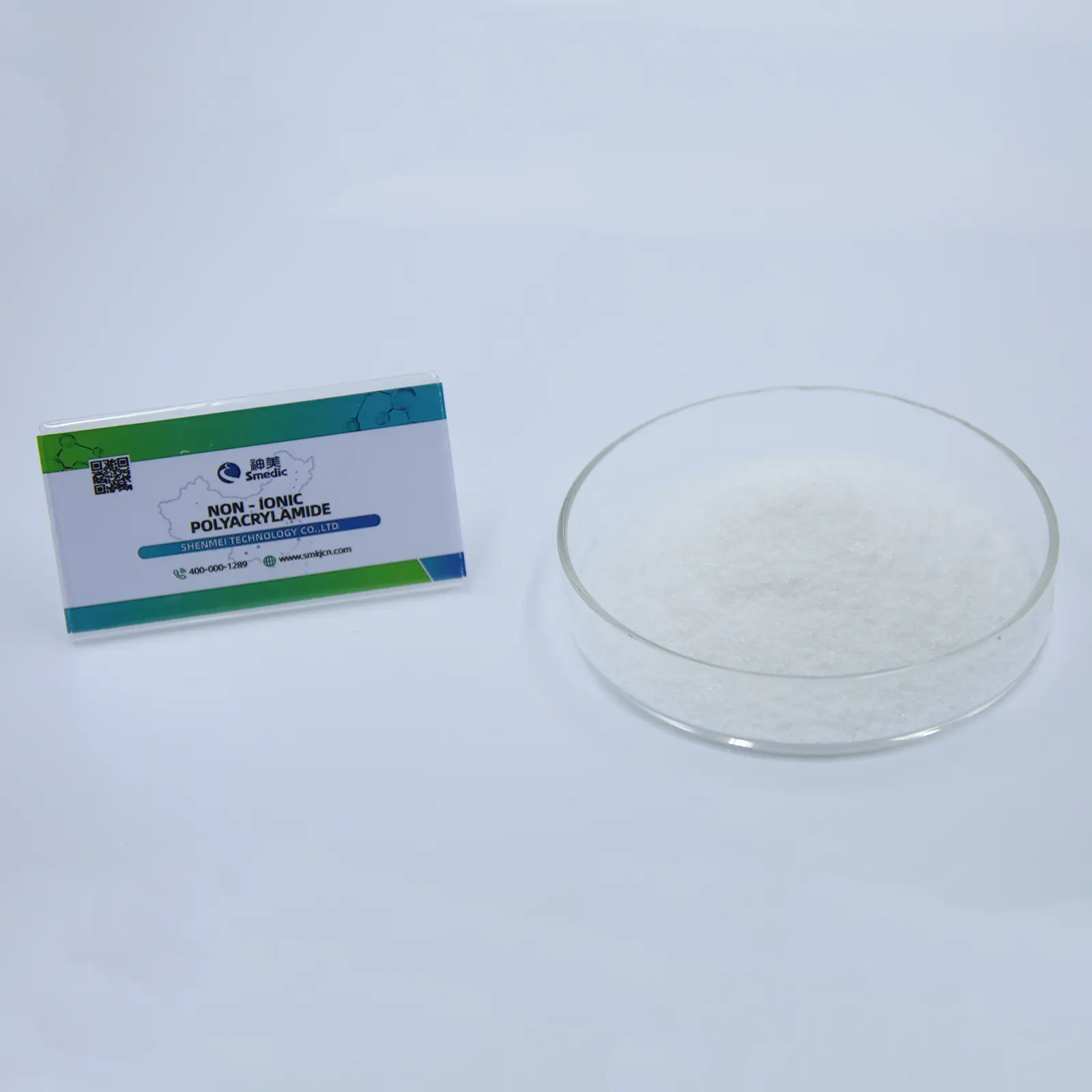
Synthetic dyeing facilities use high-temperature disperse dye processes that generate wastewater with elevated salinity and surfactant levels. This often leads to excessive foam and low flocculation rates. We resolve this by combining Non-ionic Polyacrylamide (NPAM) with our high-stability Polyether Defoamers. These defoamers maintain high foam-suppression performance even in hot, high-salt environments.
Global buyers face complex environmental compliance standards, including Europe's REACH regulations, North America's EPA standards, and international ZDHC (Zero Discharge of Hazardous Chemicals) guidelines. In addition to clean discharge, industrial operations must minimize chemical costs and maintain stable wastewater treatment processes.
Smedic Technology addresses these global procurement requirements through the following services:
Smedic Technology Co., Ltd. was established, initiating research and development of environmental agents.
The company established a complete product portfolio for municipal wastewater treatment chemicals.
Recognized as a key national high-tech enterprise, expanding research into complex industrial wastewater treatment.
A production base for water treatment chemicals in Guiyang was established to support southwestern China markets.
The production bases in Hebei, Shandong and Guizhou were completed and expanded, with a total production capacity exceeding 1 million tons.
Recognized as a National Specialized, Refined, Unique and Innovative Small and Medium-sized Enterprise.
Established a provincial-level Advanced Water Treatment Chemical R&D platform in Hebei Province.
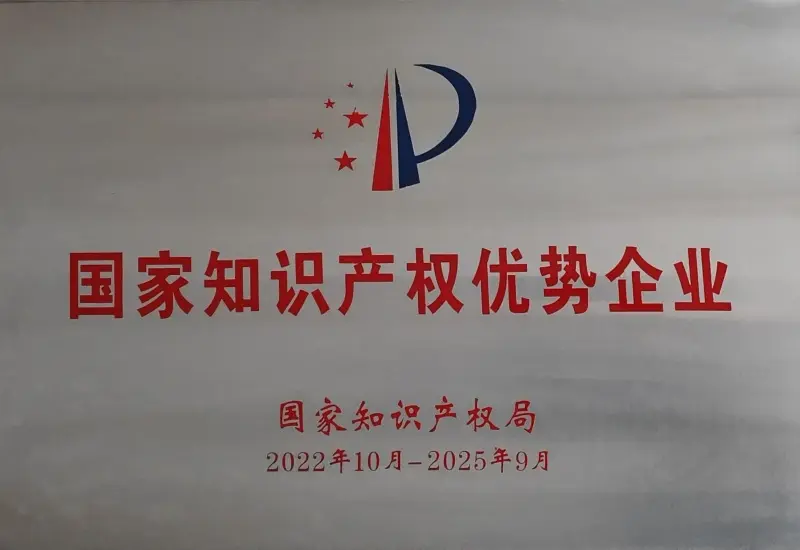
Recognized as a National Intellectual Property Advantage Enterprise with over sixty patents in active application.
A joint venture company was established with the Chengdu Institute of Mineral Comprehensive Utilization, China Geological Survey to produce advanced mineral processing reagents.
The industrial wastewater treatment sector is undergoing a rapid transition toward resource recovery and carbon footprint reduction. High-performing facilities are shifting focus toward the following key trends:
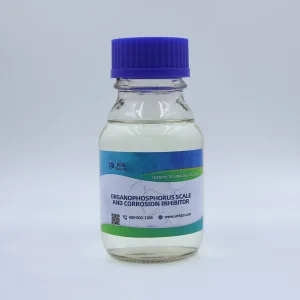
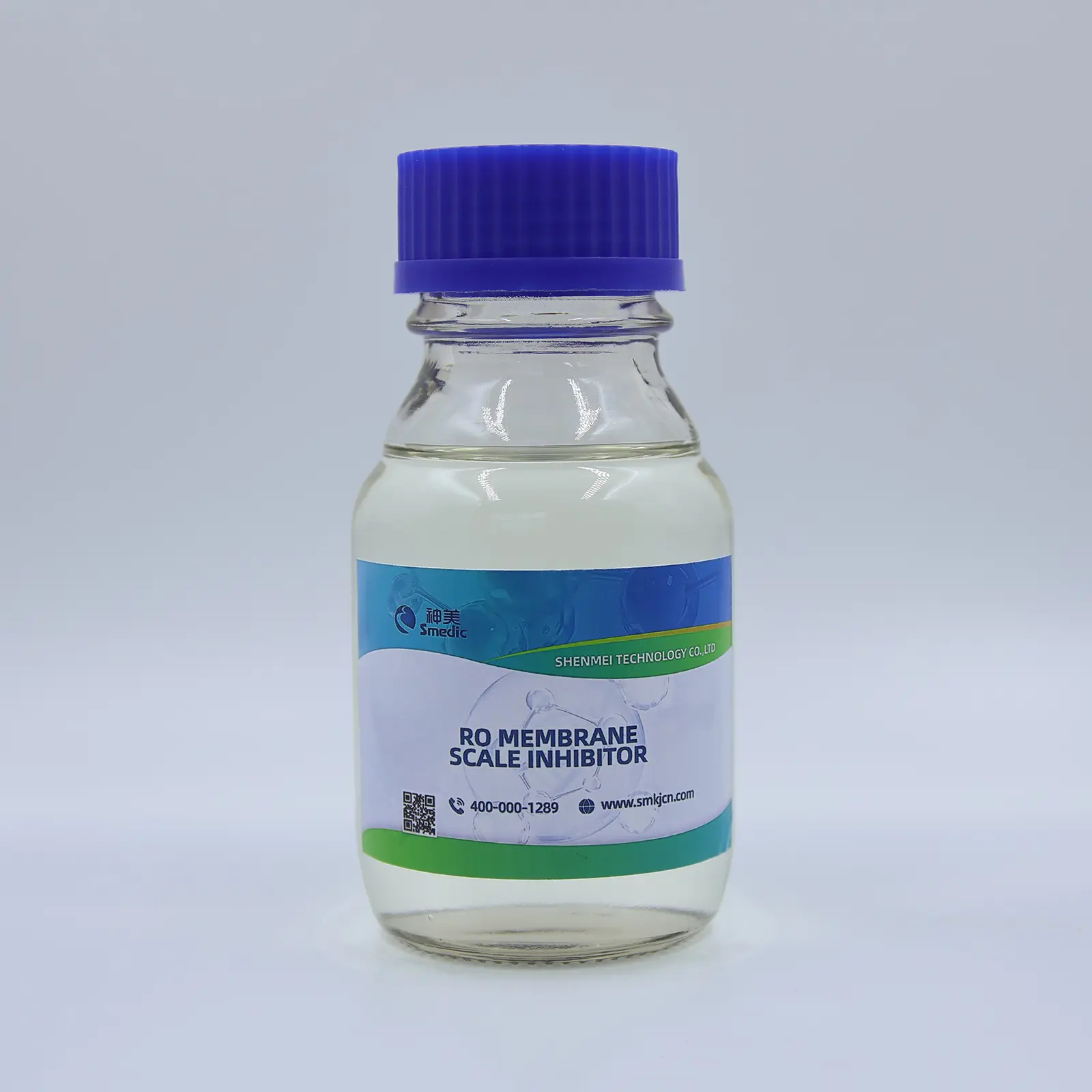
Environmental policies in regions like the EU and East Asia are increasingly mandating Zero Liquid Discharge. Achieving ZLD requires separating water from dissolved salts and organic matter, which relies heavily on membrane processes like Reverse Osmosis (RO). Smedic's high-efficiency RO membrane scale inhibitors protect filtration systems from calcium sulfate and silica scaling, extending membrane lifespan and maintaining steady flux rates.
There is a growing preference for non-toxic, biodegradable wastewater agents. Smedic is responding to this demand by developing eco-friendly formulations, including our award-winning inorganic-organic covalent bond flocculants. These agents reduce the dosage required for treatment, minimizing downstream sludge generation.
Integrating real-time water quality sensors with automated dosing systems helps prevent under-dosing and over-dosing of chemicals. Smedic works with engineering partners to supply stable, low-viscosity liquid PAM formulations that integrate cleanly with automated, sensor-driven dosing equipment.
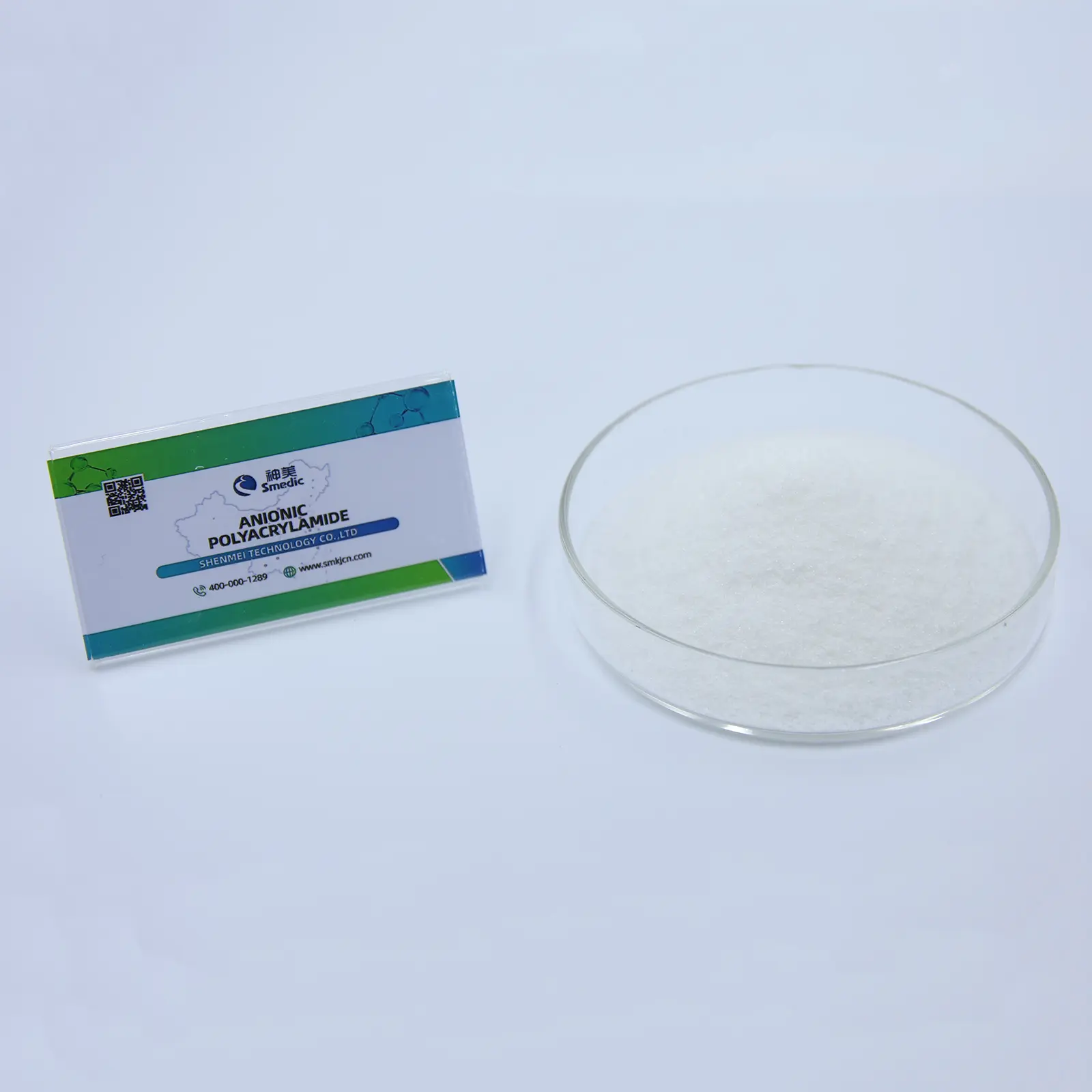
Polyacrylamide acts as a high-molecular weight flocculant. Cationic PAM (CPAM) uses positive charge sites to bind with the negatively charged sulfonic acid or acid group chromophores on dye molecules. This charge neutralization destabilizes the dye colloids, allowing the long polymer chains to bridge the particles together into larger, fast-settling flocs.
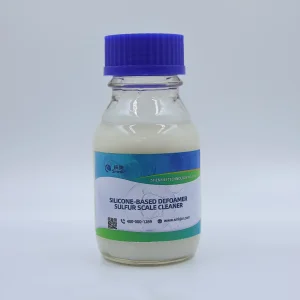
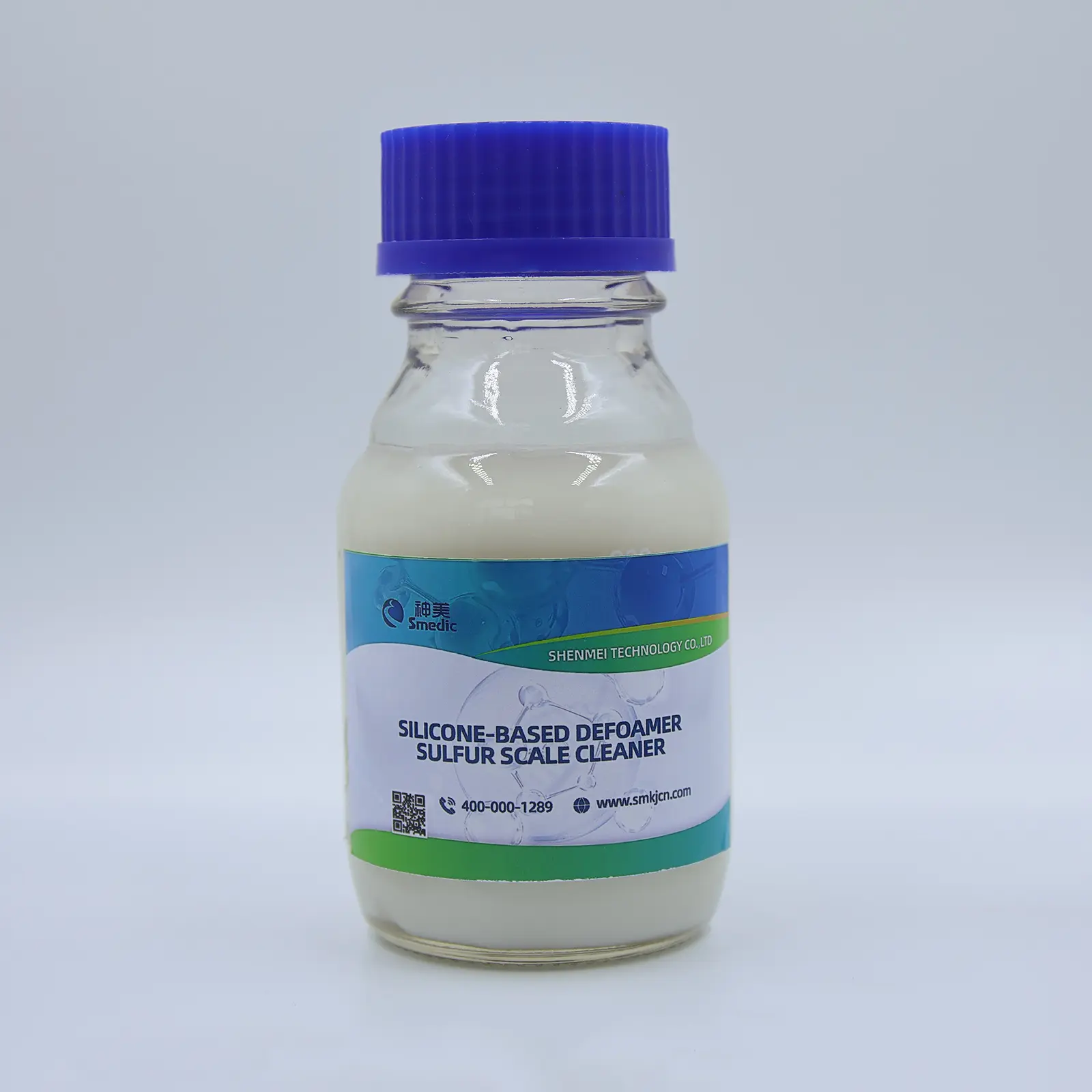
Silicone defoamers utilize polydimethylsiloxane (PDMS) to provide rapid foam knockdown at low concentrations across wide pH ranges. Polyether defoamers, while slightly slower to knock down surface foam, offer excellent foam suppression, high temperature stability, and compatibility with filtration membranes, making them less likely to cause membrane fouling.
Metalized dyes coordinate copper, nickel, or chromium within stable organic rings. Standard precipitation with sodium hydroxide often cannot break these bonds. Smedic's heavy metal removal agents contain active chelating groups that form stronger bonds with the metal ions, displacing the organic ligands to create insoluble, high-density organometallic precipitates.
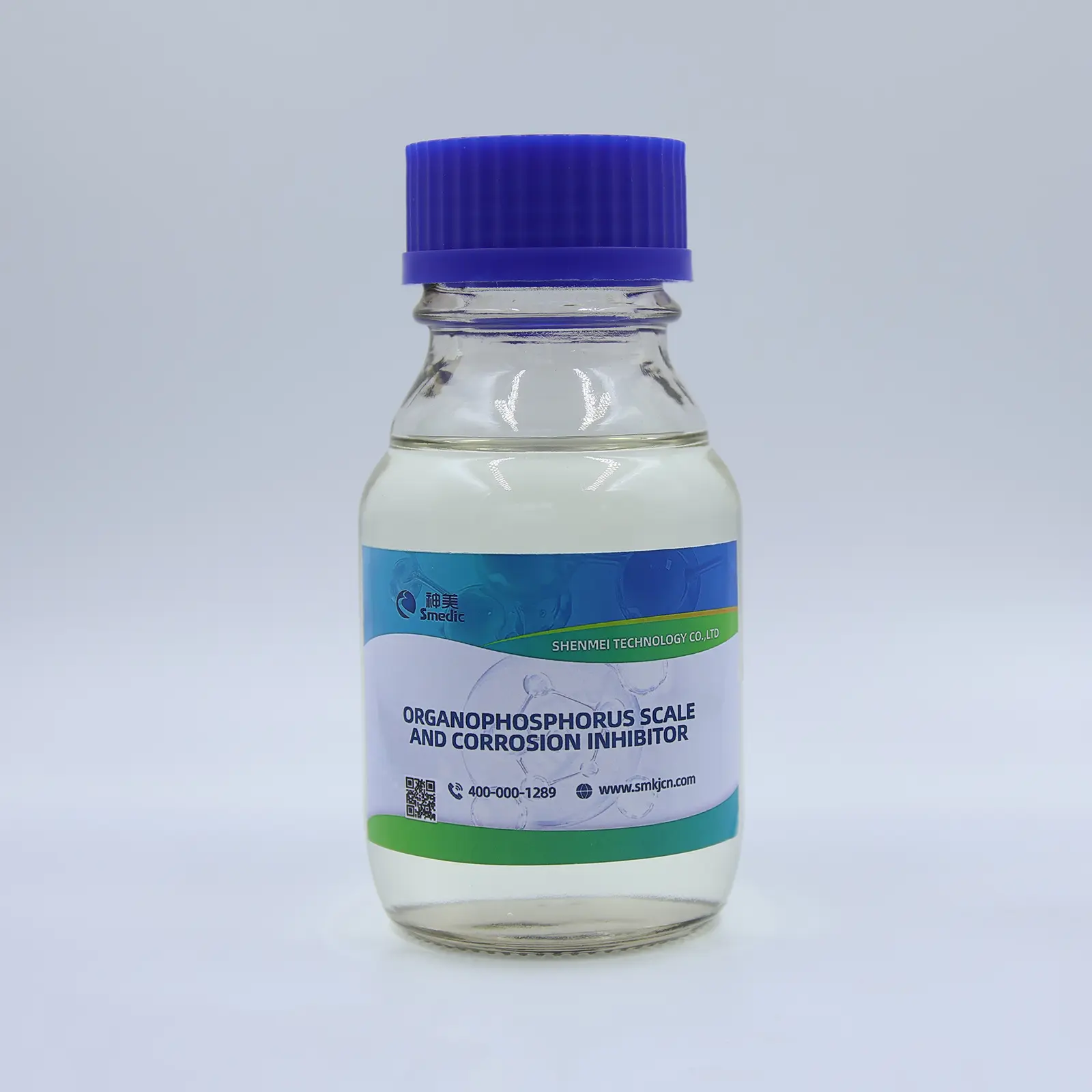
ZLD systems recycle water through intensive membrane filtration and thermal evaporation. As the water volume decreases, dissolved minerals like calcium, sulfate, barium, and silica concentrate past their solubility limits and form scale on equipment surfaces. Smedic's scale inhibitors disperse these crystals and distort their growth structures, preventing scale formation and maintaining high plant efficiency.
We operate multiple wholly-owned manufacturing bases in Hebei, Guizhou, and Shanxi, alongside 10+ partner factories and local warehouses in logistics hubs like Shandong, Anhui, and Sichuan. This distributed production and storage network ensures we can provide consistent product volumes and reliable delivery schedules to our international clients.
 Smedic Tech