High-Quality Dye Wastewater Treatment Solutions & Chemical Agents

Expert Chinese Manufacturer & Global Exporter of Performance Flocculants, Coagulants, and Decolorizing Systems for Industrial Effluents

Our Advanced Water Treatment Series

Select industrial-grade chemical solutions tailored for flocculation, scale inhibition, and high-efficiency purification.

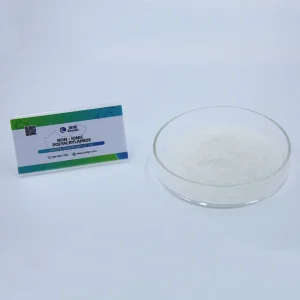
High-Quality Non-Ionic Polyacrylamide (NPAM) from China

High-Quality Non-Ionic Polyacrylamide (NPAM) from China: Leading Suppliers and Factory for Enhanced Oil Recovery Solutions Manufacturers, Exporters

Learn More →
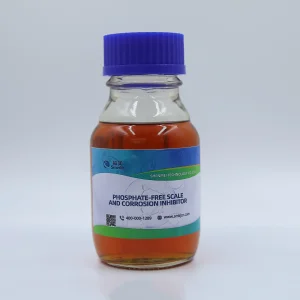
High-Quality Phosphate-Free Scale and Corrosion Inhibitor

High-Quality Phosphate-Free Scale and Corrosion Inhibitor from China Suppliers and Factory for Industrial Cooling Water Manufacturers, Exporters

Learn More →
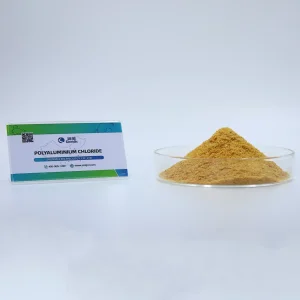
Smedic Advanced Polyaluminum Chloride PAC

ODM China Suppliers of Smedic Advanced Polyaluminum Chloride PAC Coagulant from Quality Factory for Water Treatment Manufacturer, Exporter

Learn More →
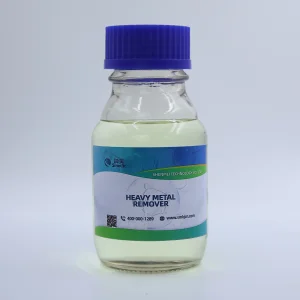
OEM Heavy Metal Removal Agent

OEM Powerful Heavy Metal Removal Agent - China Suppliers Factory for Effective Wastewater Treatment Solutions Supplier, Suppliers

Learn More →
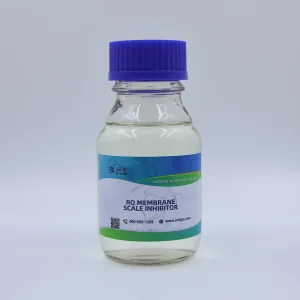
OEM China RO Membrane Scale Inhibitor

OEM China RO Membrane Scale Inhibitor - Top Suppliers & Factory for Water Treatment Solutions Manufacturer, Exporters

Learn More →
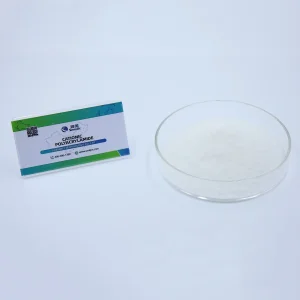
ODM Cationic Polyacrylamide (CPAM)

ODM Cationic Polyacrylamide (CPAM) Suppliers in China | High-Quality Factory Flocculant for Wastewater Treatment Supplier, Exporter

Learn More →
ODM Phosphate-Free Scale and Corrosion Inhibitor

ODM Phosphate-Free Scale and Corrosion Inhibitor from China Suppliers - Eco-Friendly Factory Solution for Industrial Cooling Water Suppliers, Exporter

Learn More →
OEM Non-Ionic Polyacrylamide (NPAM)

OEM Non-Ionic Polyacrylamide (NPAM) Suppliers in China - Enhance Oil Recovery at Our Factory Supplier, Exporter

Learn More →

Smedic Technology Profile

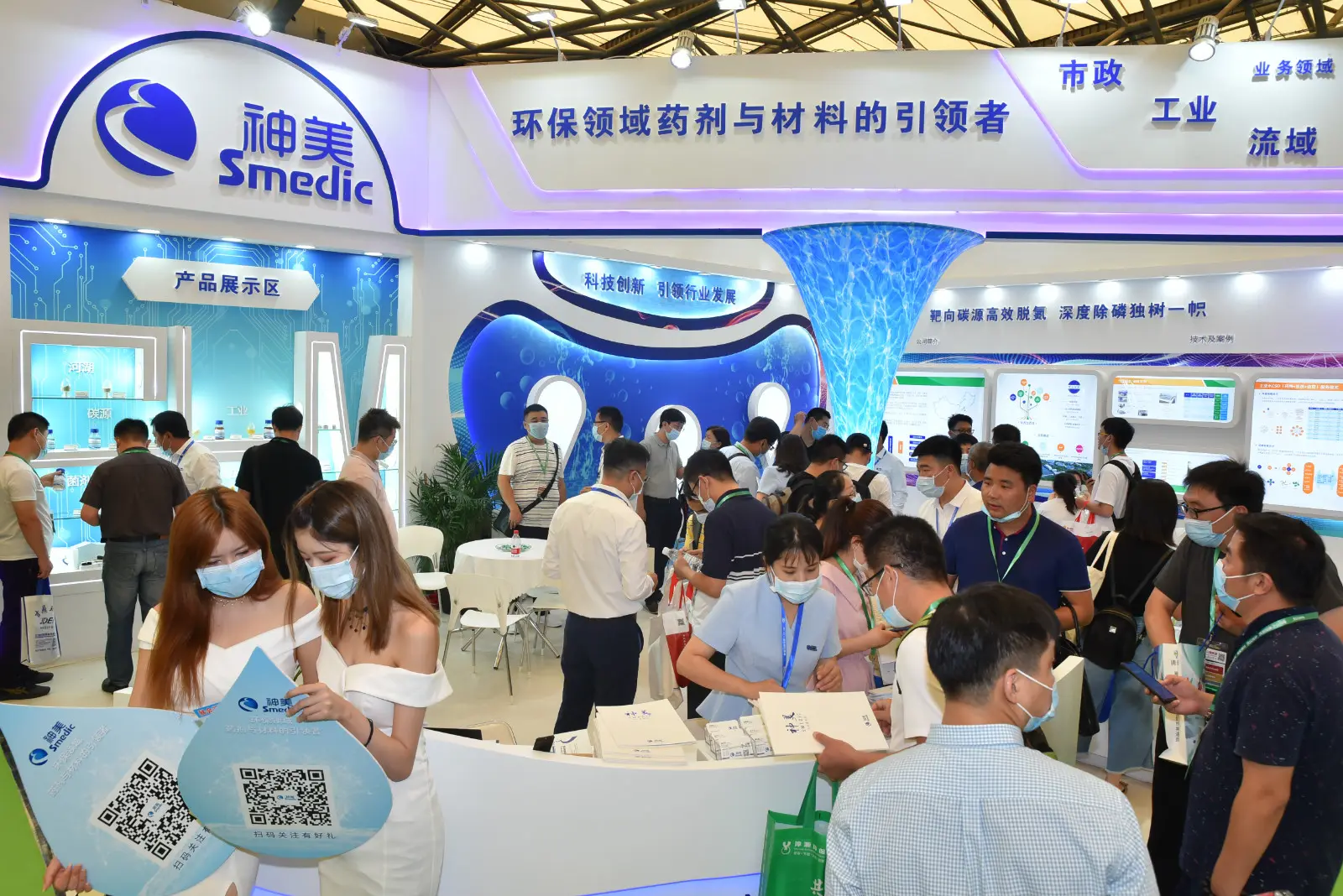
Smedic Technology Co., Ltd. was established in 2011 as a premier comprehensive solution provider specialized in environmental protection agents, integrating R&D, production, sales, and engineering-related technical services. We are dedicated to delivering customized chemical products, customized technical solutions, and long-term operating support. Our environmental protection agents cover multiple sectors such as municipal sewage, industrial wastewater, and tap water treatment, alongside mineral processing agents and oilfield chemicals. With an expansive catalog of more than 80 different products, our annual production capacity exceeds 1 million tons.

Smedic Production Facility & Base
2011
Established Year, laying the foundation for advanced water treatment.
80+
Different Environmental Agent Formulations & Specialty Products.
1M+ Tons
Annual Production Capacity across specialized facilities.
20M+ Tons
Daily Sewage Treatment Capacity processed using our technologies.
20+
Provinces covered by our service and storage logistics network.
600+
Urban Sewage Treatment Plants serviced globally and nationally.
1000+
End Customers in industrial, mineral processing, and oilfield operations.
60+
Chinese Patents held, including 40+ invention patents.

1 1. Global Commercial Status & Industrial Challenges of Dye Wastewater

Dyeing and textile printing industries represent some of the most water-intensive sectors globally. The production processes discharge massive volumes of complex wastewater containing synthetic dyes, printing pastes, auxiliaries, heavy metals, surfactants, and toxic compounds. The global textile industry produces an estimated 200 billion liters of wastewater annually. In dynamic regions like the Asia-Pacific (APAC) region, Central America, and parts of Europe, strict environmental compliance regulations such as the Zero Discharge of Hazardous Chemicals (ZDHC) guidelines and the EU REACH directive have made the treatment of dye wastewater a critical commercial and operational prerequisite.
Dye wastewater is characterized by extremely high Chemical Oxygen Demand (COD), highly complex chromophores (color-causing molecules), variable pH levels, and low biodegradability (BOD/COD ratio is often below 0.2). Classic organic synthetic dyes, such as Azo, Anthraquinone, Phthalocyanine, and Triarylmethane, are chemically stable and specifically engineered to resist fading from light, heat, water, and biological degradation. Consequently, traditional biological treatment methods alone often fall short of meeting modern environmental discharge limits, necessitating the implementation of advanced physical-chemical treatments including coagulation, advanced oxidation, flocculation, and membrane filtration.
"According to modern Google SEO guidelines and semantic user intent analysis, global buyers search for more than simple pricing; they require actionable chemical engineering metrics and E-E-A-T validated processing specifications to resolve high chromophore stability issues."

2 2. Chemical Technical Mechanisms & The Smedic Product Suite

To address the stubborn characteristics of dye effluents, Smedic has developed a highly targeted chemistry paradigm based on our extensive R&D. We design specialized coagulants and flocculants that exploit charge neutralization, adsorption-bridging, and sweep-flocculation mechanisms to break the stable colloids formed by dye particles.

A. Coagulation with Inorganic Metal Salts (PAC and PFS)

Inorganic coagulants like Polyaluminum Chloride (PAC) and Polyferric Sulfate (PFS) hydrolyze in solution to yield highly charged multi-nuclear hydroxyl complexes. These positive ionic clusters effectively neutralize the negative surface charges present on suspended dye colloids and dissolved anionic dyes.
  • PAC Application: Best for rapid floc formation under neutral to slightly alkaline pH. Smedic's PAC utilizes advanced spray-drying techniques to ensure rapid dissolution and minimal residual aluminum levels.
  • PFS Application: Highly effective for deep color removal of azo and vat dyes. The trivalent iron ions in PFS provide excellent oxidation-reduction assistance, stripping chromophores and adsorbing dissolved organic components.

B. Flocculation and Aggregation with Polyacrylamide (PAM)

Once the charge has been neutralized, polymer flocculants are applied to construct large, fast-settling flocs.
  • Cationic Polyacrylamide (CPAM): Since most synthetic dyes contain sulfonic or carboxylic acid groups (giving them an anionic charge), our high-charge-density CPAM binds directly with dye molecules, creating complex micro-flocs that are easily separated by flotation or settling.
  • Anionic Polyacrylamide (APAM) & Non-Ionic Polyacrylamide (NPAM): Utilized primarily for secondary sludge dewatering, thickening, and clarification processes in conjunction with inorganic coagulants.

C. Advanced Heavy Metal Removal & Defoaming Agent Technologies

Many modern dye formulas rely on organometallic complexes containing copper, chromium, nickel, and cobalt. Regular coagulants cannot efficiently break these complexes. Smedic's proprietary Heavy Metal Removal Agent works via multi-dentate chelation, forming highly stable, insoluble metal-chelate precipitates that are easily filtered out.
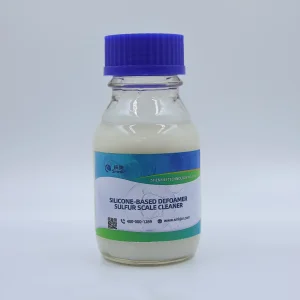
Furthermore, dye wastewater is highly prone to foaming due to the presence of surfactants. We supply high-performance Organic Silicone Defoamers and Polyether Defoamers designed to survive harsh pH, high salt environments, and elevated temperatures, ensuring stable hydraulic conditions in treatment plants.
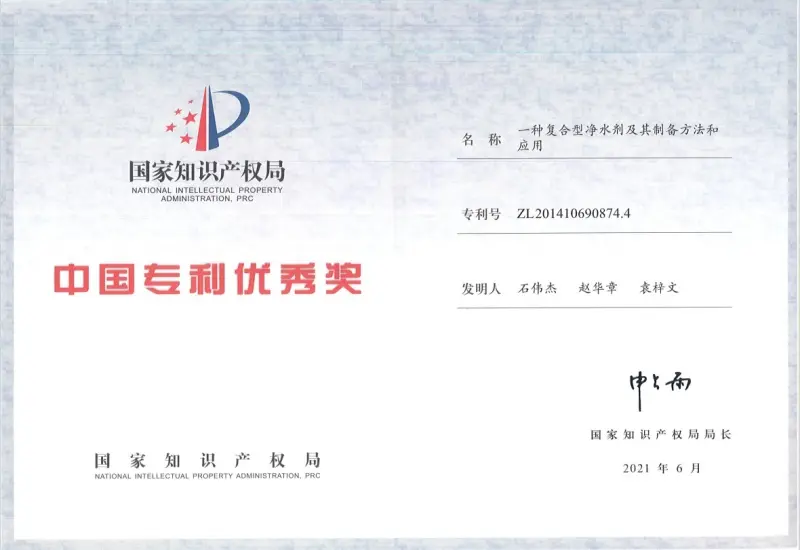
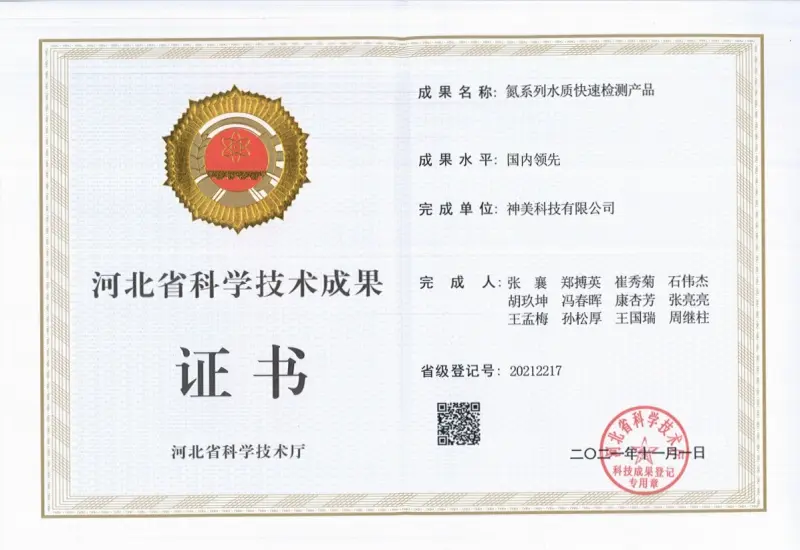
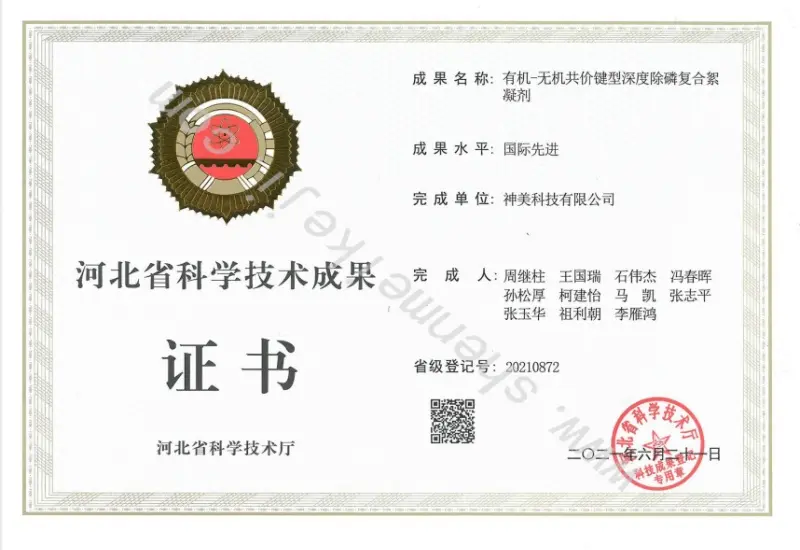
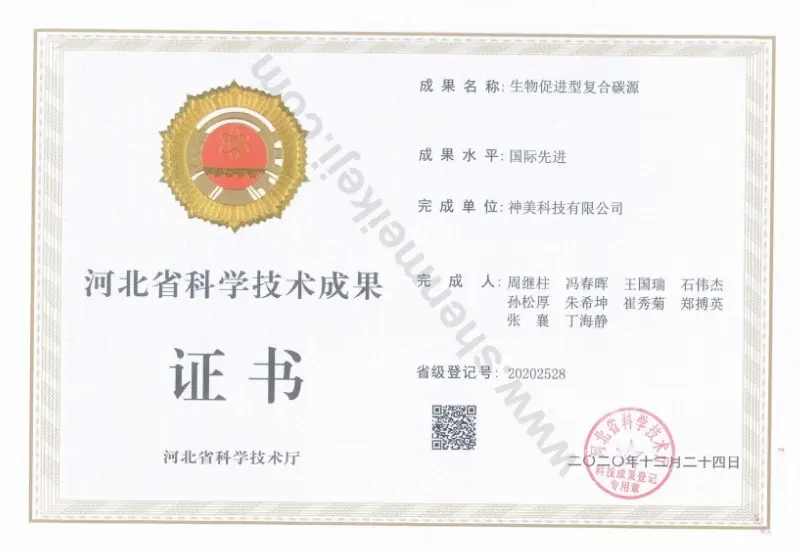
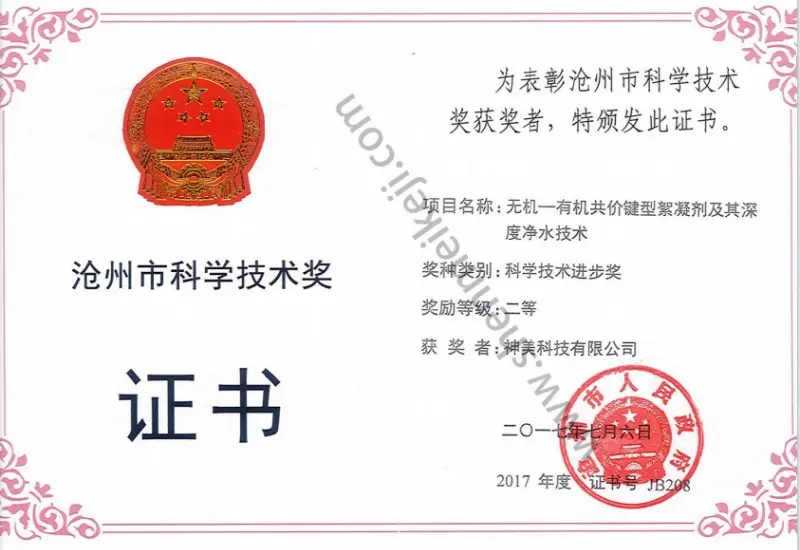
Smedic Patent Awards and Verification

Proprietary Patents & Strategic Brand Alliances

Smedic has been recognized as the "Leading Brand of Advanced Wastewater Treatment Chemicals" and the "Most Valuable Water Treatment Chemicals Brand" by the China Water Network and E20 Environmental Platform for four consecutive years.

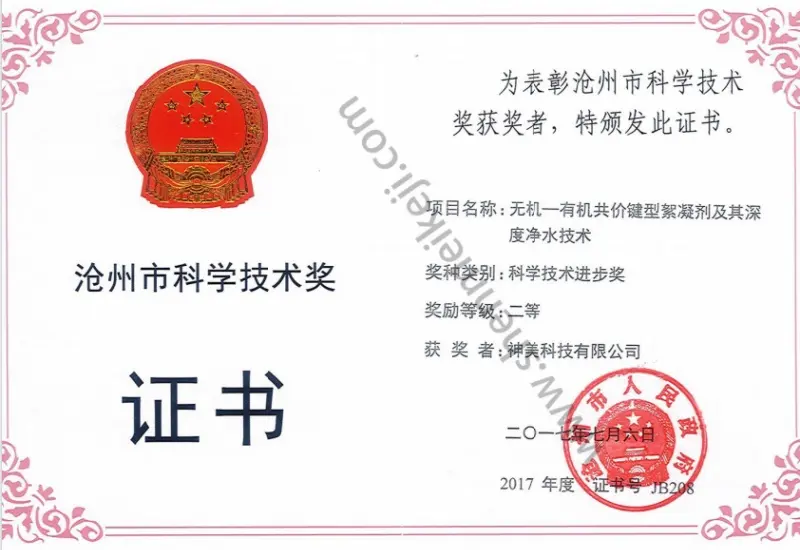
Our independently developed "Inorganic-Organic Covalent Bond Flocculant and Its Advanced Water Purification Technology" won the 22nd China Patent Award, the First Prize for Technological Invention from the China Petrochemical Industry Association, and the Hebei Province Science and Technology Progress Award.

We maintain strategic alliances with Shouchuang Ecological, Beijing Enterprises Water Group, and China Water Environment Group to deploy these patented technologies across thousands of industrial facilities.

3 3. Localized Application Scenarios & Operational Case Studies

Dye wastewater varies drastically depending on the specific textile manufacturing step (e.g., sizing, desizing, scouring, bleaching, mercerizing, dyeing, and printing). Smedic works directly with local operations managers to optimize treatment trains for specific localized scenarios:

Scenario A: Indigo Denim Dyeing Wastewater Treatment (High Color & COD)

Denim manufacturing discharges a highly dark, alkaline effluent rich in indigo dye, starch sizing agents, and reducing agents (such as sodium hydrosulfite).
The Solution: Smedic engineers a sequential treatment system. First, the pH is adjusted, followed by the dosing of our specialty Polyferric Sulfate (PFS) to oxidize and break down the indigo dye complex. Finally, high-molecular-weight Cationic Polyacrylamide (CPAM) is added to facilitate rapid flocculation. In field operations, this approach has consistently yielded a color removal rate exceeding 98% and a COD reduction of over 75%, allowing the effluent to feed safely into municipal biological treatment zones.

Scenario B: Reactive Dyeing Effluent in Knitwear Mills (High Salinity & Dissolved COD)

Reactive dyes require high concentrations of salt (NaCl or Na2SO4) to fix the dye to the cotton fibers. High salinity causes osmotic pressure that disrupts biological sludge, while unfixed hydrolyzed reactive dyes resist standard filtration.
The Solution: We implement a physical-chemical treatment utilizing Smedic's Inorganic-Organic Covalent Bond Flocculant. The covalent bonding properties pull the dissolved hydrophilic reactive dye molecules out of solution. The treated water is subsequently routed through RO filtration systems protected by Smedic's specialized RO Membrane Scale Inhibitors, preventing mineral scaling and maximizing water reuse.

Scenario C: Woolen Textile Carbonizing and Acid Dyeing Effluent

Wool processing generates wastewater with significant oil, grease, suspended solids, and complex acid dyes.
The Solution: A dual-chemical system utilizing Smedic Polyether Defoamers and Heavy Metal Removal Agents. This combination eliminates heavy foam issues while binding the heavy metal ions used in metallized dye complexes, producing easily dewatered sludge.
Company History & Technology Roadmap

Over a decade of scaling production capacity, R&D capabilities, and patent authority.

2011

Smedic Technology was founded, focusing on specialized polymer manufacturing for municipal and industrial water treatment.

2014

Established a complete portfolio of environmental chemicals, covering coagulants, flocculants, and heavy metal removal agents.

2015 - 2016

Recognized as a national high-tech enterprise. Expanded production capacity with our dedicated Guiyang facility.

2018

Production bases in Hebei, Shandong, and Guizhou completed expansion, pushing overall annual capacity past 1 million tons.

2020 - 2021

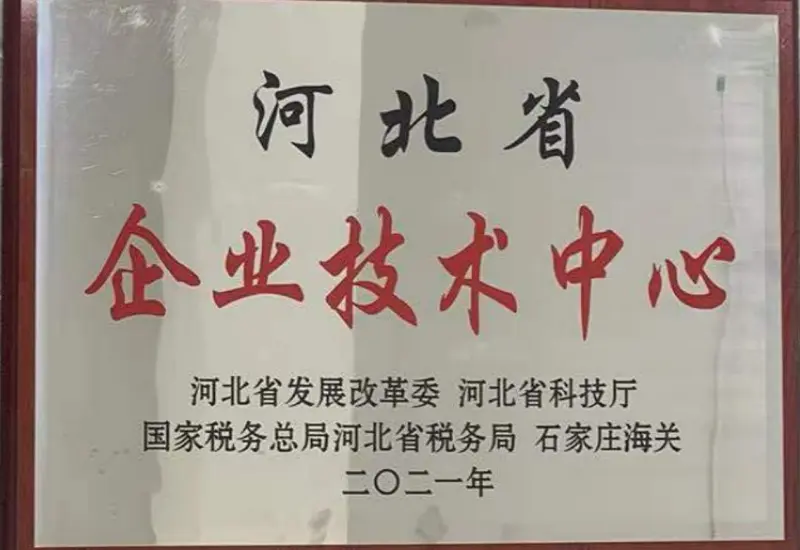
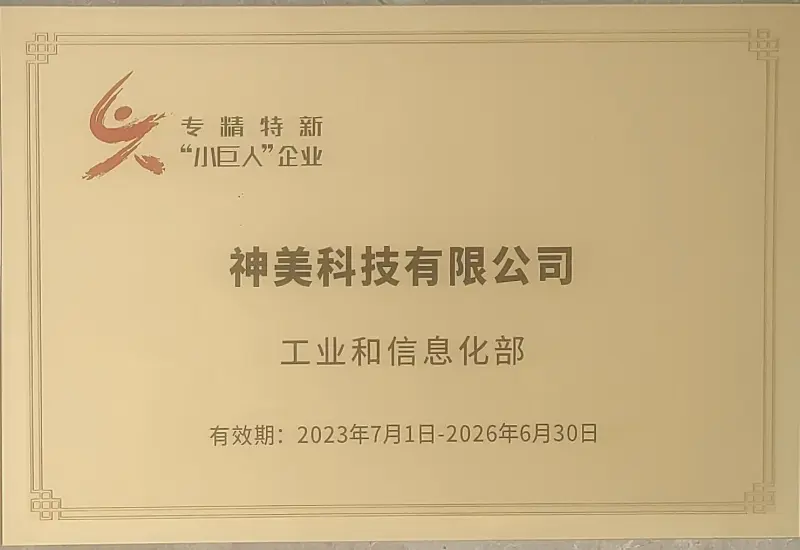
Awarded National "Little Giant" Enterprise status. Established the Hebei Provincial Advanced Water Treatment Chemicals Technology Innovation Center.

2023 - 2024

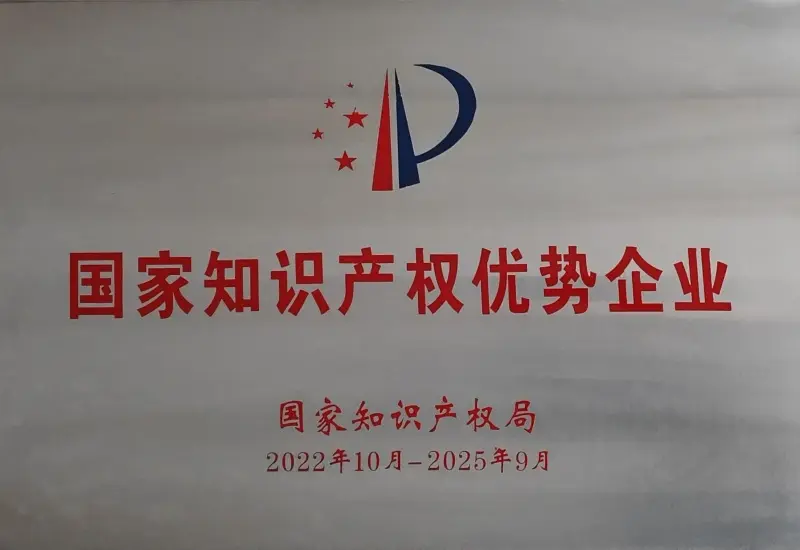
Acquired National Intellectual Property Advantage Enterprise status. Launched a joint venture company with Chengdu Institute of Mineral Comprehensive Utilization to focus on advanced mineral and water purification reagents.

4 4. Chinese Factory Supply Chain Resilience & Efficiency Advantages

In global chemical sourcing, reliability and cost-efficiency are critical. Smedic operates a highly resilient supply chain framework centered on vertical integration, multi-regional production, and strategic storage hubs.
  • Decentralized Production Bases: With wholly-owned facilities in Hebei, Guizhou, and Shanxi, plus over 10 OEM partner factories in Shandong, Anhui, Guangxi, and Sichuan, Smedic isolates production from regional power grid adjustments or local resource bottlenecks.
  • Upstream Raw Material Security: Our facilities are situated adjacent to primary industrial chemical corridors, guaranteeing long-term contract pricing and priority access to key inputs like acrylonitrile, raw aluminum ores, and organic silicone oils.
  • Smart Warehousing & JIT Logistics: Smedic operates regional warehousing nodes near major international ports (Tianjin, Qingdao, Shanghai). This allows us to offer short lead times and stable ocean freight booking coordination, minimizing supply disruptions for our international clients.
Smedic Logistics and Factory Operations

5 5. Technology Roadmap & Future Outlook: AI & Green Chemistry

The global wastewater landscape is transitioning towards sustainable circular economies. Smedic’s R&D team, in collaboration with leading academic institutions (including Tsinghua University and Shandong University), is actively developing the next generation of water treatment reagents:
1. Bio-Based & Biodegradable Flocculants: Developing hybrid polymers that combine synthetic acrylamides with natural polysaccharides (e.g., chitosan, modified starches). These bio-hybrids significantly improve sludge biodegradability and reduce the ecological footprint of treatment residues.
2. Zero Liquid Discharge (ZLD) Optimization: Designing anti-scaling polymers capable of working under extreme total dissolved solids (TDS) conditions. This helps maximize water recovery in industrial evaporator loops and membrane concentrators.
3. AI-Driven Smart Dosing Systems: Integrating real-time sensor analytics with our chemical dosing plans. By tracking fluctuating pH, flow rate, and turbidity, our systems adjust real-time chemical volumes, reducing waste and ensuring consistent output quality.

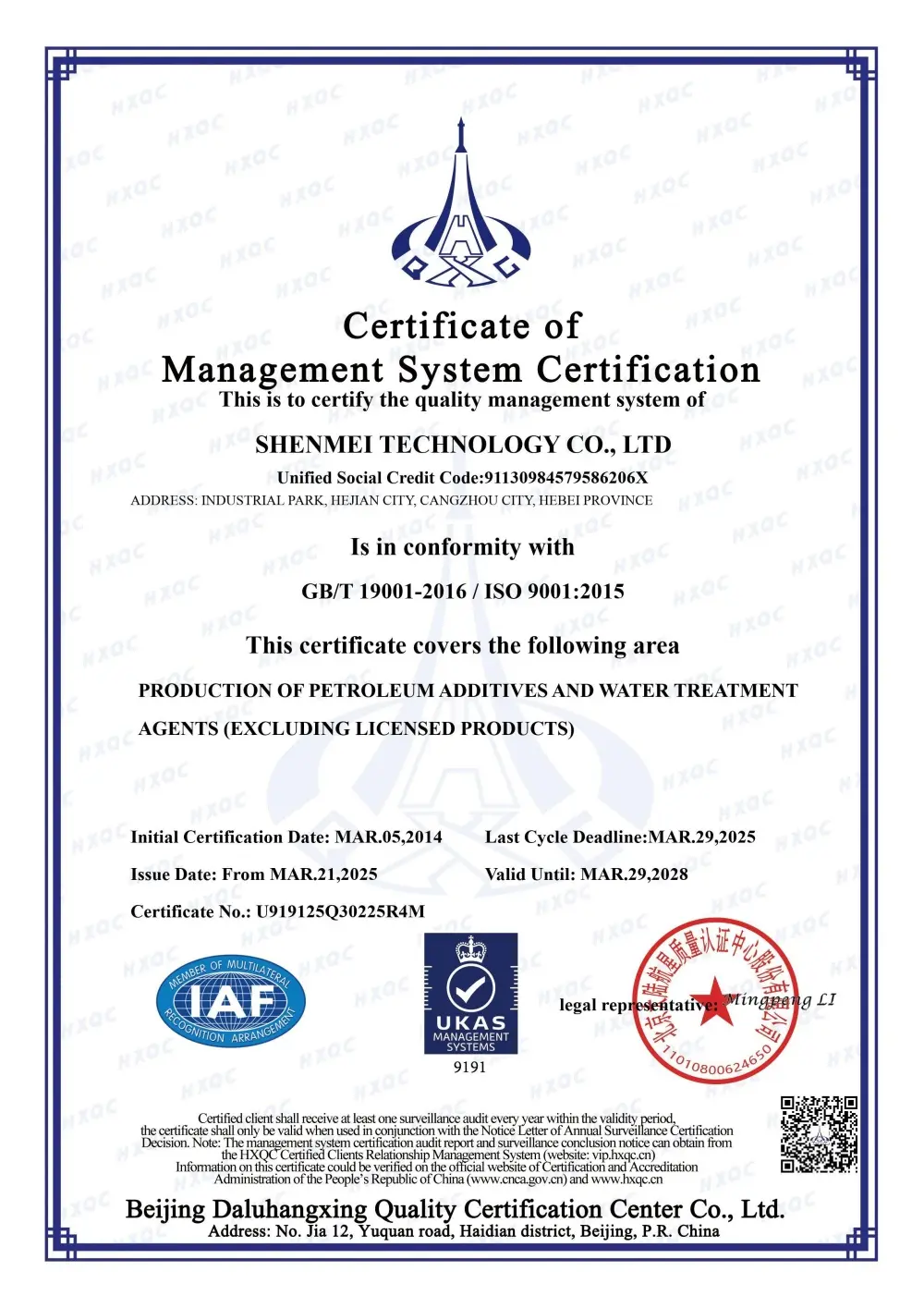
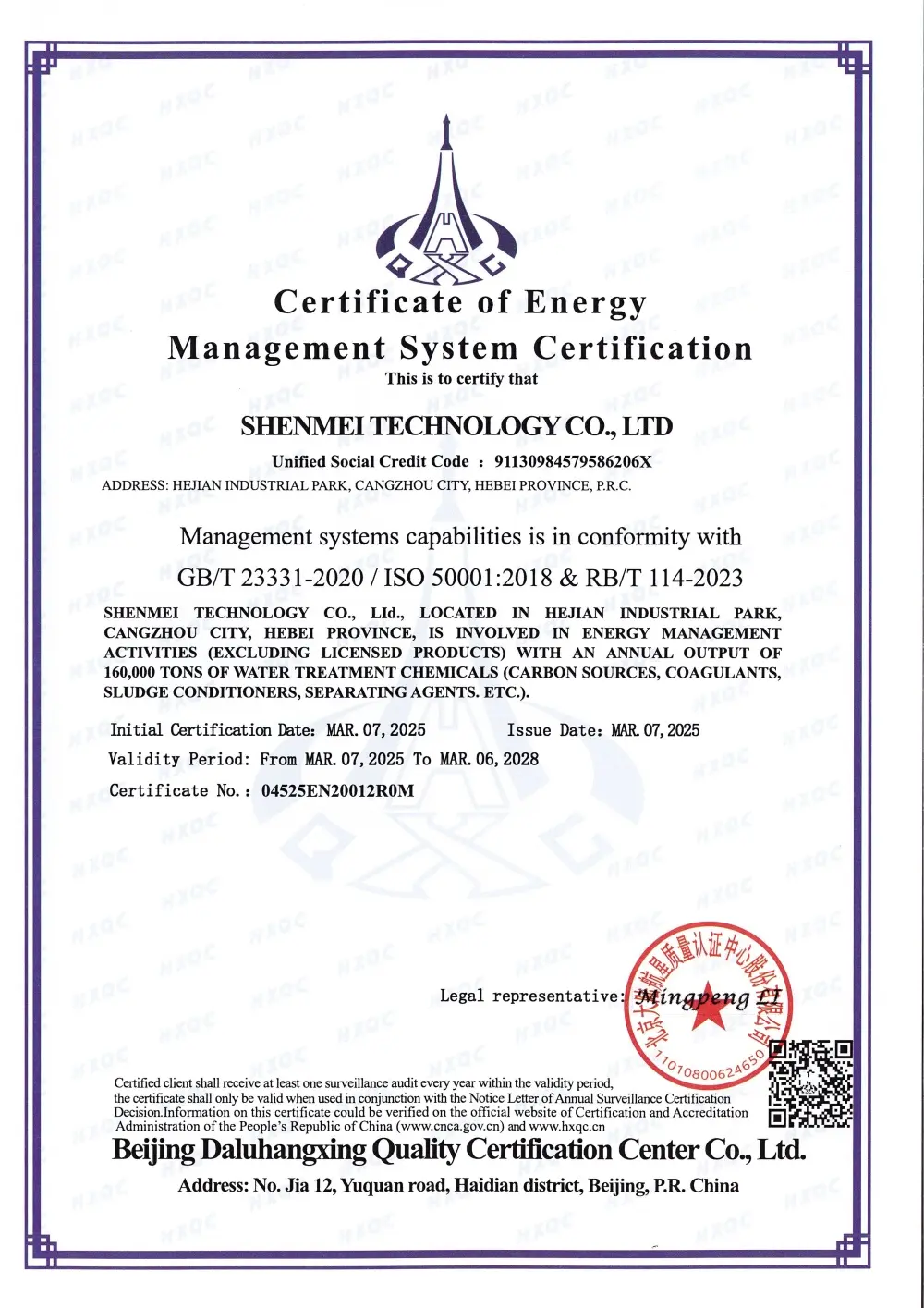
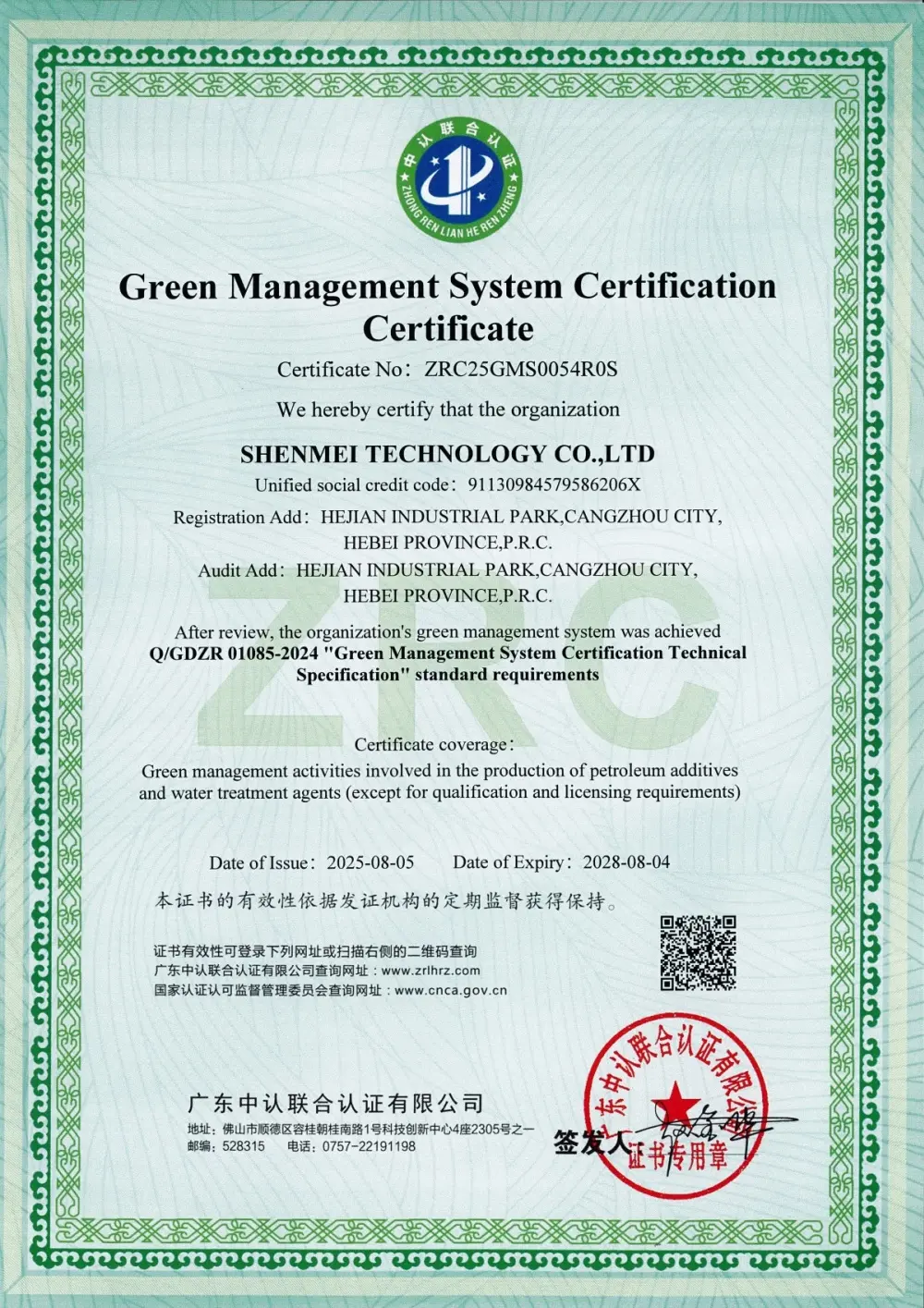
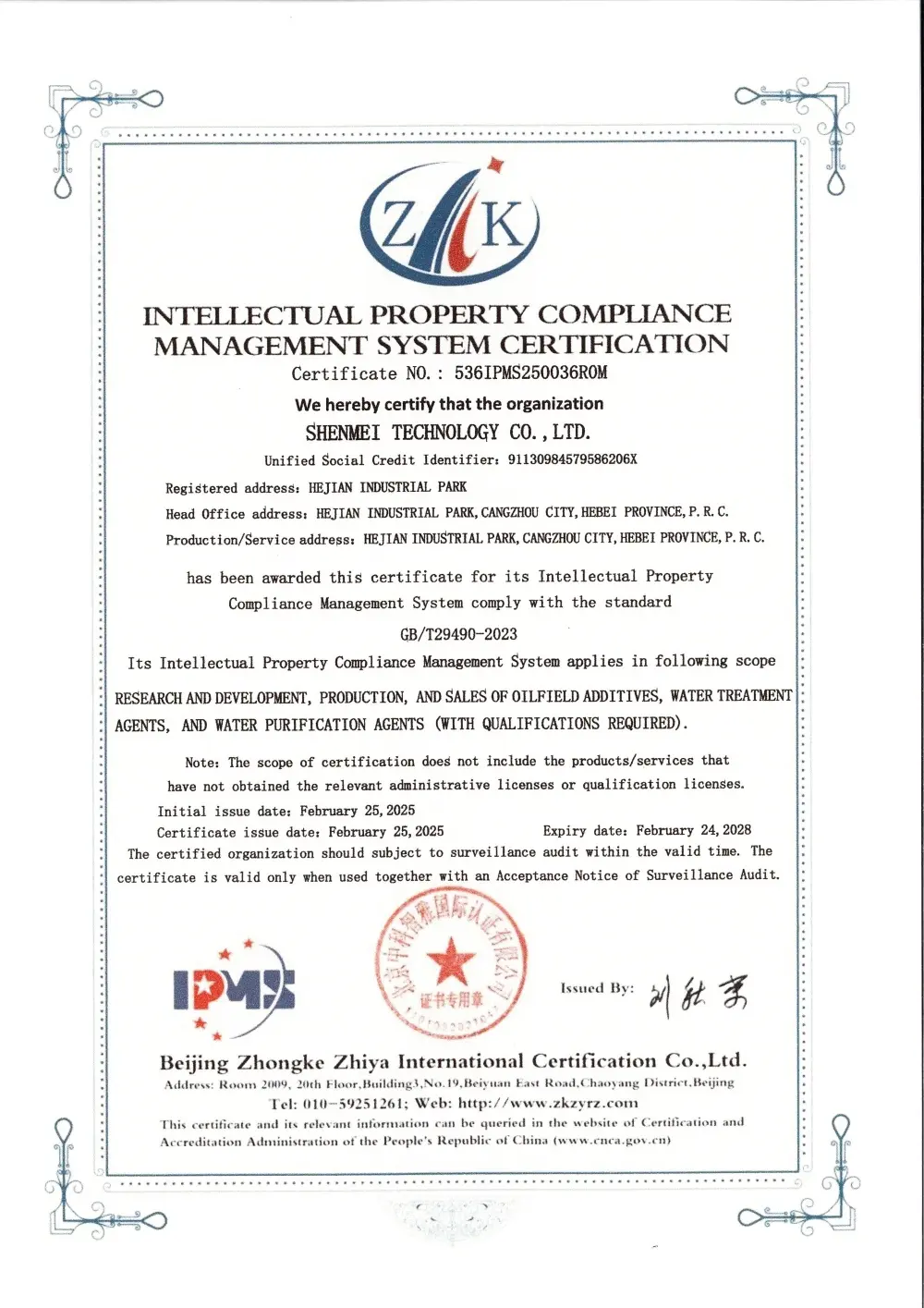
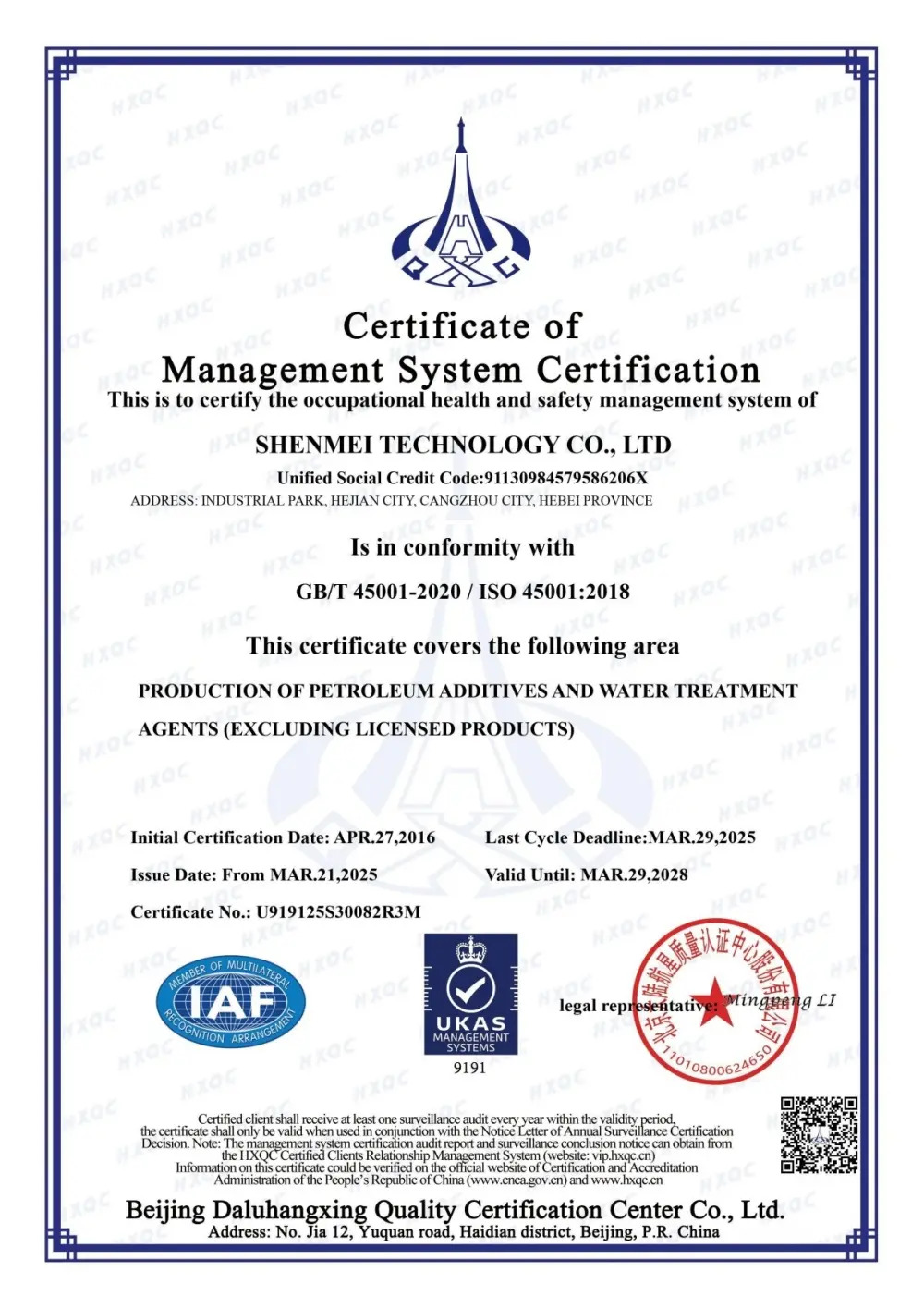
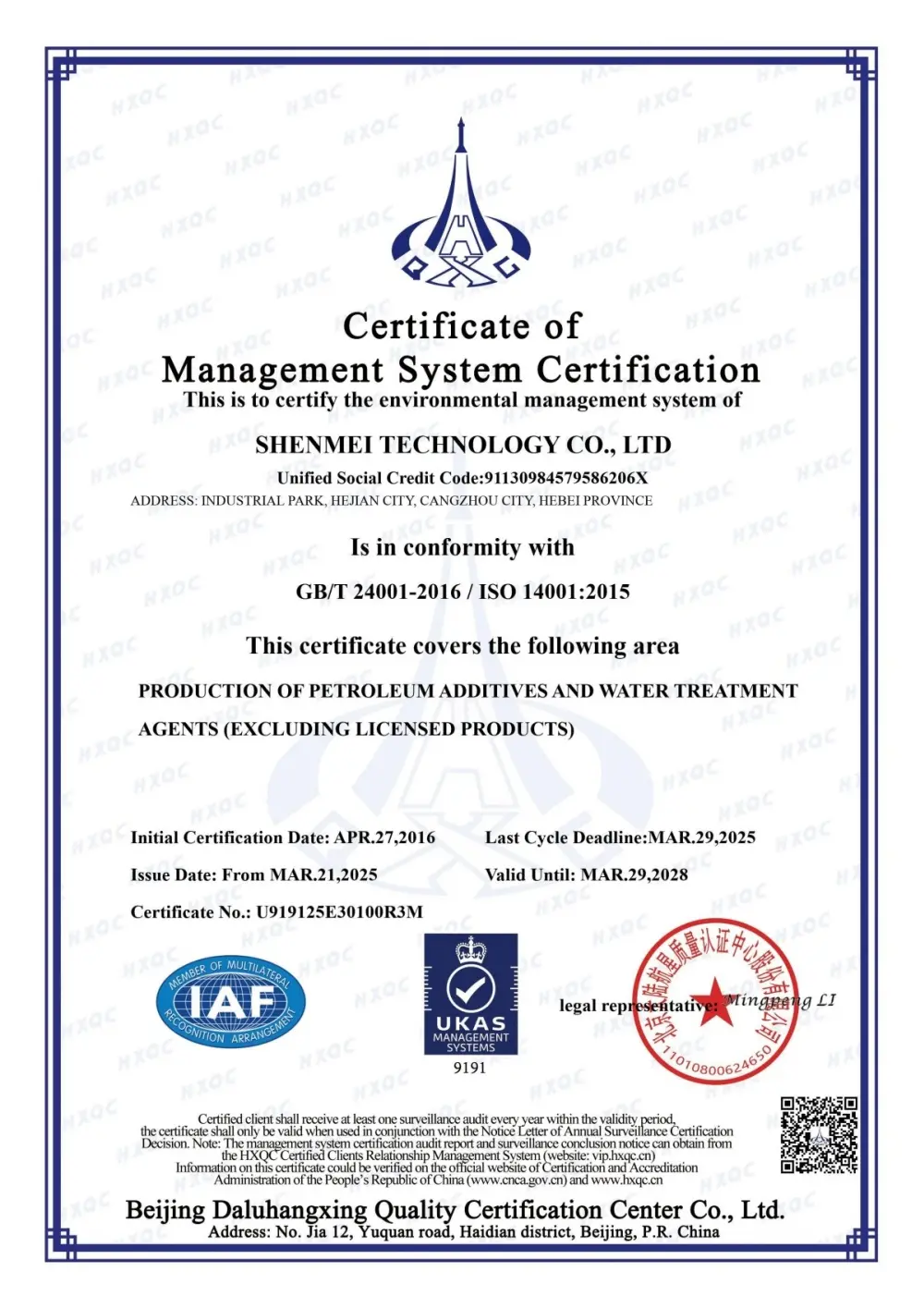
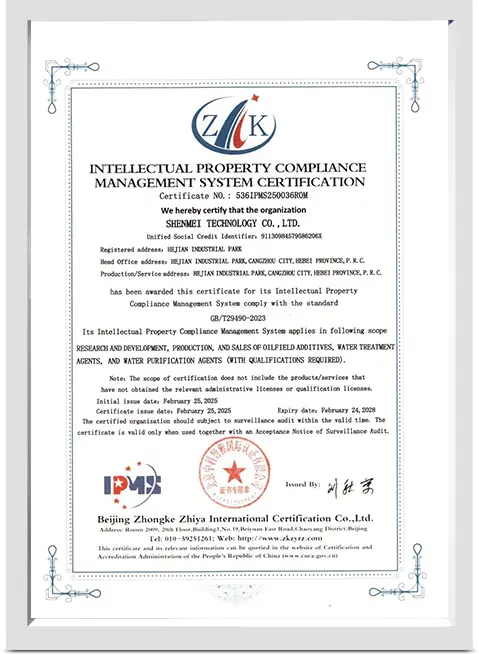
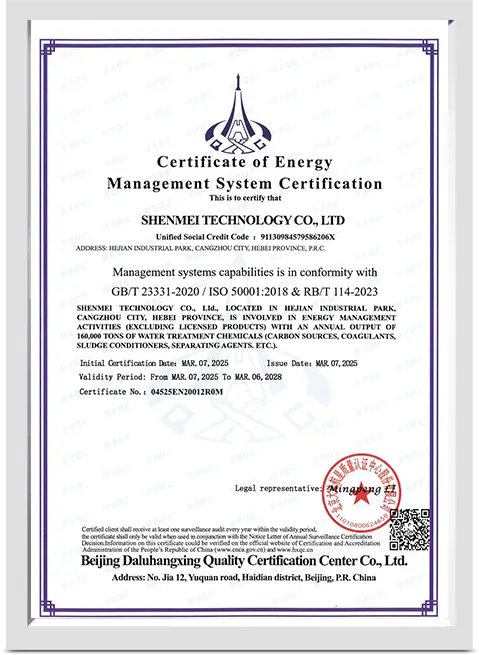
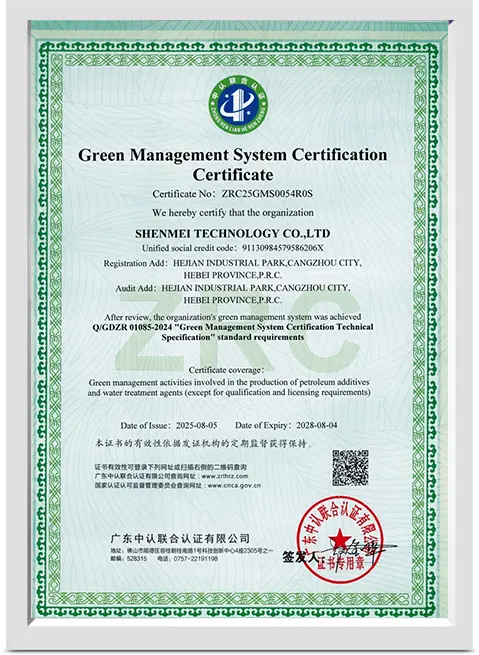
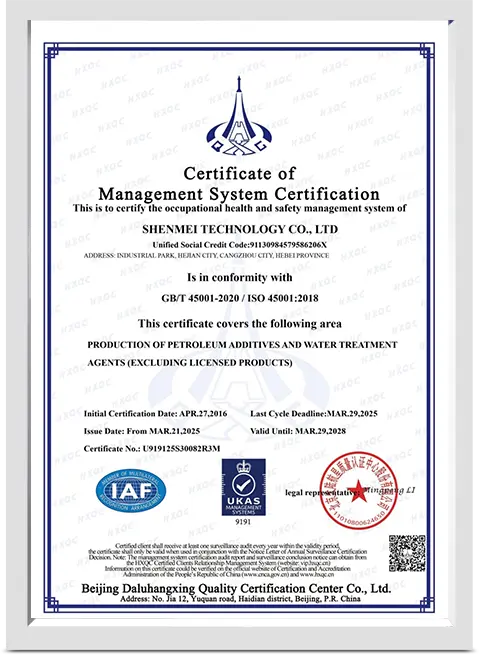
National Accreditations & Quality Management Certifications

Certificate 1
Certificate 2
Certificate 3
Certificate 4
Certificate 5
Certificate 6
Certificate 7
Certificate 8
Certificate 9
Certificate 10
Certificate 11
Certificate 12
Certificate 13
Certificate 14
Certificate 15
Certificate 16
Certificate 17
Certificate 18
Certificate 19
Certificate 20

6 6. Localized Support & Regulatory Compliance

Regulatory landscapes differ significantly between domestic and international jurisdictions. In the European Union, chemical agents must align with stringent REACH regulations to guarantee trace elements do not persist in treated sludge. In North America, the EPA imposes strict limits on the polymer monomer content in industrial discharges.
To address this, Smedic offers fully localized compliance and engineering support. We provide customized Safety Data Sheets (SDS), technical datasheets, and regulatory compliance statements (such as RoHS and heavy metal screening). Additionally, our engineering teams offer on-site jar testing and laboratory simulation services to help local operators fine-tune dosage profiles and minimize chemical overheads.

7 7. Technical Q&A (FAQ) - Dye Wastewater Optimization

Q: Why are cationic polyacrylamides (CPAM) preferred for dyeing wastewater over anionic formulations?
A: Most textile dye chemicals (such as acid, reactive, and direct dyes) contain highly anionic sulfonic acid polar groups. When dissolved, they carry strong negative charges. Smedic's Cationic Polyacrylamides (CPAM) provide immediate charge neutralization, neutralizing the dye ions to form micro-flocs, which can then be aggregated and separated efficiently. Anionic polymers are generally reserved for secondary clarification or sludge conditioning.
Q: How can we reduce high COD levels caused by water-soluble reactive dyes?
A: Water-soluble reactive dyes generate substantial COD because they do not easily precipitate. Smedic recommends a combined treatment using Polyaluminum Chloride (PAC) or Polyferric Sulfate (PFS) followed by our proprietary Inorganic-Organic Covalent Bond Flocculant. The inorganic metal ions neutralize the charges, while the organic polymer chains form covalent linkages that lock the dye structures into highly insoluble complex precipitates.
Q: How does pH affect coagulation and decolorization efficiency?
A: Coagulation efficiency is highly pH-dependent. Inorganic coagulants like PAC operate best within a pH range of 6.0 to 8.5. If the pH is too low, the hydroxyl complexes cannot form effectively. If the pH is too high, the metal ions precipitate out prematurely. For extremely alkaline wastewater, such as mercerizing or vat dyeing effluent, pH neutralization must precede chemical dosing.
Q: Can heavy metals from metallized dye complexes be treated with standard flocculants?
A: No. Heavy metals complexed with organic dye molecules (like copper or chromium phthalocyanines) are highly stable and resist standard hydroxide precipitation. Smedic's specialized Heavy Metal Removal Agent uses multi-dentate chelation to displace the organic ligand, bonding directly with the heavy metal ions to form robust, heavy flocs that settle rapidly.
Q: What is the optimal dosage calculation method for Smedic CPAM in sludge dewatering?
A: The optimal dosage varies depending on sludge solids concentration and the type of dewatering machinery (e.g., belt press, centrifuge, or filter press). We recommend performing laboratory jar tests first: dose range typically starts from 2 to 10 mg/L of sludge flow. Excess dosage can lead to polymer blinding on filter cloths, while under-dosing results in poor cake dryness and high filtrate turbidity.

Specialized Defoaming & Scale Inhibition Systems

Ensure long-term system integrity with industrial-grade antifoam agents and advanced membrane scale inhibitors.

ODM Effective Organic Silicone Defoamer Agent

ODM Effective Organic Silicone Defoamer Agent from China Suppliers - High-Performance Factory Solution for Foam Control Manufacturers, Exporter

Learn More →
OEM Cationic Polyacrylamide CPAM

OEM Cationic Polyacrylamide CPAM Suppliers and Factory in China for Wastewater Treatment and Flocculation Solutions Supplier, Exporters

Learn More →
RO Membrane Scale Inhibitor Agent

China China Suppliers & Factory for RO Membrane Scale Inhibitor - Multi-functional Water Treatment Agent Manufacturers, Manufacturer

Learn More →
OEM Cationic Polyacrylamide CPAM High-MW

OEM Cationic Polyacrylamide (CPAM) Suppliers in China - High-MW Flocculant from Leading Factory for Wastewater Treatment Manufacturers, Suppliers

Learn More →
OEM China Organic Silicone Defoamer

OEM China Organic Silicone Defoamer: Effective Foam Control Solution from Leading Suppliers and Factory Suppliers, Exporter

Learn More →
High-Quality Non-Ionic Polyacrylamide NPAM

High-Quality Non-Ionic Polyacrylamide (NPAM) – Reliable Water-Soluble Polymer from Leading China Suppliers & Factory Manufacturer, Exporter

Learn More →
High-Quality China Polyether Defoamer

High-Quality China Polyether Defoamer Suppliers - High-Performance Factory Solutions for Foam Suppression in Various Industries Supplier, Exporter

Learn More →
Heavy Metal Removal Agent for Wastewater

High-Quality Powerful Heavy Metal Removal Agent from China Suppliers and Factory for Effective Wastewater Treatment Suppliers, Exporter

Learn More →