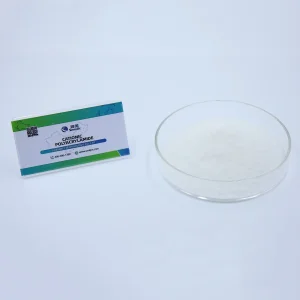
Engineered to satisfy demanding environmental standards, our high-purity coagulants, flocculants, and organic defoaming agents form the backbone of modern industrial water treatment infrastructure.
Dairy processing wastewater represents one of the most chemically complex effluents within the food and beverage industry. Characterized by high concentrations of Biochemical Oxygen Demand (BOD), Chemical Oxygen Demand (COD), nitrogen, phosphorus, and organic fats, oils, and grease (FOG), the raw discharge cannot be directly routed to municipal sewers without extensive pretreatment. Rapid acidification of lactose into lactic acid causes localized pH drops, which can severely disrupt standard biological municipal treatment facilities if left unmanaged.
On a global scale, dairy processors face strict regulatory mandates. In the European Union, the Industrial Emissions Directive forces plants to conform to strict Best Available Techniques (BAT) reference documents (BREFs) for emissions. In North America, the EPA imposes strict limits under Clean Water Act NPDES permits. Therefore, industrial facilities rely on a multi-stage chemical-physical pre-treatment framework. This typically begins with rapid fat coagulation, followed by polymeric flocculation, and pH adjustment using high-purity compounds such as Sodium Acetate as supplemental carbon sources for biological denitrification.
Modern processing sites are transitioning from basic environmental compliance to high-efficiency resources recovery paradigms. This trend features several key engineering developments:
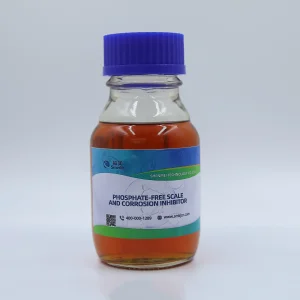
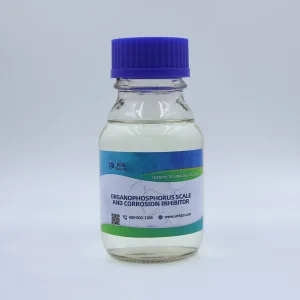
Integration of advanced Reverse Osmosis (RO) membranes to reclaim up to 95% of process water, requiring highly specialized anti-scalants and scale inhibitors to prevent calcium phosphate and sulfate deposition on membranes.
Enhanced biological systems rely on consistent external carbon dosing. Industrial sodium acetate supply plays a major role in stabilizing microbial activity during peak kinetic denitrification stages.
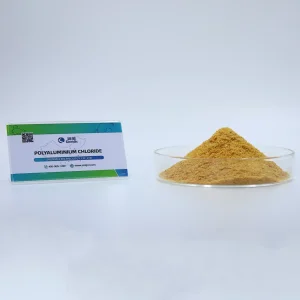
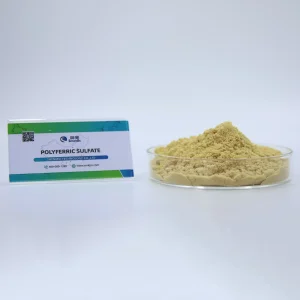
Coagulating dairy fats via Polyaluminum Chloride (PAC) and Polyferric Sulfate (PFS) enables efficient Dissolved Air Flotation (DAF) cycles, reducing downstream organic loading on biological reactors by over 60%.
Procurement professionals operating within global dairy conglomerates look beyond product unit price; they evaluate supply continuity, chemical composition integrity, and regulatory certifications (such as ISO 9001 and ISO 14001). When processing dairy goods, chemical contamination risks must be zero. Defoaming agents must not interfere with downstream membrane integrity or violate regional food contact guidelines.
Furthermore, optimizing sludge dewatering operations requires high-molecular-weight Cationic Polyacrylamide (CPAM) and Anionic Polyacrylamide (APAM). The target is maximal water extraction, minimal chemical carryover, and a dry cake consistency that reduces transportation and disposal costs. Suppliers must guarantee tight parameter ranges for charge density and molecular weight to avoid operational process upsets in automated sludge press configurations.
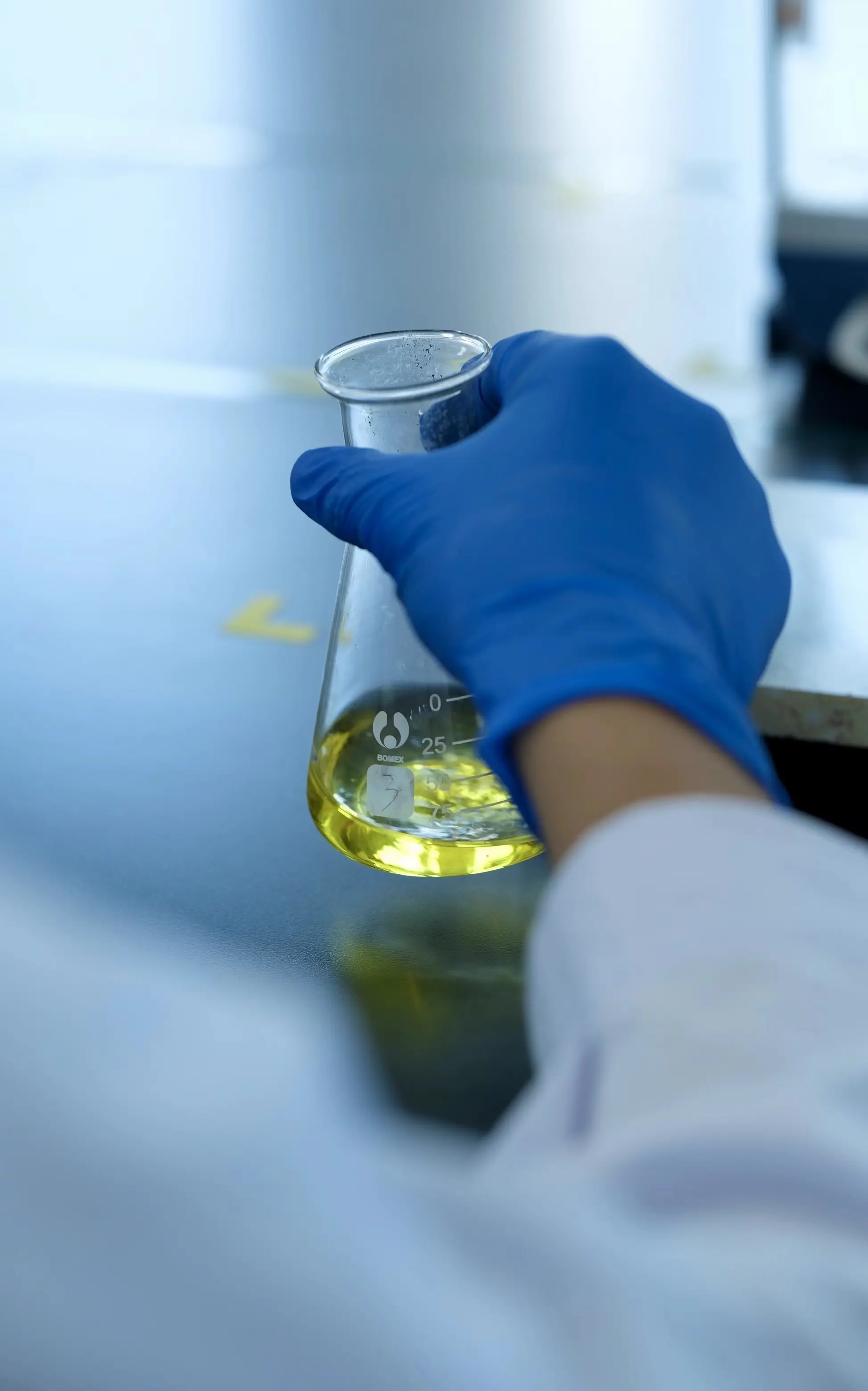
Our production systems utilize smart manufacturing frameworks that unify real-time synthesis monitoring, automated dosing controls, and integrated inventory management. Through advanced automation, we maintain strict quality control standards. Raw materials undergo inline chromatographic verification before processing, ensuring consistent properties in our coagulants, defoamers, and polymer agents.
To mitigate global supply chain challenges, we operate multiple production bases across Hebei, Guizhou, and Shanxi, alongside ten OEM partner factories and regional warehousing hubs. By distributing production and warehousing, we insulate customers from localized logistical disruptions and reduce transportation times to key global ports.
Smedic Technology Co., Ltd. was established in 2011 as a comprehensive solution provider specialized in environmental protection agents, integrating R&D, production, sales, and engineering-related technical services. We are dedicated to providing customers with customized chemical products, technical solutions, and services. Smedic produces environmental protection agents covering multiple sectors such as municipal sewage, industrial wastewater, and tap water treatment, as well as mineral processing agents, and oilfield chemicals. We offer more than 80 different environmental protection products, with an annual production capacity exceeding 1 million tons.
Our corporate headquarters is located in Beijing, we have multiple wholly-owned production bases in Hebei, Guizhou, Shanxi, and other regions, and have set up more than ten OEM partner factories and regional warehousing and logistics bases in Shandong, Shanxi, Anhui, Guangxi, and Sichuan provinces, among others. Our business and service network covers over 20 provinces across China. Our projects involve more than 600 urban sewage treatment plants and over 1,000 end customers in industrial wastewater treatment, mineral processing, and oilfield chemicals.
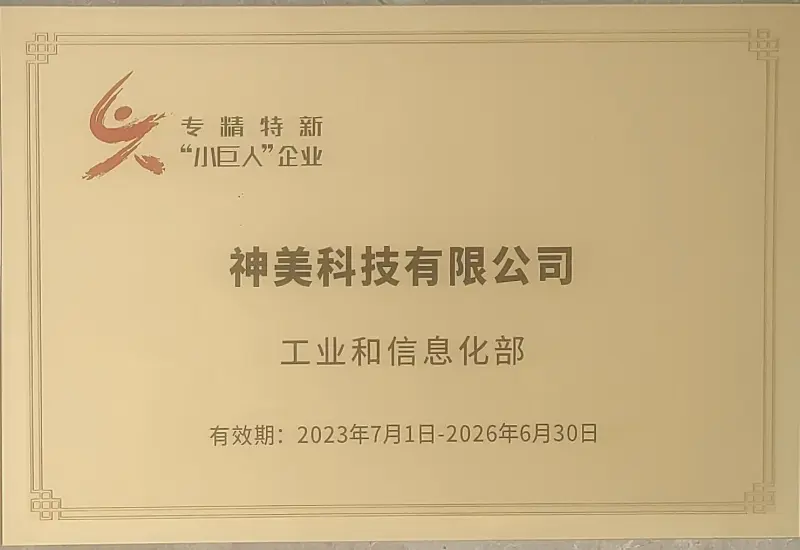
We have obtained qualifications such as National High-tech Enterprise, National Specialized, Refined, Unique and Innovative "Little Giant" Enterprise, National Key-Supported Specialized, Refined, Unique and Innovative "Little Giant" Enterprise, Hebei Province Specialized, Refined, Unique and Innovative "Little Giant" Demonstration Enterprise, Hebei Province Green Factory, Hebei Province Science and Technology-based Small and Medium-sized Enterprise, and China's Science and Technology-based Innovative Small and Medium-sized Enterprise.
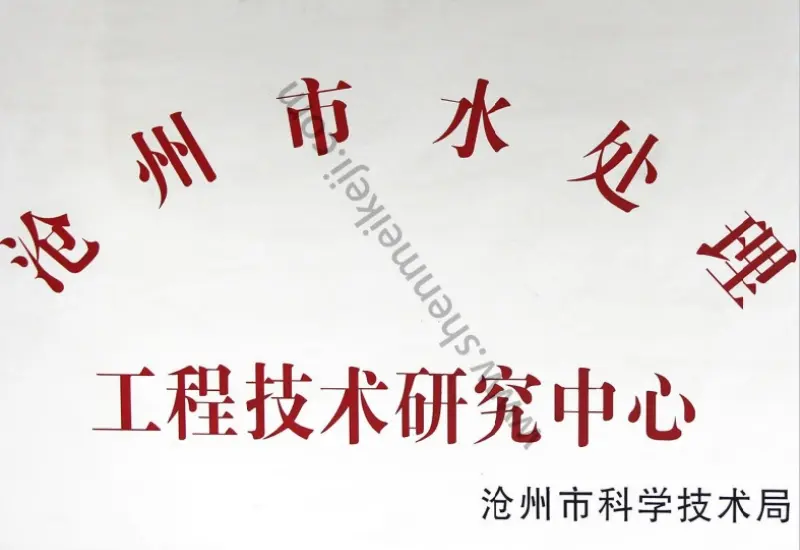
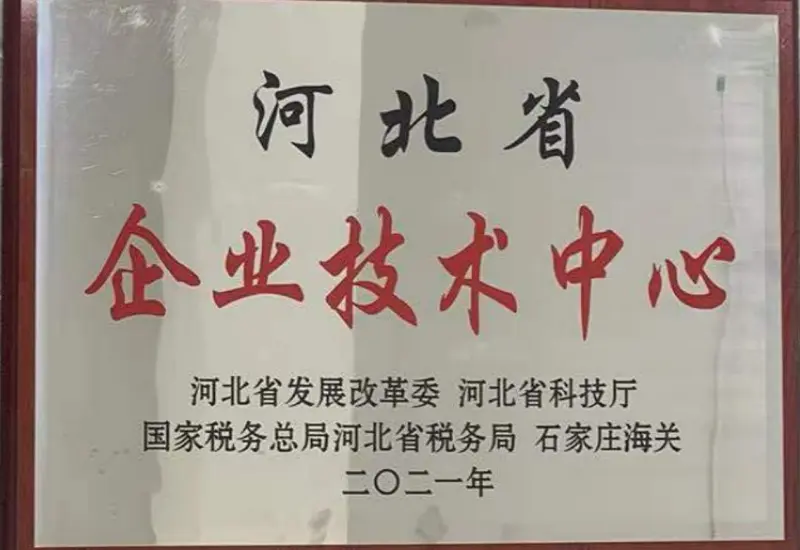
We have a core technical team composed of academicians, experts, professors, and senior engineers, and have established an R&D system and a technology commercialization platform centered around one academy, three research institutes, and five bases. We have established the Hebei Provincial Enterprise Technology Center, the Hebei Provincial Advanced Water Treatment Chemicals Technology Innovation Center, and the Cangzhou Water Treatment Engineering Technology Research Center, and have been recognized as a Class A R&D institution in Hebei Province. We have established an expert workstation with Tsinghua University Association of Senior Scientists and Technicians, and have set up joint R&D laboratories with Shandong University and Beijing University of Technology. Additionally, we also serve as a commercialization partner for the industry–academia–research achievements of institutions such as Peking University and Tianjin University.
We have been granted over sixty Chinese patents, including more than forty invention patents and over twenty utility model patents. We have led the drafting of more than ten national and industry standards, including those for composite carbon sources, composite coagulants, sodium acetate, and nitrifying and denitrifying bacterial agents.
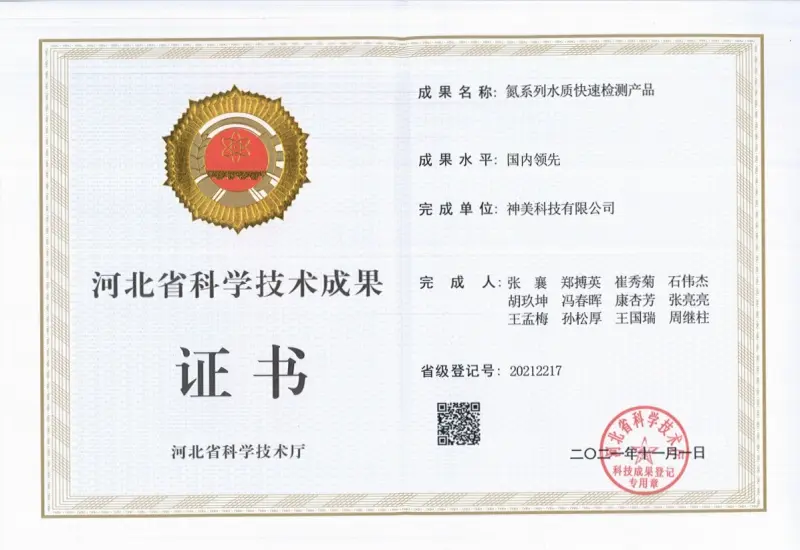
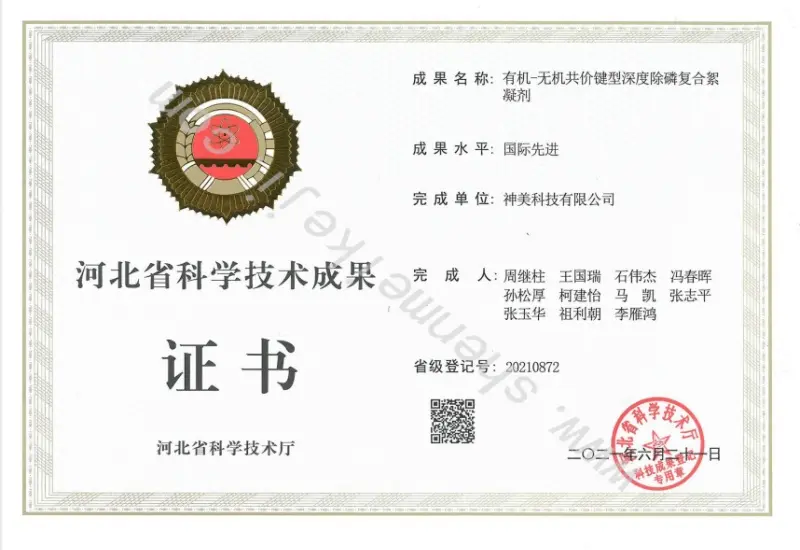
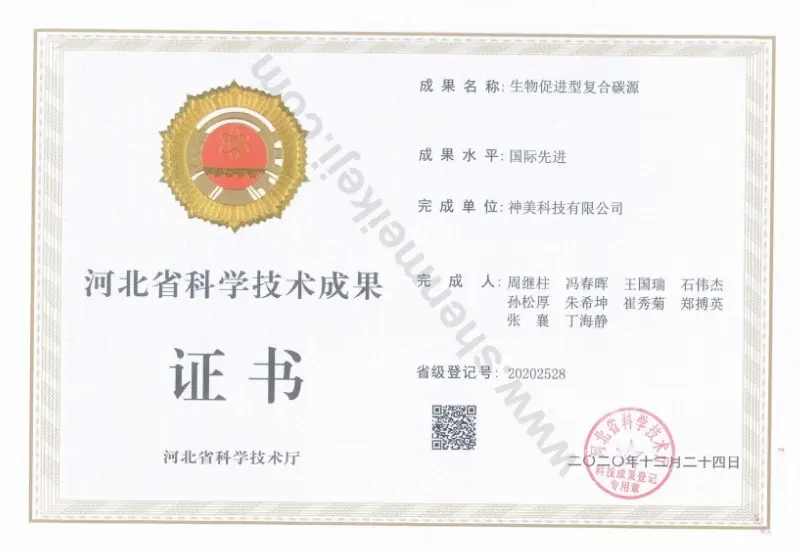
The patented technologies and products we have independently developed, such as the bio-enhanced denitrification carbon source and the deep multi-nuclear phosphorus removal agent, have passed the scientific and technological achievement evaluation conducted by the Science and Technology Department of Hebei Province. These achievements have been appraised as “internationally advanced” and have filled a domestic gap in this product category.
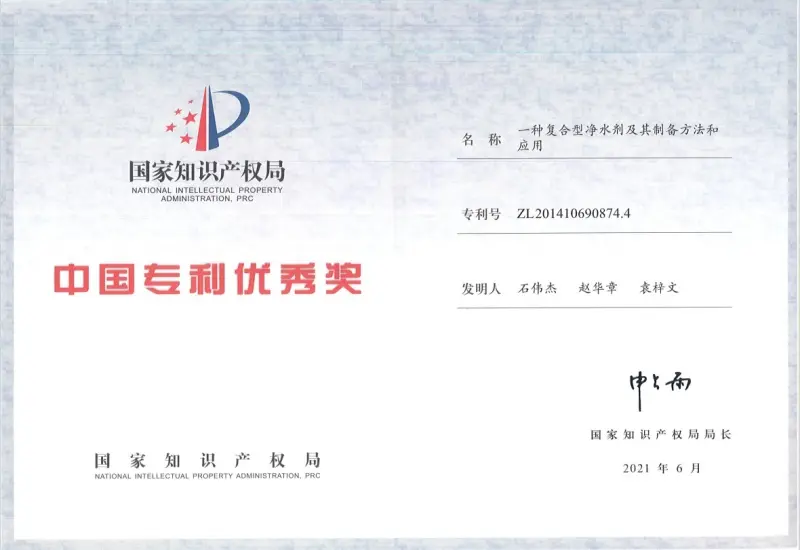
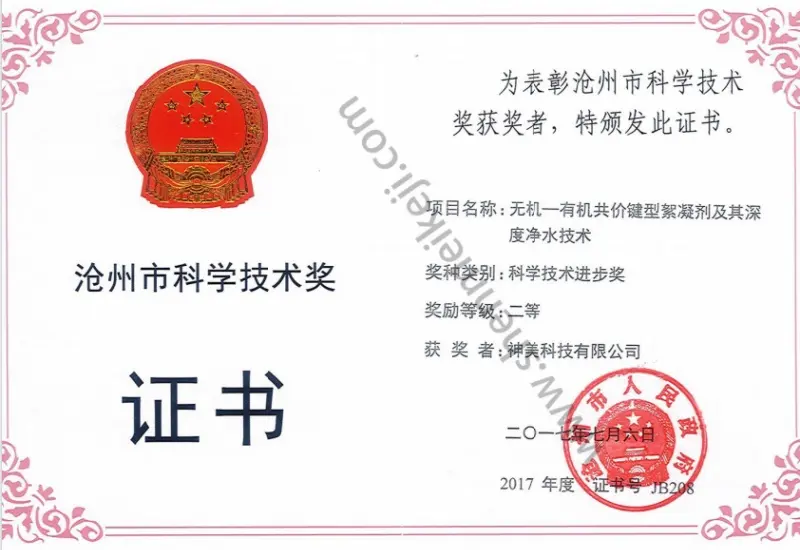
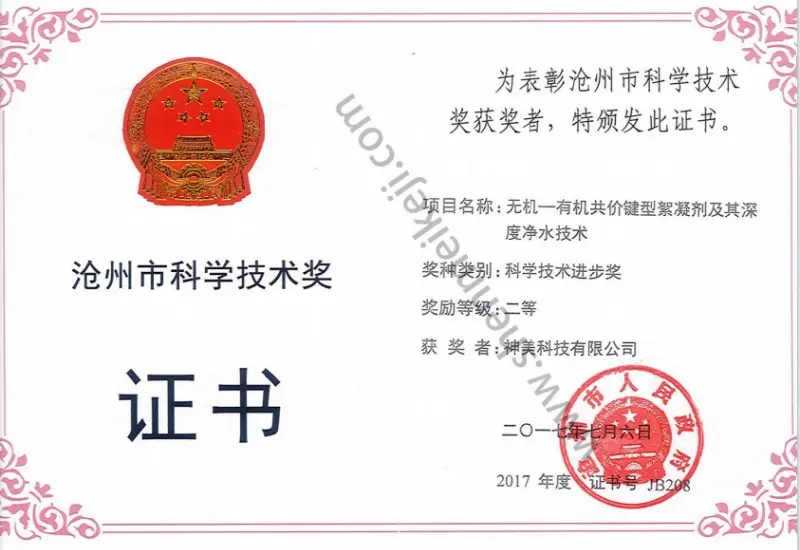
Our independently developed “Inorganic-Organic Covalent Bond Flocculant and Its Advanced Water Purification Technology” has won multiple awards, including the 22nd China Patent Award, the First Prize for Technological Invention from the China Petrochemical Industry Association, the Hebei Province Science and Technology Progress Award, and recognition as a Belt and Road SME Recommended Project.
Smedic was founded, setting out to develop and supply high-performance industrial water agents.
Established a comprehensive product portfolio tailored for municipal and industrial wastewater chemical needs.
Formally recognized as a National Key High-Tech Enterprise following breakthroughs in molecular water purification.
Inaugurated our dedicated production base for water treatment agents in Guiyang to service southern regional demands.
Completed major expansion of production bases across Hebei, Shandong, and Guizhou, boosting aggregate capacity past 1 million tons.
Awarded national Specialized, Refined, Unique and Innovative "Little Giant" status by industrial regulatory authorities.
Established our provincial-level advanced water chemical R&D platform in Hebei Province.
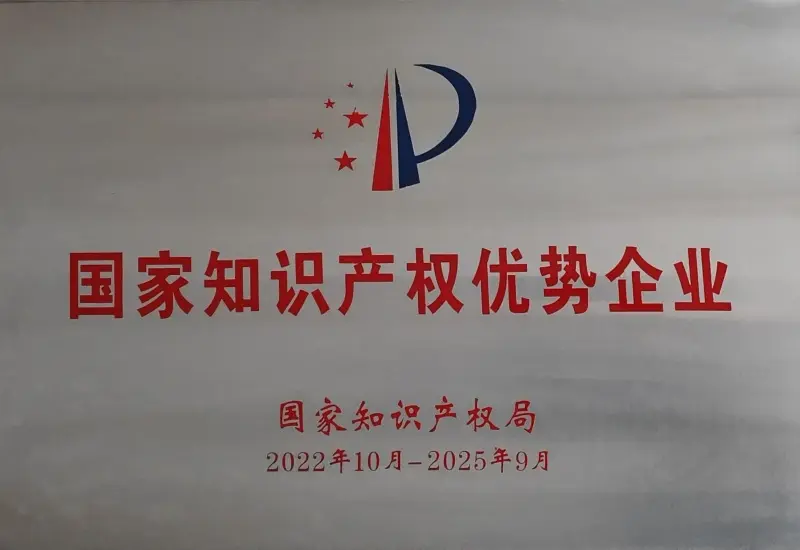
Recognized as a National Intellectual Property Advantage Enterprise for securing over 40 key invention patents.
Established a joint venture with the Chengdu Institute of Mineral Comprehensive Utilization, China Geological Survey, to pioneer eco-friendly mineral processing reagents.
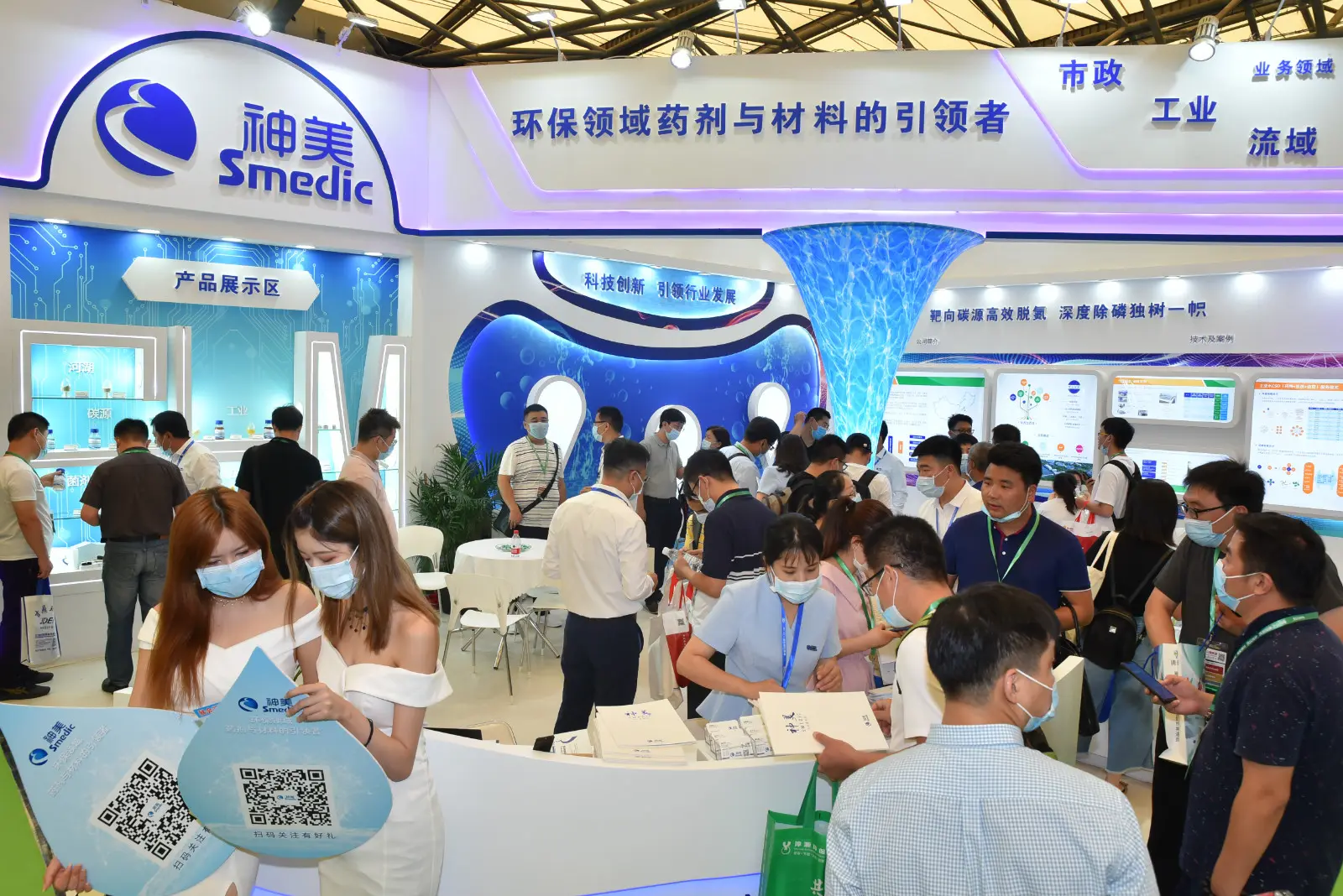
We have been recognized as the "Leading Brand of Advanced Wastewater Treatment Chemicals" and the "Most Valuable Water Treatment Chemicals Brand" by China Water Network and the E20 Environmental Platform for four consecutive years.
Our strategic partnerships include major water groups, such as Shouchuang Ecological and Environmental Group, Yangtze River Ecological and Environmental Group, Beijing Enterprises Water Group, OriginWater, and China Water Environment Group.
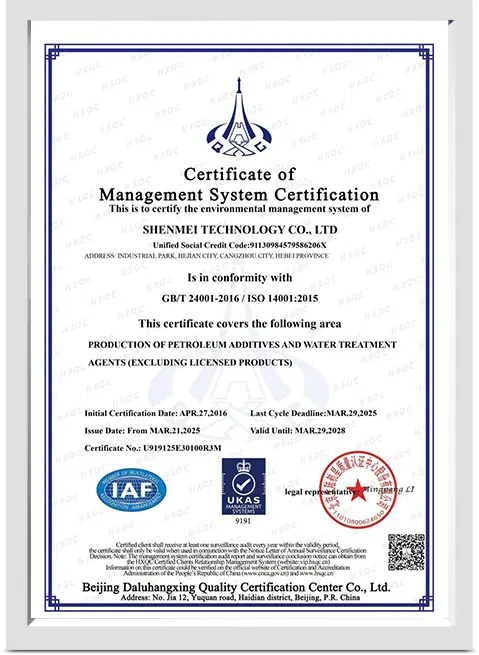
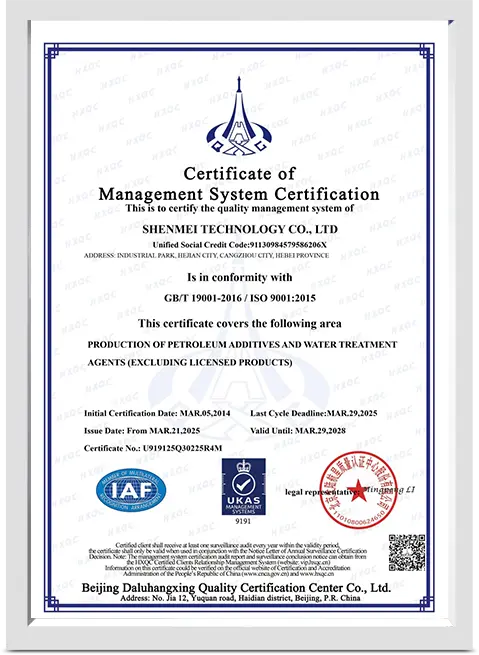
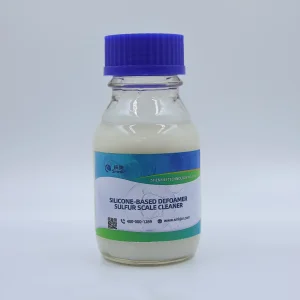
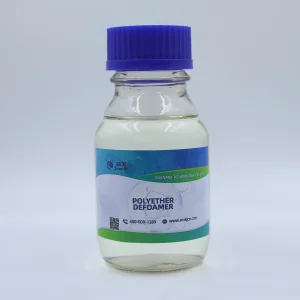
Across more than 20 provinces, Smedic's agents operate in critical environments. For example, in large dairy processing facilities, foam generation during whey concentration and cleaning-in-place (CIP) cycles can impair level sensors and cause overflow. By dosing Smedic's Organic Polyether Defoamers, clients have maintained stable operations under high temperatures and extreme pH loads.
In municipal-industrial co-treatment plants, dosing Smedic's high-efficiency Polyferric Sulfate (PFS) coagulant has successfully reduced phosphorus concentrations to less than 0.5 mg/L, helping municipal operators meet strict discharge limits without generating excessive chemical sludge.
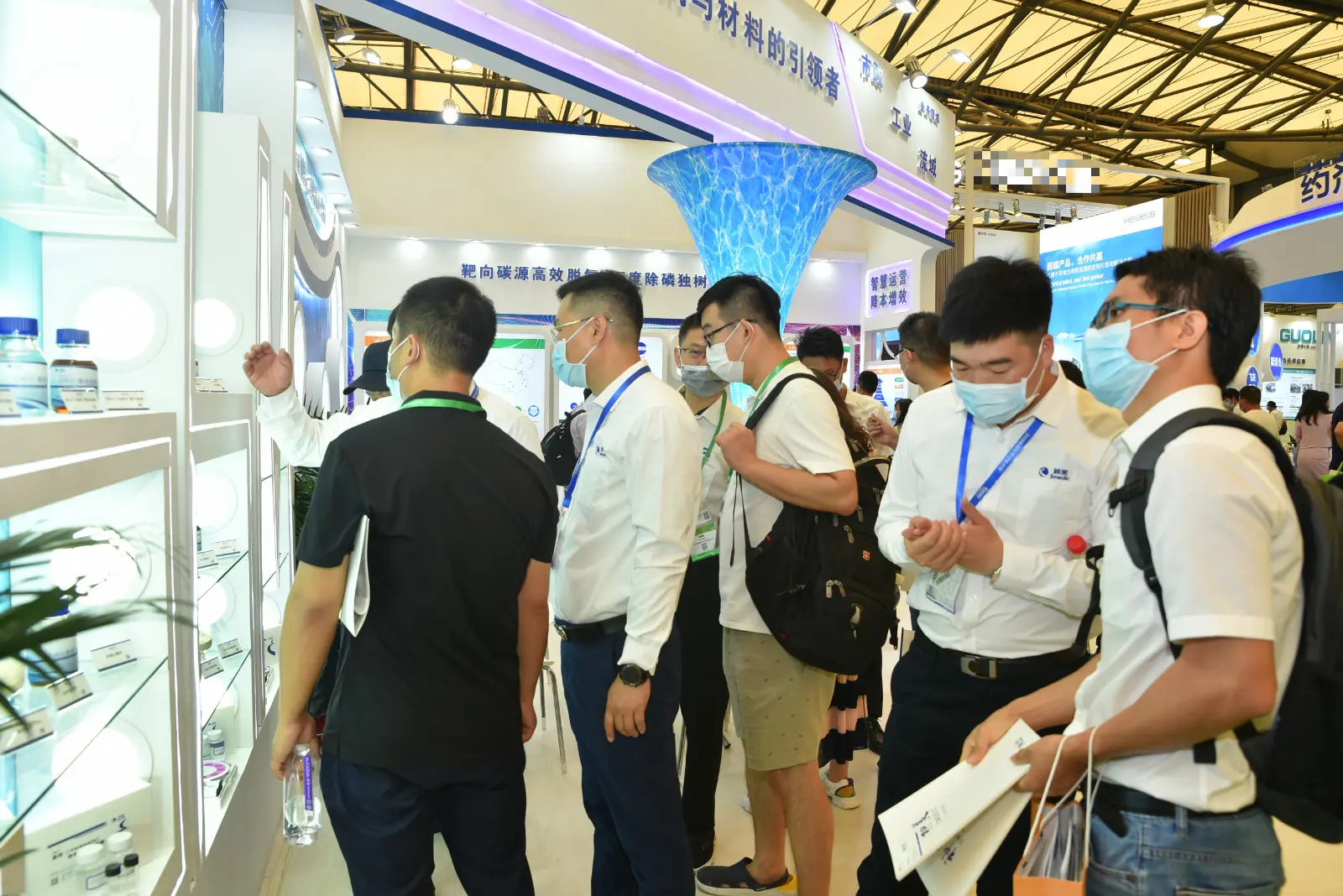
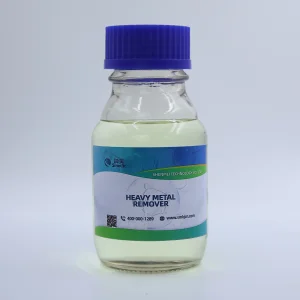
Targeted formulations designed for heavy metal removal, defoaming, RO protection, and enhanced flocculation across diverse industrial water treatment platforms.
 Smedic Tech