Premium performance industrial formulations designed to maximize efficiency and minimize environmental footprint in heavy-duty applications.


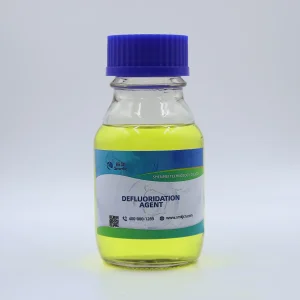
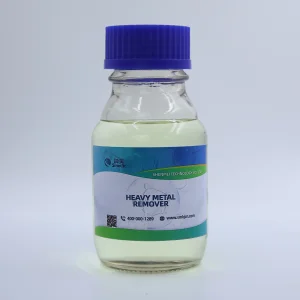
Cyanobacteria blooms represent a severe manifestation of aquatic ecosystem disruption, driven primarily by hyper-eutrophication from industrial runoffs and municipal effluents. In modern municipal water treatment, managing Harmful Algal Blooms (HABs) requires systematic chemical mitigation paired with ecological engineering. The key challenge lies in neutralizing the threat of intercellular biotoxins, particularly Microcystins, which can bypass conventional biological filters.
Smedic Technology provides comprehensive, macro-level water treatment programs. Rather than relying on simple algicides that induce cell lysis and release hazardous toxins into the water, we advocate for coagulation-flocculation-sedimentation pathways using custom inorganic-organic polymers. By utilizing our advanced Polyaluminum Chloride (PAC) and high molecular weight Cationic Polyacrylamide (CPAM), treatment plants can safely encapsulate intact cyanobacterial cells. This process facilitates effective removal via Dissolved Air Flotation (DAF) or high-rate clarification systems without releasing interior pollutants.
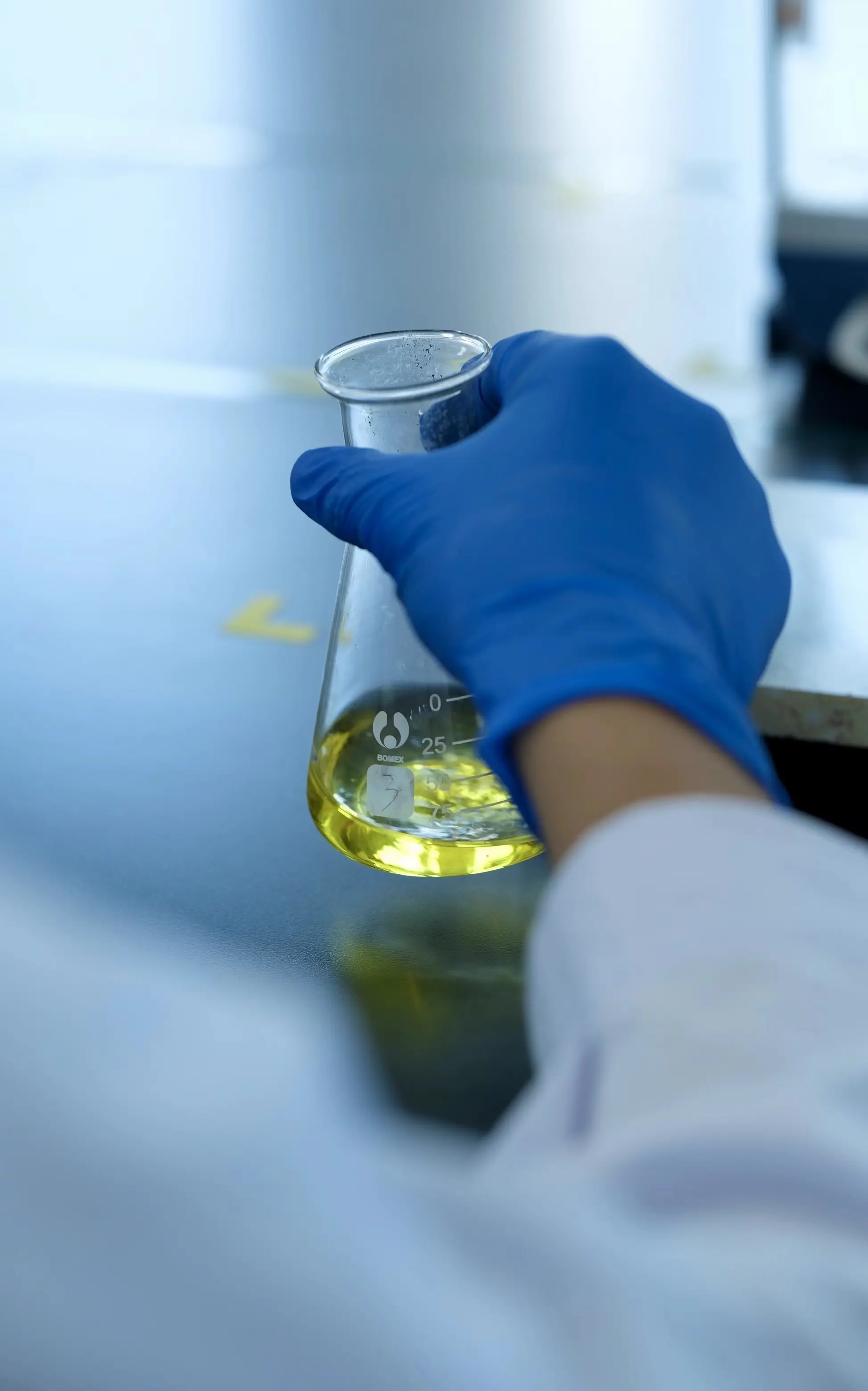
Detailing the physical-chemical pathways that Smedic employs to address cyanobacteria and scale accumulation challenges.
Cyanobacteria cell membranes carry a highly stable negative surface charge (zeta potential), causing them to remain suspended in water. Smedic's Polyaluminum Chloride (PAC) acts as a highly efficient primary coagulant, introducing positively charged multi-nuclear aluminum complexes. These complexes neutralize the negative surface charges, collapsing the electrical double layer and initiating micro-floc formation through charge patching.
To ensure macro-flocs can withstand hydraulic shear forces in flotation units, Smedic utilizes specialized Cationic Polyacrylamide (CPAM). The long-chain carbon backbone of CPAM absorbs multiple destabilized cyanobacterial cells simultaneously. This creates massive, stable organic-inorganic aggregates that rapidly float during DAF processing or sink during traditional sedimentation, reducing chemical residue by up to 35%.
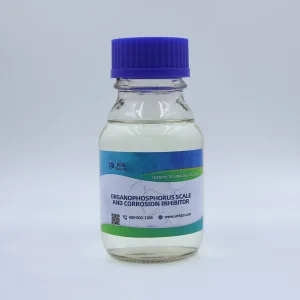
Algal organic matter (AOM) is notoriously destructive to Reverse Osmosis (RO) membranes, causing swift bio-fouling and flux decline. Combining Smedic's scale and corrosion inhibitors with robust pretreatment protocols ensures that residual organic matrices and scale-forming minerals (calcium carbonate, calcium sulfate) are kept in suspension, preserving membrane permeability and extending element life cycles.
Established as an Industry Pioneer
Environmental Agent Formulations
Tons Annual Production Capacity
Tons/Day Combined Sewage Treated
Smedic Technology Co., Ltd. was established in 2011 as a comprehensive solutions provider specializing in environmental protection agents. We integrate R&D, production, sales, and engineering-related technical services to provide custom chemical formulations and systems designed for municipal sewage, industrial wastewater, tap water purification, mineral processing, and oilfield applications.
Our headquarters is situated in Beijing, with wholly-owned production bases in Hebei, Guizhou, and Shanxi, and over ten OEM partner factories and regional warehousing and logistics bases in Shandong, Shanxi, Anhui, Guangxi, and Sichuan. Our business networks span over 20 provinces across China, serving more than 600 urban sewage treatment plants and over 1,000 industrial end-customers. We process over 20 million tons of wastewater per day, cementing our position as a leader in China's high-end environmental protection chemicals sector.
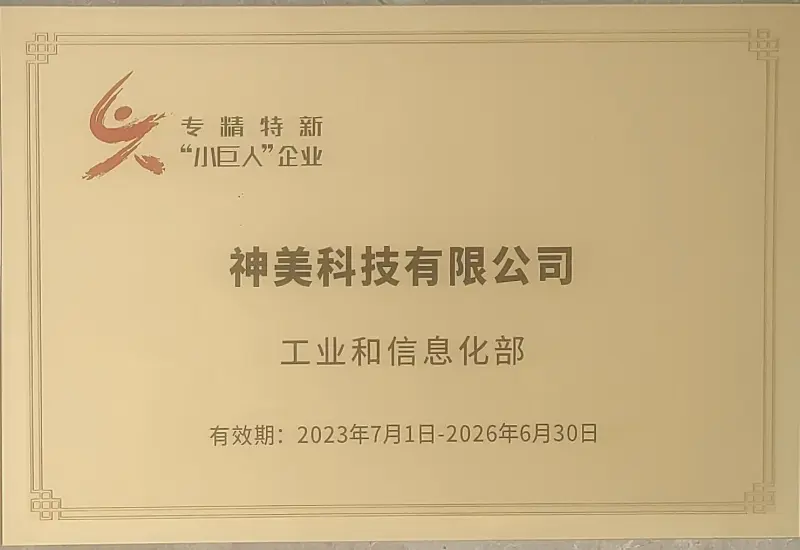
• Recognized as a National High-tech Enterprise and National Specialized, Refined, Unique and Innovative "Little Giant" Enterprise.
• Awarded the "Hebei Province Green Factory" and recognized as a Class A R&D Institution.
• Established joint R&D laboratories with Tsinghua University Association of Senior Scientists, Shandong University, and Beijing University of Technology.
• Retained the title of "Leading Brand of Advanced Wastewater Treatment Chemicals" on the E20 Environmental Platform for four consecutive years.
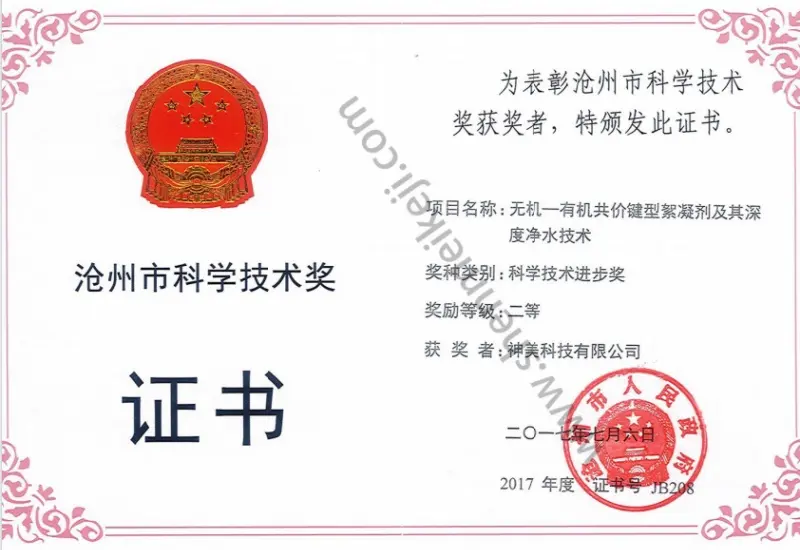
Backed by over sixty patents (including forty invention patents) and certified with global quality assurance benchmarks.

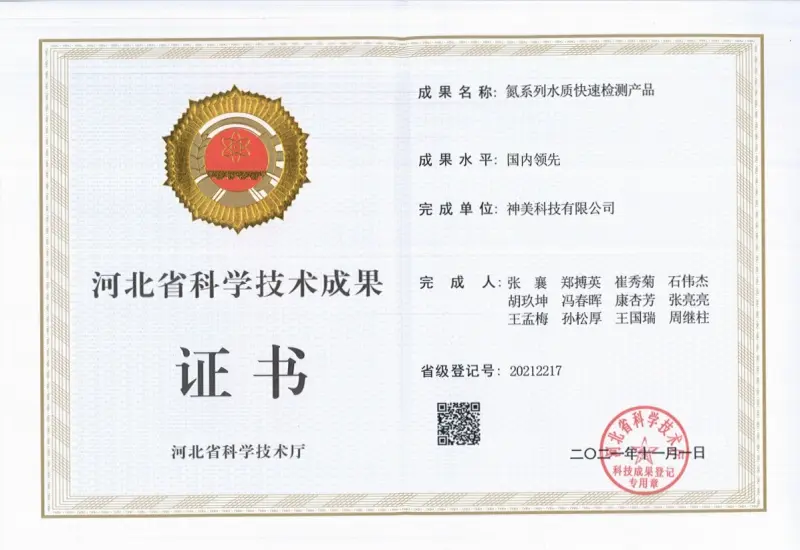
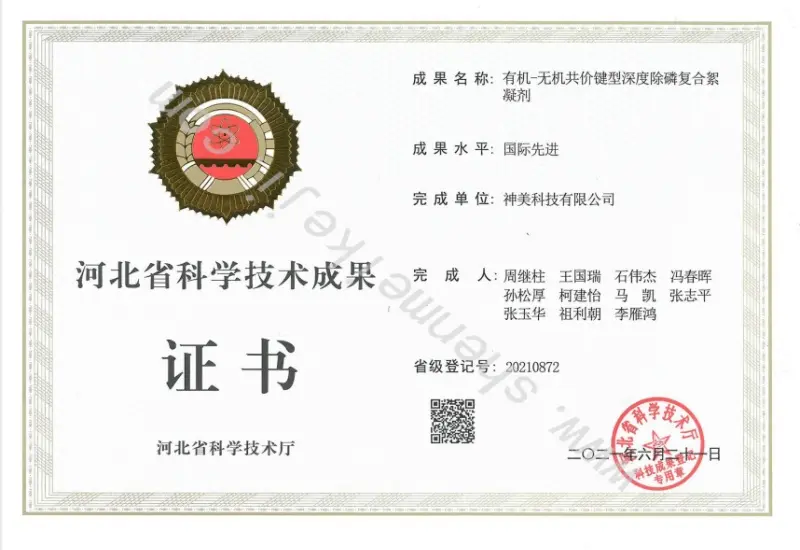
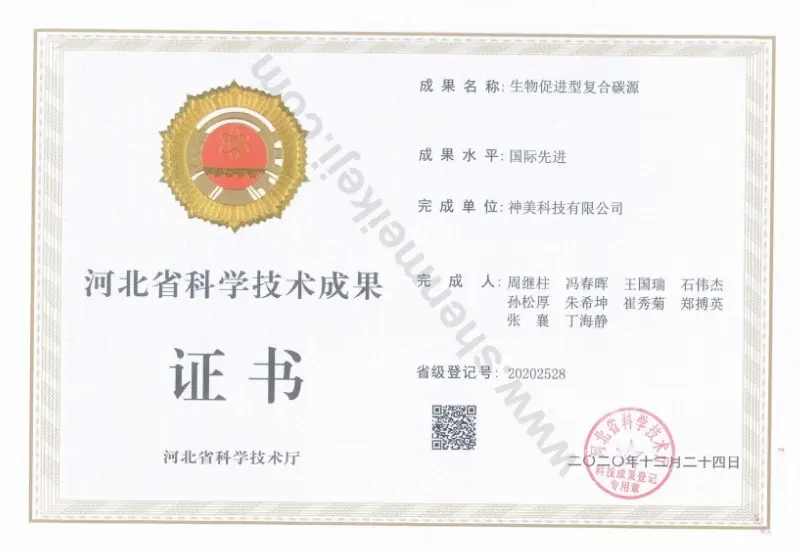
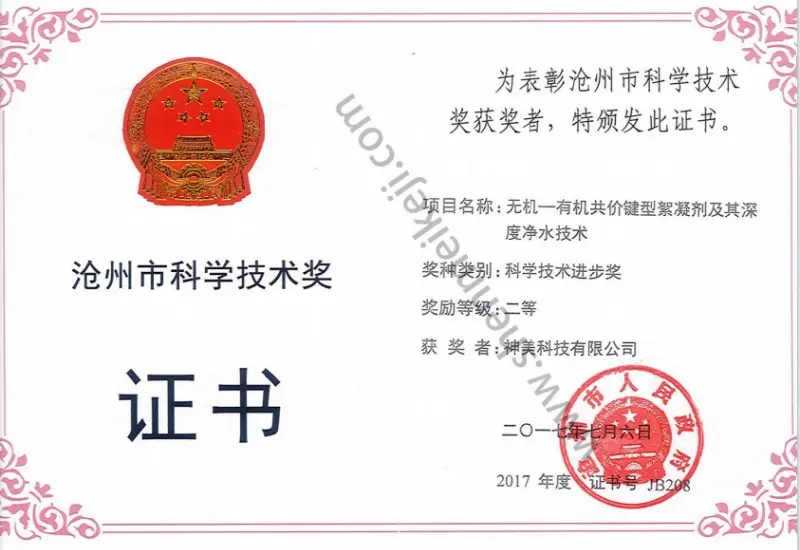
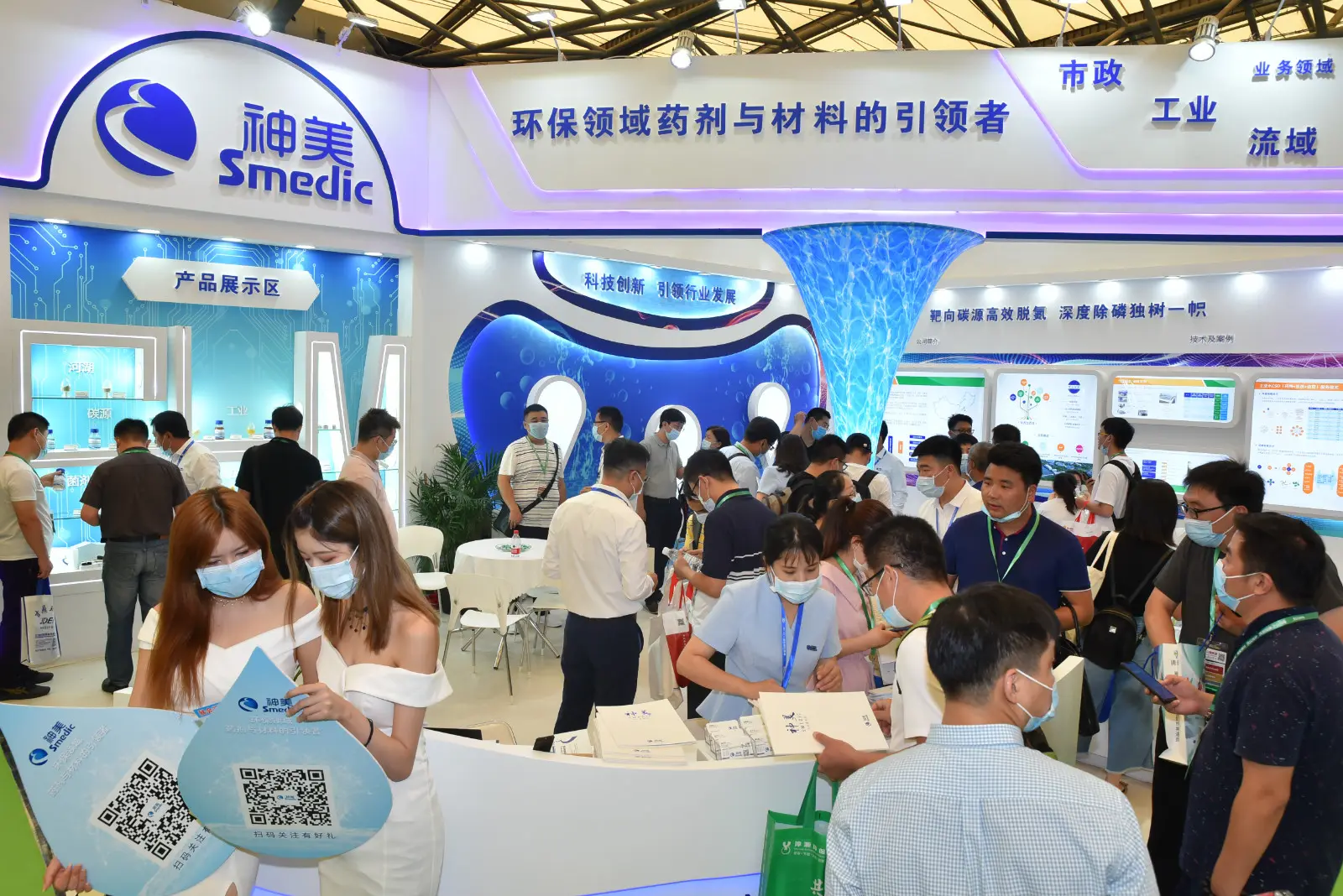
Operating under the Factory 4.0 framework, Smedic has integrated automated synthesis reactors and real-time monitoring across our manufacturing hubs in Hebei and Guizhou. With a total annual output capacity exceeding 1 million tons, Smedic guarantees steady, uninterrupted product supply to municipal water plants and chemical exporters globally, even during raw material price fluctuations.
Our strategically mapped regional storage network across Shandong, Shanxi, Anhui, Guangxi, and Sichuan minimizes domestic lead times and optimizes marine freight preparation at major ports (Tianjin, Qingdao, Shanghai). By streamlining raw material procurement and using automated, high-precision spray-drying and crystallization processes, we provide highly competitive pricing structures without compromising on purity or active compound concentration.
A look back at how Smedic built its multi-regional infrastructure, R&D platforms, and industrial footprint.
Smedic Technology was founded, focusing on the research and distribution of specialty wastewater treatment chemicals.
Established a comprehensive chemical portfolio for municipal water and municipal sludge dewatering systems.
Formally recognized as a National High-tech Enterprise, establishing its independent industrial testing centers.
Expanded production capacity with a new manufacturing base in Guiyang, addressing South-West China's water purification needs.
Completed major expansion projects in Hebei and Shandong. Total annual capacity surpassed the one million ton milestone.
Awarded the prestigious title of National Specialized, Refined, Unique and Innovative Small and Medium-sized Enterprise.
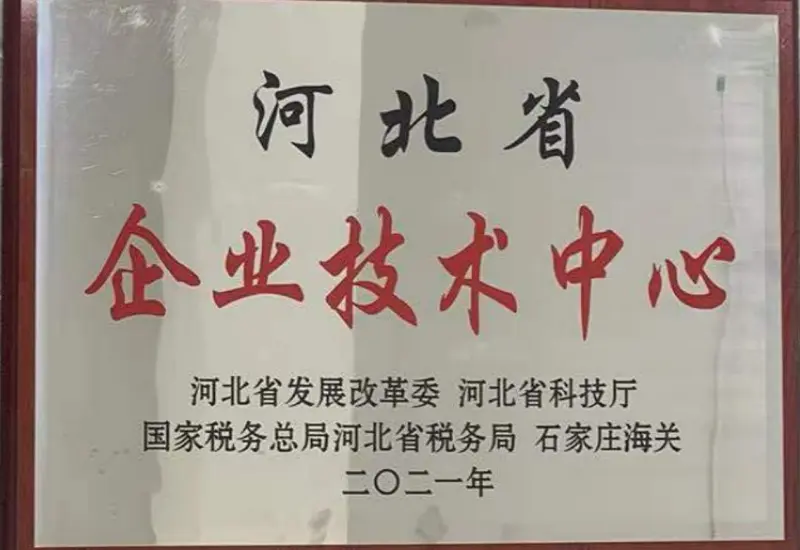
Established the Hebei Provincial Advanced Water Treatment Chemicals Technology Innovation Center to pioneer organic-inorganic composite flocculants.
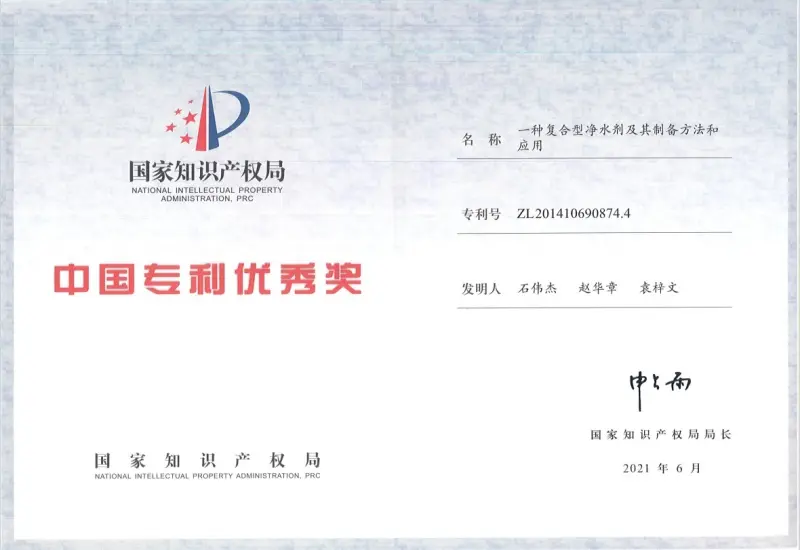
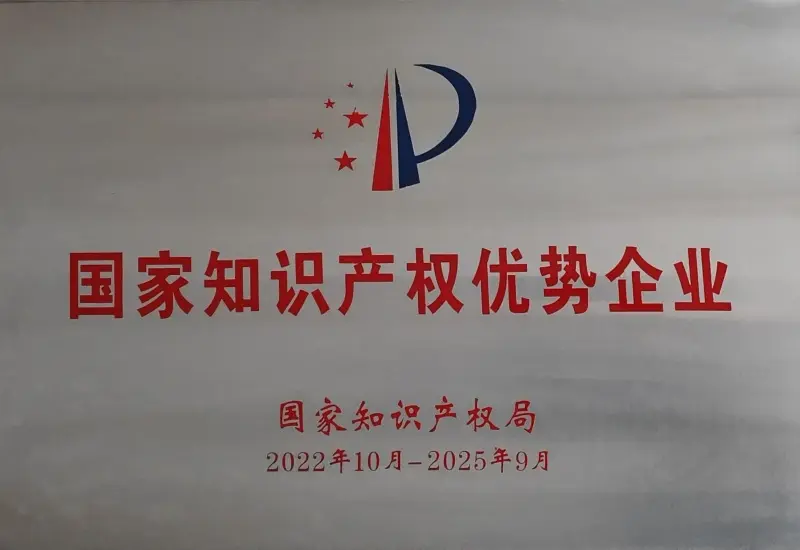
Recognized as a National Intellectual Property Advantage Enterprise with over 60 active utility and invention patents.
Formed a joint venture with the Chengdu Institute of Mineral Comprehensive Utilization to expand and refine mineral processing reagents.
For multinational procurement departments, procurement safety, batch stability, and strict compliance with ecological guidelines are critical. Smedic operates in compliance with ISO 9001:2015, ISO 14001:2015, and ISO 45001:2018 standards. All our water purification agents, scale inhibitors, and defoamers are formulated to align with global environmental directives (including EU REACH regulations and US EPA discharge thresholds).
We offer comprehensive customization (ODM/OEM) packages. Through partnerships with global water operators and EPC firms, we formulate agents with tailored molecular weights, basicity ratings, and active content configurations. These formulations are optimized to handle highly variable water conditions, including extreme pH, heavy metal concentrations, and high saline levels.
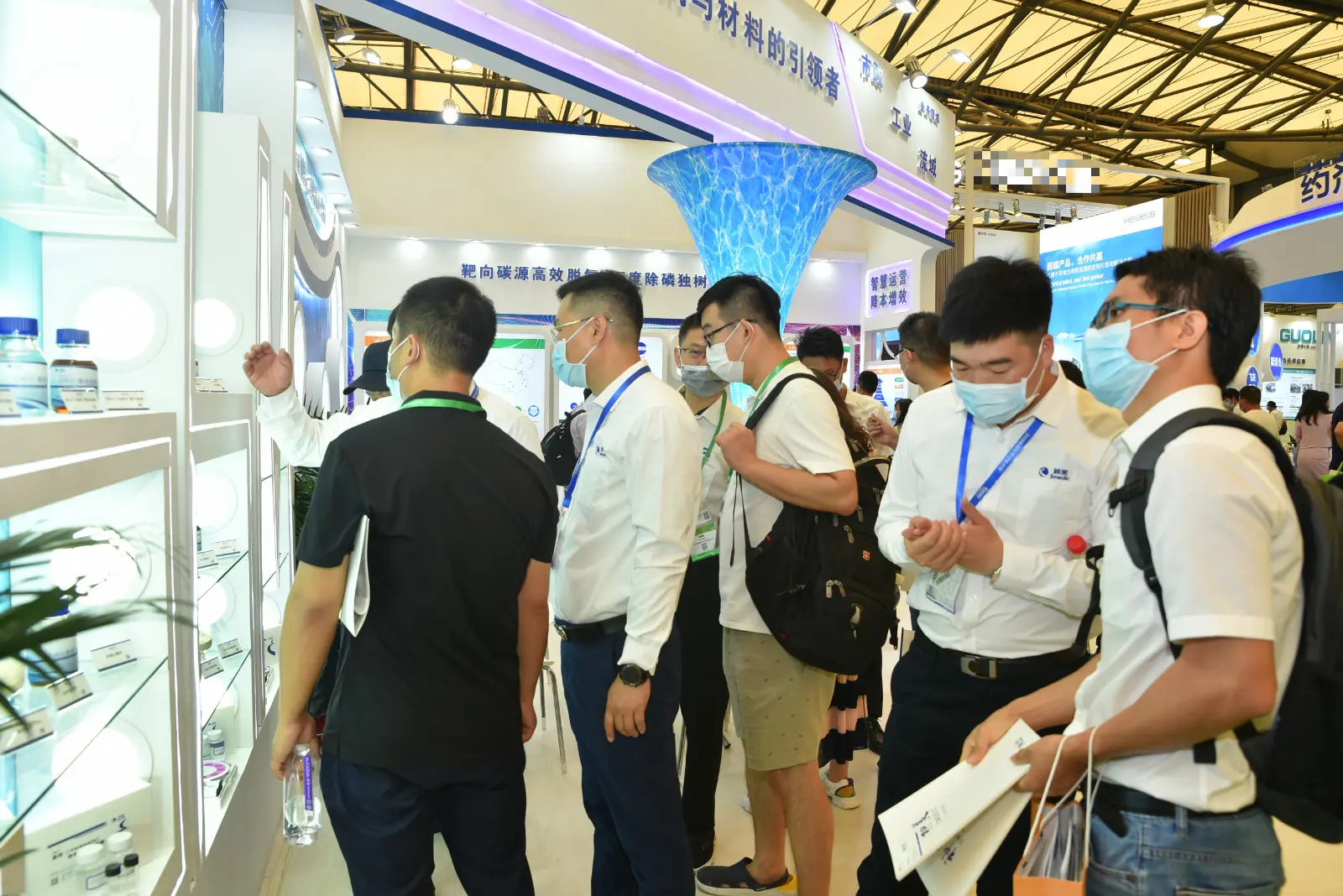
Exploring the next generation of eco-friendly chemicals and smart wastewater treatment networks.
Developing non-persistent biocides and enzyme-targeted agents that decompose rapidly into benign elements. These formulations effectively target cyanobacteria species (such as *Microcystis*) while posing zero toxicity to non-target aquatic life, including fish and zooplankton.
Integrating chemical performance curves with real-time SCADA and IoT sensor feedback. This enables automated chemical feed adjustments based on changes in water temperature, turbidity, pH, and chlorophyll-a concentrations, reducing overall chemical consumption.
Pioneering functionalized coagulants that bind and immobilize soluble orthophosphates into highly concentrated mineral pellets. This facilitates phosphorus recovery from municipal waste, turning a major driver of algal blooms into a reusable fertilizer resource.
Practical answers to key engineering and chemical application questions in wastewater treatment.
The choice of Al2O3 content (typically ranging from 28% to 30%) and basicity (the ratio of hydroxyl to aluminum ions) directly affects coagulation. High-basicity PAC features a high density of multi-nuclear aluminum complexes. This configuration is ideal for neutralizing the stable negative surface charge of cyanobacteria, promoting rapid micro-floc formation with lower dosages.
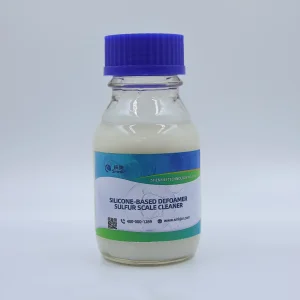
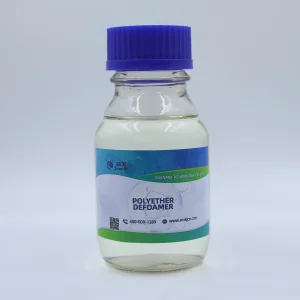
Algal blooms produce high concentrations of organic matter, which can generate significant foam in flotation systems, aerated bio-reactors, and discharge channels. Smedic provides specialized organic silicone and polyether defoamers. These agents break down persistent surface foam without interfering with subsequent coagulation and settling processes.
Yes. Clarification and filtration systems remove the bulk of algal cells and large organic compounds. However, trace levels of dissolved organic carbon (DOC) and inorganic ions still pass through. Using Smedic's RO scale inhibitors downstream helps prevent these residual minerals from precipitating, keeping the membrane surfaces clean and maintaining system throughput.
Smedic sources high-grade, purified raw mineral acids and aluminum hydrates, enforcing strict quality control protocols from materials reception to final packaging. Our coagulants and heavy metal chelating agents comply with international environmental limits, preventing secondary contamination of treated water and processed sludge.
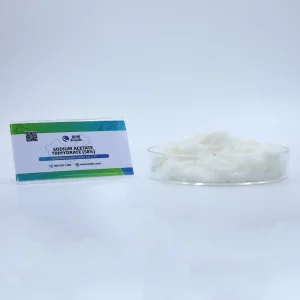
While our PAC is effective across a wide pH range (6.0 to 9.0), optimal charge neutralization and bridging usually occur between pH 6.8 and 7.8. If the pH of the source water varies outside this range, Smedic's sodium acetate solutions can be used to stabilize and adjust pH, ensuring efficient coagulant performance.
Yes. Our R&D team regularly analyzes raw water samples from our clients' sites to determine optimal molecular weight distributions, active compound concentrations, and monomer ratios. We formulate custom variations of our CPAM, defoamers, and metal precipitators to address the unique challenges of each wastewater profile.
Engineered formulations designed to optimize chemical processes, minimize foaming, and control scale formation.
 Smedic Tech