Explore our leading industrial sewage agents, membrane scale inhibitors, and coagulation systems tailored for global compliance and peak performance.
The global landscape of industrial and municipal wastewater management is undergoing an unprecedented paradigm shift. Driven by stringent international ecological policies, such as the European Green Deal, China's "Dual Carbon" goals, and the US EPA’s Clean Water Act, wastewater treatment has transitioned from a basic regulatory obligation to a core pillar of corporate environmental, social, and governance (ESG) strategies. Modern wastewater treatment is no longer just about meeting discharge parameters; it is focused on resource recovery, minimizing energy consumption, and implementing Zero Liquid Discharge (ZLD) technologies.
Key innovations in this sector revolve around green chemistry and advanced biological augmentation. For years, heavy industries relied heavily on commodity chemicals like standard sulfuric acids, alum, or basic phosphates for flocculation and scale prevention. However, these traditional reagents often contribute to secondary pollution, such as high phosphorus load in effluent streams or accumulation of persistent organohalogens.
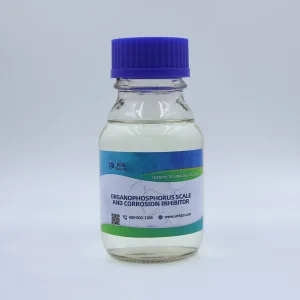
Today, there is an surging demand for phosphate-free corrosion and scale inhibitors, bio-based flocculants, and highly specialized heavy metal removal polymers that selectively chelate hazardous ions like copper, lead, cadmium, and trivalent/hexavalent chromium. Manufacturers and suppliers are required to offer highly precise, micro-engineered formulations. This shifts the industrial water sector towards smarter, high-affinity chemicals that work at much lower dosages, effectively lowering the overall carbon footprint of water purification plants globally.
Procurement teams at international water treatment groups, municipal networks, and heavy chemical processing complexes assess suppliers based on a strict multi-dimensional matrix. In today's volatile supply chains, finding a reliable chemical manufacturer is a strategic challenge. Procurement officers prioritize:
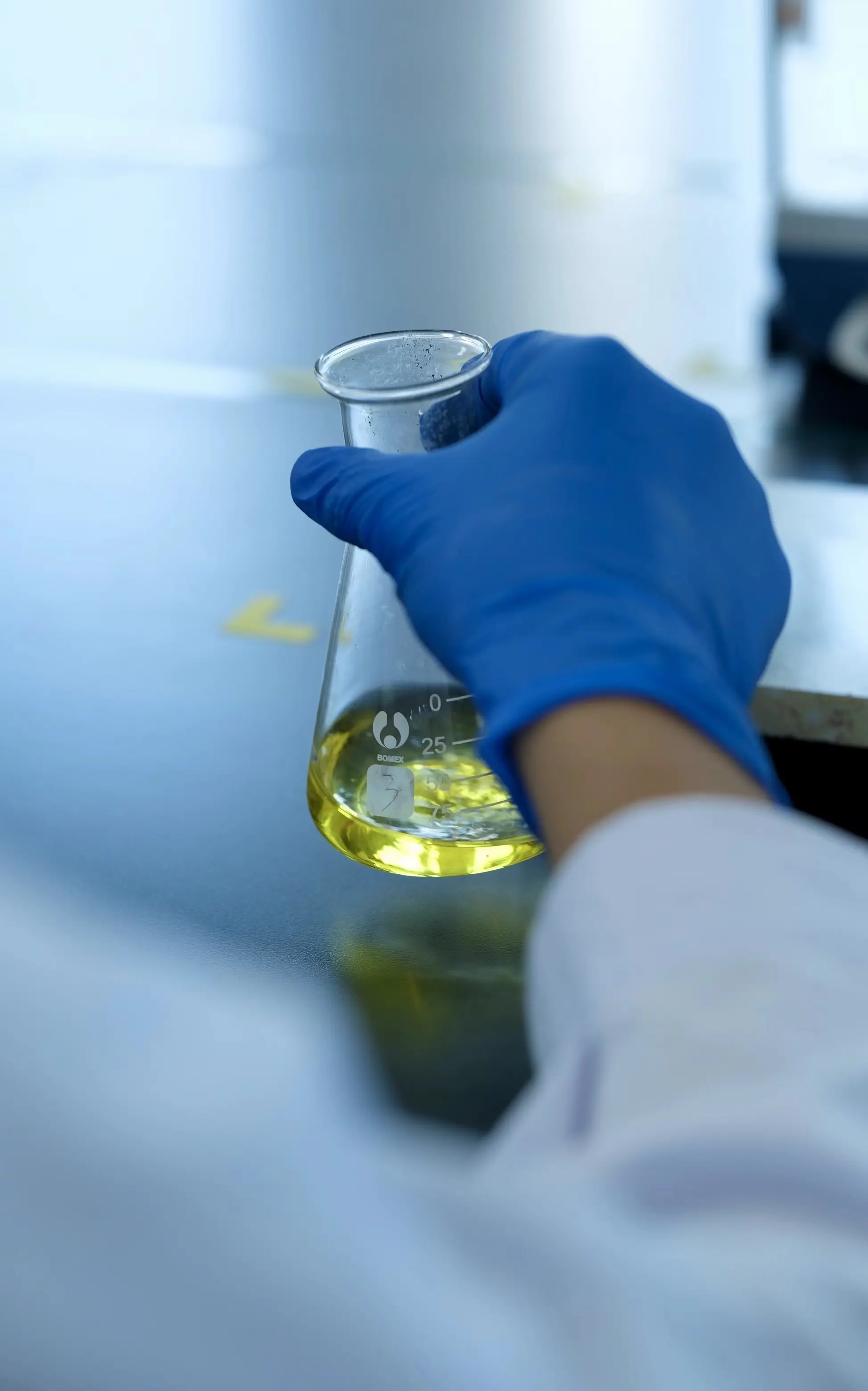
A premier comprehensive solution provider in environmental protection agents, integrating R&D, production, sales, and localized technical services.
Established in 2011, Smedic Technology Co., Ltd. has developed into a major manufacturer and strategic supplier of advanced wastewater treatment chemicals. With a specialized focus on municipal sewage, industrial wastewater, oilfield chemicals, mineral processing agents, and tap water purification systems, Smedic covers the full spectrum of water treatment.
We supply over 80 different types of environmental protection agents, with a total annual production capacity that exceeds 1 million tons. Headquartered in the key economic hub of Beijing, Smedic operates multiple wholly-owned production bases located in Hebei, Guizhou, and Shanxi.
To guarantee rapid response and low-cost shipping, we have built more than ten OEM partner factories and regional warehousing assets across major logistics hubs in Shandong, Shanxi, Anhui, Guangxi, and Sichuan. Today, Smedic’s robust network services more than 600 urban sewage treatment plants and over 1,000 corporate end-users, managing a total operational sewage treatment capacity exceeding 20 million tons per day.
Providing high-efficiency chemical routes that address global municipal and heavy industrial challenges.
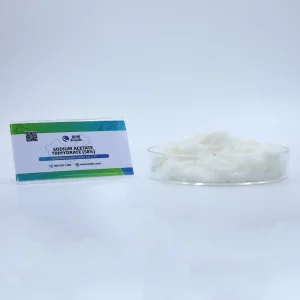
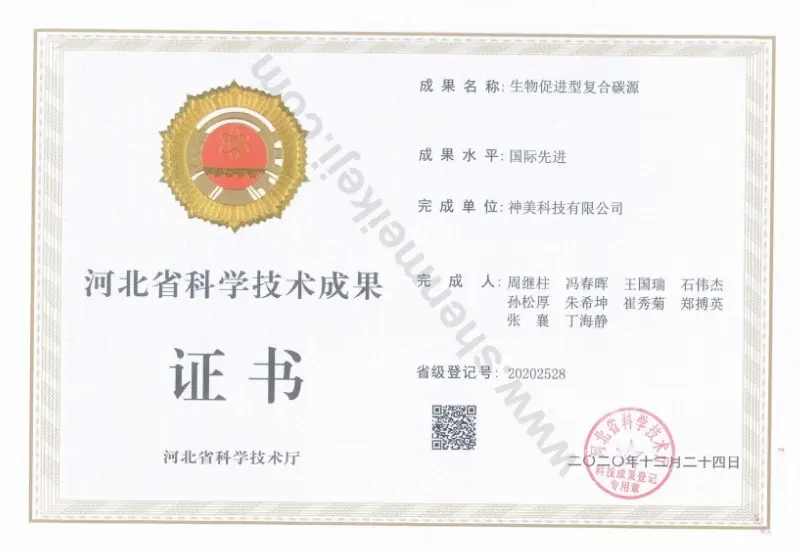
Enhancing biological nitrogen removal (BNR) in municipal reactors. Standard municipal influent often exhibits low carbon-to-nitrogen ratios, rendering biological denitrification processes highly inefficient. Smedic's composite carbon sources and high-purity solid sodium acetate supply readily available organic molecules to denitrifying bacteria, optimizing nitrogen reduction paths without elevating biological oxygen demand (BOD) in the final effluent.
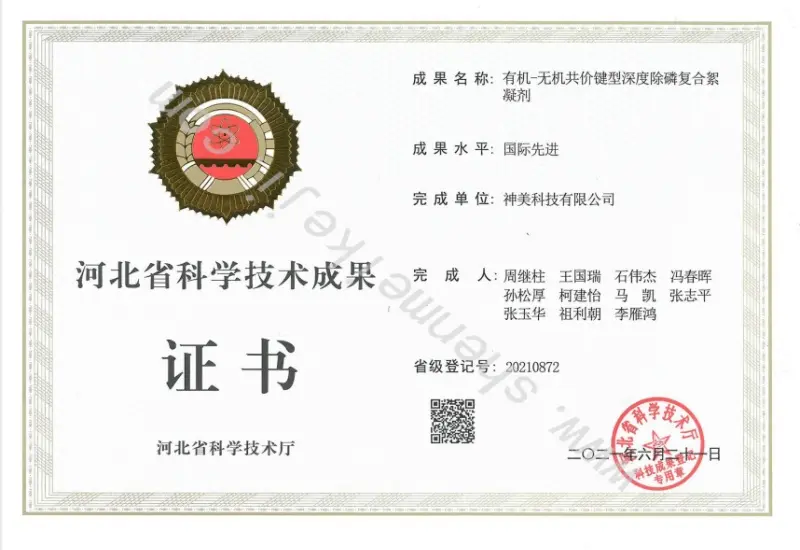
Targeting strict phosphorus compliance. Smedic's patented deep multi-nuclear phosphorus removal agents utilize cooperative chemical precipitation and adsorption. By forming multi-core complex precipitates with ortho-phosphates, the chemistry achieves deep phosphorus reduction down to <0.05 mg/L, helping plants meet stringent environmental standards while producing low sludge volumes.
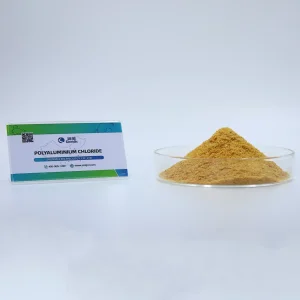
Accelerating particle settlement. Utilizing high-basicity Polyaluminum Chloride (PAC) and tailored Polyacrylamide (PAM) molecules, our systems destabilize colloidal suspensions, generate durable macro-flocs, and optimize solid-liquid separation. This treatment strategy reduces turbidity in primary clarifiers and increases throughput in sludge dewatering machinery.
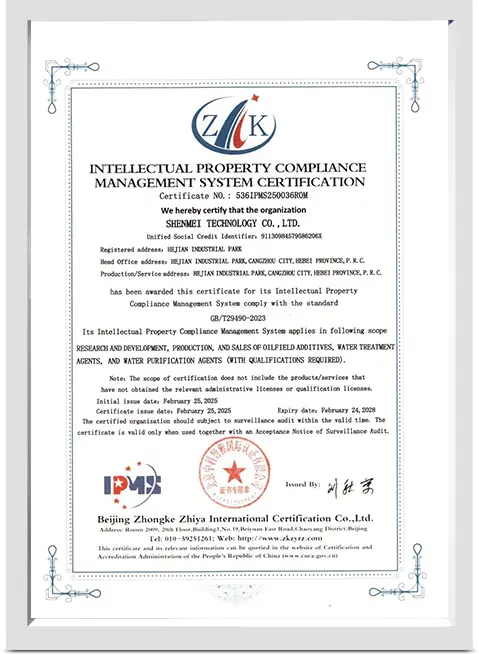
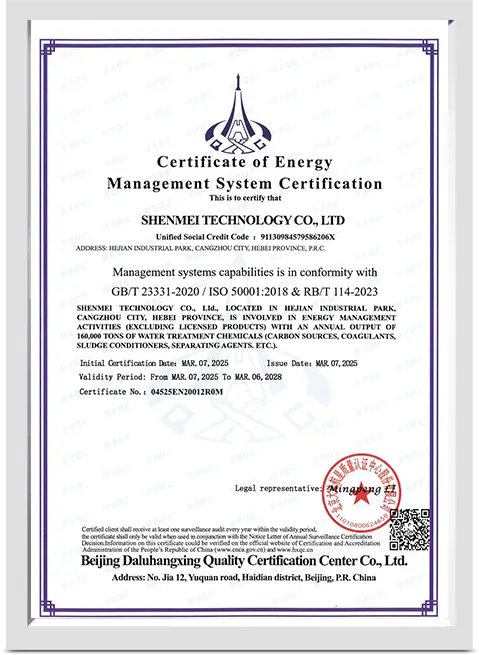
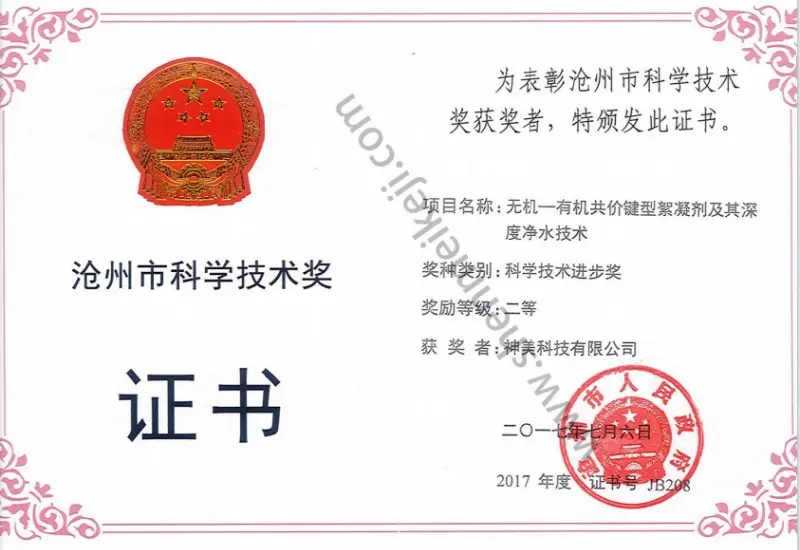
Regulatory frameworks vary drastically from continent to continent. Smedic has designed its entire product line to support global integration. In addition to ISO 9001 (Quality Management), ISO 14001 (Environmental Management), and ISO 45001 (Occupational Health and Safety) certifications, Smedic is a recognized Hebei Province Green Factory.
We take pride in formulating environmentally conscious products that are non-persistent, bio-compatible, and low in heavy metals. Our scale inhibitors have been evaluated to ensure they do not cause downstream toxicity in aquatic ecosystems. Furthermore, we actively participate in drafting regional standardizations, including those for composite carbon sources, composite coagulants, and biological bacteriological formulations, confirming our role as a major industry authority.
A technical comparison highlighting performance matrices of Smedic’s key chemical agents.
| Chemical Agent Category | Primary Active Mechanism | Key Dosage Range | Phosphorus / COD Output Status | Core Application Domain |
|---|---|---|---|---|
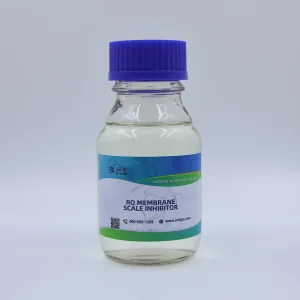
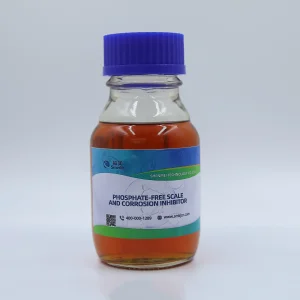
| RO Membrane Scale Inhibitor | Threshold inhibition, crystal distortion, dispersion of inorganic salts | 2.0 – 5.0 mg/L | Phosphate-free or low-phosphorus options | Seawater desalination, brackish groundwater filtration |
| Pure Solid Sodium Acetate | Highly bio-available organic carbon source | 10 – 30 mg/L (dependent on influent COD:N) | Optimizes biological denitrification, low effluent residual | Municipal WWTPs, industrial nitrification setups |
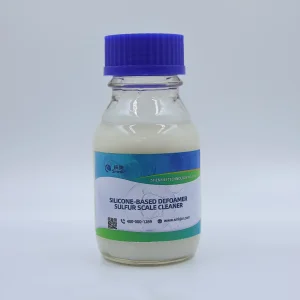
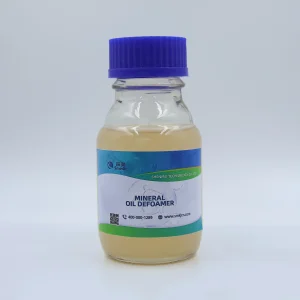
| Organic Silicone Defoamer | Surface tension reduction, rapid bubble wall rupture | 0.05 – 0.2 g/L | Inert, does not increase biological toxicity | Aeration tanks, pulp & paper processing, landfill leachate |
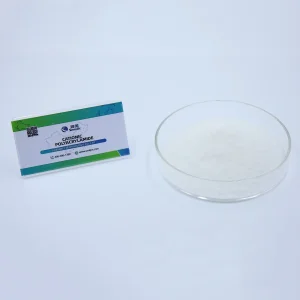
| Cationic Polyacrylamide (CPAM) | Charge neutralization, polymeric bridging | 1.0 – 5.0 mg/L | Biodegradable structure, minimal environmental impact | Centrifugal sludge dewatering, clarification systems |
| Advanced Polyaluminum Chloride (PAC) | Electrostatic patch attraction, coagulation | 5.0 – 20.0 mg/L | Precipitates dissolved phosphate complexes | Drinking water pretreatment, municipal sewage polishing |
At Smedic, we believe that chemical innovation is the only path to sustainable water management. We have established an extensive collaborative R&D framework composed of academicians, senior scientists, and environmental engineers. Our operational research ecosystem includes one academy, three research institutes, and five specialized bases.
Key academic collaborations include an Expert Workstation developed in cooperation with the Tsinghua University Association of Senior Scientists and Technicians. We run joint research laboratories with Shandong University and the Beijing University of Technology. We also serve as the primary commercialization partner for the research achievements of Peking University and Tianjin University.
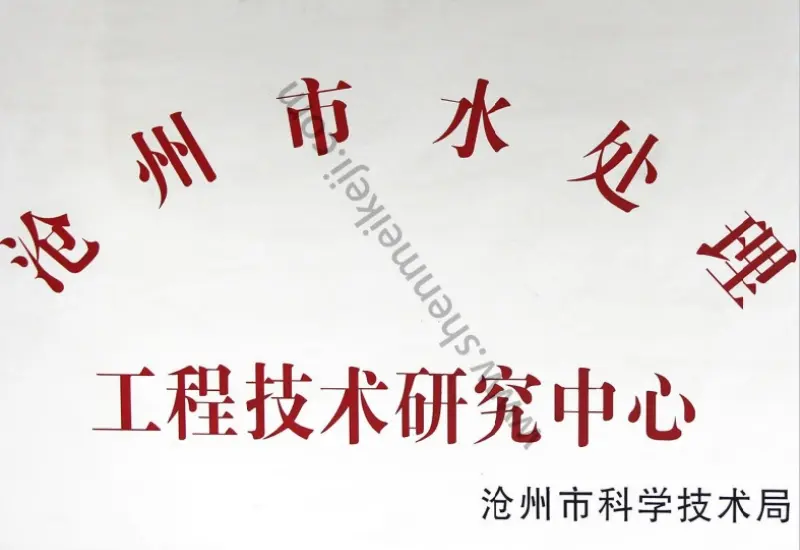
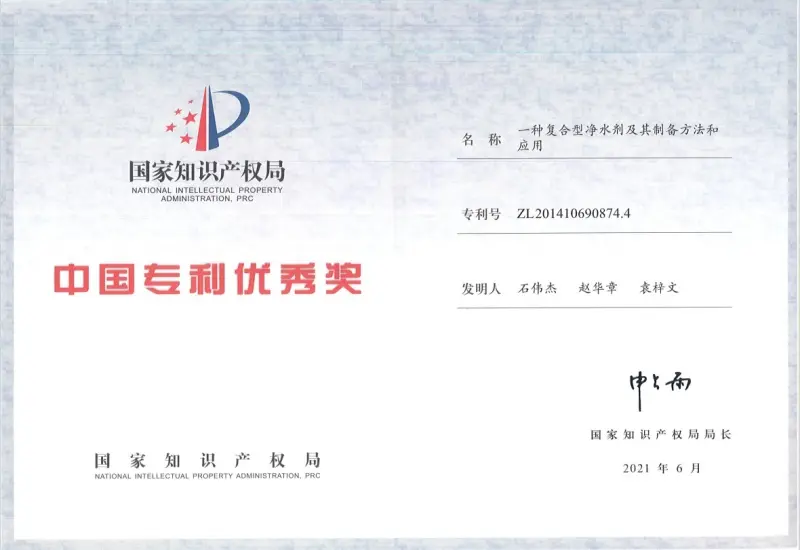
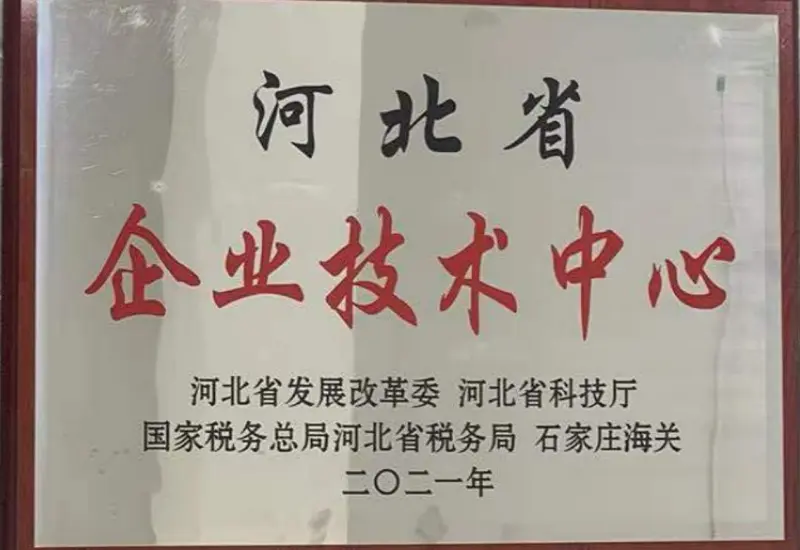
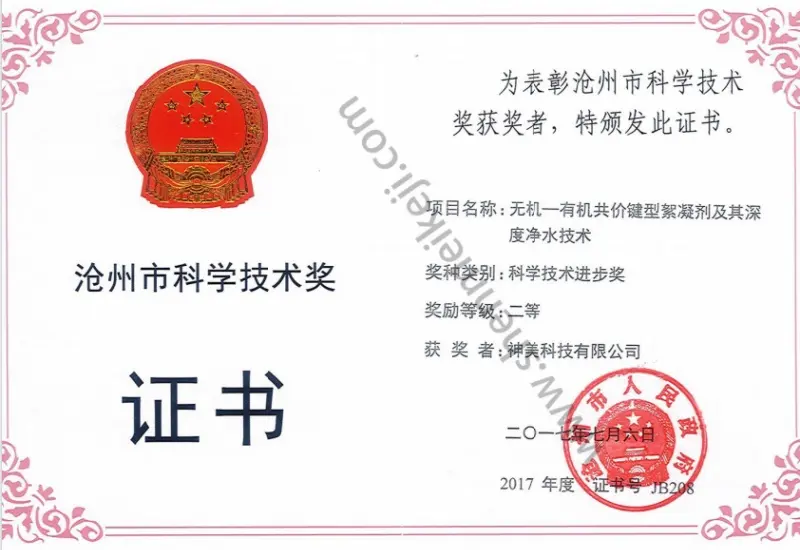
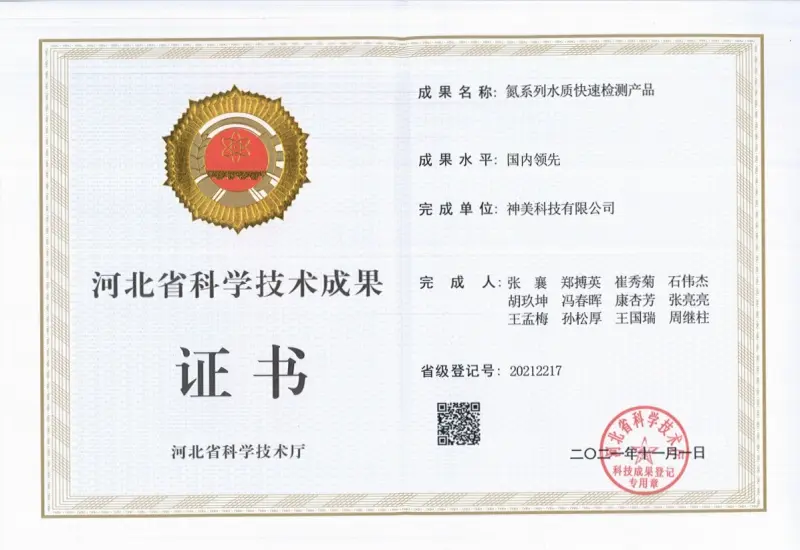
Our in-house R&D centers are certified as Hebei Provincial Enterprise Technology Centers and the Advanced Water Treatment Chemicals Technology Innovation Center. This focus on scientific inquiry has produced over 60 Chinese patents, including 40+ invention patents and 20+ utility model patents, demonstrating our commitment to reliable, cutting-edge chemistry.
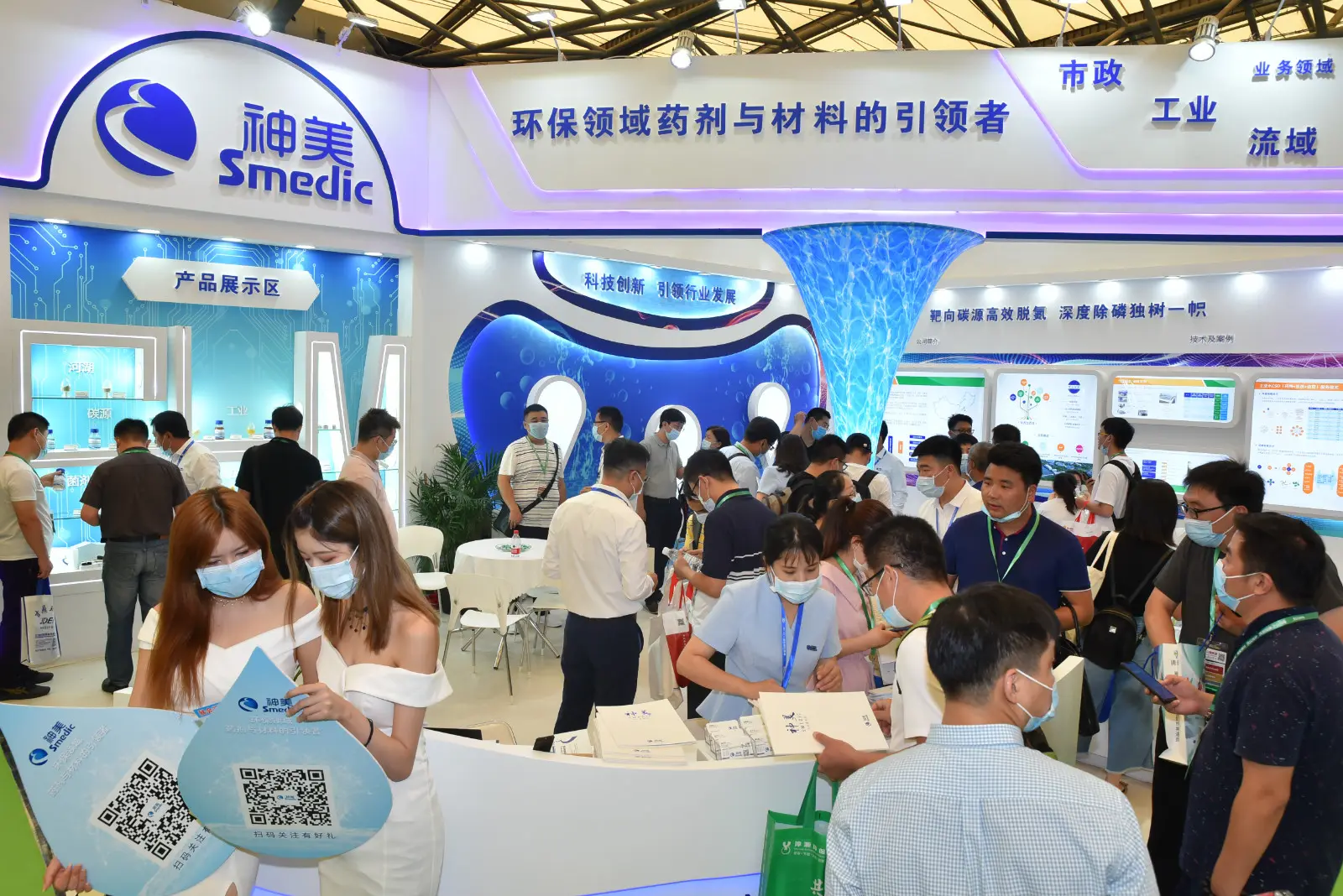
A history of scaling up production capacities and engineering clean-water chemistry since 2011.
Smedic Technology Co., Ltd. was established, initiating research and production of primary municipal sewage flocculants.
Expanded target lines and successfully built a comprehensive product portfolio tailored for Chinese municipal wastewater treatment clients.
Officially recognized as a Key National High-Tech Enterprise following the release of our advanced organic-inorganic coagulants.
Established a primary production plant in Guiyang to optimize supply lines across Southwestern China.
Expanded Hebei and Shandong bases, pushing total combined output capacity past the 1 million ton mark annually.
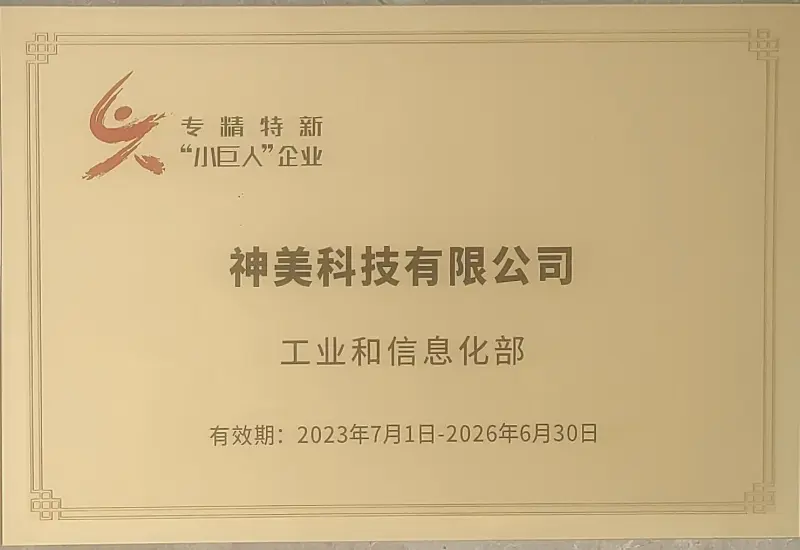
Recognized as a National Specialized, Refined, Unique and Innovative "Little Giant" Enterprise, honoring our proprietary chemical designs.
Built a provincial-level R&D research platform in Hebei, integrating multi-university laboratories.
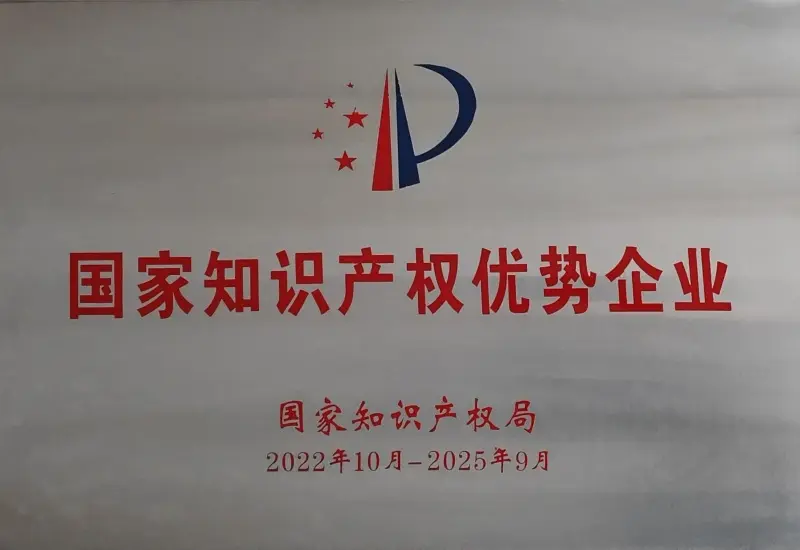
Recognized as a National Intellectual Property Advantage Enterprise with over 60 utility and invention patents granted.
Established a strategic joint venture with the Chengdu Institute of Mineral Comprehensive Utilization, China Geological Survey, targeting mining chemicals.
Our commitment to quality, environmental responsibility, and safety validated by global standards.
Looking to the future, Smedic Technology is focusing its R&D on next-generation environmental chemistry. We are addressing the challenges of micro-pollutants and emerging contaminants, such as PFAS (polyfluoroalkyl substances), microplastics, and trace pharmaceuticals in biological effluents. These persistent compounds are not easily broken down by standard biological treatment, requiring advanced treatment processes.
Smedic's future product roadmap centers on three pillars:
Get answers to key technical questions about industrial wastewater formulations, scale inhibitors, and procurement.
Explore our targeted chemical agents designed to solve complex filtration, purification, and discharge challenges.
 Smedic Tech