Explore our industrial grade environmental agents, engineered for ultra-high purification efficiency across global distribution networks.
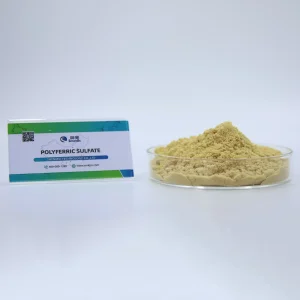
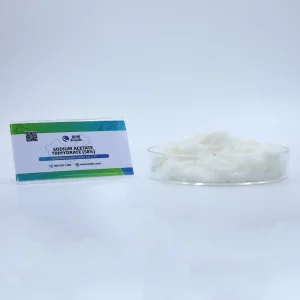
Established in 2011, Smedic Technology Co., Ltd. has developed into a leading comprehensive solutions provider specializing in advanced environmental protection agents. We seamlessly integrate R&D, mass production, technical sales, and customized engineering services. We are dedicated to providing global industrial and municipal clients with custom-formulated chemical systems that solve complex processing challenges.
Our environmental agent catalog covers sectors including municipal sewage, industrial wastewater, tap water purification, mineral floatation reagents, and high-efficiency oilfield chemical agents. With over 80 environmental protection products in active formulation and an annual production capacity exceeding 1 million tons, Smedic stands at the forefront of the global chemical supply chain.
An in-depth chemical evaluation of molecular weight, charge densities, and performance criteria in sludge conditioning.
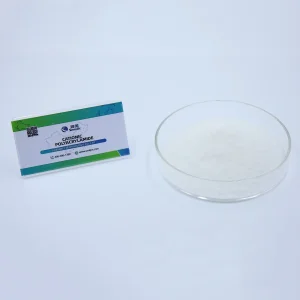
Cationic Polyacrylamide (CPAM) is a linear water-soluble polymer synthesized by the copolymerization of acrylamide (AM) monomer and cationic monomers, primarily acryloyloxyethyltrimethyl ammonium chloride (DAC) or methacryloyloxyethyltrimethyl ammonium chloride (DMC). The cationic charge centers along the polymer backbone interact directly with negatively charged colloidal particles present in water. In municipal wastewater, oilfield output, and food processing effluents, organic solids carry a strong negative zeta potential. The introduction of CPAM neutralizes this surface charge, compressing the electrical double layer and initiating rapid micro-floc formation.
Concurrently, the high molecular weight (ranging from 5 million to over 12 million Daltons) facilitates polymer bridging. The long polymer chains adsorb multiple colloidal particles simultaneously, forming massive, dense macro-flocs. This dual action—charge neutralization and polymeric bridging—renders CPAM indispensable in high-shear environments like centrifuges and belt filter presses.
Optimized for inorganic-heavy sludges, secondary biological sludges from low-organic industrial effluents, and processes with high mineral content. These formulations maximize polymeric bridging without over-dispersing particles through excessive charge repulsion.
The industry benchmark for municipal digested sludge and mixed primary-secondary sludge conditioning. It offers an optimal balance of electrical neutralization and chain-bridging, performing exceptionally in belt press dewatering operations.
Specifically developed for ultra-fine colloidal suspensions, grease trap waste, poultry processing wastewater, and high-protein industrial sludges. High charge density ensures rapid charge neutralization even in highly conductive effluents.
SEO Information Gain Insight: While standard chemical suppliers focus solely on molecular weight, performance efficiency is heavily governed by the polymer's degree of branching and charge distribution uniformity. Smedic's low-temperature initiation polymerization produces highly linear structures with consistent charge density along the polymer backbone, reducing dosage requirements by 15-25% compared to conventional chemical alternatives.
| Polyacrylamide Class | Cationic Monomer Ratio | Primary Flocculation Pathway | Optimal pH Range | Typical Applications |
|---|---|---|---|---|
| Cationic (CPAM) | 10% - 80% (DMC/DAC) | Charge Neutralization + Bridging | 3.0 - 9.0 (Acidic to Neutral) | Sludge dewatering, paper processing, biological wastewater treatment |
| Anionic (APAM) | 10% - 40% (Acrylic Acid) | Polymeric Bridging + Charge Patching | 7.0 - 14.0 (Neutral to Alkaline) | Mineral processing, metallurgy, coal washing, tailing sedimentation |
| Non-Ionic (NPAM) | 0% (Pure Acrylamide) | Hydrogen Bonding + Bridging | 1.0 - 8.0 (Highly Acidic systems) | Acidic ore leaching, oil recovery, textile sizing, soil stabilization |
Leveraging geographical integration, raw material synthesis, and multi-regional logistics bases for uninterrupted global delivery.
Our corporate headquarters is located in Beijing, with wholly-owned production bases situated across key raw material hubs in Hebei, Guizhou, and Shanxi. To ensure rapid dispatch and buffer storage, Smedic has established over ten OEM partner factories and regional warehousing and logistics bases in Shandong, Shanxi, Anhui, Guangxi, and Sichuan provinces.
This multi-node supply network allows us to cover more than 20 provinces across China, catering to over 600 urban sewage treatment plants and 1,000+ industrial end customers. With a daily wastewater treatment capacity involvement exceeding 20 million tons, our supply chain is built to handle massive surge demands, mitigating global supply shortages.
One of China's primary supply chain advantages is the direct pipeline access to propylene and acrylonitrile—the primary feedstocks for acrylamide synthesis. By utilizing biological enzyme catalytic methods (microbiological synthesis of acrylamide) rather than sulfuric acid hydration, we achieve a monomer purity of 99.9%. This high-purity monomer prevents chain termination during polymerization, ensuring we consistently deliver CPAM with ultra-high molecular weights and minimal free monomer residue (under 0.05%).
Our commitment to technical authority is backed by academic research centers, national patents, and industry standard drafts.
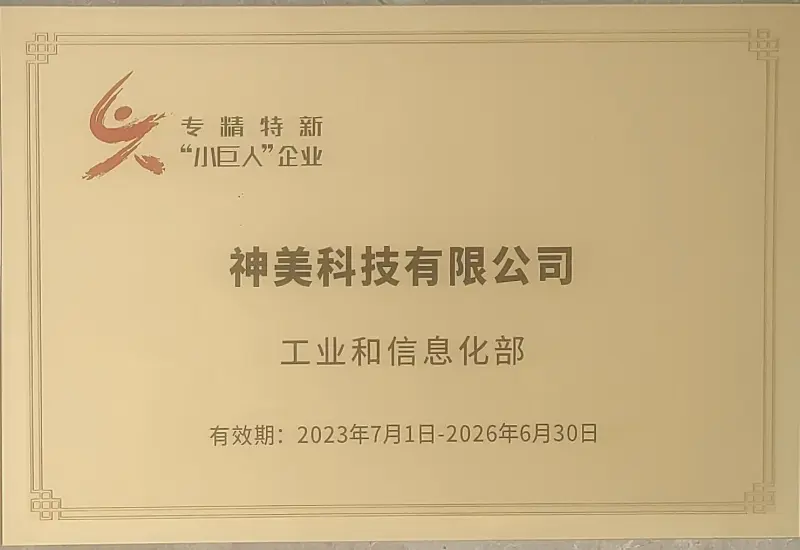
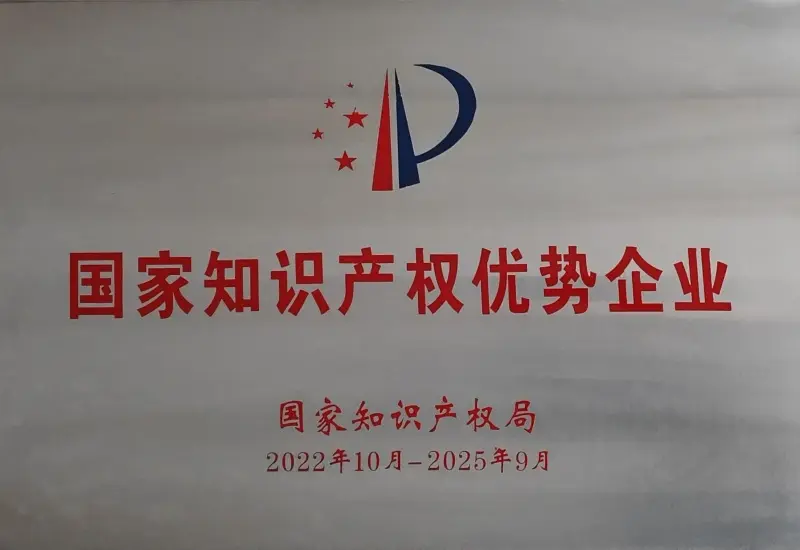
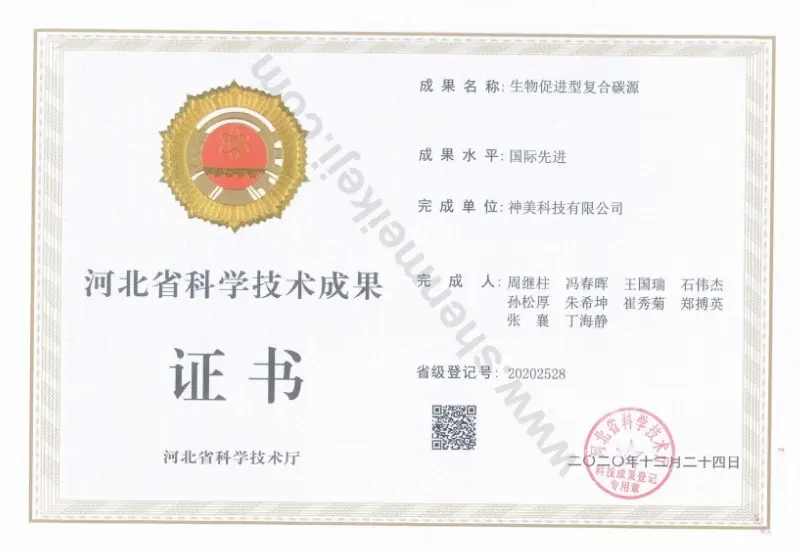
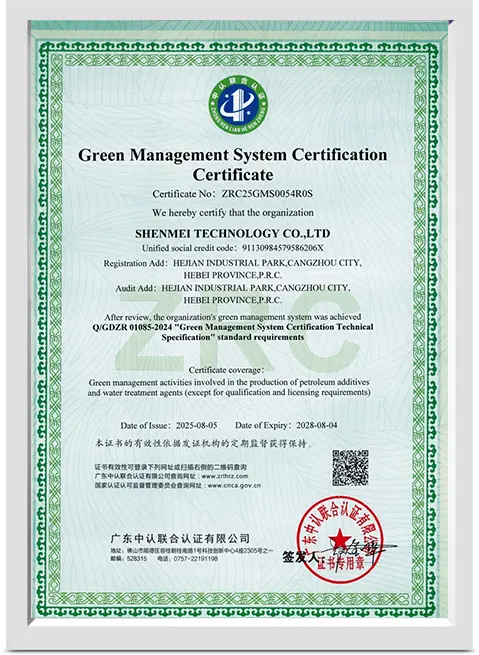
Smedic Technology has been awarded several of China's most prestigious industry recognitions. We are classified as a National High-Tech Enterprise, a National Specialized, Refined, Unique, and Innovative "Little Giant" Enterprise, and a National Key-Supported Specialized, Refined, Unique, and Innovative "Little Giant" Enterprise. Our production facilities have also earned the designation of a Hebei Province Green Factory, reflecting our commitment to green manufacturing processes.
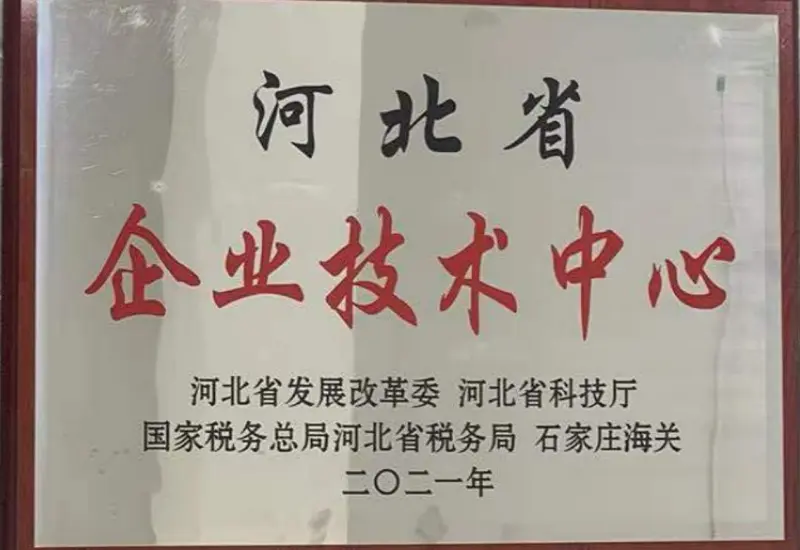
Our core technical team comprises senior academics, professors, water chemistry experts, and senior engineers. We have built an R&D system and commercialization platform centered around one academy, three research institutes, and five production bases. Recognized as a Class A R&D institution, we host the Hebei Provincial Advanced Water Treatment Chemicals Technology Innovation Center and the Cangzhou Water Treatment Engineering Technology Research Center.
Through our expert workstation established with the Tsinghua University Association of Senior Scientists and Technicians, and joint R&D laboratories with Shandong University and Beijing University of Technology, we bridge the gap between academic theory and practical water treatment applications. We also serve as the commercialization partner for chemical research from Peking University and Tianjin University.
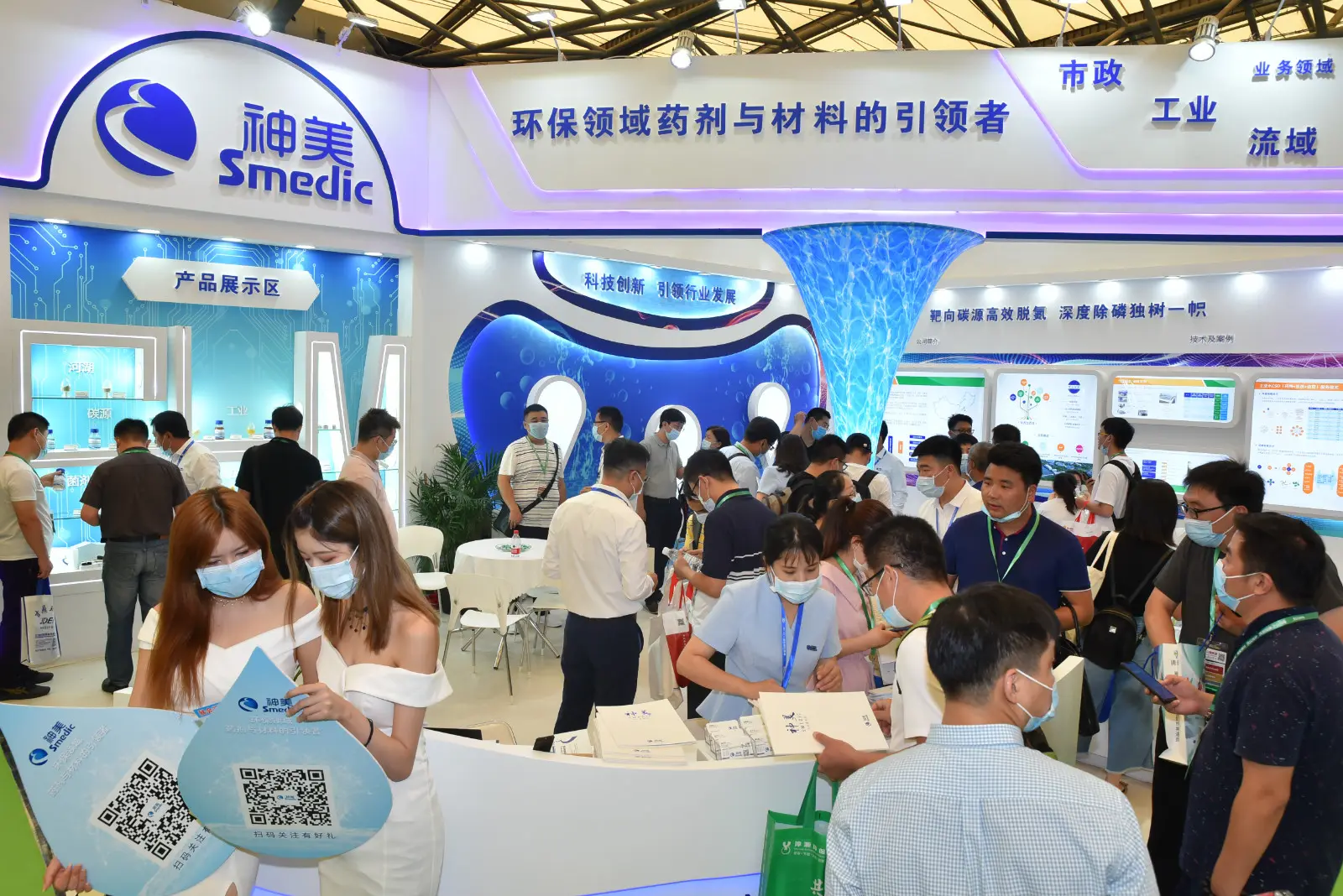
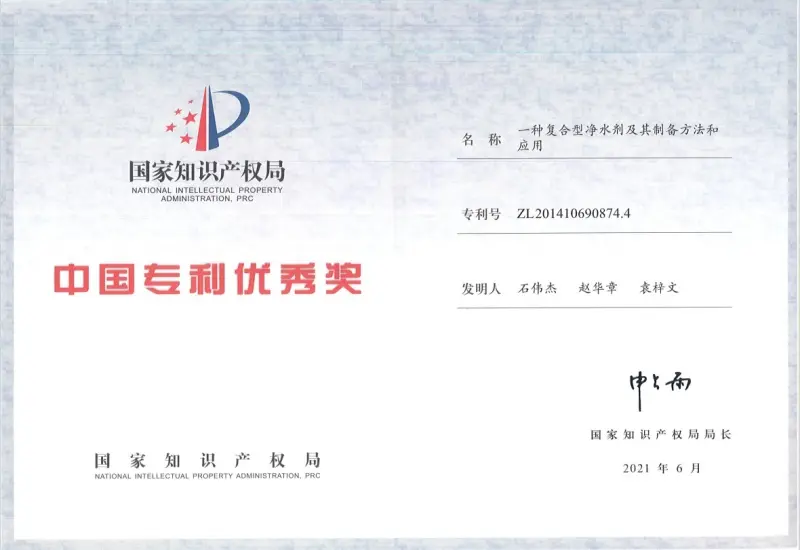
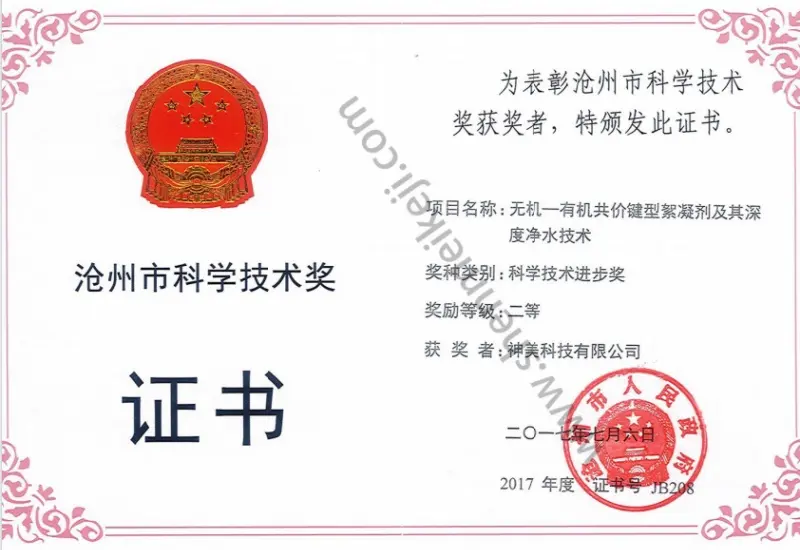
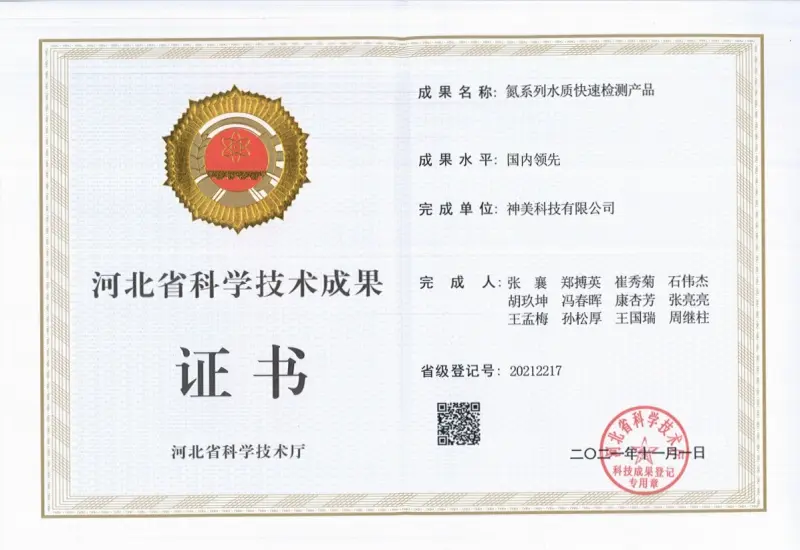
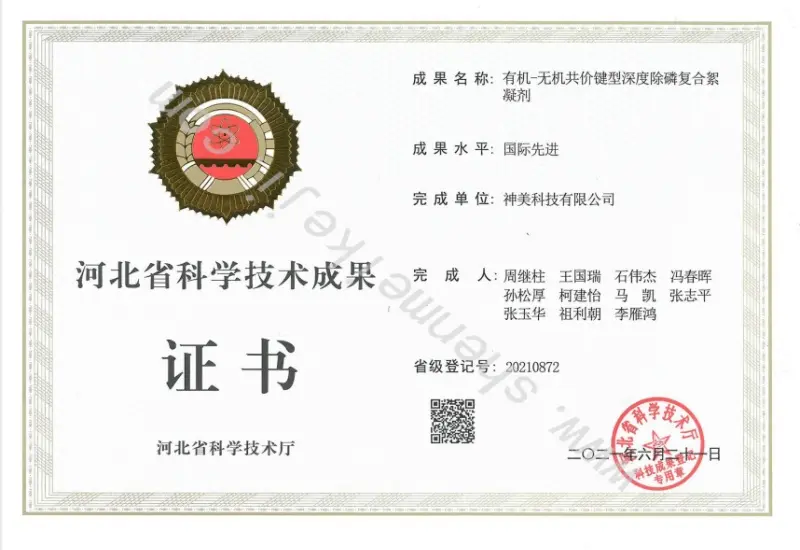
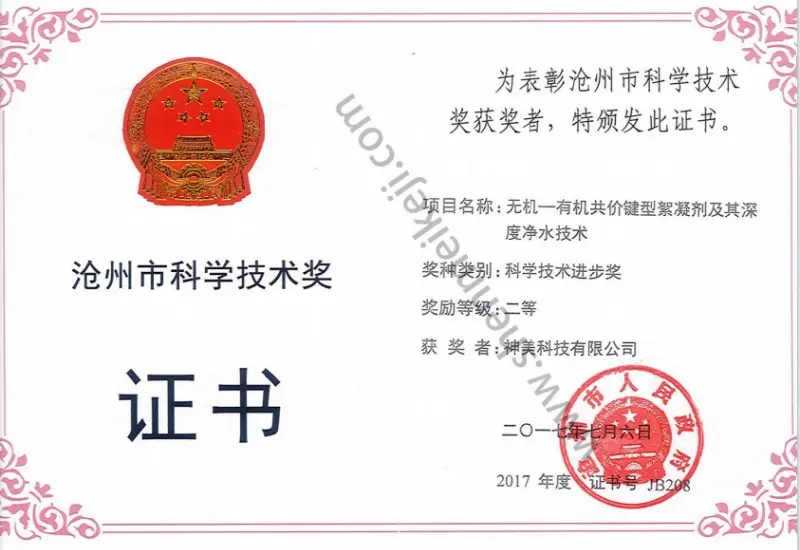
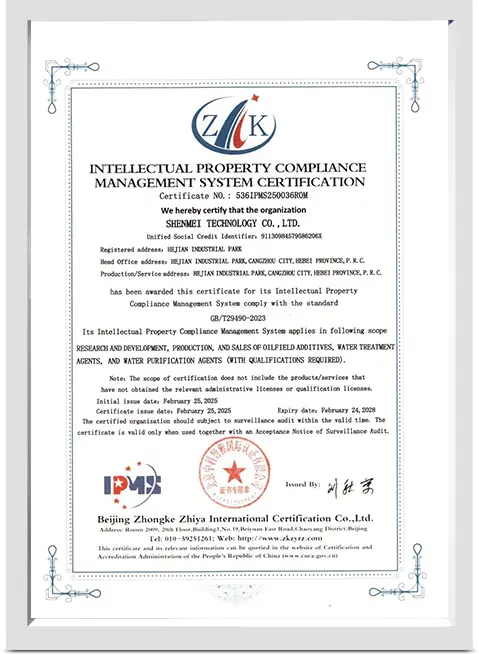
Our commitment to quality and technical authority is demonstrated by our intellectual property portfolio. Smedic has been granted over sixty Chinese patents, including more than forty invention patents and over twenty utility model patents. Notably, our independently developed "Inorganic-Organic Covalent Bond Flocculant and Its Advanced Water Purification Technology" won the 22nd China Patent Award, the First Prize for Technological Invention from the China Petrochemical Industry Association, and was selected as a Belt and Road SME Recommended Project.
Additionally, we have led the drafting of more than ten national and industry standards in China, defining the specifications for composite carbon sources, composite coagulants, sodium acetate, and specialized nitrifying and denitrifying bacterial agents.

From municipal dewatering systems to heavy extraction mining: optimizing CPAM dispersion and charge profiles for real-world operations.
Modern decanter centrifuges apply extreme G-forces to biological sludge. To prevent floc shear, Smedic supplies high-molecular-weight CPAM. This creates resilient flocs that retain their structured integrity under high shear, resulting in lower cake moisture levels and clean, clear centrate discharge.
In paper mills, CPAM acts as a retention and drainage aid. The cationic charges bind to anionic wood fibers and fillers (like clay or calcium carbonate), accelerating drainage on the wire, minimizing fiber loss, and enhancing wet-end runnability.
Flotation tailings often contain extremely fine mineral clays that settle slowly. Smedic's custom-formulated CPAM systems promote rapid settlement of tailings in thickener tanks. This helps recover clean process water for reuse and speeds up tailing filtration.
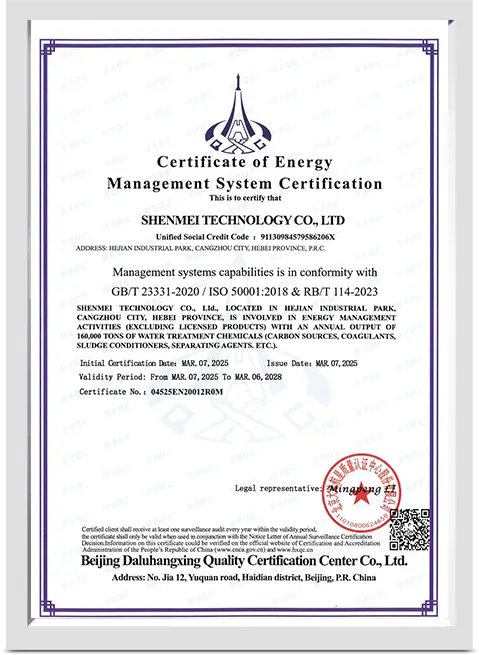
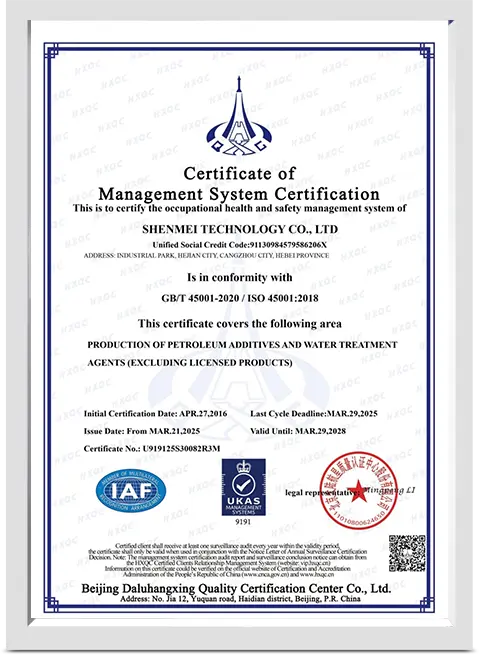
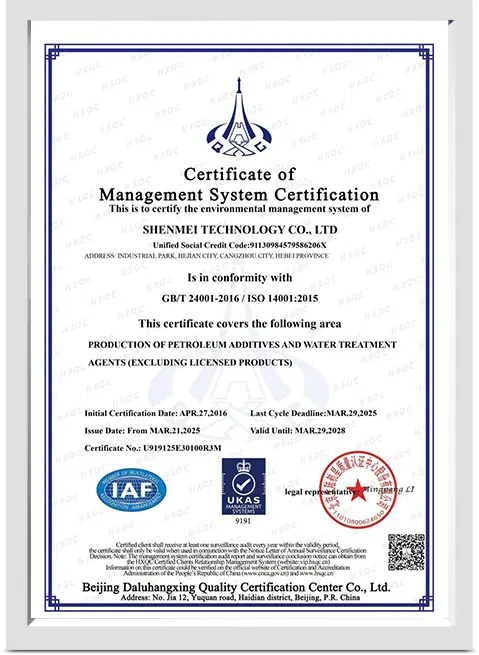
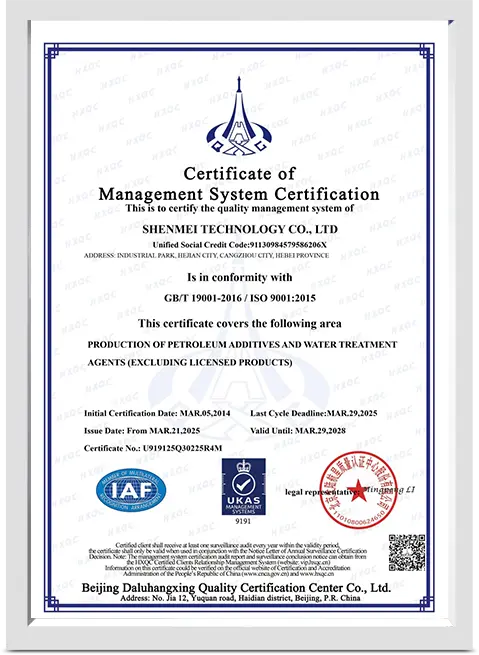
To support global imports and local operations, Smedic maintains strict compliance with major international standards. Our manufacturing facilities are certified under ISO 9001 (Quality Management System), ISO 14001 (Environmental Management System), and ISO 45001 (Occupational Health and Safety). Our products are formulated to meet international limits for heavy metals and residual acrylamide monomers, aligning with the EU's REACH regulations and USA NSF/ANSI Standard 60 guidelines for potable water chemical safety.
Every shipment is accompanied by a batch-specific Certificate of Analysis (COA) showing molecular weight, charge density, solid content, dissolution rate, and monomer purity, ensuring reliable chemical performance with every batch.
Direct answers to technical questions commonly faced by procurement managers and process engineers when selecting cationic polyacrylamide.
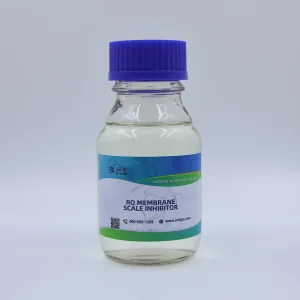
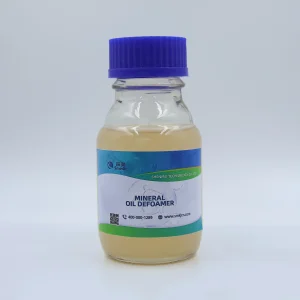
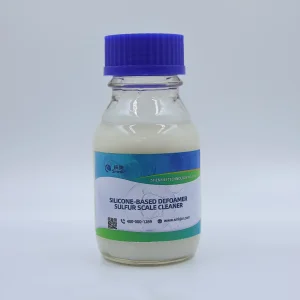
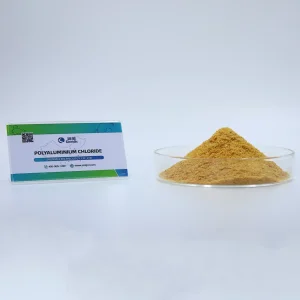
Discover our complementary chemical products designed for pH balancing, foaming control, and membrane scale prevention.
 Smedic Tech