Explore our premium range of coagulants, scale inhibitors, defoamers, and environmental agents engineered for optimized industrial performance.
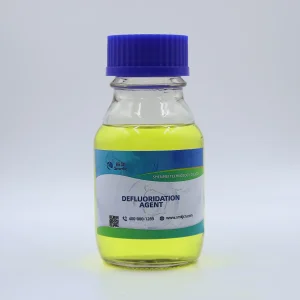
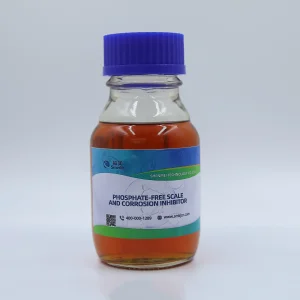
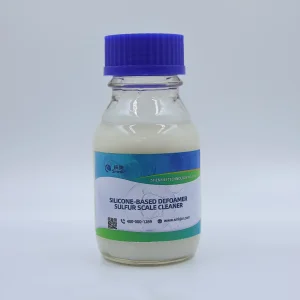
In modern high-pressure steam boiler systems, thermodynamic efficiency and asset lifespan are strictly determined by the control of water chemistry. The presence of dissolved oxygen (DO), carbon dioxide (CO₂), and ionic impurities creates a highly aggressive electrochemical environment. High-temperature surfaces act as active catalytic sites for oxide formation, which triggers galvanic cell reactions that lead to localized pitting, scale accumulation, and catastrophic tube failures.
Under high thermal flux, iron (Fe) undergoes oxidation reactions at the anode, releasing electrons that reduce oxygen at the cathode. This process forms soluble ferrous hydroxide ($Fe(OH)_2$), which further converts to ferric oxide ($Fe_2O_3$, commonly known as rust). Under optimal conditions of temperature and pH, a stable, passivating layer of magnetite ($Fe_3O_4$) forms, protecting the steel substrate. However, minor shifts in water chemistry, dissolved gases, or heat distribution break this protective layer, causing localized pitting.
"The degradation of boiler heat-transfer surfaces by 1 mm of calcium carbonate or silica scale can lead to a 10% to 15% decrease in thermal efficiency, translating directly to elevated carbon footprints and catastrophic utility expenditures."
To prevent these issues, industrial operators must deploy high-performance boiler rust inhibitors. Our chemical treatments are designed to manage dissolved gases, maintain alkaline pH levels, and form thin, protective molecular barriers. This prevents metal dissolution and keeps heat exchange surfaces running at peak efficiency.
Effective rust inhibitors are categorized into anodic, cathodic, or film-forming configurations. Anodic inhibitors work by promoting the rapid passivation of iron surfaces, sealing off micro-anodes to stop metal dissolution. Cathodic inhibitors target oxygen reduction sites, using chemical complexes to block electron transfer. Modern formulations combine both approaches to provide comprehensive protection under varying pressures and flow velocities.
Industrial boiler treatment chemistry has evolved from basic inorganic salts to highly advanced organic formulations. Understanding the chemical options available helps engineers choose the right chemistry for their specific boiler pressure, steam usage, and metallurgy.
Volatile organic bases like cyclohexylamine, morpholine, and diethylaminoethanol (DEAE). These compounds vaporize with steam and dissolve in condensate zones, neutralizing carbonic acid ($H_2CO_3$) and raising the pH to safe levels (8.5–9.5).
Long-chain aliphatic amines (e.g., octadecylamine) that form a continuous, monomolecular barrier on metal surfaces. This hydrophobic film prevents corrosive condensate water and gases from directly contacting the steel substrate.
Chemical reducers that eliminate residual dissolved oxygen in feedwater. Formulations include inorganic sodium sulfite for low-pressure systems, and hydrazine, DEHA (diethylhydroxylamine), or carbohydrazide for high-pressure boilers.
Applying these chemistries correctly requires careful calculation. If neutralizing amine dosage is too low, the condensate return lines remain acidic, leading to thinning and mechanical failure of the pipe walls. Conversely, over-dosing filming amines can cause the formulation to bind with suspended particles, creating sticky deposits that block steam flow. Smedic's engineering team provides customized dosing profiles based on real-time water analysis, ensuring optimal chemical balance and protection.
Established in 2011, Smedic Technology is a comprehensive provider of water treatment and environmental protection agents. We integrate R&D, production, sales, and engineering support to deliver tailored chemical solutions worldwide.
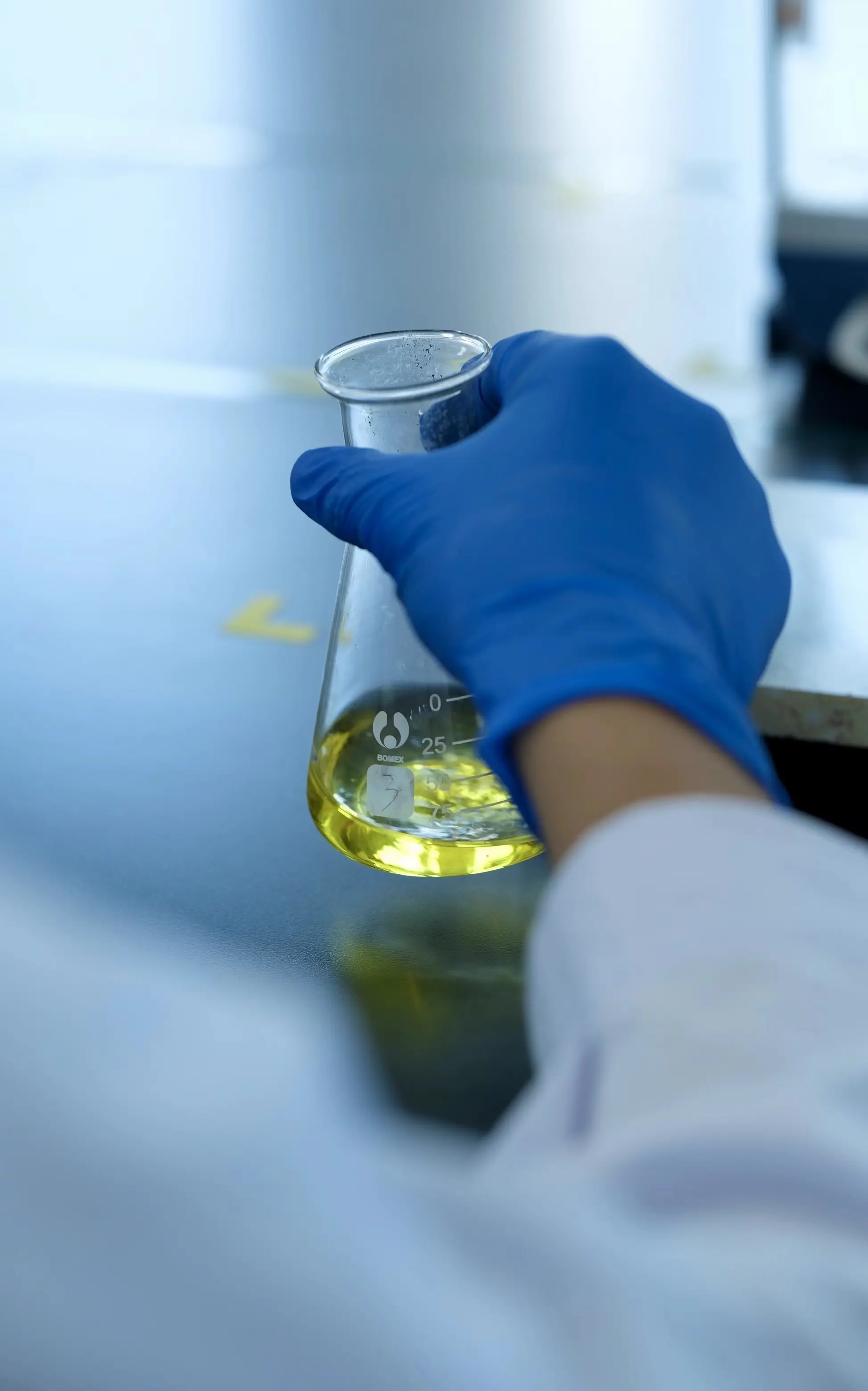
Headquartered in Beijing, Smedic operates wholly-owned production bases in Hebei, Guizhou, and Shanxi, along with more than ten OEM partner facilities and logistics warehouses across Shandong, Anhui, Guangxi, and Sichuan. This service network allows us to support municipal and industrial projects across 20+ Chinese provinces and international markets.
Our project portfolio covers more than 600 urban sewage treatment plants and over 1,000 industrial customers in wastewater management, mining, oilfield services, and steam generation. We are a leading supplier in the high-end environmental chemicals market.
Our automated production processes, extensive patent portfolio, and collaborative research network ensure reliable supply and high product quality.
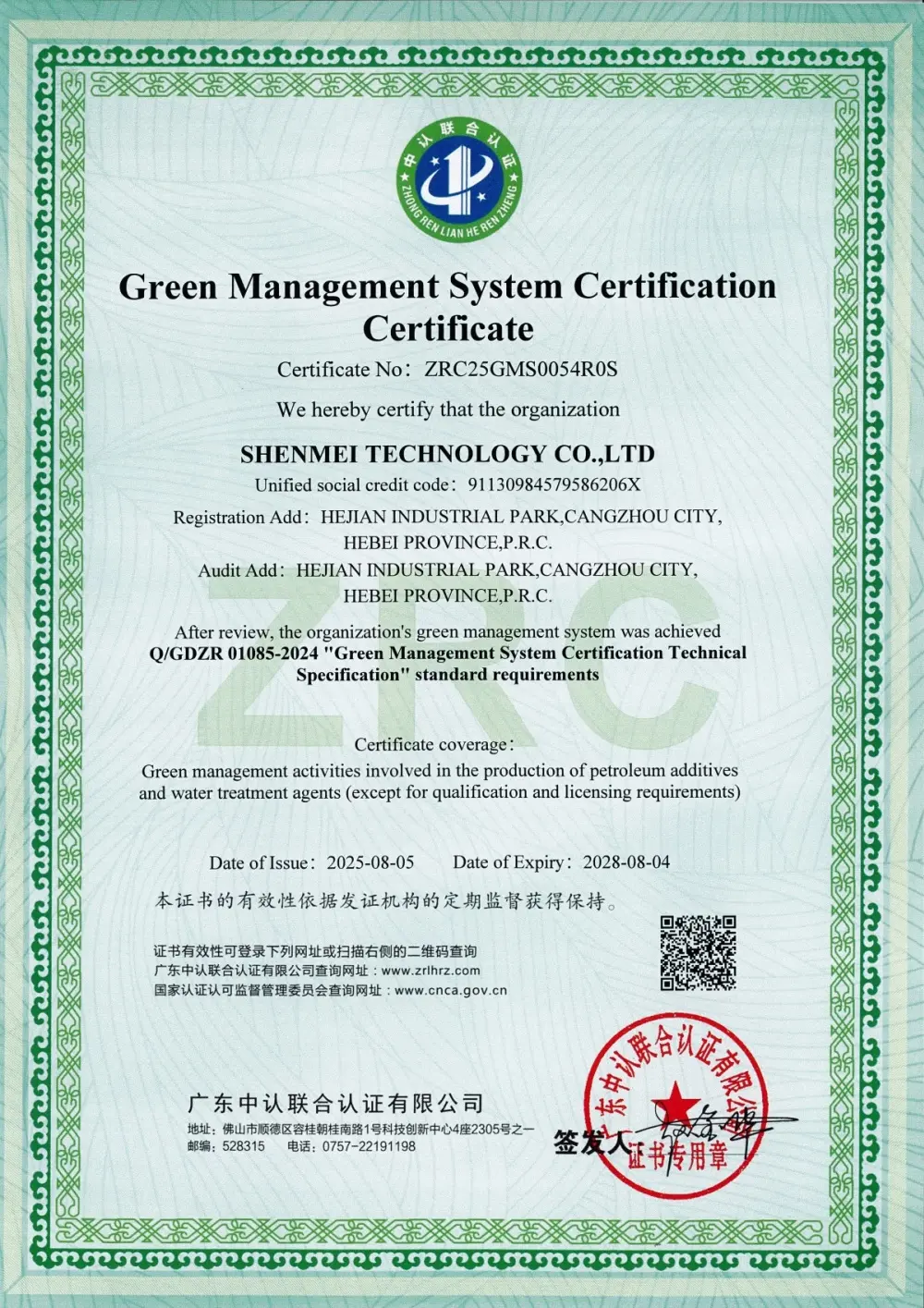
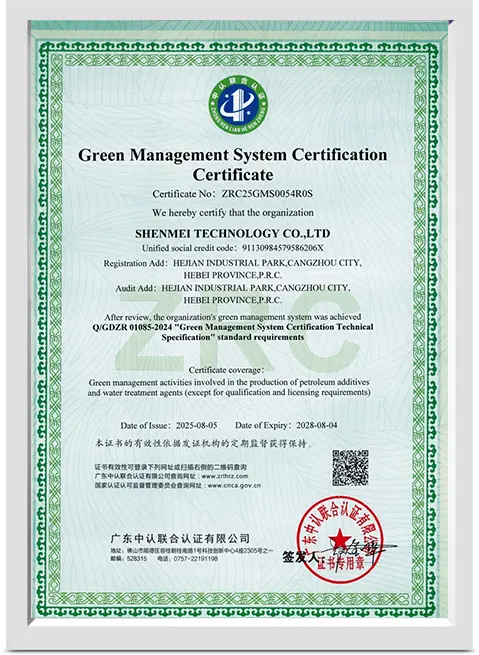
Smedic operates under China’s Factory 4.0 standards, utilizing DCS automated control systems to manage raw material feeds, temperature profiles, and reaction steps. This automation ensures batch-to-batch consistency for all our scale and rust inhibitors. Our manufacturing facilities are certified green factories, prioritizing low carbon emissions and waste reduction.
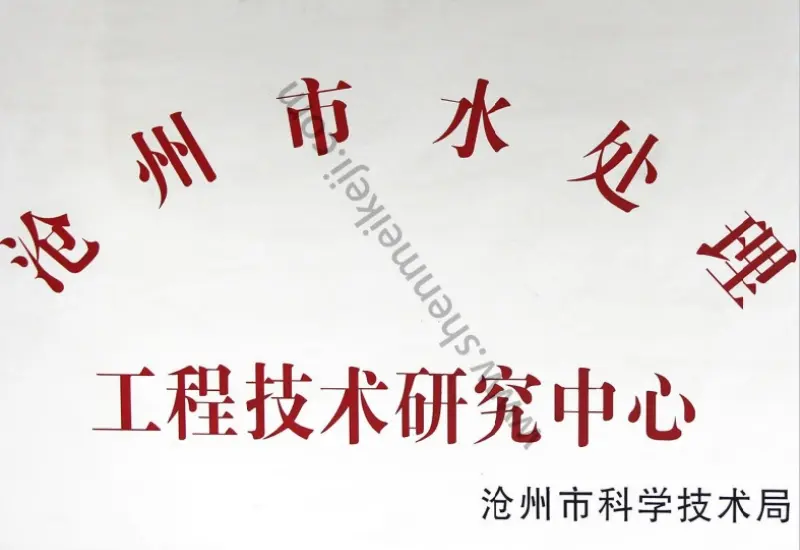
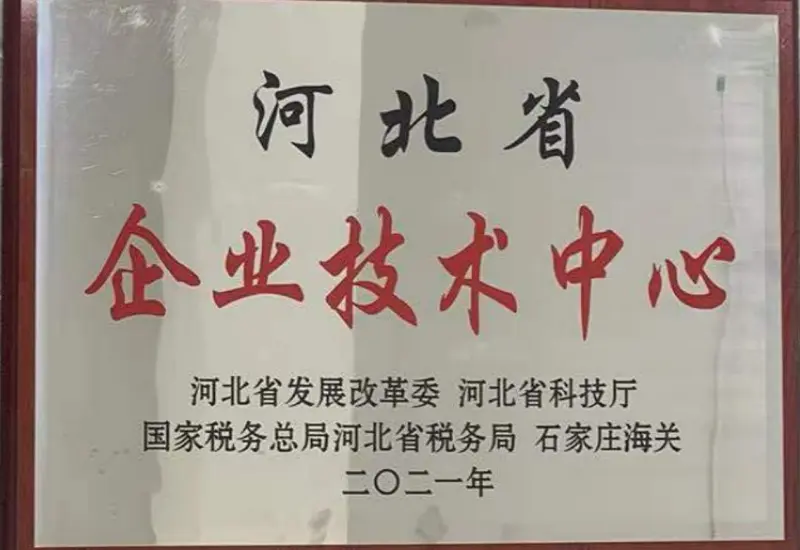
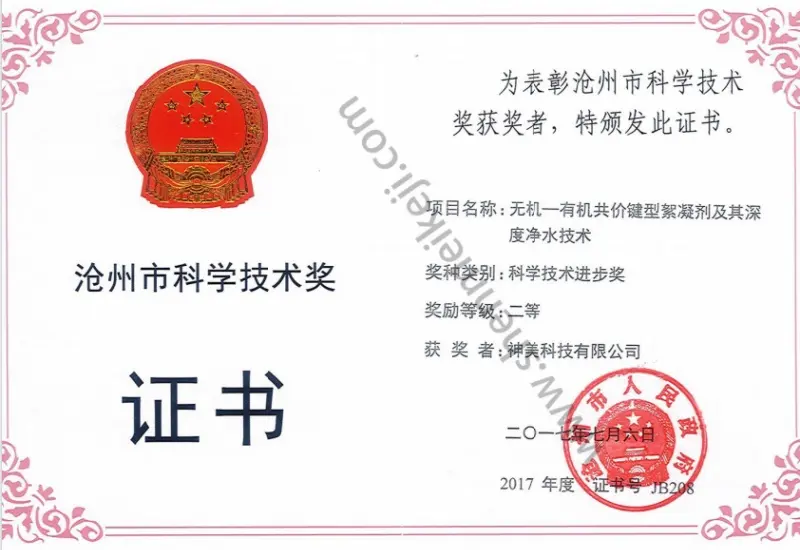
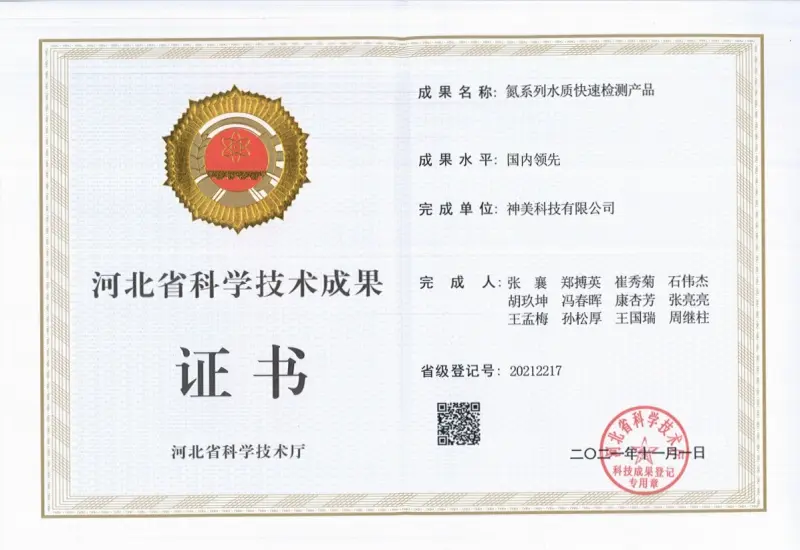
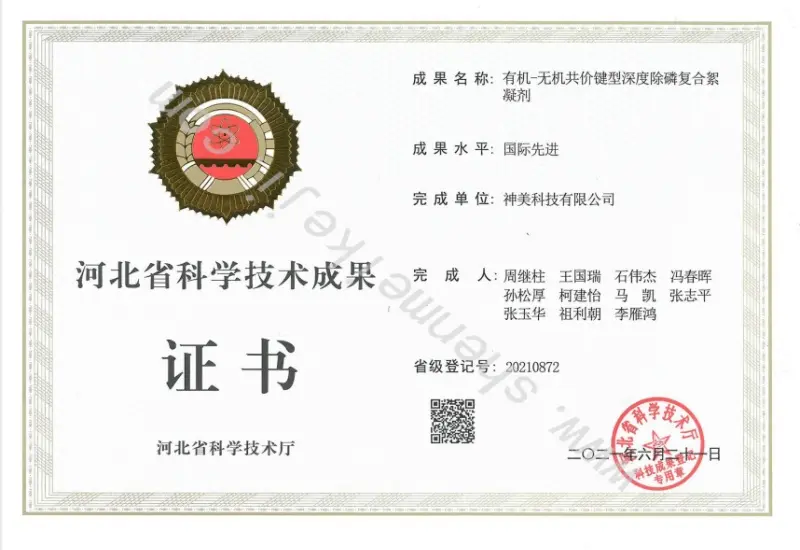
Our R&D network includes one academy, three research institutes, and five production bases. We operate the Hebei Provincial Enterprise Technology Center and the Hebei Provincial Advanced Water Treatment Chemicals Technology Innovation Center, both recognized as Class A institutions. We maintain a collaborative expert workstation with the Tsinghua University Association of Senior Scientists and Technicians, and joint R&D laboratories with Shandong University and Beijing University of Technology. Smedic also serves as a commercialization partner for Peking University and Tianjin University.
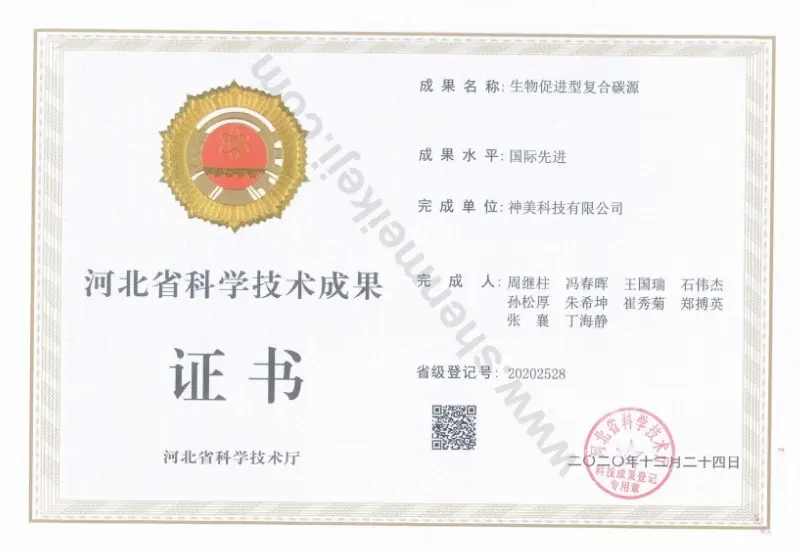
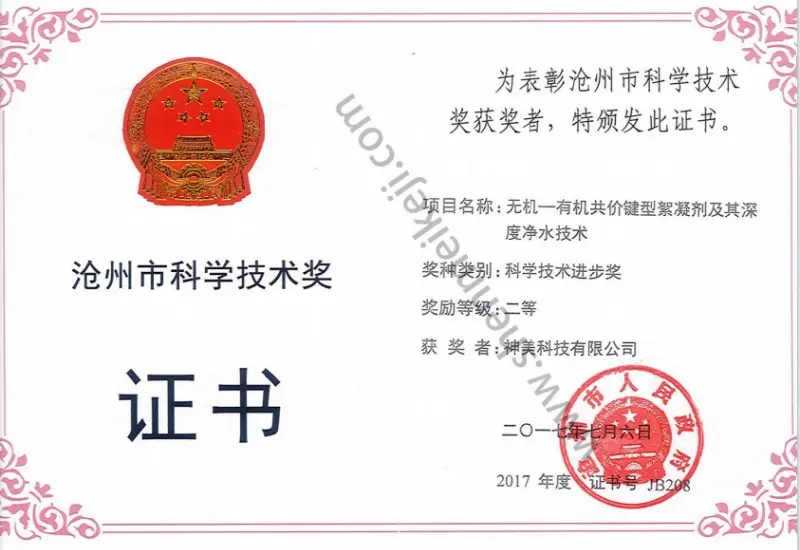
Different industries require different approaches to steam generation chemistry. We provide tailored solutions to meet these distinct operating challenges:
The future of industrial water treatment relies on green, biodegradable chemistries and digital dosing control. Traditional phosphorus-based inhibitors are being phased out due to discharge limits. Smedic is leading this transition by developing biodegradable, phosphorus-free scale inhibitors like polyaspartic acid (PASP) and epoxysuccinic acid (PESA).
Additionally, we are integrating IoT-driven monitoring systems that continuously track pH, dissolved oxygen, and corrosion rates. This real-time data allows for automated dosing adjustments, optimizing chemical consumption while maintaining consistent system protection.
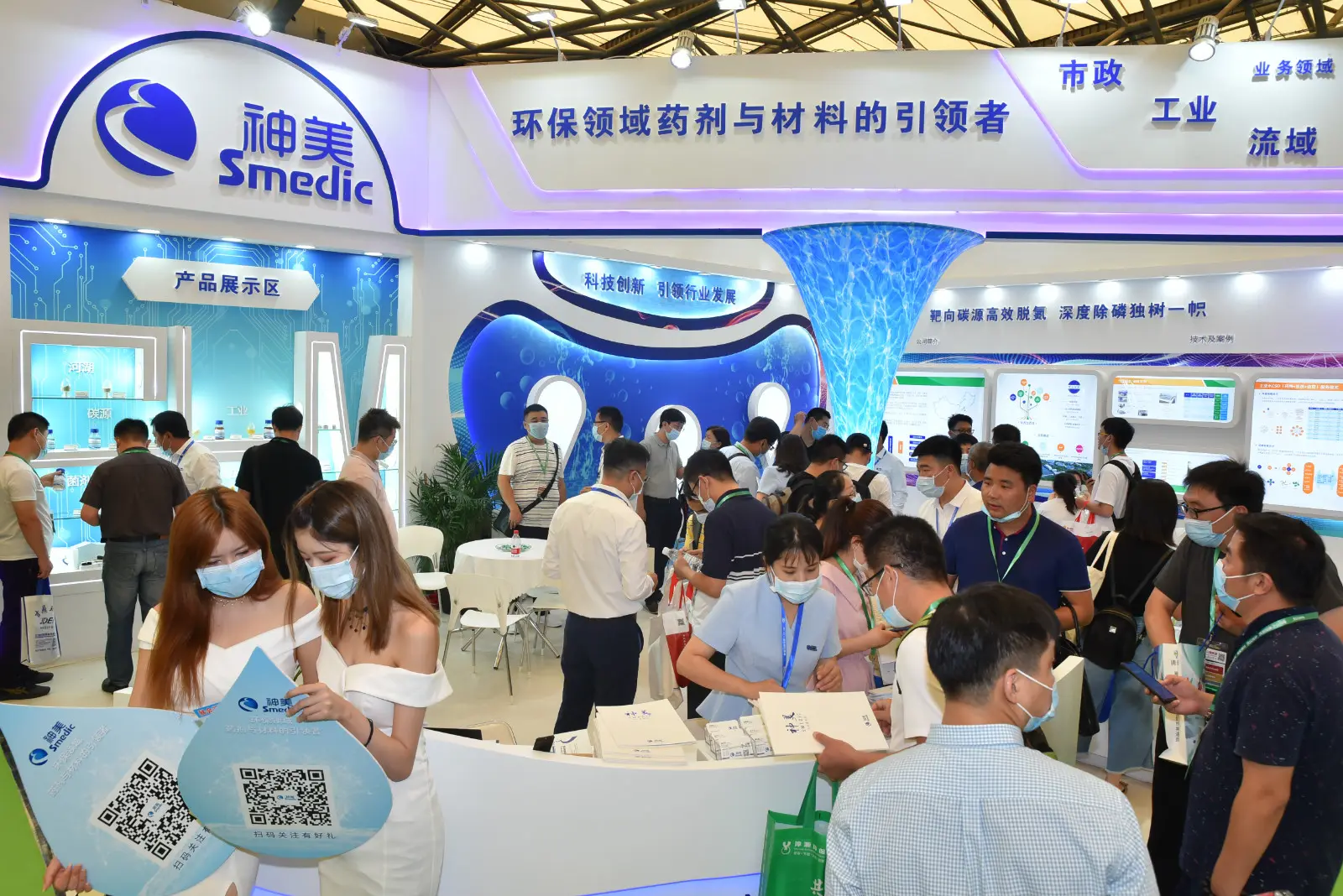
Through continuous R&D and scale expansion, Smedic has grown from a local chemical provider into a national water treatment enterprise.
Smedic was founded, establishing its initial environmental chemical production lines and R&D laboratory.
Developed a comprehensive product portfolio for municipal wastewater and industrial cooling loop treatment.
Recognized as a National High-Tech Enterprise, expanding operations into oilfield chemicals and mining flotation agents.
Expanded production bases in Hebei, Shandong, and Guizhou, pushing our total annual capacity beyond 1 million tons.
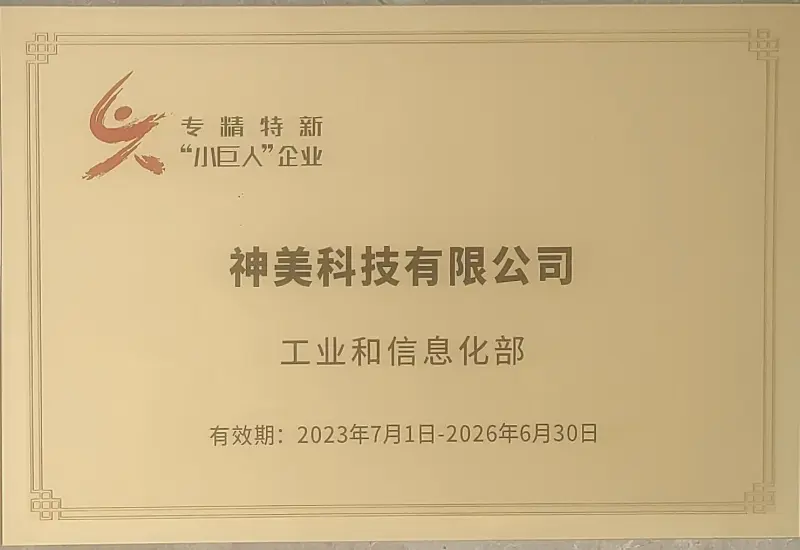
Awarded National "Little Giant" Enterprise status, recognizing our technical specialization in water treatment chemicals.
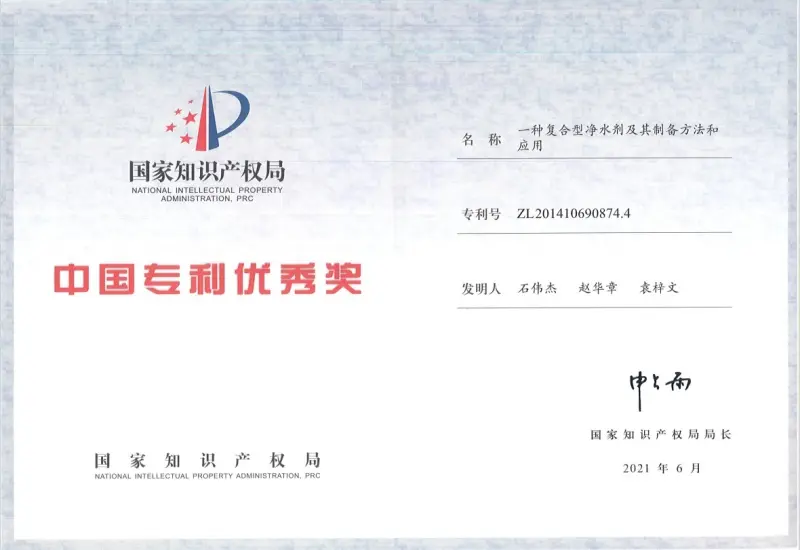
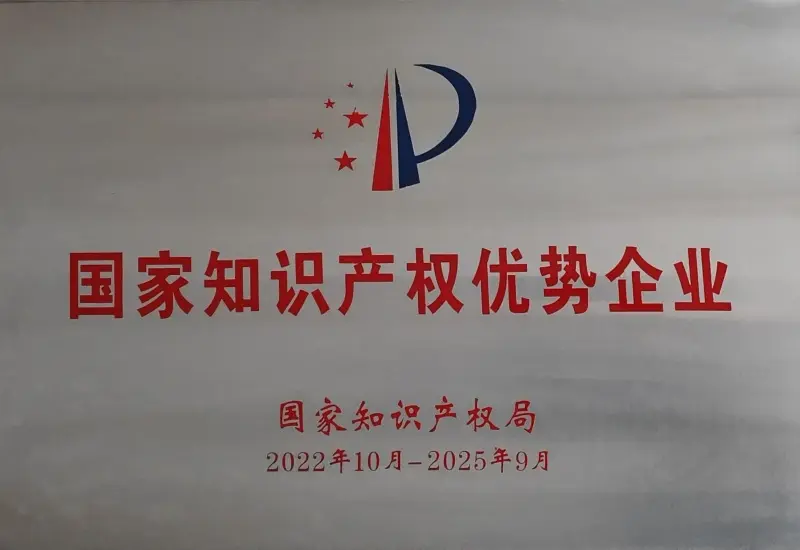
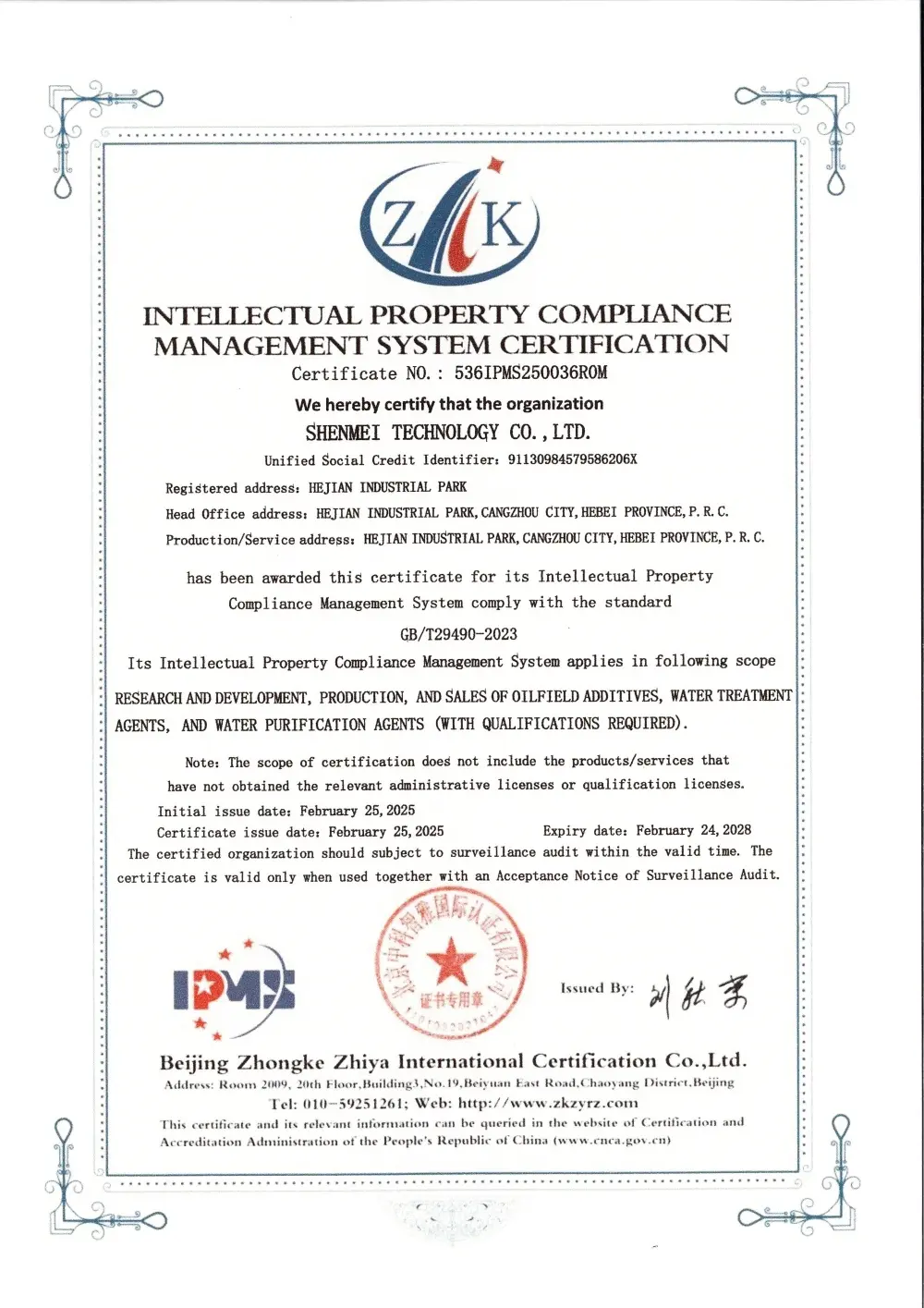
Named a National Intellectual Property Advantage Enterprise with over 60 utility and invention patents granted.
Our products meet international quality and environmental standards, making Smedic a trusted supplier for major global enterprises.
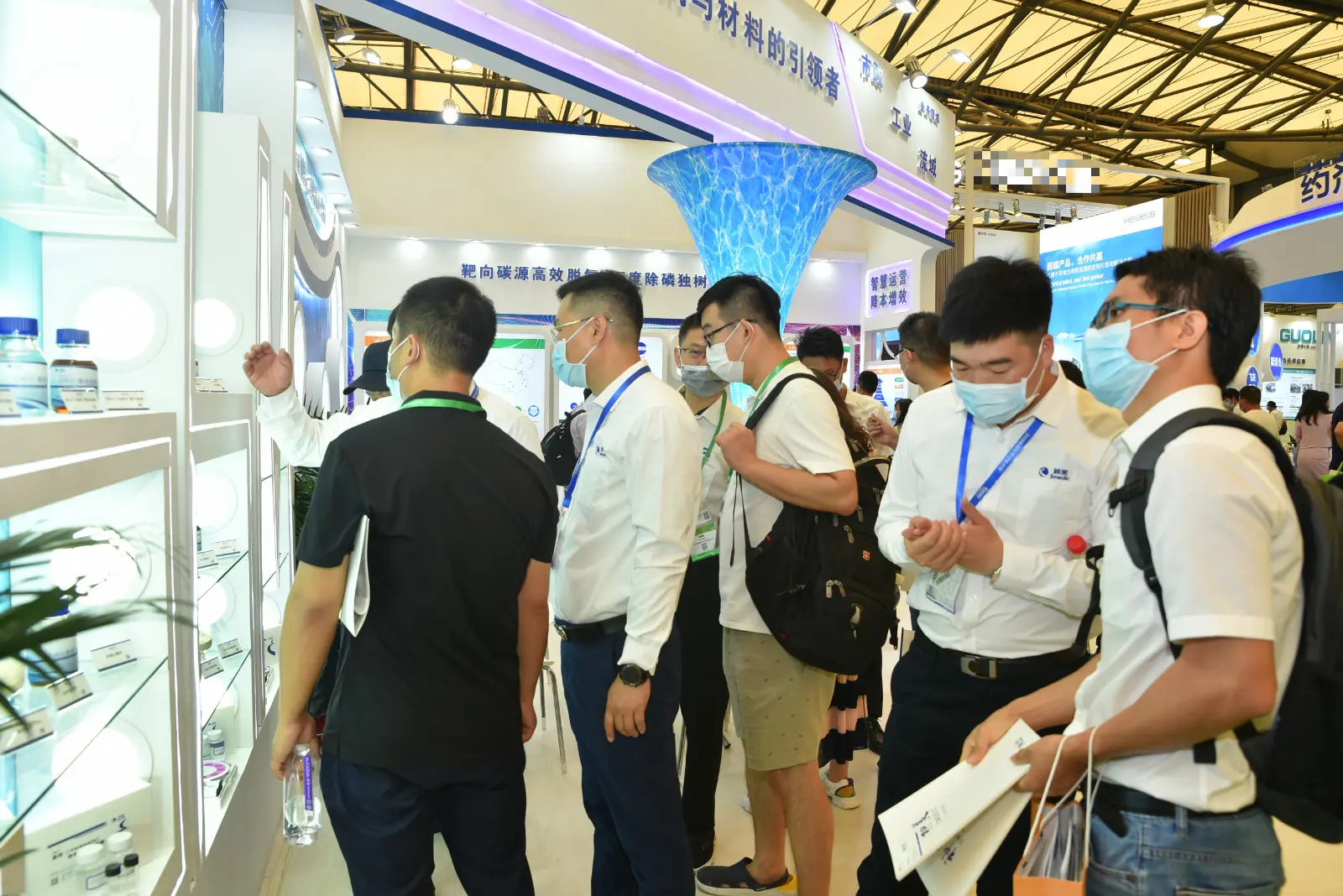
Smedic maintains strategic procurement relationships with major Chinese water groups, including Beijing Enterprises Water, Capital Environmental Protection, and Yangtze River Ecology. For international buyers, our logistical bases near major ports (Tianjin and Qingdao) facilitate efficient global shipping.
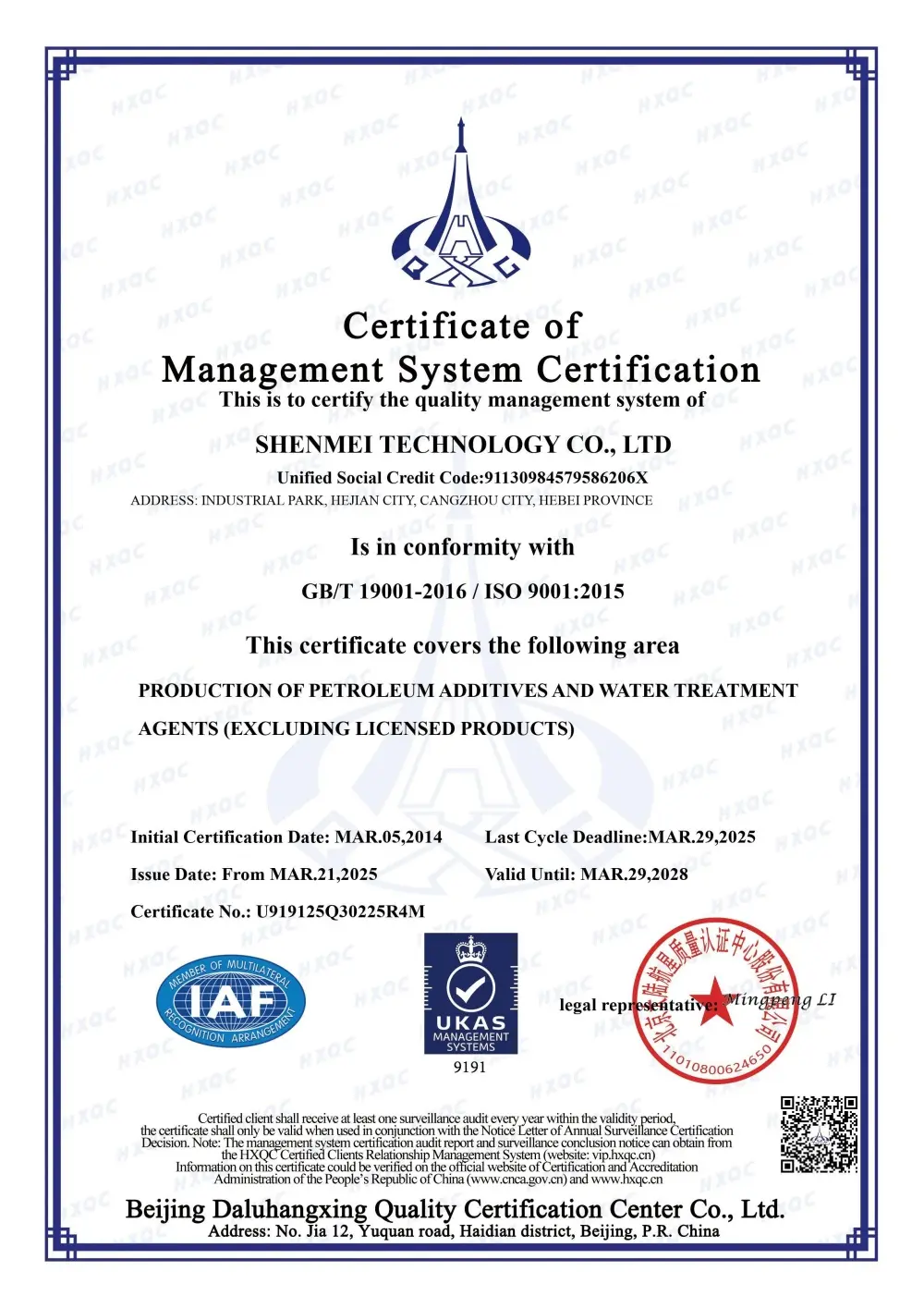
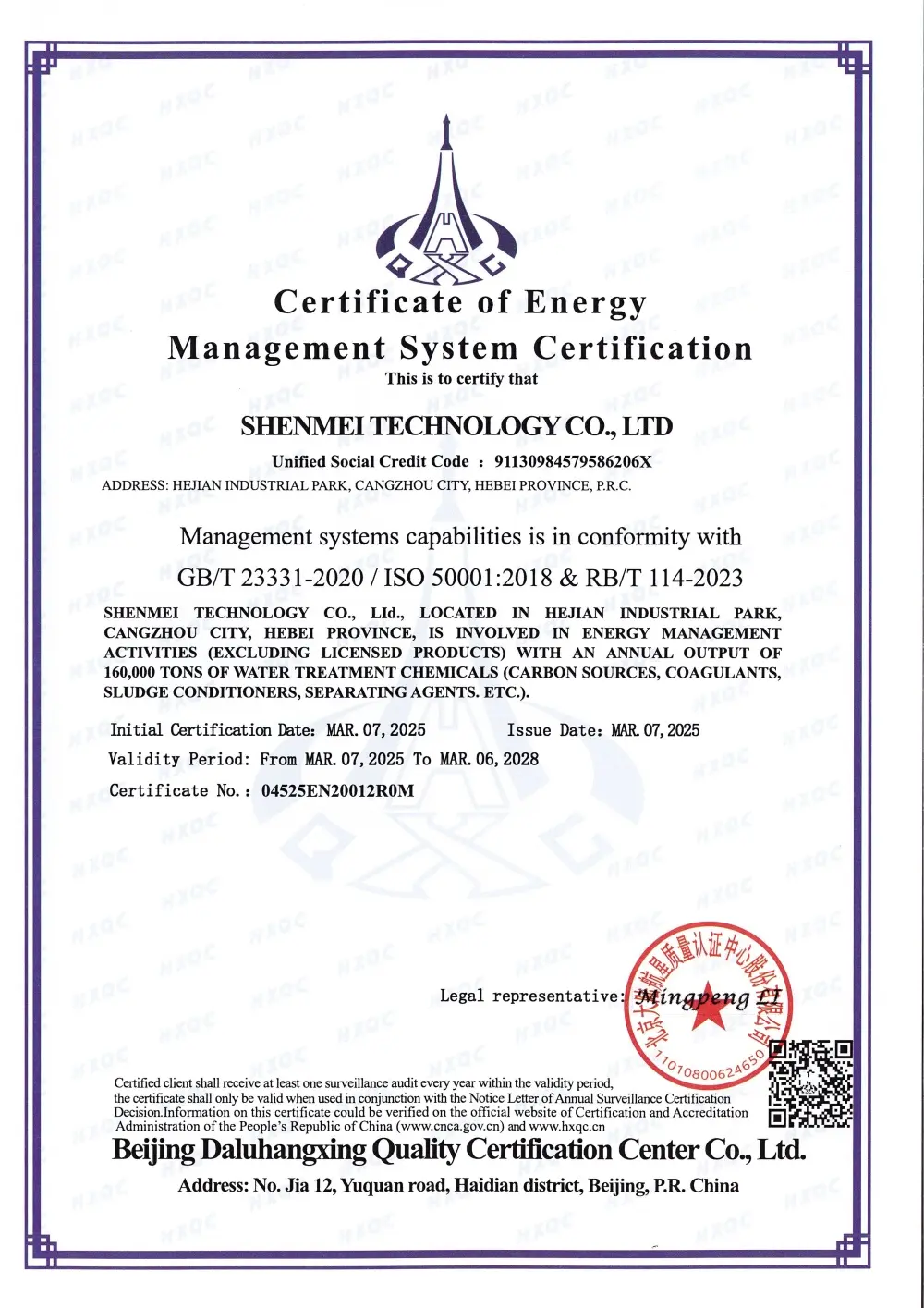
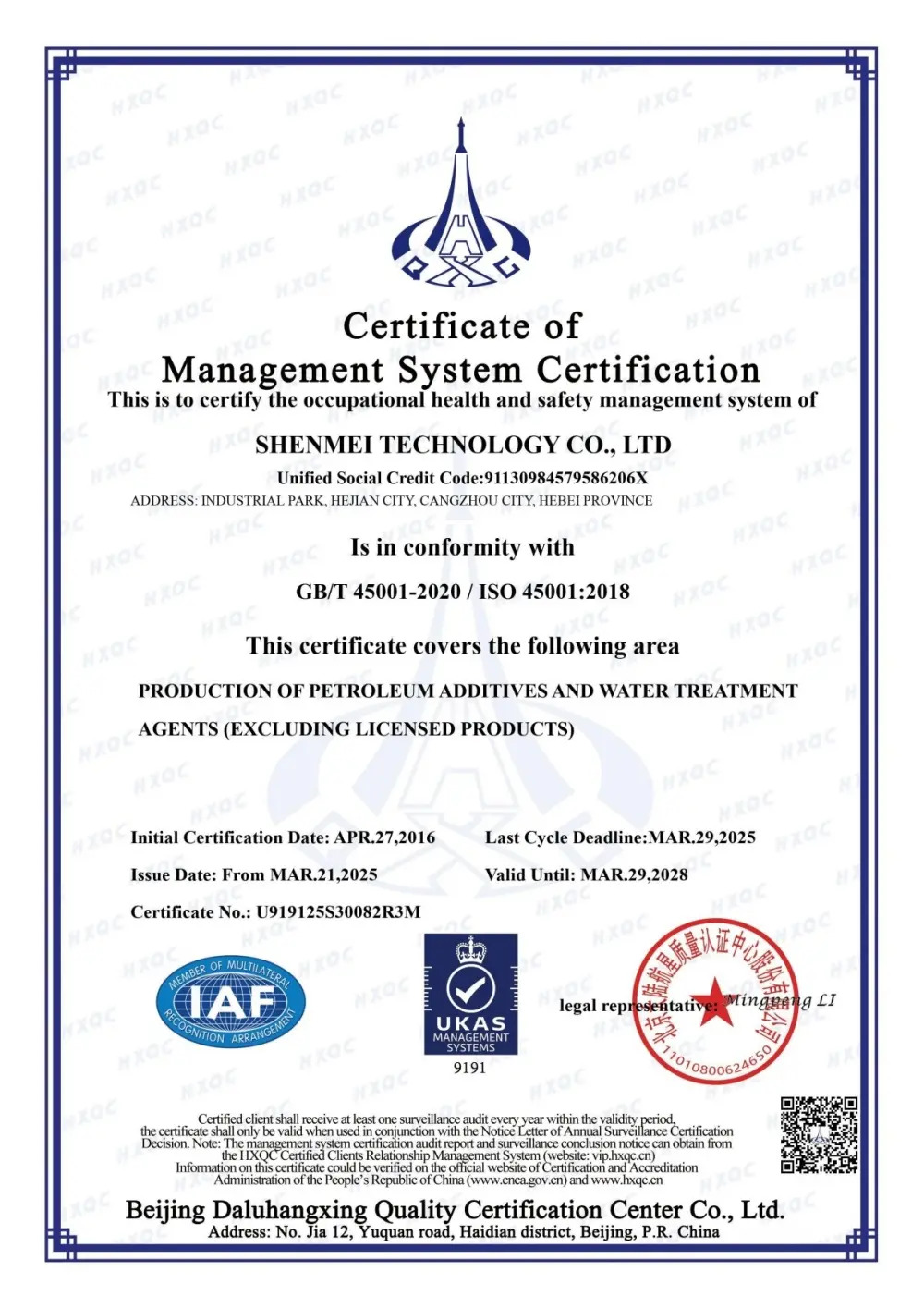
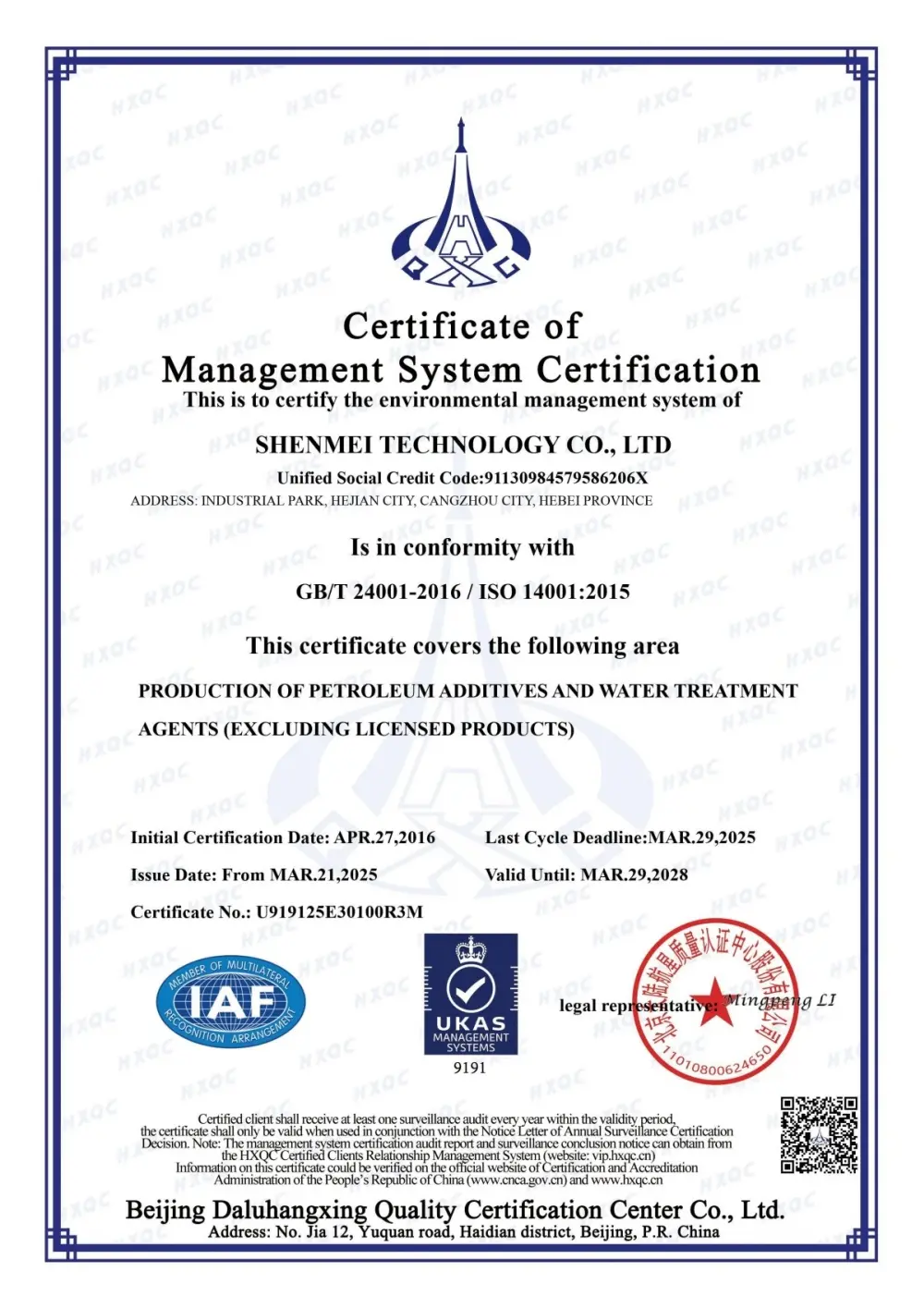
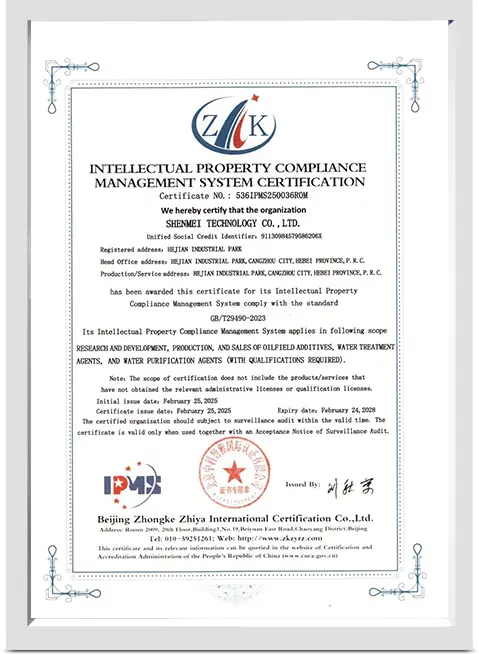
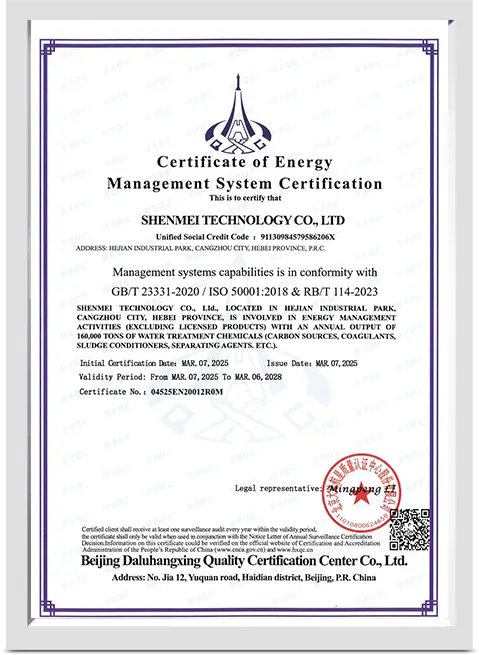
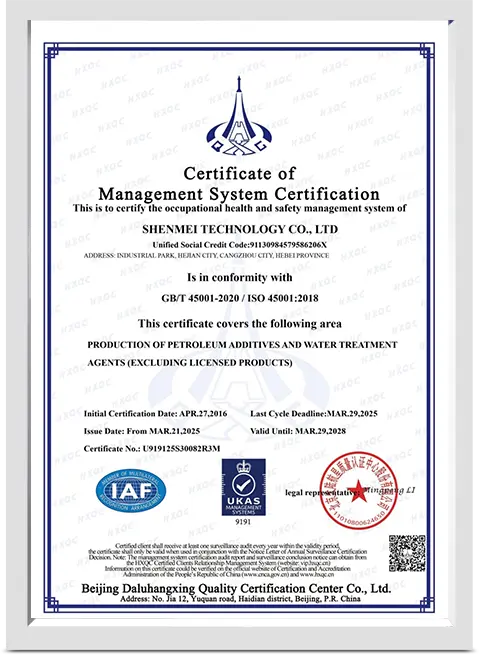
We hold ISO 9001, ISO 14001, and ISO 45001 certifications. Our products comply with REACH and EPA regulations, and we provide comprehensive safety data sheets (SDS) and technical data sheets (TDS) for every shipment.
Review answers to common technical questions regarding boiler scale and corrosion prevention.
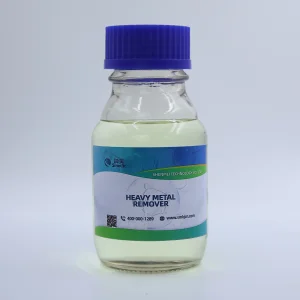
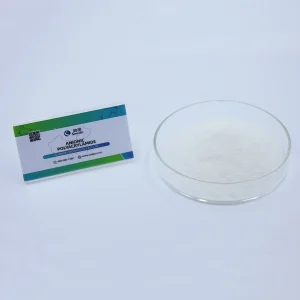
Our complete line of performance agents, including flocculants, coagulants, heavy metal removers, and silicone-based defoamers.
 Smedic Tech