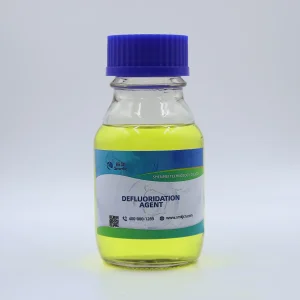
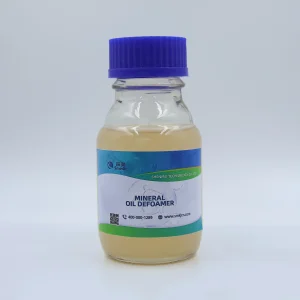
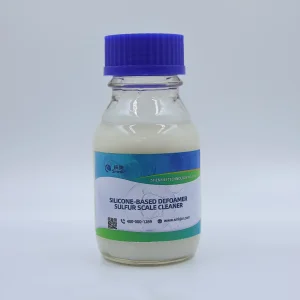
Explore our premium grade scale inhibitors, heavy metal removal compounds, and organic defoamers manufactured for advanced municipal and industrial applications.
Evaluating macro-economic dynamics, process engineering requirements, and environmental policies shaping the defoaming industry.
Foam control is an essential operations management parameter in almost all major fluid processing sectors worldwide. High surface tension and organic loading generate stable foam structures that damage plant performance, causing overflows, visual contamination, and severe mechanical bottlenecks. Globally, the demand for high-efficiency water treatment defoamers is driven by strict environmental guidelines regarding discharge purity, combined with a universal effort toward resource reclamation and loop recycling in industrial manufacturing.
As a leading China water treatment defoamers manufacturer & exporter, Smedic Technology is positioned at the intersection of material science advancements and high-volume industrial processing. Foam issues directly affect the operational efficiency of municipal biological bioreactors, paper production loops, oil-water separation columns, and chemical formulation plants. Without proper foam mitigation, operations suffer from air binding in pumping machinery, reduced effective vessel capacity, loss of biochemical treatment activity, and higher energy requirements.
Today, the transition toward water conservation has resulted in highly concentrated plant effluents. Closed-loop water networks experience a buildup of biological surfactants, dissolved organic carbon (DOC), and suspended solids. This buildup creates highly resilient, thick foam structures. Traditional mechanical foam suppression methods cannot keep pace with these chemical foaming mechanisms. Consequently, highly specialized chemical formulations—such as organosilicone emulsions, polyether polyols, and synthetic mineral oils—have become the industry standard for modern facilities.
A deep scientific breakdown of defoaming mechanisms: organic silicone, polyethers, and mineral oils.
Utilizing premium grade modified polydimethylsiloxane (PDMS) emulsions. These agents function by spreading rapidly across bubble surfaces. Because PDMS has an extremely low surface tension (typically 20-22 mN/m) compared to water, it destabilizes elastic foam walls. Reinforced with hydrophobic silica nanoparticles, organic silicone defoamers pierce surfactant bilayers to cause fast micro-bubble collapse across wide pH and temperature ranges.
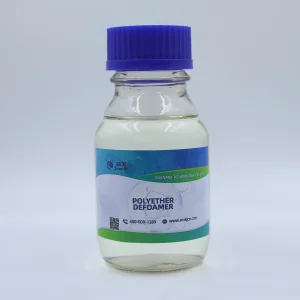
Synthesized via block copolymerization of Ethylene Oxide (EO) and Propylene Oxide (PO). Polyether formulations exhibit unique inverse solubility behavior known as the "cloud point." At temperatures exceeding the cloud point, these agents become hydrophobic and form insoluble droplets. These droplets displace surface-active agents at the air-water interface to quickly suppress foam. They are highly valued in biological aeration tanks because they degrade cleanly and do not foul downstream filtration membranes.
These agents combine paraffinic or naphthenic carrier oils with hydrophobic particles, metal soaps, and emulsifying surfactants. Mineral oil defoamers are robust, cost-effective options commonly used in paper mills, architectural paint manufacturing, and industrial waste processing. They quickly break surface foam and have long-lasting stability in high-shear environments.
A Premium Provider of Water Treatment Chemistry and Environmental Protection Agents Since 2011.
Established in 2011, Smedic Technology Co., Ltd. is a comprehensive environmental chemistry provider that integrates advanced research and development, large-scale production, global sales, and specialized engineering support services. We focus on delivering customized chemical products, technical packages, and tailored onsite engineering support.
Smedic designs and manufactures advanced environmental agents for municipal sewage treatment, industrial wastewater plants, drinking water facilities, mineral processing operations, and oilfield chemical processes. Our product range includes over 80 environmental protection products, supporting municipal and industrial operations globally.
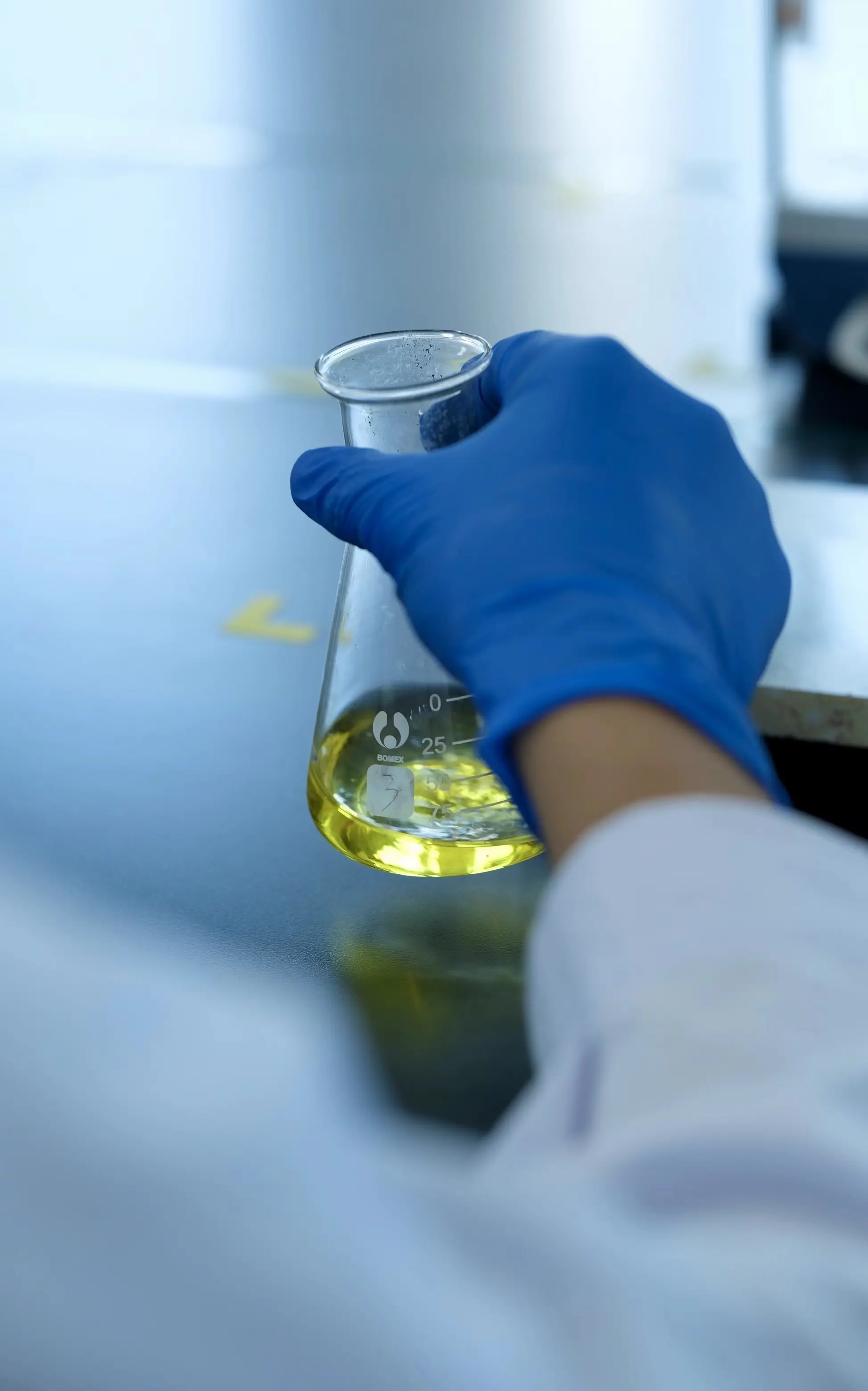
Ensuring steady supply through regional warehousing and diversified production hubs.
Smedic is headquartered in Beijing and operates wholly-owned production bases in Hebei, Guizhou, and Shanxi. To ensure reliable logistics and supply continuity, we run more than ten OEM partner factories and regional warehousing centers across Shandong, Shanxi, Anhui, Guangxi, and Sichuan provinces.
Our sales and technical support network covers more than 20 provinces across China, exporting products to major global markets. Smedic technologies are used in over 600 urban sewage treatment facilities and serve more than 1,000 industrial wastewater, mineral processing, and oilfield customers, helping municipal and industrial plants operate reliably day in and day out.
Scientific innovation verified by academic partnerships and national development awards.
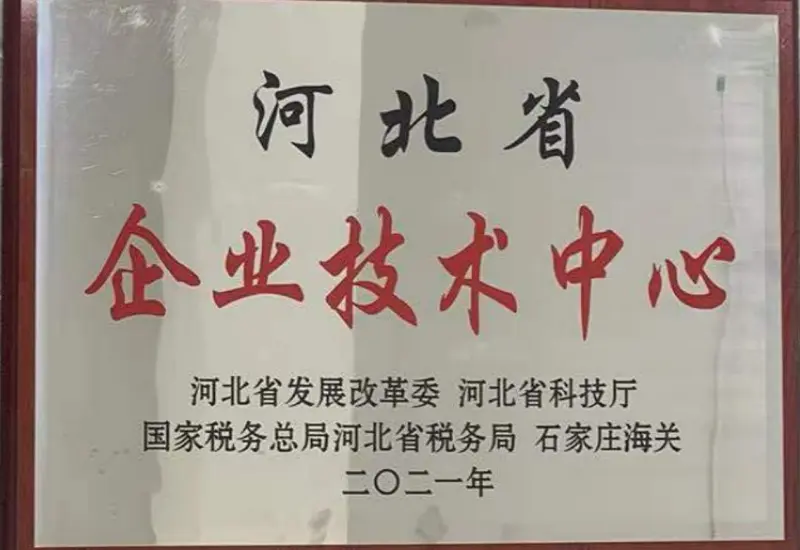
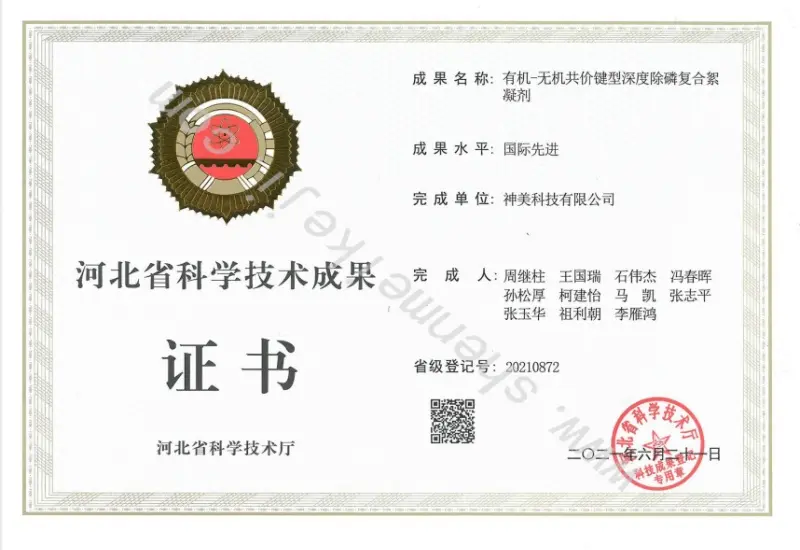
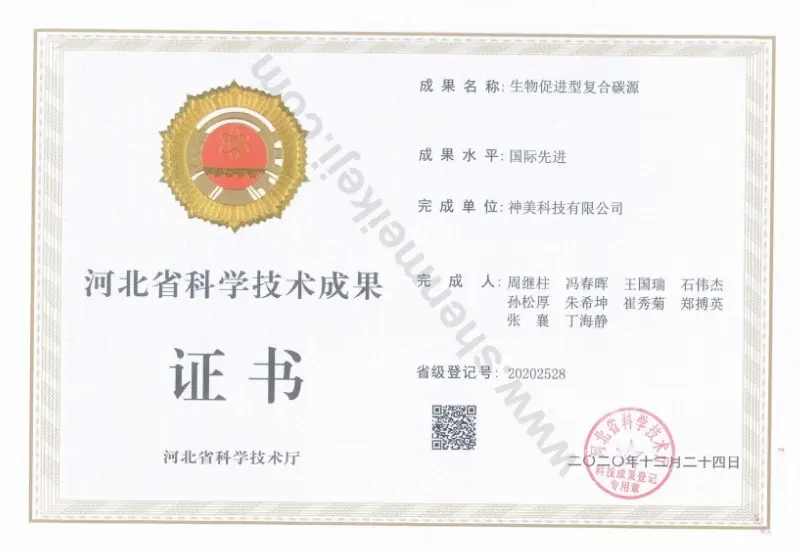
Smedic has been designated a National High-tech Enterprise and recognized as a National Specialized, Refined, Unique and Innovative "Little Giant" Enterprise. Our research team includes experienced academics, environmental engineers, and material science experts who collaborate with top-tier universities. Through one academy, three research institutes, and five production bases, we have established the Hebei Provincial Enterprise Technology Center, the Hebei Provincial Advanced Water Treatment Chemicals Technology Innovation Center, and the Cangzhou Water Treatment Engineering Technology Research Center.
We work in close partnership with academic groups to transfer laboratory technology to industrial-scale production. Smedic maintains joint laboratories and R&D partnerships with Tsinghua University Association of Senior Scientists and Technicians, Shandong University, Beijing University of Technology, Peking University, and Tianjin University.
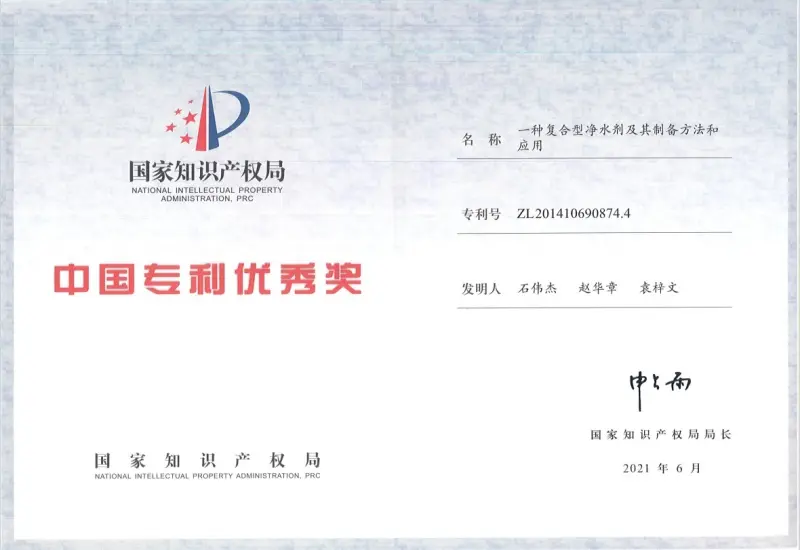
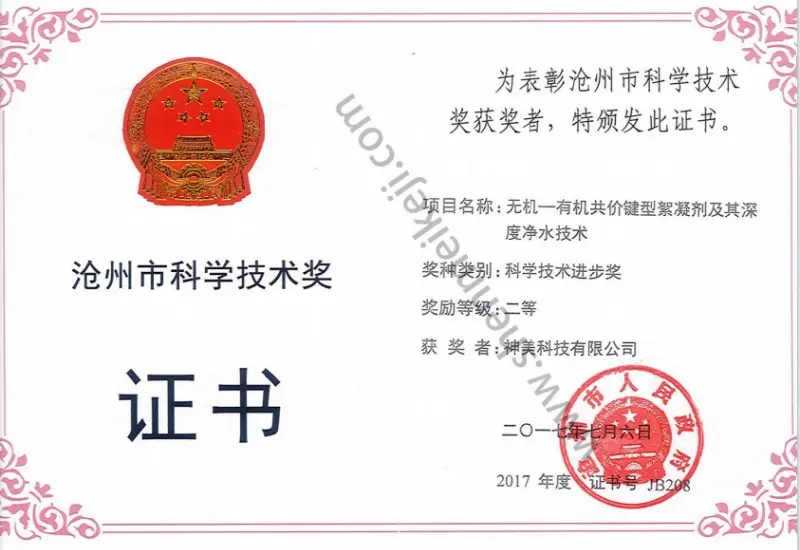
We hold over 60 Chinese patents, including more than 40 invention patents and 20 utility model patents. We have also drafted over 10 national and industry standards for composite carbon sources, coagulants, sodium acetate, and bacterial agents. Smedic technologies, such as our bio-enhanced denitrification carbon sources, have won accolades like the 22nd China Patent Award and the First Prize for Technological Invention from the China Petrochemical Industry Association.

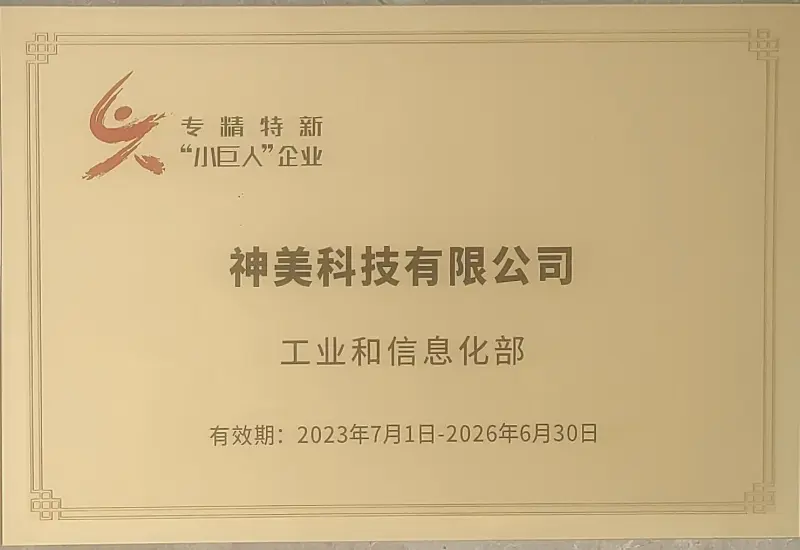
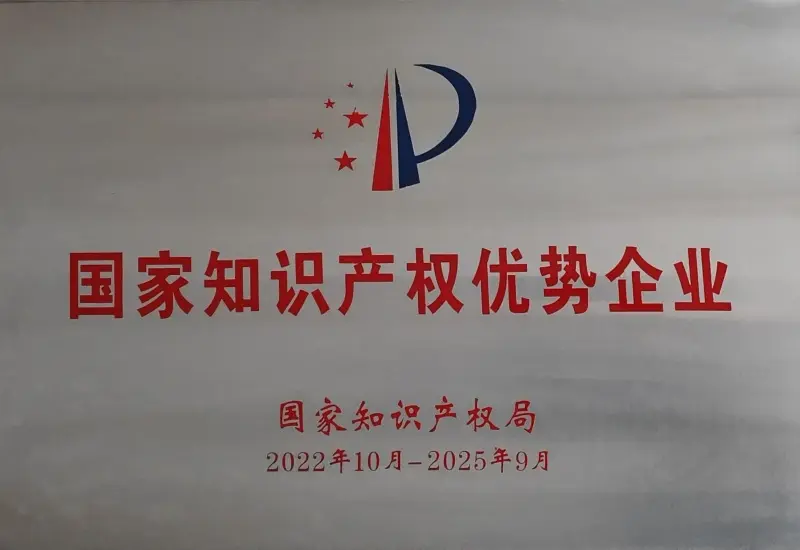
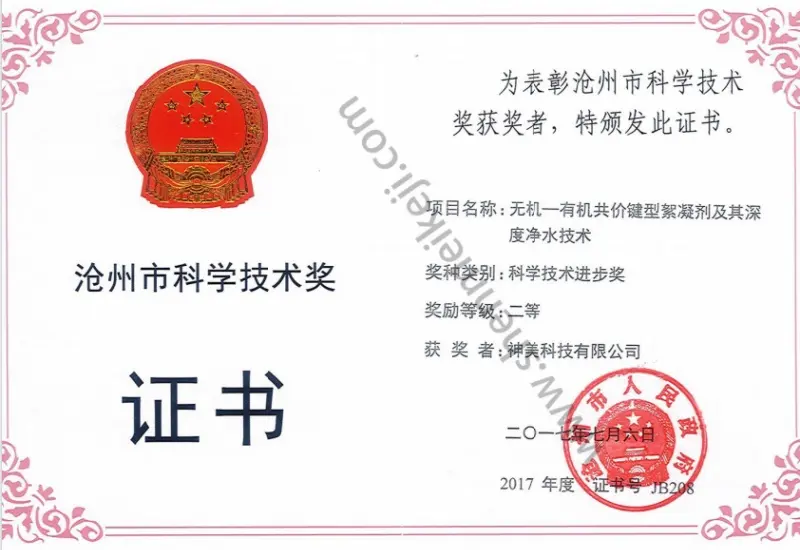
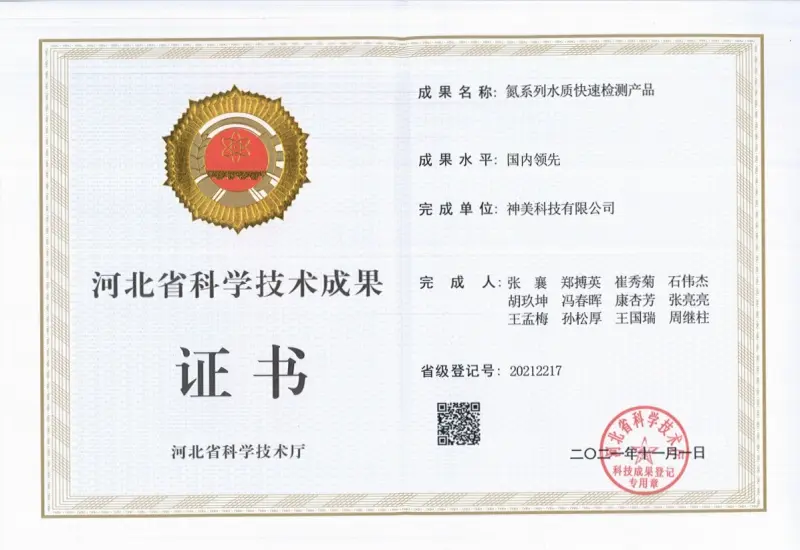
Providing verified chemical solutions for municipal and industrial utilities.
Smedic has been named the "Leading Brand of Advanced Wastewater Treatment Chemicals" and the "Most Valuable Water Treatment Chemicals Brand" by China Water Network and the E20 Environmental Platform for four consecutive years. These awards reflect our commitment to consistent quality, performance, and customer support.
Our industrial scale and technical support make Smedic a trusted partner for large water treatment and environmental utilities. We maintain long-term supply relationships and strategic partnerships with major water networks, including Shouchuang Ecological and Environmental Group, Yangtze River Ecological and Environmental Group, Beijing Enterprises Water Group, OriginWater, and China Water Environment Group.
A history of continuous product development, capacity expansion, and technical innovation.
Smedic Technology Co., Ltd. founded, targeting chemical agents for municipal wastewater applications.
Established a complete range of chemical agents for municipal wastewater plants.
Formally recognized as a National High-tech Enterprise, expanding our R&D team.
Opened a dedicated production base for water treatment agents in Guiyang.
Completed and expanded production hubs in Hebei, Shandong, and Guizhou, taking annual capacity past 1 million tons.
Named a National Specialized, Refined, Unique and Innovative Small and Medium-sized Enterprise.
Launched a provincial-level R&D technology commercialization platform in Hebei.
Recognized as a National Intellectual Property Advantage Enterprise with over 60 patents.
Established a joint venture with the Chengdu Institute of Mineral Comprehensive Utilization, China Geological Survey, to develop specialized mineral processing agents.
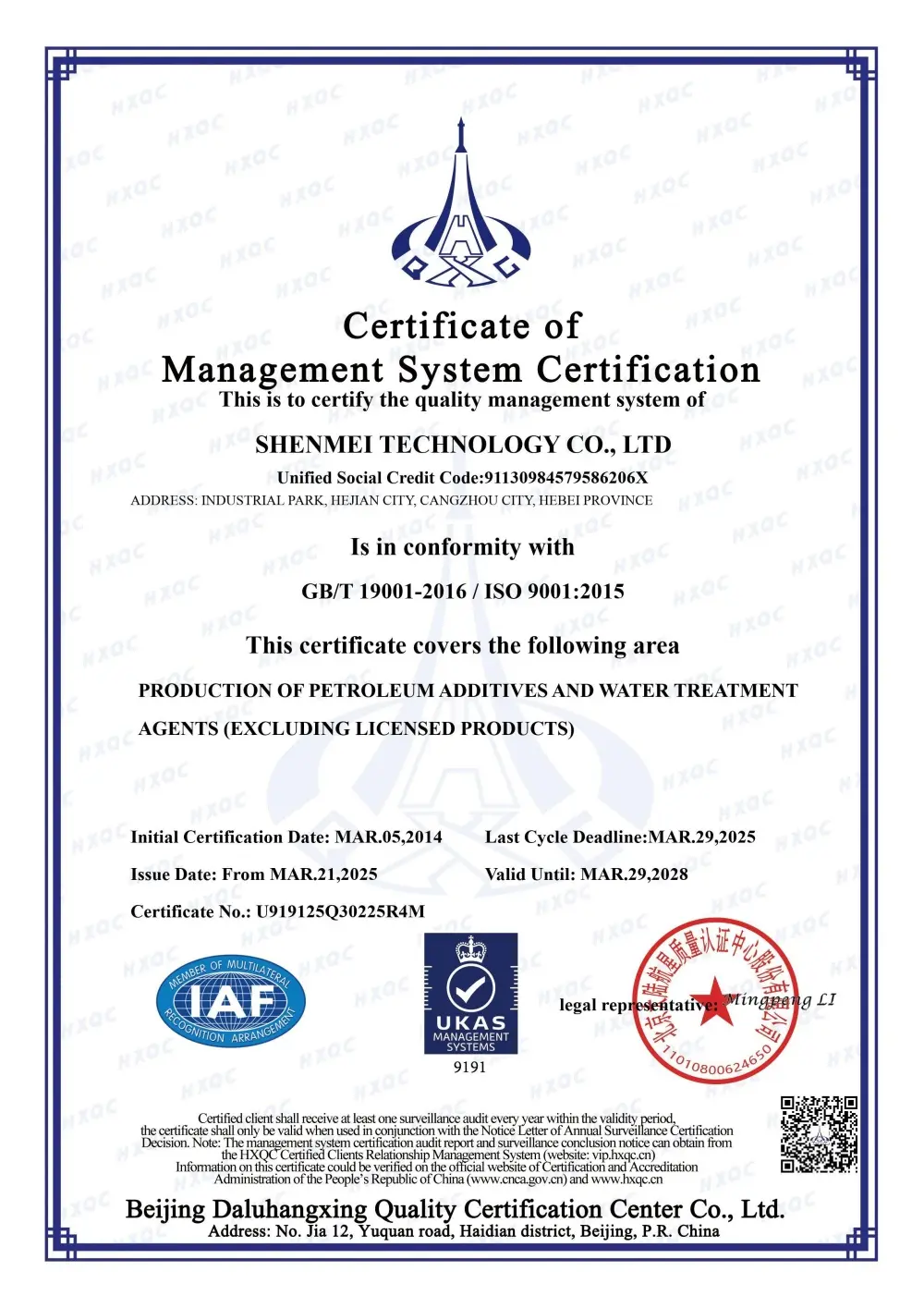
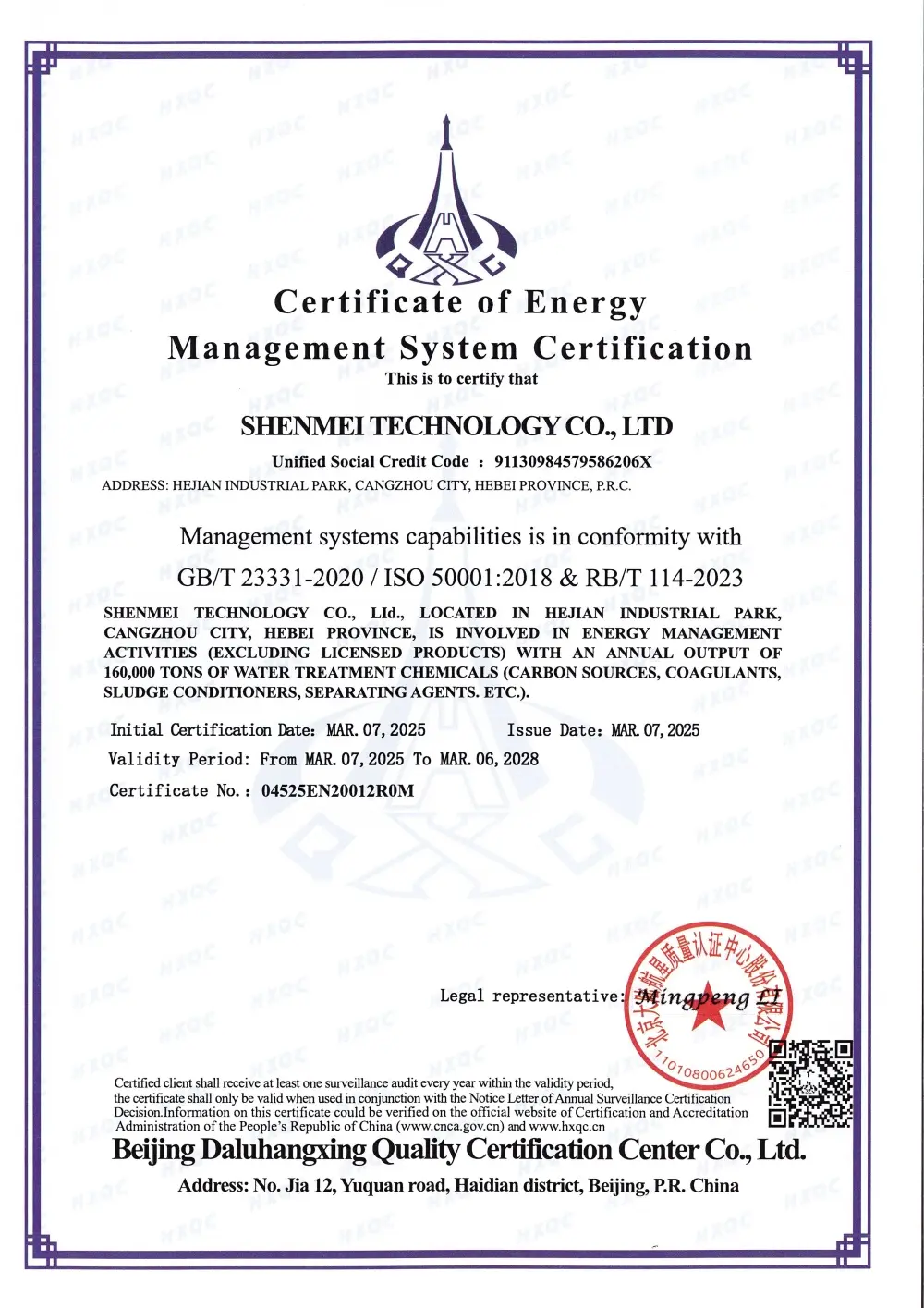
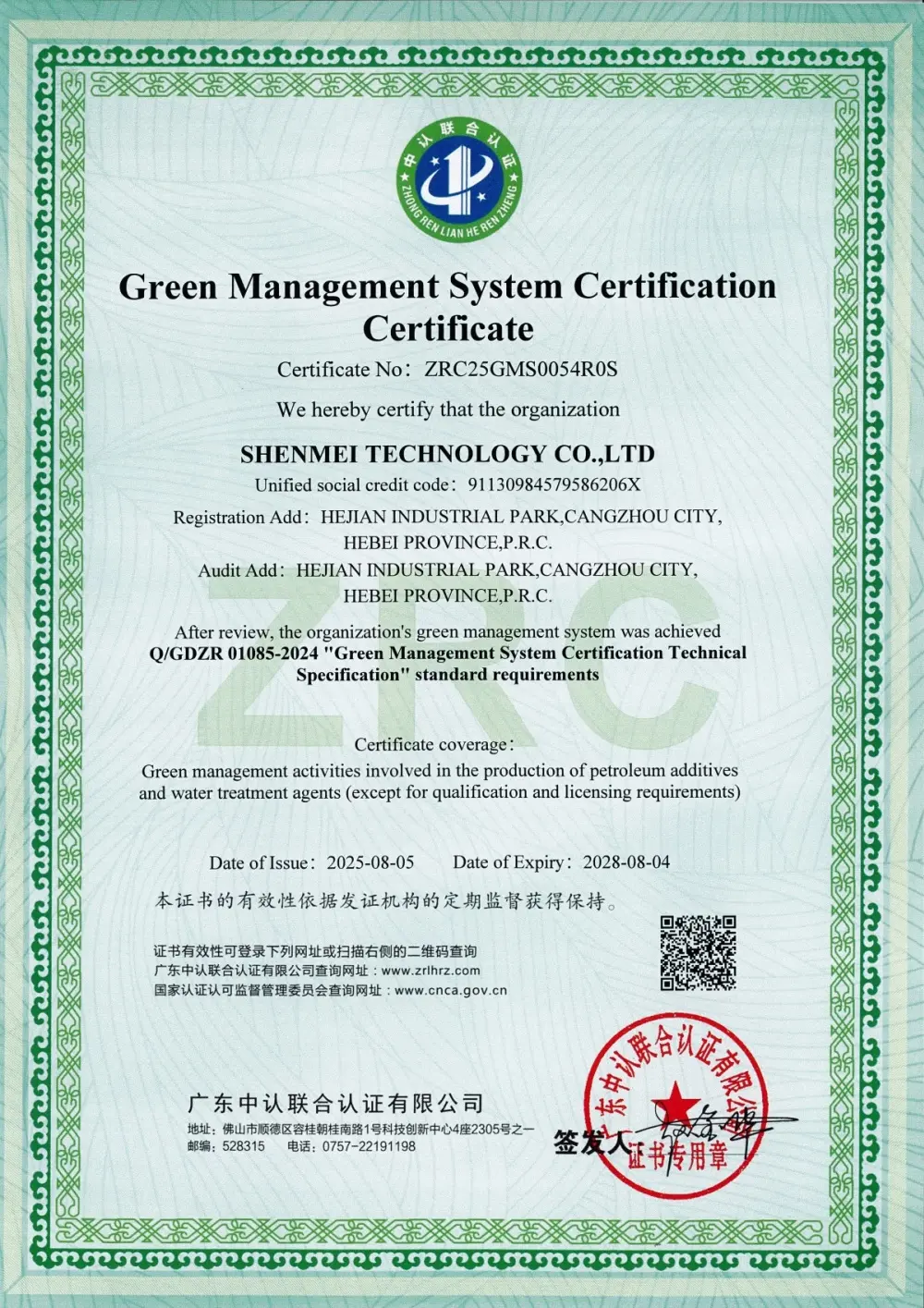
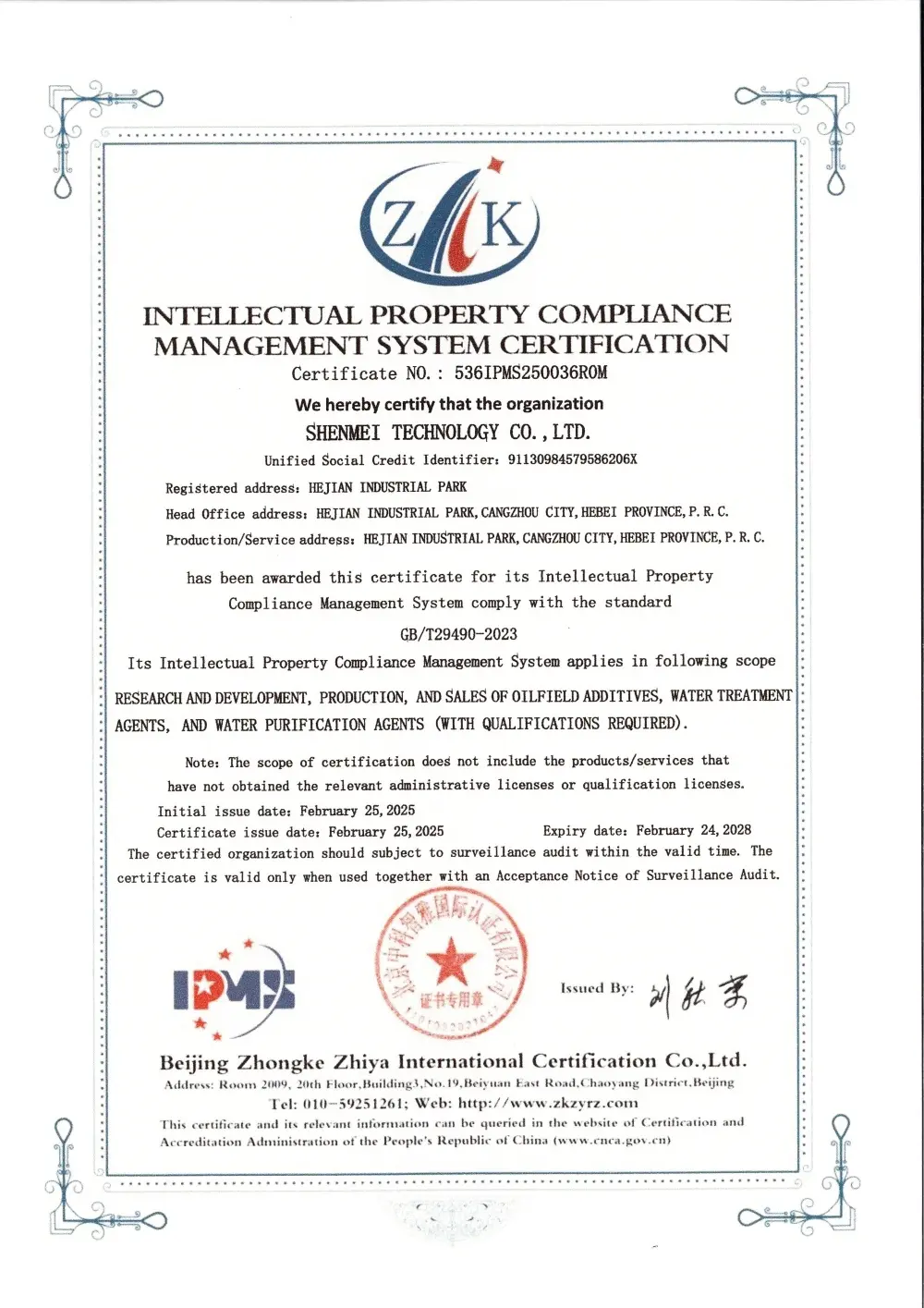
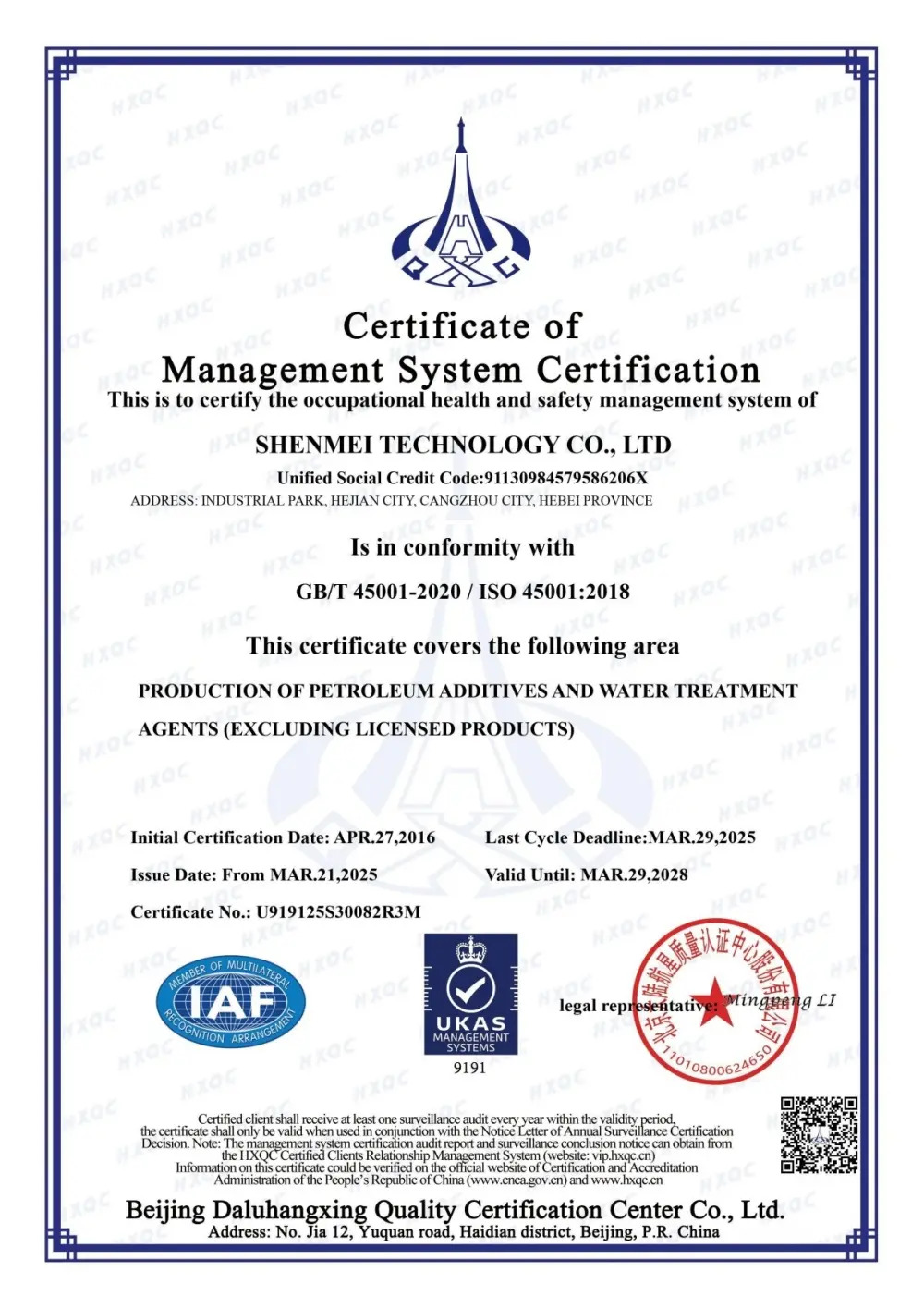
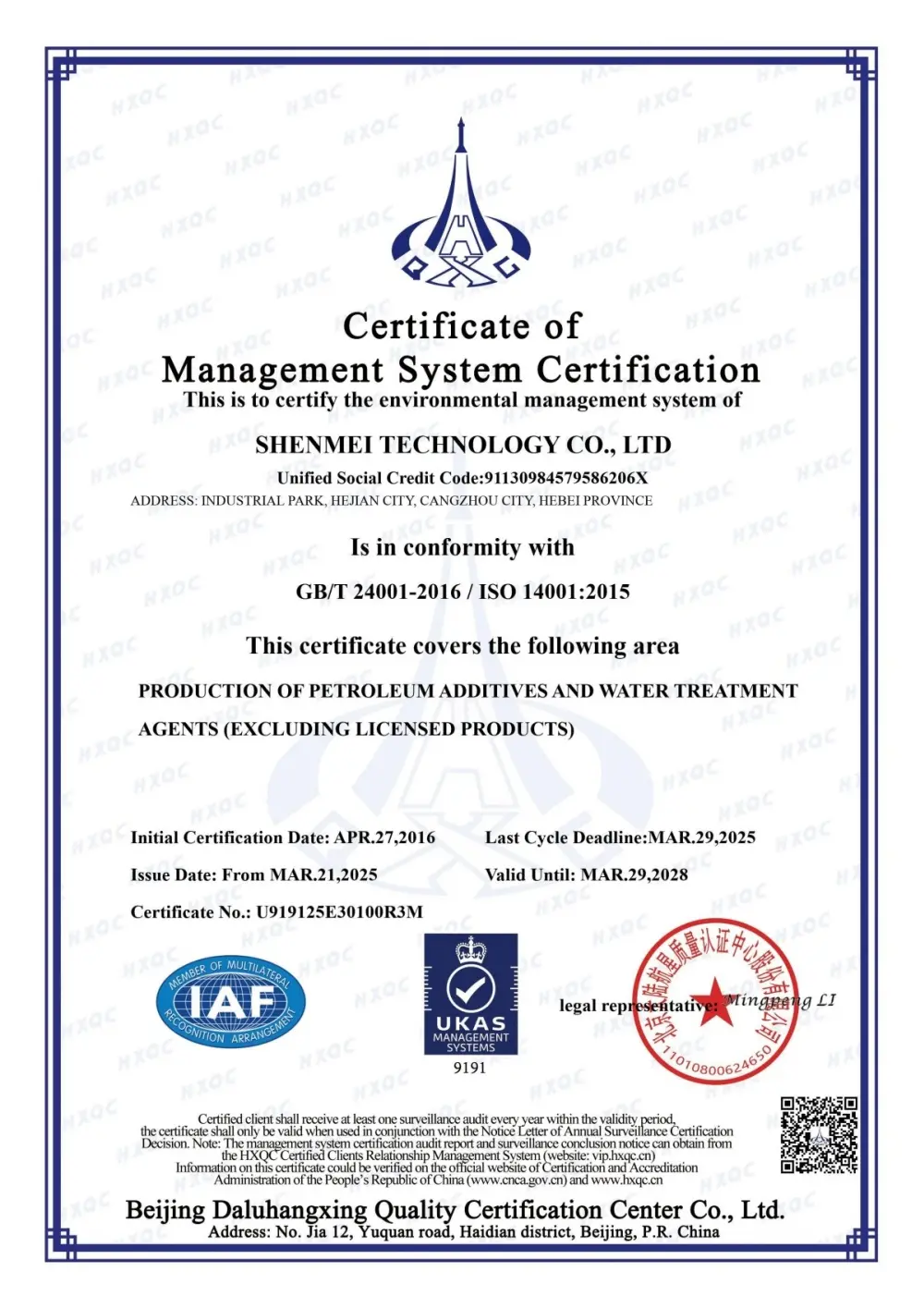
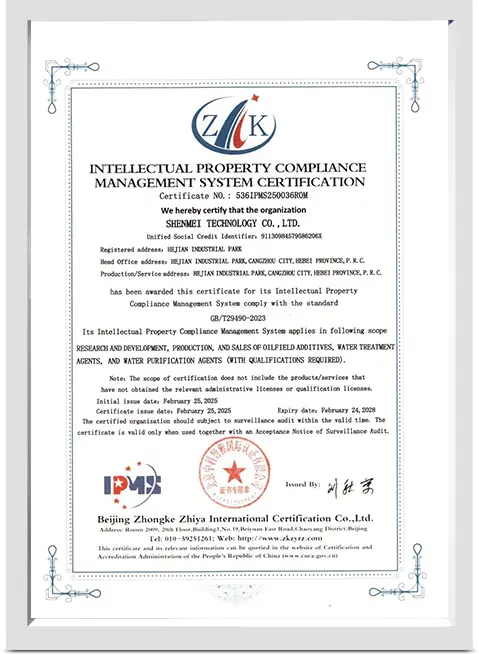
Certifications and patent awards supporting Smedic's material chemistry formulations.
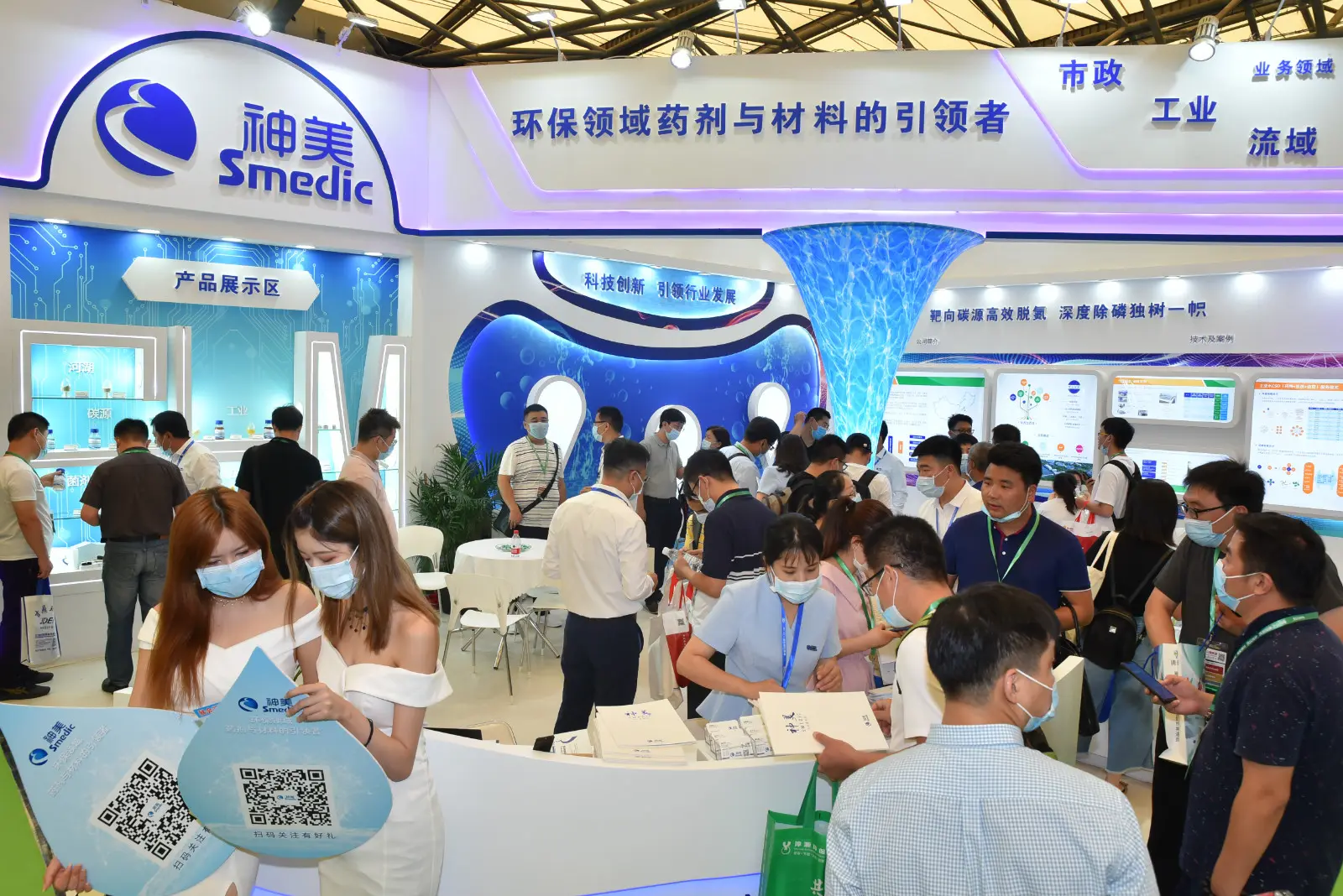
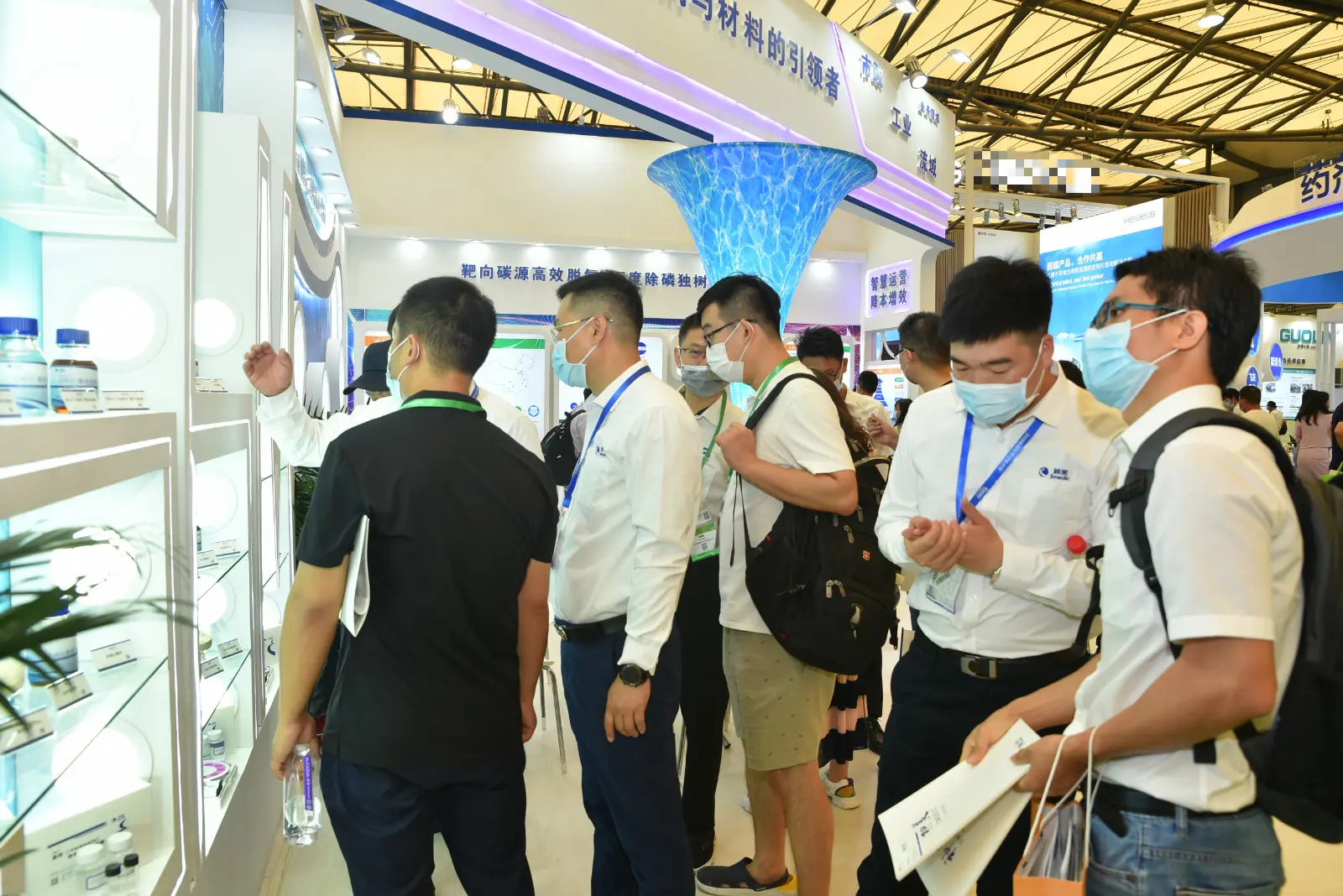
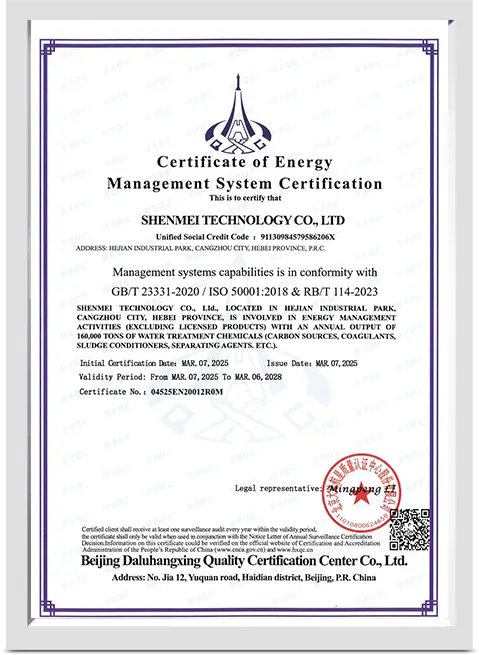
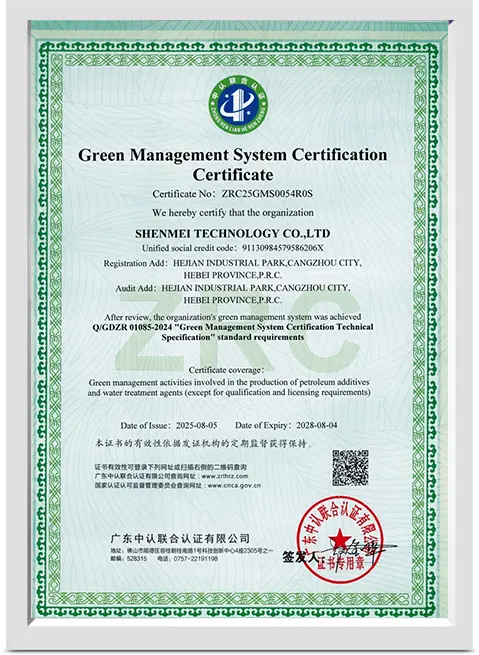
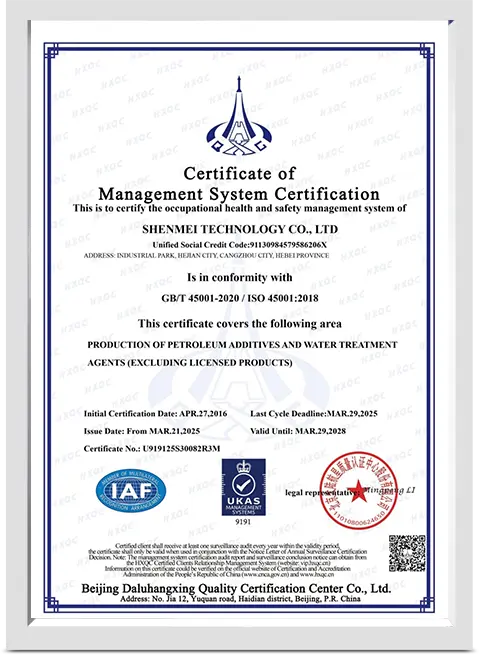
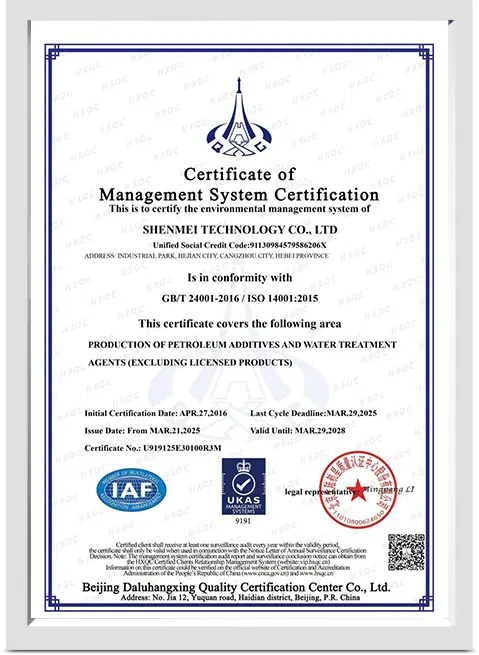
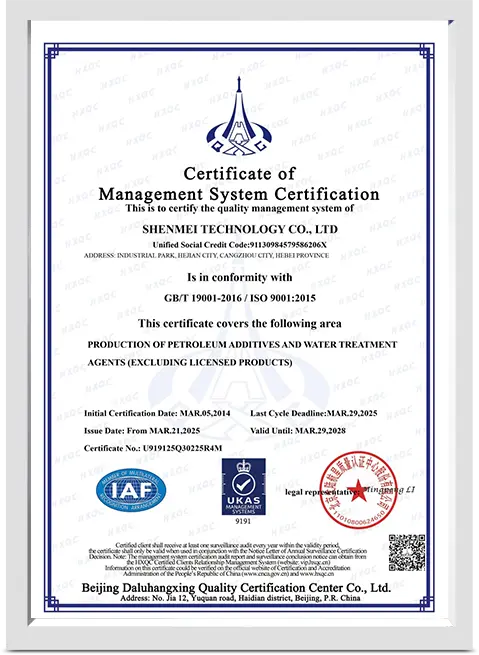
Tailored defoaming formulations designed to handle specific process chemistry and foam dynamics.
Aeration basins and biological reactors often generate high volumes of biological foam. This is typically caused by microbial activity, filamentous bacteria growth, or surfactant loads in incoming sewage. Using silicone defoamers in biological stages can sometimes coat bacteria and reduce oxygen transfer rates. Smedic addresses this with custom-formulated polyether polyol defoamers. These act as clean, cloud-point-activated foam controllers that break surface foam without disrupting biological processes, keeping municipal treatment plants operating reliably.
Effluents from chemical processing, oil refineries, and textile dye plants contain complex mixtures of synthetic emulsifiers and organic solvents, making foam highly stable and hard to control. For these environments, Smedic offers specialized organosilicone defoaming concentrates. These formulations are designed to resist extremes in pH, chemical exposure, and temperature, helping facilities maintain steady fluid dynamics and avoid hazardous foam overflows.
Black liquor recovery, chemical pulping, and paper machine white-water loops run at high speeds, which can easily draw air into the slurry. Traditional defoamers can leave deposits on paper machines, causing sheet breaks or product defects. Smedic's mineral oil defoamers and modified polyether solutions disperse quickly in high-shear environments. They eliminate micro-bubbles and entrained air, helping pulp and paper mills run more efficiently.
Flotation separation processes rely on selective foaming to concentrate valuable minerals. However, excessive or carryover foam in thickening tanks and tailing ponds slows down water reclamation and handling. Developed in partnership with the Chengdu Institute of Mineral Comprehensive Utilization, Smedic's mineral-specific defoaming agents break stubborn collector and frother residues. This enables rapid solids sedimentation and faster water recycling.
Driving the next generation of eco-friendly, bio-based, and intelligent foam control chemistry.
Modern regulatory policies like the EU's REACH standards and China's environmental compliance laws require chemical manufacturers to prioritize safety and sustainability. Smedic's engineering roadmap centers on three main development goals: high biodegradability, zero VOC emissions, and smart dosing integration.
To reduce environmental impact, Smedic is researching bio-based defoamers made from renewable plant-derived lipids and natural seed oils. These formulations aim to deliver the rapid foam knockdown of mineral oils while breaking down quickly and naturally in aquatic systems, avoiding chemical accumulation in soil and water.
At the same time, Smedic is developing smart dosing systems. By pairing inline optical sensors and foaming detectors with automated dosing pumps, our systems adjust chemical feed rates in real time based on active foam heights. This prevents over-dosing, lowers operating costs, and ensures stable, reliable foam control across changing processing conditions.
Expert answers regarding chemical selectability, dosage calculations, and system compatibility.
Silicone defoamers utilize silicone oils (like PDMS) and silica particles to offer rapid foam knockdown at very low addition rates, making them ideal for heavy industrial wastewater and chemical manufacturing. Polyether defoamers, made from EO/PO block copolymers, rely on temperature-dependent cloud points. They disperse cleanly without leaving residues, which prevents membrane fouling in biological treatment steps and RO systems.
Excessive use of silicone-based defoamers can create a thin hydrophobic film at the air-water interface, which may slightly reduce the oxygen transfer rate (OTR) in aeration tanks. To prevent this, Smedic designs biodegradable polyether formulations. These break foam on the surface and then dissolve safely into the water phase, preserving oxygen transfer and biological treatment performance.
Dosage levels depend on the water chemistry, foam stability, and system configuration. In general, active concentration requirements range from 10 to 150 ppm (parts per million), which is roughly 10 to 150 grams of agent per ton of wastewater. Our technical engineers perform on-site jar tests to determine the optimal dosage point for your specific water parameters.
Yes, we offer specific food-grade silicone emulsions and specialized polyether compounds that comply with international regulatory standards for indirect drinking water contact. These agents undergo strict quality control tests to verify purity and safety for public water treatment systems.
Comprehensive environmental chemicals formulated to meet specific municipal and industrial process needs.
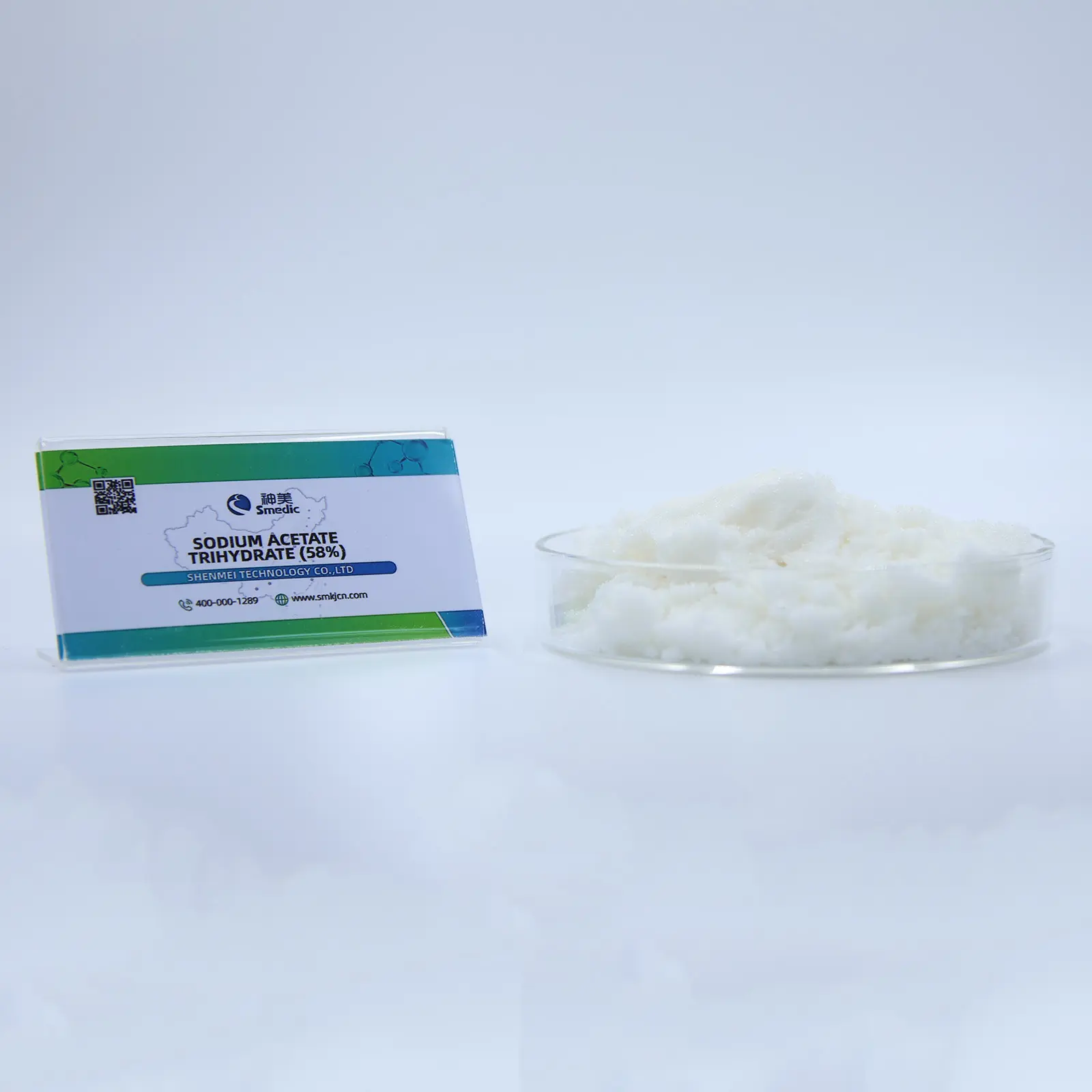
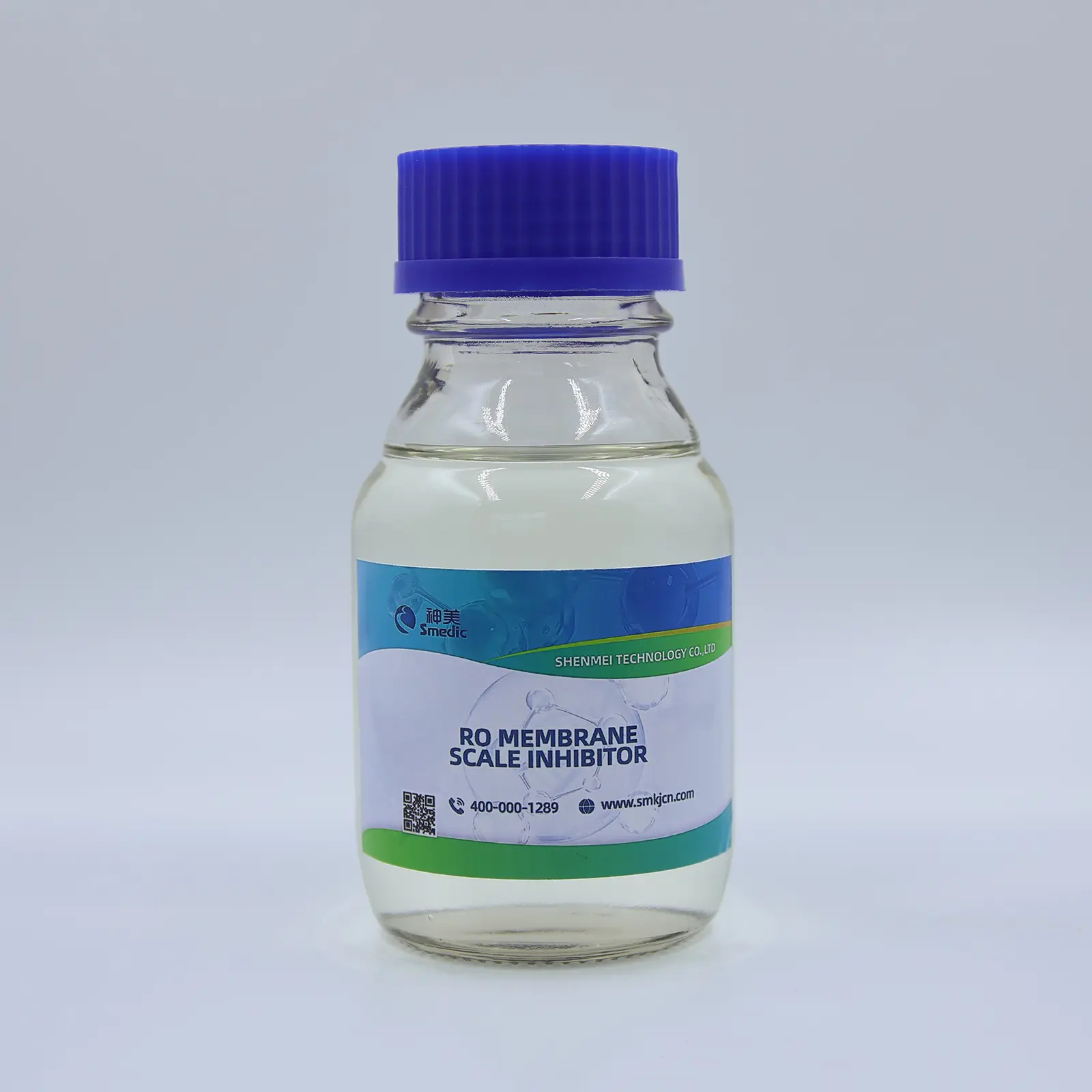
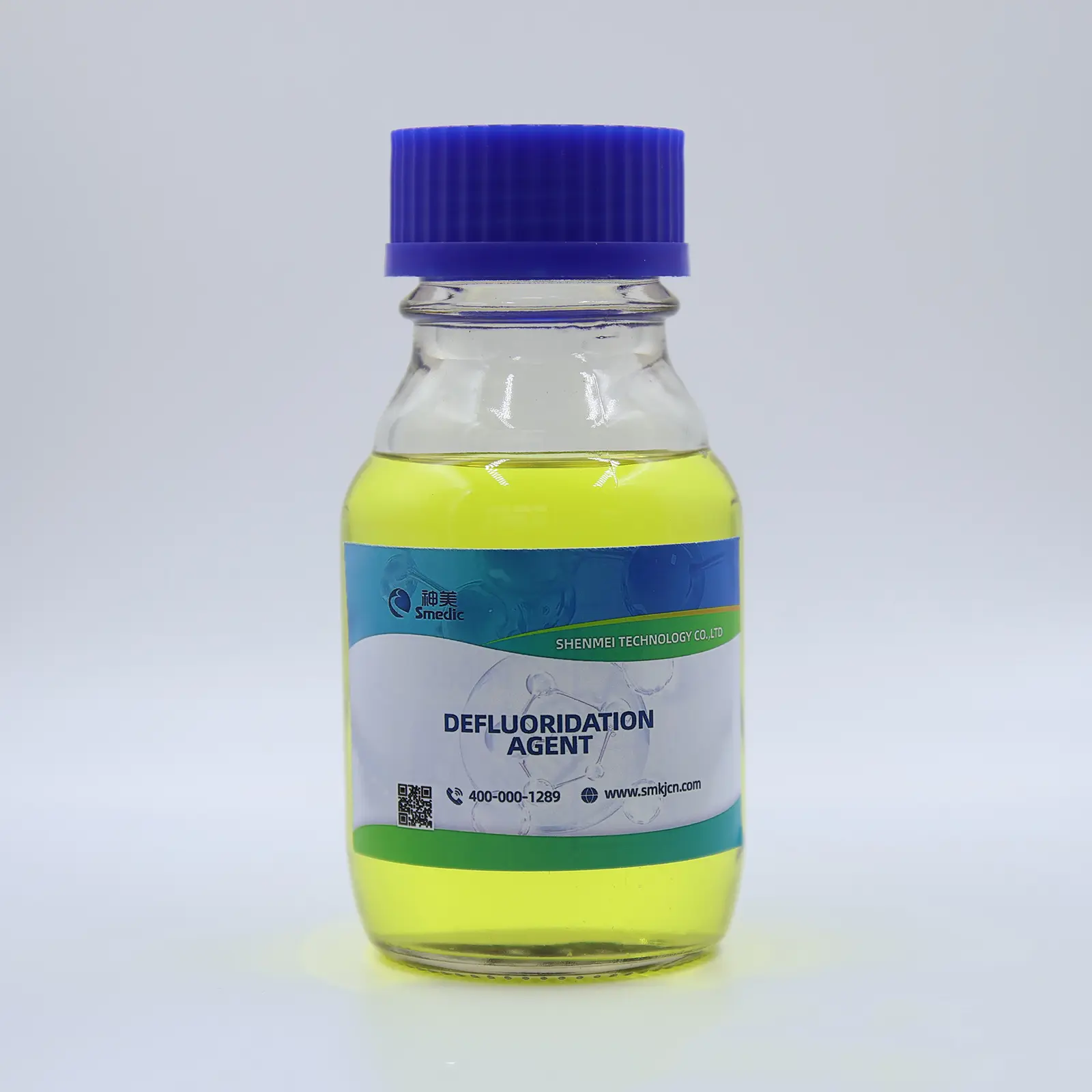
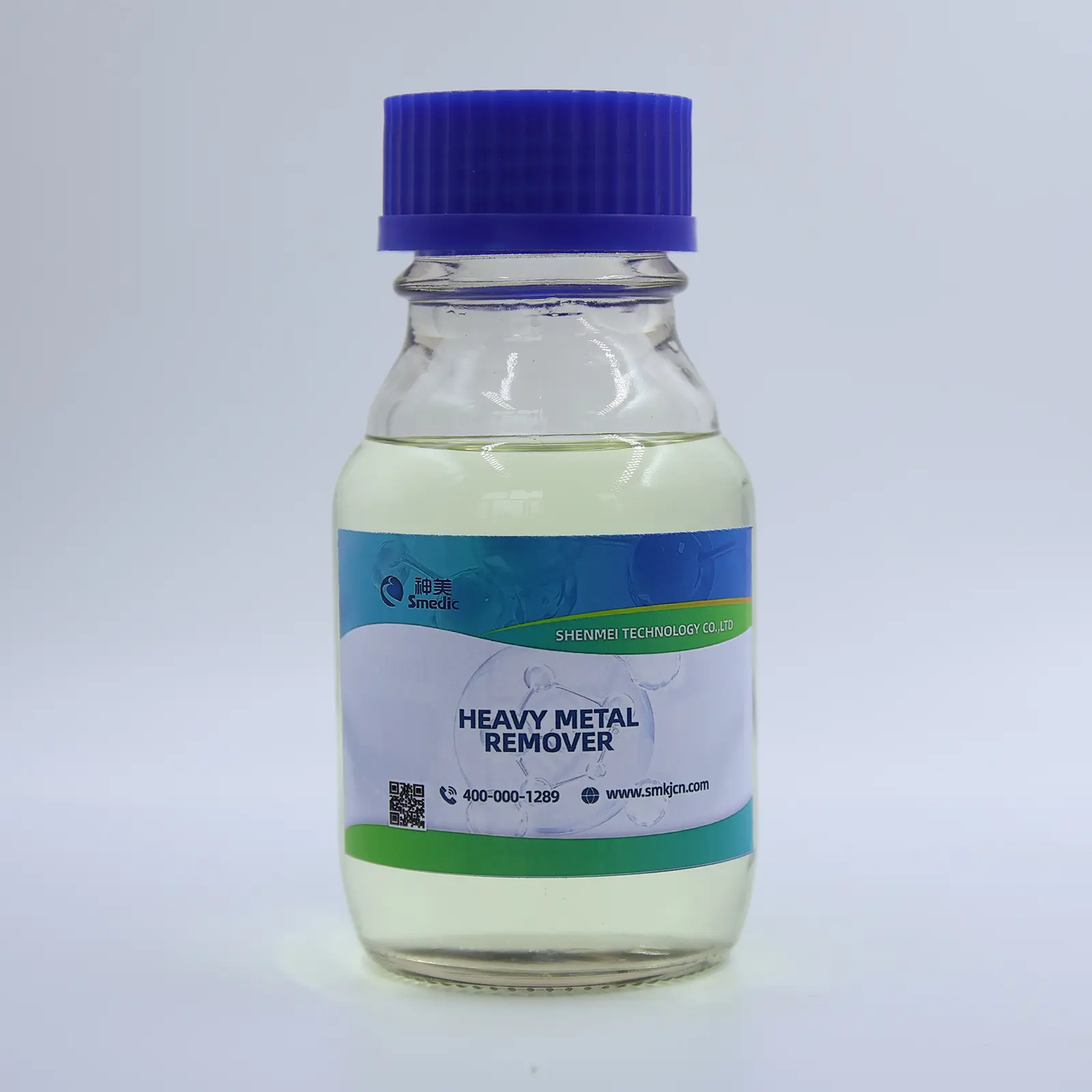
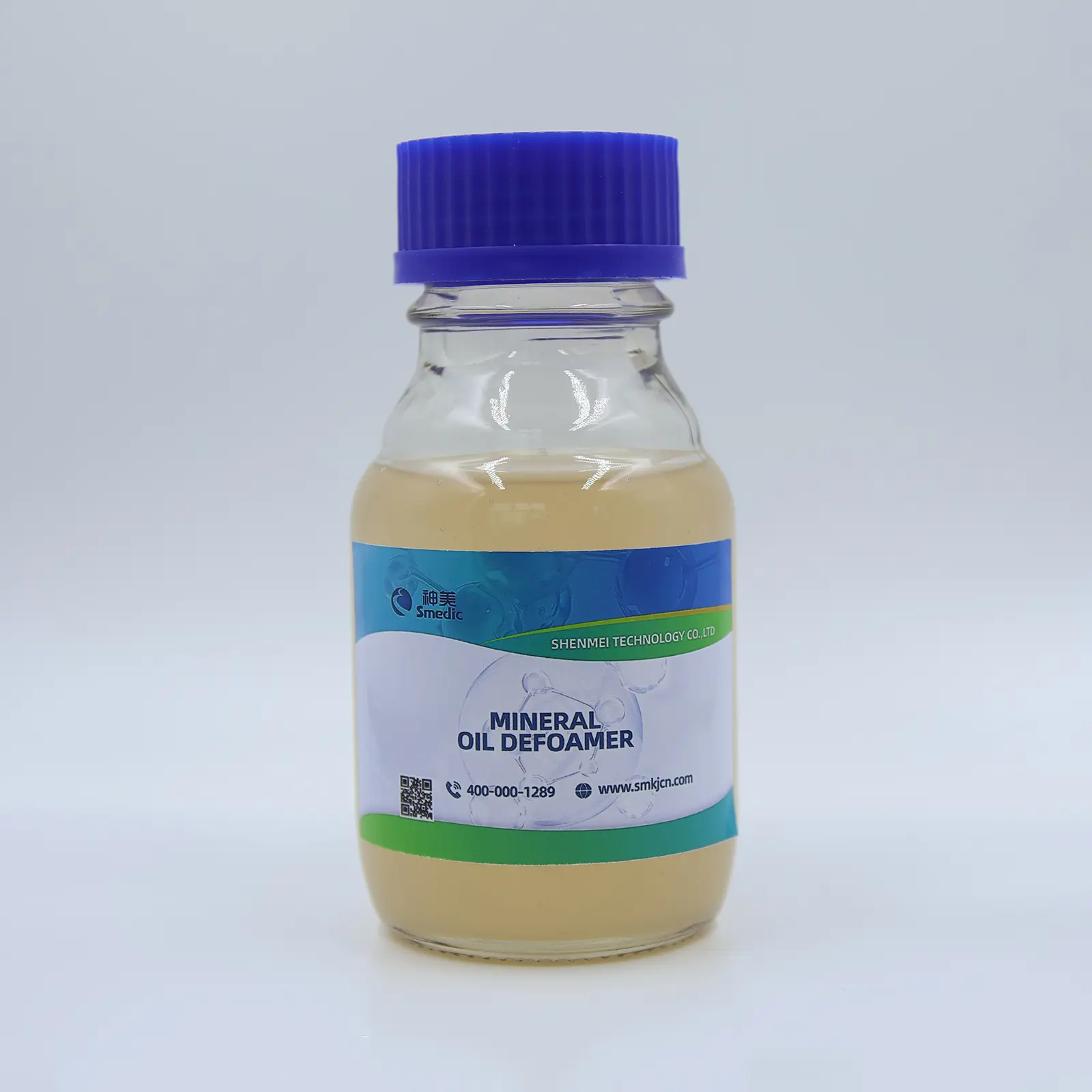
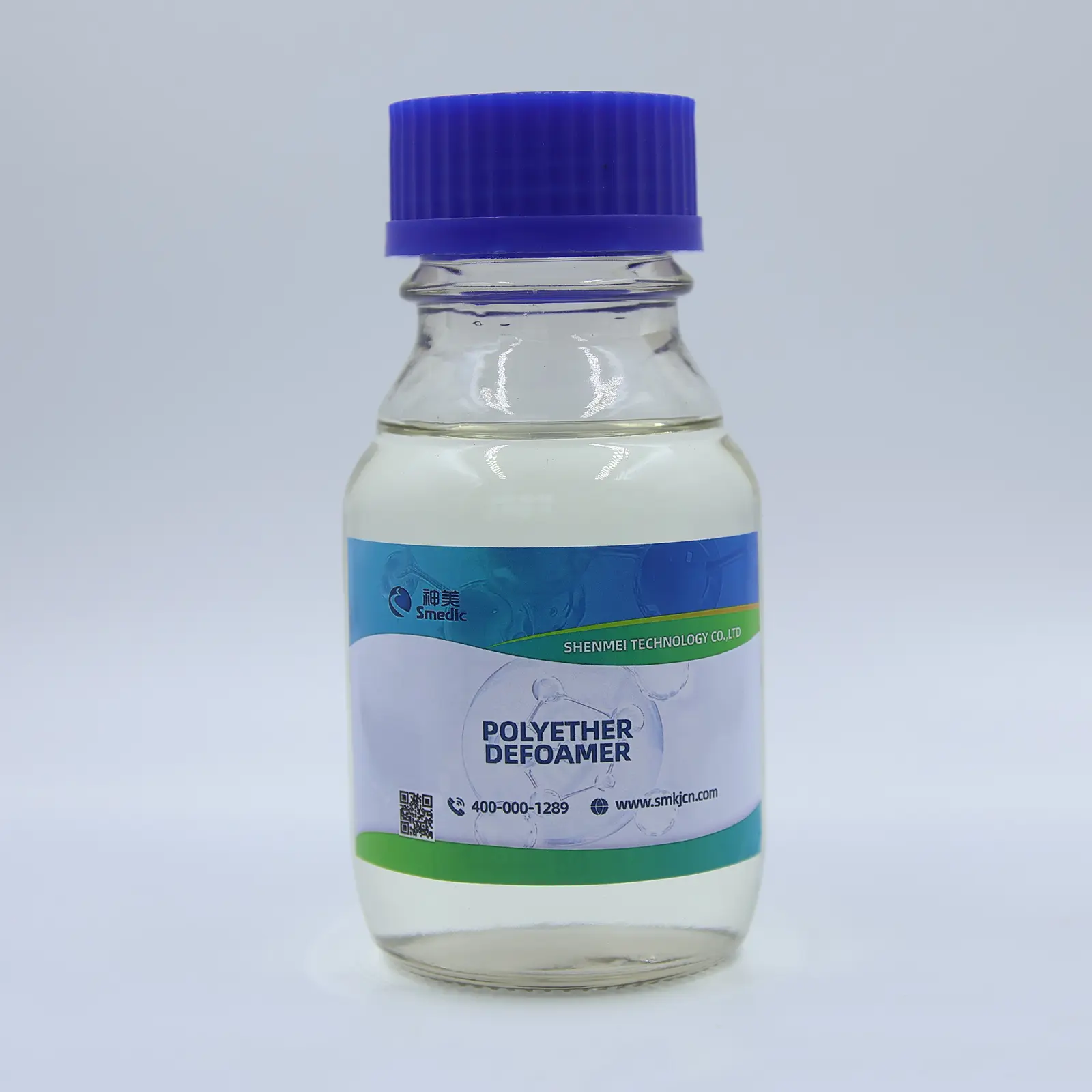
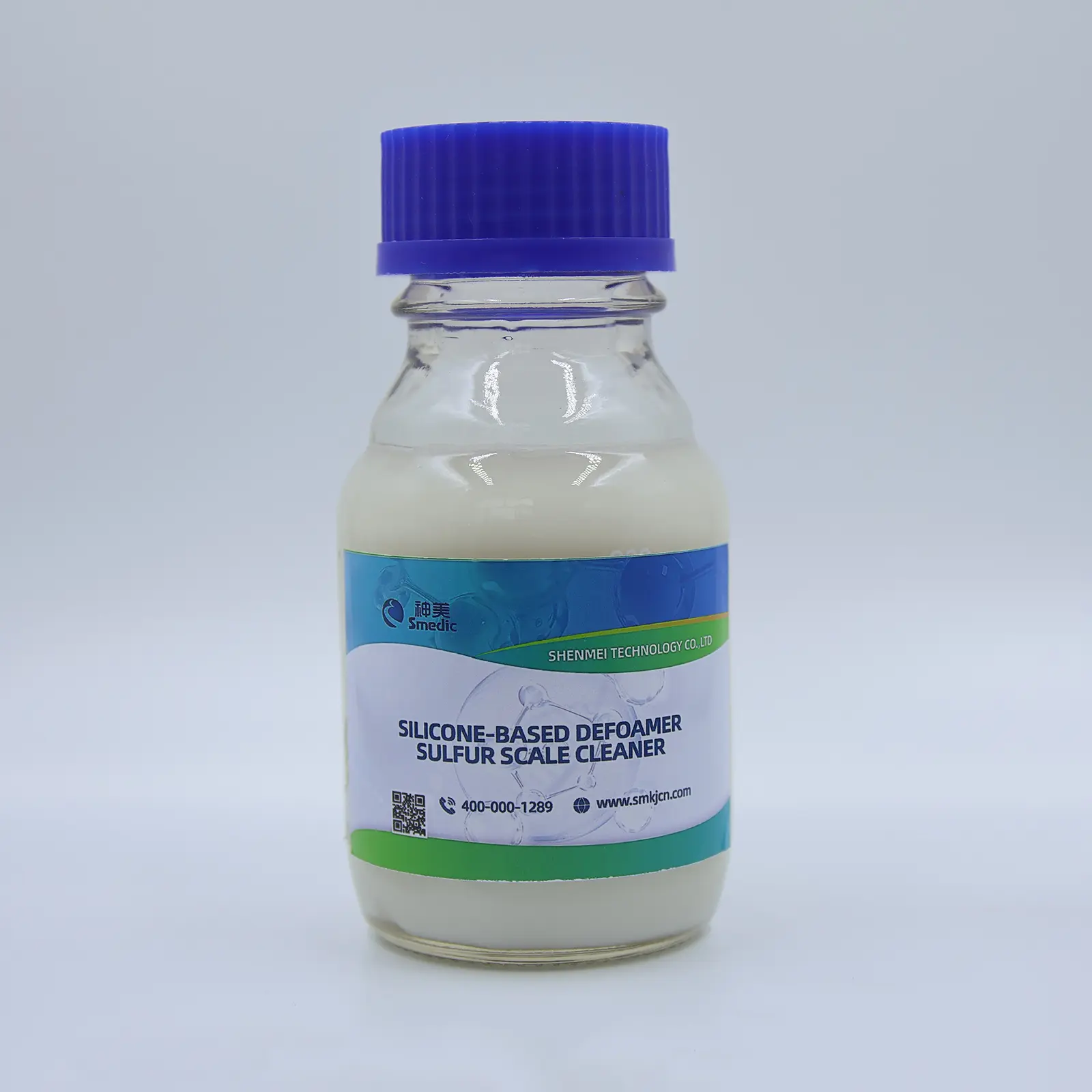
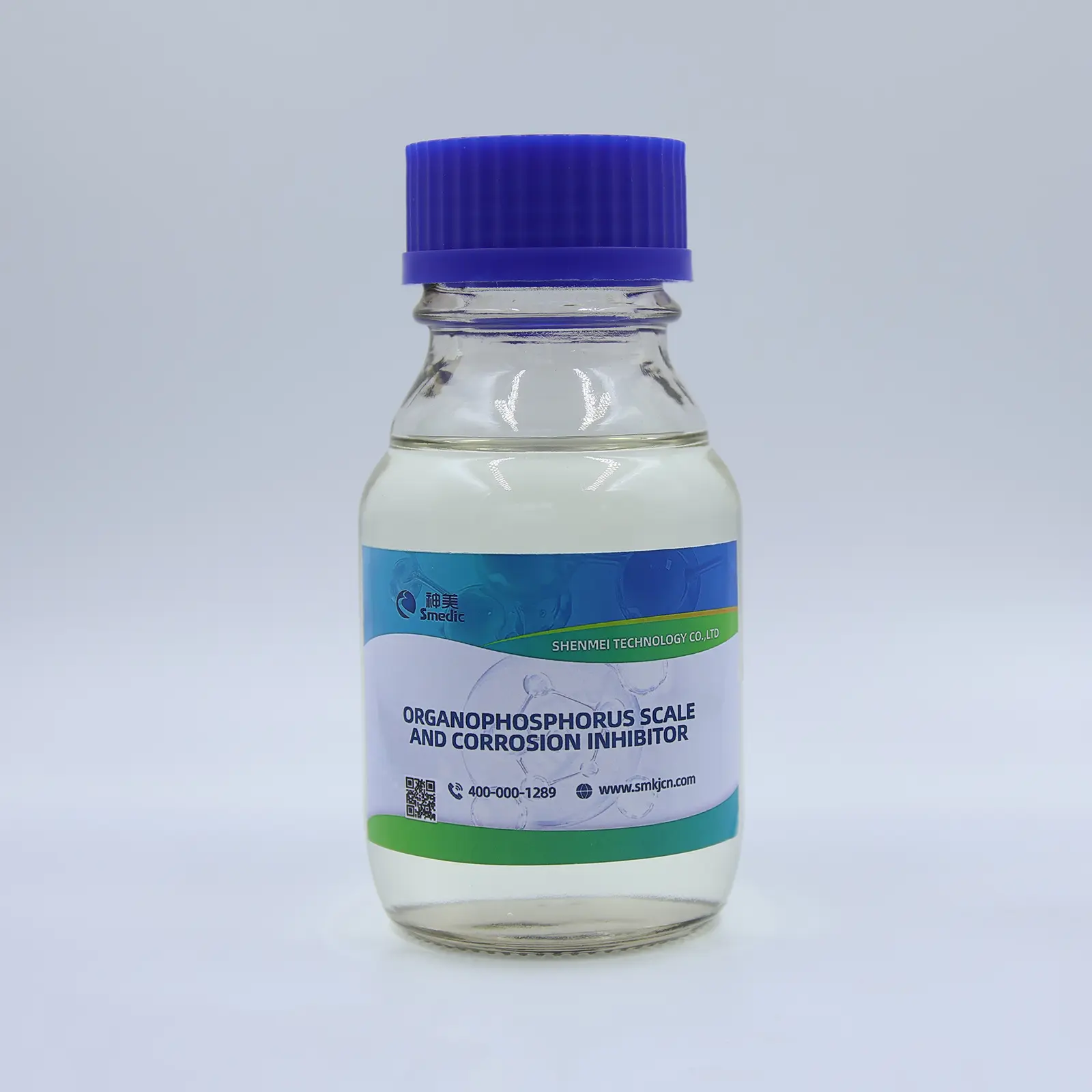
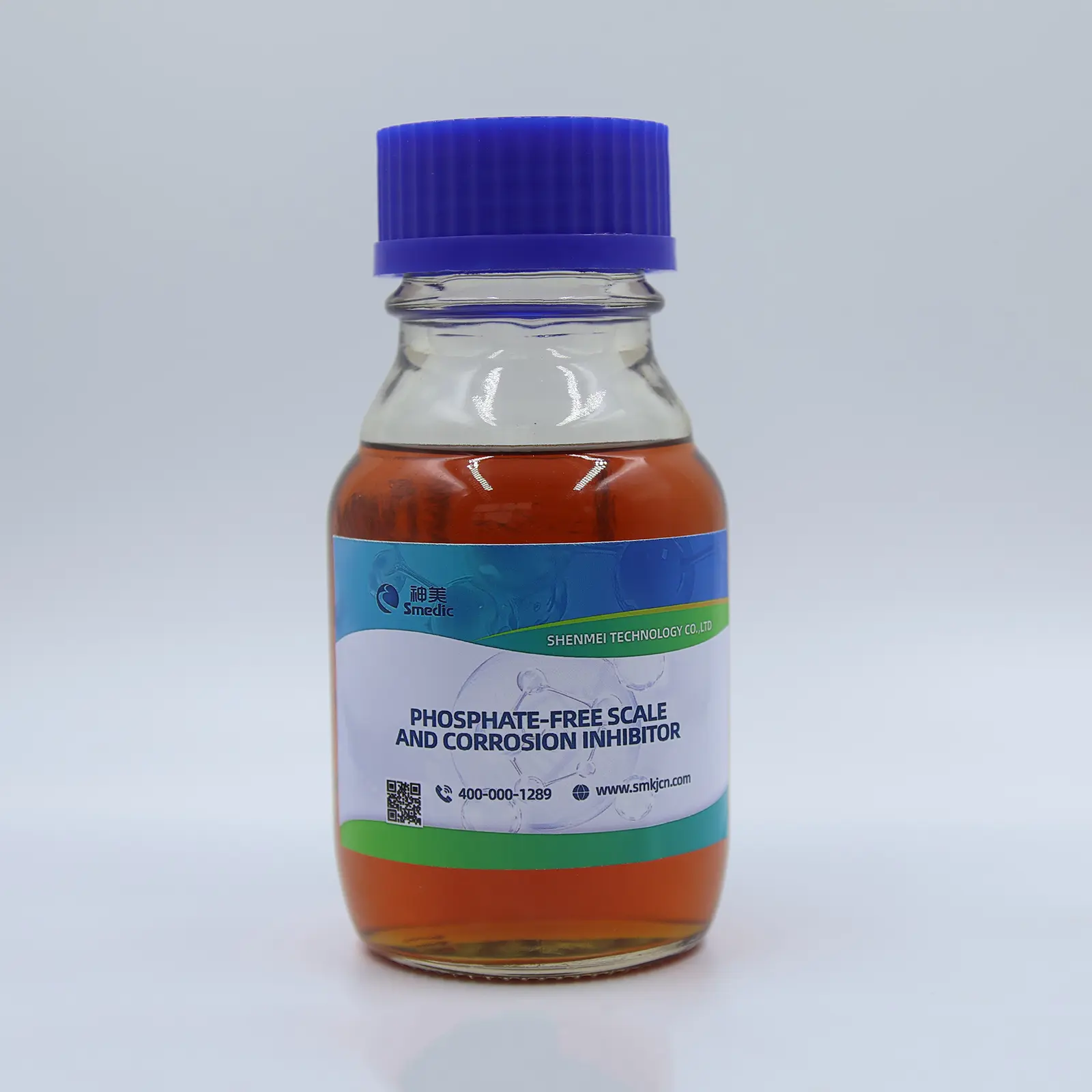
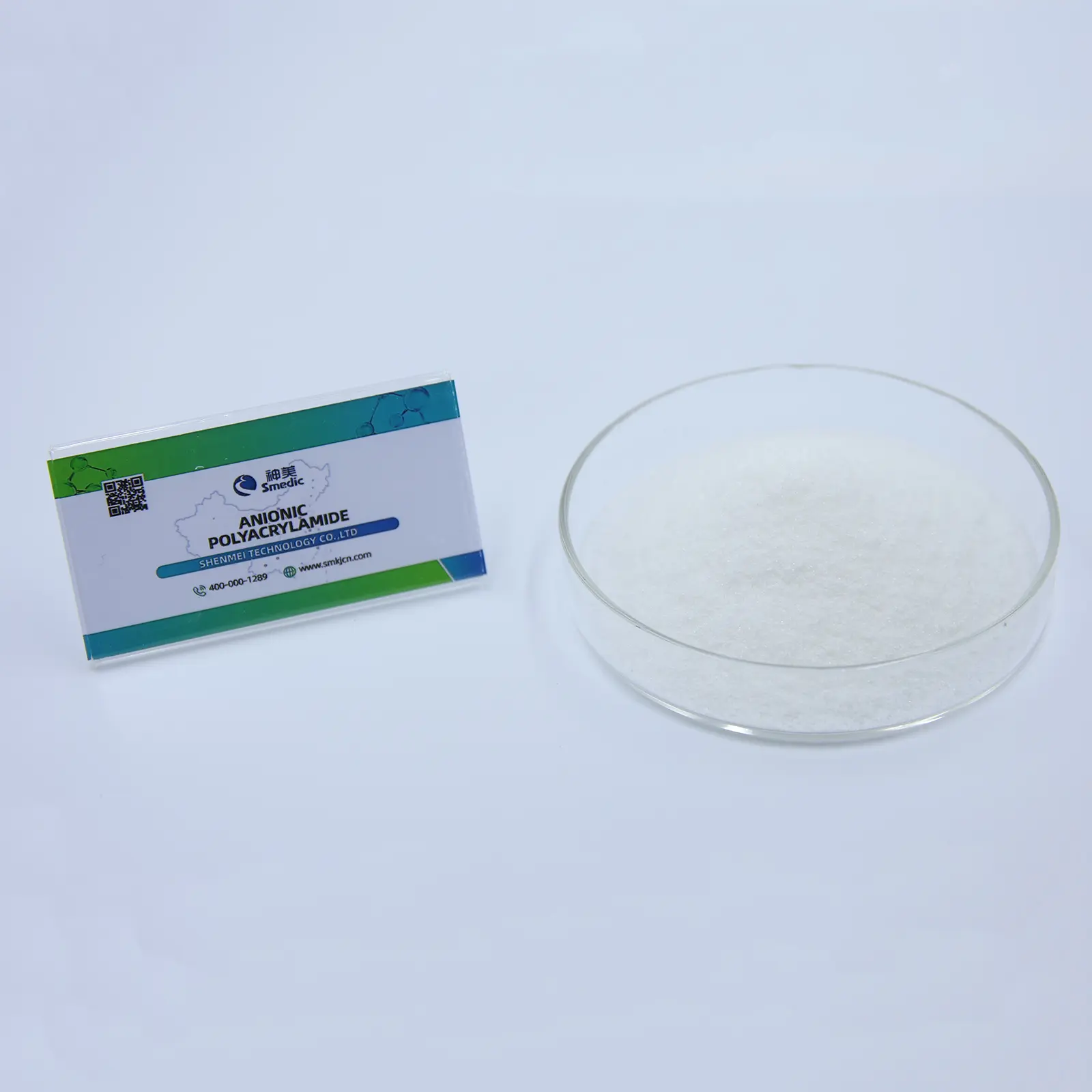
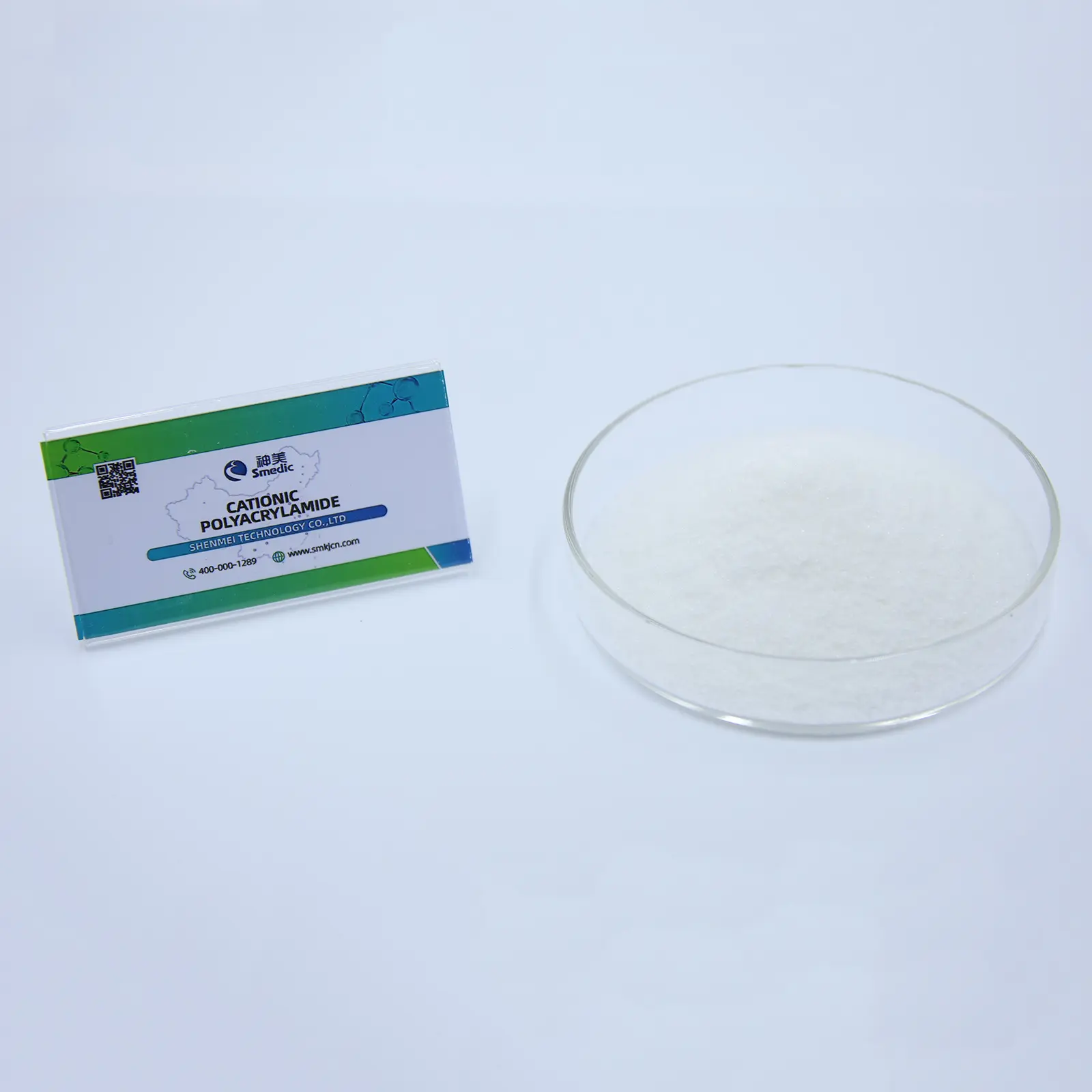
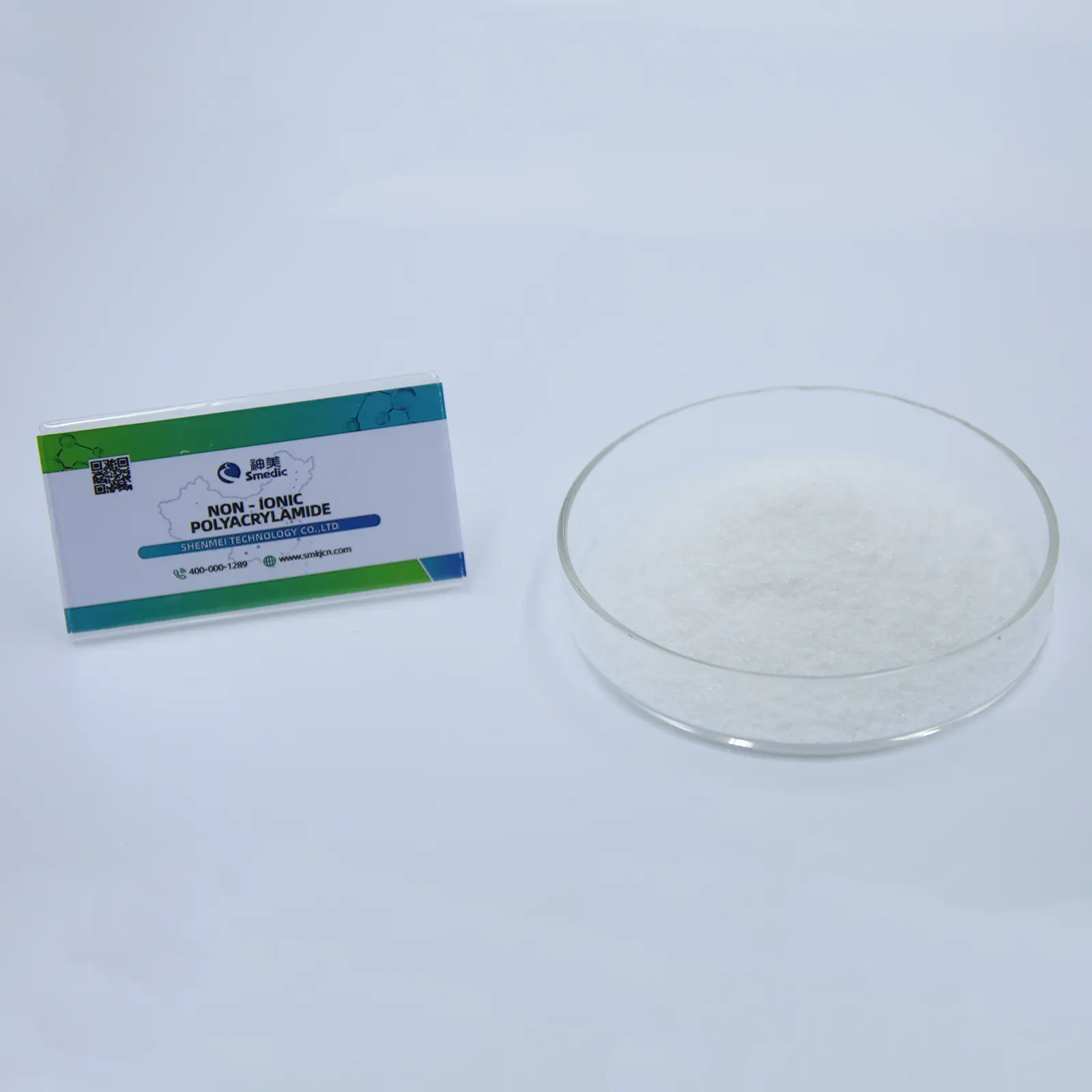
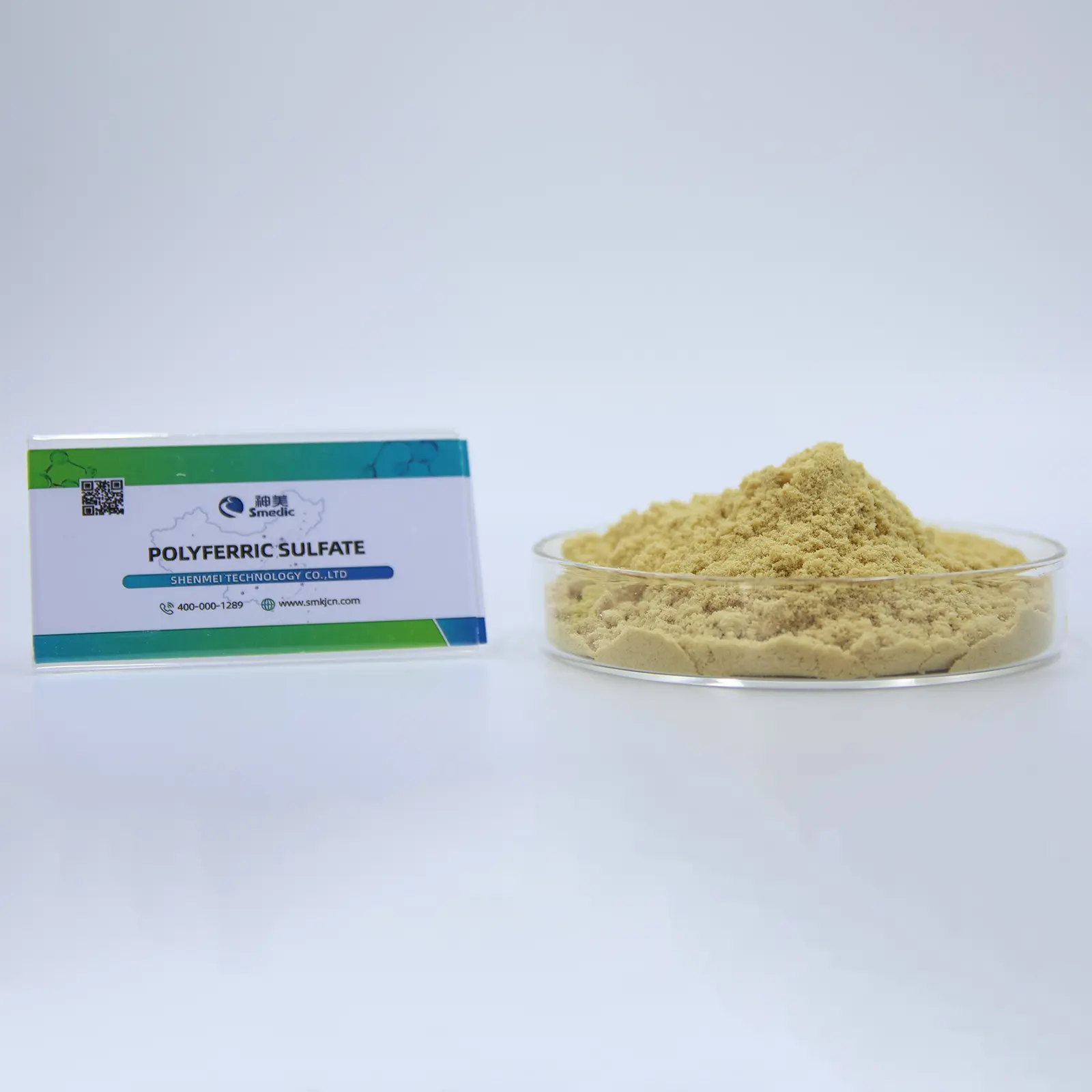
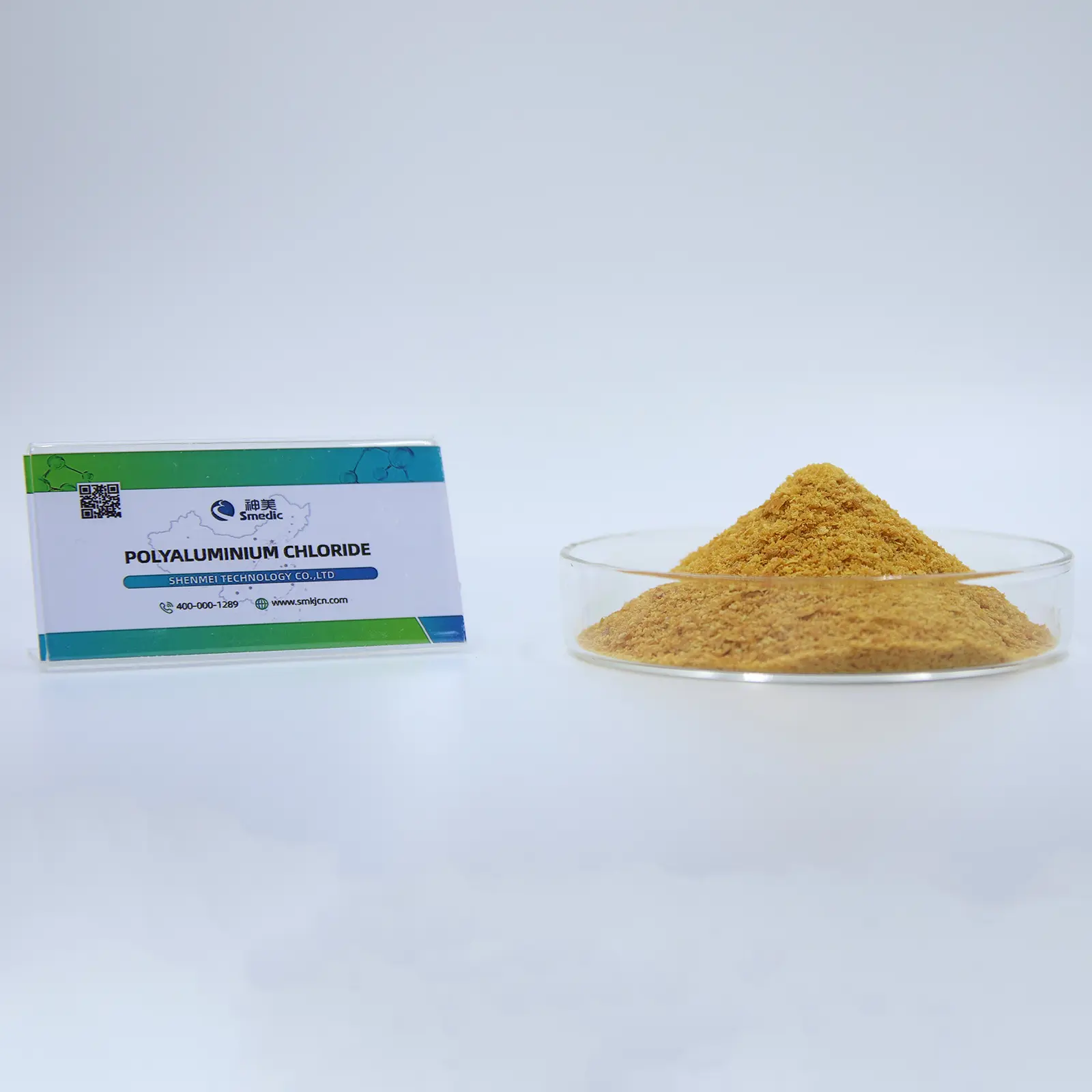
Premium flocculating polymers, scale inhibitors, and mineral oil agents for process water optimization.
 Smedic Tech