Explore our industrial-grade scale inhibitors, heavy metal precipitants, fluoride removers, defoamers, and flocculants engineered for strict compliance.
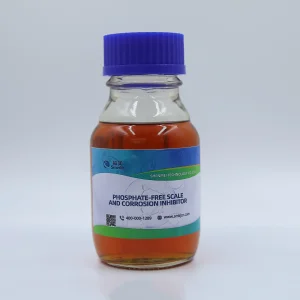
Eco-Friendly cooling water formulation protecting piping infrastructure.
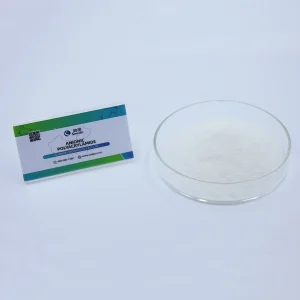
High-MW polymers for rapid sedimentation and sludge dewatering.
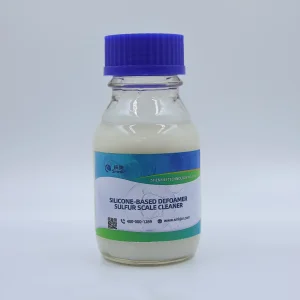
Eliminates persistent foam in municipal and aeration systems.
Custom molecular weight flocculants for mineral processing slurry.
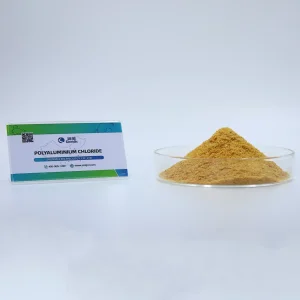
Highly charged inorganic coagulant for industrial purification.
Premium formulation designed for extreme pH and high-salinity.
Advanced corrosion mitigation matching modern eco-standards.
Rapid defoaming capability with long-term performance stability.
Strategic perspectives on current industrial water requirements, regulatory pressure, and the transition to Zero Liquid Discharge (ZLD) paradigms.
Worldwide, the demand for clean water has shifted from a basic utility issue to a critical, boardroom-level risk management concern. Industrial expansion across continents, combined with the rapid urbanization of major economies, is placing unprecedented stress on existing hydrological cycles. Environmental regulations such as the United States' Clean Water Act, the European Union's Water Framework Directive, and China's comprehensive Action Plan for Prevention and Control of Water Pollution have collectively raised the standards for effluent discharge parameters. Industrial operators are no longer merely tasked with settling visible solids; they must resolve chemical complexities including dissolved recalcitrant organics, heavy metal ions, excess fluorides, toxic phosphorus deposits, and complex nitrogen species.
Within this regulatory atmosphere, Zero Liquid Discharge (ZLD) technologies have emerged as the gold standard for global enterprises operating in mining, petrochemicals, power generation, textiles, and microelectronics. ZLD systems demand a highly integrated process layout, wherein raw industrial wastewater undergoes preliminary coagulation, primary flocculation, chemical softening, and selective ion precipitation before reaching advanced membrane systems (like Reverse Osmosis) and ultimate thermal crystallizers. Achieving cost-effective operation under ZLD relies heavily on targeted chemical treatments. Without high-purity coagulants, scale inhibitors, and defoamers, membrane filtration elements fail rapidly due to fouling, leading to costly facility downtime and maintenance overheads.
For international sourcing directors and plant engineers, navigating chemical procurement involves selecting partners capable of offering consistent chemical formulations that perform reliably under varying thermodynamic and process conditions. The strategic choice of a supplier is directly tied to the operation's capability to comply with environmental discharge criteria. Consequently, sourcing specialized water treatment agents from advanced manufacturing corridors like China has become a core strategy for modern industrial organizations worldwide.
Delivering unmatched volume, consistent quality, and a highly optimized national logistics and warehousing footprint.
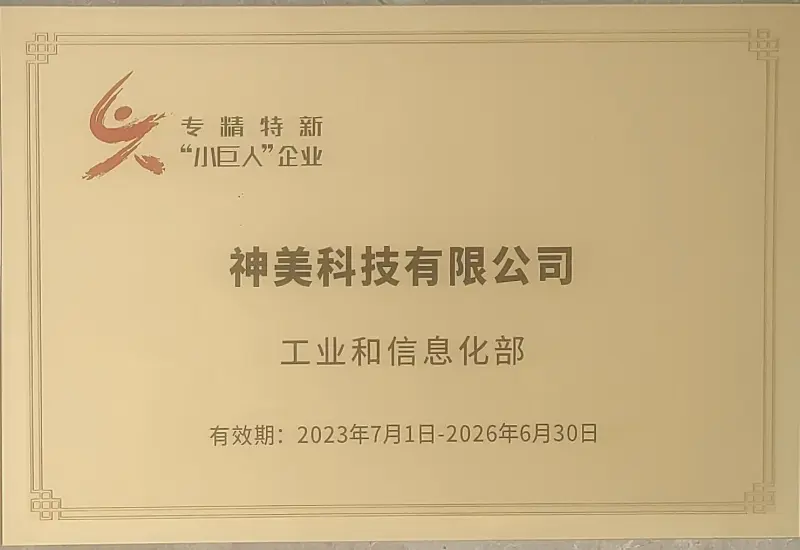
Established in 2011, Smedic Technology Co., Ltd. has evolved into a leading provider of high-grade environmental protection agents, integrating advanced R&D, chemical synthesis, engineering services, and technical support. From our corporate headquarters in Beijing, we coordinate multiple wholly-owned chemical manufacturing centers in Hebei, Guizhou, and Shanxi, alongside over ten OEM partner facilities and strategic regional warehousing nodes in Shandong, Shanxi, Anhui, Guangxi, and Sichuan. Our robust operational network spans 20+ provinces across China.
Currently, our products and engineering solutions support more than 600 municipal sewage treatment plants and over 1,000 industrial wastewater clients across mining, metallurgy, petrochemicals, and oilfield extraction. The combined capacity of the facilities utilizing our chemical technologies exceeds 20 million tons per day, securing Smedic's position at the forefront of the high-end environmental chemistry sector.
Why Chinese chemical manufacturing clusters represent the most reliable supply chains for global industrial buyers.
The global chemical supply chain faces frequent disruptions, making supply chain resilience a high priority for water treatment facilities. China's water treatment chemical sector stands out due to its deep upstream integration, manufacturing infrastructure, and advanced process controls. Smedic utilizes this foundation to offer stable pricing and consistent supply, even during volatile market cycles.
Our manufacturing operations are built on three primary pillars of efficiency:
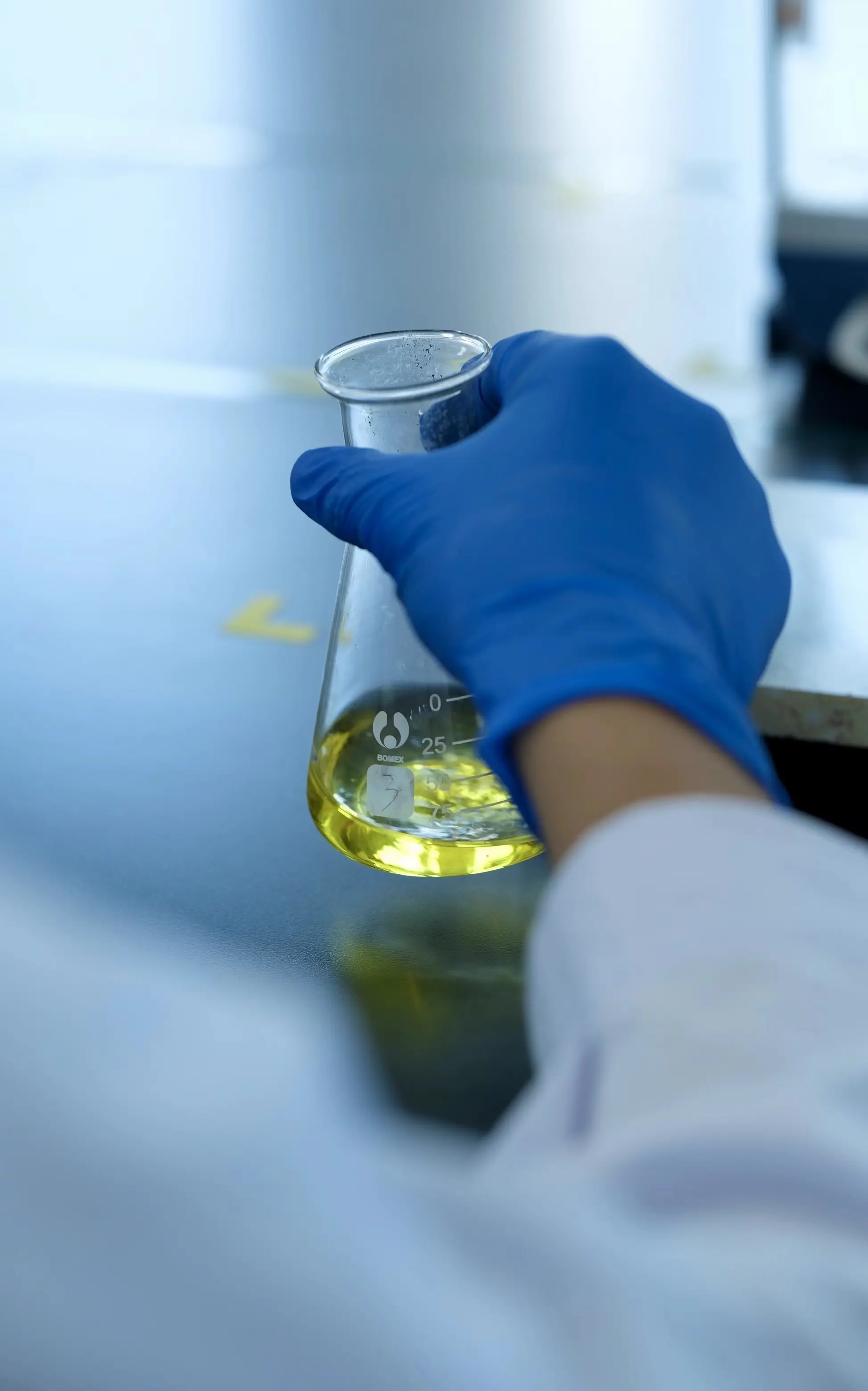
Custom chemistry engineered to address demanding effluent challenges and strict environmental limits.
Eliminates eutrophication risks in discharge water while preventing mineral precipitation (CaCO3, CaSO4) in high-temperature heat exchangers and industrial boilers.
Specially designed coordination polymers that bind to fluoride ions in semiconductor and solar-cell manufacturing wastewater, achieving compliance down to sub-ppm levels.
Organosulfur chelating agents designed to precipitate heavy metals (Cu, Ni, Pb, Zn, Cd) even in the presence of strong complexing agents and organic chelators.
Translating scientific research into field-tested, patented industrial chemical formulations.
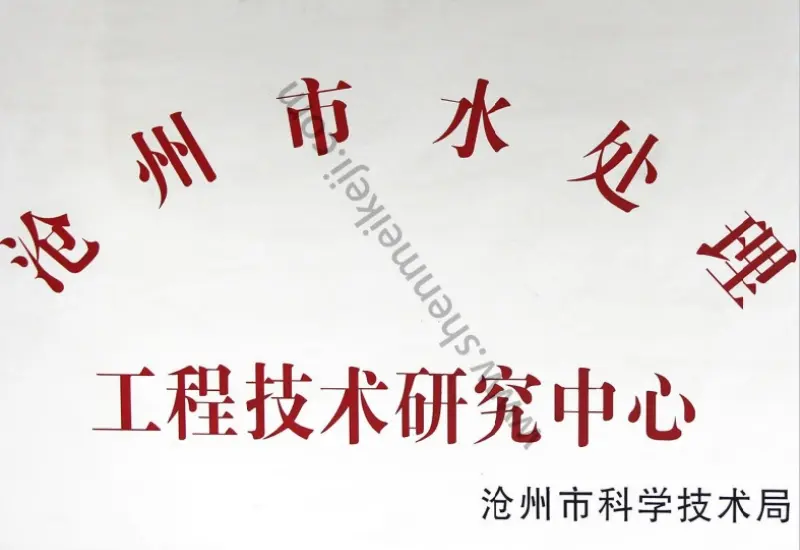
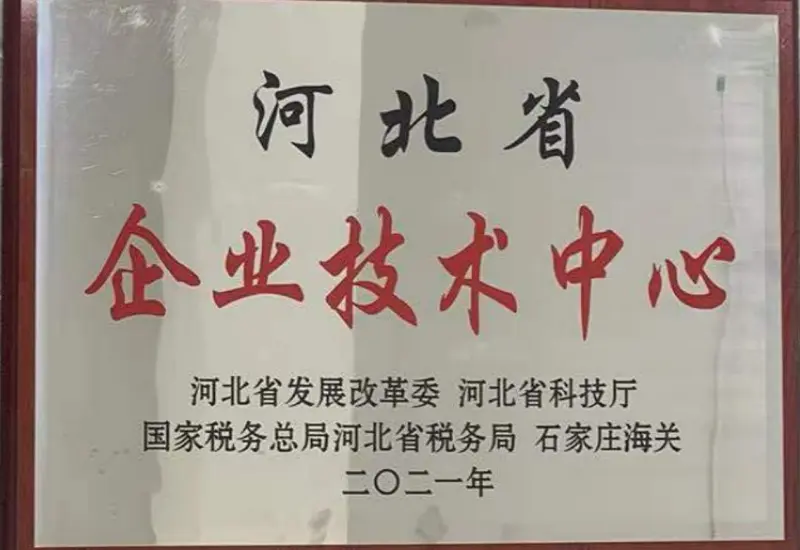
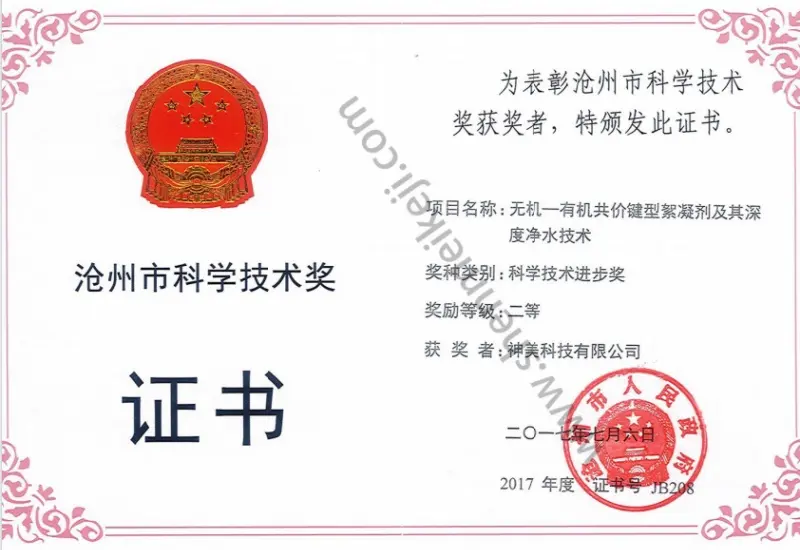
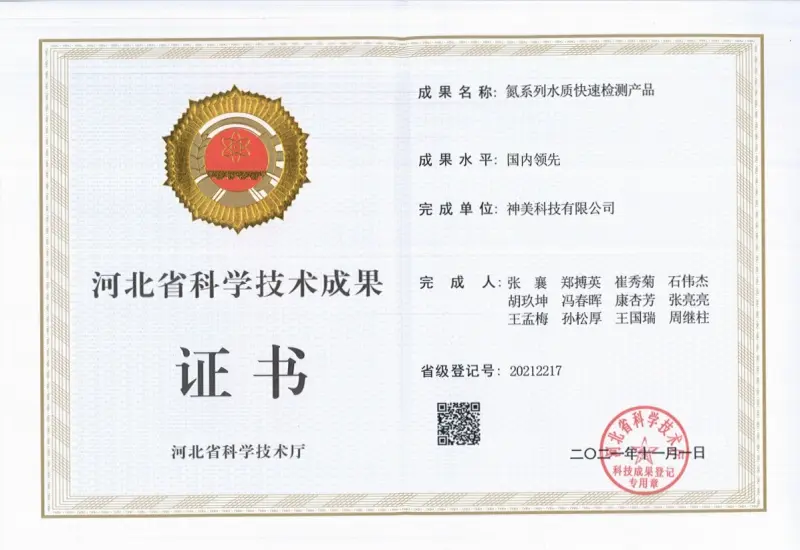
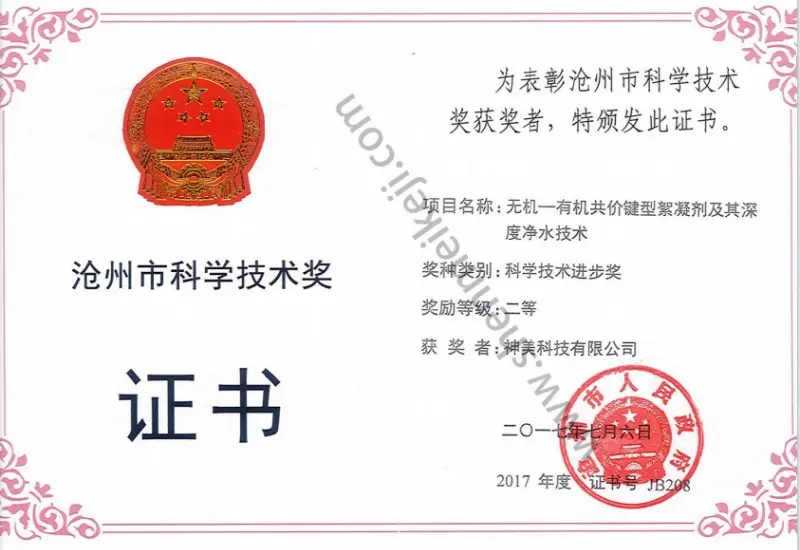
Smedic Technology's engineering and chemical synthesis capabilities are supported by a structured R&D network. We operate under a collaborative framework comprising one academy, three research institutes, and five production bases. This research infrastructure includes the Hebei Provincial Enterprise Technology Center, the Hebei Provincial Advanced Water Treatment Chemicals Technology Innovation Center, and the Cangzhou Water Treatment Engineering Technology Research Center, and has been officially recognized as a Class A R&D Institution in Hebei Province.
To ensure steady innovation, Smedic maintains a joint expert workstation in collaboration with the Tsinghua University Association of Senior Scientists and Technicians, alongside joint R&D laboratories with Shandong University and the Beijing University of Technology. We also serve as the primary commercialization partner for chemical research from Peking University and Tianjin University. These partnerships allow us to quickly transition laboratory discoveries into commercial products.
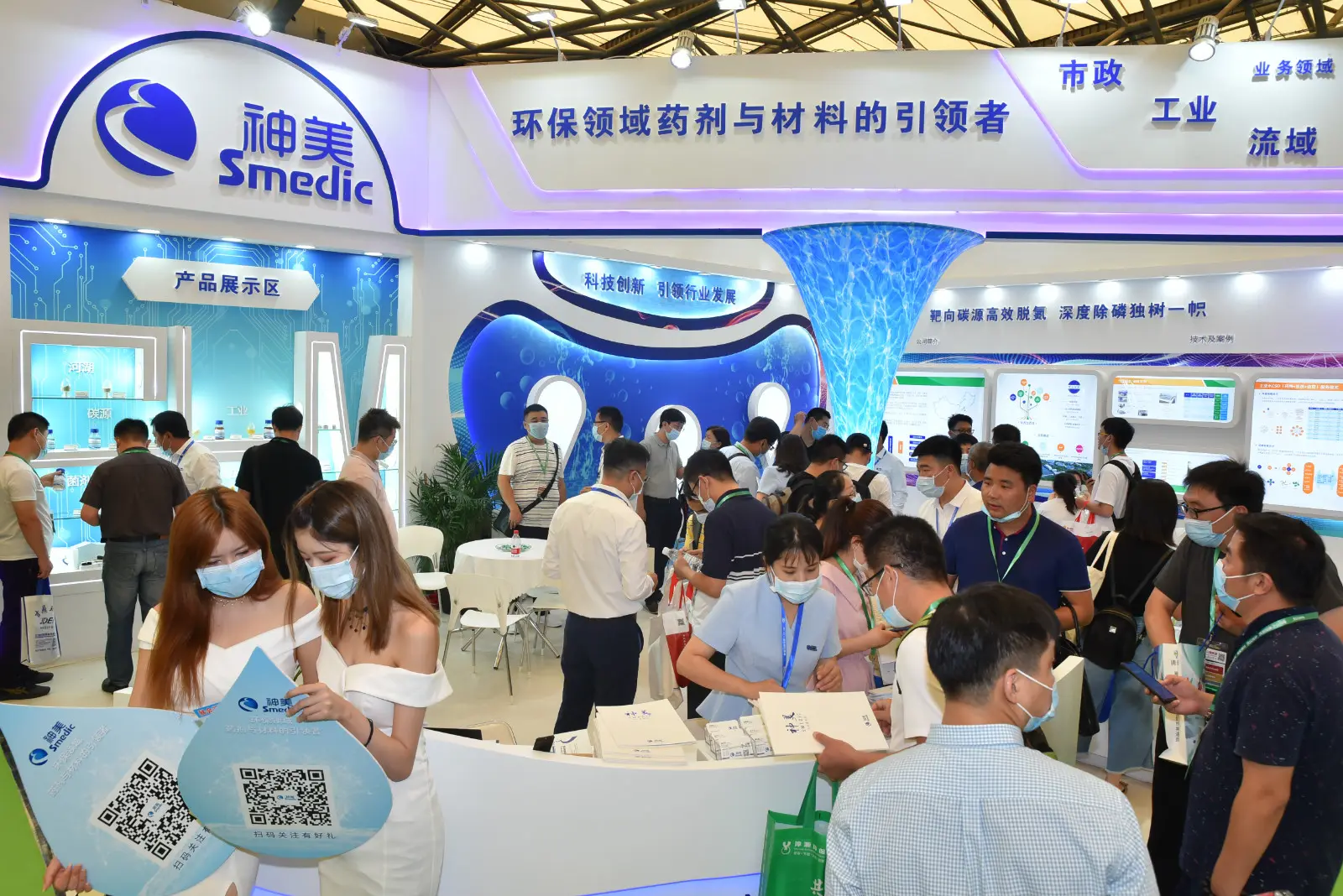
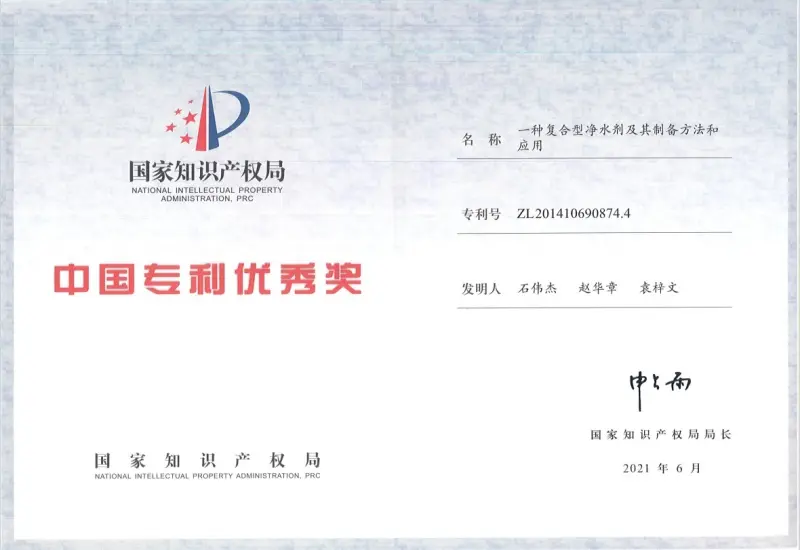
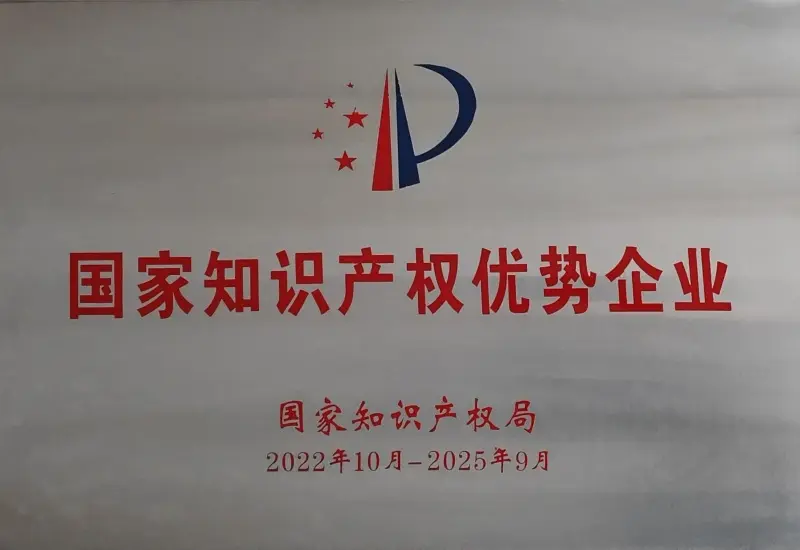
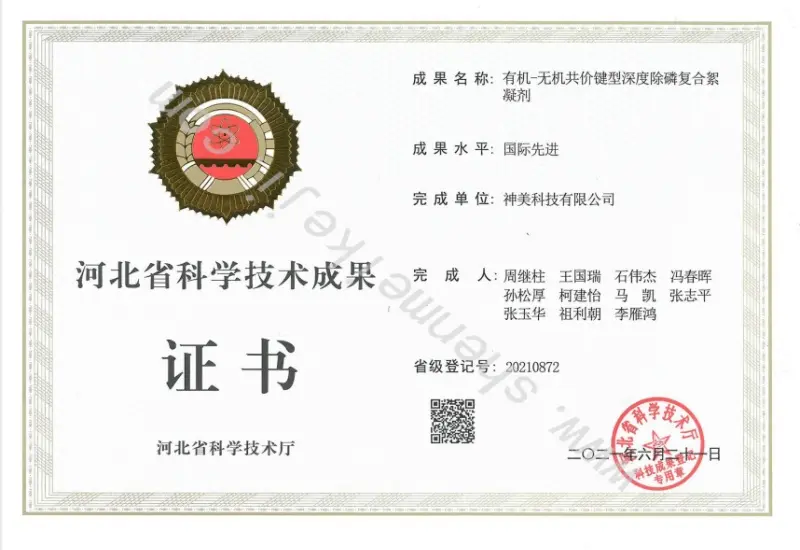
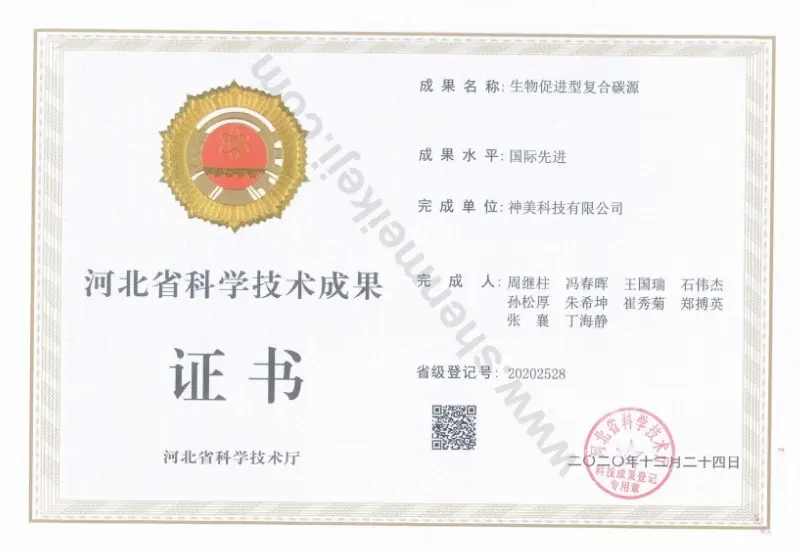
Smedic holds over sixty Chinese patents, including more than forty invention patents and over twenty utility model patents. We have also led the drafting of more than ten national and industry chemical standards in China, defining technical specifications for composite carbon sources, composite coagulants, sodium acetate, and specialized nitrifying/denitrifying bacterial cultures.
Our core technologies, including our bio-enhanced denitrification carbon source and deep multi-nuclear phosphorus removal agents, have been appraised as "internationally advanced" by the Science and Technology Department of Hebei Province. Additionally, Smedic's Active Oxygen Compound Disinfectant was recognized as a National Construction Industry Scientific and Technological Achievement Promotion Project by the Ministry of Housing and Urban-Rural Development.
A history of scaling production capacity, technological innovation, and national recognition.
How Smedic formulations address specific operational challenges in complex process water loops.
Municipal wastewater plants must meet strict phosphorus discharge limits (often below 0.3 mg/L). Standard biological treatment frequently struggles with variations in influent loading. Smedic's deep multi-nuclear phosphorus removal agents use multiple cationic centers to bind and precipitate orthophosphates and organic phosphorus compounds. This reaction creates dense, fast-settling flocs that reduce sludge volume and filter backwash frequency.
Oilfield water and coal-to-chemical wastewater contain emulsified hydrocarbons, phenols, and dynamic surfactants. High shear forces in biological aeration basins generate foam that can overflow tanks and disrupt oxygen transfer. Smedic's specialized organic silicone defoamers and polyether agents destabilize the liquid film of bubbles, providing quick foam knockdown and long-lasting control without fouling downstream RO membranes.
In power generation and steel manufacturing, open recirculating cooling systems face scaling and corrosion. While organophosphonates are effective scale inhibitors, their discharge is increasingly restricted due to phosphorus limits. Smedic's phosphate-free scale and corrosion inhibitors use carboxylic acid copolymers and organic zinc complexes to form a protective film on alloy surfaces. This prevents scale deposition and corrosion without adding phosphorus to the discharge stream.
Smedic is committed to quality, standardization, and regulatory compliance across our global supply chains.
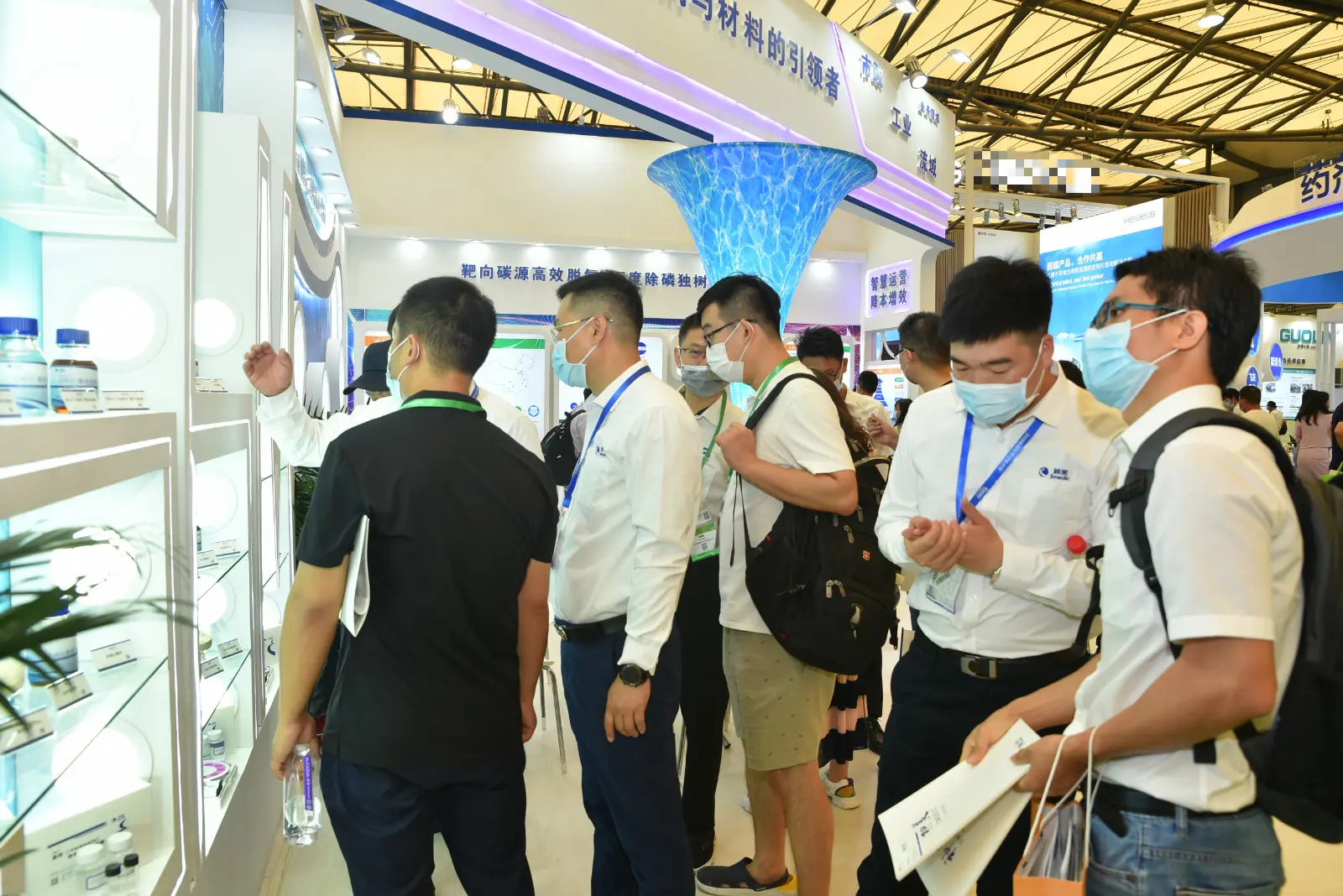
Smedic is certified under ISO 9001 (Quality Management), ISO 14001 (Environmental Management), and ISO 45001 (Occupational Health & Safety). Our quality control system manages the entire production cycle, from raw material inspection and in-process monitoring to final product testing and batch recording. This ensures that every container shipped to international destinations meets our technical specifications.
We have also established long-term supply partnerships with major water utility groups, including Shouchuang Ecological and Environmental Group, Yangtze River Ecological and Environmental Group, Beijing Enterprises Water Group, OriginWater, and the China Water Environment Group.
Key considerations for international buyers sourcing water treatment chemistry.
The water treatment chemical sector is moving toward greener formulations, smart dosing integration, and regionalized supply chain management. When sourcing chemicals globally, procurement teams should evaluate suppliers on three key criteria:
By selecting partners with integrated manufacturing and active R&D programs, global enterprises can secure their chemical supply lines, control treatment costs, and ensure consistent environmental compliance.
Technical answers to common questions about Smedic's wastewater treatment solutions and capabilities.
A: We operate under a unified ISO 9001 quality framework across all plants. Every production facility uses automated reactant feeding, real-time temperature control, and inline viscosity sensors to minimize variation. Each batch undergoes laboratory testing for active solids, pH, molecular weight distribution, and residual monomer content before release.
A: Traditional organophosphonates break down into orthophosphates in discharge waters, contributing to algal blooms and eutrophication. Smedic's phosphate-free inhibitors use carboxylate-sulfonate copolymers to disperse calcium ions and inhibit scale formation without contributing phosphorus to the effluent, helping plants meet strict discharge limits.
A: Yes. Our R&D team can adjust polymerization parameters to produce Anionic Polyacrylamide (APAM) and Cationic Polyacrylamide (CPAM) with specific molecular weights (ranging from 5 million to over 22 million Daltons) and charge densities to match the settling requirements of different industrial slurries.
A: Our heavy metal precipitants contain active sulfur groups with a high affinity for heavy metal ions. These groups outcompete EDTA, citric acid, and ammonia complexing agents to form stable, insoluble metal-sulfur precipitates that can be easily removed by sand filters or clarifiers.
A: We provide full technical support, including laboratory jar testing, product selection guidance, and dosing optimization. We also handle the documentation required for international shipping, including REACH pre-registration, GHS-compliant SDS, and Certificates of Analysis (COA) for every shipment.
Explore our targeted chemical formulations, including specialized fluoride removers, heavy metal precipitants, and organophosphorus scale inhibitors.
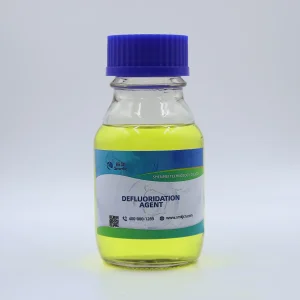
High-efficiency adsorption and flocculation for complex industrial streams.
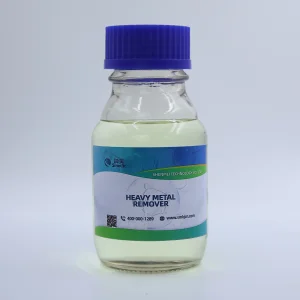
Precipitates toxic metals under varying pH conditions.
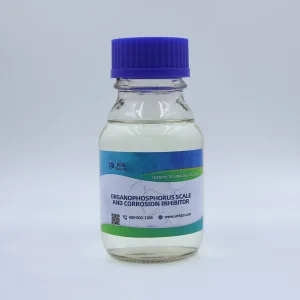
High-performance formulation for industrial boilers.
Eco-friendly chemistry designed for sensitive discharge areas.
Optimized for recirculating loops in power plants.
High-performance solution for glass etching and solar manufacturing.
Industry-proven reagent for chemical polishing plants.
Reliable scale inhibition under high alkalinity conditions.
 Smedic Tech