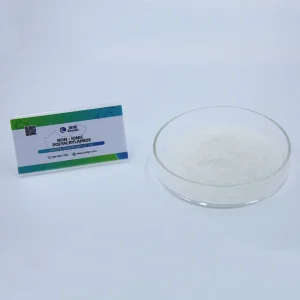
Engineered environmental chemical agents designed to coordinate with RO maintenance regimes, optimizing flocculation, scale control, and organic solids management.
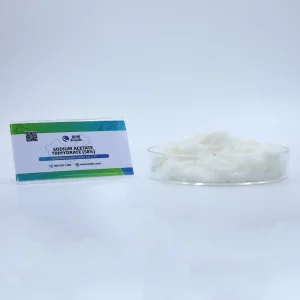
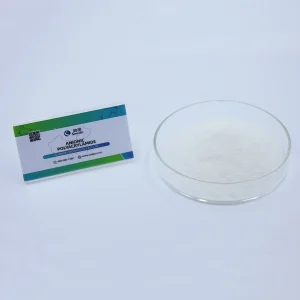
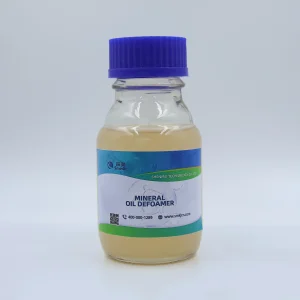
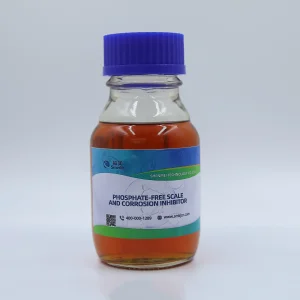
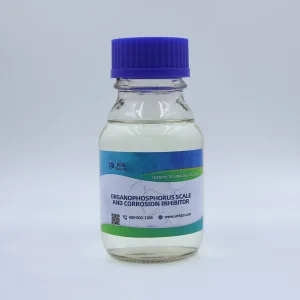
Reverse osmosis (RO) systems have emerged as the foundational pillar for industrial water purification, seawater desalination, and municipal wastewater reclamation. However, the operational efficiency, flux recovery rate, and service life of high-performance polyamide thin-film composite (TFC) membranes are continuously threatened by complex fouling processes. Over operational cycles, feedwaters loaded with dissolved humic substances, natural organic matter (NOM), biological proteins, colloidal silica, and oil droplets deposit on the membrane surface, initiating severe organic and biological fouling.
To counteract this, specialized alkaline cleaners formulated by leading Chinese exporters play an indispensable role. Alkaline cleaners (operating in critical pH ranges of 11.0 to 12.5) are specifically engineered to disrupt the cohesive matrix of organic foulants and bio-macromolecules. By saponifying oils and fats, converting hydrophobic humic substances into hydrophilic soluble salts, and cleaving the extracellular polymeric substance (EPS) matrix secreted by microbial colonies, these advanced chemical solutions restore permeate flux and reduce system operating pressures to original design specifications.
Global procurement teams look beyond unit pricing when assessing Chinese chemical suppliers. They seek comprehensive chemical compatibility, stable active ingredient concentrations, and compliance with stringent environmental mandates (e.g., REACH, RoHS, and local zero-phosphorus discharge standards). In this whitepaper, we outline how our integrated R&D bases deliver high-performance cleaning chemistries that directly translate to lower Levelized Cost of Water (LCOW) and extended membrane system lifetimes.
The deployment of RO alkaline cleaners cannot follow a generic blueprint. Diverse industrial streams exhibit highly distinct foulant footprints, necessitating customized chemical formulations. As a comprehensive environmental agent provider with an annual capacity exceeding 1 million tons, Smedic Technology designs custom clean-in-place (CIP) regimens tailored for specific macroeconomic sectors:
High-pressure boilers require ultra-pure makeup water. Alkaline cleaners remove micro-colloidal silica and complex organo-sulfur deposits that slip past standard pretreatment filters, preventing catastrophic thermal scaling downstream.
Zero Liquid Discharge (ZLD) plants face heavy polycyclic aromatic hydrocarbons and refractory organic concentrations. Our specialized alkaline formulations are augmented with advanced surfactants to emulsify heavy hydrocarbon chains effectively.
Ultrapure water (UPW) systems require TOC levels down to single-digit ppb levels. Smedic's low-residue, high-purity alkaline cleaners restore membrane modules without introducing volatile organic impurities or metallic cations.
The global demand for high-performance reverse osmosis chemicals is expanding rapidly due to worsening global freshwater scarcity and tightening ecological regulations. Geographically, the Middle East seawater desalination market remains the largest consumer of anti-scalants and cleaning agents, followed by the highly industrialized hubs in the Asia-Pacific region, North America, and Western Europe.
In this competitive landscape, China has transitioned from a basic chemical exporter to a primary innovator of high-performance water treatment formulations. Combining domestic supply chain integration, raw material availability, and large-scale manufacturing facilities, Chinese suppliers now lead the market in delivering internationally recognized formulations. Smedic Technology's strategic layout—spanning R&D centers in Beijing and multiple wholly-owned manufacturing bases in Hebei, Guizhou, and Shanxi—ensures uninterrupted global export pipelines capable of defying regional logistics bottlenecks.
| Foulant Category | Predominant Cleaners / Reagents | Primary Reaction Mechanisms | Flux Recovery Potential |
|---|---|---|---|
| Natural Organic Matter (NOM) & Humic Acids | Chelator-Enriched Alkaline Cleaners (pH 11.5–12.0) | Deprotonation of carboxyl/phenolic groups, electrostatic repulsion, solubilization | 90% – 98% |
| Biological Biofilms & Extracellular Polymeric Substances (EPS) | Surfactant-Formulated Alkaline Cleaners + Non-Oxidizing Biocides | Disruption of cellular walls, hydrolysis of protein chains, dispersion of EPS matrix | 85% – 95% |
| Colloidal Silica & Clay Suspensions | Alkaline Cleaners with Polyelectrolytes and Dispersants | Electrostatic dispersion, expansion of silica gel structures to facilitate physical rinsing | 80% – 90% |
| Hydrocarbons, Oils, and Grease | Emulsifying Alkaline Formulations containing Non-Ionic Surfactants | Saponification of fatty acids, micellar encapsulation of non-polar oil molecules | 92% – 97% |
The future of industrial water chemical synthesis lies in aligning high-performance cleaning parameters with stringent ecological footprints. Smedic Technology's engineering roadmap prioritizes the development of phosphate-free scale inhibitors and biodegradable alkaline builders. Historically, common chelating bases like EDTA exhibited poor environmental biodegradability, raising heavy metal mobilization concerns in natural receiving waters.
To address this, Smedic is transitioning its product formulations toward green chelating platforms such as GLDA (Glutamic acid diacetic acid) and MGDA (Methylglycinediacetic acid). These advanced green alternatives offer exceptional thermal stability and strong calcium/magnesium chelation capacities while maintaining complete, rapid biodegradability. Concurrently, Smedic's research network (partnering with Tsinghua University and Beijing University of Technology) is prototyping smart chemical formulations. These advanced chemicals will feature chemical indicators that change color as organic deposits dissolve, enabling operators to determine the optimal completion point of Clean-in-Place (CIP) cleaning cycles.
Smedic Technology Co., Ltd. — A comprehensive environmental protection agent powerhouse integrating R&D, large-scale production, and technical engineering services.
Headquartered in Beijing, Smedic Technology operates multiple wholly-owned production bases in Hebei, Guizhou, and Shanxi, supplemented by more than ten OEM partner factories and regional warehousing/logistics centers across Shandong, Shanxi, Anhui, Guangxi, and Sichuan. This extensive network covers more than 20 provinces across China, providing wastewater treatment chemicals and engineering services to over 600 municipal sewage plants and 1,000 industrial end-users. Our operations treat over 20 million tons of industrial and municipal wastewater daily, making Smedic a leading chemical brand in the high-end environmental protection segment.
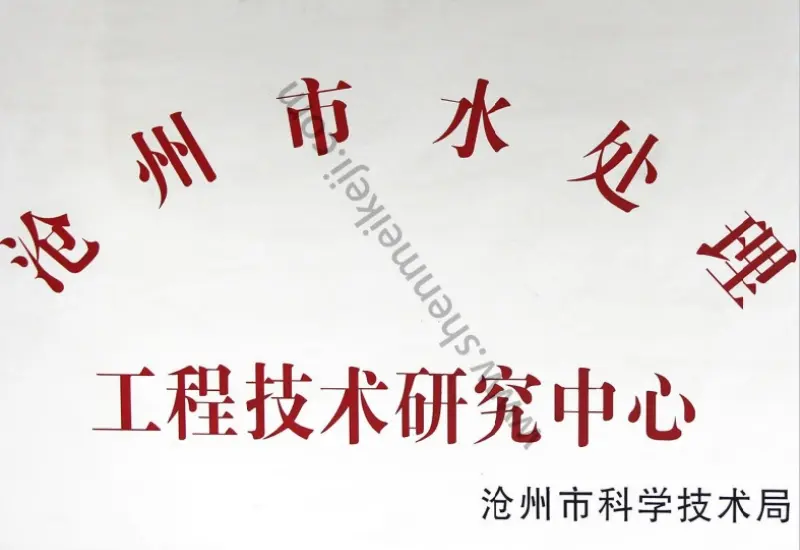
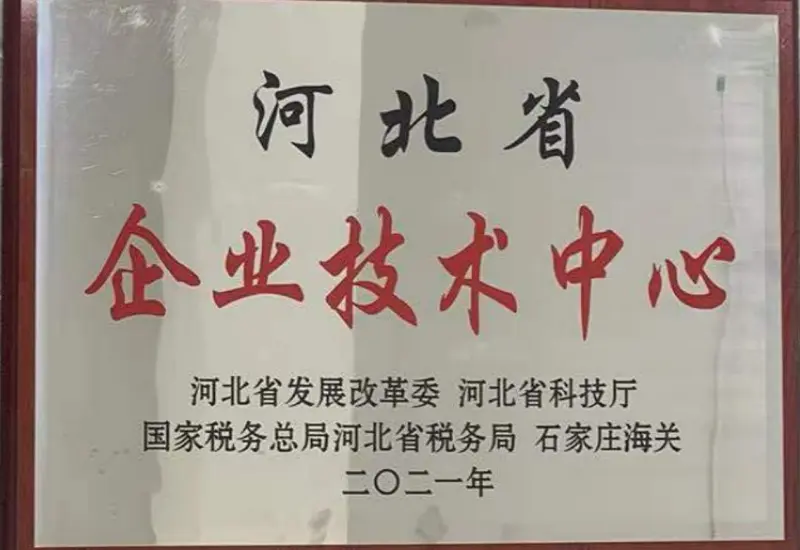
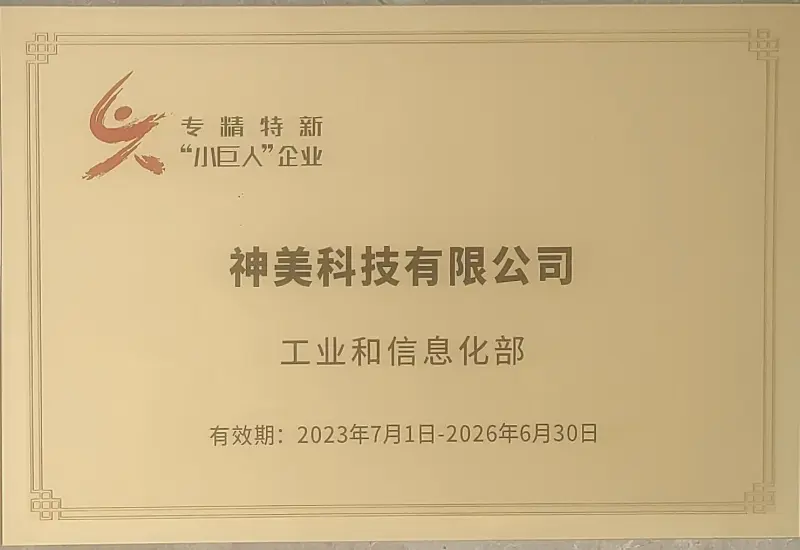
We pride ourselves on our technical pedigree. Smedic Technology has been officially recognized as a National High-tech Enterprise, a National Specialized, Refined, Unique and Innovative "Little Giant" Enterprise, and a Hebei Province Green Factory. Our R&D ecosystem includes the Hebei Provincial Enterprise Technology Center and the Hebei Provincial Advanced Water Treatment Chemicals Technology Innovation Center. This R&D infrastructure operates under the guidance of Tsinghua University Association of Senior Scientists and Technicians, with joint laboratories established at Shandong University and Beijing University of Technology. We also serve as the commercialization partner for chemical research output from Peking University and Tianjin University.
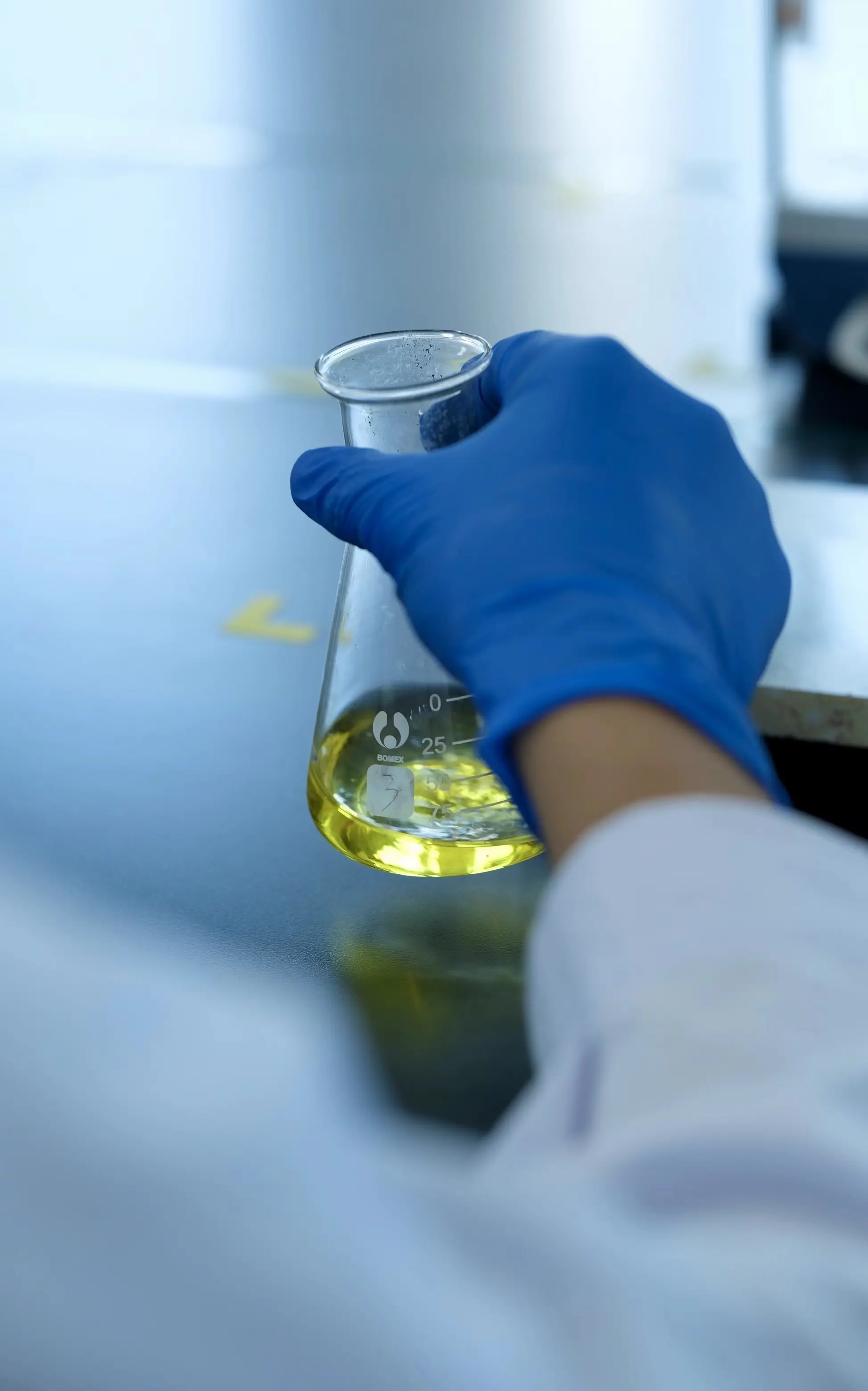
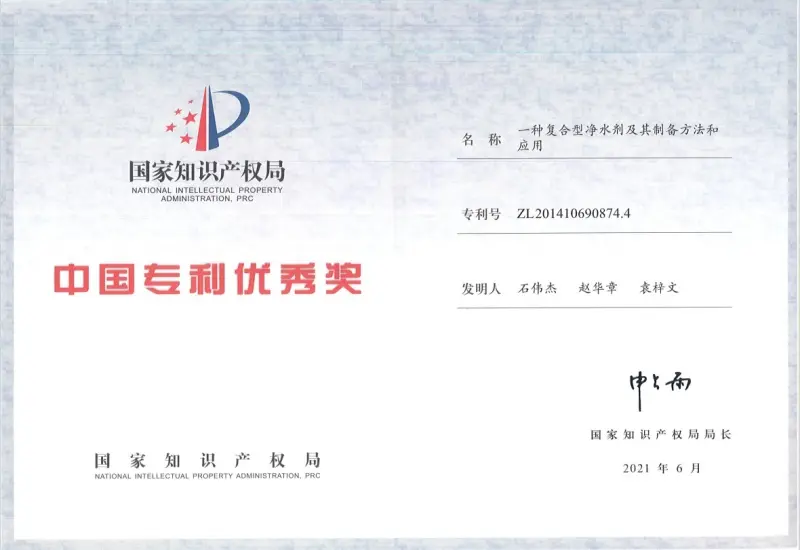
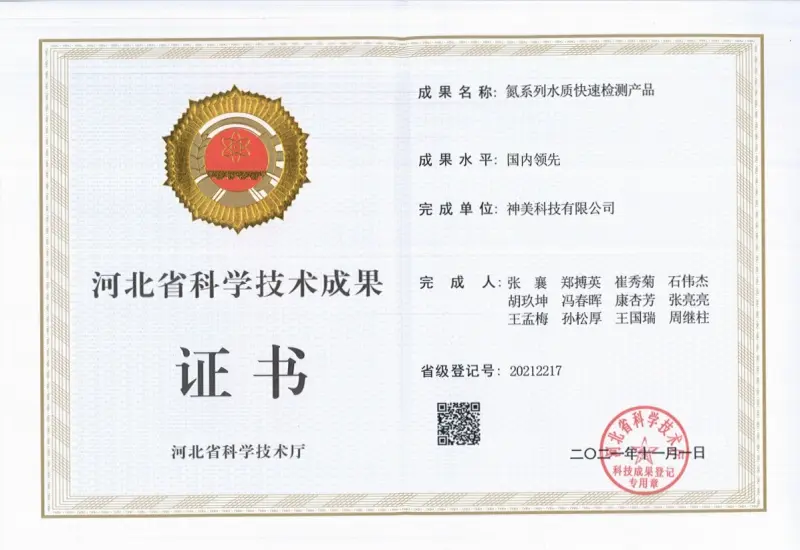
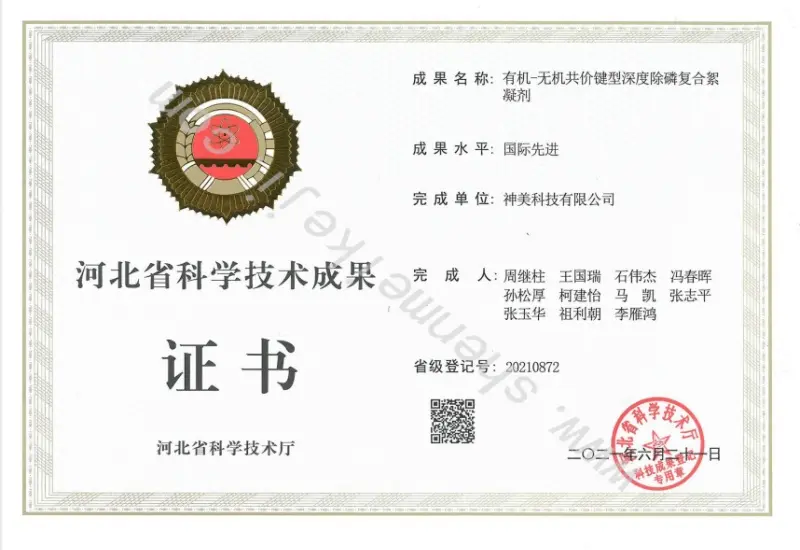
Smedic holds over sixty Chinese patents, including more than forty invention patents and twenty utility model patents. We have spearheaded the drafting of over ten national and industry standards covering composite carbon sources, composite coagulants, sodium acetate, and specialized bacterial agents. Our independently developed technologies, such as bio-enhanced denitrification carbon sources and deep multi-nuclear phosphorus removal agents, have been officially appraised as "internationally advanced" by the Science and Technology Department of Hebei Province.
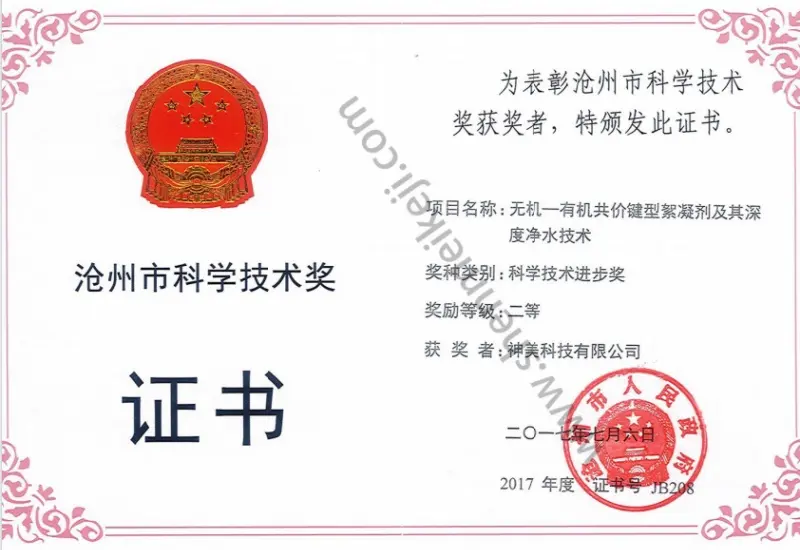
Our "Inorganic-Organic Covalent Bond Flocculant and Advanced Water Purification Technology" won the 22nd China Patent Award and the First Prize for Technological Invention from the China Petrochemical Industry Association. This technology has also been recognized as a recommended project for the Belt and Road Initiative.
For four consecutive years, Smedic has been recognized as the "Leading Brand of Advanced Wastewater Treatment Chemicals" and the "Most Valuable Water Treatment Chemicals Brand" by China Water Network and the E20 Environmental Platform. These achievements have allowed us to form long-term strategic partnerships with leading global water groups, including Shouchuang Ecological and Environmental Group, Yangtze River Ecological and Environmental Group, Beijing Enterprises Water Group, OriginWater, and China Water Environment Group. We maintain centralized procurement supplier status for these organizations, reinforcing our role as a trusted partner for large-scale water treatment projects.
| Year | Milestone Accomplishment | Strategic Significance |
|---|---|---|
| 2011 | Smedic Technology founded in Beijing. | Established R&D focus on advanced environmental protection agents. |
| 2014 | Complete product portfolio for municipal wastewater chemicals finalized. | Achieved comprehensive product integration for municipal systems. |
| 2015 | Recognized as a key national high-tech enterprise. | Validated R&D capabilities through national certification. |
| 2016 | Established Guiyang water treatment chemical production base. | Expanded logistics capabilities into Southwestern China. |
| 2018 | Expansion of Hebei, Shandong, and Guizhou facilities complete. | Combined annual production capacity exceeded 1 million tons. |
| 2020 | Awarded National Specialized, Refined, Unique & Innovative "Little Giant" status. | Recognized as a leading national enterprise in wastewater chemistry. |
| 2021 | Established provincial-level R&D platform in Hebei Province. | Accelerated the translation of laboratory research into industrial products. |
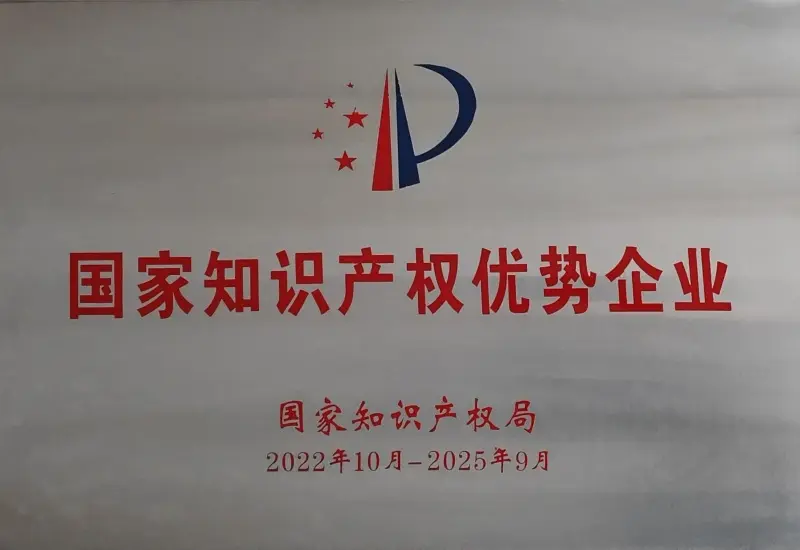
| 2023 | Recognized as a National Intellectual Property Advantage Enterprise. | Surpassed sixty Chinese patents and forty invention patents. |
| 2024 | Formed joint venture with Chengdu Institute of Mineral Comprehensive Utilization, China Geological Survey. | Expanded product capabilities into advanced mineral processing reagents. |
Verified regulatory compliances, quality assurances, and patent credentials verifying our global export eligibility.
Deploying RO alkaline cleaners requires careful customization based on local water chemistries. Industrial wastewater configurations vary significantly by geography, presenting distinct cleaning challenges:
High salinity and seasonal algal blooms cause severe organic and biological fouling. Smedic's high-pH cleaning agents disperse extracellular polymeric substances (EPS) without damaging polyamide membranes, maintaining permeate flux under demanding conditions.
Industrial processes generate complex wastewater streams containing synthetic polymers, dyes, and surfactants. Our cleaners break down these organic compounds, restoring membrane performance and extending system operating lifetimes.
Deep coal chemical treatment systems generate high-salinity brine streams. Smedic's integrated formulations prevent scale formation while removing organic residues, supporting stable water recovery rates in closed-loop systems.
Smedic Technology provides comprehensive chemical supply services backed by expert technical support. We offer customized product formulations designed to meet specific regulatory frameworks, including European REACH compliance, US NSF certifications, and regional wastewater discharge limits. Our engineering teams provide onsite diagnostic support, performing membrane autopsies and water chemistry analysis to resolve complex fouling issues.
We also maintain a network of regional warehousing and logistics centers. This infrastructure allows us to manage shipping logistics efficiently, ensuring timely delivery and offering reliable support for municipal and industrial water treatment facilities worldwide.
Expert technical answers regarding membrane cleaning chemistry, operational protocols, and procurement logistics.
For standard polyamide thin-film composite (TFC) membranes, the standard cleaning pH range is 11.0 to 12.0 at a maximum temperature of 30°C. High-performance membranes can tolerate cleaning cycles at pH 12.5 and temperatures up to 45°C. Operating at elevated temperatures can improve the cleaning efficiency of humic acid and bio-macromolecule deposits, but parameters must be matched with membrane manufacturer specifications to avoid damaging the active polyamide layer.
Alkaline cleaners (pH 11–12.5) are formulated to remove organic foulants, biological slime, oils, and colloidal silica. Acidic cleaners (pH 2–3) are used to target inorganic scales like calcium carbonate, calcium sulfate, and metal oxides. A standard CIP protocol typically starts with an alkaline wash to remove organic coatings, followed by an acidic wash to dissolve inorganic scaling underneath.
Chelating agents like EDTA or biodegradable GLDA bind to divalent cations (such as calcium and magnesium) that cross-link organic foulant layers. By sequestering these cations, chelating agents weaken the structural integrity of organic deposits, allowing the alkaline builders and surfactants to emulsify and rinse away the fouling layer.
Yes. Our RO chemicals, scale inhibitors, and cleaners are formulated and tested to ensure compatibility with major commercial polyamide TFC membranes. They do not cause membrane degradation or accelerate flux decline when used in accordance with recommended CIP procedures.
Smedic operates under strict ISO 9001 and ISO 14001 quality management systems. Every batch of water treatment chemicals undergoes quality control testing—including active ingredient assays, density measurements, pH verification, and impurity checks—before release from our production facilities.
We offer specialized phosphorus-free scale inhibitors and eco-friendly alkaline cleaning formulations. These products replace traditional phosphonates with biodegradable organic alternatives, helping operators meet strict local nutrient discharge regulations.
Yes. Our R&D department can customize product formulations based on local water chemistry analysis, specific membrane characteristics, and target performance requirements.
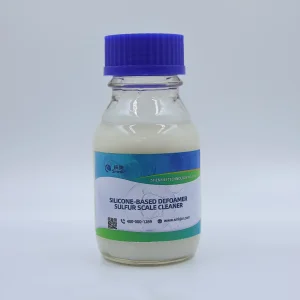
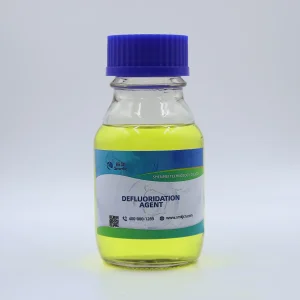
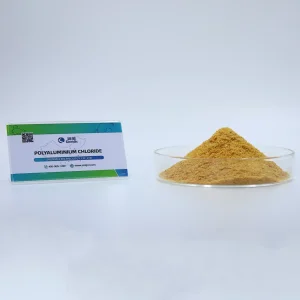
Coagulants, fluorinating agents, defoamers, and advanced scale inhibitors completing our comprehensive industrial water purification lineup.
 Smedic Tech