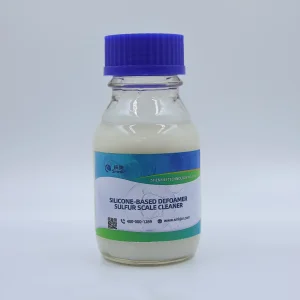
Premium specialized chemical formulations designed to maximize reverse osmosis efficiency, heavy metal separation, and scale inhibition.
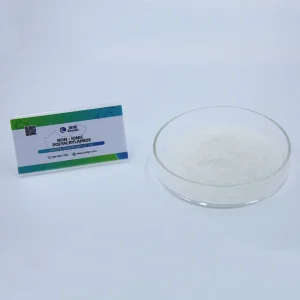
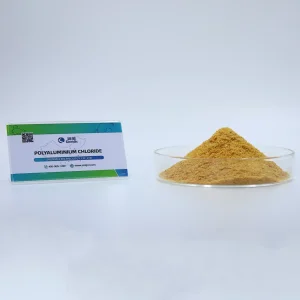
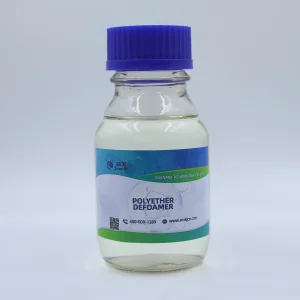
Per- and polyfluoroalkyl substances (PFAS) represent one of the most persistent and hazardous environmental contaminants of the modern industrial era. Often termed "forever chemicals" due to the strength of their carbon-fluorine bonds, these synthetic organic molecules resist natural degradation processes, bioaccumulating in human bodies, soil, and aquatic ecosystems worldwide.
As international regulatory frameworks like the US EPA's National Primary Drinking Water Regulations (NPDWR) and the EU's REACH restrictions impose extremely stringent maximum contaminant limits (often down to parts-per-trillion levels), traditional municipal water treatment methods are proving insufficient. Modern science has identified high-pressure membrane separation—specifically **Reverse Osmosis (RO)** and Nanofiltration (NF)—as the absolute benchmark technology for achieving high-efficiency rejection of both long-chain (e.g., PFOS, PFOA) and short-chain (e.g., GenX, PFBS) PFAS compounds.
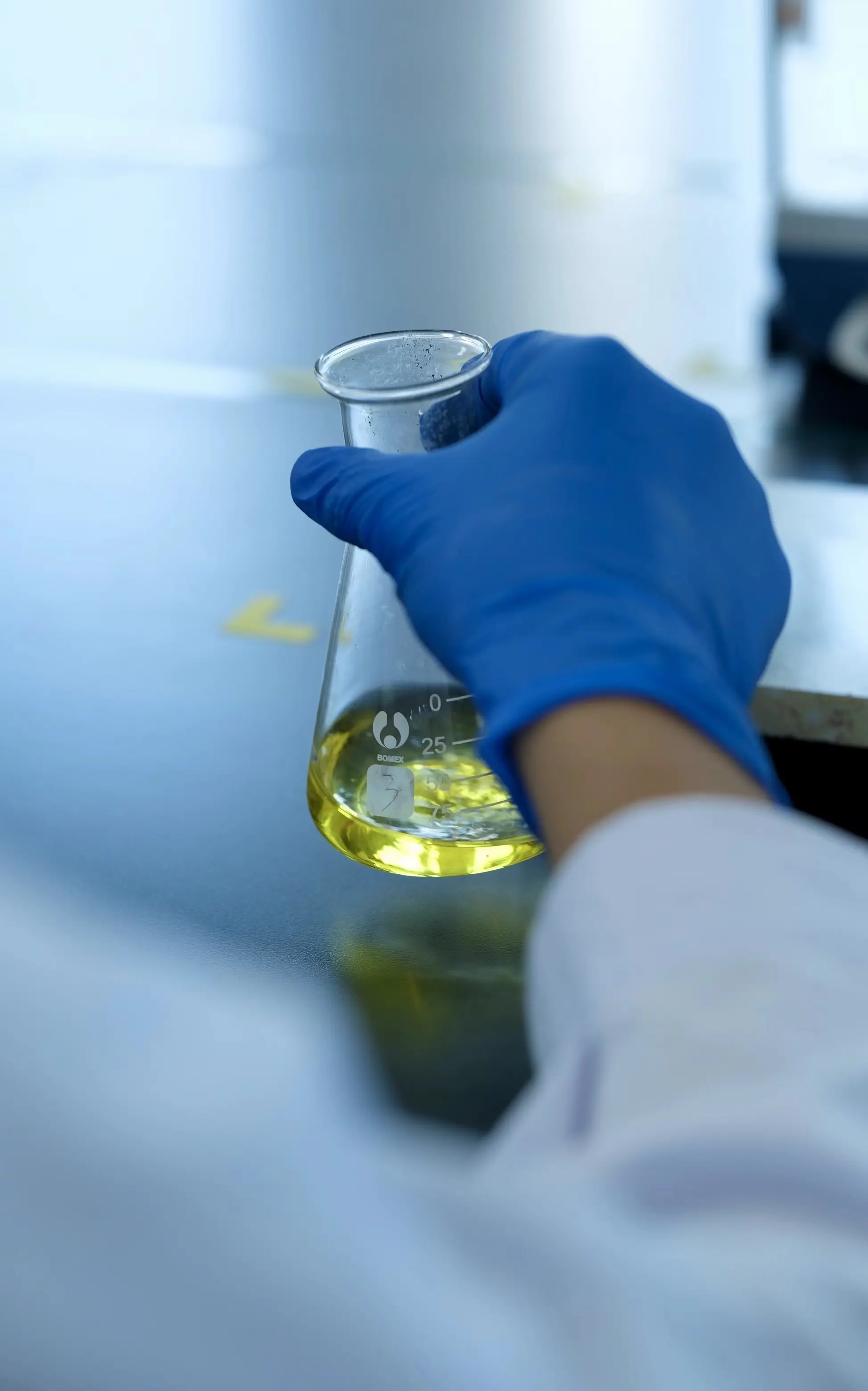
A critical analysis of membrane fouling, scale inhibition, and synergistic chemical pretreatment to ensure longevity and efficiency of high-pressure membrane systems.
Deploying high-performance coagulants like Polyaluminum Chloride (PAC) and Polyferric Sulfate (PFS) to aggregate organic macromolecules and colloidal particles, preventing them from blinding the micro-pores of critical RO membranes.
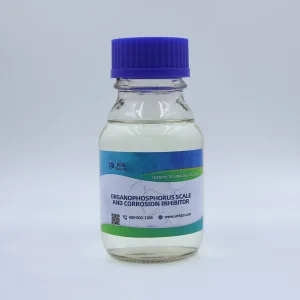
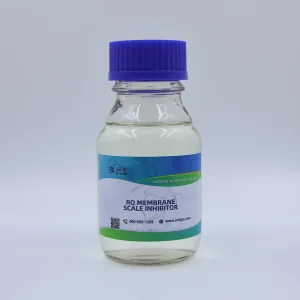
Utilizing high-efficiency organophosphorus and phosphate-free scale inhibitors to prevent the precipitation of calcium carbonate, calcium sulfate, and silica on the membrane surface, sustaining high flux rates during long runtimes.
Treating the resulting high-concentration PFAS reject stream via advanced oxidation processes (AOPs), specialized ion exchange, or bio-enhanced adsorption loops to achieve Zero Liquid Discharge (ZLD) without environment re-entry.
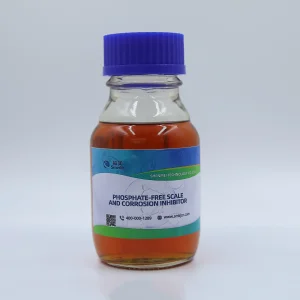
Our independently developed phosphate-free scale and corrosion inhibitors address the core engineering failure modes of industrial RO operations. Under concentrated flow dynamics, traditional phosphate scale inhibitors can inadvertently accelerate bio-fouling and mineral precipitation. Smedic's green, eco-friendly formulations deliver superior threshold inhibition of calcium and magnesium matrices while preventing secondary environmental eutrophication.
Established in 2011, **Smedic Technology Co., Ltd.** has grown into a world-class integrated environmental protection chemical provider. By combining state-of-the-art research with massive scaling capabilities, we produce more than 80 types of environmental agents spanning municipal sewage, industrial wastewater, mineral processing, and oilfield extraction technologies.
Our production base layout stretches across key economic zones in China, including wholly-owned production facilities in Hebei, Guizhou, and Shanxi, and over ten strategic OEM partnerships. With a total municipal and industrial sewage treatment presence exceeding **20 million tons per day**, Smedic stands at the absolute vanguard of the high-end environmental chemical market segment.
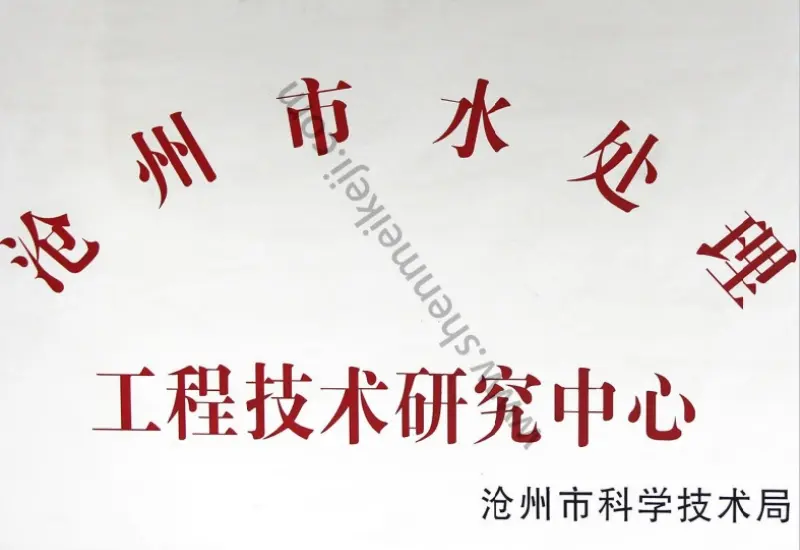
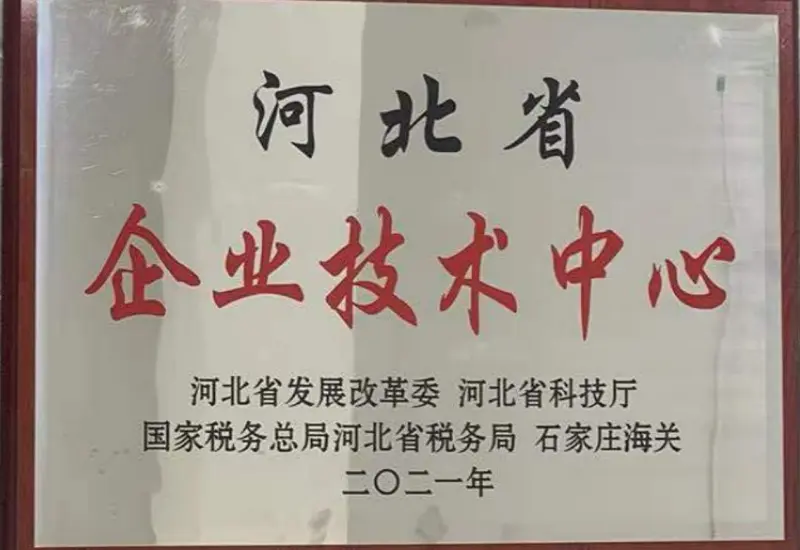
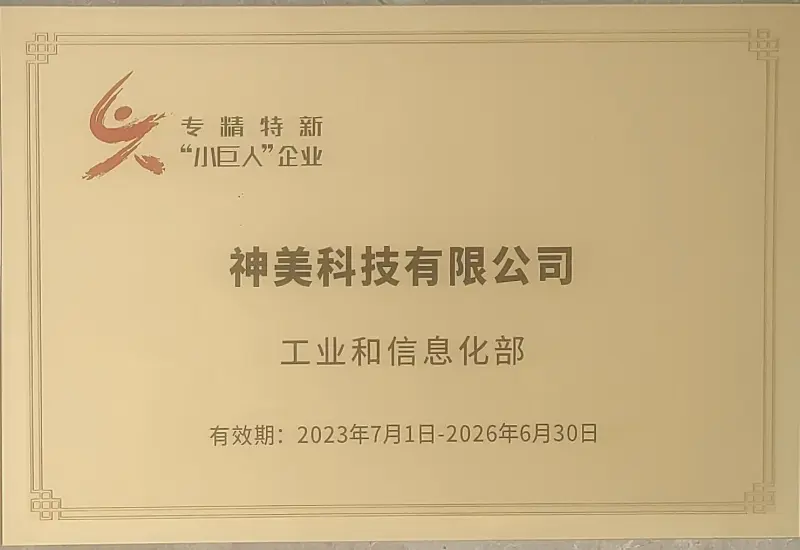
Smedic is recognized as a **National High-tech Enterprise**, a National Specialized, Refined, Unique and Innovative **"Little Giant"** Enterprise, and hosts the Hebei Provincial Advanced Water Treatment Chemicals Technology Innovation Center.
Inception in Beijing, focusing on high-end water treatment research and custom chemical synthesis.
Certified as a key technology contributor by national ministries for green chemical innovations.
Awarded National "Little Giant" Enterprise status for specialized, refined water-purification solutions.
Formed enterprise collaborations with the Chengdu Institute of Mineral Comprehensive Utilization, expanding chemical applications.
Analyzing how reverse osmosis separation, supplemented by specialized pre-treatment agents, operates across different industries and localized environments.
Microchip rinsing cycles demand ultra-pure water (UPW) free of even sub-parts-per-trillion levels of PFAS. Integrating advanced double-pass RO configurations with Smedic’s scale inhibitors preserves the high performance of silicon wafers.
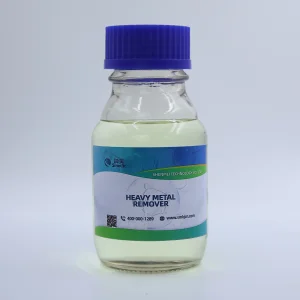
Leachate represents one of the most chemically complex wastewater matrices, carrying heavy concentrations of humic acids, heavy metals, and persistent short-chain PFAS. Here, Smedic heavy metal removal agents and PAC coagulants act as a crucial first stage before feeding into multi-stage high-pressure RO systems.
Municipal water authorities facing stringent PFAS compliance thresholds utilize large-scale RO plants. Smedic's NSF/ANSI-certified equivalent scale inhibitors and bio-denitrification carbon sources maintain stable system performance without adding secondary toxic elements.
True expertise is validated through scientific contribution and patent registries. Smedic Technology has been granted over **sixty Chinese patents**, including more than **forty invention patents** and over twenty utility model patents. We have played an active role in drafting and establishing over ten national and industry standards in water treatment technologies.
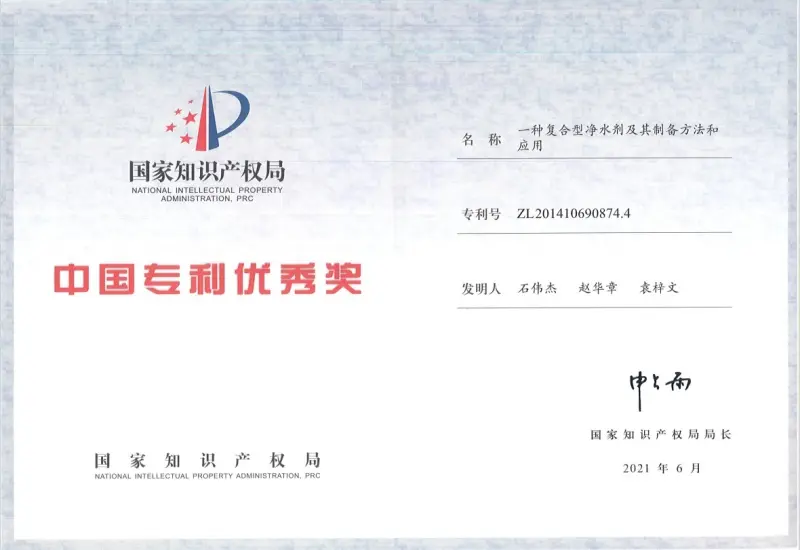
Our independently developed "Inorganic-Organic Covalent Bond Flocculant" and associated advanced water purification configurations have won prestigious awards, including the **22nd China Patent Award**, the First Prize for Technological Invention from the China Petrochemical Industry Association, and the Hebei Province Science and Technology Progress Award.
Understanding the next generation of membrane chemistry, zero-carbon wastewater plants, and absolute chemical confinement.
The industry is rapidly shifting toward thin-film nanocomposite (TFC) membranes modified with inorganic nanomaterials (such as graphene oxide or carbon nanotubes). These modifications increase water permeability while retaining high salt and PFAS rejection rates, significantly lowering the energetic footprint of high-pressure RO operations.
As environmental regulators scrutinize phosphorus discharges, the demand for green, biodegradable anti-scalants has escalated. Smedic is actively developing polyaspartic acid (PASP) derivatives and other plant-based polymers to deliver high performance without causing downstream environmental burdens.
Since reverse osmosis concentrated streams contain high levels of PFAS, physical separation must be paired with terminal destruction technologies. Electrochemical oxidation, supercritical water oxidation (SCWO), and plasma-based reactors are transitioning from pilot programs to full-scale installations, ensuring that captured "forever chemicals" are mineralized into harmless byproducts.
Integrating inline sensors with machine learning algorithms allows industrial operators to adapt chemical dosing rates in real time. Smedic's smart water treatment suites integrate dynamically with automated systems, adjusting flocculant and antiscalant flows based on varying inlet turbidities and TDS levels.
Addressing core engineering questions, membrane selection standards, and system optimization protocols for water quality professionals.
Explore our full range of water treatment chemistries, including scale inhibitors, defoamers, and advanced polyacrylamides.
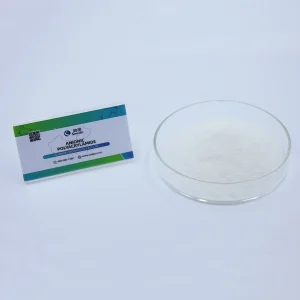
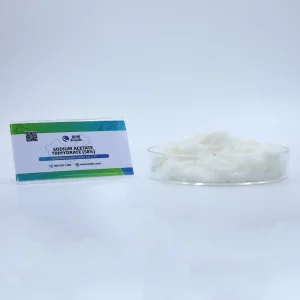
Smedic Technology works as a central partner with major utilities and private corporations. We support large scale operations for key water groups including Shouchuang Ecological and Environmental Group, Yangtze River Ecological and Environmental Group, Beijing Enterprises Water Group, OriginWater, and China Water Environment Group. Our tailored solutions optimize system costs and enhance purification output.
 Smedic Tech