Explore our core portfolio of scale inhibitors, coagulants, defoamers, and polymer systems engineered for global industrial applications.
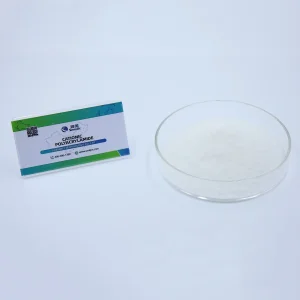
High-efficiency sludge dewatering & wastewater flocculant for rapid sedimentation processes.
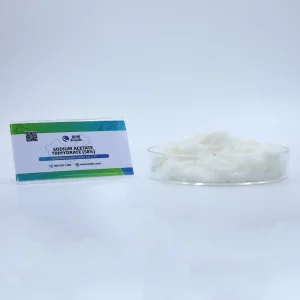
Premium carbon source agent optimized for biological denitrification and precise pH adjustment.
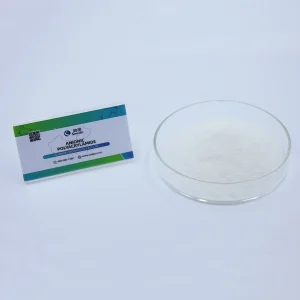
Ultra-high molecular weight industrial polymer for mineral processing and suspended solids flocculation.
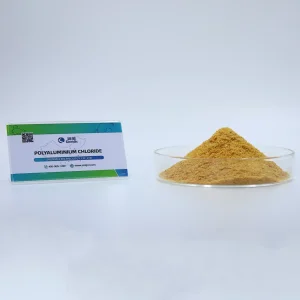
High-basicity coagulant designed for municipal drinking water and heavy-duty industrial wastewater.
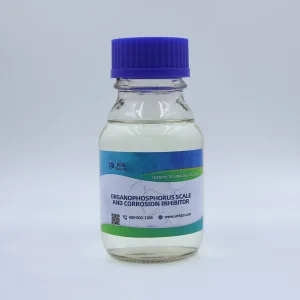
Reliable scale and corrosion inhibitor for open-recirculating industrial cooling water circuits.
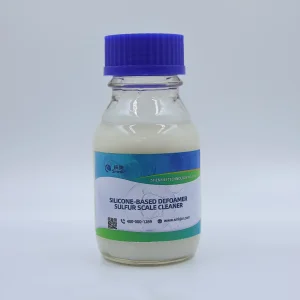
Fast-acting and long-lasting foam suppression for industrial chemical processes and aeration basins.
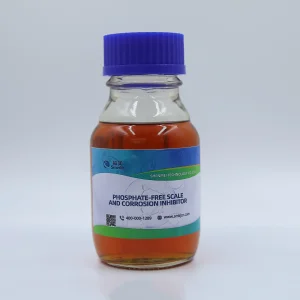
Eco-friendly formulation to comply with strict environmental regulations on phosphorus discharge.
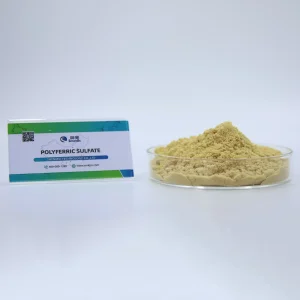
Inorganic polymer coagulant offering superior turbidity removal and rapid settling velocities.
Reverse Osmosis (RO) membrane technology represents the cornerstone of modern water reclamation, seawater desalination, and industrial process water treatment. However, membrane fouling—the accumulation of suspended solids, biological pathogens, divalent/polyvalent scale deposits, and organic materials on the polyamide thin-film composite membrane surface—remains the greatest operational threat to system longevity, energy conservation, and permeate flux efficiency.
Globally, industrial operators are pivoting towards specialized Clean-in-Place (CIP) chemicals designed to selectively dissolve scales and disperse bio-foulants without destroying the delicate membrane matrix. High-growth areas such as the Middle East, Southeast Asia, and North America face intensifying regulatory standards for chemical discharges. This has triggered a profound shift from crude, generic mineral acids and toxic chelants to highly advanced, biodegradable, and phosphorus-free cleaning formulations that comply with zero-liquid discharge (ZLD) requirements.
As a leading center of industrial manufacturing, China's water treatment chemical sector has modernized to produce high-purity, environmentally compliant active ingredients. Companies like Smedic Technology Co., Ltd. lead this transition, offering high-capacity production paired with academic-level research to deliver custom, green formulations for global supply chains.
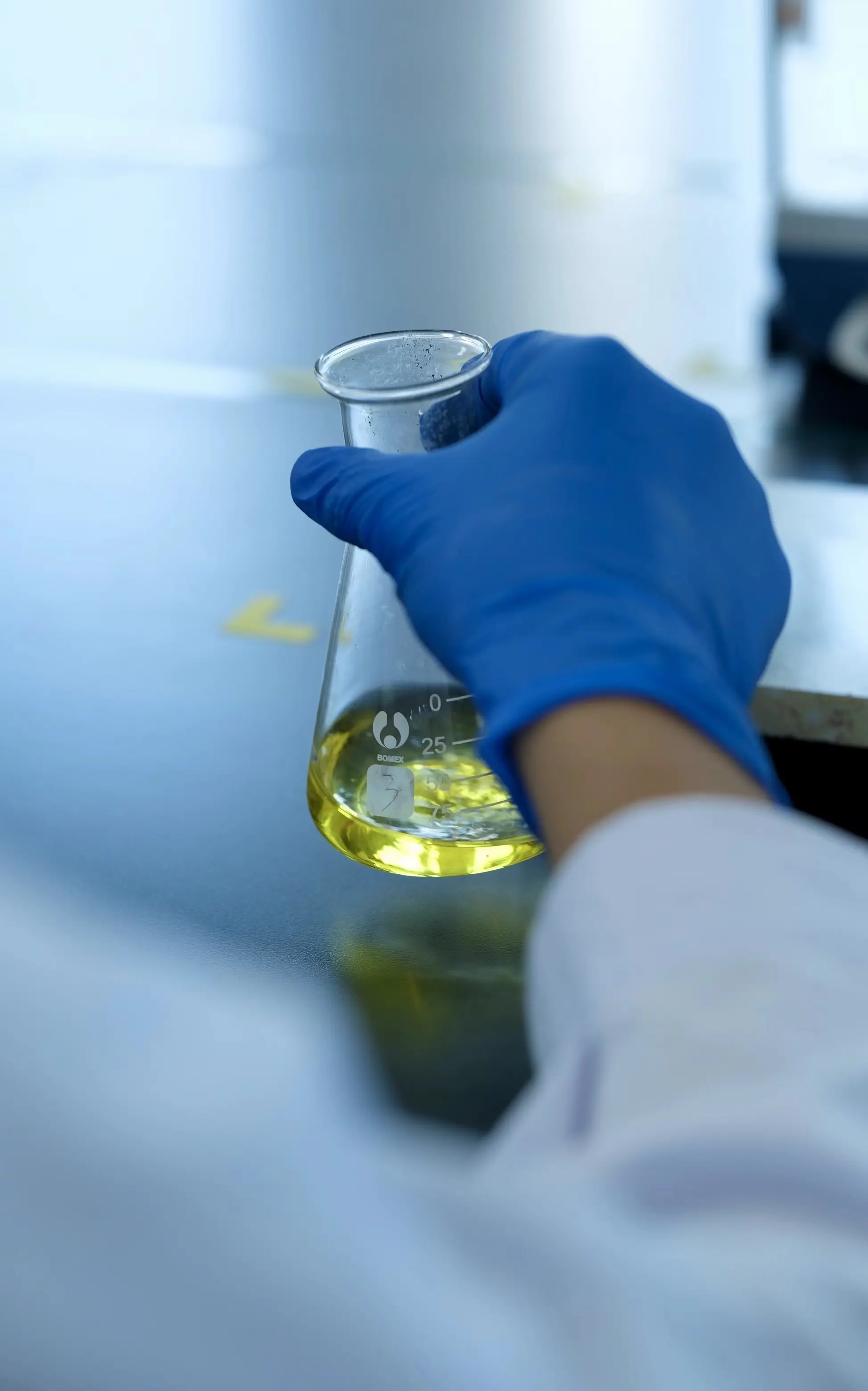
The transition from reactive shock dosing to predictive, targeted molecular maintenance programs is defining the future of membrane preservation.
Traditional cleaners containing EDTA or high phosphates are being phased out globally. The industry is adopting readily biodegradable chelants (e.g., IDS, GLDA) and phosphorus-free scale inhibitors that reduce nitrogen and phosphorus loads in the discharge stream, avoiding eutrophication in natural water bodies.
Biological fouling (extracellular polymeric substances or EPS) is notoriously resilient to typical acid washes. Advanced alkaline cleaners now feature surfactant matrices that lower surface tension and disrupt EPS cohesion, allowing sanitizing biocides to penetrate and eliminate microbial colonies effectively.
Modern CIP cycles employ structured pH oscillation. Alternating from low-pH acidic washes (to resolve carbonate and iron scales) to high-pH alkaline washes (to resolve organic loading and biological slime) ensures complete membrane restoration, preserving original design parameters and minimizing feed pressure requirements.
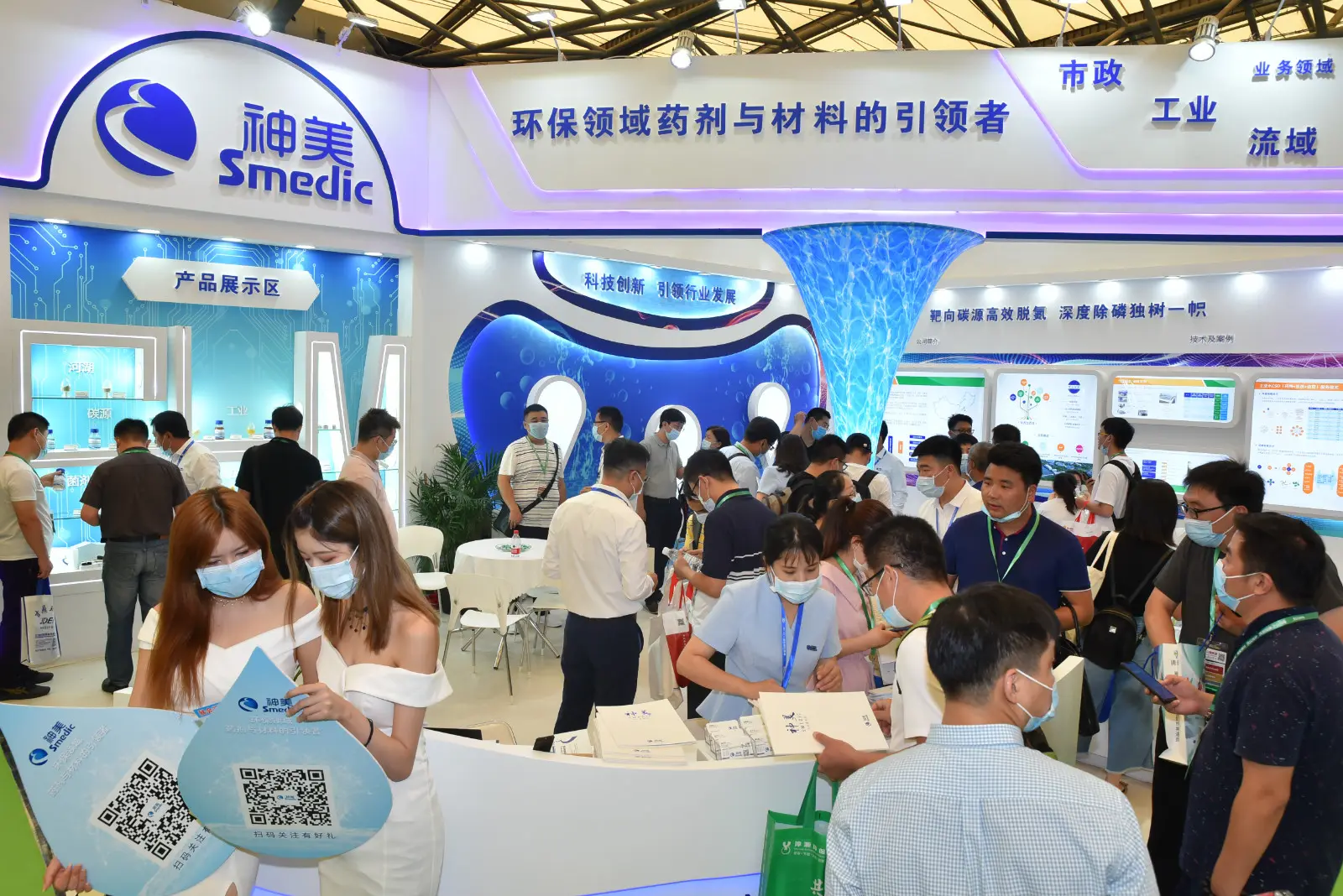
Established in 2011, Smedic Technology Co., Ltd. has evolved into a leading player in the high-end environmental protection chemical sector in the Chinese market. Headquartered in Beijing, Smedic owns multiple wholly-owned production bases across key industrial regions including Hebei, Guizhou, and Shanxi, further supported by over ten OEM partner facilities and strategic logistics centers in Shandong, Anhui, Guangxi, and Sichuan.
With an annual production capacity exceeding one million tons, our business network supports more than 600 municipal sewage plants and over 1,000 industrial end-users across metallurgical, power, chemical, and petrochemical industries. We draft the national and industry standards for primary chemical agents, including composite carbon sources, coagulants, and nitrifying bacterial systems, ensuring absolute regulatory compliance and chemical safety.
Our independently developed "Inorganic-Organic Covalent Bond Flocculant" won the prestigious 22nd China Patent Award and the First Prize for Technological Invention from the China Petrochemical Industry Association, demonstrating our commitment to cutting-edge material science.
Tailoring Clean-in-Place (CIP) chemistries to specific feedwater profiles and industrial requirements.
High salinity and marine biological activity lead to combined biofouling and calcium carbonate deposition on seawater RO (SWRO) systems. Smedic's low-foaming, biodegradable alkaline dispersants and organic acid formulations restore membrane performance without generating toxic halogenated disinfection byproducts, protecting marine discharge zones.
Zero Liquid Discharge (ZLD) plants process high-salinity industrial wastewater with high concentrations of silica, sulfates, and organics. Severe silica scaling ($SiO_2$) can physically lock membrane pores. Smedic's targeted chelating scale cleaners and high-pH polymeric dispersants chemically break up stubborn silica-metal bridges to restore flux.
Ultrapure water (UPW) systems require TOC levels in the single-digit ppb range. RO cleaning agents must leave zero chemical residues that could leach organic carbon or trace ions. Smedic's high-purity cleaning products are manufactured to rigorous specifications, ensuring fast rinse-down periods and minimal conductivity spikes post-CIP.
Smedic Technology is investing in advanced formulations to meet the evolving needs of industrial wastewater reclamation. Our research focuses on three primary innovations:
By leveraging partnerships with leading institutions like the Tsinghua University Association of Senior Scientists and Technicians and Shandong University, we ensure these laboratory developments successfully transition to commercial-scale water treatment applications.
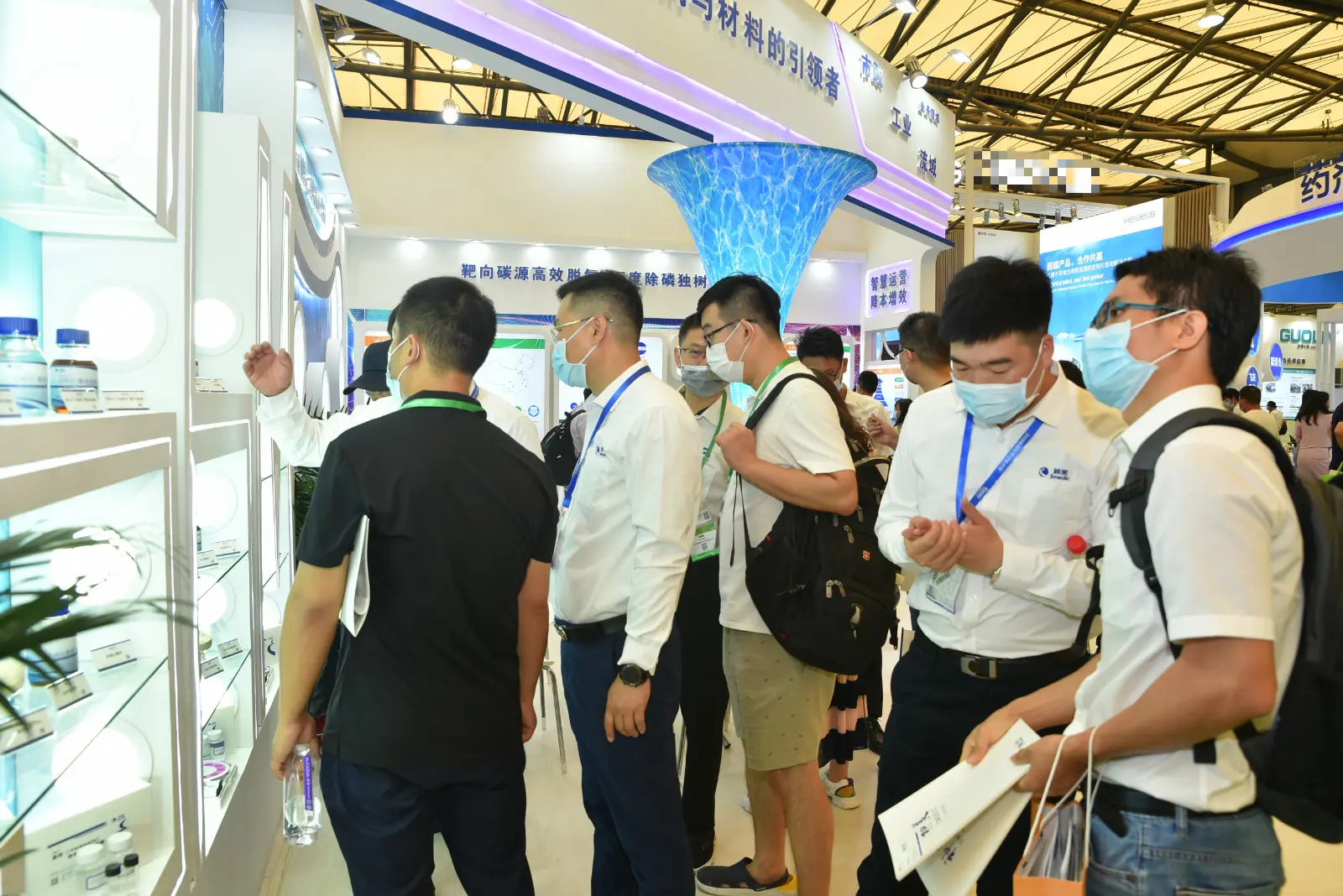
Since 2011, Smedic has expanded its production footprint and advanced its water treatment technology.
Smedic founded in Beijing, establishing a dedicated R&D division for environmental protection reagents.
Expanded domestic reach with a major water treatment chemical production facility in Guiyang.
Completed major expansion projects in Hebei, Shandong, and Guizhou, pushing total annual capacity beyond 1 million tons.
Recognized as a National Specialized, Refined, Unique and Innovative "Little Giant" Enterprise.
Received the National Intellectual Property Advantage Enterprise designation with over 60 active patents.
Formed a strategic joint venture with the Chengdu Institute of Mineral Comprehensive Utilization to expand into specialized mineral processing reagents.
Protecting capital equipment through optimized pretreatment, online scaling prevention, and Clean-in-Place cycles.
A stable RO system relies on proper pretreatment. Smedic offers advanced inorganic and organic coagulants (such as Polyaluminum Chloride and Polyferric Sulfate) that optimize coagulation-flocculation steps. Removing colloidal particles, suspended solids, and natural organic matter before they reach the RO membranes significantly extends the runtime between CIP cycles.
By dosing targeted scale inhibitors into the feed stream, operators can prevent mineral crystallization on membrane surfaces, even at high recovery rates. Smedic’s scale inhibitors protect against calcium carbonate, calcium sulfate, and silica scaling, allowing industrial plants to run reliably at high performance levels.
Practical answers to common operational questions regarding Reverse Osmosis membrane cleaning and antiscalant programs.
Acid cleaners (typically pH 2-3) are used to target inorganic deposits like calcium carbonate scaling, iron oxides, and metal silicates. Alkaline cleaners (typically pH 11-12) target organic matter, silt, biological slime, and biofilms. A standard Clean-in-Place program usually alternates between both, starting with the chemistry that matches the primary foulant identified during diagnostics.
A CIP cycle should be performed when any of the following normalized parameters change by 10% to 15%: a drop in normalized permeate flow, an increase in salt passage (indicating scaling or degradation), or an increase in differential pressure. Cleaning before these parameters exceed 15% ensures high membrane recovery rates; waiting too long can lead to permanent scaling damage.
Phosphate-free formulations prevent phosphate-based scaling (such as calcium phosphate) in high-calcium water and comply with environmental discharge regulations. This helps operators avoid eutrophication in surrounding waterways and simplifies wastewater treatment compliance.
Excessive foam can overflow aeration tanks and block processing equipment. Smedic's organic silicone and polyether defoamers lower surface tension to break up stable foams quickly, ensuring consistent aeration and protecting downstream equipment from foam carryover.
Yes. Smedic's antiscalants and CIP formulations are designed for compatibility with standard polyamide thin-film composite membranes, providing effective cleaning and scaling control without damaging the membrane polymer matrix when used according to specifications.
Most liquid formulations have a shelf life of 12 to 24 months when stored in original, sealed containers in cool, dry, well-ventilated spaces away from direct sunlight. Powder products like sodium acetate remain stable for up to 24 months when protected from moisture and humidity.
Smedic is backed by rigorous quality management systems, research credentials, and national environmental patents.
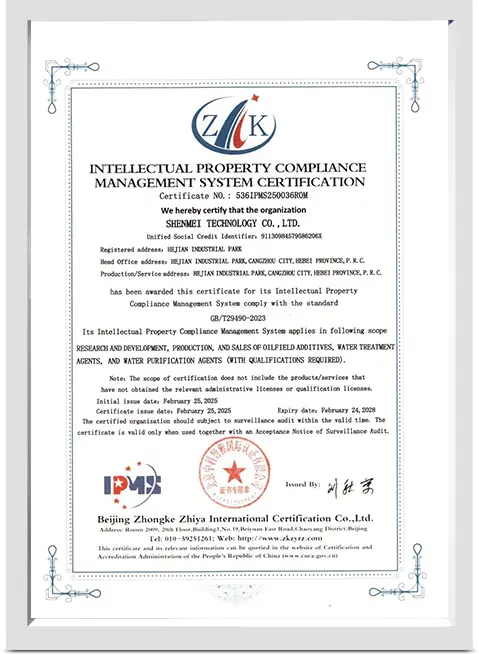
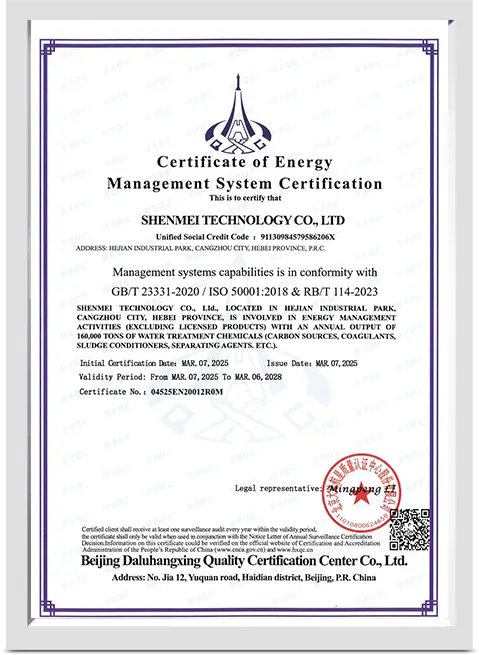
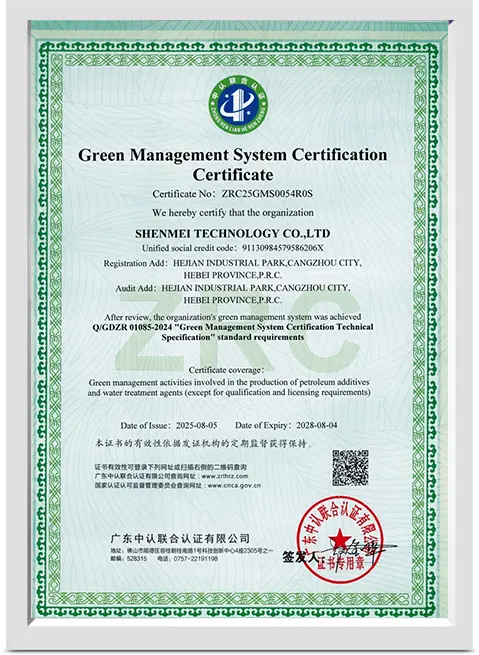
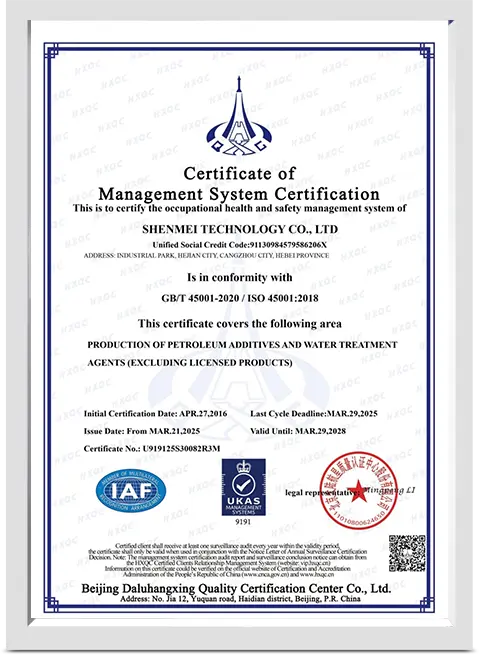
High-purity chemical agents optimized for membrane preservation and municipal filtration networks.
Premium grade liquid/powder PFS for phosphorus removal and heavy metal precipitation.
Organophosphorus-based scaling inhibitor for open loop evaporative cooling systems.
Water purification coagulant optimized for rapid floc formation in low-temperature waters.
High molecular weight flocculants for quick sludge conditioning and solid-liquid separation.
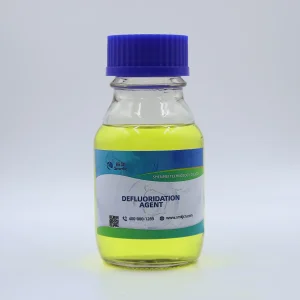
Highly active precipitate agent designed to meet strict industrial wastewater fluoride discharge limits.
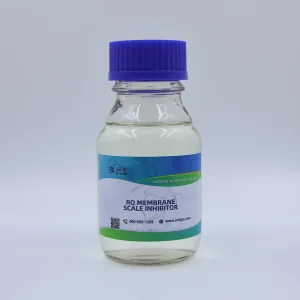
Multifunctional scale inhibitor formulated to prevent mineral scaling on reverse osmosis membranes.
Polymer agent designed to accelerate settling rates in industrial clarifiers and tailings ponds.
Advanced treatment agent designed to extend RO runtime and optimize clean-in-place schedules.
 Smedic Tech