Direct supply of advanced chemical solutions engineered to secure membrane lifespan and control structural scaling.
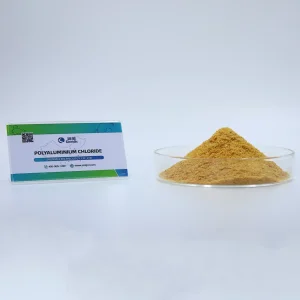
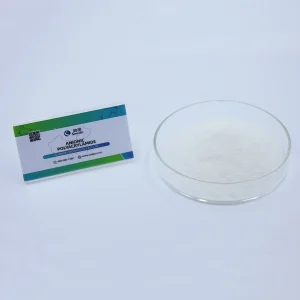
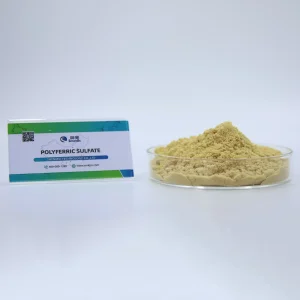
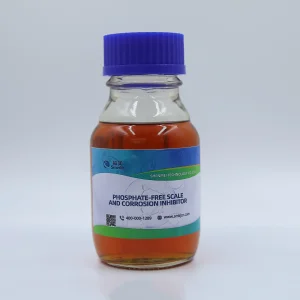
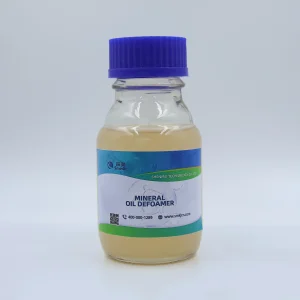
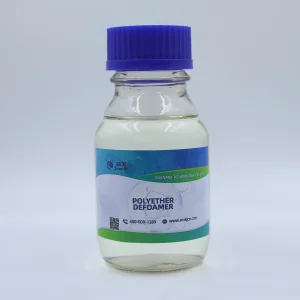
A comprehensive study on scaling dynamics, compound selection, and Chinese manufacturing advantages in high-volume water reclamation.
Reverse Osmosis (RO) stands as the cornerstone of contemporary industrial water purification, desalinization, and zero-liquid discharge (ZLD) configurations. However, the thermodynamic reality of cross-flow membrane filtration is characterized by continuous concentration polarization. As pure water passes through the semi-permeable thin-film composite (TFC) membrane, the reject stream becomes increasingly saturated with dissolved mineral species.
Once the ionic activity product of mineral combinations—specifically calcium carbonate (CaCO₃), calcium sulfate (CaSO₄), barium sulfate (BaSO₄), and colloidal silica (SiO₂)—exceeds the solubility product limits, crystallization kinetics accelerate. Unchecked crystal nucleation leads to scaling, which physically blocks membrane pores, reduces permeate flux, increases operating differential pressure (ΔP), and leads to catastrophic membrane degradation.
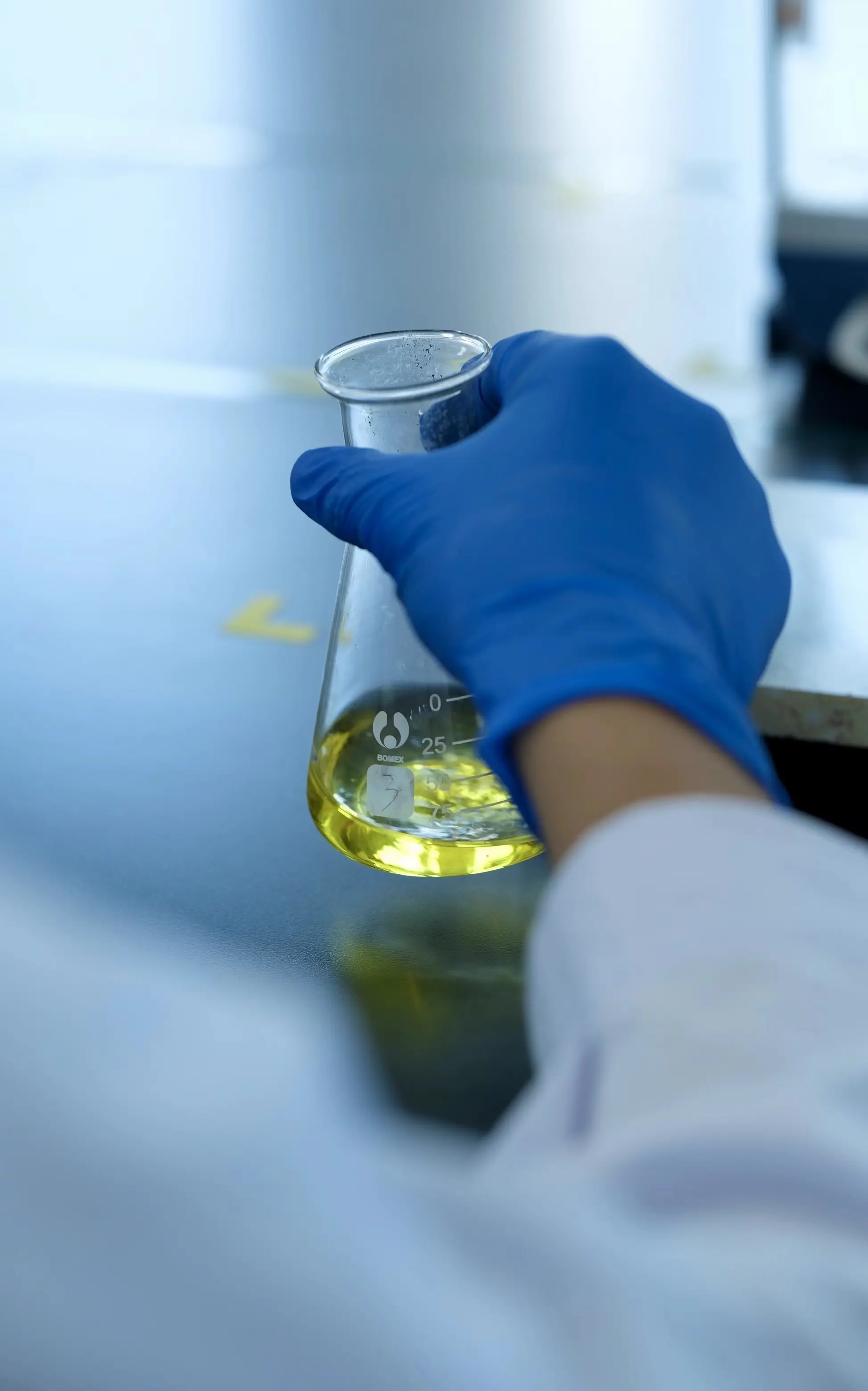
Operating an industrial-scale RO plant involves balancing chemical dosing costs against system downtime and capital replacement cycles. Formulations from expert suppliers target specific chemistry paths:
Established in 2011, Smedic Technology Co., Ltd. is a comprehensive environmental chemical solutions provider integrating R&D, high-capacity production, global logistics, and technical engineering services. We formulate and manufacture over 80 distinct environmental protection chemicals, with an annual capacity exceeding 1 million tons.
Our operations span municipal sewage treatment, industrial wastewater loops, tap water purification, mineral processing, and oilfield extraction chemistry. Today, Smedic products support more than 600 urban wastewater treatment plants and over 1,000 corporate clients globally, managing a cumulative treatment volume surpassing 20 million tons per day.
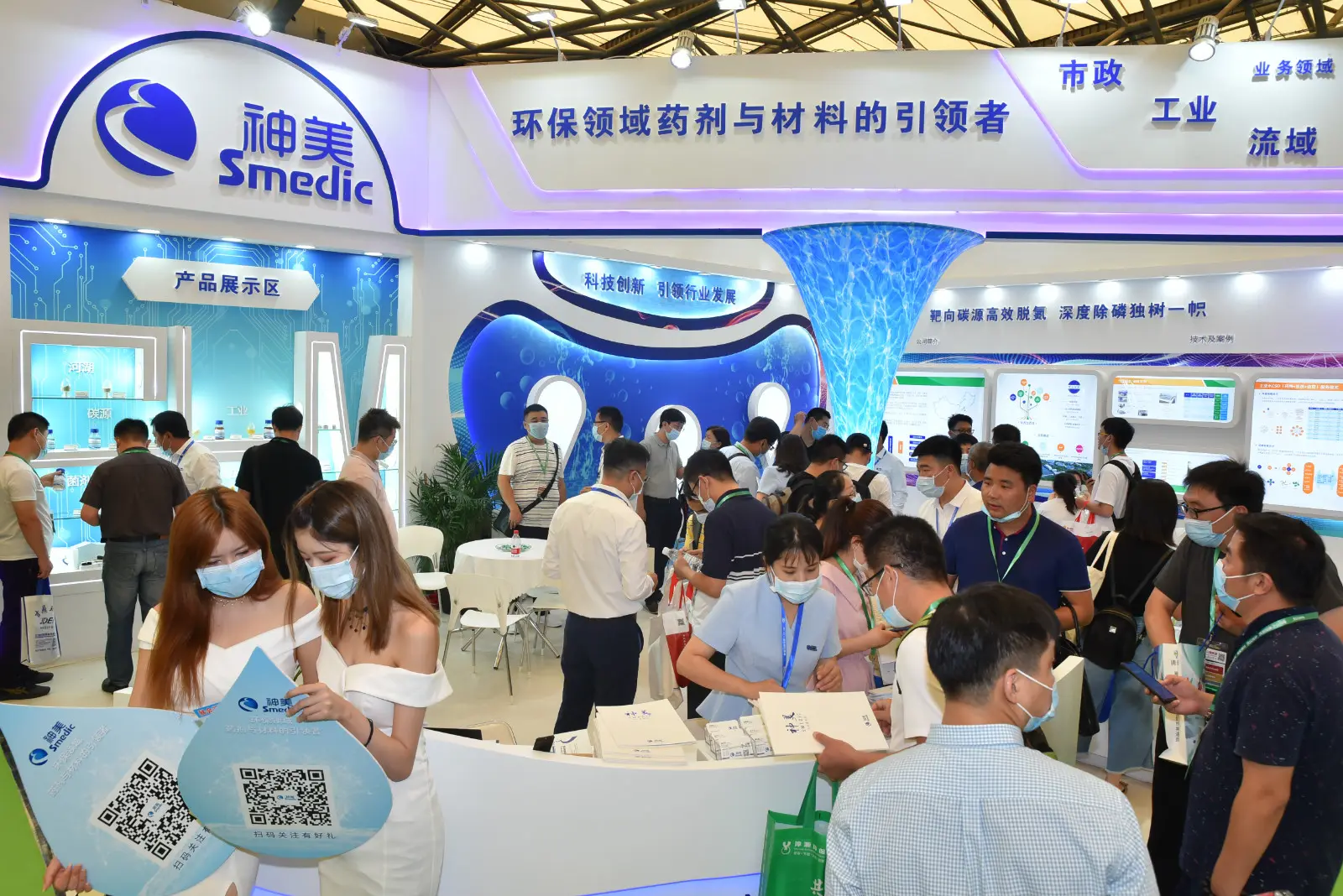
Understanding the infrastructural, cost, and logistics drivers that place Chinese production at the forefront of the global water treatment supply chain.
China's chemical manufacturing zones leverage close proximity to key raw materials, including phosphorus derivatives, acrylic acid monomers, and basic alkalis. This local supply minimizes internal transport overheads and ensures stable manufacturing input costs despite global raw material volatility.
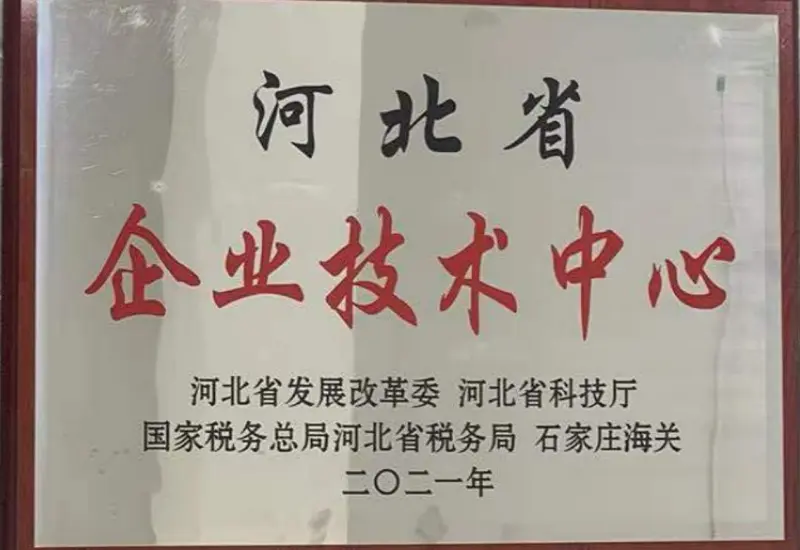
With R&D infrastructure like our Hebei Provincial Advanced Water Treatment Chemicals Technology Innovation Center, we utilize high-precision synthetic reactors. This allows for fine molecular weight distribution in polymers and tailored formulation options for various feed waters.
Smedic maintains over ten OEM partner facilities and strategic warehousing hubs across Shandong, Shanxi, Anhui, Guangxi, and Sichuan. This network guarantees quick transport to major shipping hubs, facilitating containerized ocean shipping to global enterprises.
Modern regulatory guidelines, including the EU Green Deal and local environmental discharge limits worldwide, are driving a transition away from traditional organophosphorus antiscalants (such as ATMP and HEDP). Although phosphorus compounds provide effective scale inhibition, their discharge into natural water bodies can accelerate eutrophication. The industry is actively shifting toward biodegradable, carboxylated, and non-phosphorus polymer alternatives (such as polyaspartic acid derivatives) that prevent scale deposition without adding nutrient loads to wastewater discharge.
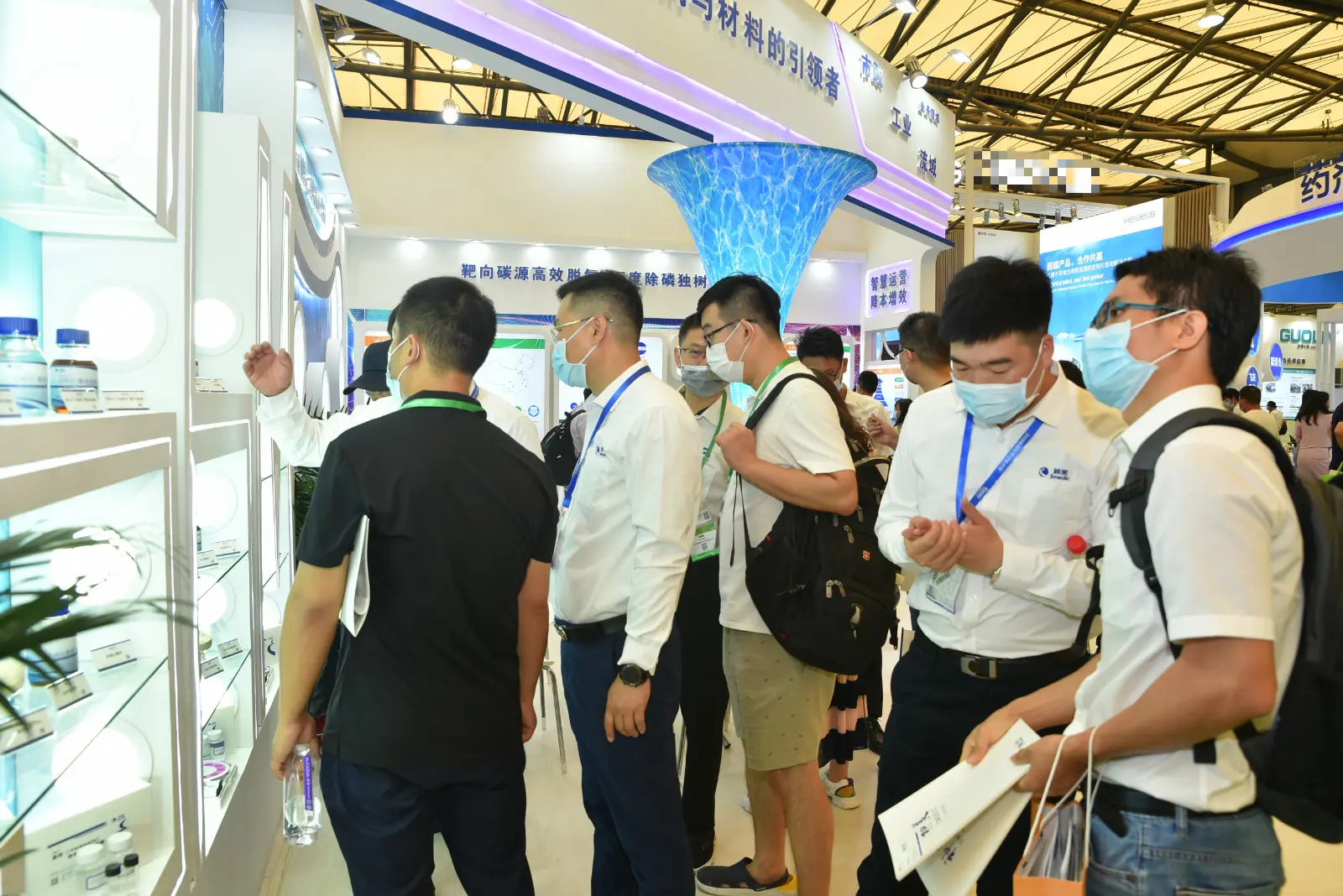
Our technical core is supported by a specialized team of academicians, senior engineers, and professors. Smedic operates in partnership with research institutions such as Tsinghua University, Shandong University, Beijing University of Technology, Peking University, and Tianjin University to accelerate the commercialization of new chemical technologies.
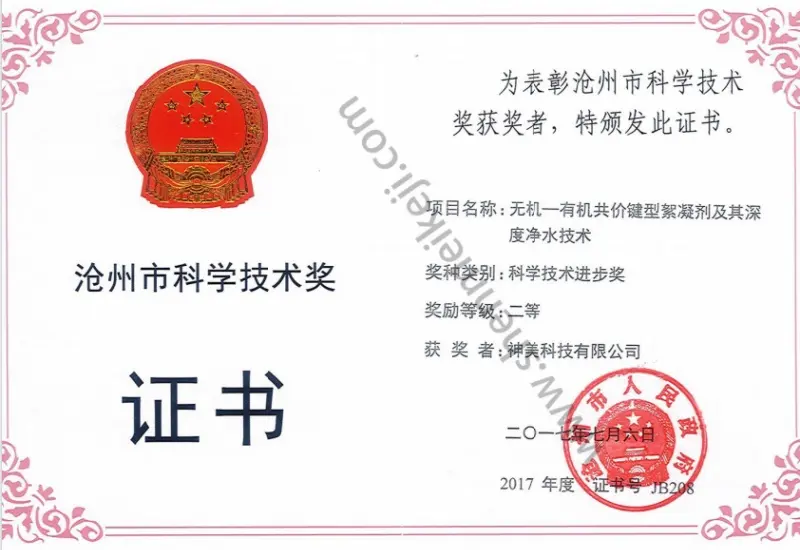
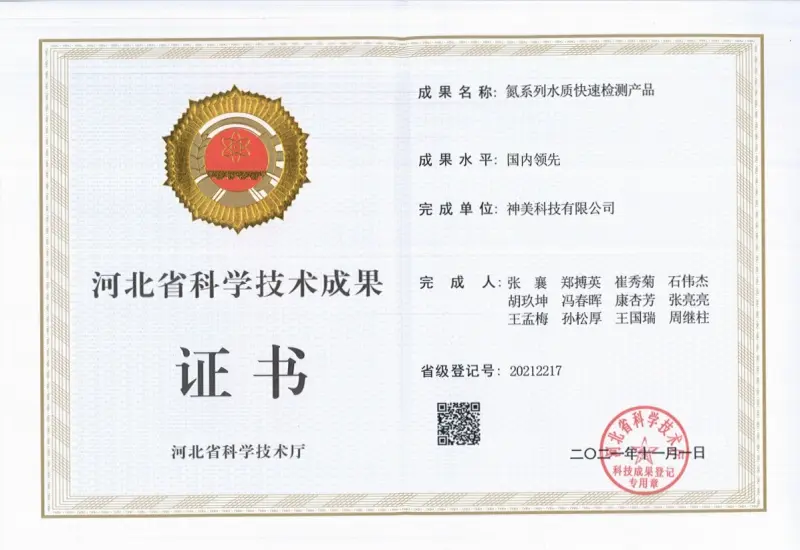
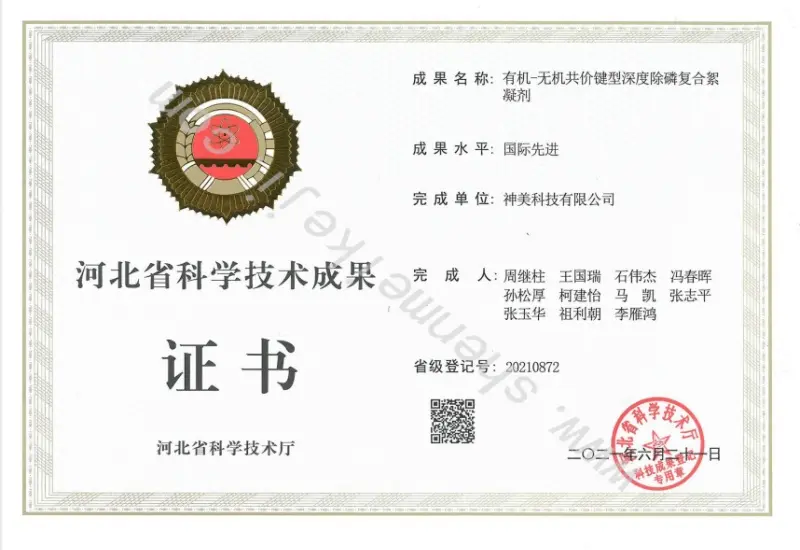
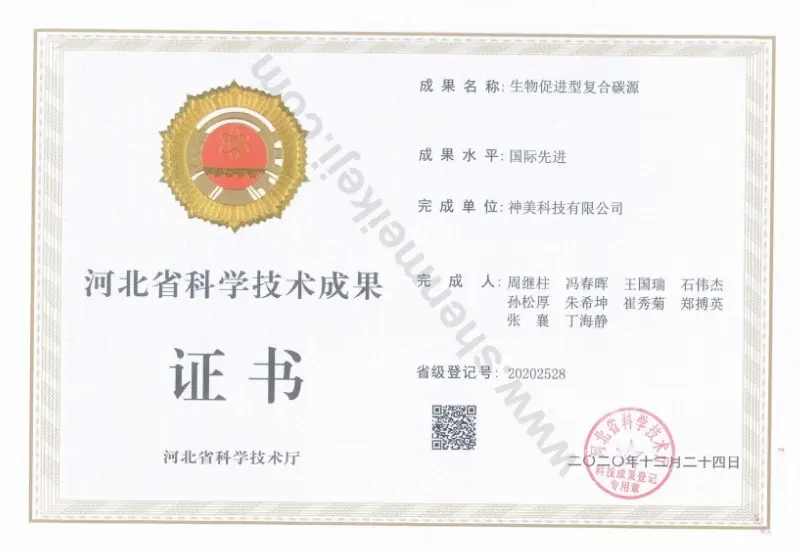
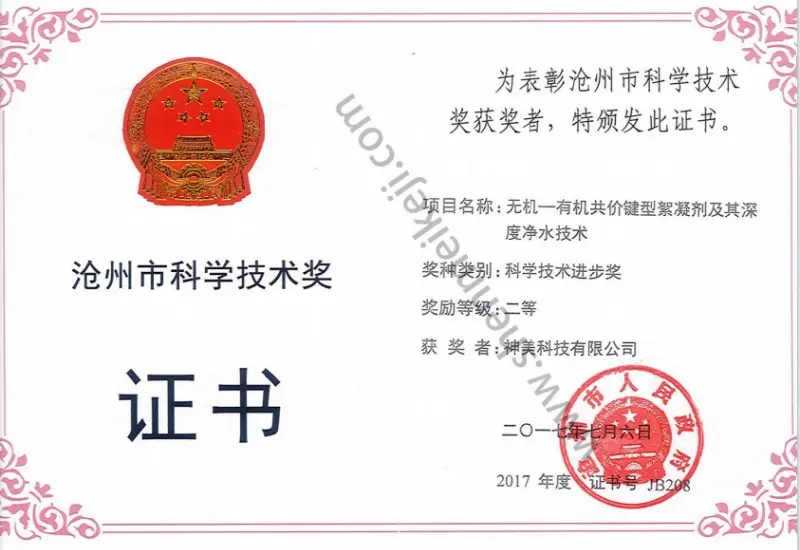
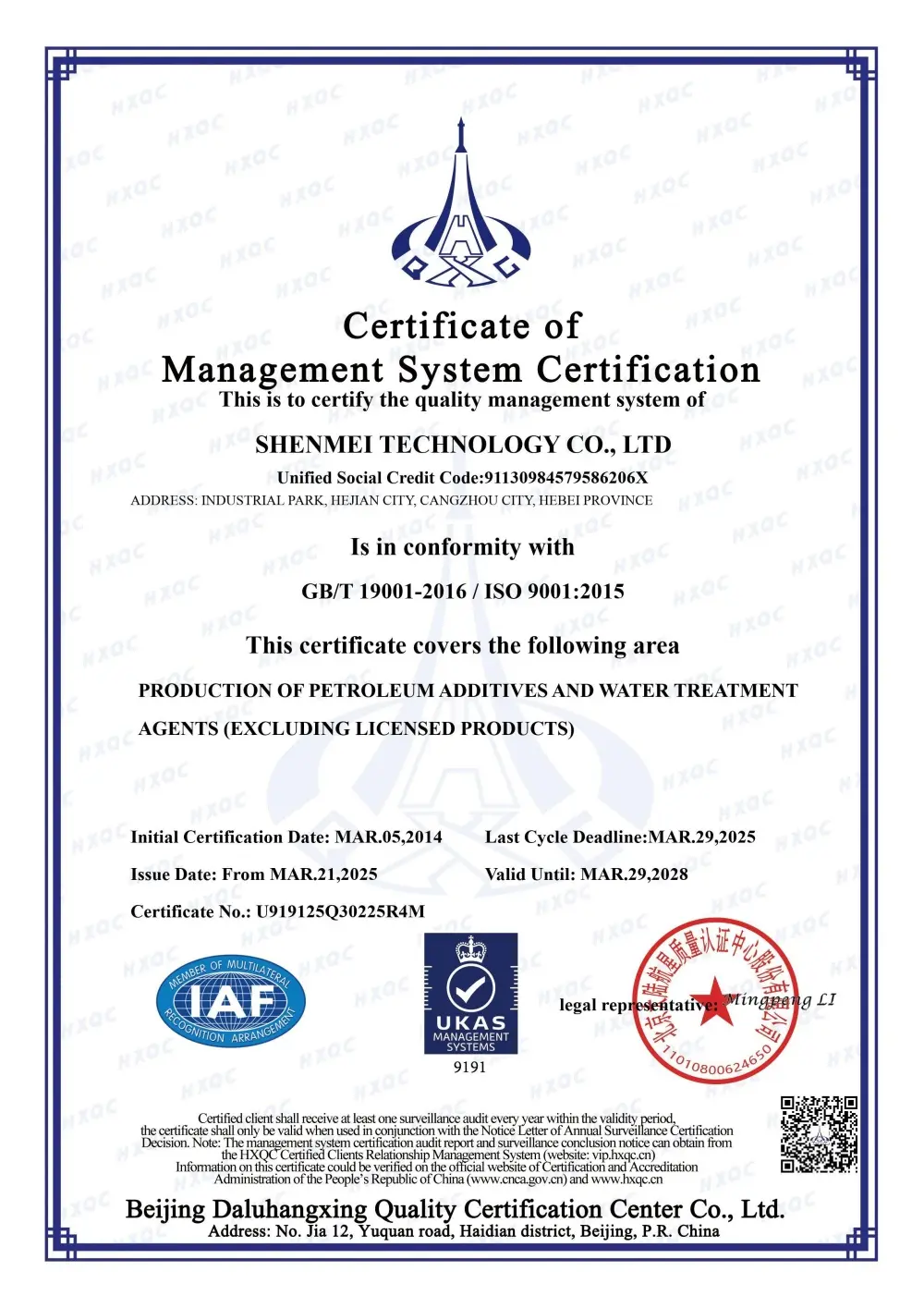
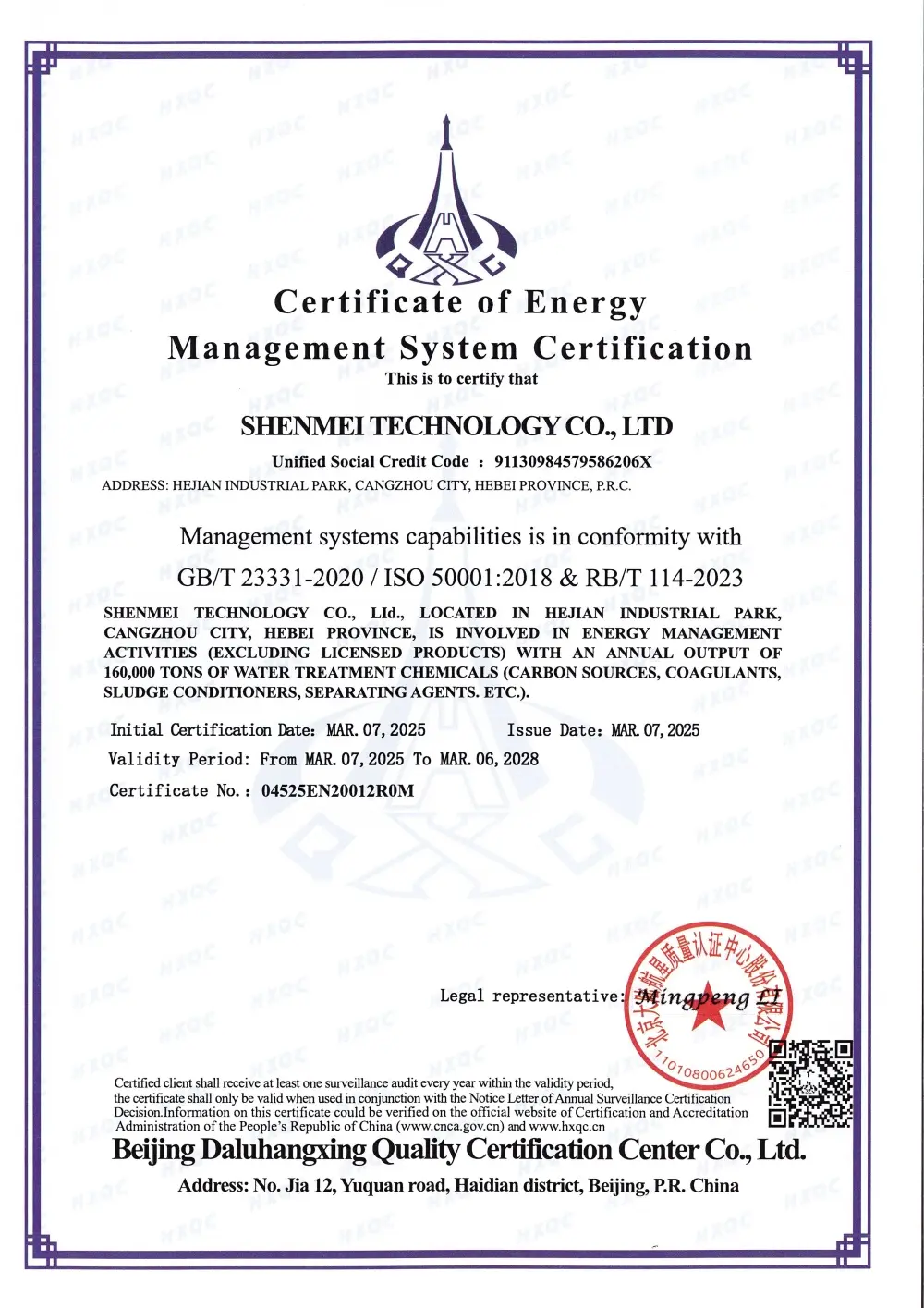
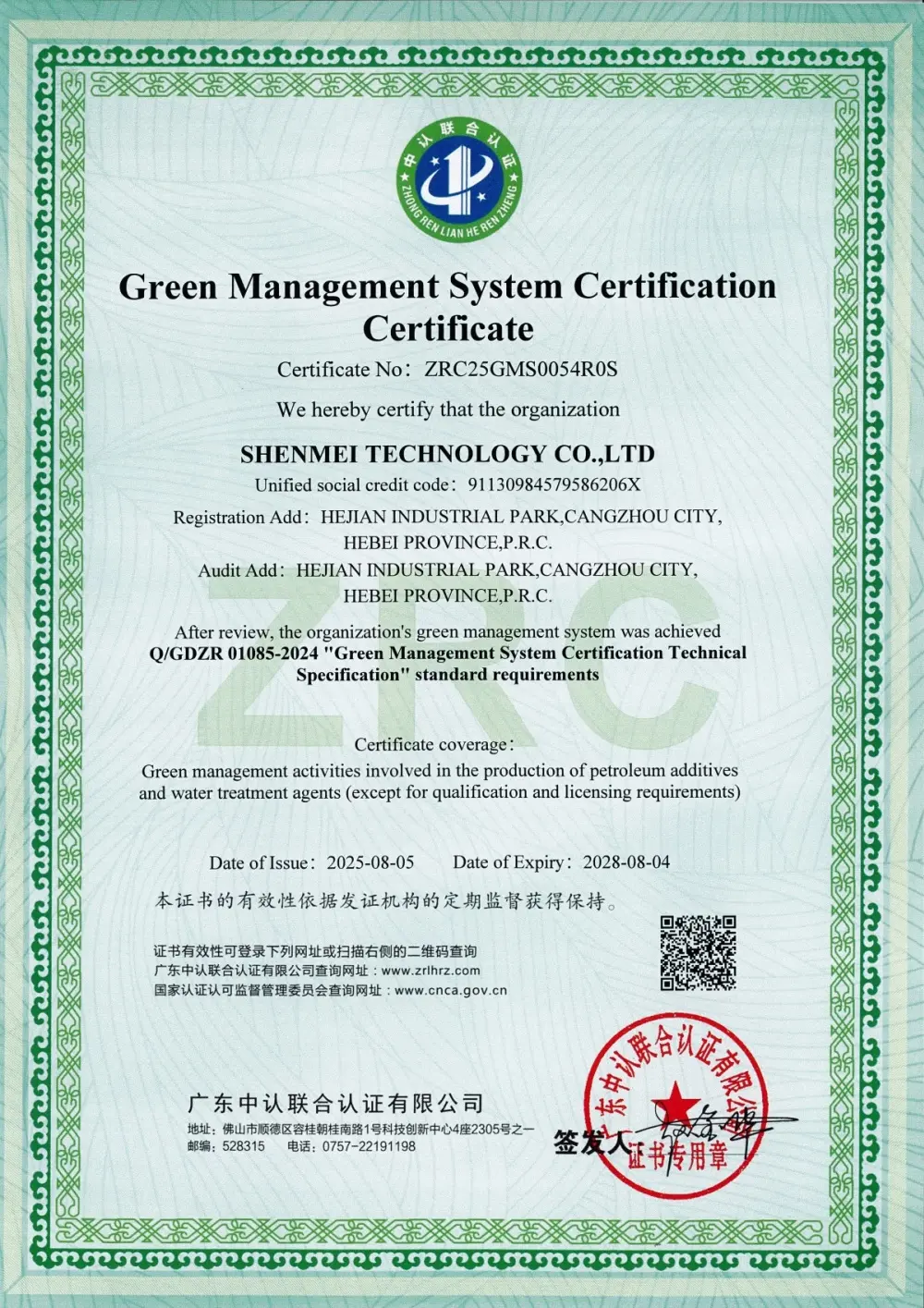
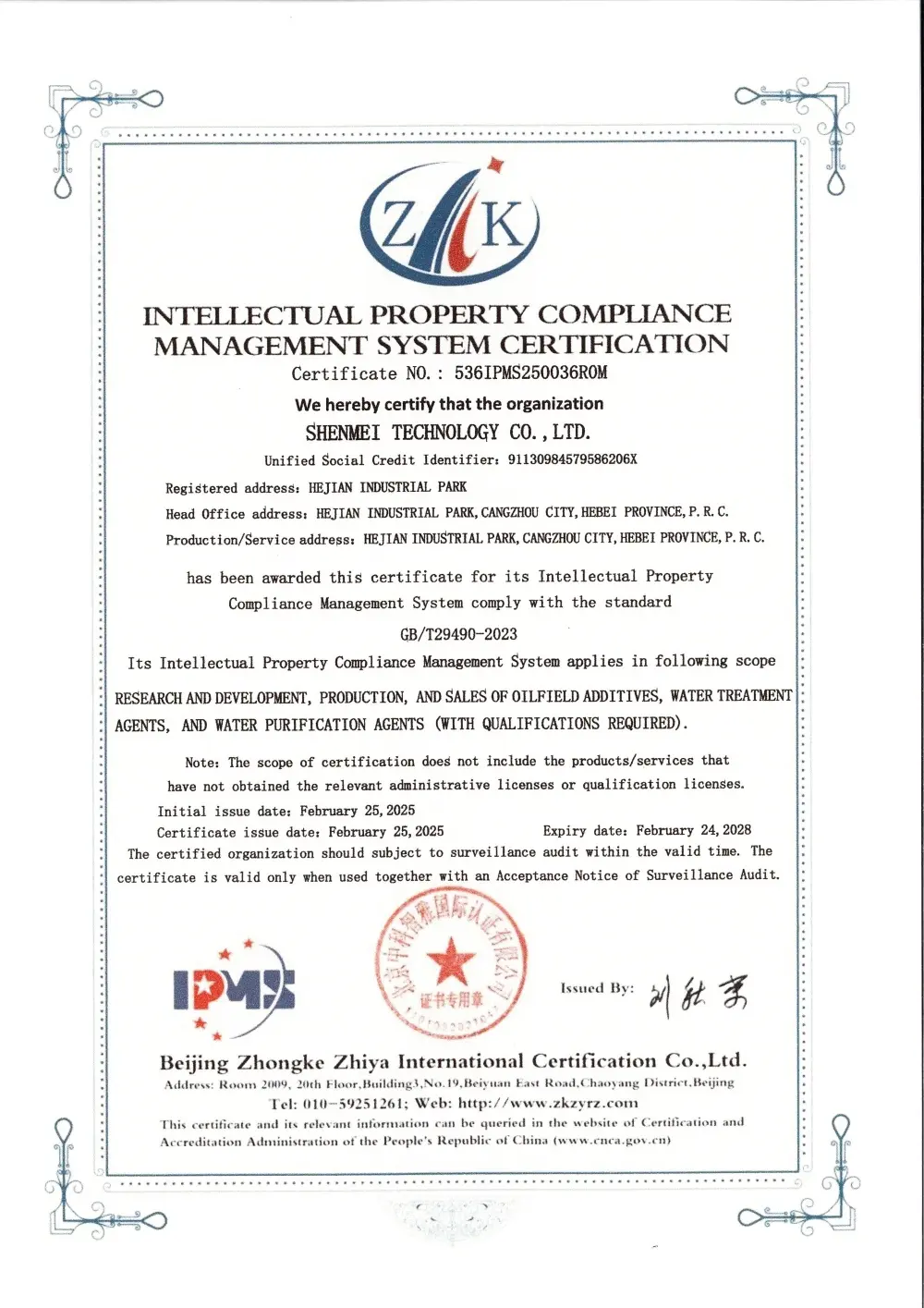
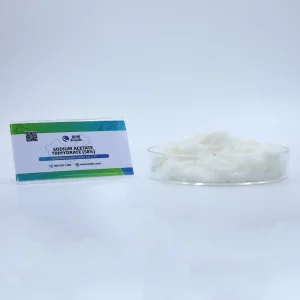
We hold over sixty patents (including forty invention patents) and have led the drafting of ten national and industry standards for chemical carbon sources, composite coagulants, and sodium acetate buffer solutions. This deep focus on quality standards has helped us maintain the title of "Leading Brand of Advanced Wastewater Treatment Chemicals" for four consecutive years.
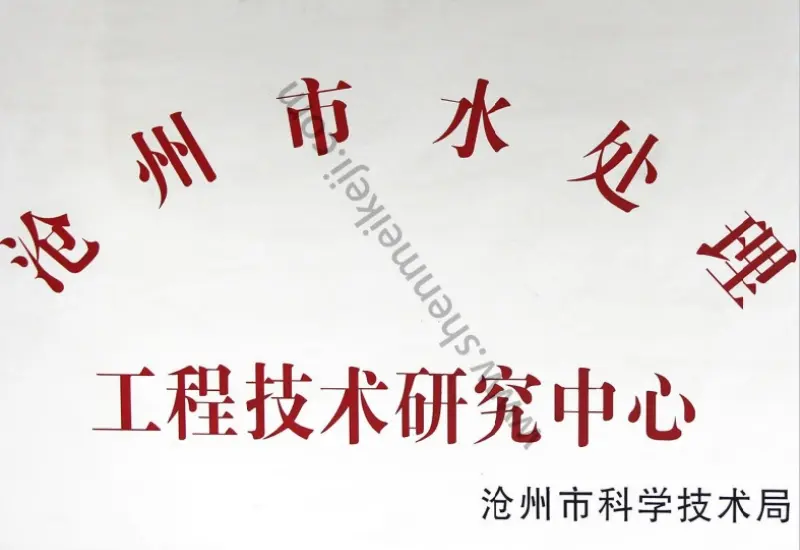
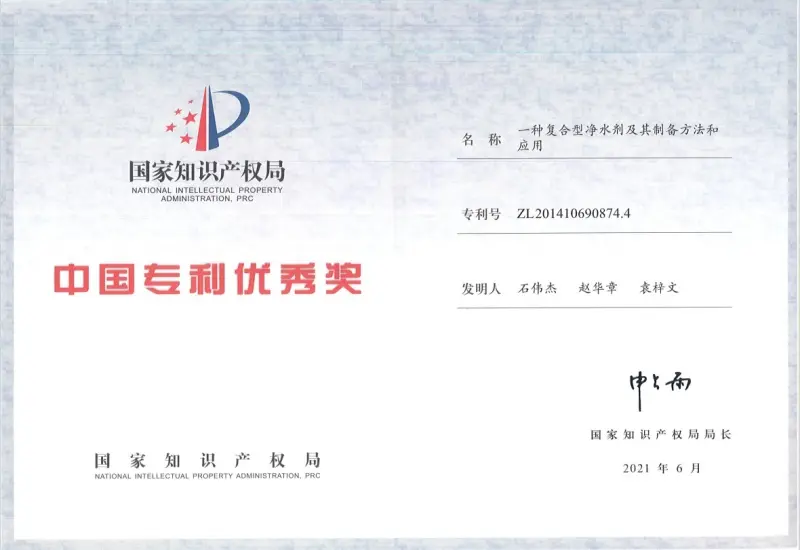
A history of capacity expansions, R&D breakthroughs, and strategic joint ventures.
Smedic was founded, establishing primary laboratories for wastewater reagent R&D and targeting industrial water treatments.
Developed a comprehensive product portfolio tailored for municipal wastewater treatment, introducing custom coagulants and flocculants.
Recognized as a Key National High-Tech Enterprise, expanding patent filings for proprietary scale and corrosion inhibitors.
Established Guiyang production base, adding regional capacity to support clean water projects in Southwest China.
Completed major expansion across Hebei, Shandong, and Guizhou facilities, pushing annual production capacity beyond 1 million tons.
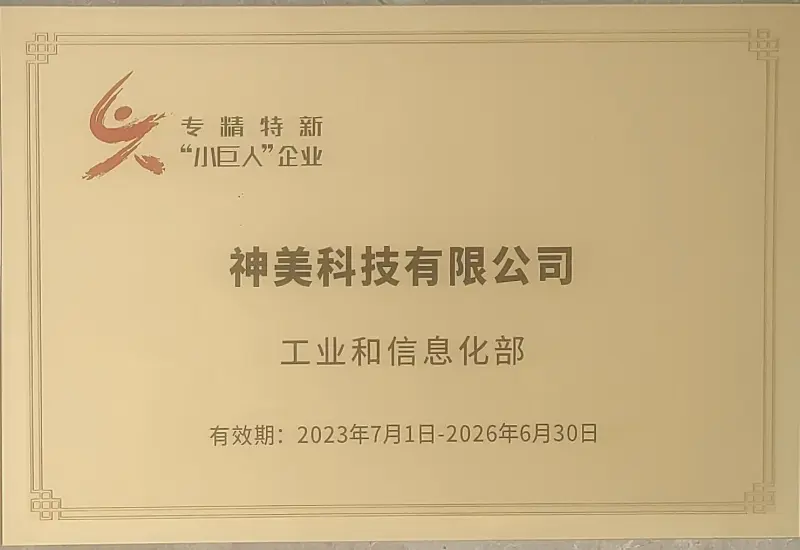
Designated as a National Specialized, Refined, Unique and Innovative Small and Medium-sized Enterprise ("Little Giant").
Established the Hebei Provincial Advanced Water Treatment Chemicals Technology Innovation Center, standardizing testing and custom synth methodologies.
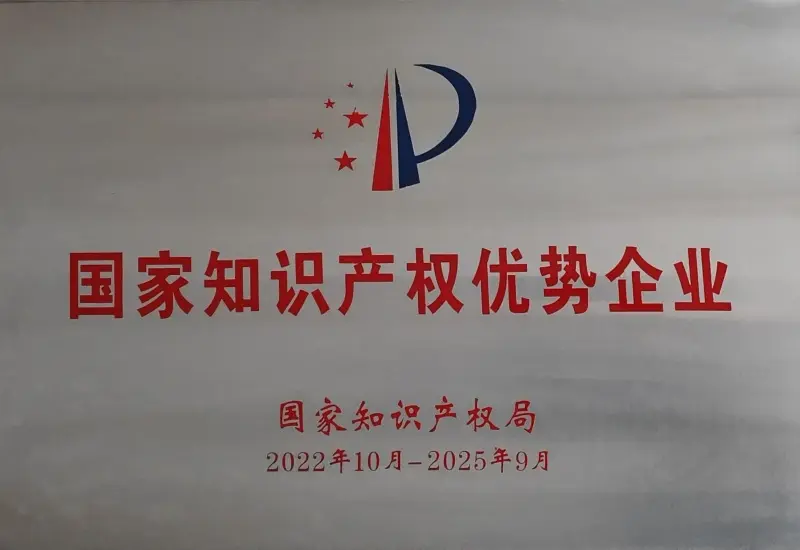
Accredited as a National Intellectual Property Advantage Enterprise with over sixty Chinese patents and forty invention patents.
Formed a strategic joint venture with the Chengdu Institute of Mineral Comprehensive Utilization, China Geological Survey, expanding into high-yield mineral processing reagents.
Deploying specialized chemistry to solve local operational challenges across various industrial sectors.
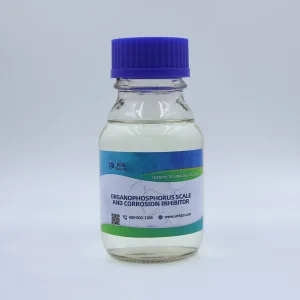
Petrochemical refining operations demand massive cooling water volumes, which are often drawn from variable-quality surface sources. This water is susceptible to rapid calcium phosphate and carbonate scaling due to high thermal gradients. Smedic supplies high-stability organophosphorus scale and corrosion inhibitors that maintain heat exchanger efficiency, reducing unscheduled cleaning cycles.
In water-scarce regions, coal-chemical plants and heavy manufacturing complexes must operate under Zero Liquid Discharge (ZLD) regulations. This requires recovery rates above 95% on RO systems. Scaling risks scale up exponentially in these setups. Dosing Smedic specialized RO antiscalants at calculated indices allows systems to operate safely near salt saturation limits.
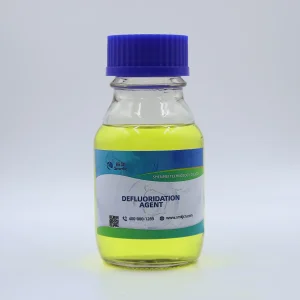
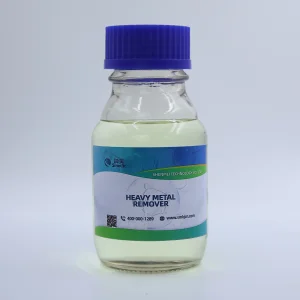
For operations processing electronics wastewater, semiconductor wash-water, or electroplating discharges, specialized heavy metal and fluoride removal agents are required. Smedic's heavy metal chelating agents and specialty adsorbents precipitate contaminants out of solutions before the water reaches secondary purification stages, protecting municipal infrastructure and downstream RO membranes.
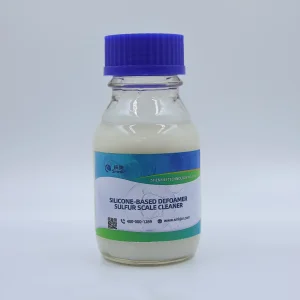
Produced waters in EOR projects contain high total dissolved solids (TDS) and organic loads. Managing this water requires robust defoaming agents and specialized non-ionic polyacrylamides (NPAM) to optimize separation and prevent foam overflow in separators, ensuring smooth reinjection or disposal processes.
Detailed technical answers addressing common inquiries from process engineers and procurement directors.
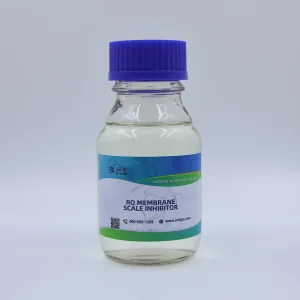
Explore our targeted product range designed for membrane scale control and heavy industrial wastewater purification.
 Smedic Tech