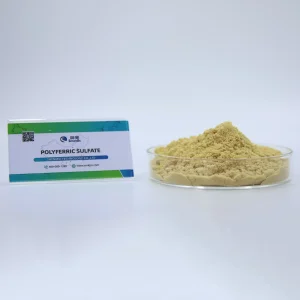
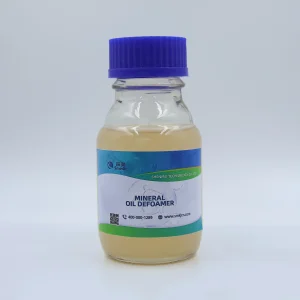
Engineered high-performance formulations for targeted municipal, oilfield, and industrial sludge dewatering applications.
Established in 2011, Smedic Technology Co., Ltd. is a leading, comprehensive solution provider specializing in environmental protection agents, integrating R&D, production, sales, and advanced engineering-related technical services. We are dedicated to providing global enterprise customers with customized chemical products, high-end technical solutions, and dedicated local services.
Smedic manufactures a wide array of environmental protection agents covering municipal sewage, industrial wastewater, tap water purification, mineral processing agents, and oilfield chemicals. Today, we offer more than 80 different environmental protection products, supported by an annual production capacity that exceeds 1 million tons.
Company Established
Types of Environmental Agents
Tons Annual Capacity
An authoritative analysis of polymer dynamics, charge properties, and flocculation kinetics under extreme industrial conditions.
Polyacrylamide (PAM), represented by the chemical formula [-CH2CH(CONH2)-]n, is a highly versatile water-soluble polymer extensively utilized as a flocculant, coagulant aid, rheology modifier, and filtration enhancer. Within industrial water treatment, the functional efficacy of PAM resides in its long-chain molecular conformation and reactive amide side groups, which drive solid-liquid separation processes through two primary mechanisms: charge neutralization and polymer bridging.
Industrial PAM syntheses yield linear or cross-linked architectures classified into three dominant ionic categories tailored to specific fluid profiles: Cationic (CPAM), Anionic (APAM), and Non-ionic (NPAM).
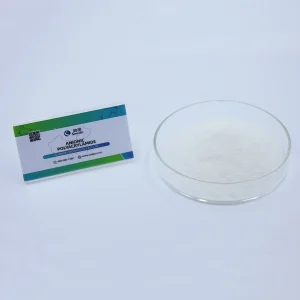
Synthesized via copolymerization of acrylamide with acrylic acid or through partial hydrolysis. Features negatively charged carboxylate groups that promote polymer chain expansion. Excellent for bridging neutral or positively charged inorganic particles such as mineral slurries, metallurgy tailings, and river water turbidity.
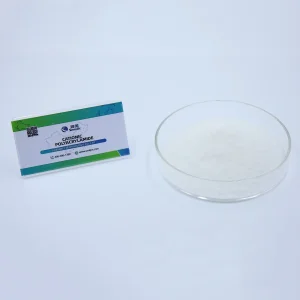
Constructed by introducing cationic monomers such as DAC (acryloyloxyethyltrimethyl ammonium chloride) or DMC (methacryloyloxyethyltrimethyl ammonium chloride). Highly effective at neutralizing negatively charged organic colloids found in municipal sewage sludges, biological waste, and industrial paper mill processes.
Characterized by a low degree of hydrolysis, maintaining a neutral polymer backbone. Highly effective in highly acidic aqueous media or solutions with elevated salinity, where ionic charges would otherwise cause chain collapse, ensuring robust floc consolidation.
The efficiency of solid-liquid separation is dictated by the polymer's molecular weight (MW) and charge density. High-molecular-weight PAM (ranging from 10 to 25 million Daltons) creates massive physical bridges. When suspended particles touch the extended polymer chains, they adsorb onto active sites. These chains then link multiple particles together, forming dense, shearing-resistant flocs that settle rapidly. In contrast, CPAM uses charge neutralization to lower the zeta potential of colloidal suspensions, destabilizing the electrostatic repulsion between particles and causing rapid aggregation.
How multinational corporations mitigate procurement risks, guarantee process stability, and implement target-specific chemicals.
Industrial buyers face complex challenges, including supply chain disruptions, fluctuating raw material costs (like acrylonitrile), and strict environmental laws. Smedic helps mitigate these risks through our diversified, large-scale production facilities in Hebei, Guizhou, and Shanxi, ensuring a steady, high-volume supply and stable, competitive pricing.
In mineral processing (e.g., gold, coal, copper, iron ore tailings), water conservation is critical. Smedic APAM increases settling rates in thickeners by up to 300%, allowing mines to recycle process water immediately. Our partnerships, including joint ventures with Chengdu Institute of Mineral Comprehensive Utilization, ensure we supply chemicals specifically tailored to handle complex ore types.
Refineries and chemical plants generate wastewater containing complex mixtures of hydrocarbons, heavy metals, emulsified oils, and suspended solids. Smedic provides integrated solutions combining PFS Coagulants, high-charge CPAM, and organophosphorus scale inhibitors to protect downstream equipment while meeting environmental discharge limits.
Urban expansion strains local municipal treatment facilities. Our high-efficiency CPAM formulations optimize sludge dewatering in belt presses and centrifuges, producing high-solids filter cakes that lower disposal costs. We support major water groups like Shouchuang and BEWG, treating over 20 million tons of wastewater daily.
An expansive supply network across China, supporting key municipal and industrial wastewater facilities.
Our corporate headquarters is located in Beijing, we have multiple wholly-owned production bases in Hebei, Guizhou, Shanxi, and other regions, and have set up more than ten OEM partner factories and regional warehousing and logistics bases in Shandong, Shanxi, Anhui, Guangxi, and Sichuan provinces, among others.
Our business and service network covers over 20 provinces across China. Our projects involve more than 600 urban sewage treatment plants and over 1,000 end customers in industrial wastewater treatment, mineral processing, and oilfield chemicals.
The total sewage treatment capacity involved in the projects exceeds 20 million tons per day, establishing Smedic as a leading player in the high-end municipal and industrial wastewater chemical sectors.
Provinces Covered
Sewage Plants Served
Industrial End Clients
Tons Daily Treatment Capacity
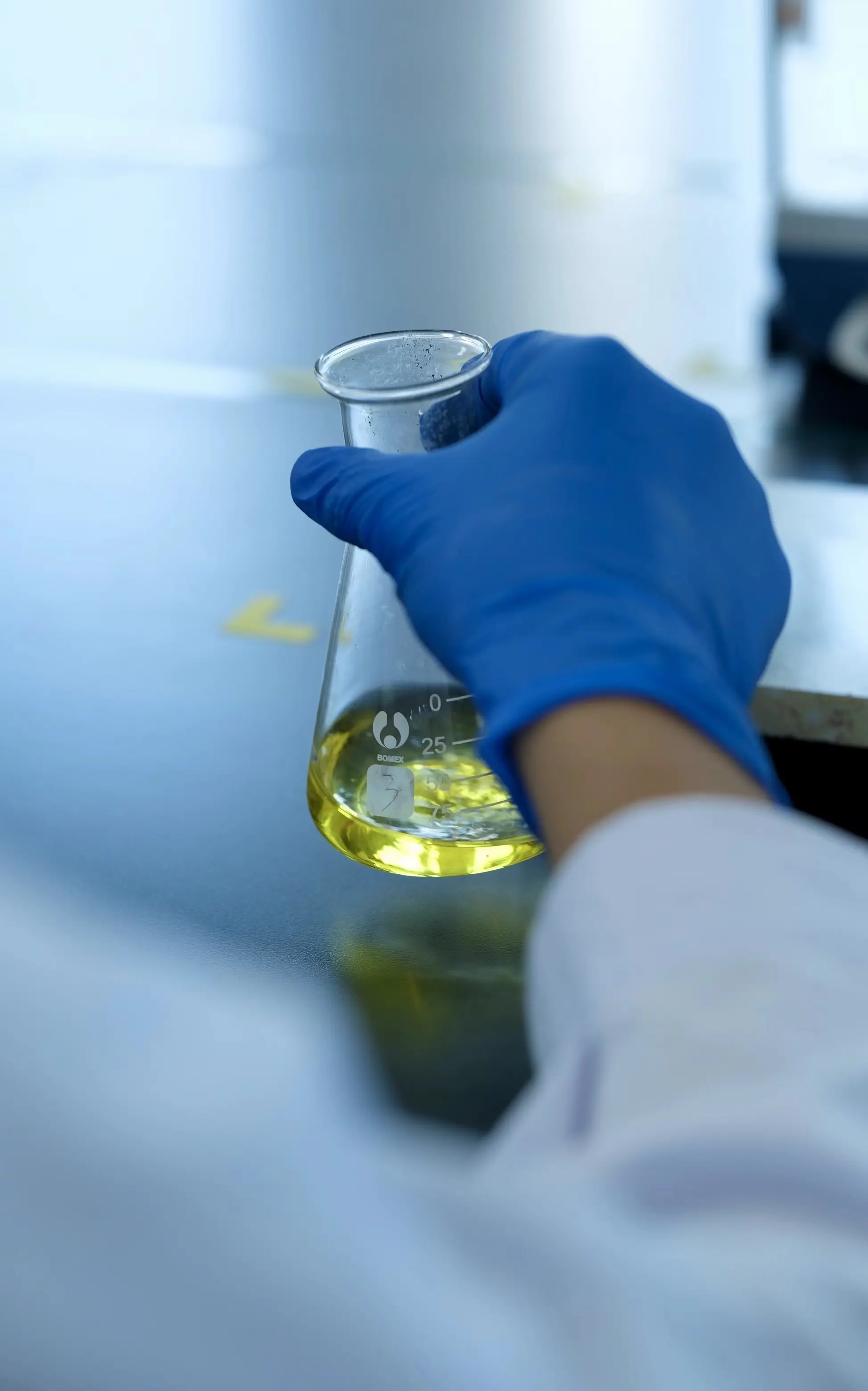
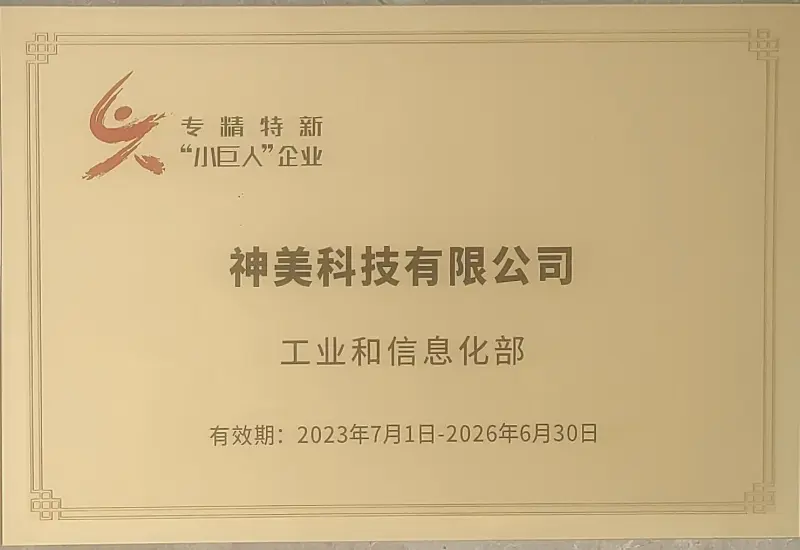
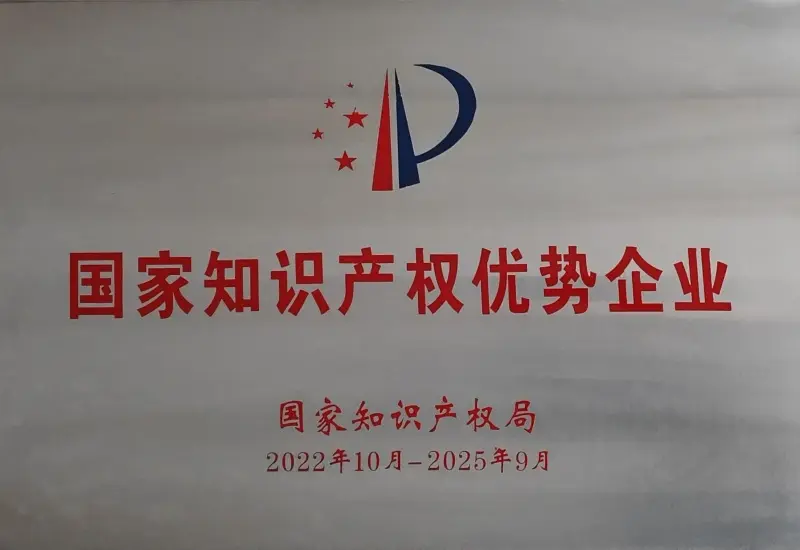
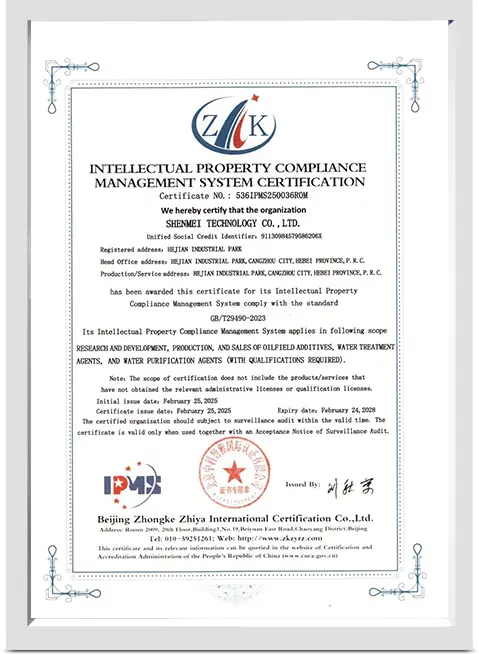
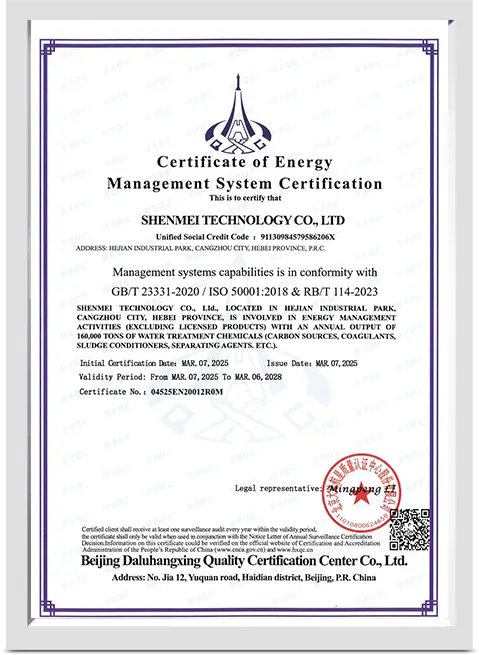
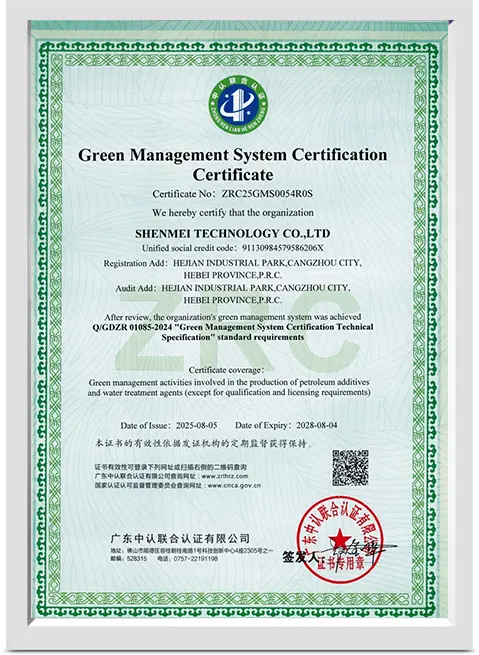
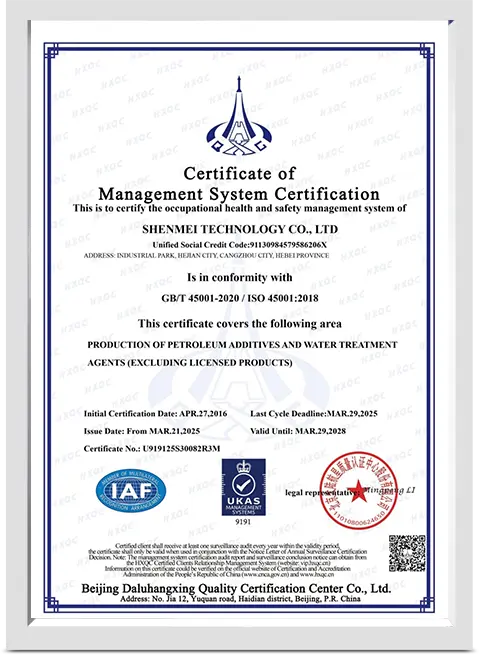
We have obtained prestigious national recognitions including National High-tech Enterprise, National Specialized, Refined, Unique and Innovative "Little Giant" Enterprise, and Hebei Province Green Factory.
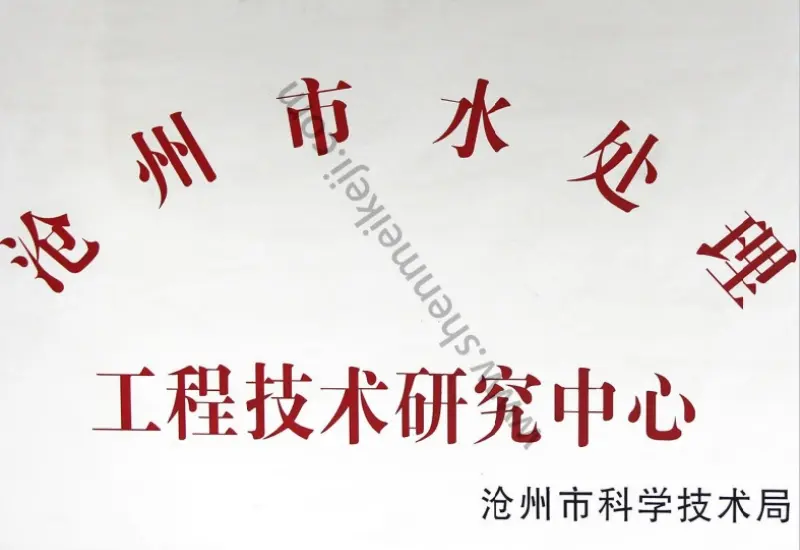
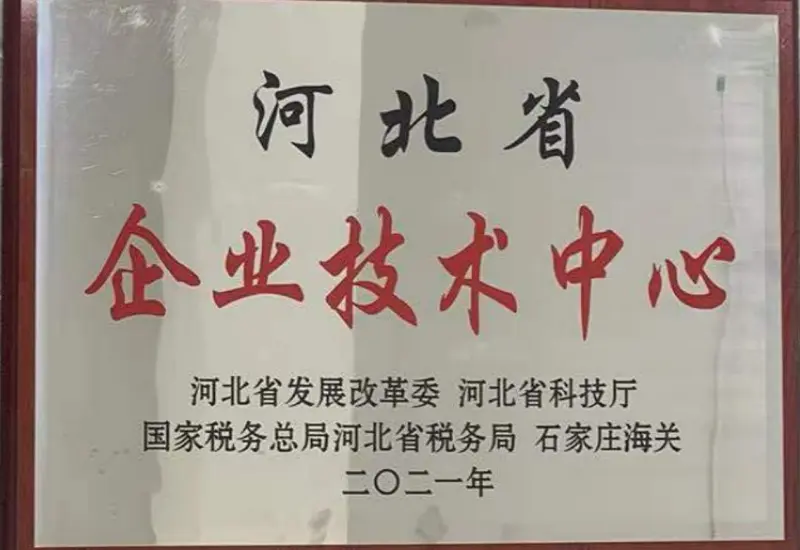
Our core technical team is composed of academicians, experts, professors, and senior engineers. We have built an R&D system and technology commercialization platform centered around one academy, three research institutes, and five bases. These include the Hebei Provincial Enterprise Technology Center and the Cangzhou Water Treatment Engineering Technology Research Center. We have also established workstations with Tsinghua University and joint R&D laboratories with Shandong University and Beijing University of Technology.
Decades of scientific milestones and expansion in environmental chemical manufacturing.
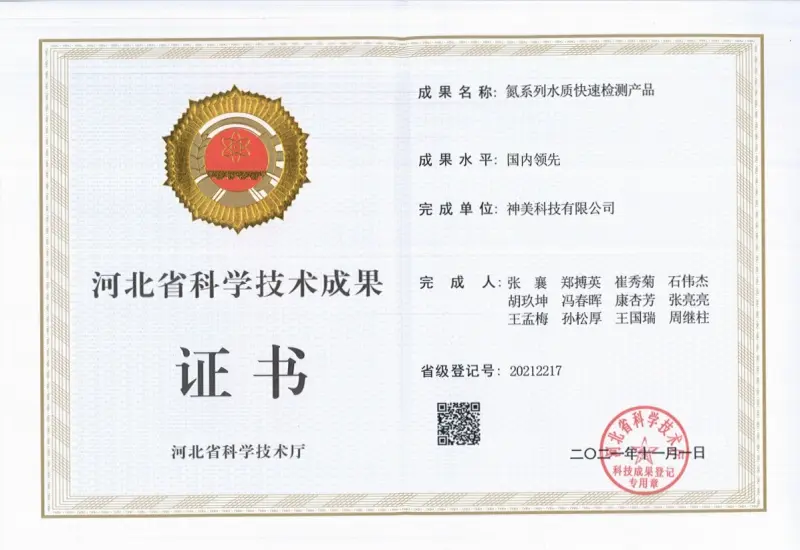
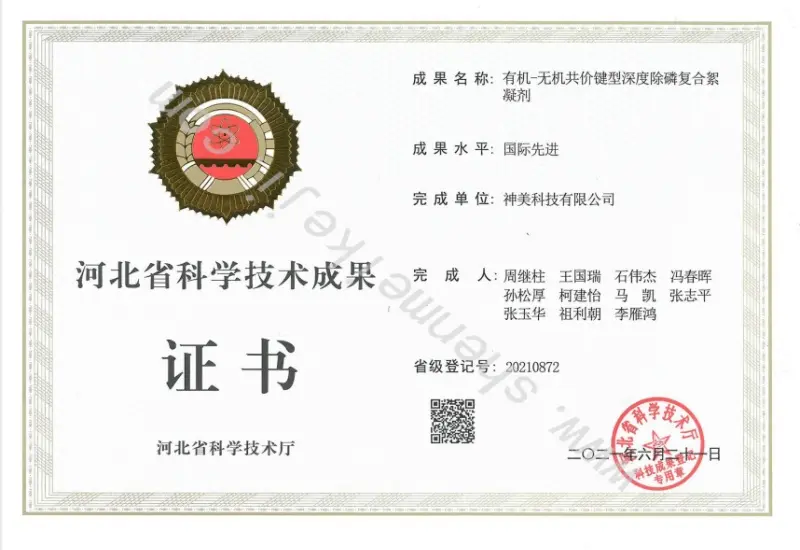
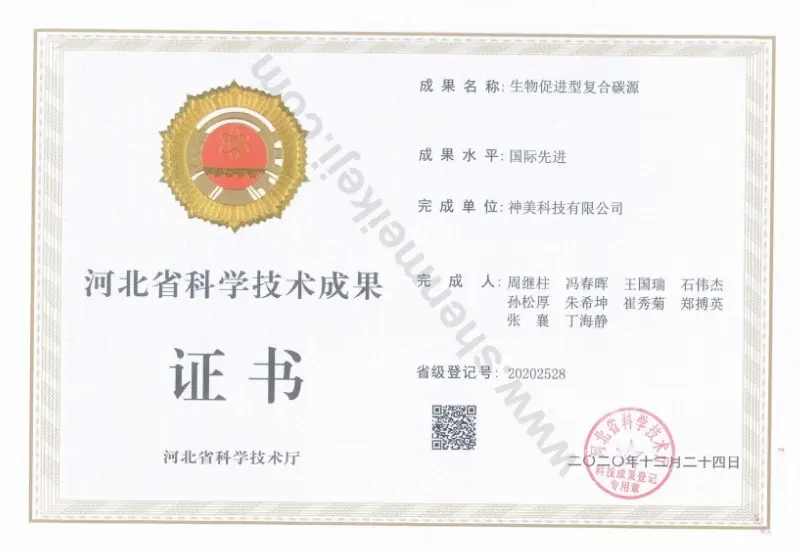
Independent technological achievements, appraising as "internationally advanced" and filling domestic gaps.
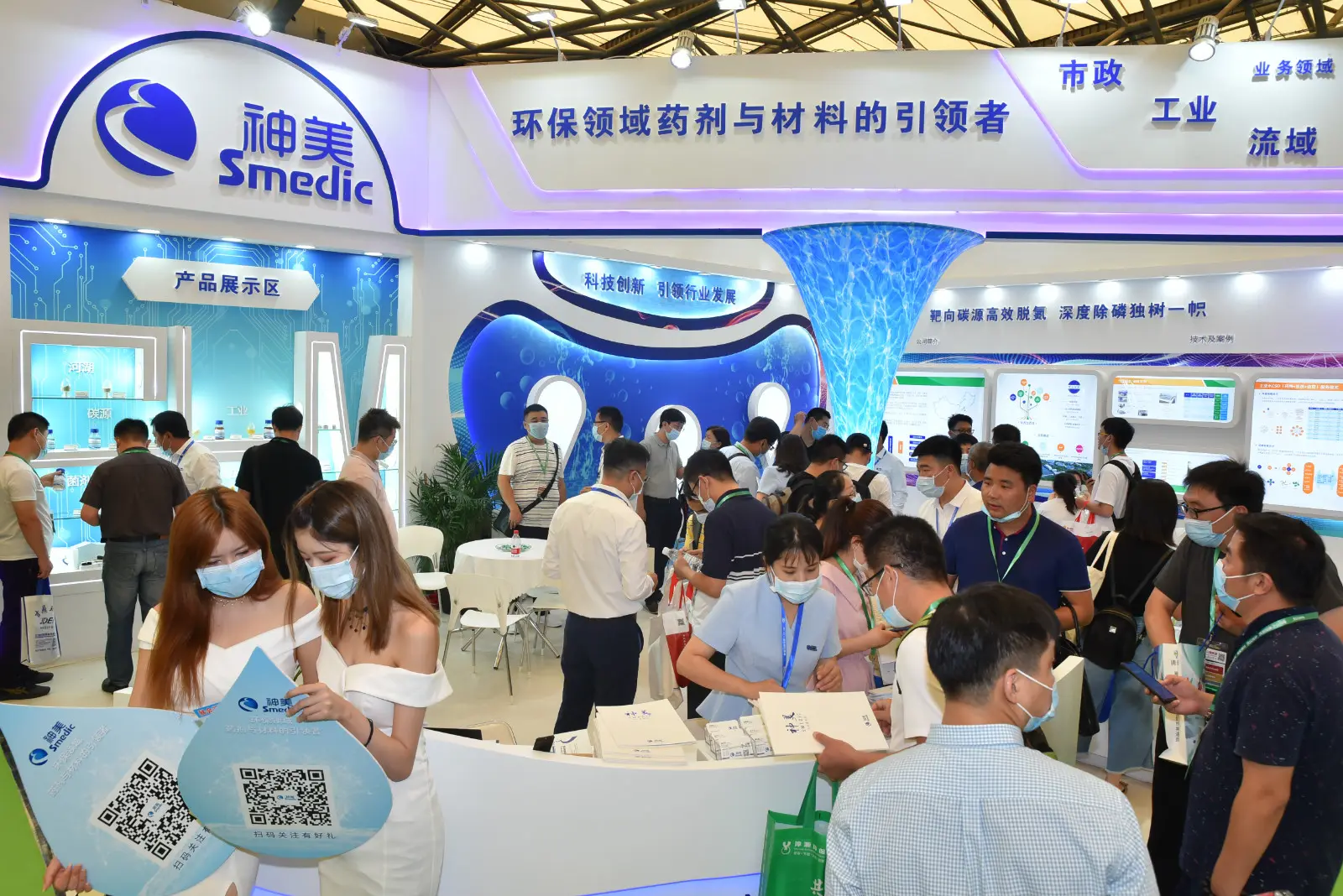
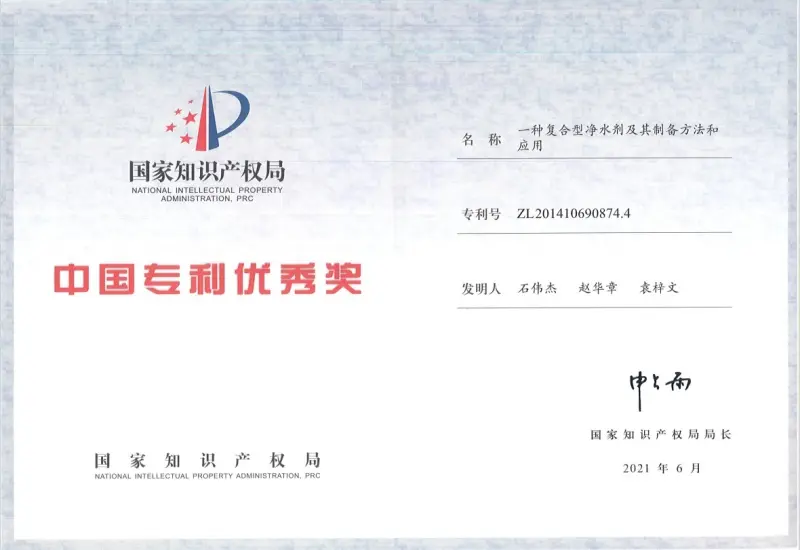
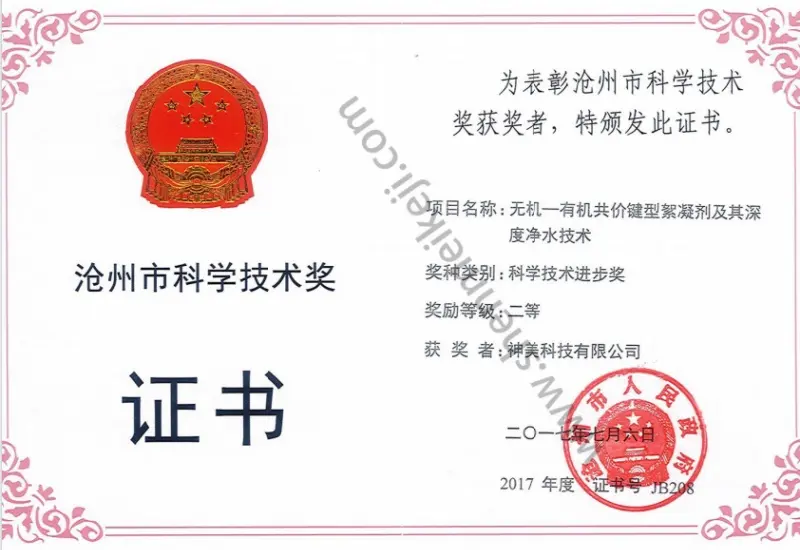
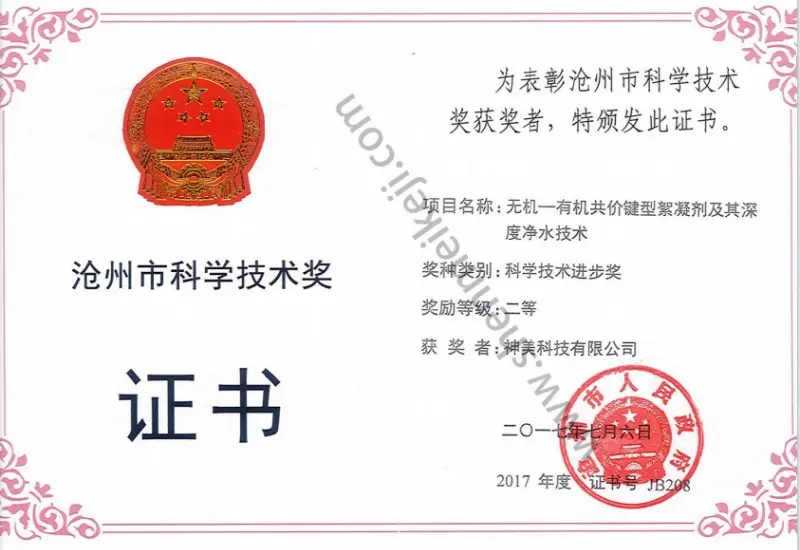
Our independently developed "Inorganic-Organic Covalent Bond Flocculant and Its Advanced Water Purification Technology" won the 22nd China Patent Award, the First Prize for Technological Invention from the China Petrochemical Industry Association, and the Hebei Province Science and Technology Progress Award.
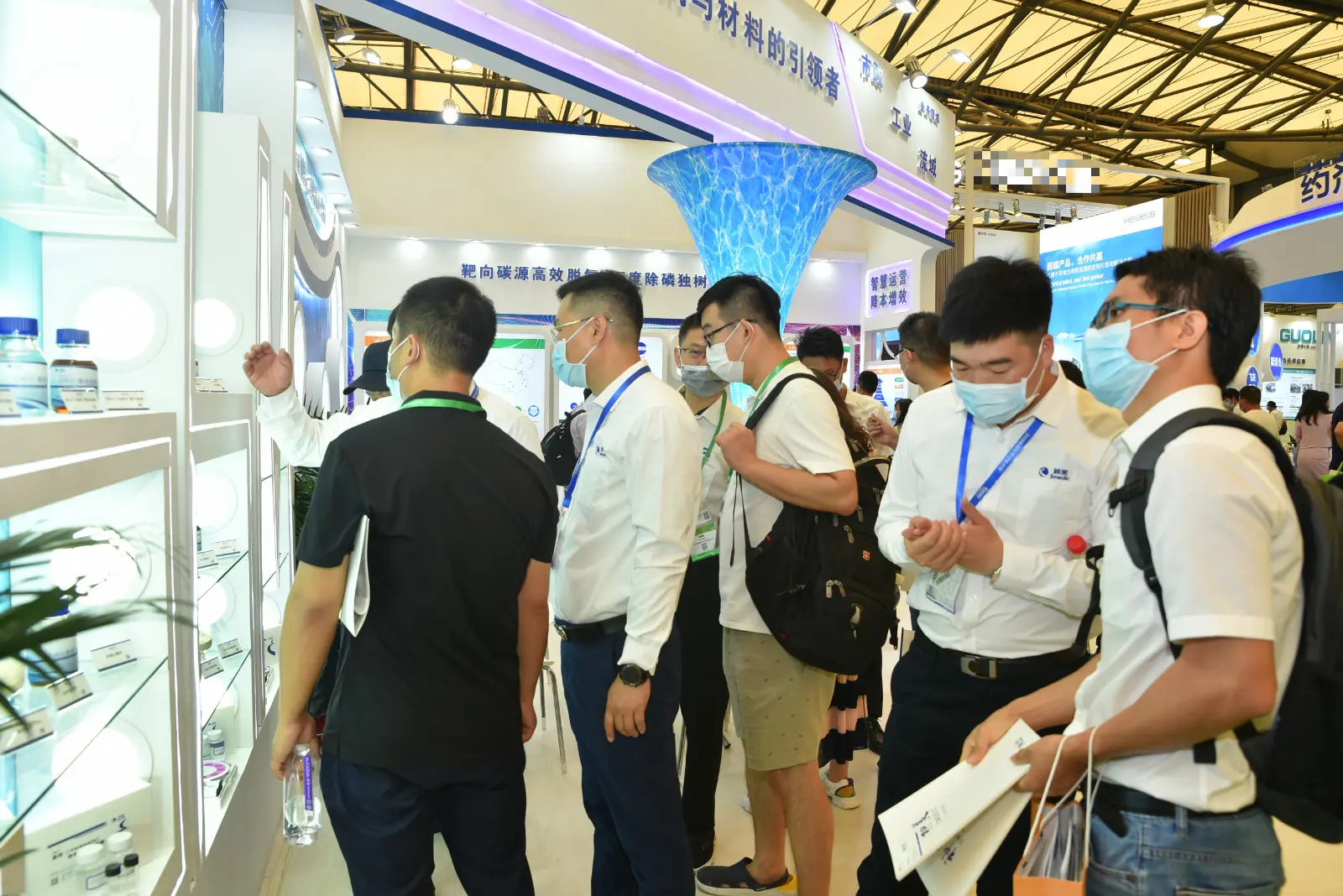
We have been named the "Leading Brand of Advanced Wastewater Treatment Chemicals" and the "Most Valuable Water Treatment Chemicals Brand" by China Water Network and the E20 Environmental Platform for four consecutive years.
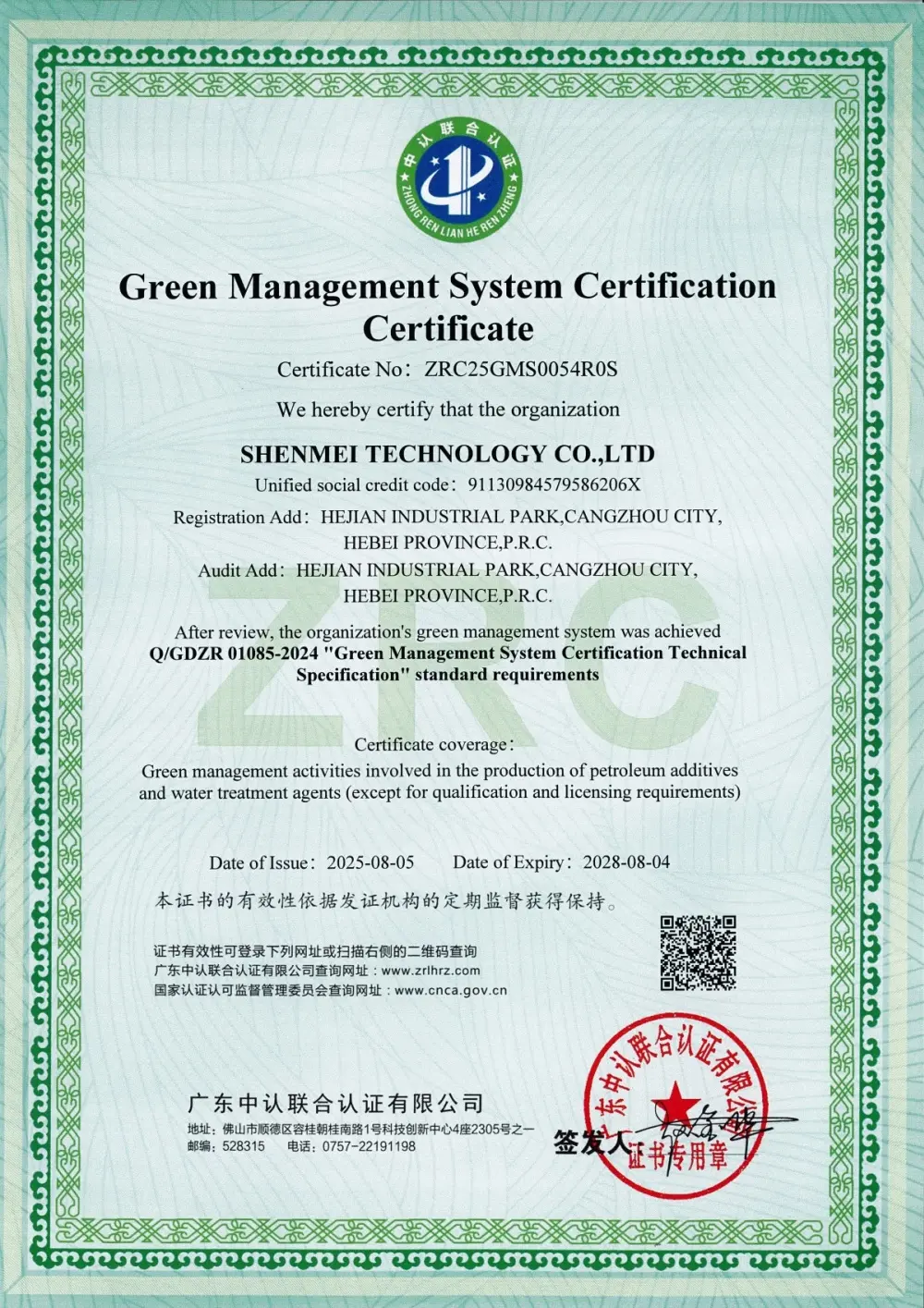
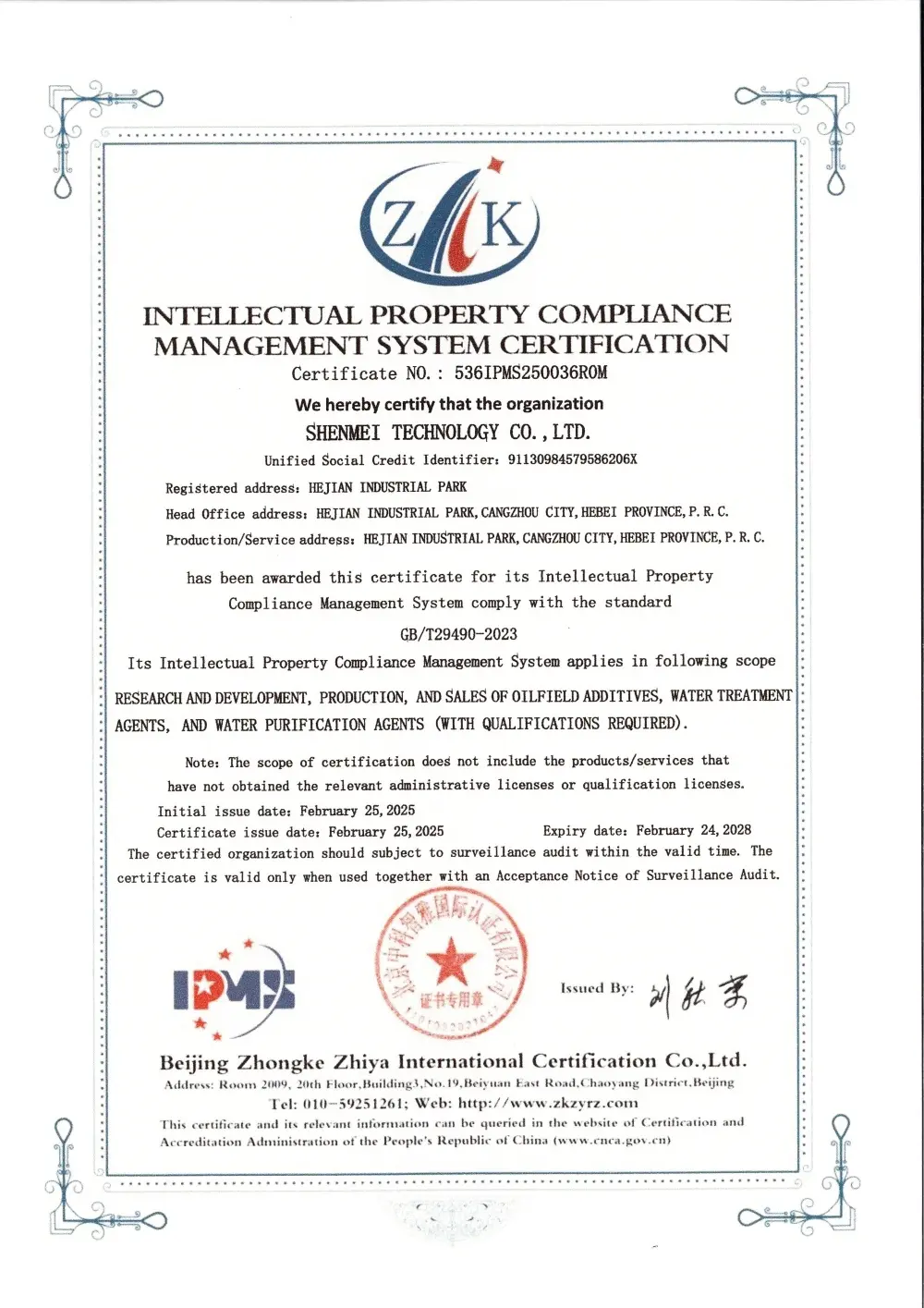
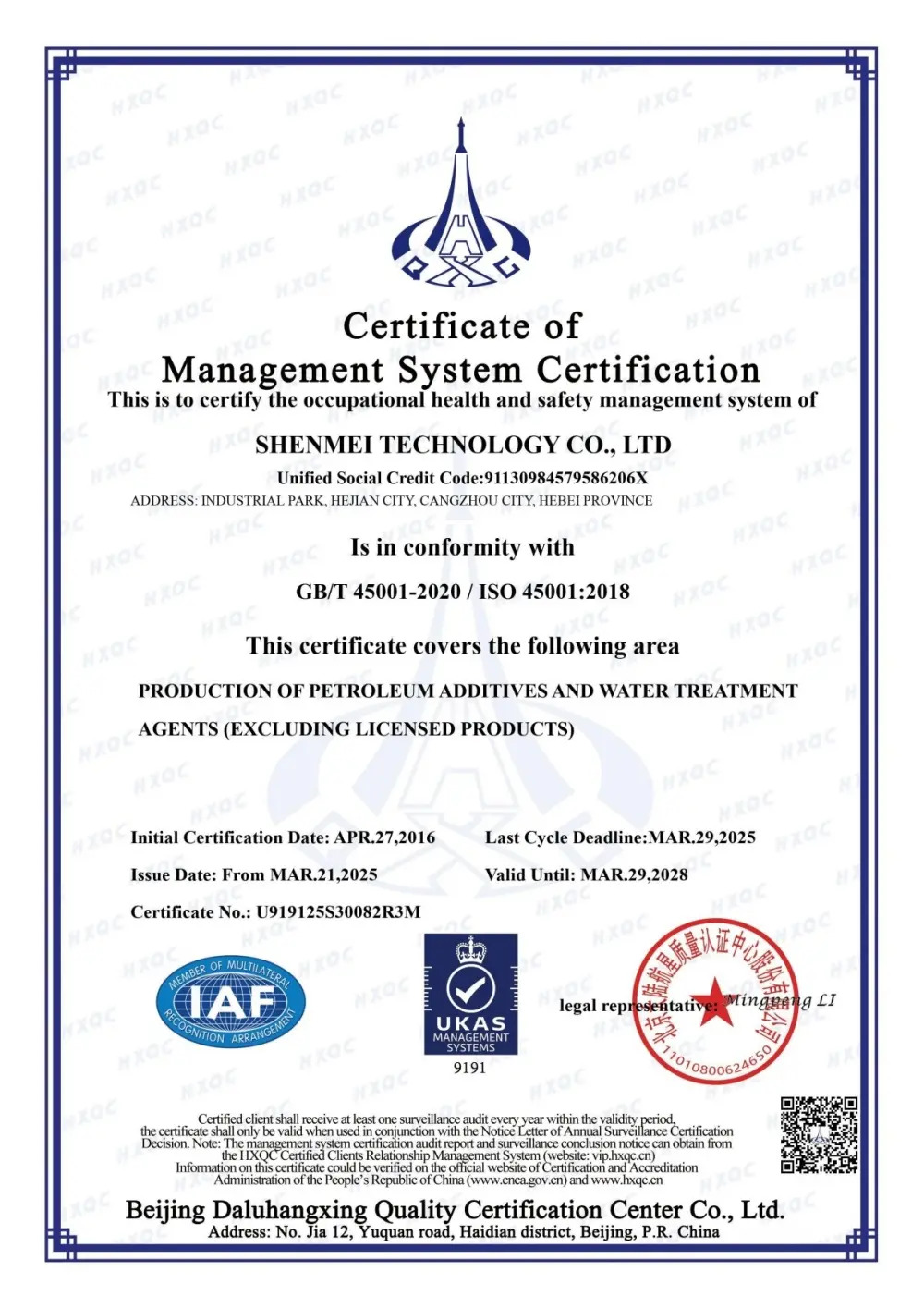
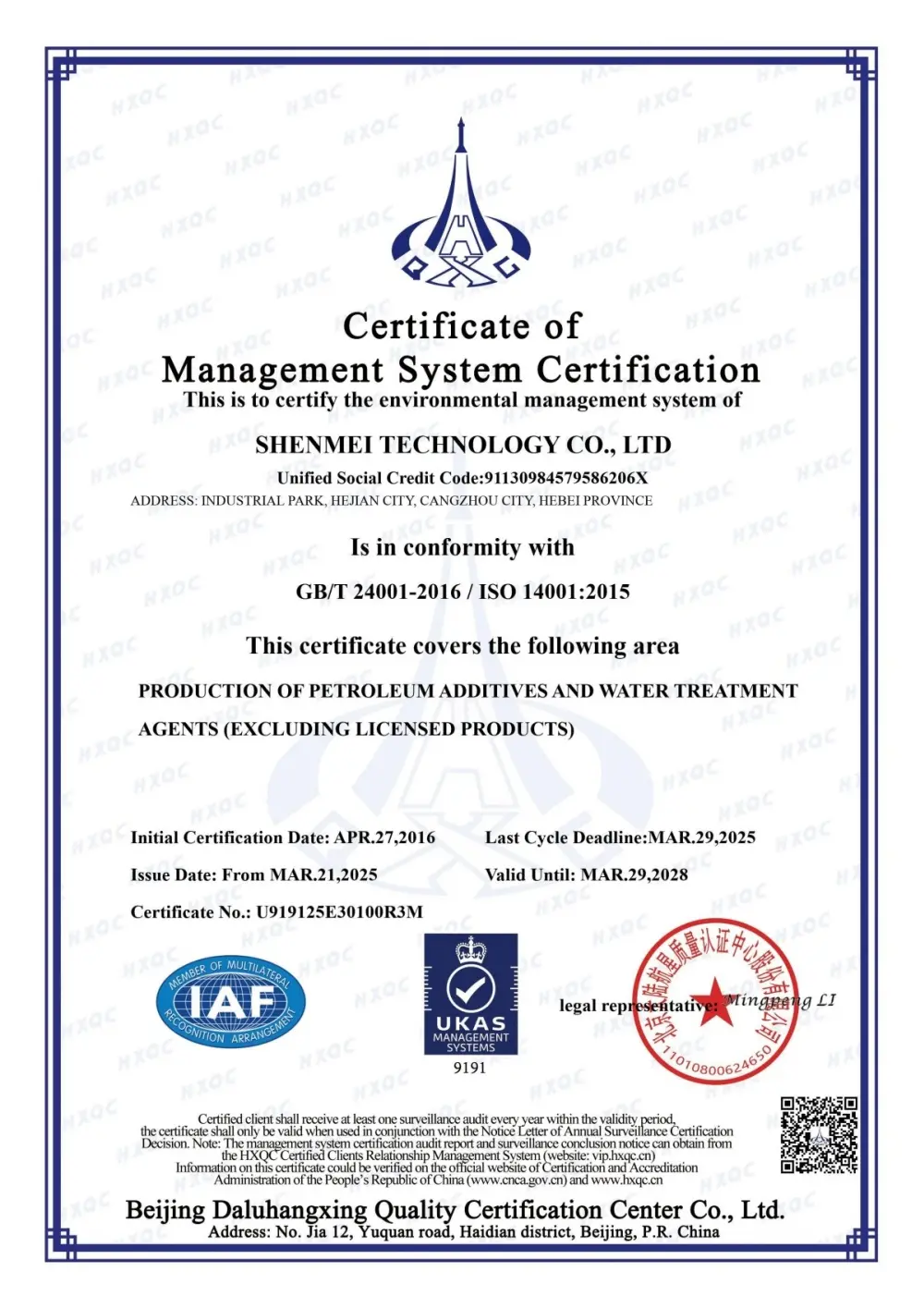
Aligning chemical synthesis pathways with green principles, lower monomer footprint, and smart processing.
As global regulations tighten, the industrial water treatment sector is shifting towards sustainable and green chemistry. Smedic is committed to reducing environmental impact through several key initiatives:
We refine our polymerization processes to minimize free acrylamide monomer residues to < 0.02% (200 ppm), satisfying strict drinking water and aquaculture discharge safety standards globally.
We are developing natural polysaccharide-graft-polyacrylamide copolymers (starch, chitosan, and cellulose bases). These materials provide excellent flocculation while degrading naturally in the environment.
We integrate real-time optical sensing with mechanical feed loops. This tech adjusts PAM dosing dynamically based on inflow turbidity, preventing over-dosing and keeping sludge treatment costs low.
Meeting international standards and delivering consistently high quality across borders.
All Smedic polyacrylamide products comply with major global regulations, including EU REACH registration, US EPA guidelines, and NSF/ANSI Standard 60 for drinking water chemicals. We supply comprehensive Safety Data Sheets (SDS) and GHS labelling for all shipments.
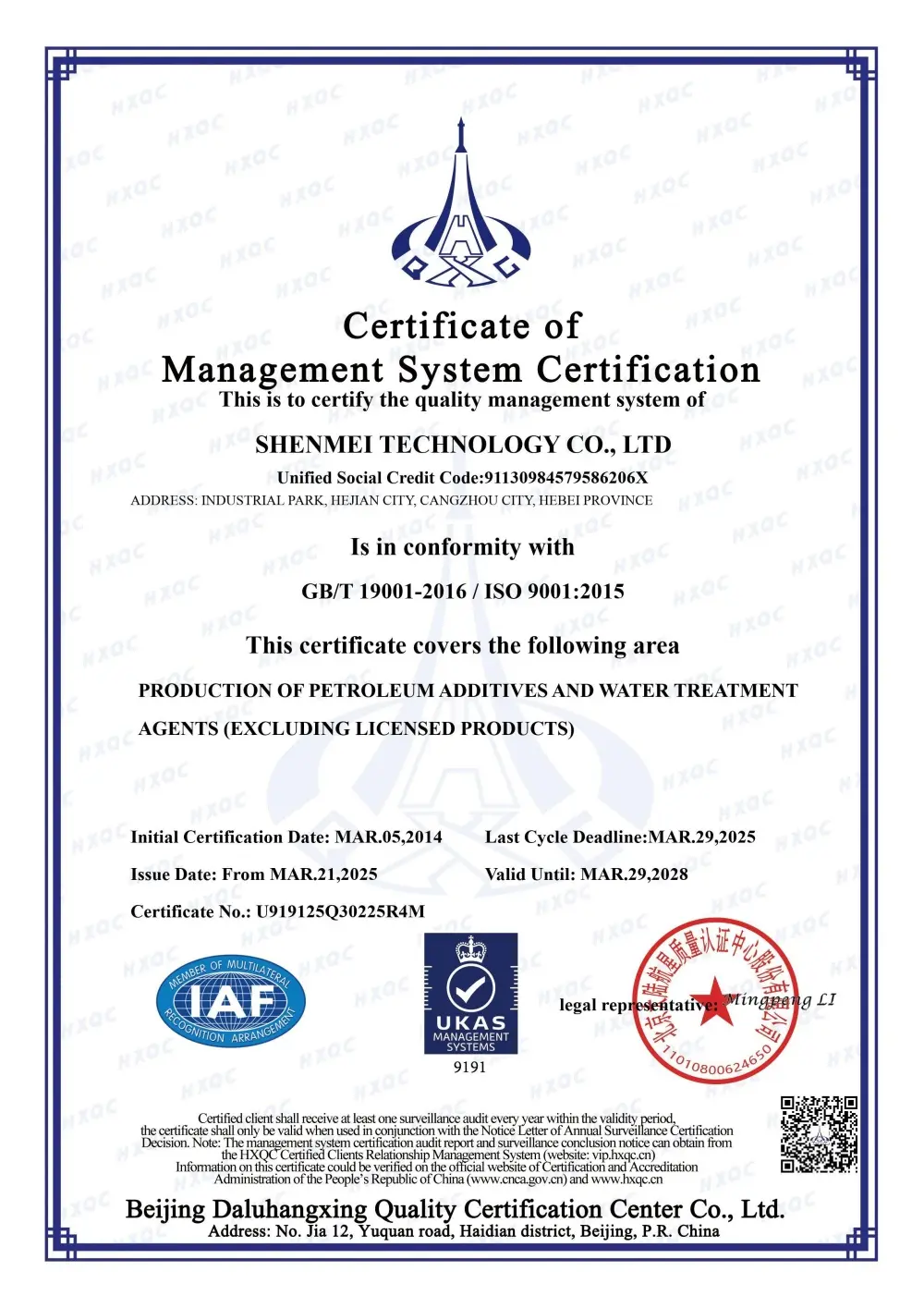
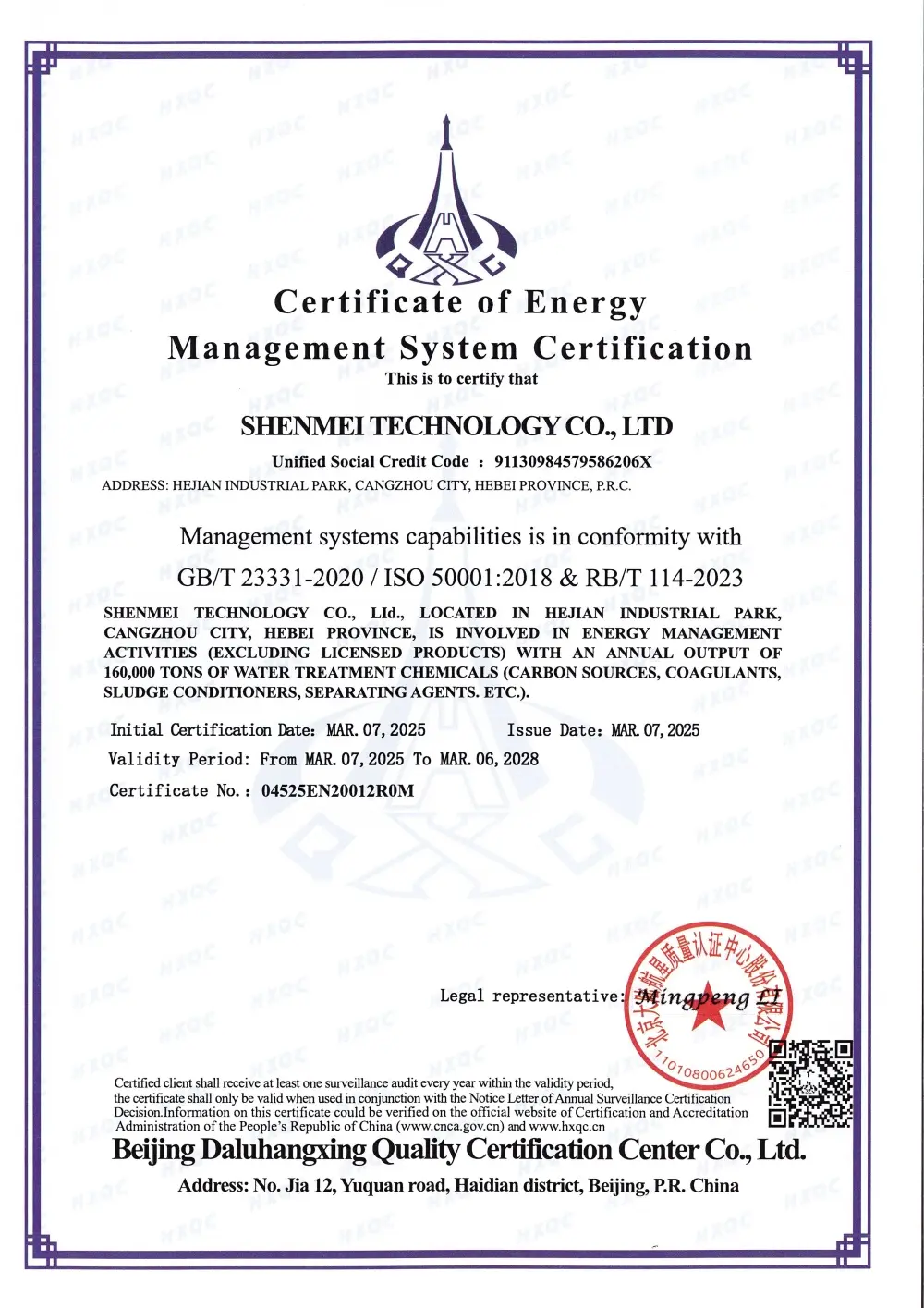
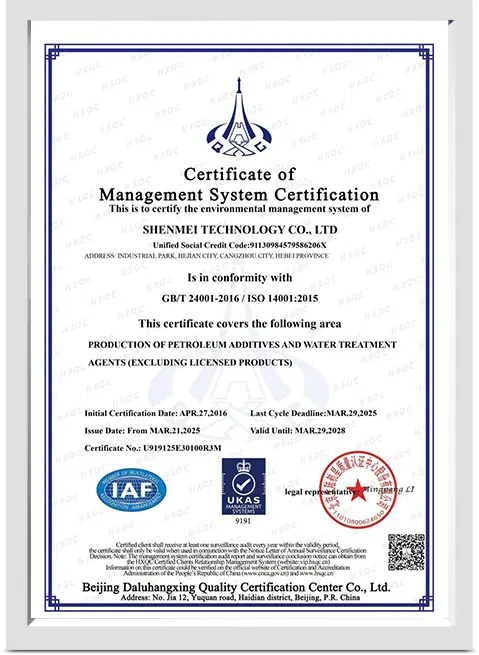
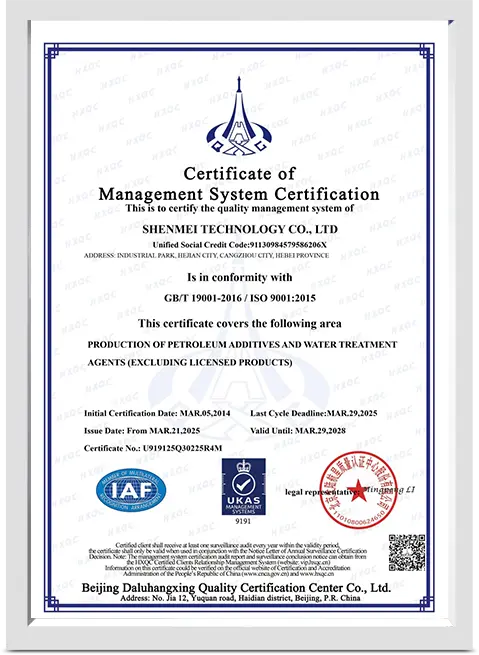
Our factories are certified to ISO 9001, ISO 14001, and ISO 45001. We check every batch of raw materials, monitor polymerizations in real time, and verify product performance before release. This guarantees consistent molecular weight and charge densities.
With warehousing hubs near major Chinese ports (including Qingdao, Tianjin, and Shanghai), Smedic ensures rapid logistics and shipping. We offer flexible packaging, including moisture-proof 25kg bags, 750kg big bags, and bulk liquid container solutions.
Technical advice on choosing, dosing, and using polyacrylamide in industrial systems.
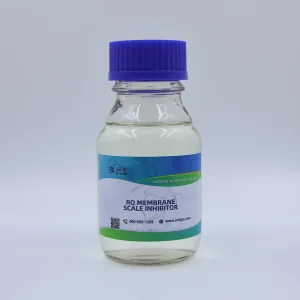
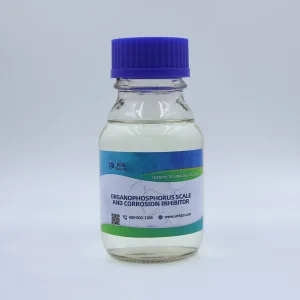
Highly specialized, factory-direct chemical agents formulated for membrane protection and scaling prevention.
 Smedic Tech