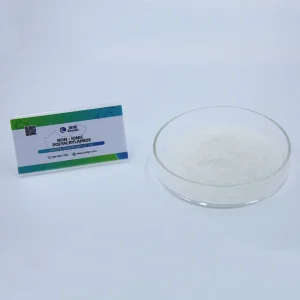
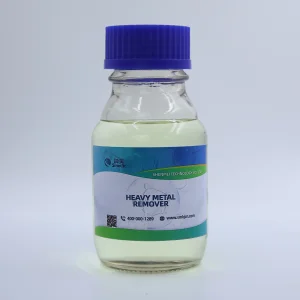
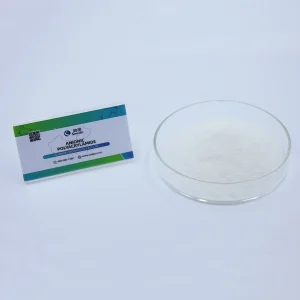
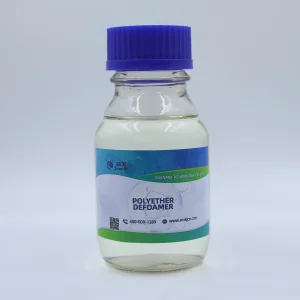
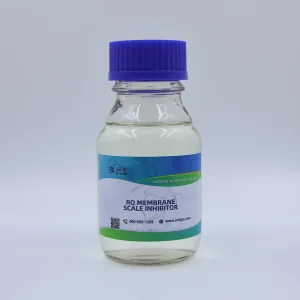
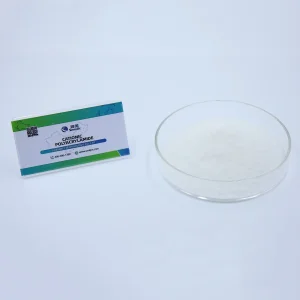
High-performance formulations engineered to support separation mechanisms, foam suppression, and effluent clarification.
In modern petrochemical refining, marine shipping, oilfield extraction, and industrial manufacturing, oily wastewater represents one of the most challenging waste streams. Oil-water systems typically exist in three distinct forms: free oil, which floats rapidly to the surface; dispersed oil, which has a droplet size ranging from 10 to 100 microns; and emulsified oil, which consists of highly stable droplets smaller than 10 microns. The thermodynamic stability of these emulsions is largely maintained by naturally occurring surfactants (such as asphaltenes, resins, and naphthenic acids) or by synthetic surfactants added during industrial processing. These surfactants form a rigid, viscoelastic film at the oil-water interface, preventing droplets from coalescing.
To break this stability, Oil Water Separator Chemicals (often classified as demulsifiers or emulsion breakers) are utilized. The chemical destabilization mechanism involves three primary steps: Displacement, Flocculation, and Coalescence. Initially, the demulsifier molecules, which possess high interfacial activity, migrate to the oil-water interface. They displace the native stabilizing surfactants. Next, the chemical reduces the zeta potential of the droplets, allowing them to overcome electrostatic repulsion and aggregate. Finally, the interfacial film is disrupted, facilitating the fusion of small droplets into larger oil masses (coalescence) which can then be easily separated by gravity, DAF (Dissolved Air Flotation) systems, or mechanical separators.
"Understanding the chemical kinetics at the molecular scale is essential for optimizing dosage rates. Excessive chemical application can lead to steric stabilization, effectively re-emulsifying the system and decreasing separation efficiency."
Smedic Technology Co., Ltd. has developed a proprietary suite of advanced polymeric demulsifiers and flocculants designed to address these complex interfacial barriers. By manipulating the molecular weight, branching structure, and hydrophobic-hydrophilic balance (HLB) of our active polymer agents, we provide customized solutions that yield rapid water-shedding, dry oil separation, and clear subnatant water, reducing total operational expenses for industrial end-users globally.
Procurement of bulk water treatment and oil-water separation chemicals has shifted from a transactional, commodity-based model to a strategic partnership focused on total cost of ownership (TCO), environmental compliance, and process safety. Across the Americas, Europe, the Middle East, and Asia-Pacific, industrial procurement teams face major regulatory hurdles, including the European Union's REACH registration requirements, the United States EPA's clean water mandates, and China’s strict environmental laws. Compliance is no longer optional; it is a primary driver of chemical selection.
Furthermore, corporate ESG (Environmental, Social, and Governance) targets require companies to minimize their chemical footprints. This demand has spurred the development of green water treatment formulations, such as biodegradable demulsifiers, phosphate-free scale inhibitors, and low-VOC defoamers. Procurement officers are looking for:
By addressing these commercial pain points, Smedic Technology has secured strategic, multi-year supply agreements with several of the world's leading municipal and industrial environmental groups. Our focus on reliability and custom-synthesized molecular configurations ensures that global procurement operations remain streamlined, compliant, and cost-effective.
The field of oil-water separation is undergoing a major technological transformation, driven by digital monitoring, advanced materials, and strict regulatory standards. Key trends driving the industry forward include:
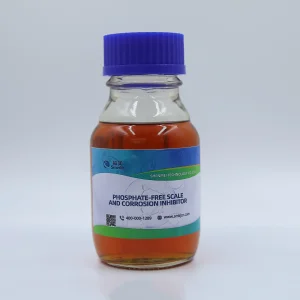
1. Transition to Phosphate-Free and Biodegradable Formulations: Phosphates have long been a key component in corrosion and scale inhibitors, but their discharge into water bodies causes eutrophication. Research is now focused on green polymers, such as polymaleic acid (HPMA), polyaspartic acid (PASP), and biological carbon sources like sodium acetate. These alternatives prevent scaling in reverse osmosis (RO) membranes and cooling towers without causing ecological harm.
2. Integration of Smart Dosing and AI Analytics: Water treatment facilities are increasingly deploying sensor networks to monitor oil content, turbidity, pH, and flow rate in real time. AI-driven dosing systems use this data to dynamically adjust demulsifier and coagulant feed rates. This real-time optimization reduces chemical waste, prevents system overdosage, and ensures steady output water quality.
| Chemical Agent Class | Primary Separation Mechanism | Typical Industrial Applications | Environmental / ESG Impact Profile |
|---|---|---|---|
| Anionic Polyacrylamide (APAM) | Polymeric bridging & charge neutralization | Tailings dewatering, mineral processing, municipal sludge separation | Low dose requirement; reduces sludge volume significantly |
| Cationic Polyacrylamide (CPAM) | Electrostatically neutralizes negatively charged oil droplets | Petroleum refineries, petrochemical waste streams, DAF systems | High flocculation rate; requires precise dosing to prevent toxicity |
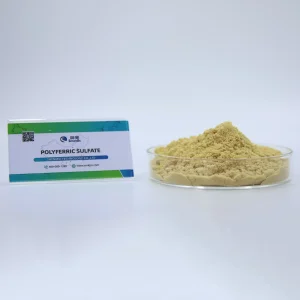
| Polyferric Sulfate (PFS) | Sweep flocculation via polynuclear iron complexes | Municipal sewage clarification, heavy metal precipitation | Phosphate-free, non-toxic, and acts as an excellent co-precipitant |
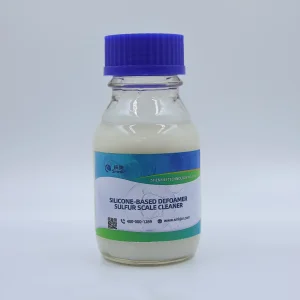
| Organic Silicone Defoamers | Low surface tension film spreading to rupture foam bubbles | Oilfield drilling muds, gas-liquid separators, chemical plants | Chemically inert, highly stable, and effective at low PPM dosages |
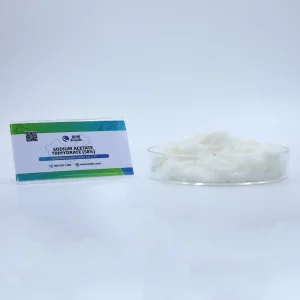
| Sodium Acetate (Pure Solid) | Biodegradable carbon source & pH regulator | Biological denitrification in municipal wastewater treatment | Zero toxicity, high biological availability, rapid degradation |
3. Multi-Functional Flocculants: Industrial operators are moving away from multi-step dosing programs. Modern formulations combine inorganic coagulants (like PFS) with organic polyelectrolytes (like APAM) into a single, covalent-bonded compound. These hybrid agents perform coagulation, flocculation, and pH adjustment in a single step, saving footprint and equipment cost.
In an era of global supply chain volatility, sourcing from highly automated, integrated facilities is key to minimizing operational risk. China's water treatment manufacturing sector has undergone a technological transformation, evolving from manual operations to fully digitalized "Factory 4.0" systems. For global buyers, this shift delivers three key benefits: **Production Scalability, Stringent Quality Controls, and Optimized Logistics**.
At Smedic Technology Co., Ltd., our manufacturing bases in Hebei, Guizhou, and Shanxi utilize state-of-the-art DCS (Distributed Control Systems) and SCADA (Supervisory Control and Data Acquisition) setups. These platforms monitor pressure, temperature, and raw material feed rates in real time, ensuring that every batch of Polyacrylamide, Polyferric Sulfate, or Sodium Acetate meets precise quality specifications. Automation minimizes human error, resulting in highly consistent product batches.
With an annual production capacity exceeding **1 million tons**, Smedic has developed a highly resilient supply network. We have established more than ten partner factories and regional warehouses in key chemical hubs like Shandong, Shanxi, Anhui, Sichuan, and Guangxi. This decentralized logistics footprint protects our operations from regional power limits, raw material shortages, and transportation bottlenecks.
Additionally, our proximity to major Chinese shipping ports (including Tianjin and Qingdao) allows us to offer optimized global freight options. Whether shipping bulk dry powders in customized containers or liquid chemicals in ISO tanks, our logistics division coordinates with global freight forwarders to minimize lead times, clear customs quickly, and ensure secure, on-time delivery.
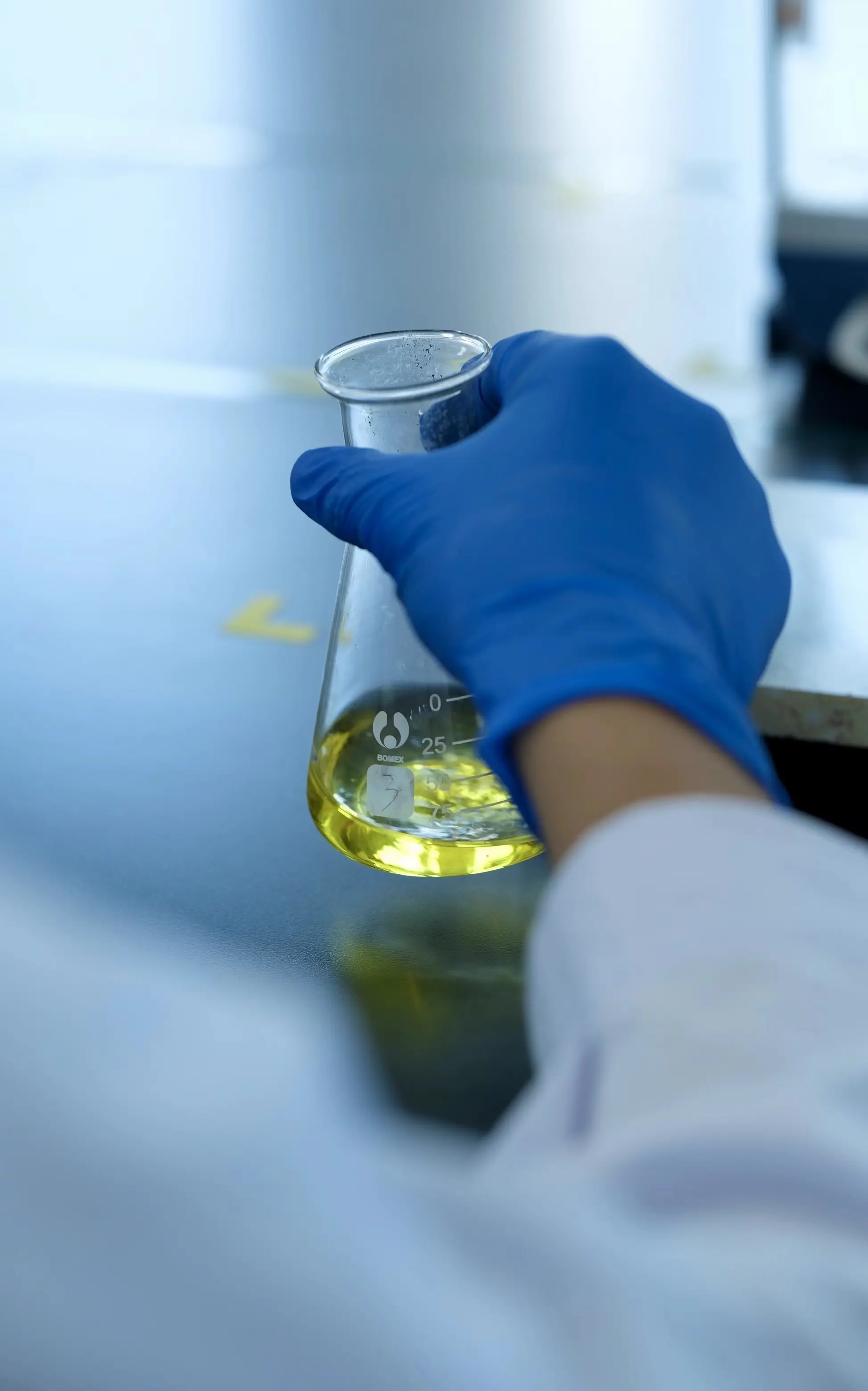
Oily wastewater chemistry is highly site-specific. Below, we examine three common application scenarios where Smedic's chemicals are used to optimize process efficiency:
Scenario A: Upstream Petroleum and Enhanced Oil Recovery (EOR)
During oil extraction, large volumes of produced water are brought to the surface. This water contains dissolved salts, suspended solids, and emulsified crude oil. Using Smedic's Non-Ionic Polyacrylamide (NPAM) and specialized demulsifiers helps break these complex emulsions. The chemicals accelerate phase separation, allowing operators to recycle clean water for reinjection and recover valuable crude oil. This minimizes environmental impact and maximizes yield.
Scenario B: Petrochemical Refineries and DAF Clarification
Refinery wastewater contains stable chemical emulsions generated by desalting processes. Dissolved Air Flotation (DAF) systems are typically used to treat these streams. By dosing Cationic Polyacrylamide (CPAM) and Polyferric Sulfate (PFS), operators can flocculate the oil droplets, trapping them within micro-bubbles that float to the surface for easy skimming. This chemical program protects downstream biological systems from oil contamination and ensures compliance with strict local discharge limits.
Scenario C: Mining and Mineral Tailings Dewatering
In mining operations, water is heavily recycled. Tailings slurries contain fine suspended minerals and residual flotation oils. Applying Smedic's APAM flocculants helps aggregate these fine particles into large flocs. This rapid settling increases thickener throughput, speeds up water recycling, and produces a highly dewatered filter cake, reducing tailings pond storage requirements.
Established in 2011, Smedic Technology Co., Ltd. is a leading, comprehensive solution provider specializing in environmental protection agents. We integrate research and development, high-volume production, global sales, and engineering-related technical services. We are dedicated to providing industrial and municipal customers with customized chemical products, technical solutions, and services.
Smedic produces environmental protection agents covering multiple sectors, including municipal sewage, industrial wastewater, tap water treatment, mineral processing agents, and oilfield chemicals. We offer more than 80 different environmental protection products, with an annual production capacity exceeding **1 million tons**.
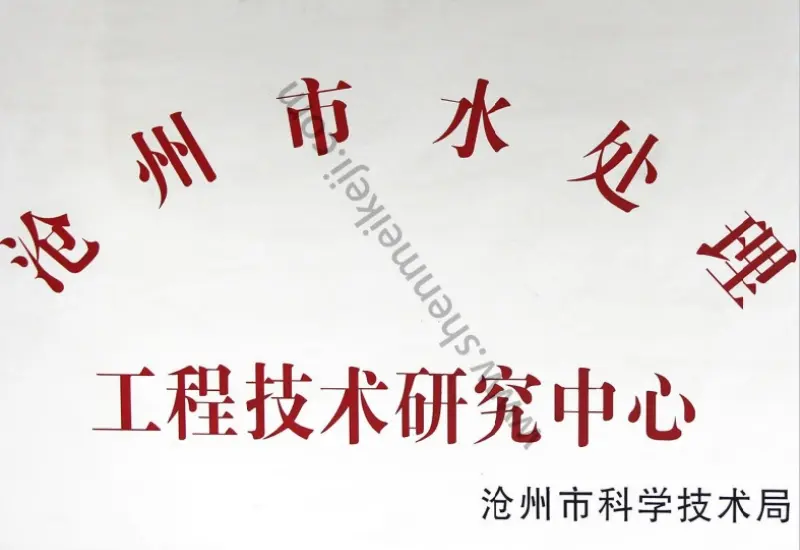
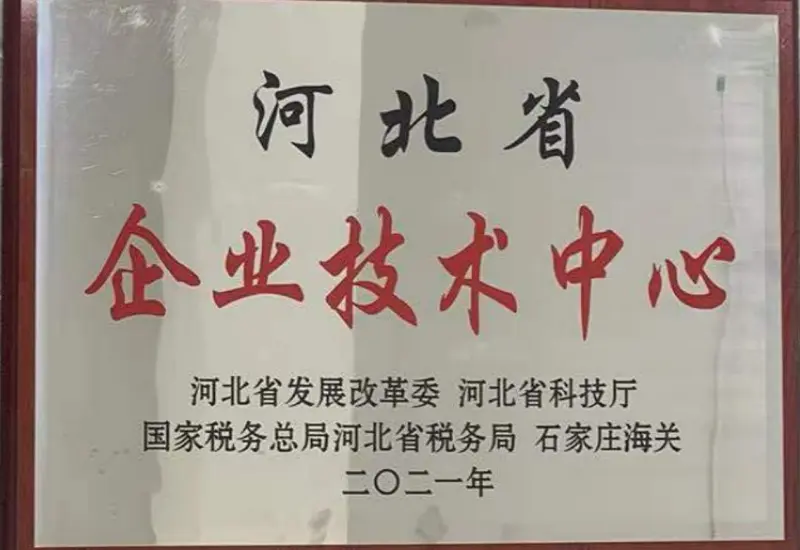
Our core technical team is composed of academicians, experts, professors, and senior engineers. We have established an R&D system and a technology commercialization platform centered around one academy, three research institutes, and five bases. We have established the Hebei Provincial Enterprise Technology Center, the Hebei Provincial Advanced Water Treatment Chemicals Technology Innovation Center, and the Cangzhou Water Treatment Engineering Technology Research Center, and have been recognized as a Class A R&D institution in Hebei Province.
Additionally, we have established an expert workstation with the Tsinghua University Association of Senior Scientists and Technicians, and have set up joint R&D laboratories with Shandong University and Beijing University of Technology. Smedic serves as a commercialization partner for the industry-academia-research achievements of prestigious institutions including Peking University and Tianjin University.
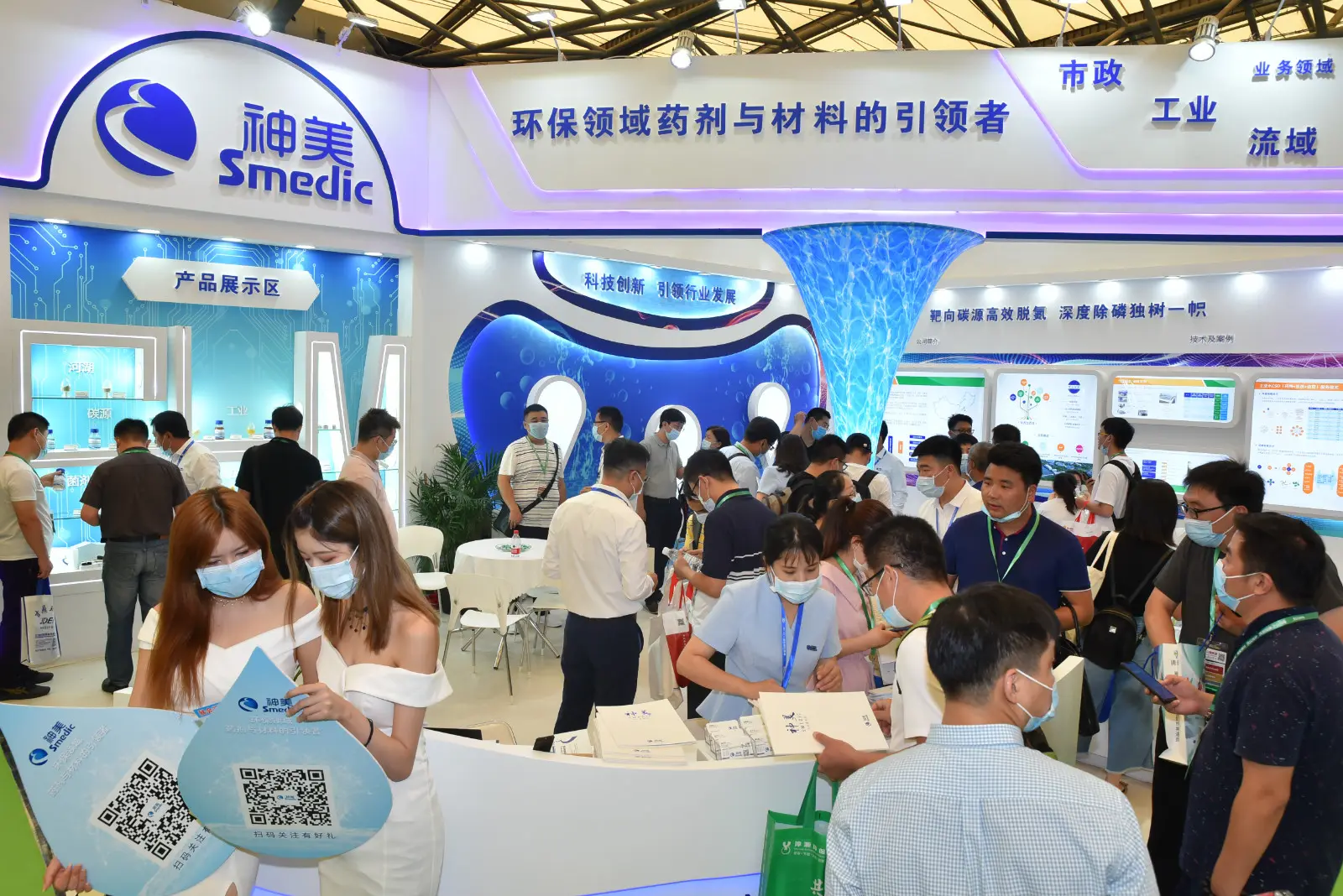
Our corporate headquarters is located in Beijing, and we operate multiple wholly-owned production bases in Hebei, Guizhou, Shanxi, and other regions. We have also set up more than ten OEM partner factories and regional warehousing and logistics bases in Shandong, Shanxi, Anhui, Guangxi, and Sichuan provinces, among others.
Smedic's business and service network covers over 20 provinces across China. Our projects involve more than 600 urban sewage treatment plants and over 1,000 end customers in industrial wastewater treatment, mineral processing, and oilfield chemicals.
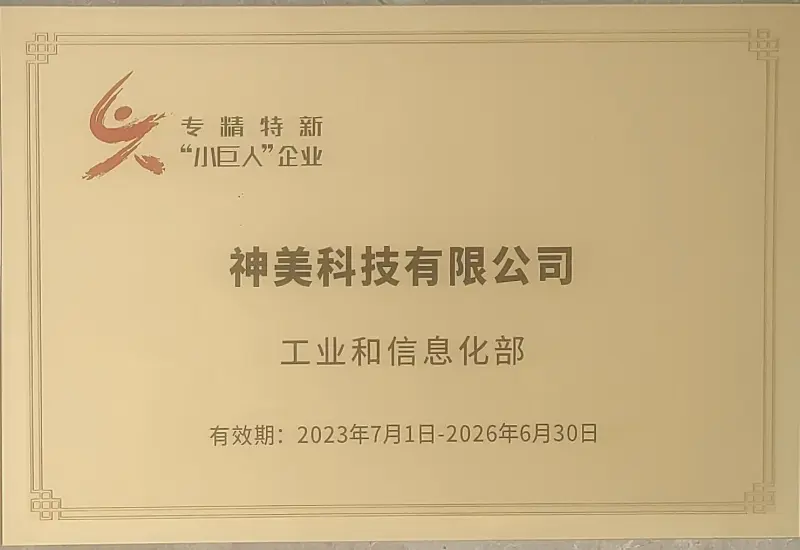
"Smedic is recognized as a National High-tech Enterprise, a National Specialized, Refined, Unique and Innovative 'Little Giant' Enterprise, and a Hebei Province Green Factory."
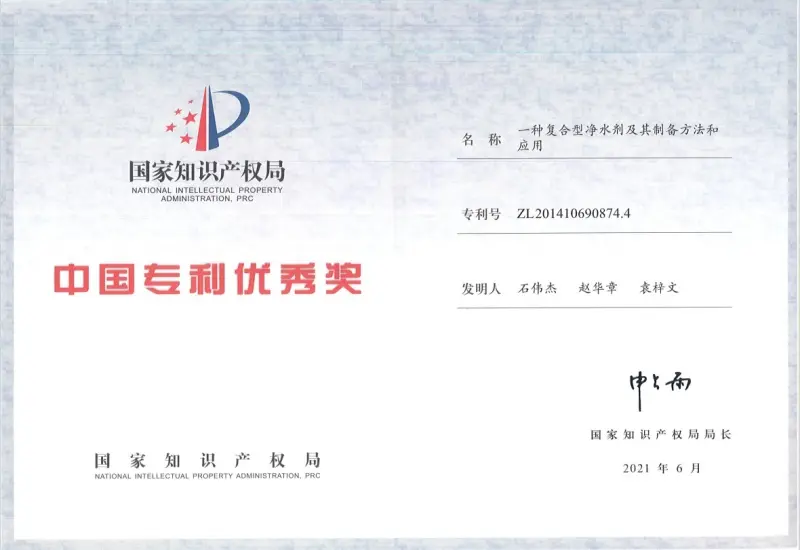
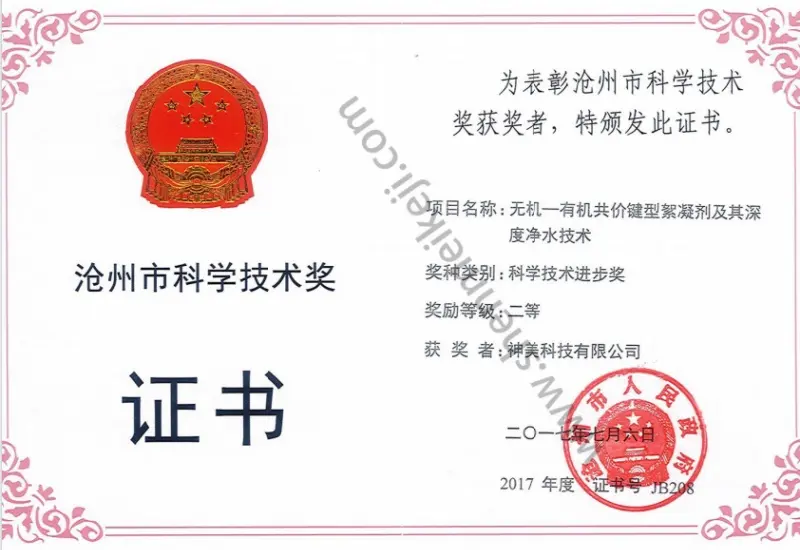
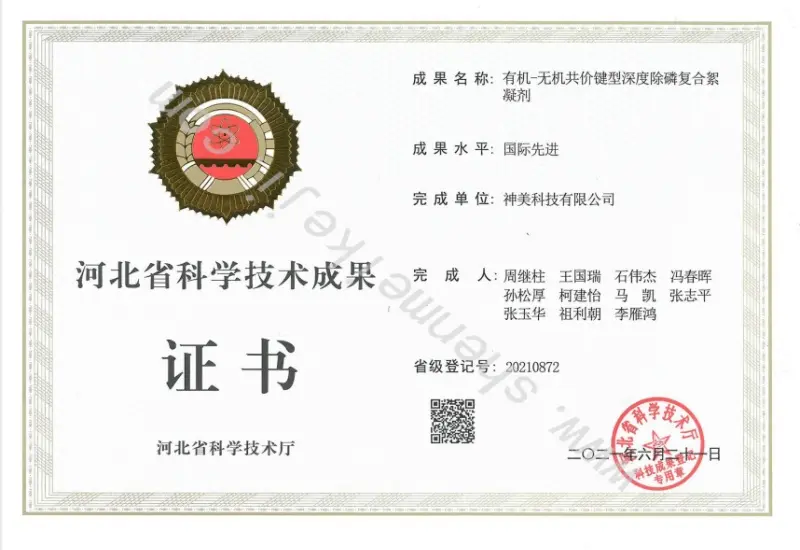
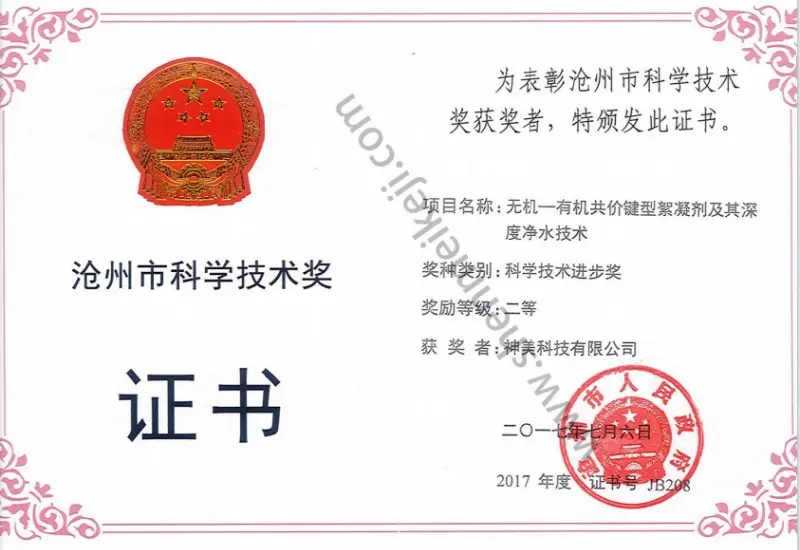
Our independently developed "Inorganic-Organic Covalent Bond Flocculant and Its Advanced Water Purification Technology" won the 22nd China Patent Award, the First Prize for Technological Invention from the China Petrochemical Industry Association, and the Hebei Province Science and Technology Progress Award.
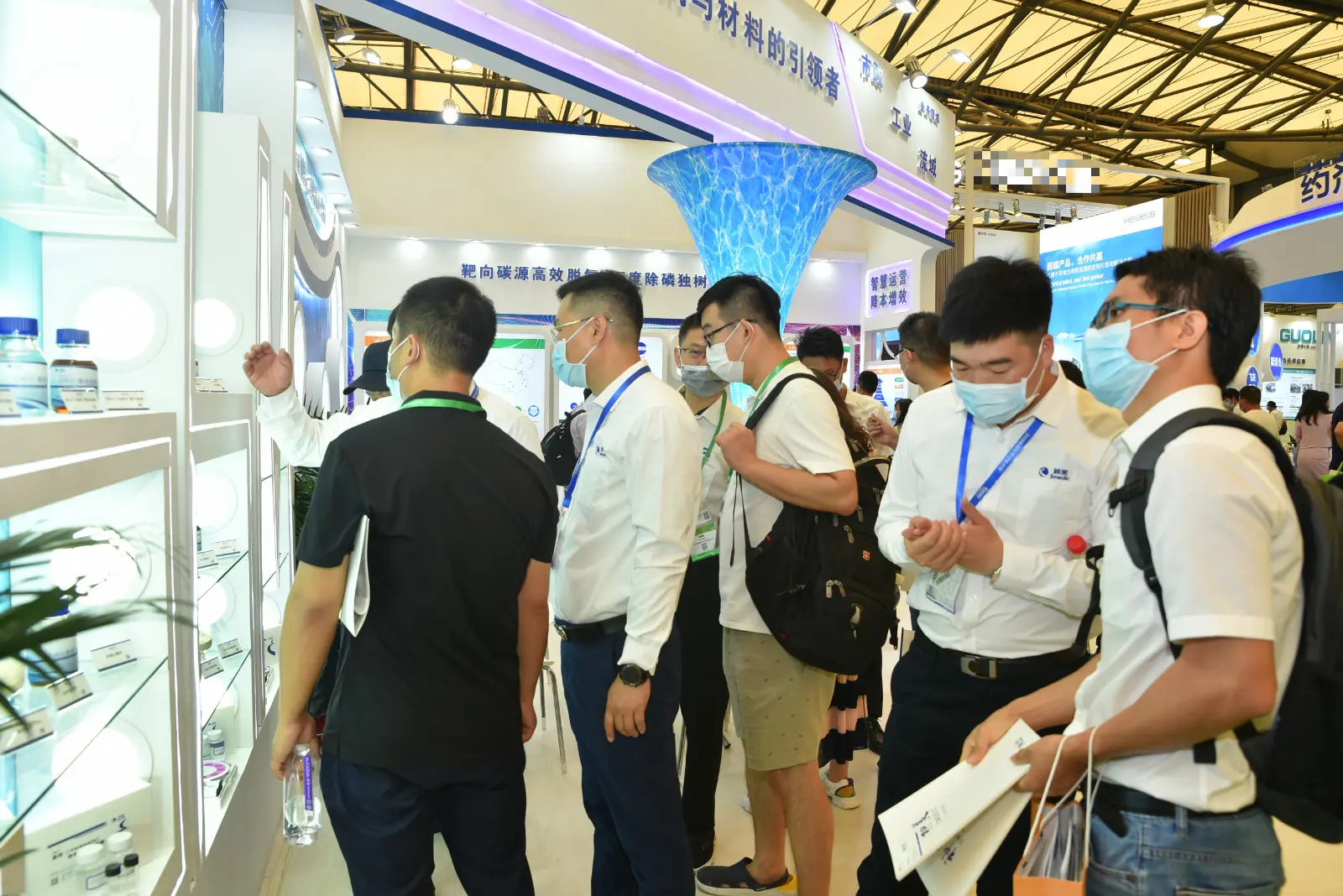
Over a decade of rapid scale expansion and scientific breakthroughs in environmental agent engineering.
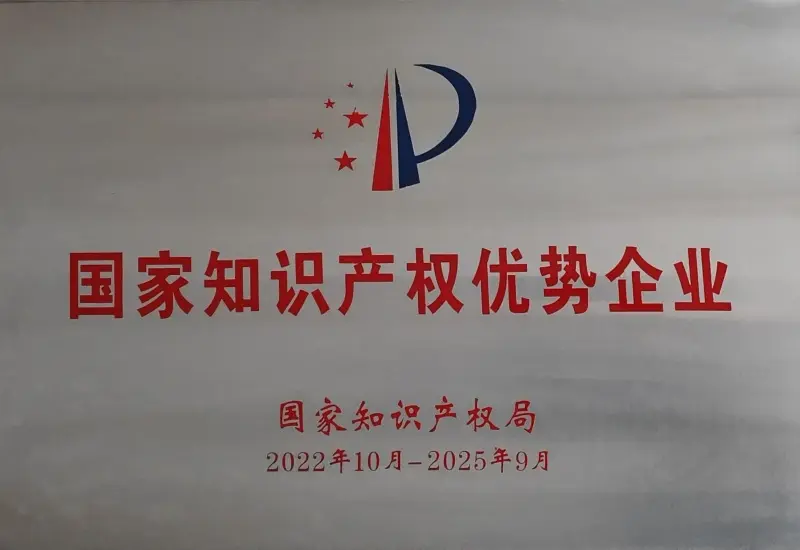
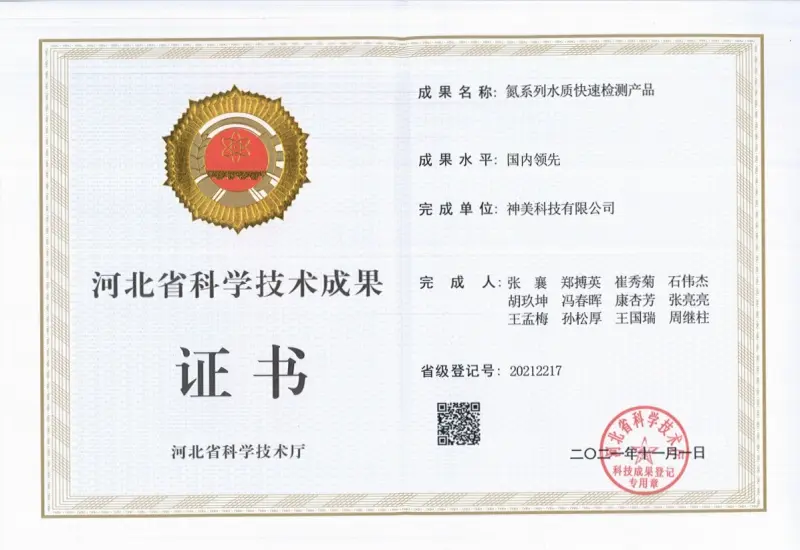
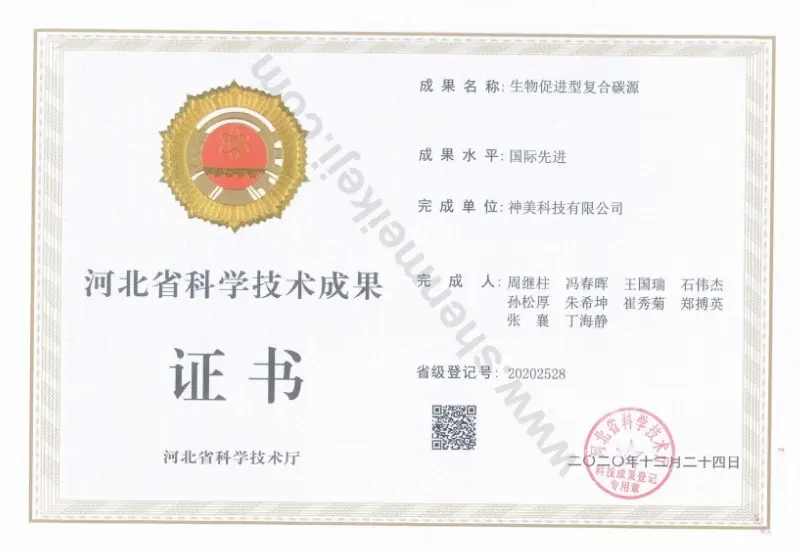
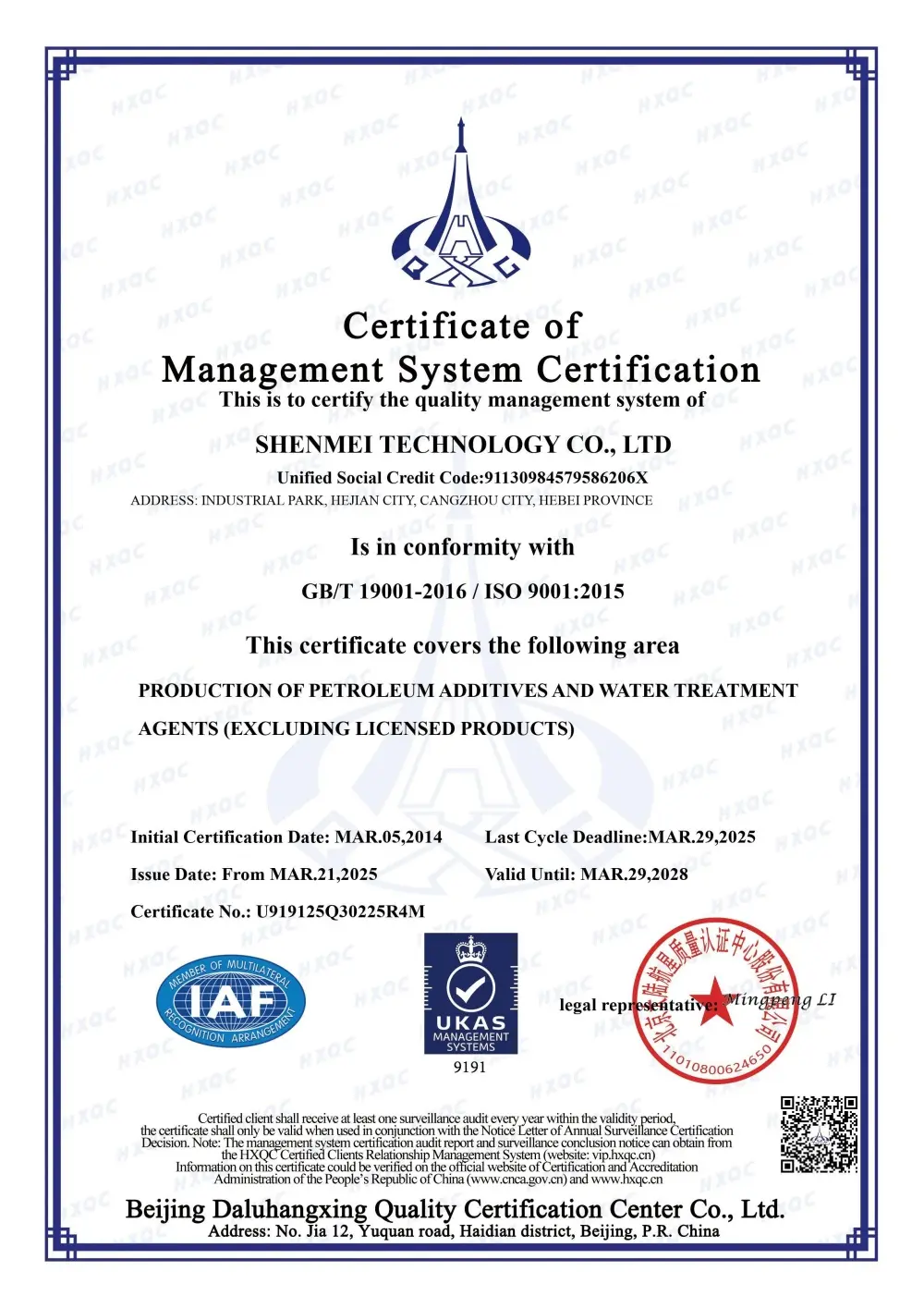
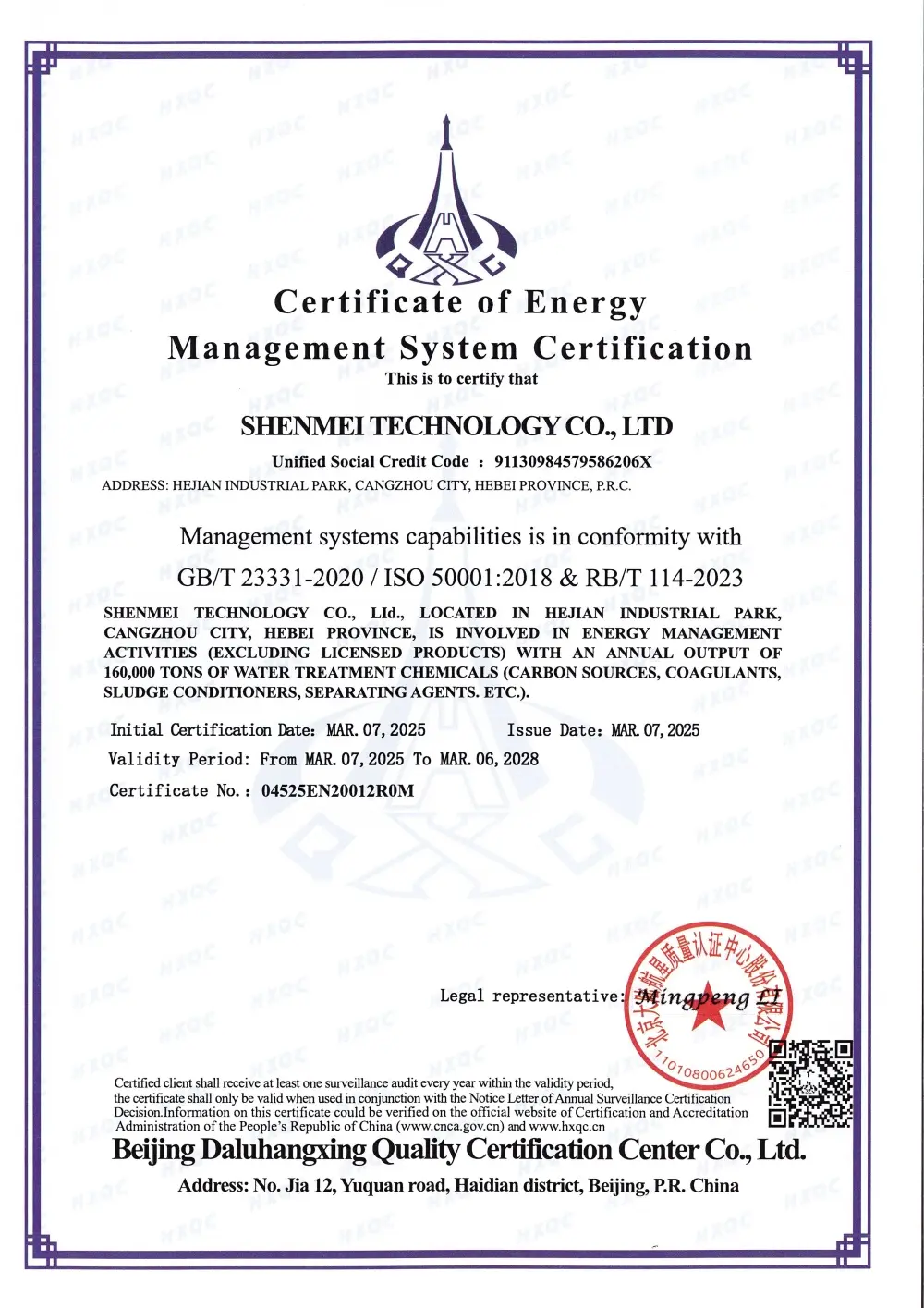
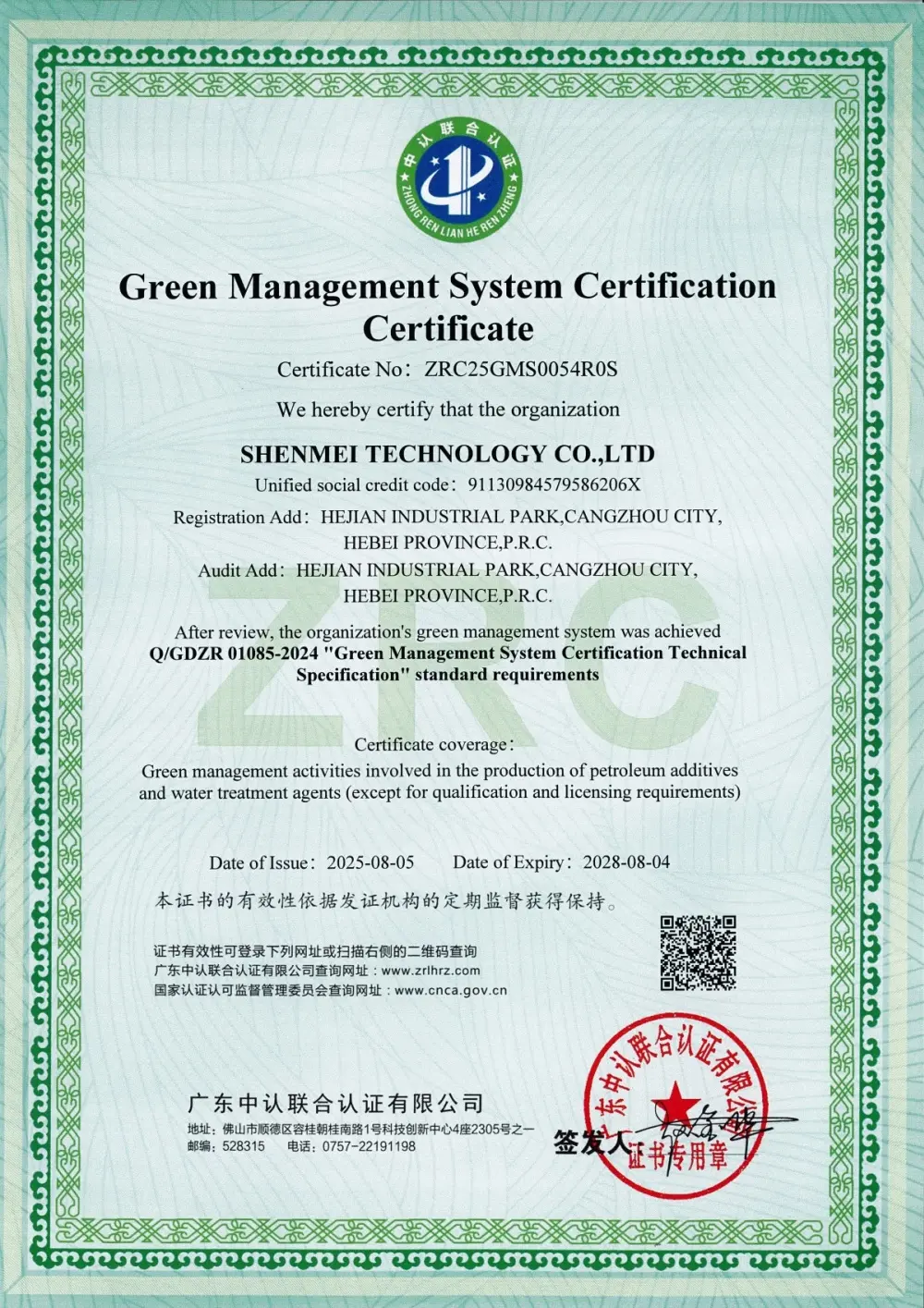
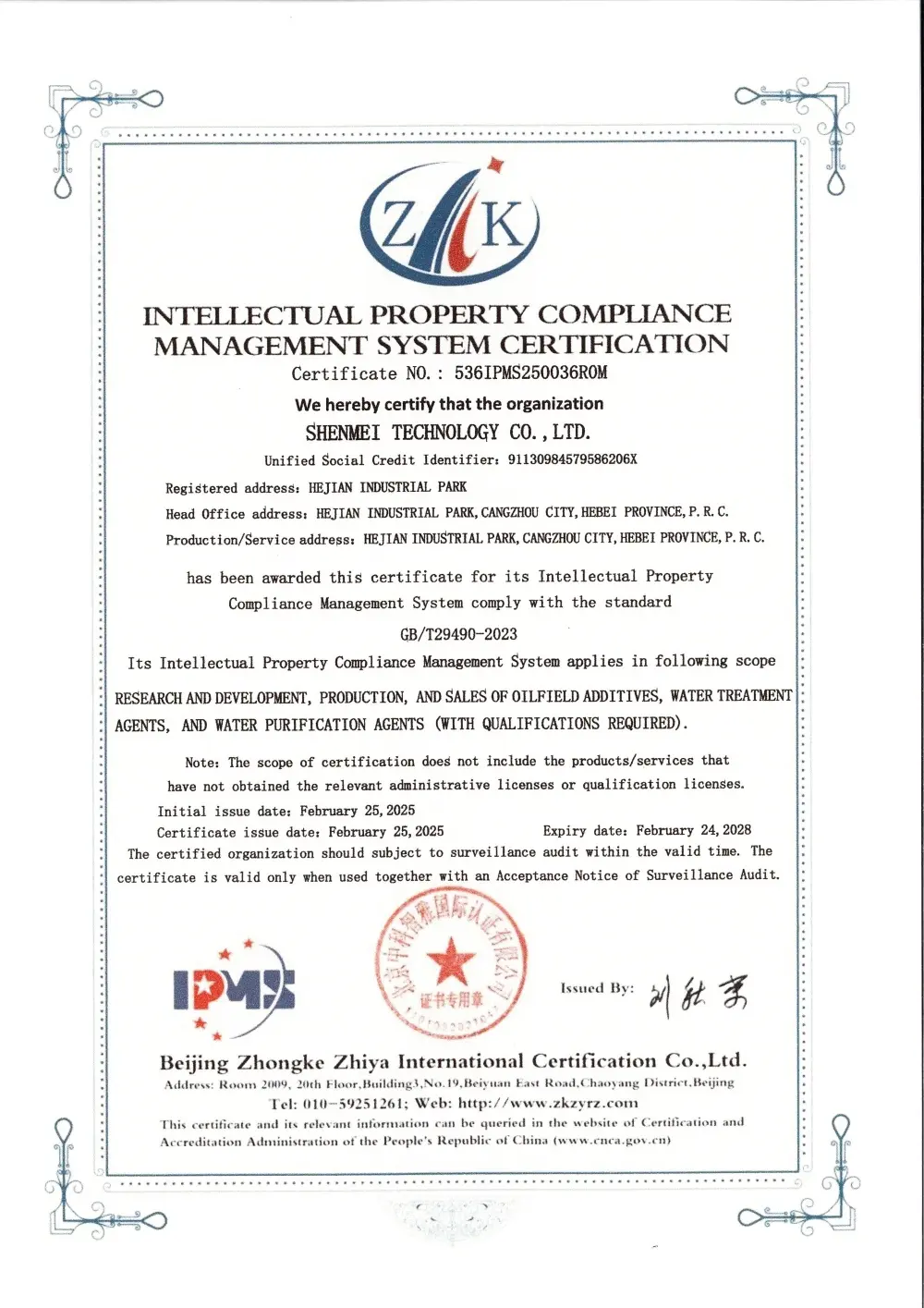
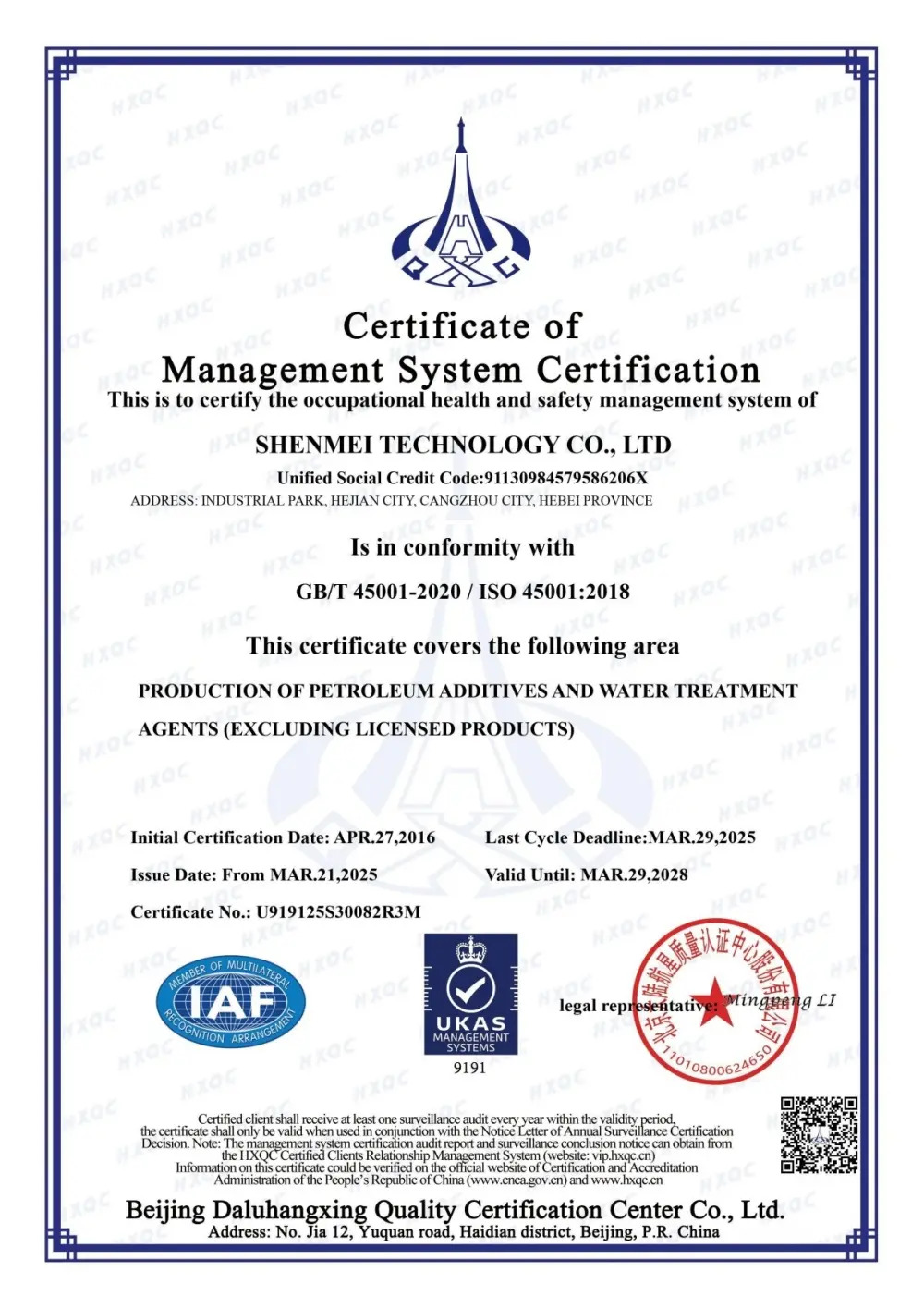
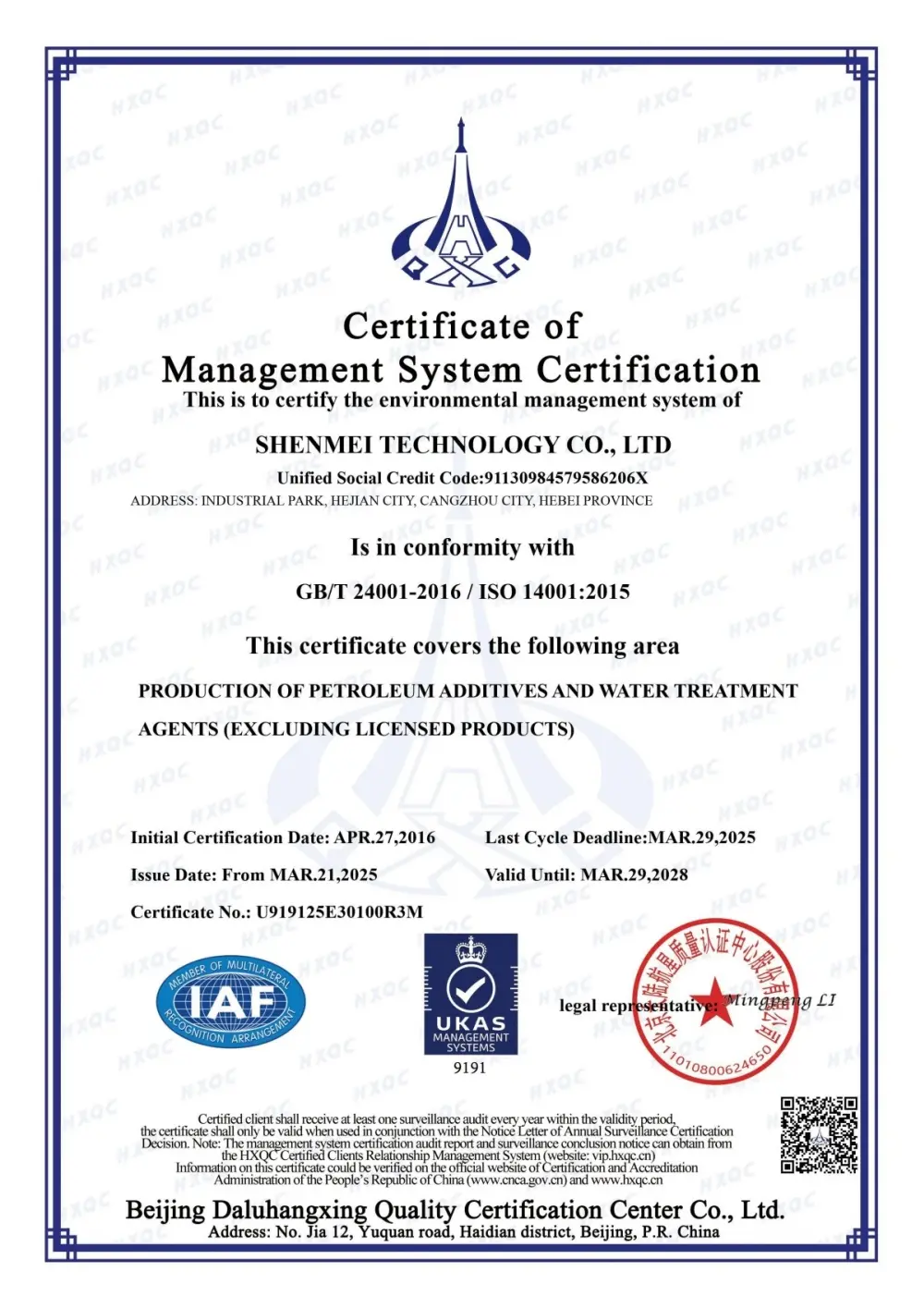
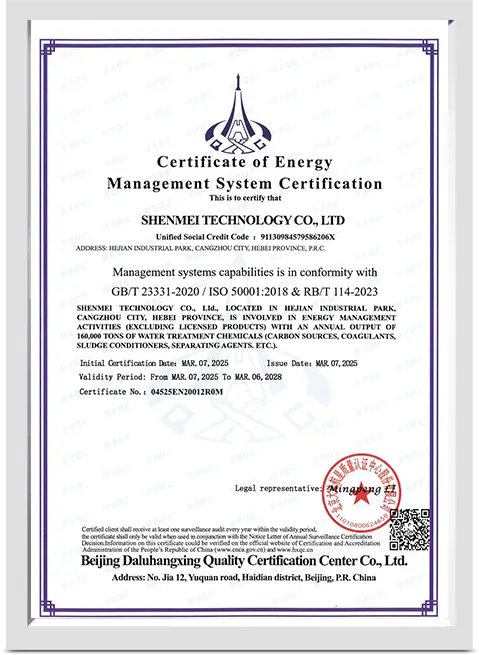
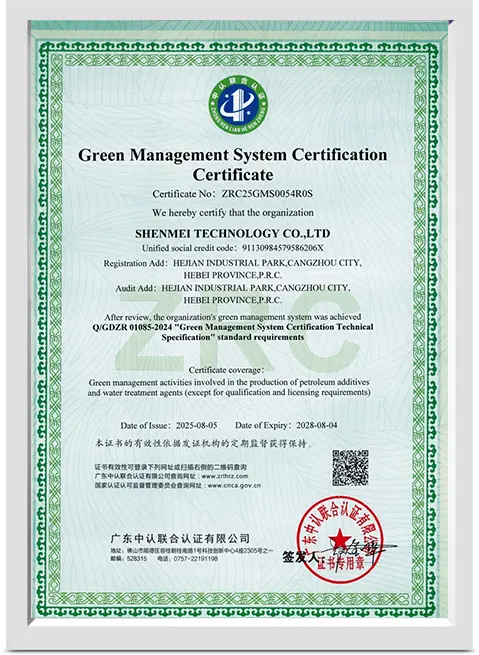
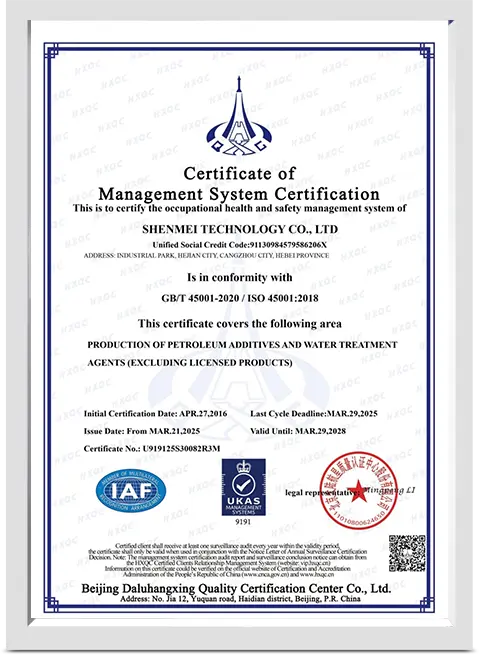
We have led the drafting of more than 10 national and industry standards. Below are our official invention patent and quality assurance certificates.
Expert technical answers regarding oil-water separation chemistry, dosing dynamics, and sourcing specifications.
Engineered high-efficiency flocculants, defoamers, and membrane antiscalants for industrial applications.
 Smedic Tech