Engineered for high-efficiency coagulation, flocculation, heavy metal removal, and foam suppression across municipal and complex industrial water cycles.
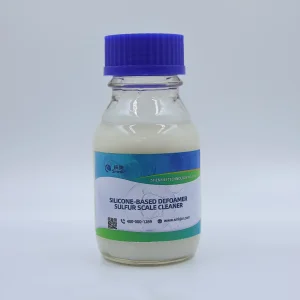
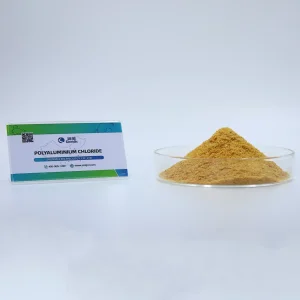
Understanding the critical shift toward iron-based polymeric coagulants in modern water safety systems.
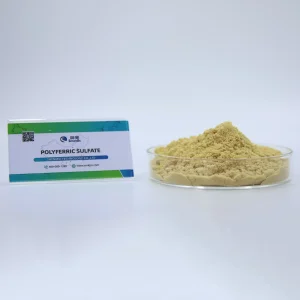
In the global arena of wastewater treatment and municipal drinking water filtration, the choice of inorganic coagulants has shifted dramatically away from traditional aluminum-based chemicals. Polyferric Sulfate (PFS), a high-efficiency iron-based polymeric coagulant, has emerged as the premier solution due to its rapid hydrolysis kinetics, superior charge-neutralization capabilities, and lack of residual aluminum toxicity. Unlike aluminum sulfate (Alum) or Polyaluminum Chloride (PAC), which leave residual aluminum ions that are linked to neurological concerns and membrane scaling, PFS introduces trivalent iron ions ($Fe^{3+}$) that hydrolyze into dense, multi-nuclear complexes. These complexes exhibit strong adsorption, sweeping, and bridging characteristics, leading to larger, denser flocs that settle up to three times faster than aluminum flocs.
Furthermore, the operational window of Polyferric Sulfate is exceptionally broad. It performs optimally across a wide pH range (4.0 to 11.0, with 6.0 to 9.0 being ideal), reducing or eliminating the need for pH adjusters like lime or sodium hydroxide. This efficiency translates to significant chemical cost savings, lower sludge volume production, and enhanced filter run times.
Environmental, Social, and Governance (ESG) guidelines, coupled with tightening regulatory frameworks in the European Union (such as the Urban Wastewater Treatment Directive) and North America (EPA clean water guidelines), are forcing industrial complexes to minimize chemical footprints. Ferric sulfate's high cationic density allows for lower dosing requirements compared to traditional mineral salts.
Additionally, in sludge management, iron-based sludges show significantly better dewaterability. The resulting sludge cakes are more stable, less gelatinous, and easier to filter through belt presses, plate-and-frame filters, or decanter centrifuges. The global market demand for premium-grade, low-heavy-metal solid Polyferric Sulfate is experiencing a compound annual growth rate (CAGR) of over 6.8%, driven largely by rapid urbanization in developing regions and strict industrial effluent norms worldwide.
Empowering Municipalities and Global Industries with Premium Water Treatment Formulations Since 2011
Established in 2011, Smedic Technology Co., Ltd. has evolved into a comprehensive, world-class solution provider specialized in environmental protection agents. We seamlessly integrate research and development, smart manufacturing, global sales channels, and engineering-related technical services. We are dedicated to providing global customers with customized chemical products, precision technical solutions, and long-term compliance services.
Smedic's environmental portfolio spans multiple core sectors, including municipal sewage treatment, industrial wastewater purification, high-purity tap water purification, mineral processing agents, and specialized oilfield chemistry. Offering more than 80 distinct environmental protection formulations, our combined annual production capacity exceeds 1 million tons, placing us at the forefront of the global chemical supply chain.
By bridging the gap between rigorous scientific R&D and large-scale industrial manufacturing, Smedic guarantees that every batch of Polyferric Sulfate, Polyaluminum Chloride, and specialized defoaming agents conforms strictly to international quality baselines.
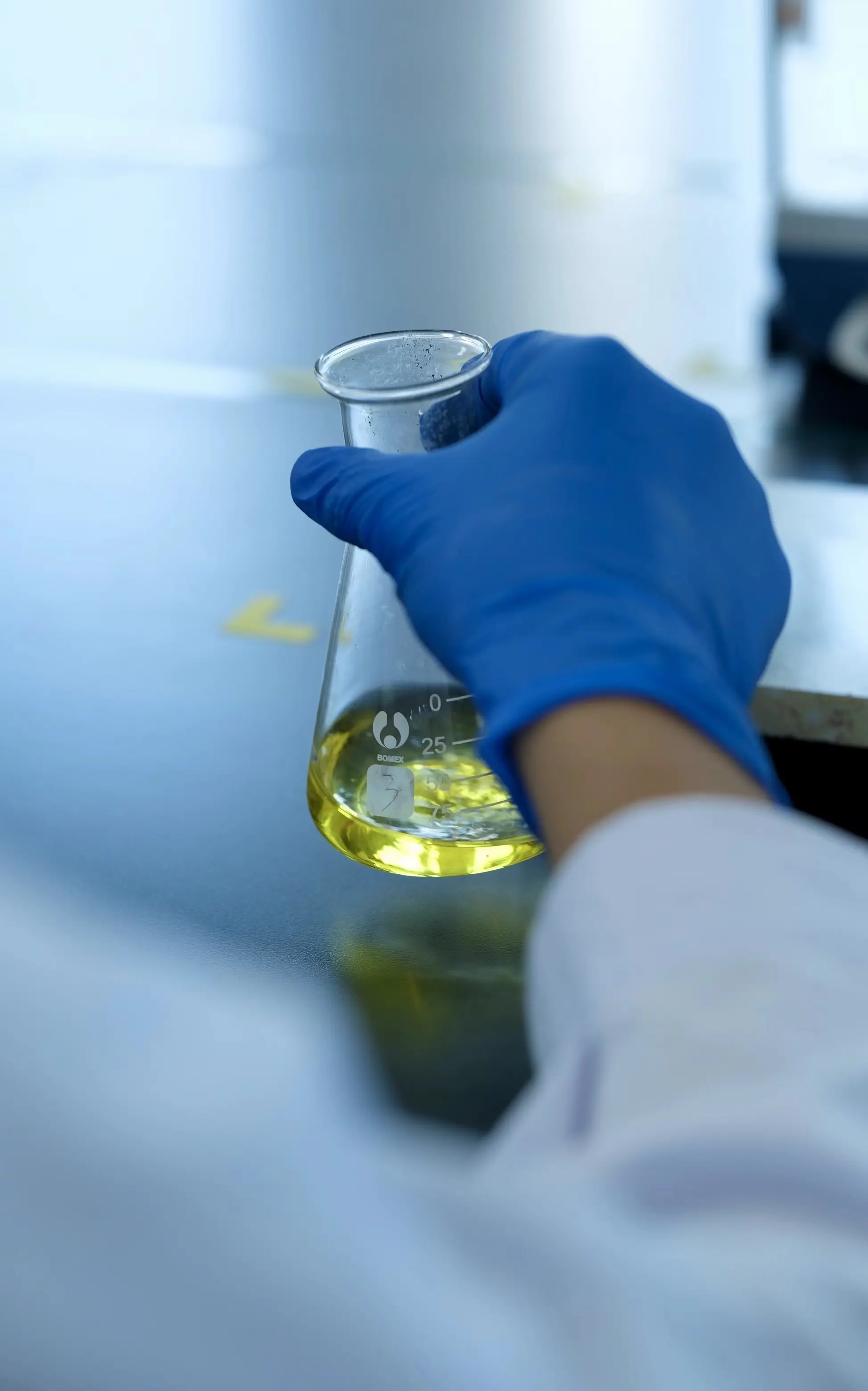
Unveiling the operational matrix that enables high-volume, cost-optimal production of high-grade coagulants.
China's prominence as the premier manufacturer of Ferric Sulfate is anchored in deep raw material integration. Solid Polyferric Sulfate is primarily synthesized from ferrous sulfate ($FeSO_4 \cdot 7H_2O$), a co-product of the titanium dioxide manufacturing industry, and sulfuric acid. Smedic's strategic factory layouts in Hebei, Guizhou, and Shanxi place our production centers in close proximity to massive mineral processing and metallurgical corridors. This geographic synergy eliminates long-distance chemical transportation costs, secures a constant, high-quality stream of raw precursors, and insulates our international clients from the volatility of global chemical supply chains.
Our factories operate state-of-the-art pressurized reaction systems and modern spray-drying towers. The reaction loop utilizes pure oxygen and nitrogen oxides as catalysts to rapidly oxidize ferrous iron ($Fe^{2+}$) to trivalent ferric iron ($Fe^{3+}$), followed by precise hydrolysis polymerization. The subsequent spray-drying phase produces micro-crystalline, highly soluble yellow powder with uniform particle distribution. This process yields superior dissolution rates compared to traditional drum-dried materials, ensuring complete solubility without leaving unreacted grit or clogging industrial dosing pumps.
With an annual production capacity exceeding one million tons, Smedic harnesses massive economies of scale to keep production costs highly competitive. Our production base lines are fully automated, using DCS (Distributed Control Systems) to monitor raw chemical feeds, temperature, pressure, and polymerization time in real-time. This level of process control ensures that key parameters—such as total iron content ($\ge 19\%$ or $21\%$), basicity ($8.0\% - 16.0\%$), and water insolubles ($\le 0.5\%$)—remain completely uniform across separate production batches.
Fostering scientific innovation through partnerships with top-tier academic institutions and national technical centers.
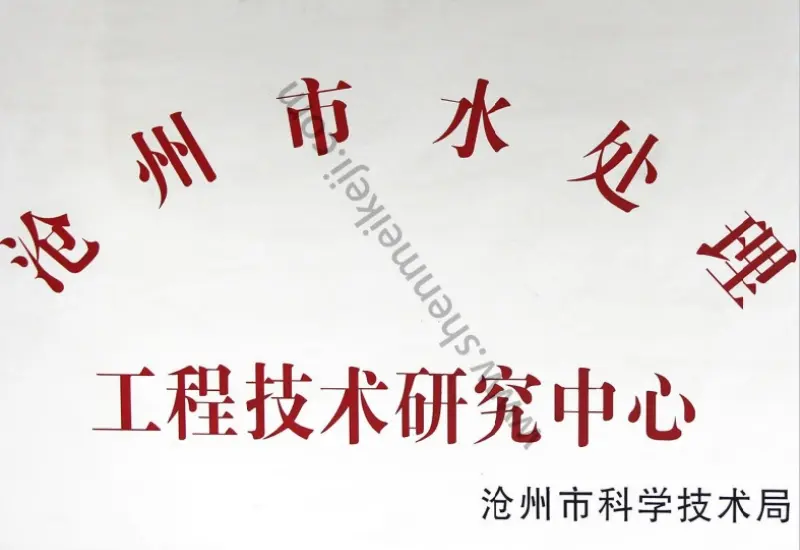
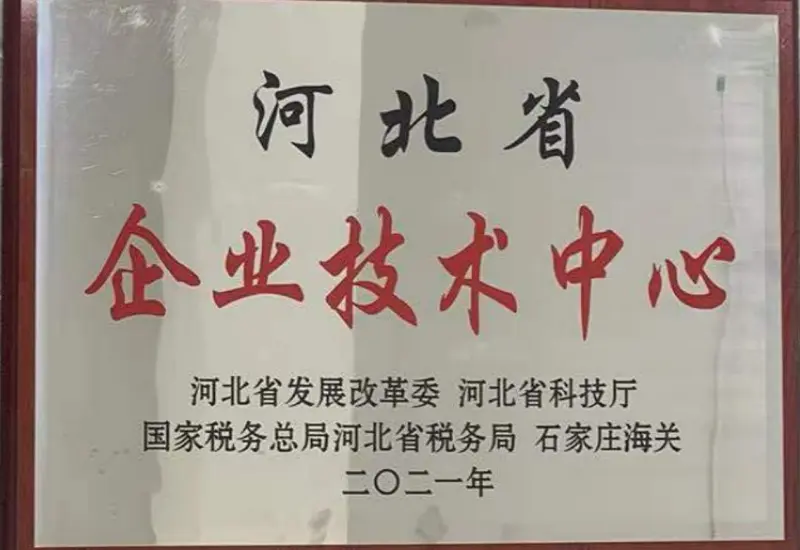
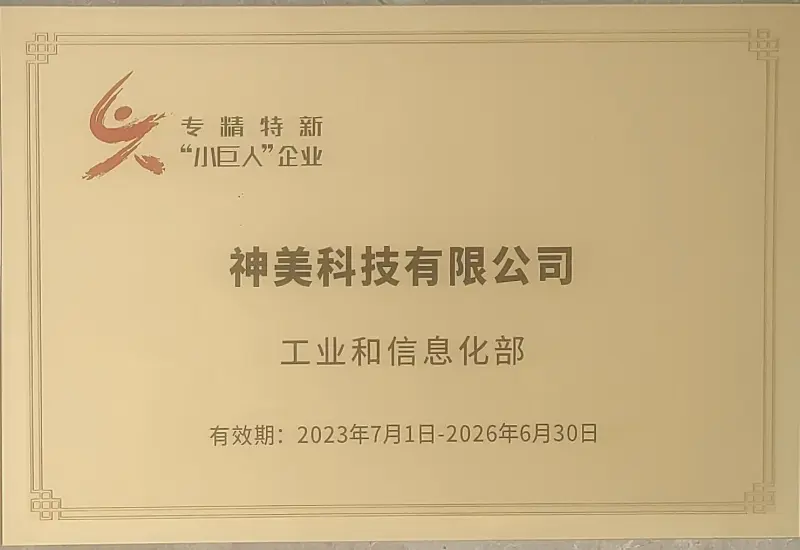
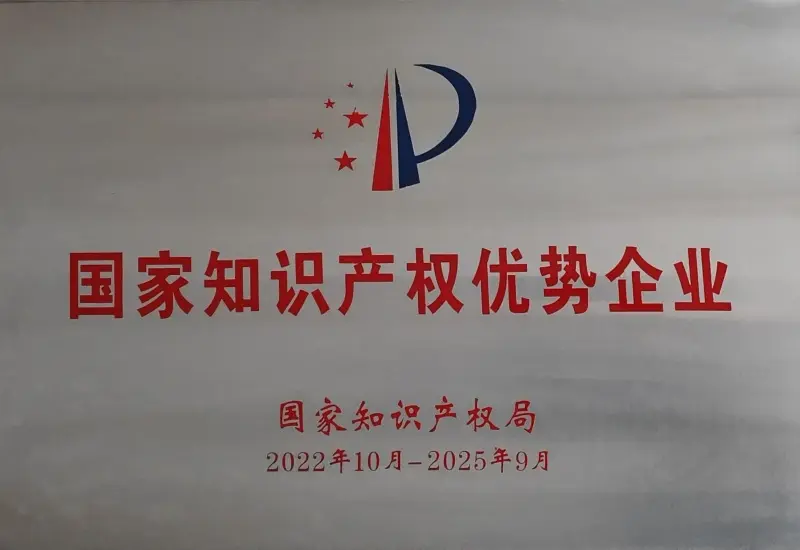
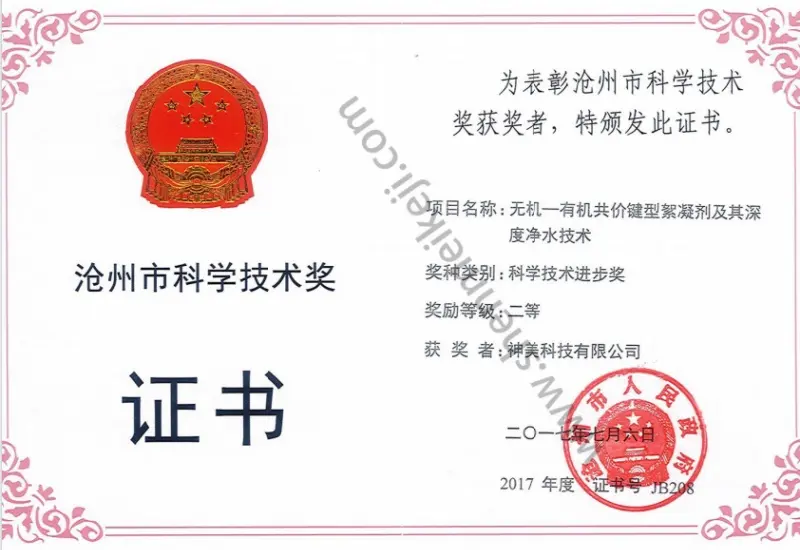
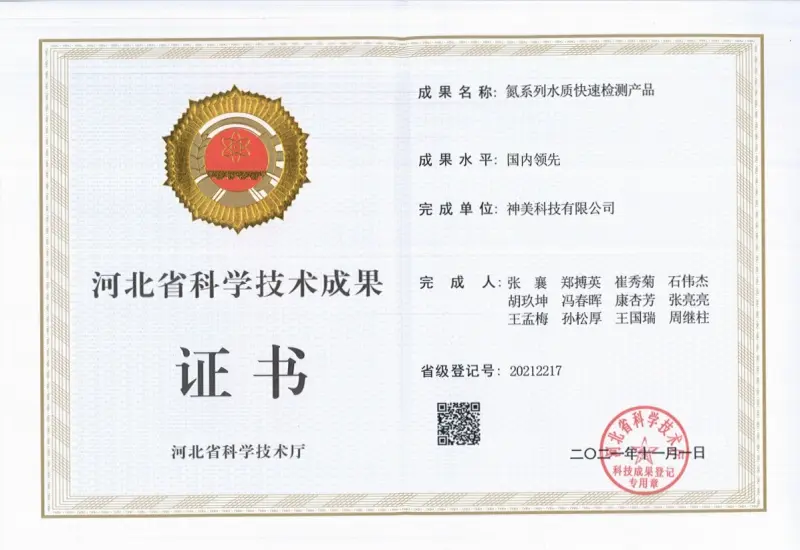
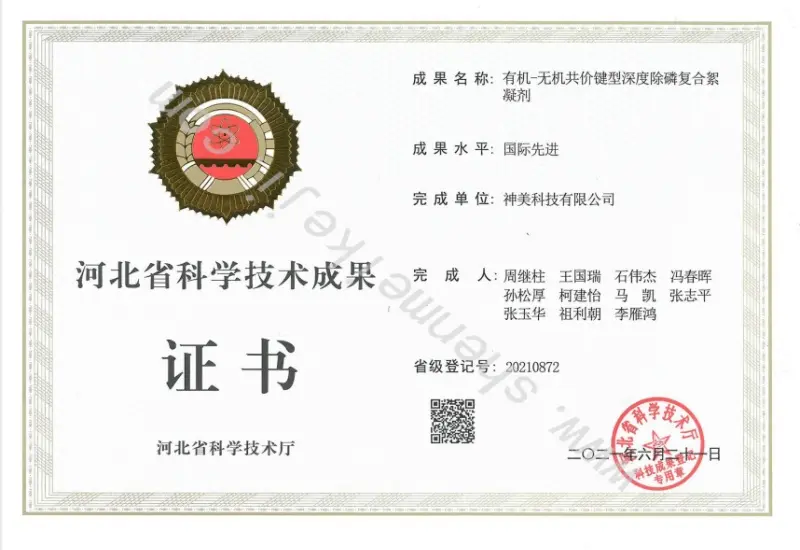
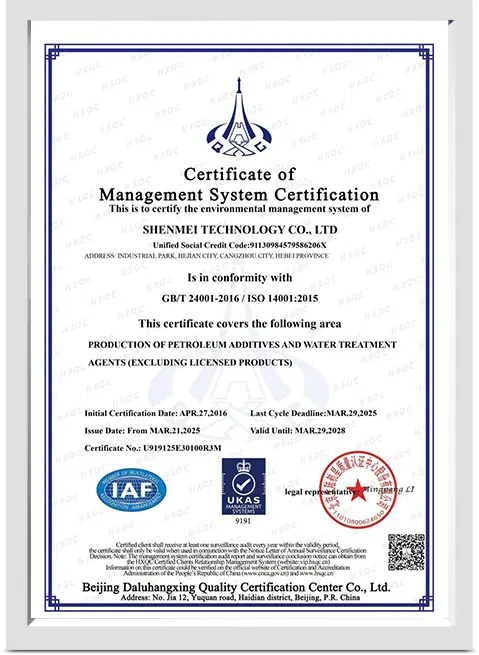
Smedic Technology has earned prestigious designations, including National High-tech Enterprise, National Specialized, Refined, Unique and Innovative "Little Giant" Enterprise, and Hebei Province Green Factory. We have built an engineering R&D system centered around "one academy, three research institutes, and five bases."
Our core technical team is composed of academicians, water treatment experts, and senior chemical engineers. We maintain an active expert workstation in partnership with the Tsinghua University Association of Senior Scientists and Technicians, and operate joint R&D laboratories with Shandong University and Beijing University of Technology.
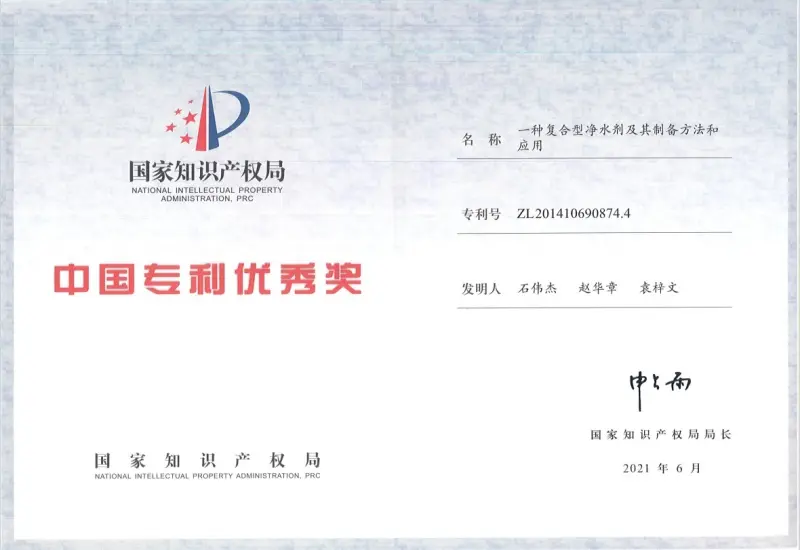
We have led the drafting of more than ten national and industry standards (covering composite carbon sources, sodium acetate, and nitrifying bacterial agents) and hold over sixty Chinese patents, including forty invention patents. Notably, our independently developed "Inorganic-Organic Covalent Bond Flocculant" won the 22nd China Patent Award and First Prize for Technological Invention from the China Petrochemical Industry Association.
From complex petrochemical waste to municipal nutrient removal, see how our chemical matrix solves targeted process engineering challenges.
In municipal sewage plants, meeting stringent phosphorus limits (such as Class quasi-IV standards in China or EPA limits in the US) requires chemical precipitation. Smedic's Polyferric Sulfate reacts rapidly with soluble orthophosphates to create insoluble iron phosphate ($FePO_4$) precipitants. The simultaneous hydrolysis creates heavy polymeric flocs that sweep out suspended organic phosphorus, consistently reducing Total Phosphorus (TP) to less than 0.3 mg/L.
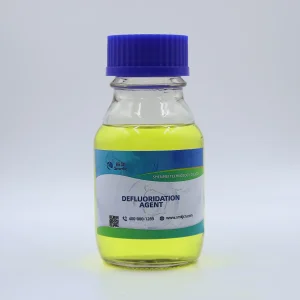
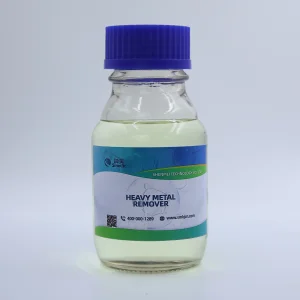
Industrial complexes—specifically electroplating, chemical synthesis, and semiconductor manufacturing facilities—face stringent regulations regarding heavy metals (copper, nickel, lead, chromium) and fluoride ions. Our specialized Smedic Heavy Metal Removal Agent and Smedic Specialized Fluoride Removal Agent operate synergistically with PFS to break chemical chelators, trigger co-precipitation, and absorb dissolved contaminants, rendering the discharge environmentally compliant.
For mineral processing, Smedic works in cooperation with the Chengdu Institute of Mineral Comprehensive Utilization, China Geological Survey to formulate custom flotation and flocculating solutions. In coal preparation and metal beneficiation plants, PFS speeds up solid-liquid separation in thickeners. It ensures high overflow clarity for water reuse and maximizes underflow density, preventing solids carryover and enhancing overall mill productivity.
A technical guide for industrial procurement officers evaluating Chinese chemical manufacturing partners.
When international sourcing directors buy Polyferric Sulfate (PFS), they look beyond price to key quality metrics that dictate chemical consumption rates and equipment longevity:
Smedic's logistics bases near major ports (Tianjin, Qingdao, Shanghai) and raw material warehousing ensure that we can meet container shipping schedules efficiently. We ship our solid products in 25kg PP/PE bags with inner liners, or in 1000kg container bags. We also offer liquid products via flexitanks. Our packaging keeps the product moisture-free, preventing caking and maintaining product stability for up to two years.
In addition to product supply, Smedic offers full OEM/ODM flexibility. We can customize basicity, iron concentration, and dry particle sizes to match specific industrial chemical feed systems.
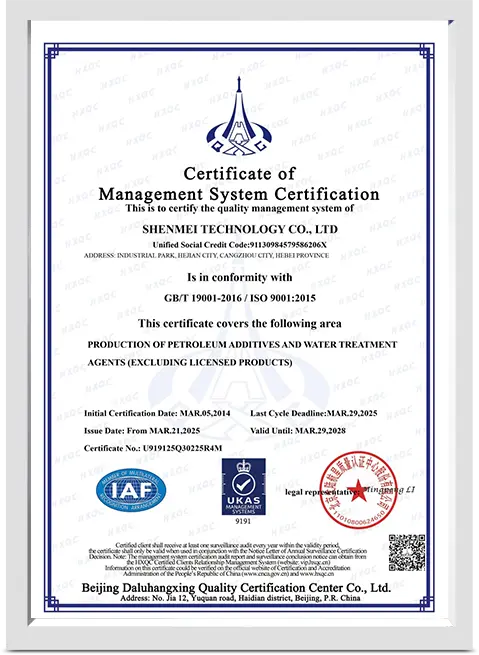
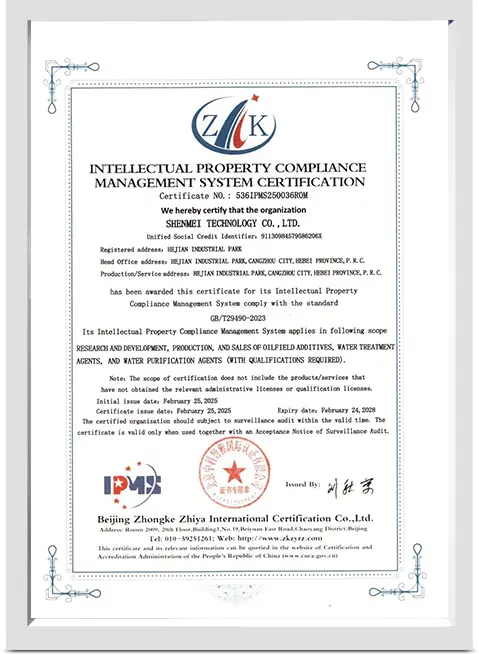
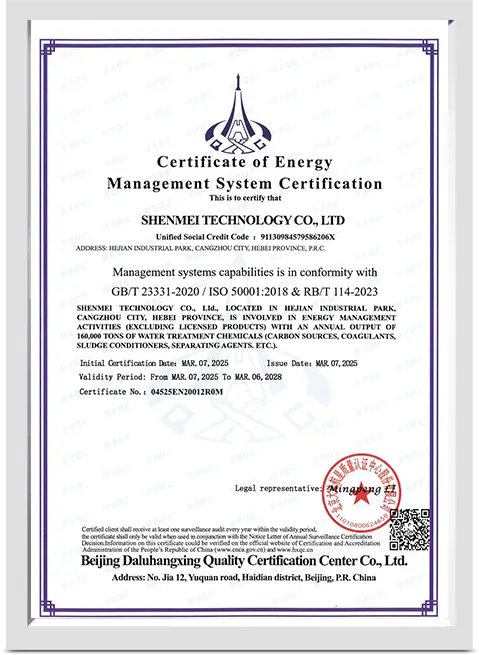
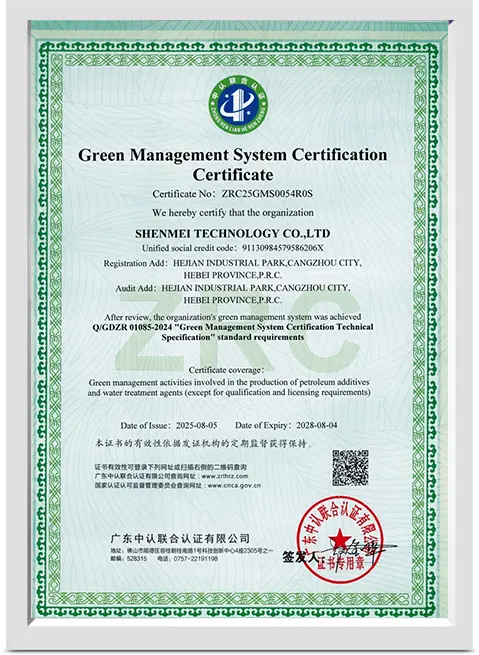
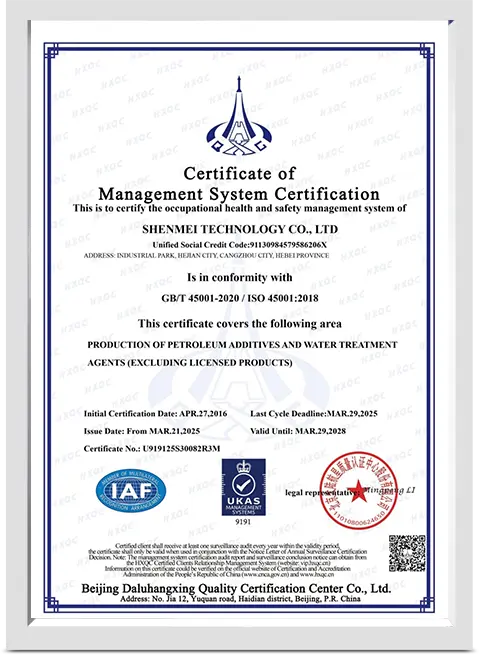
A history of growth, chemical innovation, and capacity expansion since 2011.
How green manufacturing principles and smart chemistry are shaping the next generation of coagulants.
Chemical manufacturers are increasingly expected to document the carbon footprint of their products. Smedic is working to reduce energy consumption during our spray-drying processes. By using waste-heat recovery systems and optimizing the exothermic reaction during ferrous sulfate oxidation, we have cut energy consumption per ton of dry product by 14%. Furthermore, using co-product ferrous sulfate from titanium dioxide plants aligns with circular economy principles by reducing the demand for virgin ores.
Traditional single-metal coagulants are being replaced by composite systems. Smedic's R&D team is developing inorganic-organic hybrid coagulants that graft Polyacrylamide (PAM) chains onto Polyferric Sulfate (PFS) backbones. These dual-action agents coagulate and flocculate in a single step, reducing dosing equipment complexity, simplifying plant layouts, and lowering overall chemical treatment costs for plant operators.
Answering common questions about the chemistry, application, and storage of Polyferric Sulfate.
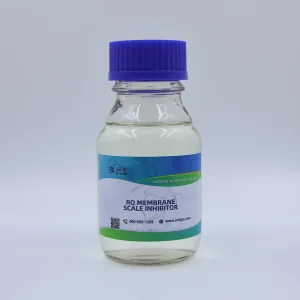
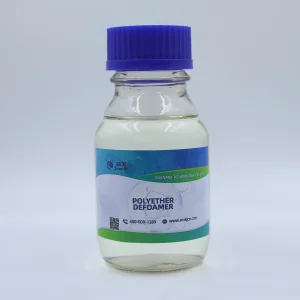
Providing specialized solutions for scale inhibition, organic defoaming, and high-efficiency coagulation.
 Smedic Tech