Premium Chemical Formulations Optimized for Municipal Sewage and Industrial Wastewater Processing
The global market for municipal and industrial water purification is undergoing an unprecedented structural transition. In an era marked by shifting environmental criteria, chemical coagulation and flocculation systems remain the cornerstone of solid-liquid separation. Driven by rigorous regulatory frameworks such as the European Union’s Industrial Emissions Directive, the United States EPA’s Clean Water Act updates, and China's comprehensive "Double Carbon" goals, traditional treatment practices are being systematically replaced by higher purity, lower dosage, and non-hazardous chemical alternatives.
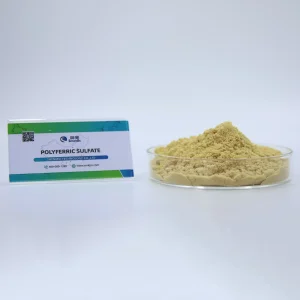
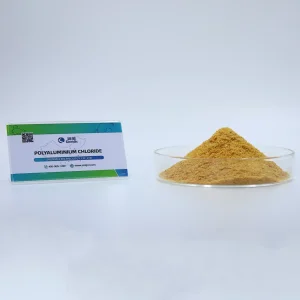
Coagulation chemicals, including advanced Polyaluminum Chloride (PAC) and Polyferric Sulfate (PFS), work via charge neutralization and sweep flocculation. Modern water management demands that these compounds not only clear suspended solids but also sequester trace pollutants like heavy metals and fluoride ions. Because global municipal sewage flow is projected to surpass 400 billion cubic meters annually, selecting efficient chemical combinations is vital to minimize chemical sludge output and decrease carbon footprints during logistics operations.
Recent developments focus heavily on reducing the secondary contamination of water basins. This change forces chemical manufacturers to transition from simple inorganic salts to complex, high-molecular-weight organic-inorganic composites. Furthermore, sludge minimization at the source has emerged as a key operational target for municipal water utilities worldwide, direct-loading the demand for optimized polymer formulations.
Transportation and raw material sourcing are primary drivers of carbon emissions in the bulk chemical sector. Strategic deployment of production facilities, localized warehousing, and concentrated chemical powders instead of liquids are key developments addressing these challenges across Global North and South markets.
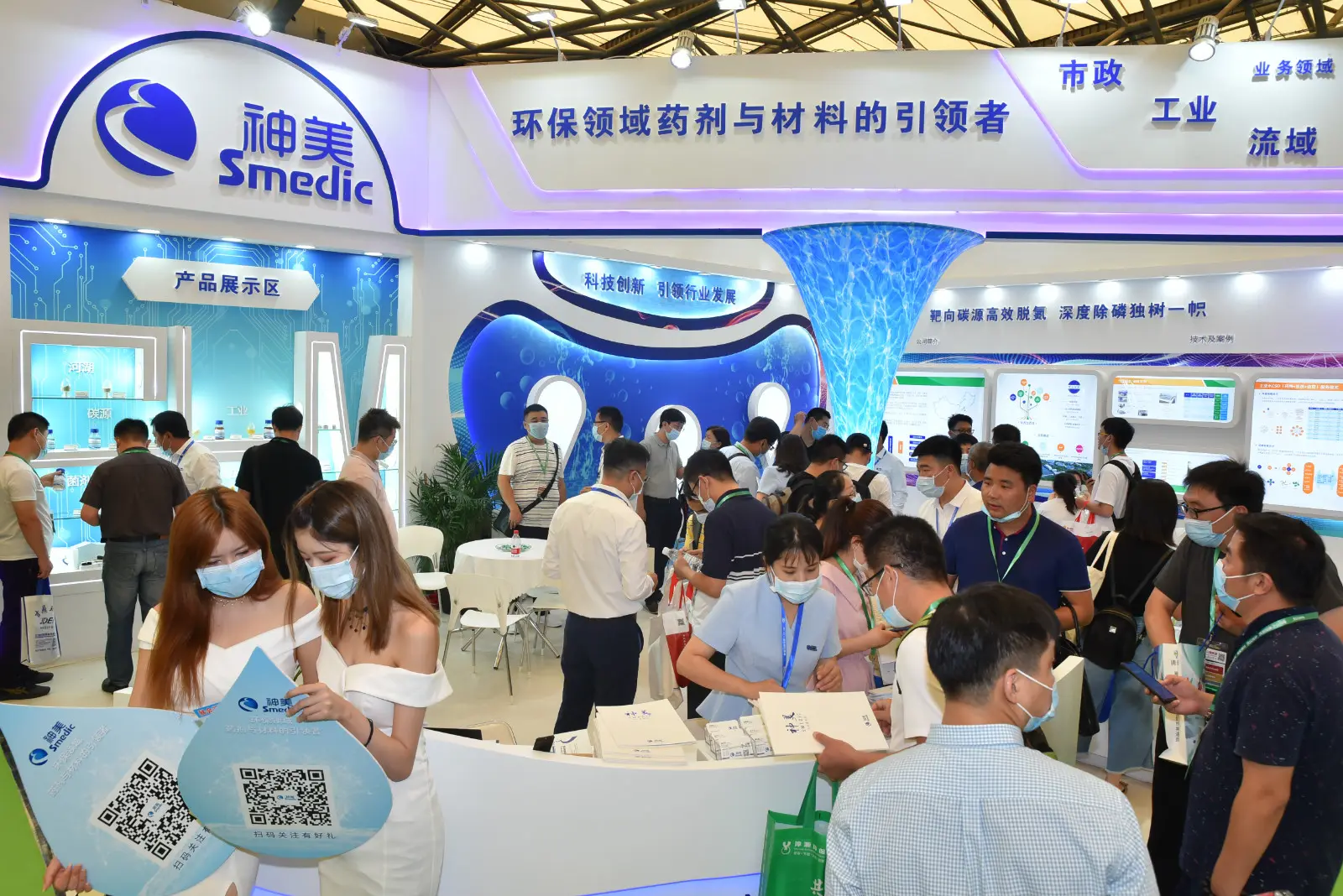
Established in 2011, Smedic Technology Co., Ltd. has developed into a leading, comprehensive solution provider specializing in environmental protection agents. We integrate research and development, manufacturing, sales, and customized engineering services into a unified offering. We target challenges in municipal sewage, industrial wastewater, drinking water purification, mineral processing, and oilfield extraction operations.
With an annual production capacity exceeding 1 million tons across multiple manufacturing plants, we provide over 80 distinct environmental protection chemicals. Our systems address municipal and heavy-industrial processes, allowing plant operators to meet effluent regulations while controlling overall treatment costs.
Company Established
Environmental Protection Agents
Tons Annual Capacity
Tons/Day Sewage Treatment Capacity Involved
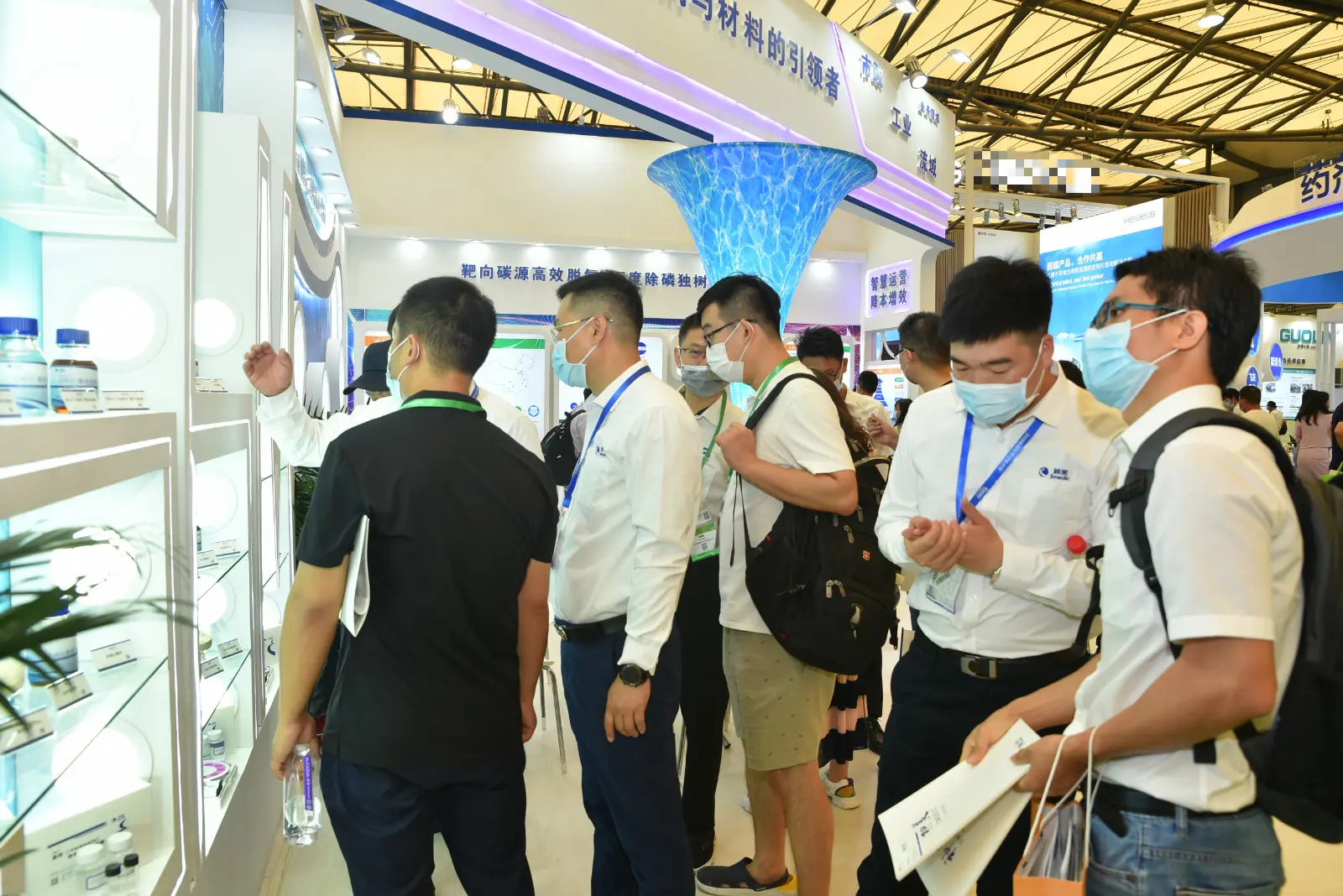
Smedic is headquartered in Beijing, with proprietary production bases operating in Hebei, Guizhou, and Shanxi. To ensure reliable local logistics, we maintain more than ten OEM partner factories and regional warehousing centers across Shandong, Shanxi, Anhui, Guangxi, and Sichuan. This distributed infrastructure enables fast product distribution across more than 20 provinces in China and to international export markets.
Our current project footprint serves over 600 municipal sewage treatment installations and more than 1,000 industrial end-users in wastewater management, mining operations, and oilfields. Managing a total capacity exceeding 20 million tons per day, Smedic is a key supplier of premium environmental protection chemicals in China and globally.
Urban sewage processing plants actively supported by our daily supplies.
Industrial wastewater, mineral processing, and oilfield operations.
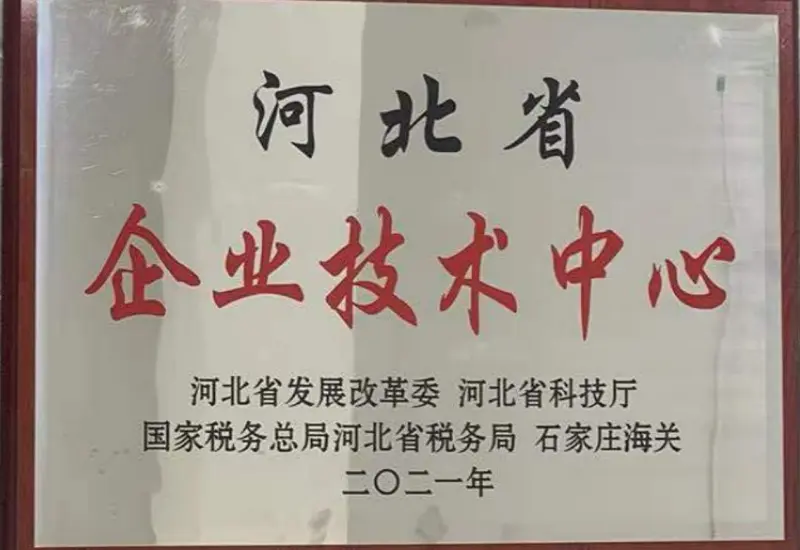
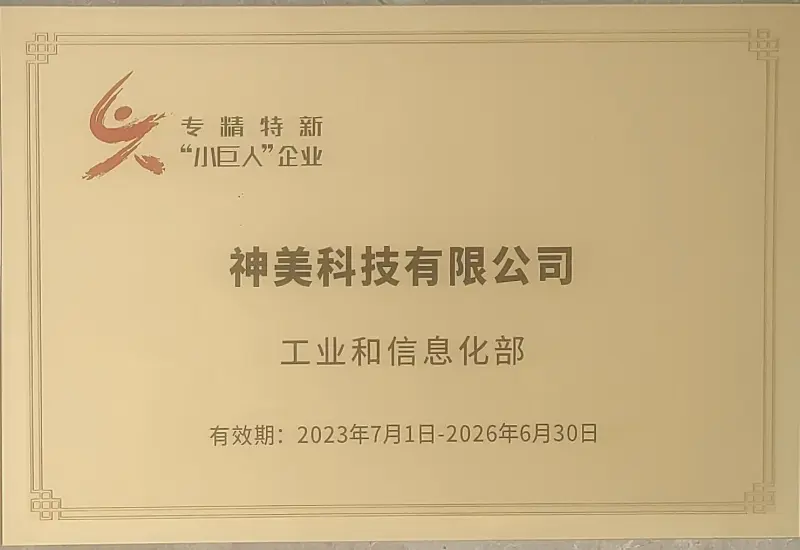
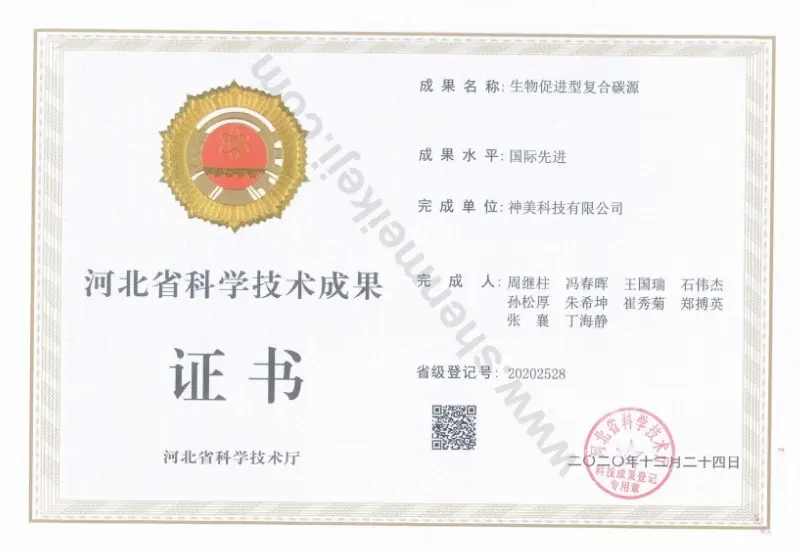
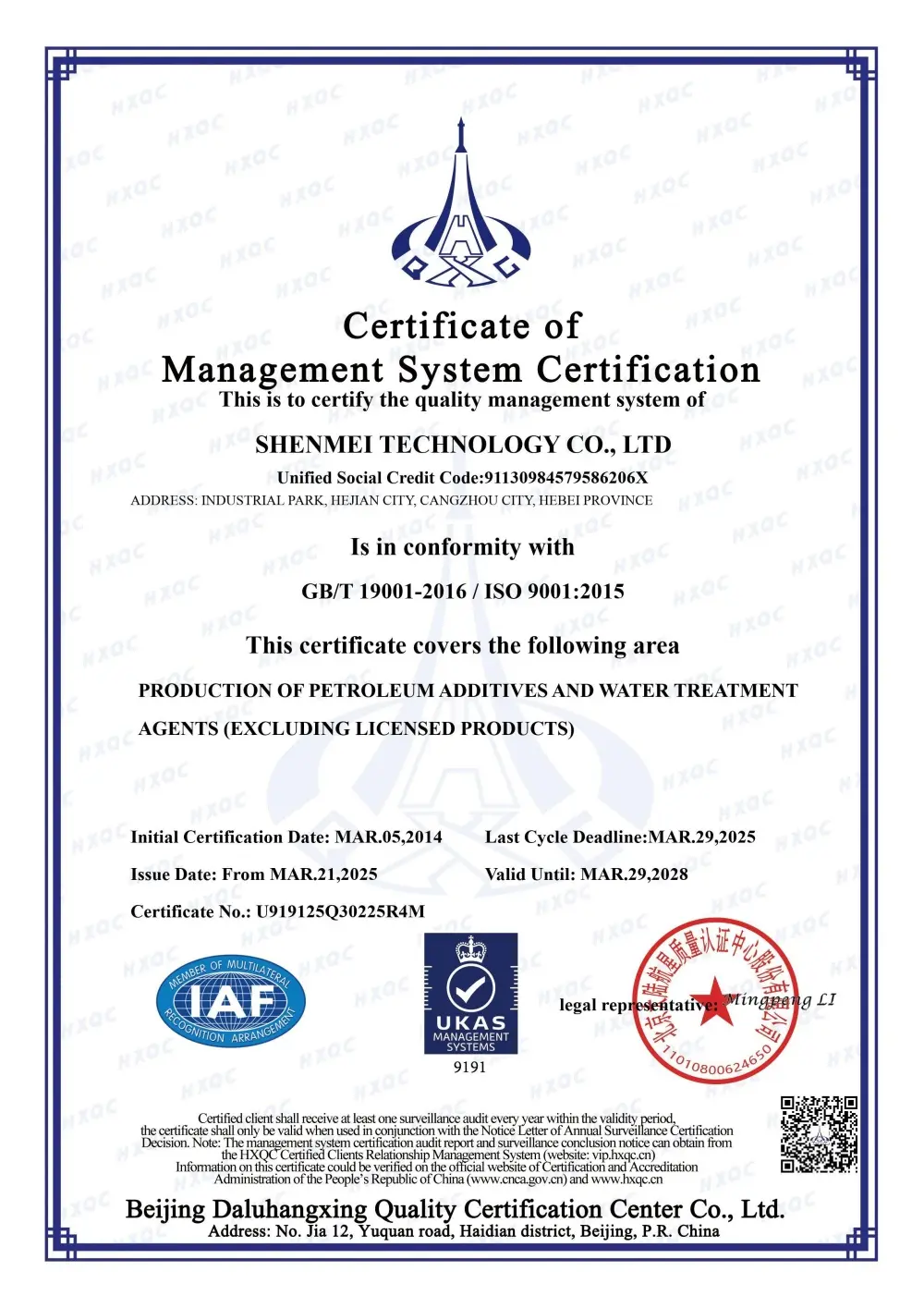
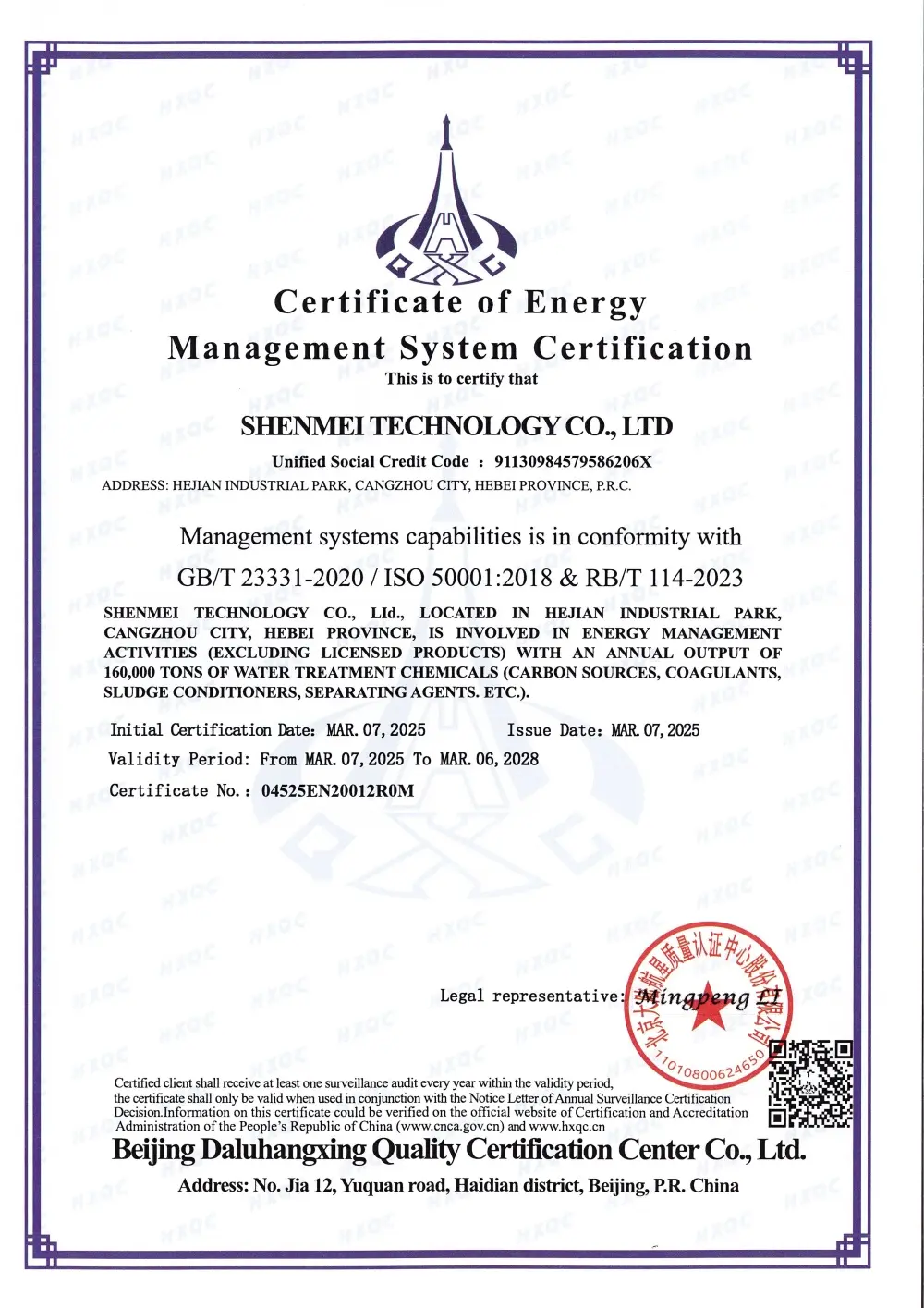
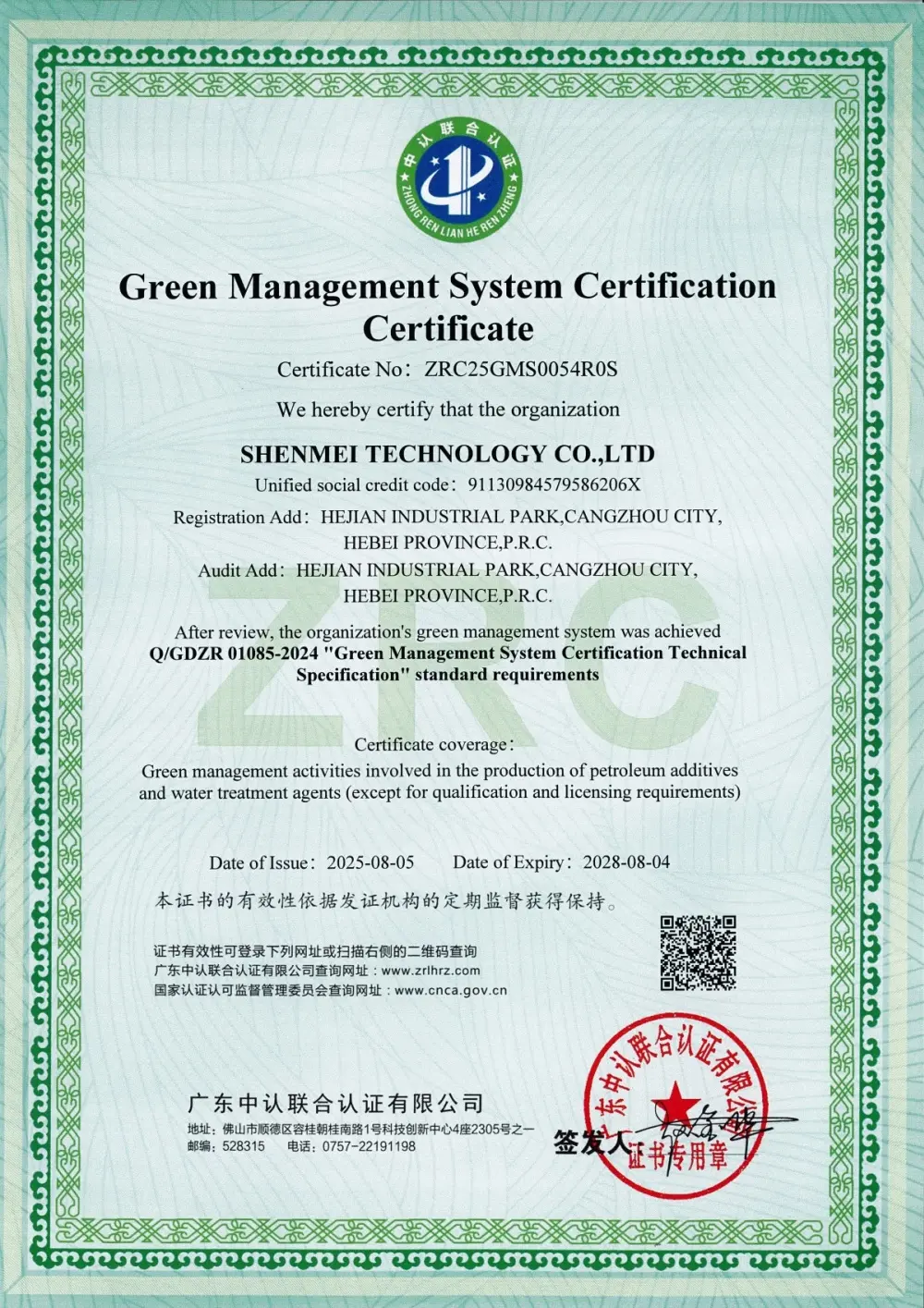
Smedic has been awarded multiple national and provincial distinctions, including designation as a National High-tech Enterprise and a National Specialized, Refined, Unique and Innovative "Little Giant" Enterprise. Our facilities in Hebei have also earned Green Factory classification, highlighting our commitment to sustainable chemical production processes.
Our research network includes one academy, three research institutes, and five production-testing bases. This infrastructure is supported by an expert workstation operated alongside the Tsinghua University Association of Senior Scientists and Technicians. We also run joint laboratories with Shandong University and Beijing University of Technology, and act as a commercialization partner for the research outputs of Peking University and Tianjin University.
Collaborating with Tsinghua University and Shandong University to translate chemical engineering innovations into scalable water treatment products.
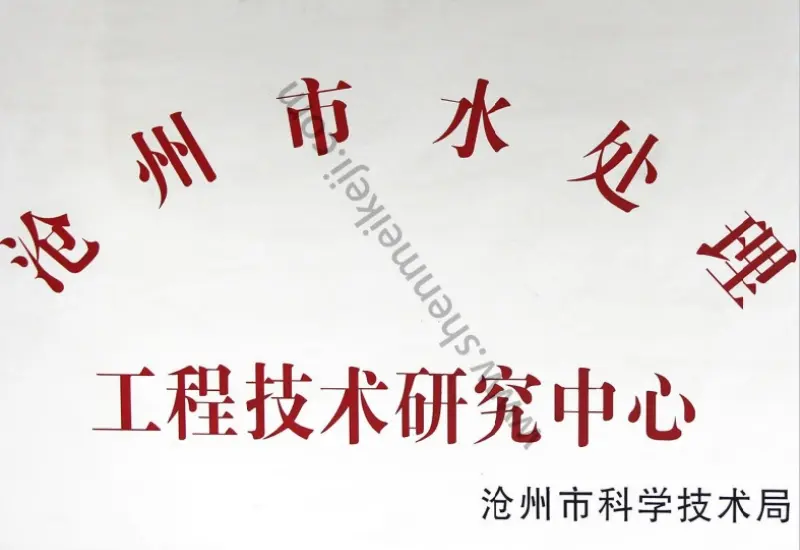
Hosting the Hebei Provincial Enterprise Technology Center and the Cangzhou Water Treatment Engineering Technology Research Center.
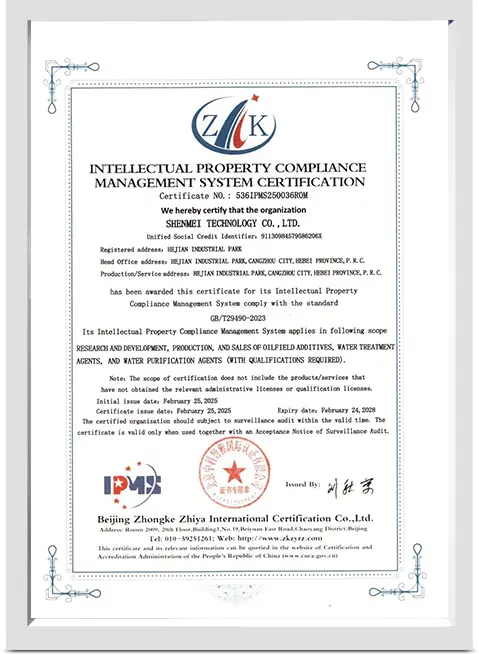
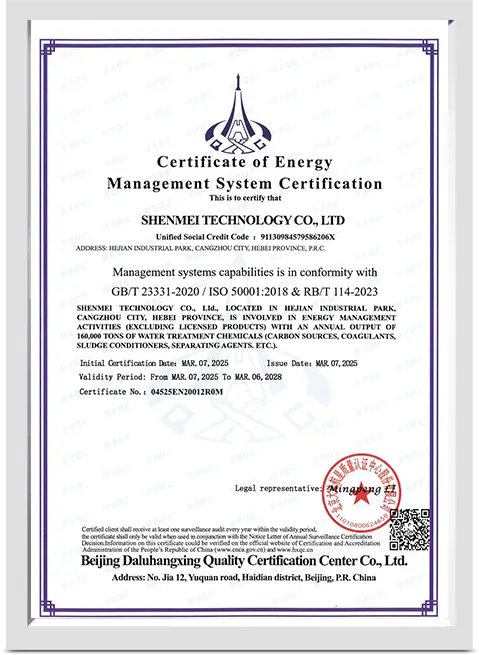
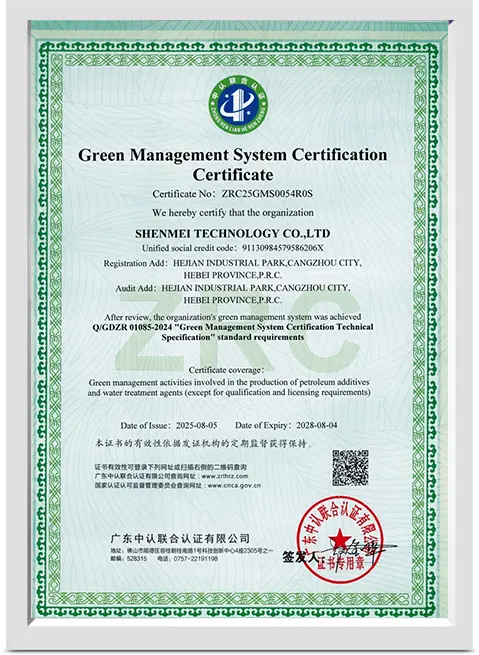
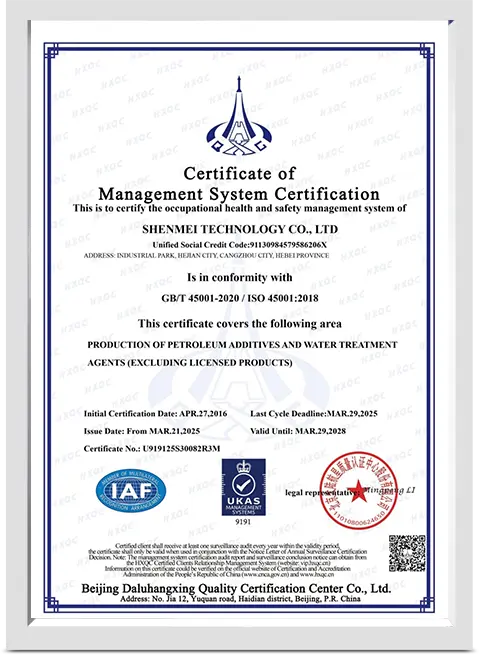
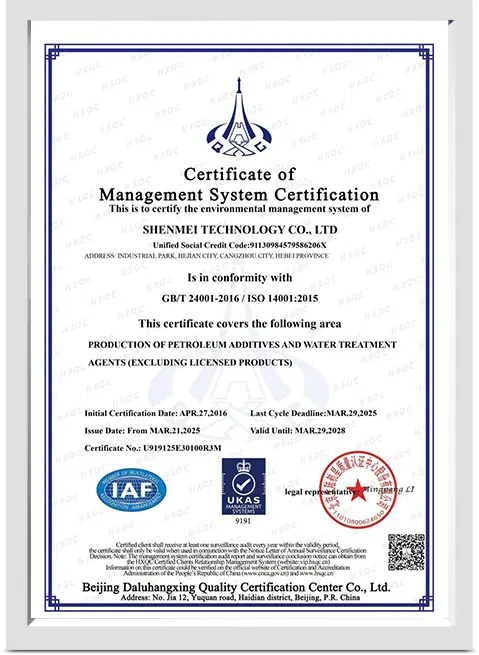
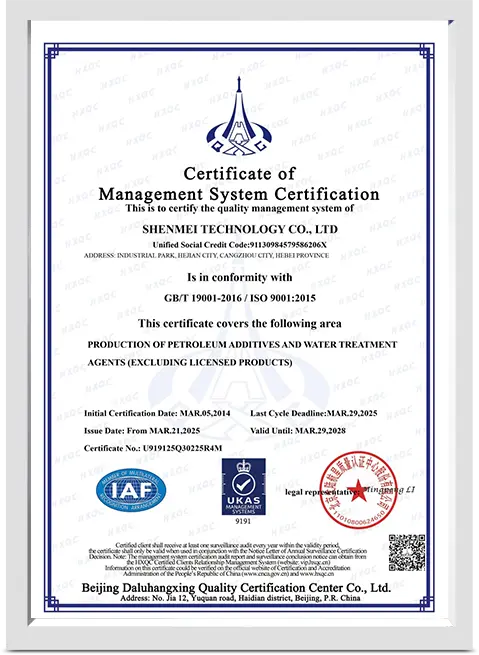
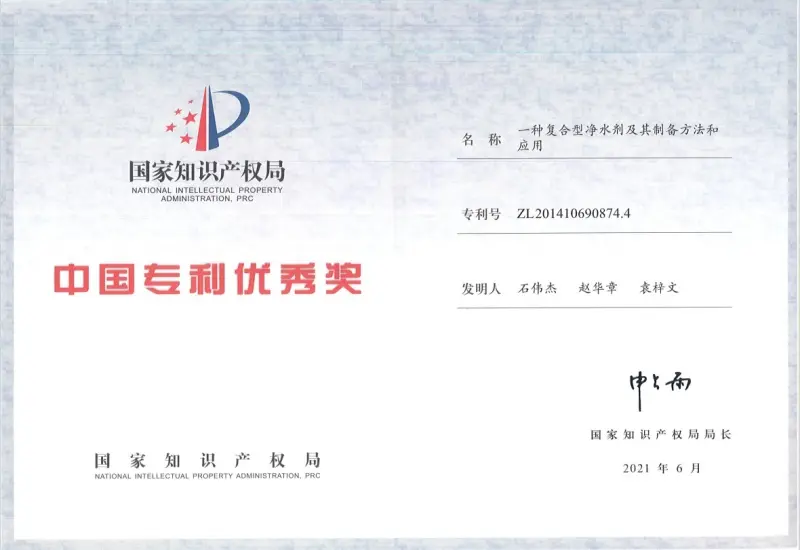
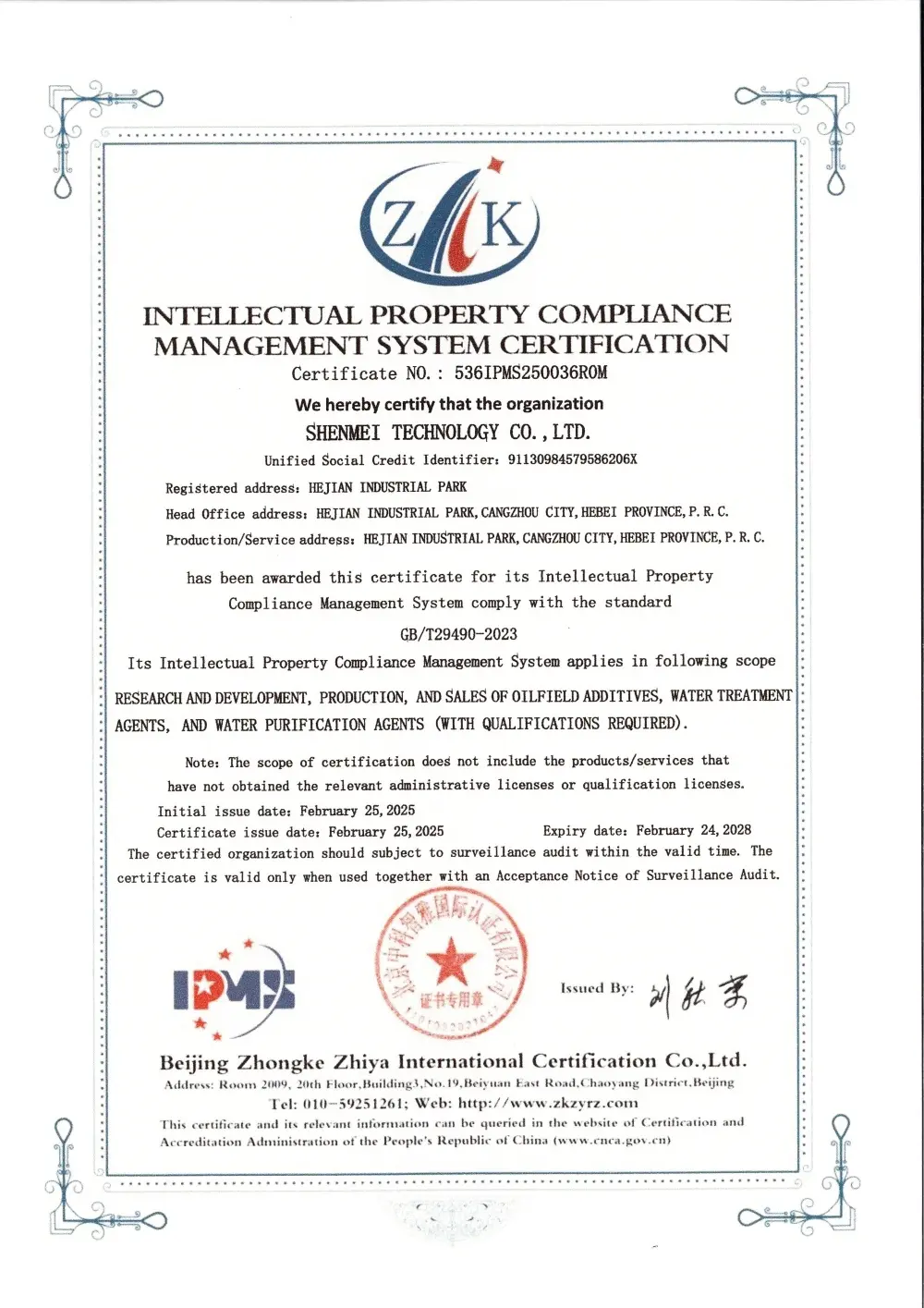
Smedic holds more than sixty Chinese patents, including forty invention patents and over twenty utility model patents. We have also contributed to drafting ten national and industry standards for composite carbon sources, composite coagulants, sodium acetate formulations, and nitrifying bacterial agents.
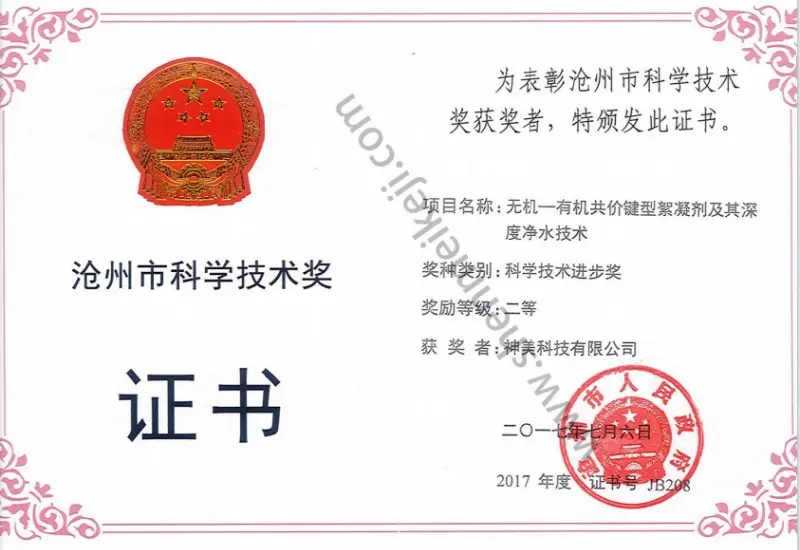
Our proprietary developments, including bio-enhanced denitrification carbon sources and deep multi-nuclear phosphorus removal agents, have been certified as "internationally advanced" by the Science and Technology Department of Hebei Province. Additionally, our "Active Oxygen Compound Disinfectant" was selected as a National Construction Industry Scientific and Technological Achievement Promotion Project. Our "Inorganic-Organic Covalent Bond Flocculant" has also received the 22nd China Patent Award and the First Prize for Technological Invention from the China Petrochemical Industry Association.
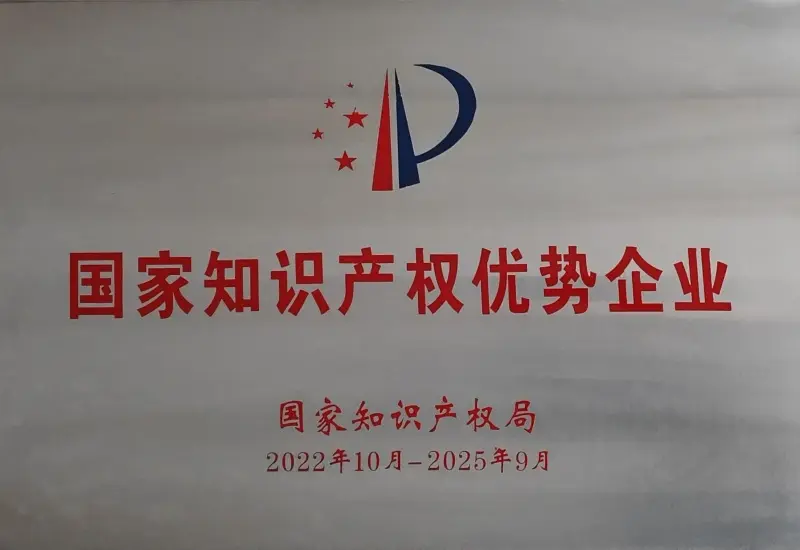
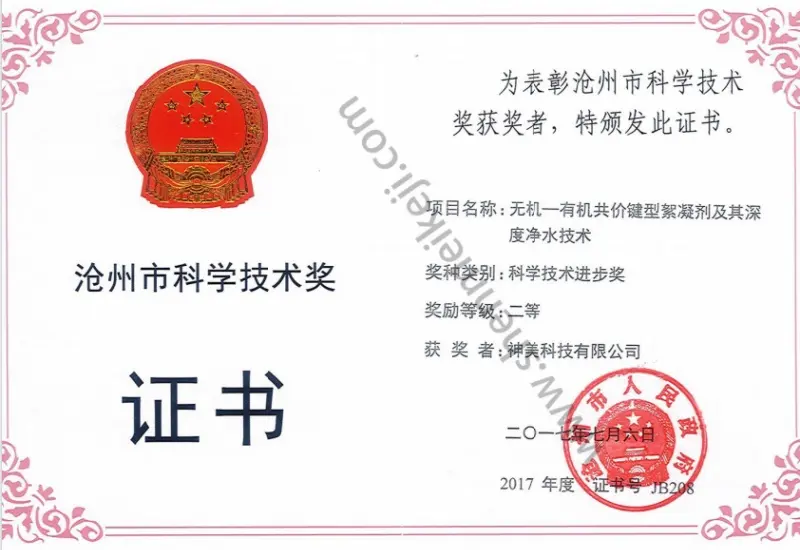
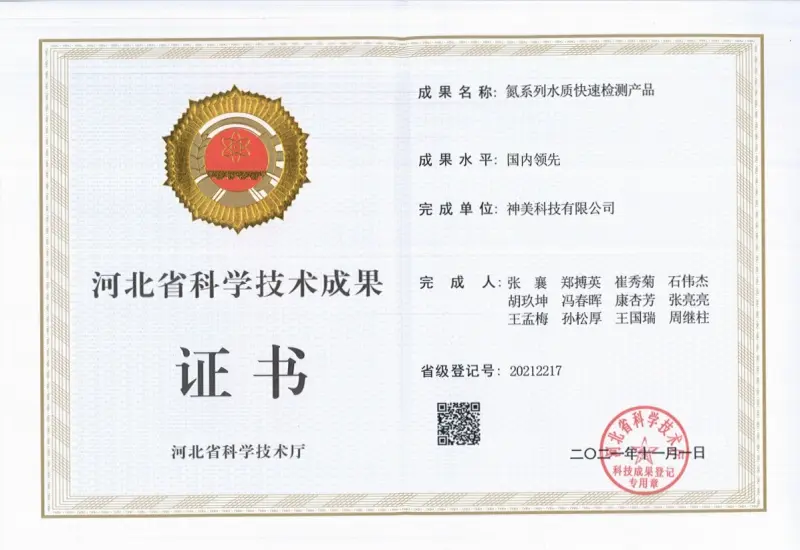
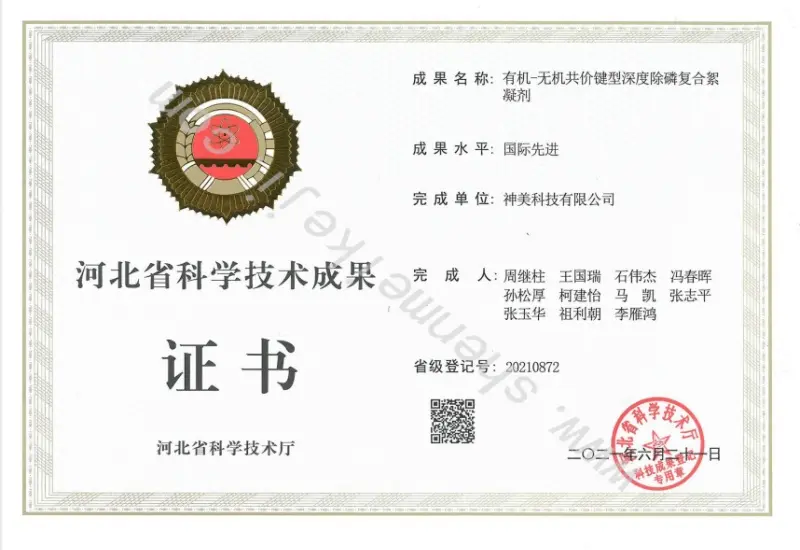
A Legacy of Scientific Research and Industrial Wastewater Engineering Innovations
Targeted Formulations for Challenging Wastewater, Defoaming, and Scale Control Demands
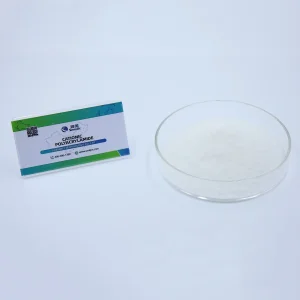
Dewatering municipal sludge requires polymers with optimized charge densities and molecular weights to form stable flocs. Smedic’s Cationic Polyacrylamide (CPAM) range features linear and branched chains that bind fine particles. This improves water release during centrifugal, belt, or plate-and-frame filtration, reducing chemical use and sludge handling costs.
In mining and mineral refining, separating target minerals from gangue requires tailing thickeners to operate continuously. Our specialized Anionic Polyacrylamide (APAM) products accelerate solids settling and water recovery. This design supports closed-loop water reuse systems and helps mining facilities meet strict zero-liquid-discharge (ZLD) requirements.
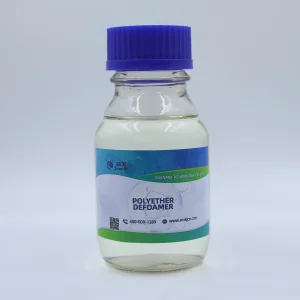
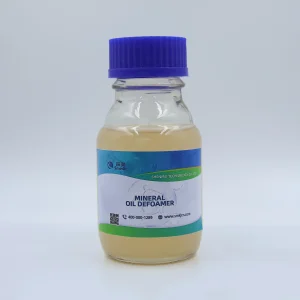
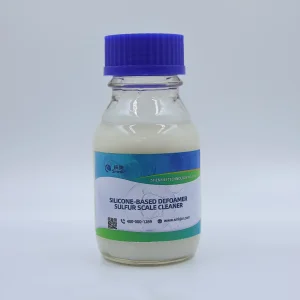
Smedic’s chemical solutions also include silicone, polyether, and mineral oil defoamers designed for high-shear, extreme-pH, and high-temperature environments. Paired with our organophosphorus and phosphate-free scale inhibitors, these products prevent mineral scale buildup in heat exchangers and reverse osmosis (RO) membranes, preserving system efficiency.
As standard mineral-based coagulants reach their efficiency limits, Smedic is focusing on developing hybrid organic-inorganic macromolecular composites. Traditional coagulants like simple PAC or alum often produce large volumes of metal-hydroxide sludge, which is expensive to treat and dispose of. By chemically grafting dicyandiamide or acrylamide polymers onto polyaluminum or polyferric structures, we produce composite coagulants that achieve charge neutralization and inter-particle bridging in a single dose.
Our ongoing R&D programs target two main areas: smart, adaptive formulations and bio-based polymeric carriers. By studying molecular configurations under varying shear conditions, we aim to design polymers that maintain structural stability in high-turbulence mixers. Additionally, we are researching biological and starch-grafted flocculants to lower the environmental footprint of wastewater chemicals and support circular economies in water management.
Developing hybrid coagulants that integrate organic polymers and inorganic metal cores to reduce overall chemical consumption by up to 35%.
Formulating high-molecular-weight polyacrylamides that resist degradation in high-shear processing equipment like centrifuges.
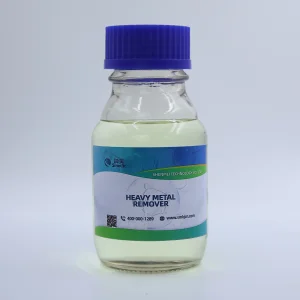
Refining heavy metal precipitating agents to selectively bind targeted toxic ions like Pb2+, Cd2+, and Cu2+ in complex wastewater streams.
Technical Answers from Smedic's Senior R&D Specialists and Field Engineers
Molecular weight determines the polymer chain length, which governs its bridging capacity, while charge density controls the neutralization of negatively charged colloidal particles. For organic sludges, such as activated municipal sludge, a higher charge density is typically required. For inorganic sludges, a lower charge density combined with high molecular weight is preferred to optimize bridging action. Smedic customizes these parameters to suit the specific shear profile and slurry chemistry of each plant.
Polyferric Sulfate is a pre-hydrolyzed polymeric coagulant. It forms multi-nuclear hydroxyl complexes that outperform simple salts like ferric chloride. PFS operates across a wider pH range (5.0 to 9.0), forms denser flocs that settle more rapidly, and reduces residual iron content in treated effluent. This minimizes the risk of discoloration and lowers the volume of generated chemical sludge.
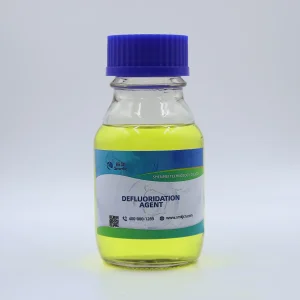
Our Fluoride Removal Agent uses surface adsorption and co-precipitation processes. The chemical structure presents high-affinity coordination sites that exchange ions with fluoride in solution, forming insoluble complexes. This mechanism allows industrial facilities to reduce fluoride levels from over 100 mg/L down to less than 1 mg/L, meeting discharge limits for electronics and chemical processing plants.
Silicone defoamers offer fast knock-down performance at low dosages but can cause surface defects in coating or paint applications. Polyether defoamers provide long-lasting foam suppression and are highly stable under high temperatures and biological loads, making them suitable for aeration basins. Smedic's technical team analyzes system conditions to recommend the optimal defoamer type.
Specialized Scale Inhibitors, Defoamers, and Heavy Metal Chelators
 Smedic Tech