Explore our high-performance line of defoamers, coagulants, scales inhibitors, and polymeric flocculants engineered for global industrial challenges.
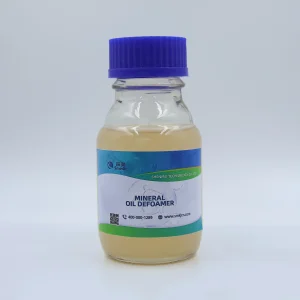
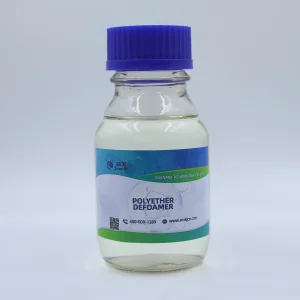
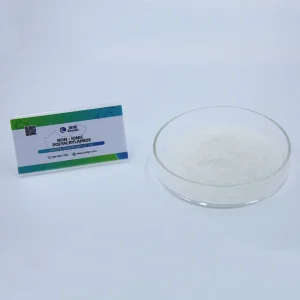
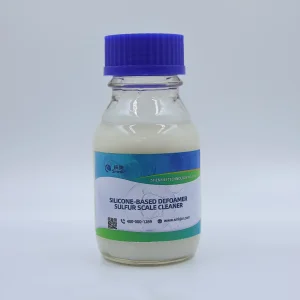
An in-depth chemical breakdown of the molecular mechanisms, polymerization pathways, and performance dynamics of modern flocculants.
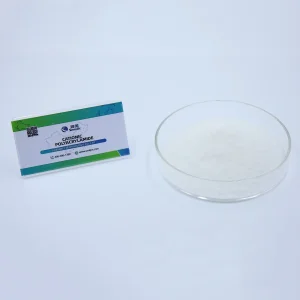
Cationic Polyacrylamide (CPAM) is a highly structured, water-soluble linear macromolecular polymer. Synthesized by the copolymerization of acrylamide (AM) monomer and cationic monomer (commonly DAC - acryloyloxyethyltrimethyl ammonium chloride, or DMC - methacryloyloxyethyltrimethyl ammonium chloride), CPAM is characterized by active functional groups along its molecular backbone that carry positive charges. These quaternary ammonium groups dissociate in aqueous environments, making the polymer chain highly attractive to negatively charged colloidal particles prevalent in industrial and municipal wastewater streams.
The performance profile of CPAM is dictated by two primary physical properties: Molecular Weight (MW) and Ionic Degree (Cationicity). In China's top-tier chemical syntheses, molecular weights typically scale from 3 million to over 12 million Daltons, while charge density can be tailored from 10% up to 80% mole percent. Balancing these two criteria is vital; high molecular weight promotes physical bridging of flocs, whereas a high charge density maximizes electrostatic attraction to neutralize zeta potentials of colloidal structures.
“The fundamental efficiency of a cationic polymer is not merely based on its molecular size, but rather on the precise synchronization of its charge density with the specific electrical characteristics of the targeted municipal or industrial slurry.”
The industrial action of Cationic Polyacrylamide relies on a highly synergistic two-step reaction pathway:
| Phase | Flocculation Action | Physical Transformation | Industrial Result |
|---|---|---|---|
| 1. Charge Neutralization | Quaternary ammonium positive charges attract and neutralize negatively charged colloidal particles (clays, silts, organic matter). | Collapses the electrostatic double layer (reducing Zeta potential toward 0 mV). | Colloidal suspension destabilizes, triggering the aggregation of microscopic primary flocs. |
| 2. Polymer Bridging | Long-chain polymer backbones adsorb onto multiple micro-flocs simultaneously via hydrogen bonding. | Loops and tails of the linear chains bind micro-flocs into large, complex structural networks. | Rapid creation of heavy, shear-resistant macro-flocs that exhibit swift sedimentation. |
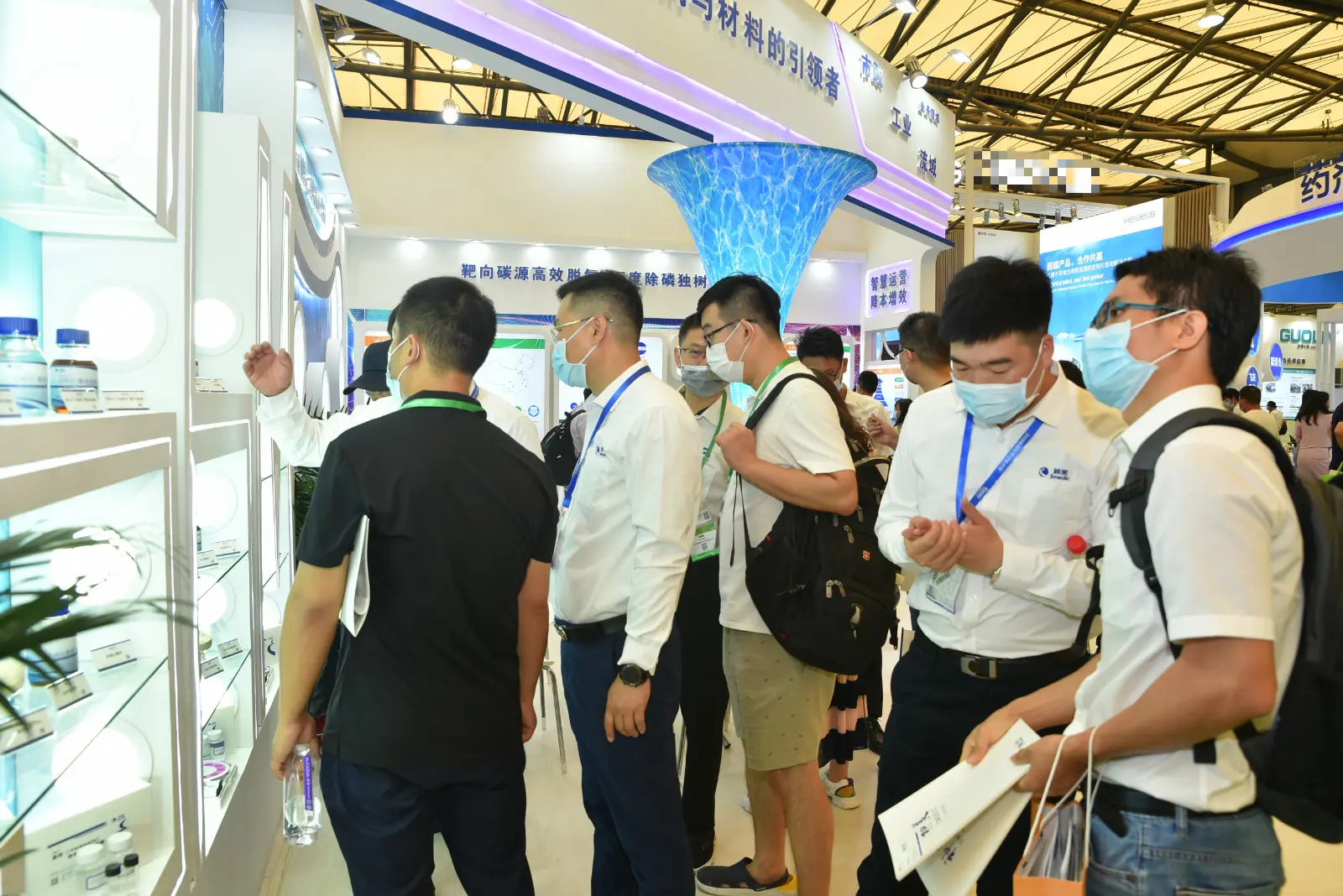
Smedic Technology Co., Ltd. is a comprehensive environmental protection agent manufacturer and solution provider, integrating core R&D, production, international sales, and engineering-related technical services. We are dedicated to providing global customers with customized chemical products, technical solutions, and services. Smedic produces environmental protection agents covering multiple sectors such as municipal sewage, industrial wastewater, and tap water treatment, as well as mineral processing agents, and oilfield chemicals.
With an active product portfolio of more than 80 different environmental protection products, our annual production capacity exceeds 1 million tons. Operating from our corporate headquarters in Beijing, Smedic maintains wholly-owned production bases in Hebei, Guizhou, Shanxi, and other regions, supplemented by more than ten OEM partner factories and regional warehousing and logistics bases in Shandong, Shanxi, Anhui, Guangxi, and Sichuan provinces. Our daily project service capacity spans over 20 million tons of wastewater across 600+ municipal plants and 1,000+ industrial end-users.
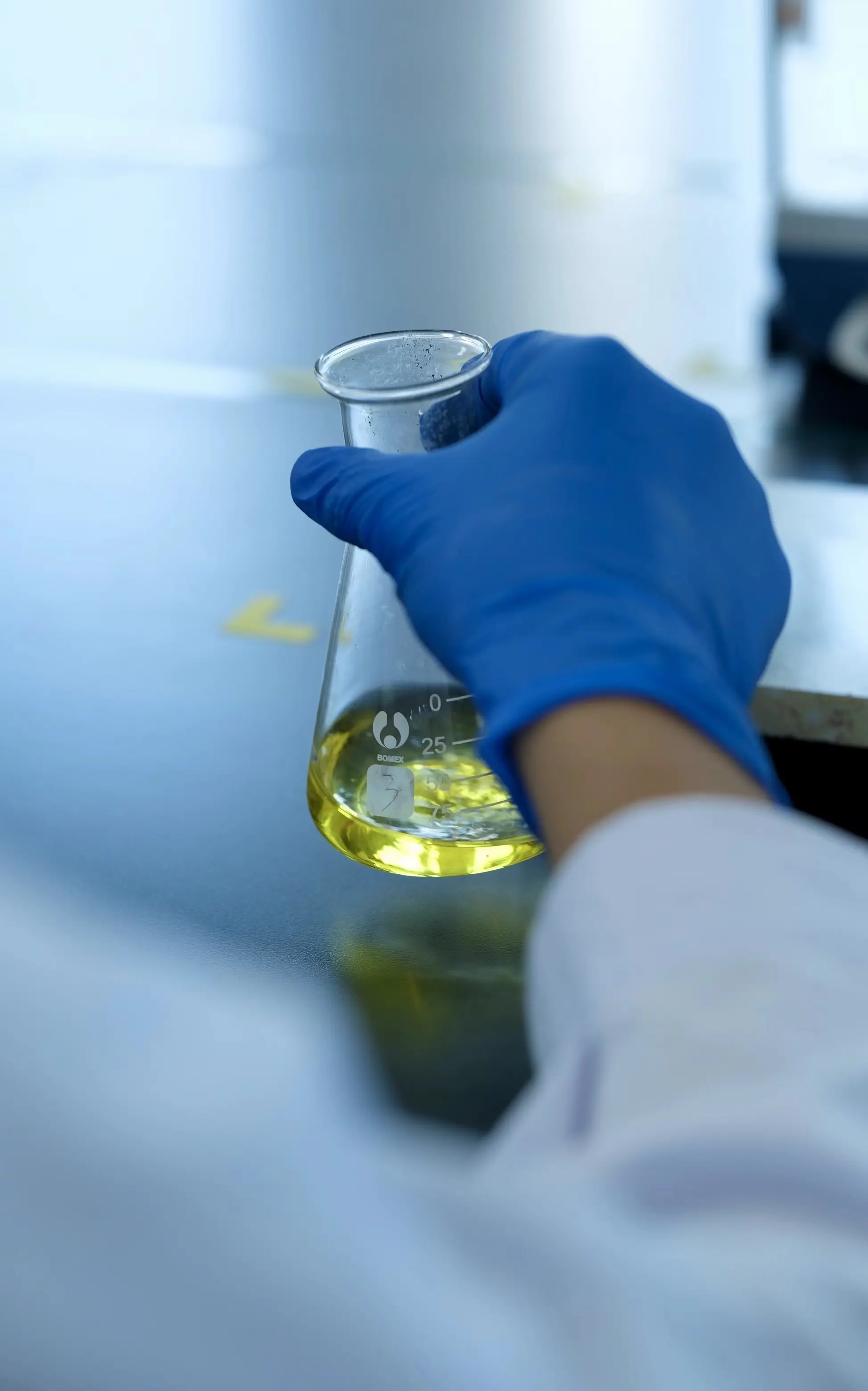
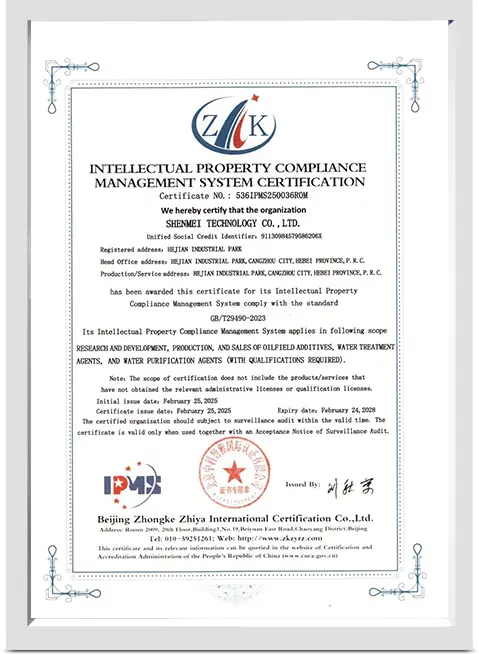
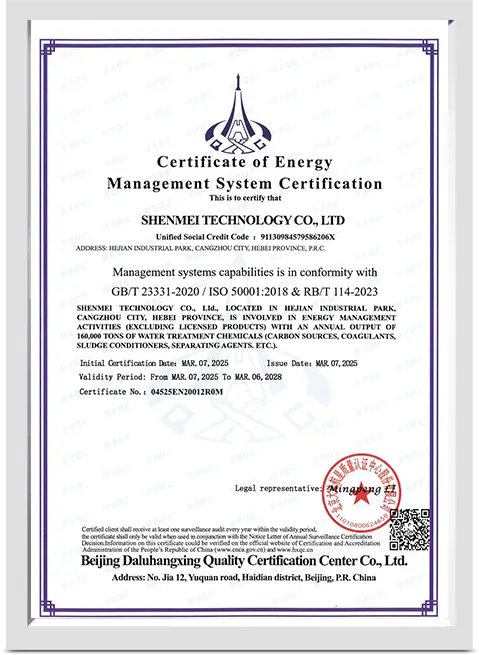
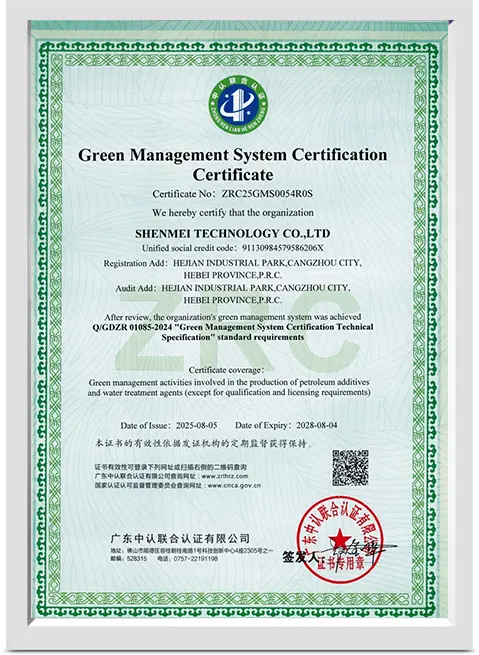
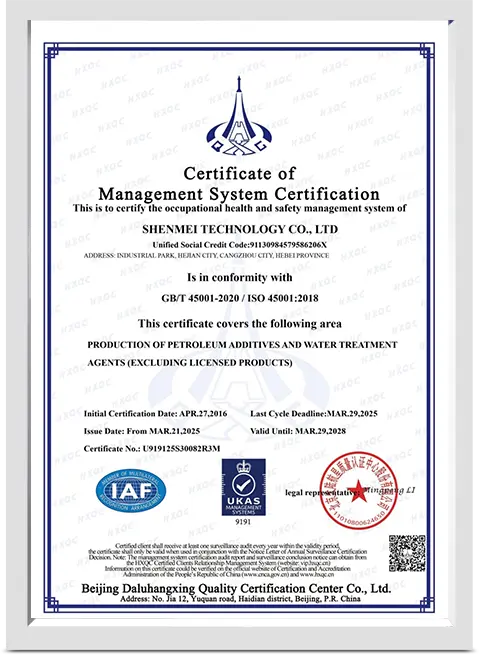
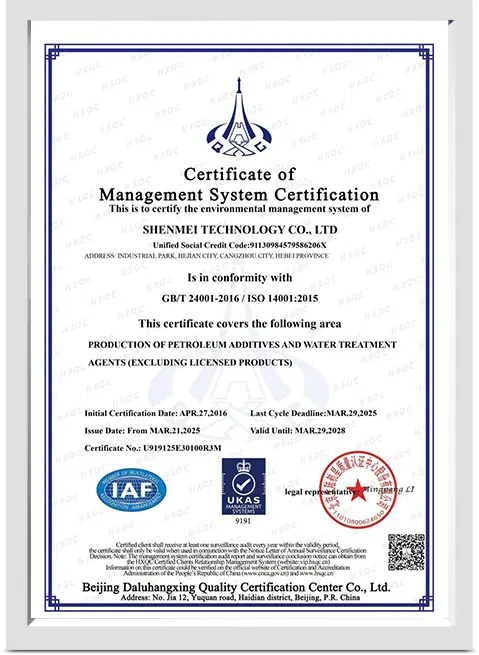
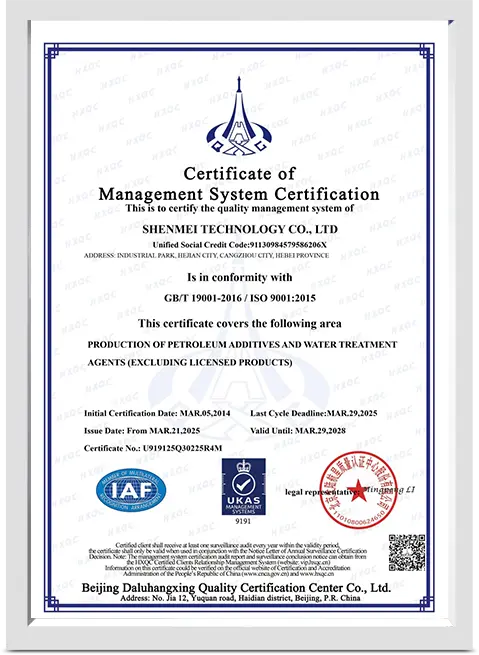
Our commitment to technical excellence is proven by domestic and international certifications, research milestones, and institutional partnerships.
Smedic Technology has obtained credentials such as National High-tech Enterprise, National Specialized, Refined, Unique and Innovative "Little Giant" Enterprise, and has been recognized as a Hebei Province Green Factory. Our proprietary R&D platform is built around one academy, three research institutes, and five manufacturing bases, featuring the Hebei Provincial Advanced Water Treatment Chemicals Technology Innovation Center. We operate an expert workstation in coordination with the Tsinghua University Association of Senior Scientists and Technicians, and maintain joint R&D laboratories with Sh山东 University and Beijing University of Technology.
Smedic holds over sixty Chinese patents, including more than forty invention patents and over twenty utility model patents. We have spearheaded the drafting of more than ten national and industry standards covering composite carbon sources, coagulants, sodium acetate, and bacterial agents. Notably, our independently developed "Inorganic-Organic Covalent Bond Flocculant" received the 22nd China Patent Award and the First Prize for Technological Invention from the China Petrochemical Industry Association.
Why procurement teams worldwide rely on Chinese chemical manufacturing corridors for high-volume cationic polyacrylamide supply chains.
China is home to the world's most robust supply chain for Acrylonitrile (AN) and Acrylamide (AM) monomers. By utilizing advanced biological enzymatic methods for monomer conversion, Smedic maintains direct access to high-purity inputs, shielding global buyers from petrochemical price swings.
Smedic plants feature advanced automated polymerization reaction lines. Continuous monitoring of polymerization temperatures and redox initiator additions guarantees tight molecular weight distribution, extremely low insoluble content, and free monomer residue levels controlled below 0.05%.
Because sludge structures vary drastically based on biological activity, mineral presence, and plant geometry, a one-size-fits-all product will fail. Smedic offers deep product customization, fine-tuning the cationicity degree (10%-80%) and MW profile to yield optimal jar-test results for your specific sludge.
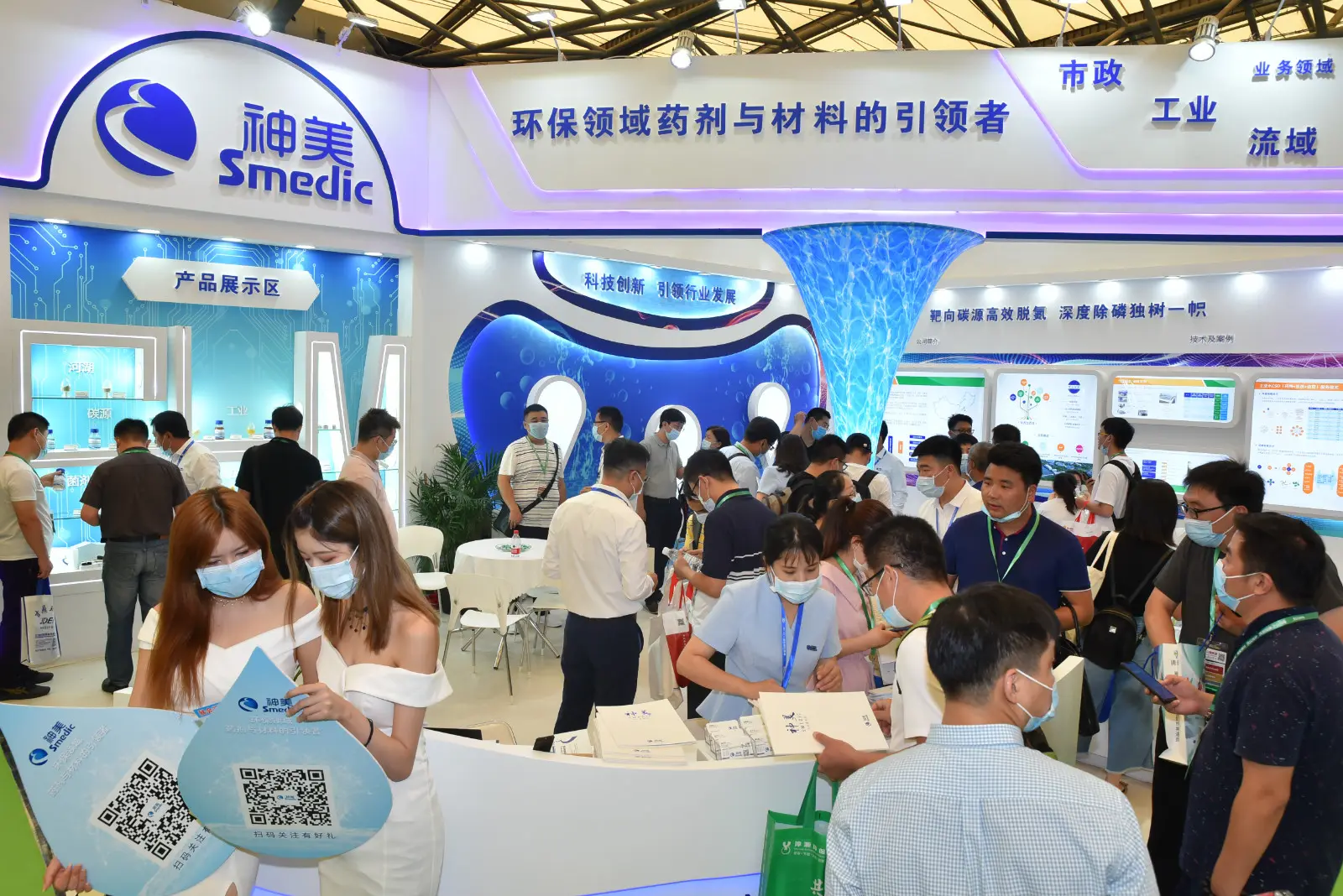
Our independently developed bio-enhanced denitrification carbon sources and deep multi-nuclear phosphorus removal agents have successfully passed scientific evaluations by the Science and Technology Department of Hebei Province, marking them as “internationally advanced” and filling a long-standing domestic gap in this product category.
Our "Active Oxygen Compound Disinfectant" has been recognized as a National Construction Industry Scientific and Technological Achievement Promotion Project by the Ministry of Housing and Urban-Rural Development. Smedic is also honored to be designated as the "Leading Brand of Advanced Wastewater Treatment Chemicals" and the "Most Valuable Water Treatment Chemicals Brand" by China Water Network and the E20 Environmental Platform for four consecutive years.
How Cationic Polyacrylamide solves complex solid-liquid separation tasks across varying global heavy industries.
CPAM is the standard agent for conditioning activated sludge before mechanical dewatering. In centrifuges, belt filter presses, and plate-and-frame filter presses, CPAM aggregates fine biological solids, ensuring high filtration speeds, low cake moisture content, and clean filtrates.
Within the paper web forming process, CPAM acts as an effective retention and drainage aid. It coordinates with inorganic microparticles to retain fillers, pigments, and fine fibers on the wire, speeding up water drainage, lowering fiber loss, and enhancing sheet strength.
In upstream drilling operations, CPAM functions as a clay stabilizer and friction reducer in fracturing fluids. In downstream refinery wastewater systems, CPAM destabilizes oily emulsion matrices, allowing rapid air flotation separation of crude components.
A look at Smedic Technology's growth, research milestones, and structural expansions since founding in 2011.
Smedic Technology employs rigid quality control protocols to protect international logistics chains and ensure chemical batch consistency. Every shipment undergoes comprehensive laboratory checks:
Our logistical hubs are located near major maritime ports (Tianjin, Qingdao, Shanghai), allowing Smedic to offer containerized bulk transport, moisture-controlled shipping bags, and palletized deliveries optimized for global transport lines.
Expert answers to the most common technical questions regarding polymer application, storage, and operation.
Discover our complementary line of high-purity coagulants, biological carbon sources, and advanced polymers.
 Smedic Tech