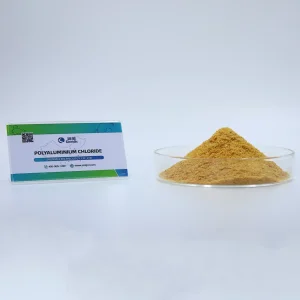
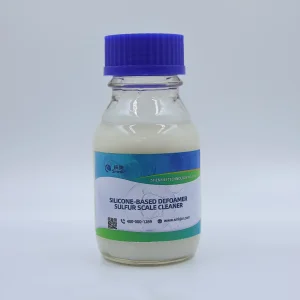
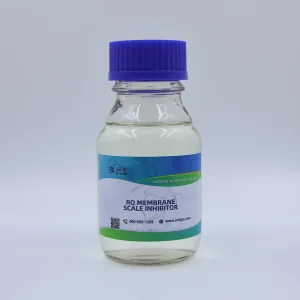
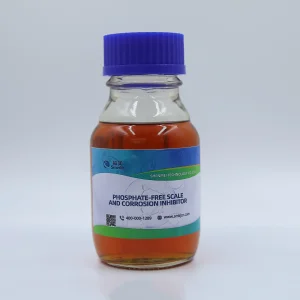
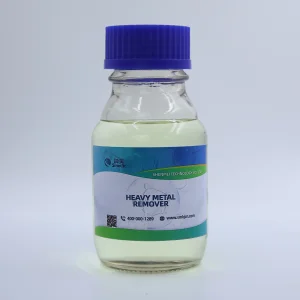
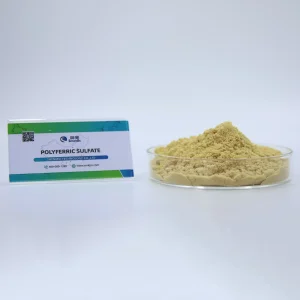
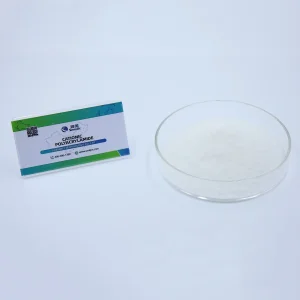
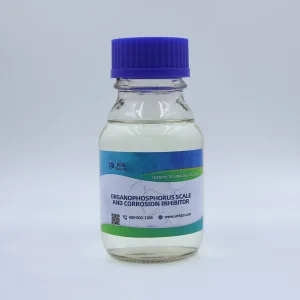
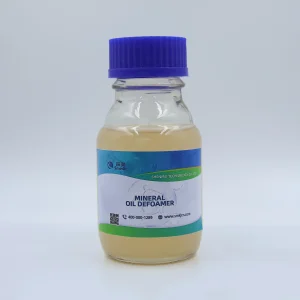
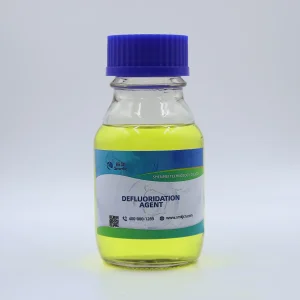
Explore our elite range of advanced Polyaluminum Chloride, organic silicone defoamers, scale inhibitors, and heavy metal removal agents formulated for global operations.
Established in 2011, Smedic Technology Co., Ltd. has grown into a leading comprehensive solution provider specialized in environmental protection agents, integrating R&D, production, sales, and engineering-related technical services. Headquartered in the capital city of Beijing, our primary focus centers on empowering municipal wastewater plants, industrial factories, mineral extraction sites, and oilfield operations with custom-designed flocculants, coagulants, scale inhibitors, and defoamers.
Our commitment is rooted in offering customized chemical products and technical package solutions that meet stringently rising environmental standards globally. With an annual production capacity exceeding 1 million tons and a product lineup covering over 80 environmental protection agents, we service critical environmental infrastructures in over 20 provinces across China and maintain key supply partnerships worldwide.
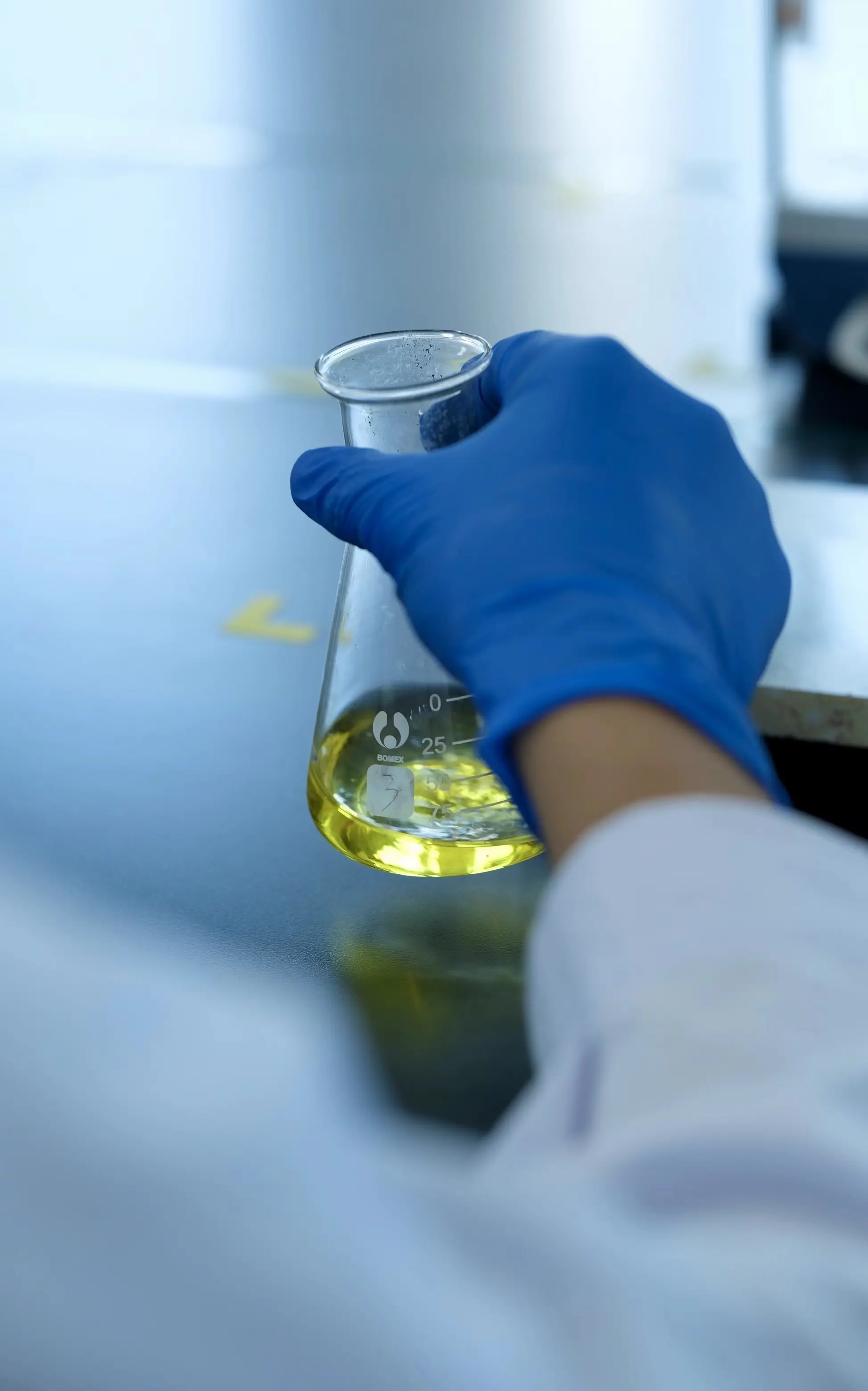
Smedic operates a highly sophisticated research infrastructure centered around "one academy, three research institutes, and five bases." Recognized as a Class A R&D Institution in Hebei Province, the company hosts the Hebei Provincial Enterprise Technology Center, the Hebei Provincial Advanced Water Treatment Chemicals Technology Innovation Center, and the Cangzhou Water Treatment Engineering Technology Research Center.
We work in tandem with elite academic networks to continuously expand our E-E-A-T credentials. This includes an active expert workstation established with the Tsinghua University Association of Senior Scientists and Technicians, alongside collaborative joint laboratories with Shandong University and the Beijing University of Technology. We also serve as the dedicated commercialization partner for the industry-academia-research achievements of prestigious institutions such as Peking University and Tianjin University.
In modern industrial process engineering, Cationic Flocculants—chiefly represented by Cationic Polyacrylamide (CPAM)—serve as the cornerstone for solid-liquid separation. The global market is experiencing significant shifts driven by intensifying environmental regulations, zero liquid discharge (ZLD) mandates, and the rising cost of sludge disposal. Today, flocculants are no longer viewed as simple commodity chemicals; instead, they are evaluated as high-performance functional polymers capable of dramatically lowering overall operational expenditure (OPEX).
Standard linear polyacrylamides often struggle under high-shear industrial conditions, such as those present in decanter centrifuges and belt filter presses. The industry is rapidly adopting advanced branched and cross-linked cationic polymers. These structures provide enhanced resistance to shear forces, allowing flocculated particles (flocs) to remain intact even under high dynamic pressure. Consequently, municipal and industrial plants report significantly drier sludge cakes, reducing thermal drying costs and disposal fees.
International procurement departments are looking past price per kilogram. Sophisticated buyers prioritize suppliers who can deliver high-purity monomer configurations, strict control over free acrylamide levels (often demanding < 0.05% or even < 0.02% for drinking water and sensitive industrial applications), and rapid dissolution properties. The ideal chemical partner must guarantee molecular weight consistency across batches to prevent system blockages and dosing line crystallization.
| Procurement Parameter | Standard Industry Range | Smedic Premium CPAM Standards | Operational Benefit |
|---|---|---|---|
| Active Polyacrylamide Content | ≥ 88% | ≥ 92% (High-purity dry powder) | Lower consumption rates & reduced shipping costs |
| Molecular Weight (Million Daltons) | 6.0 – 12.0 | 8.0 – 15.0 (Tailorable configurations) | Optimal floc formation speed and shear resistance |
| Charge Density (Ionization Degree) | 10% – 60% | 10% – 80% (Precision control) | Optimized charge neutralization across diverse sludge types |
| Dissolution Time (Minutes) | 60 – 90 mins | ≤ 45 mins (Advanced dissolution tech) | Prevents "fish-eyes" and scaling in preparation tanks |
| Free Monomer Content | ≤ 0.1% | ≤ 0.05% (Standard) / ≤ 0.02% (Specialized) | Compliance with tight environmental and health standards |
In the wake of global logistic disruptions and volatile raw material pricing, supply chain resilience is a core competitive differentiator. Smedic's manufacturing framework embodies the transition towards "China Factory 4.0," combining smart manufacturing infrastructure with regional distribution centers to insulate global buyers from procurement shocks.
Our wholly-owned production bases in Hebei, Guizhou, and Shanxi utilize fully automated, closed-loop polymerization reactors. Through PLC control systems, every variable—from monomer feeding ratios and reaction temperatures to drying air velocities—is monitored in real time. This automated consistency drastically reduces the variance in molecular weight distribution and charge density, assuring our customers of uniform chemical behavior in every batch shipped.
Furthermore, Smedic has implemented a multi-stage inspection protocol. Raw materials must clear rigorous chromatography analysis prior to reactor loading, and every outbound batch receives certified quality verification. This ensures full compliance with international standards, such as ISO 9001, ISO 14001, and ISO 45001.
With corporate headquarters situated in Beijing, we have built a redundant supply network consisting of:
This layout ensures that raw materials and finished stocks are positioned near key port cities and rail links, mitigating the risks of inland transport delays and ensuring container availability for global export.
Water chemistry is highly context-dependent. A cationic flocculant that operates flawlessly in a municipal plant may fail completely in a high-conductivity mineral processing environment. To guide chemical selection, we highlight four key localized application scenarios below:
Municipal sewage sludge is rich in negatively charged organic matter. Smedic's high-charge cationic polyacrylamides neutralize these charges, collapsing the double electrical layer surrounding the colloidal organic particles. Under high-speed centrifugation (decanter centrifuges), our polymers form large, robust flocs that resist shearing, yielding a high-density cake and clear, suspended-solids-free filtrate. This translates to lower cake moisture and reduced transport costs.
In modern high-speed paper machines, maintaining fiber retention and accelerate drainage is essential. Smedic's low-to-medium charge, ultra-high molecular weight cationic flocculants form a bridge between negatively charged pulp fibers, fillers, and sizing agents. This increases retention on the forming wire, reduces fiber loss in white water, and allows faster drying speeds, boosting overall machine productivity.
Tailings thickeners in coal, copper, and gold mines require swift solid-liquid separation to recycle process water. Our cationic polymers act as rapid settling agents, working in combination with inorganic coagulants (like PAC or PFS) to bind fine clay particles. This ensures rapid supernatant recycling, preserving fresh water resources in arid mining regions and preventing tailing dam overspill hazards.
Oil-water emulsions present in refinery wastewater are difficult to break due to surfactant stabilization. Smedic's customized organic silicone defoamers, combined with targeted cationic polymers, disrupt the interfacial film of the emulsion droplets. This accelerates oil separation and clarifies the water phase prior to advanced secondary biological treatment stages.
E-E-A-T is not just a digital guideline; it is demonstrated through real-world certifications, patents, and official policy leadership. Smedic is designated as a National Specialized, Refined, Unique and Innovative "Little Giant" Enterprise and a National High-Tech Enterprise, indicating our role as a key innovator in water treatment formulation.
Our research team has been granted over 60 Chinese patents, comprising more than 40 invention patents and 20 utility model patents. Notably, our independently developed "Inorganic-Organic Covalent Bond Flocculant and Its Advanced Water Purification Technology" won the prestigious 22nd China Patent Award and the First Prize for Technological Invention from the China Petrochemical Industry Association.
We actively lead the industry by drafting more than 10 national and industry standards, governing composite carbon sources, composite coagulants, sodium acetate, and nitrifying/denitrifying bacterial agents. This ensures our chemical products represent the regulatory baseline for wastewater compliance nationwide.
Smedic is included in the centralized procurement supplier lists of major environmental groups across Asia. Our long-term strategic partners include:
Answering the most critical chemical, logistic, and application questions asked by global procurement heads and wastewater engineers.
Explore our polyferric sulfates, cationic polyacrylamides (CPAM), organophosphorus scale inhibitors, and mineral oil defoamers engineered for process efficiency.
 Smedic Tech