Explore our premium grade chemical products manufactured under strict quality standards for global boiler systems and industrial applications.
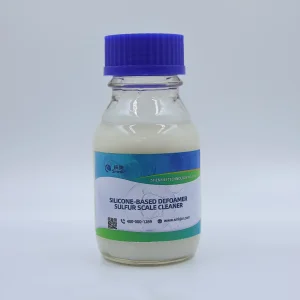
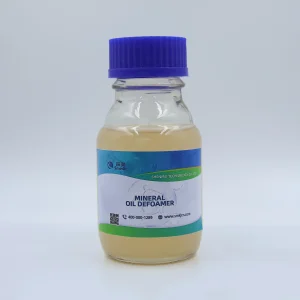
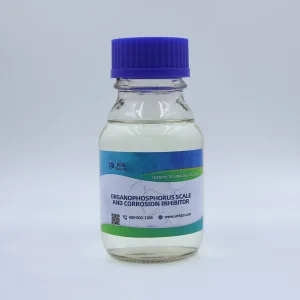
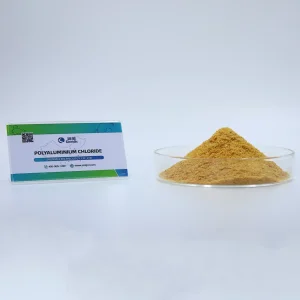
In high-pressure and medium-pressure boiler operations, water chemistry is the single most critical factor determining structural integrity, heat transfer efficiency, and overall plant safety. When untreated or poorly treated feedwater enters a boiler system, dissolved minerals—primarily calcium, magnesium, silicates, and carbonates—precipitate out of solution due to elevated temperatures and changing pH levels. This precipitation results in the formation of scale, a crystalline layer that acts as a powerful thermal insulator.
“Even a minor scale accumulation of 1mm can reduce heat-transfer efficiency by up to 10% to 12%, resulting in significant fuel wastage and raising the risk of localized overheating and boiler tube failures.”
Boiler antiscalant chemicals prevent this degradation by utilizing highly advanced molecular structures that operate via three primary mechanisms: threshold inhibition, crystal modification, and dispersion. Modern formulations, such as organophosphorus scale and corrosion inhibitors, non-ionic polyacrylamides (NPAM), and eco-friendly polymeric dispersants, chelate the metal ions, distort the crystal lattice of the scale minerals, and keep the particles suspended in the blowdown stream, rather than baking onto the metallic heat-transfer surfaces.
Antiscalants interact with sub-microscopic crystal nuclei during the nucleation phase, preventing the formation of ordered, sticky crystals and significantly increasing the solubility of scale-forming compounds.
Chemical active agents bind to growth sites on the crystal lattice, distorting the normal crystal growth. This results in soft, irregular, non-adherent sludge that is easily evacuated during regular blowdowns.
Polymeric molecules impart a negative charge to the suspended particulates, generating electrostatic repulsion that prevents coagulation and keeps solids in suspension.
A leading provider of integrated water treatment solutions, municipal sewage agents, and advanced industrial chemicals.
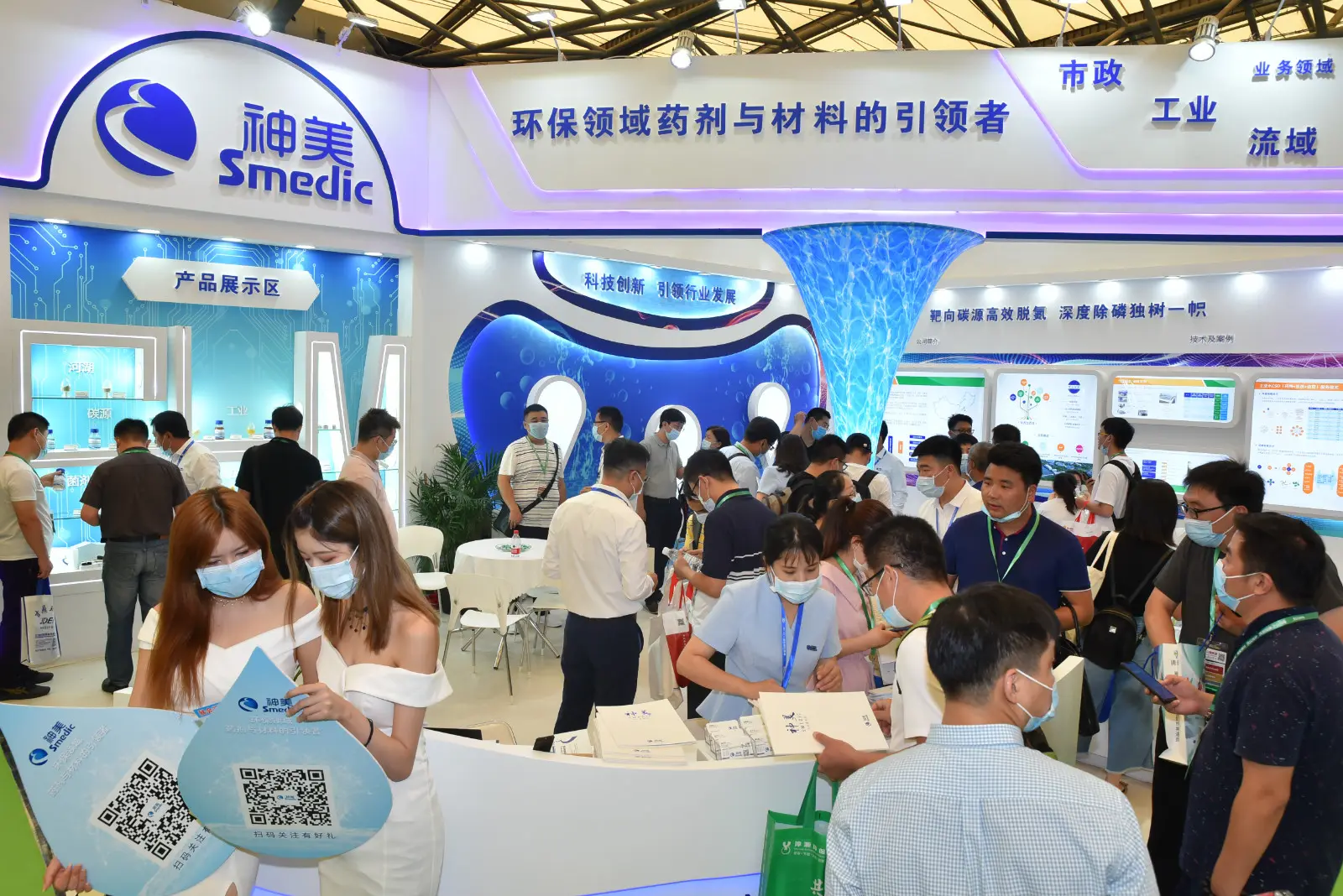
Established in 2011, Smedic Technology Co., Ltd. is a comprehensive environmental protection agent provider, integrating R&D, production, sales, and specialized technical services. With more than 80 types of environmental protection agents across municipal wastewater, industrial water treatment, and specialized oilfield chemicals, we maintain an annual production capacity exceeding 1 million tons.
Headquartered in Beijing, Smedic operates wholly-owned production bases in Hebei, Guizhou, and Shanxi, supplemented by over ten OEM partner facilities and strategic logistics hubs in Shandong, Anhui, Guangxi, and Sichuan. Our service footprint supports more than 600 urban sewage treatment plants and over 1,000 industrial end-users, managing a total water volume exceeding 20 million tons daily.
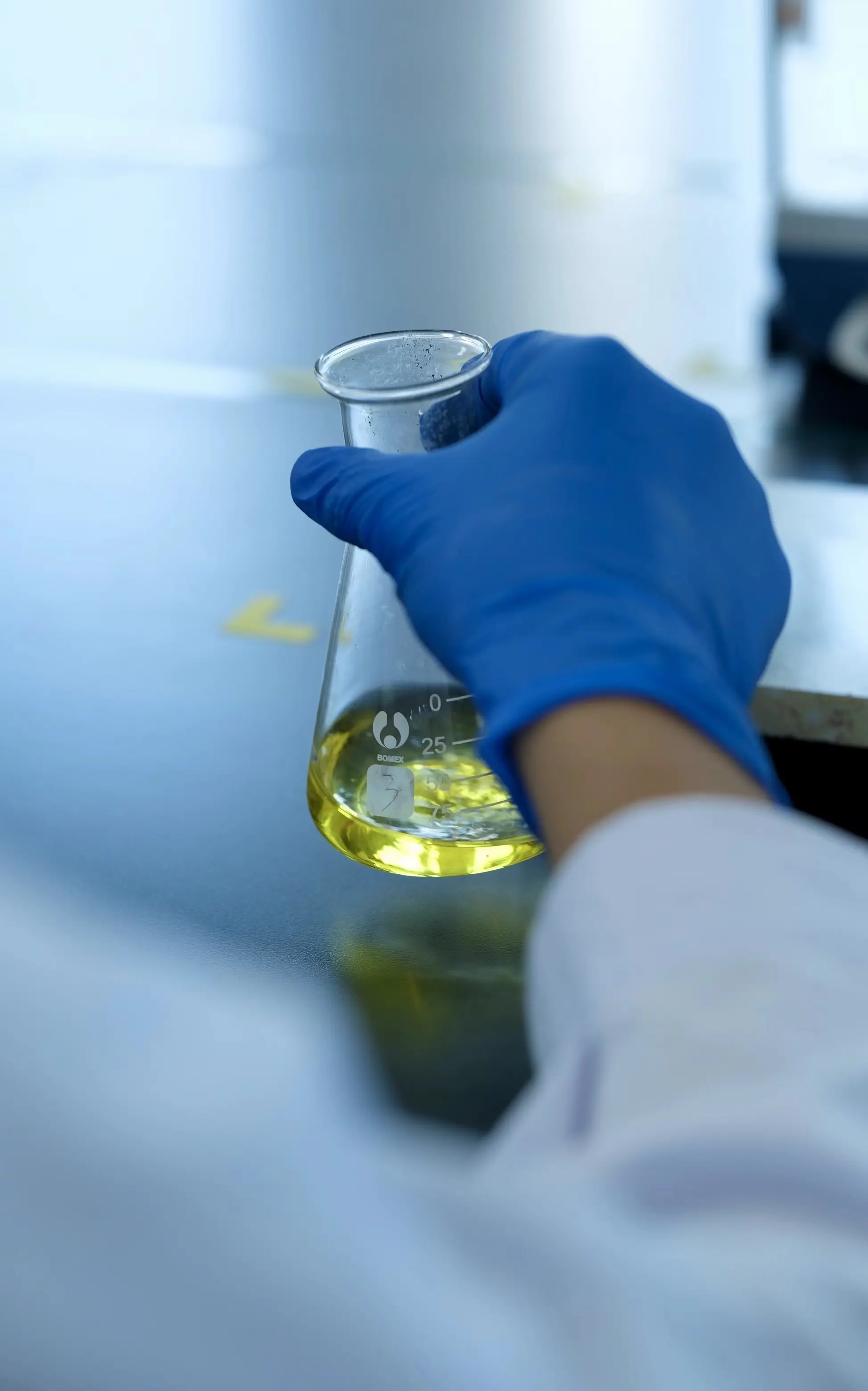
China's chemical manufacturing industry has undergone a monumental shift from low-cost mass production to high-tech, green-compliant, and R&D-driven chemical synthesis. Today, Chinese suppliers of boiler antiscalants and water treatment polymers offer significant advantages to global buyers, combining technical depth with unbeatable supply chain reliability.
Chinese factories are located within closely knit industrial zones with immediate access to basic raw materials (such as phosphorus pentoxide, acrylic acid, and municipal amines). This eliminates international freight vulnerabilities and keeps material input costs steady.
Top factories partner with leading universities to commercialize innovative products. For example, Smedic works with Tsinghua University and Shandong University to deploy advanced scale-inhibition structures that are highly resistant to thermal degradation.
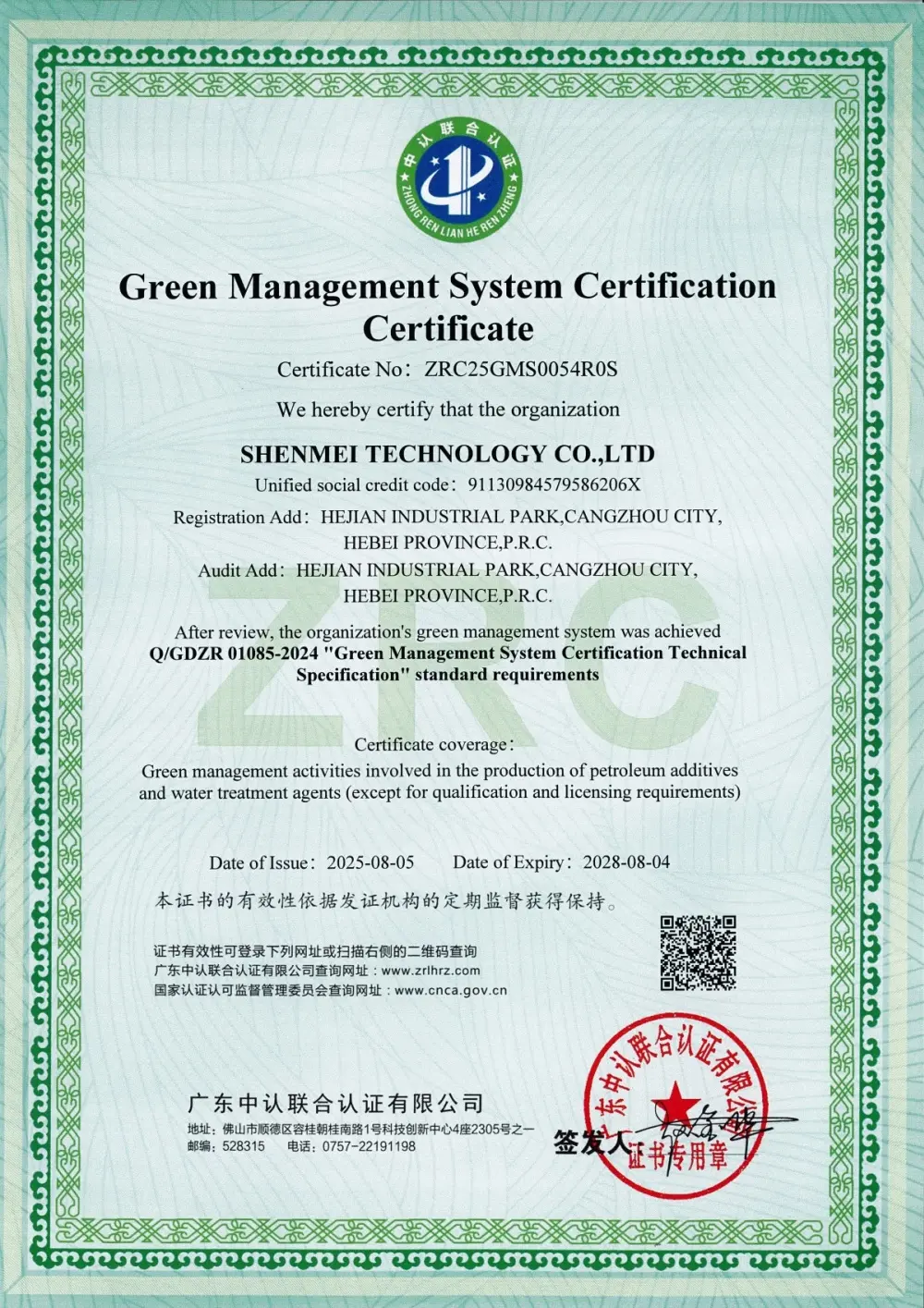
Driven by strict environmental policies, modern Chinese plants operate zero-liquid discharge (ZLD) processes and carry designations such as National Green Factory, assuring global buyers of sustainable and ethical supply chains.
Leading the industry in water treatment innovation and intellectual property.
Smedic has secured over sixty patents, comprising forty-plus invention patents and more than twenty utility model patents. We have spearheaded the drafting of ten national and industry standards in China, detailing specifications for composite carbon sources, coagulants, and biochemical agents.
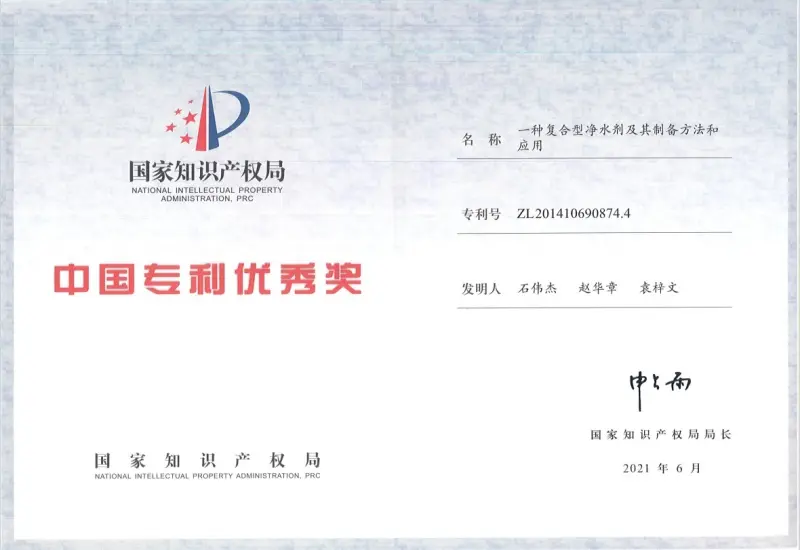
Our advanced biological denitrification and deep phosphorus removal technologies have been evaluated as "internationally advanced." Additionally, our Inorganic-Organic Covalent Bond Flocculant won the 22nd China Patent Award and the First Prize for Technological Invention from the China Petrochemical Industry Association.
Ensuring compliance with top-tier international quality and sustainability benchmarks.
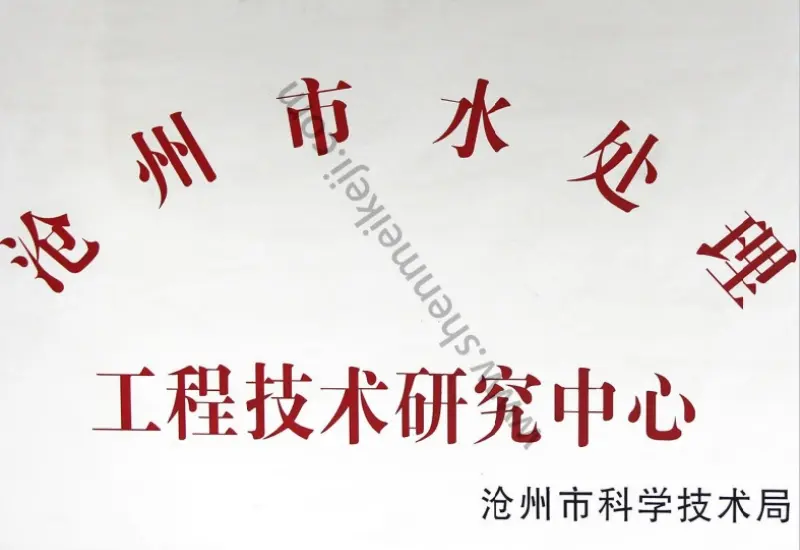
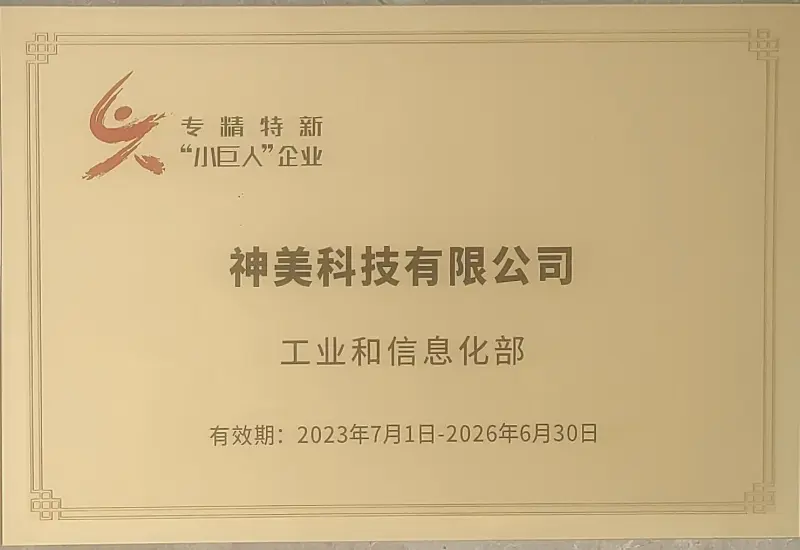
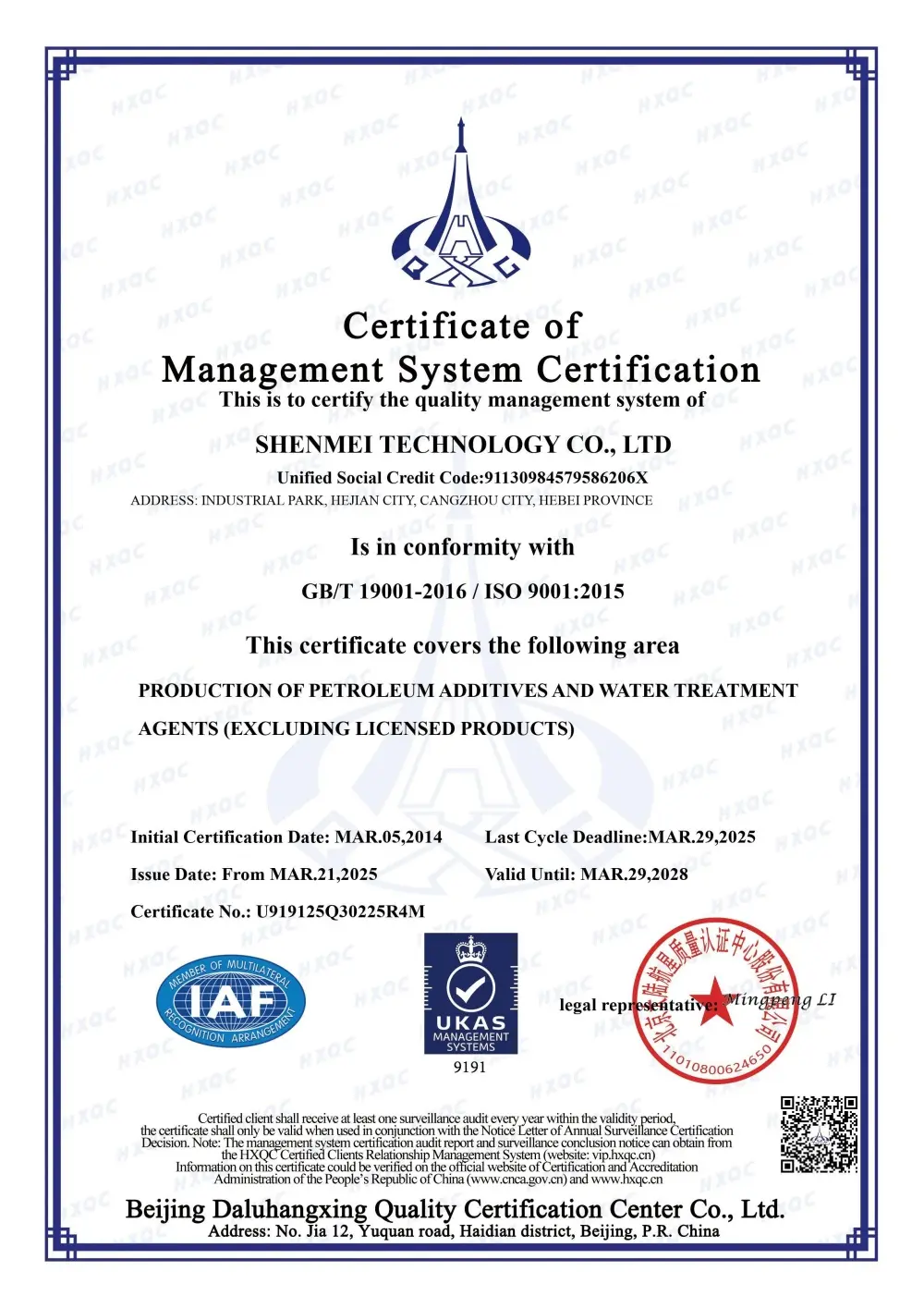
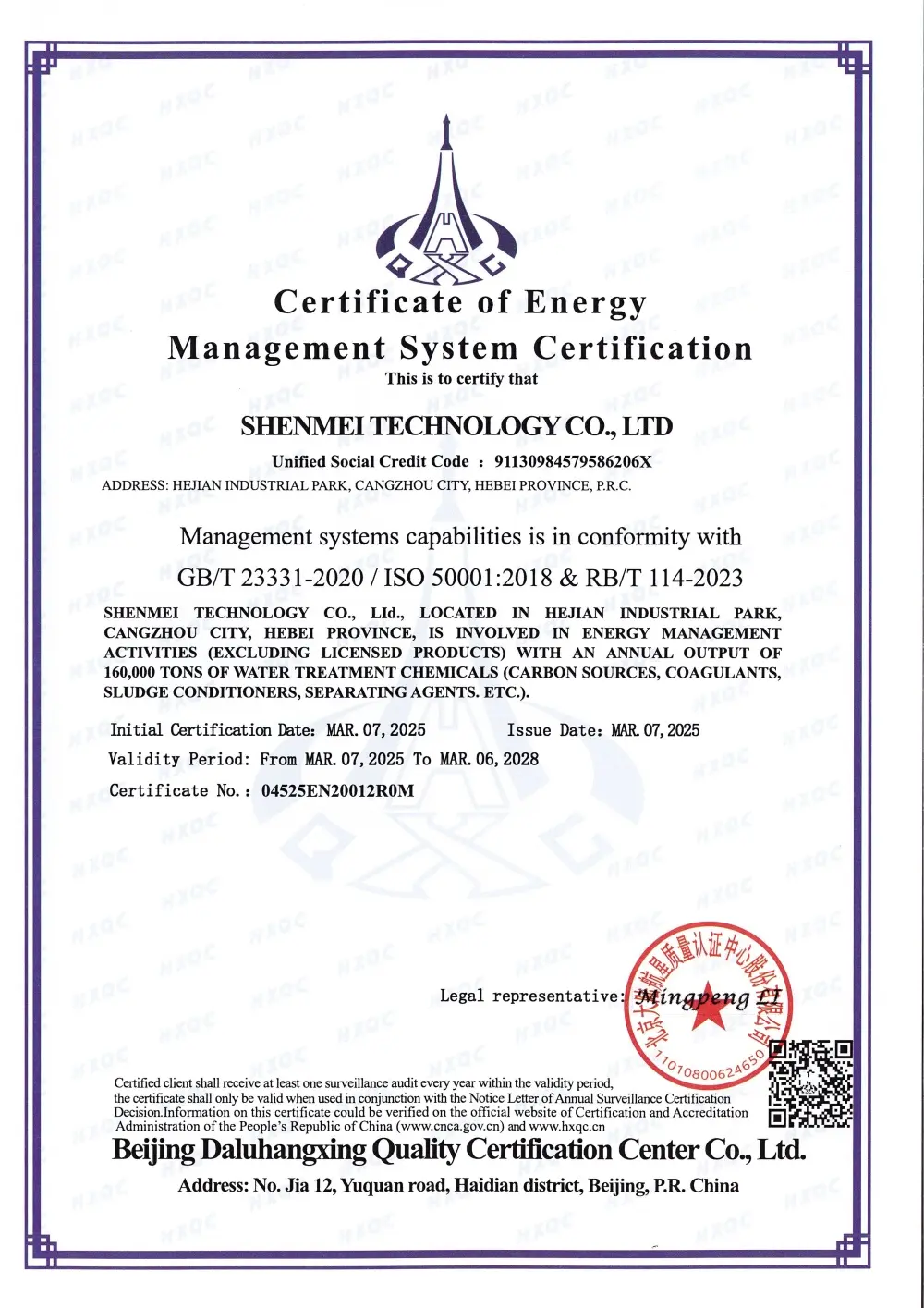
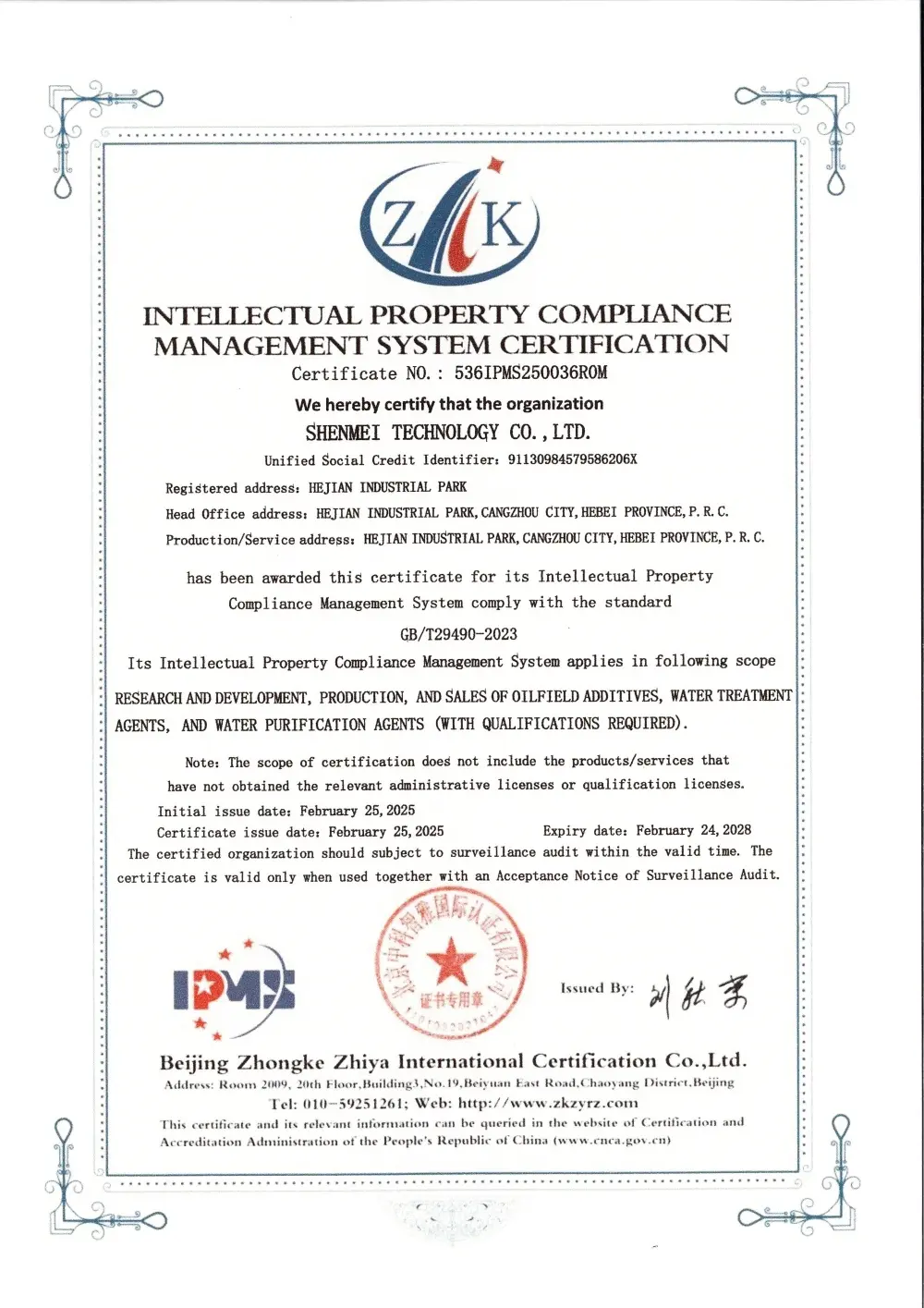
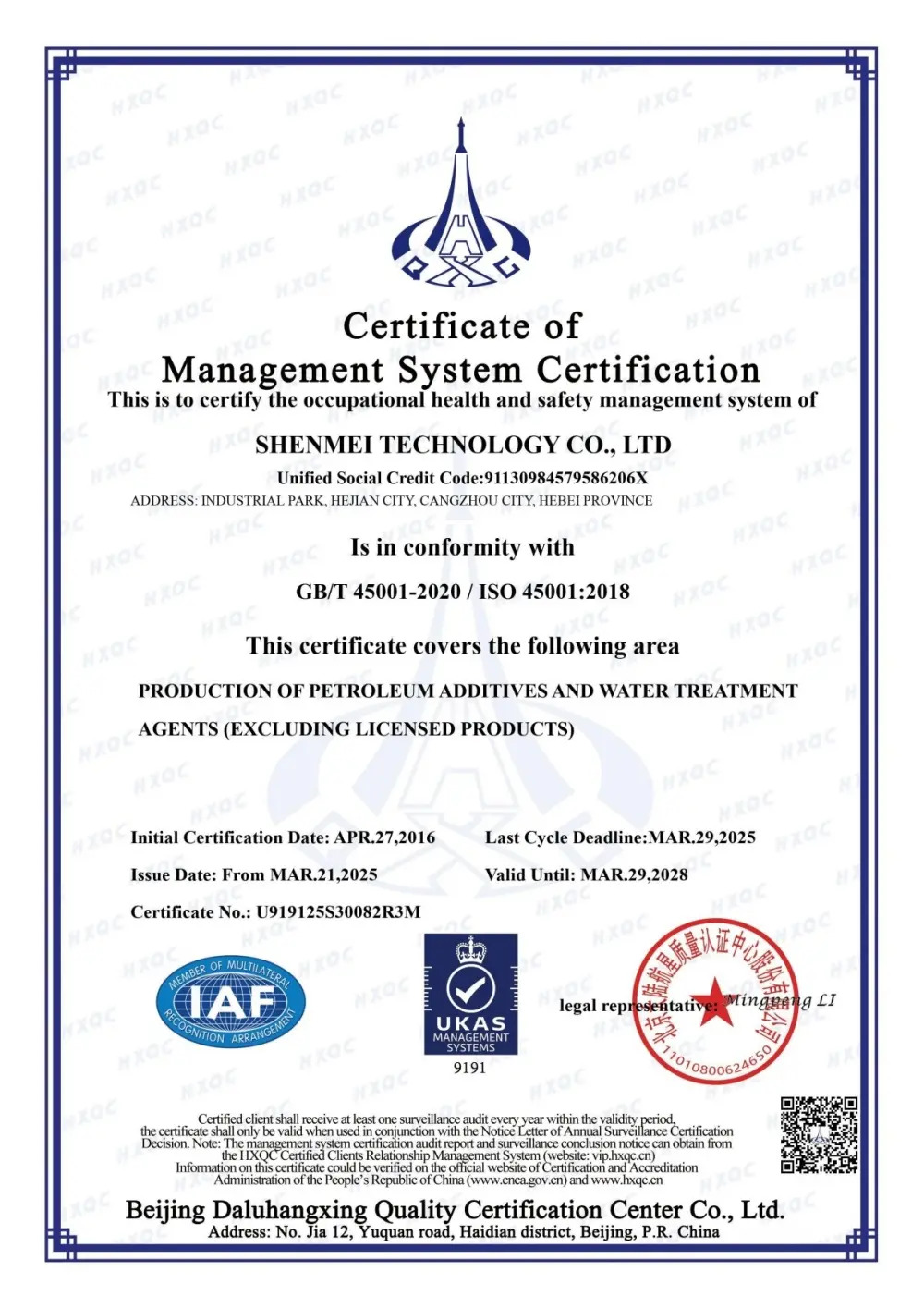
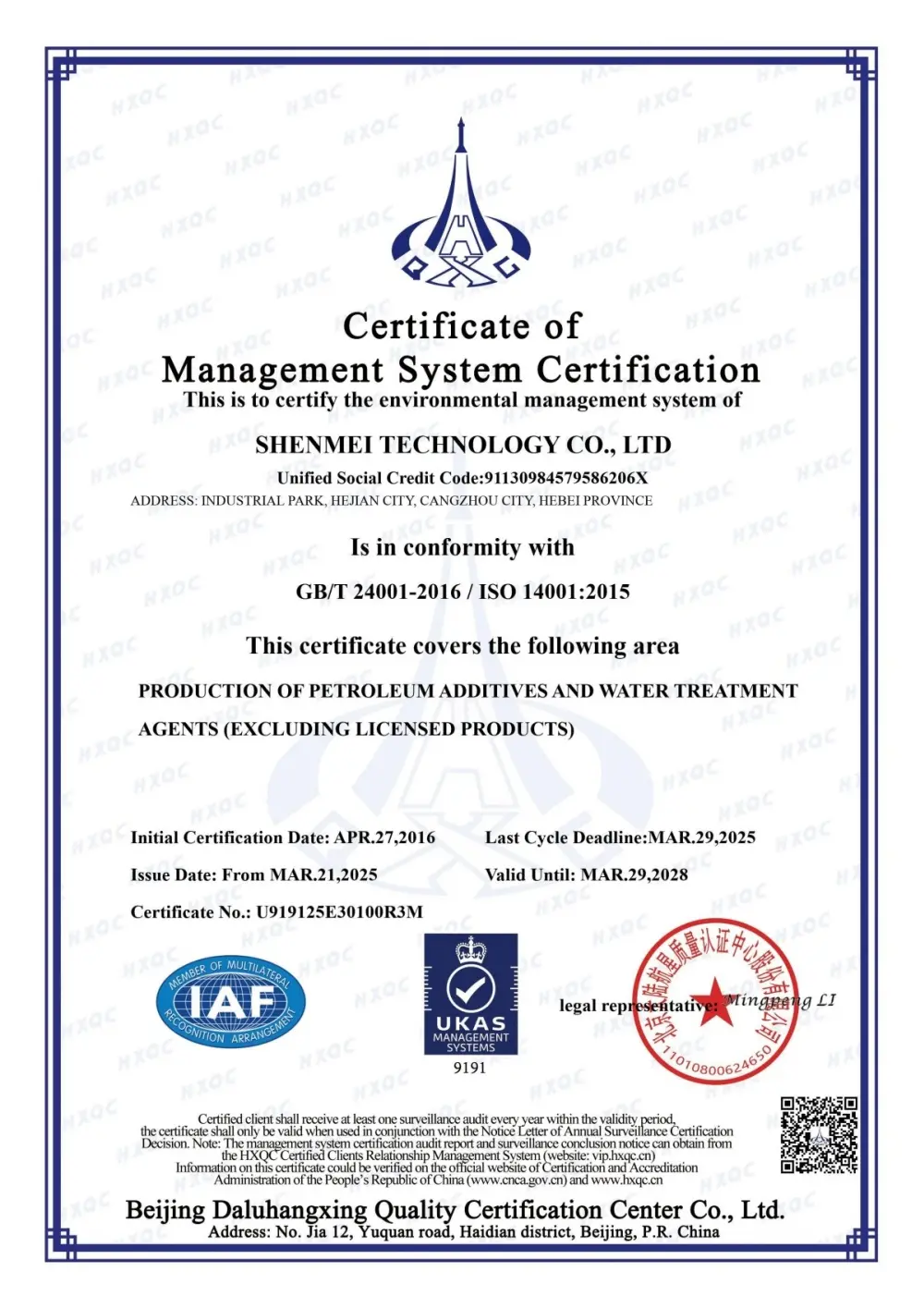
We have been recognized as a National High-tech Enterprise, a National Specialized, Refined, Unique and Innovative "Little Giant" Enterprise, and a Hebei Province Green Factory. These credentials represent our relentless focus on reliable product consistency, low trace impurities, and optimal application efficiency.
Over a decade of milestones in water engineering innovation.
Smedic Technology Co., Ltd. was established to focus on water treatment R&D.
Developed a full suite of municipal wastewater and industrial process chemicals.
Recognized as a key National High-tech Enterprise.
Established the Guiyang water treatment chemical production facility to serve southwest China.
Expanded production footprints across Shandong, Hebei, and Guizhou, exceeding 1 million tons in total annual capacity.
Recognized as a National Specialized, Refined, Unique and Innovative "Little Giant" Enterprise.
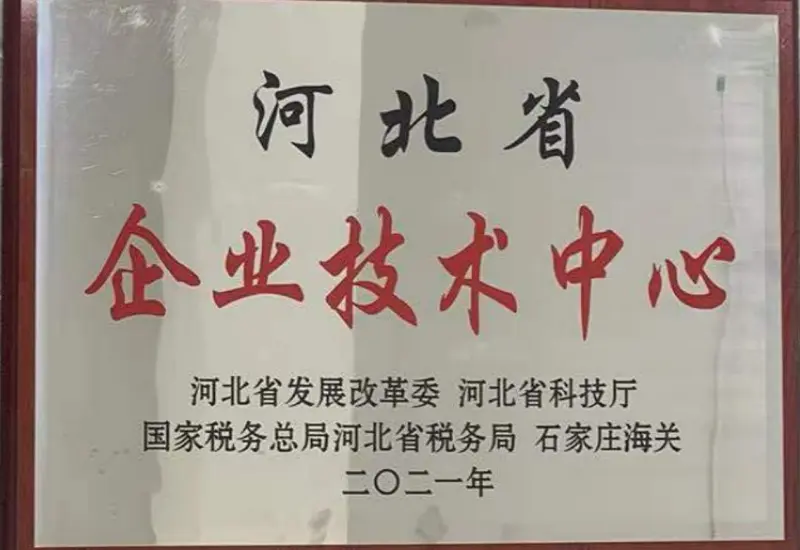
Inaugurated the provincial-level R&D platform and technology innovation center in Hebei.
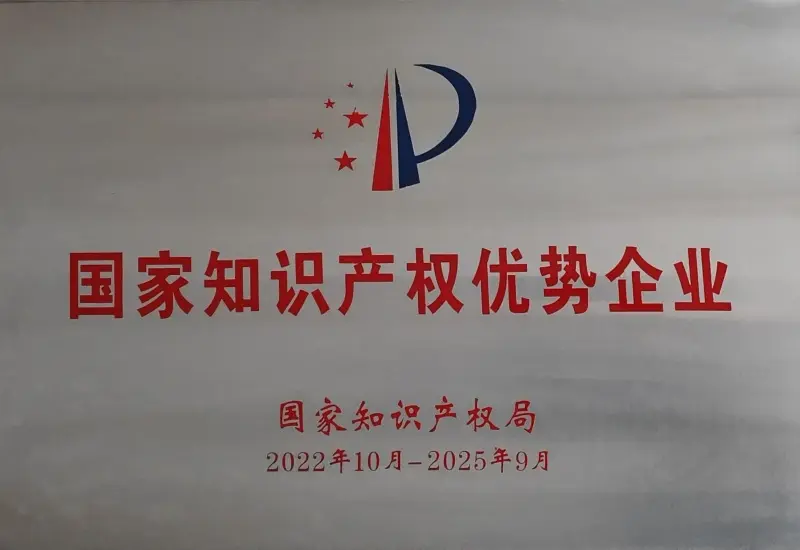
Awarded the National Intellectual Property Advantage Enterprise designation.
Formed a mineral reagents joint venture with the Chengdu Institute of Mineral Comprehensive Utilization, China Geological Survey.
Boiler systems represent the heart of manufacturing, energy production, and heavy infrastructure worldwide. The chemical formulations required to maintain these systems must adapt to specific localized operating environments, feedwater parameters, and environmental regulations.
In municipal power stations, subcritical and supercritical boilers operate at temperatures exceeding 500°C and pressures above 20 MPa. At these limits, scale-forming ions can quickly trigger localized heat resistance, resulting in tube ruptures. Smedic's organophosphorus scale and corrosion inhibitors are engineered for high-temperature stability, preventing deposition in high-heat zones and ensuring uninterrupted steam production.
Petrochemical refining requires continuous, variable steam loads for separation, heating, and processing. Feedwater is often sourced from recycled processes or surface runoffs with high variability in dissolved solids (TDS) and silica. Advanced polymeric antiscalants act as robust dispersants, managing fluctuating silica levels and preventing complex silico-aluminate deposits.
Large-scale municipal and commercial heating loops use large volumes of water and suffer from oxygen ingress, leading to intense galvanic corrosion. Formulated boiler antiscalants for these systems are fortified with oxygen scavengers and metal passivation chemicals to protect extensive distribution networks and municipal heat exchangers.
“As global regulations tighten around chemical runoff, the industrial water sector is shifting toward phosphorus-free antiscalants and biodegradable polymers, reducing downstream eutrophication and environmental impact.”
Preferred partner for national and international water treatment programs.
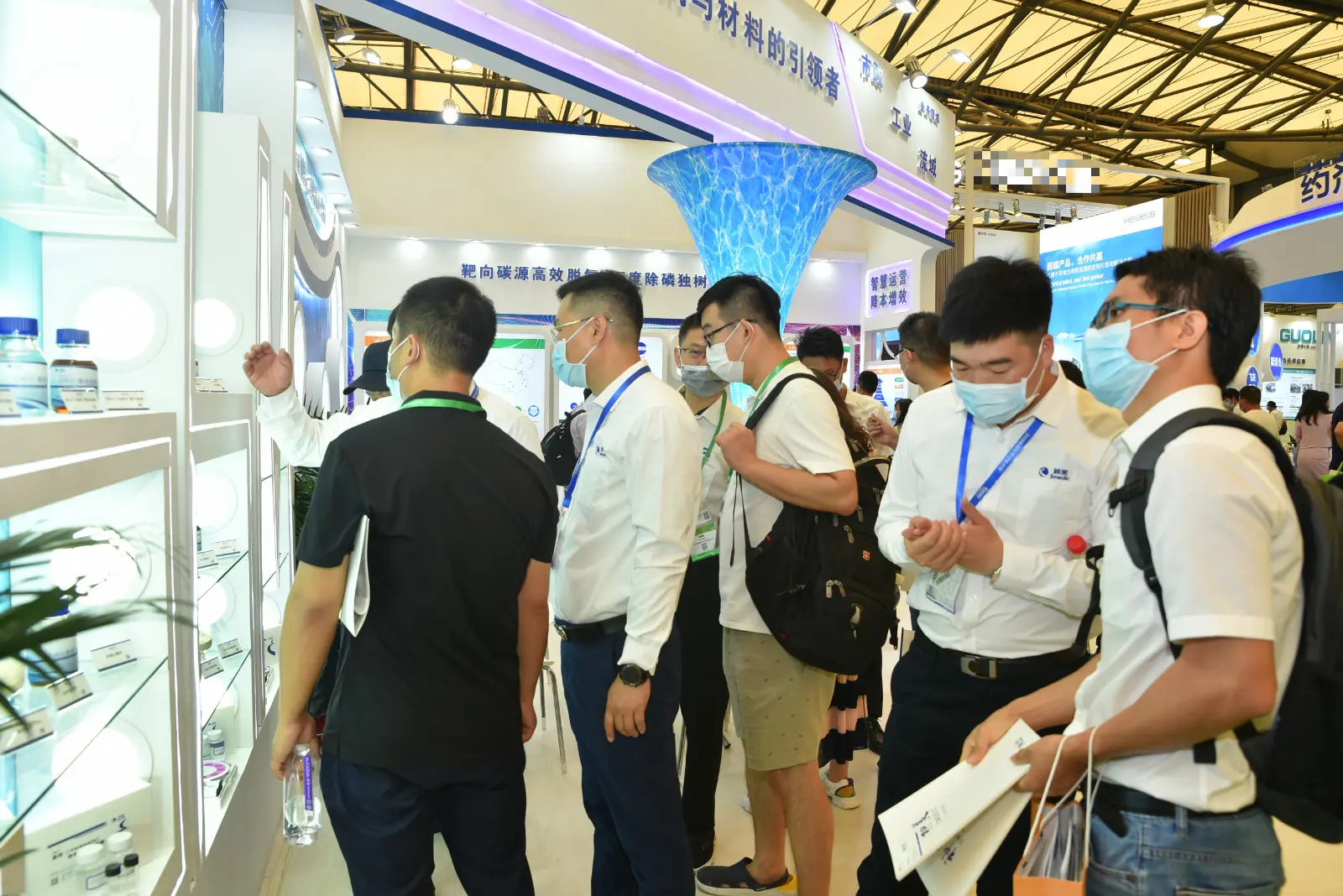
We have been recognized as the “Leading Brand of Advanced Wastewater Treatment Chemicals” and the “Most Valuable Water Treatment Chemicals Brand” by the China Water Network and the E20 Environmental Platform for four consecutive years.
Smedic has established long-term strategic relationships with dozens of major environmental groups, including Shouchuang Ecological and Environmental Group, Yangtze River Ecological and Environmental Group, Beijing Enterprises Water Group (BEWG), OriginWater, and China Water Environment Group.
Crucial information for water engineers, system operators, and supply chain managers.
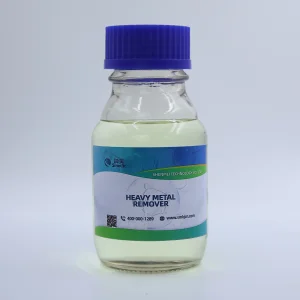
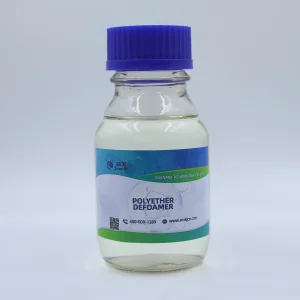
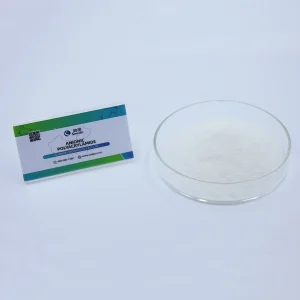
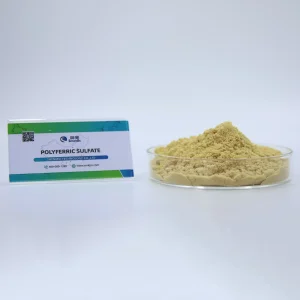
Complete your water treatment chain with our high-efficacy polymers and foam-control agents.
 Smedic Tech