China Anion Exchange Water Treatment Manufacturers & Exporter

Global Industrial Chemical Solutions Provider. Advancing Molecular Flocculation, Scale Inhibition, and Specialized Deionization Chemistry.

Portfolio Part I

Featured Water Treatment Formulations

High-performance coagulants, flocculants, and heavy metal adsorption agents manufactured to exact global specifications.
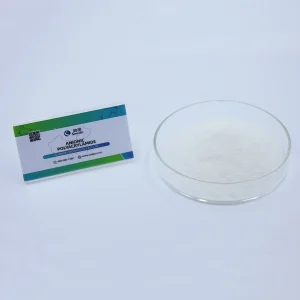
Smedic Premium Anionic Polyacrylamide APAM Flocculant

High-Quality Smedic Premium Anionic Polyacrylamide APAM Flocculant

Analyze Specifications
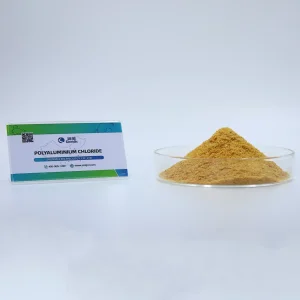
Smedic Advanced Polyaluminum Chloride PAC Coagulant

ODM China Suppliers of Smedic Advanced Polyaluminum Chloride PAC Coagulant

Analyze Specifications
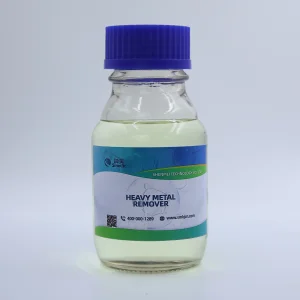
OEM Heavy Metal Removal Agent

OEM Powerful Heavy Metal Removal Agent from China Suppliers & Factory

Analyze Specifications
Smedic Premium Anionic Polyacrylamide for Wastewater

OEM China Suppliers Factory - Smedic Premium Anionic Polyacrylamide APAM

Analyze Specifications
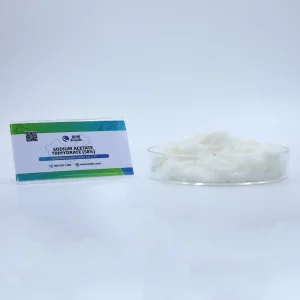
Smedic Pure Solid Sodium Acetate

China Suppliers Smedic Pure Solid Sodium Acetate Factory for pH Regulation

Analyze Specifications
Smedic Advanced PAC Coagulant

ODM China Suppliers of Smedic Advanced Polyaluminum Chloride PAC Coagulant

Analyze Specifications
OEM Heavy Metal Removal Agent Wastewater Solutions

OEM Powerful Heavy Metal Removal Agent - Efficient Wastewater Solutions

Analyze Specifications
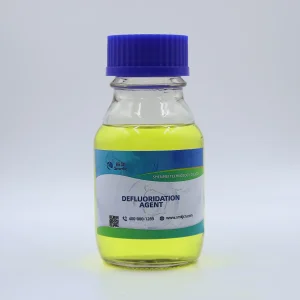
Smedic Specialized Fluoride Removal Agent

ODM China Suppliers Factory Smedic Specialized Fluoride Removal Agent

Analyze Specifications
Industry Analysis

Global Landscape of Anion Exchange Water Treatment

Understanding the integration of polymeric agents, advanced coagulants, and selective resins in modern demineralization loops.

In the contemporary industrial sector, water purification demands have transcended basic filtration. High-pressure boilers, semiconductor fabrication facilities, municipal grids, and chemical processing plants require ultra-pure water with total dissolved solids (TDS) bordering near-zero levels. This is where Anion Exchange Water Treatment operates as an indispensable pillar of modern technology. By utilizing polymer resins containing active basic functional groups (such as quaternary ammonium or tertiary amine groups), anion exchange processes selectively target and remove acidic anions including sulfates, nitrates, chlorides, silicates, and organic acids.

System Complexities

Resin-based systems face persistent threats from suspended colloids and natural organic matter (NOM) causing irreversible organic fouling.

Pretreatment Synergy

Applying advanced coagulants like Polyaluminum Chloride (PAC) and High-Molecular Anionic Polyacrylamide (APAM) optimizes resin life by flocculating particulates beforehand.

Targeted Anion Scavenging

Modern chemical complexes selectively isolate hazardous ions like Fluoride and heavy metal coordination anions before water enters discharge loops.

Corporate Profile

Smedic Technology Co., Ltd.

Established in 2011, Smedic Technology is a comprehensive, world-class environmental protection agent provider integrating chemical research & development, advanced manufacturing, and technical field services.

We engineer custom chemical products, tailored technical programs, and full-cycle plant engineering support. Covering municipal sewage, high-purity industrial wastewater, tap water purification, mineral processing, and upstream oilfield chemistry, Smedic manufactures over 80 distinct environmental protection chemicals with an annual capacity exceeding 1,000,000 tons.
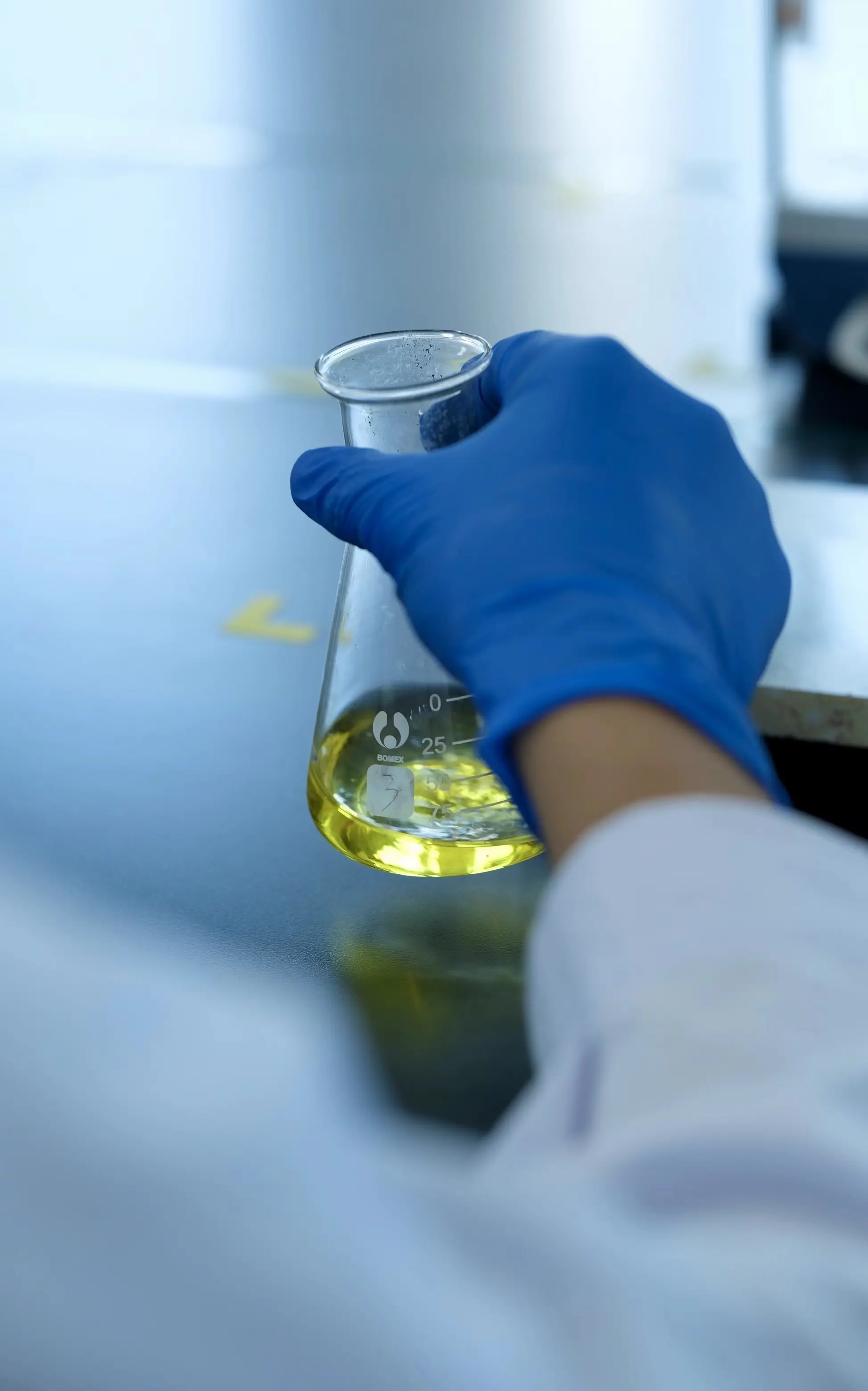
Smedic Production Facility & Warehousing Hub
2011
Est. Year
80+
Agent Varieties
1M+
Annual Tons Capacity
20M+
Tons/Day Treatment Managed
R&D and Intellectual Property

Industrial Scale & Breakthrough Chemistry

Pioneering chemical technologies recognized nationally, developed through strategic academic integrations.

Headquartered in Beijing, Smedic owns and operates wholly-owned chemical production complexes across Hebei, Guizhou, and Shanxi. Our production network is reinforced by over ten OEM partner factories and regional warehousing hubs strategically situated in Shandong, Anhui, Guangxi, and Sichuan. This enables seamless logistical coverage across more than 20 provinces, reliably supplying over 600 urban municipal sewage plants and 1,000+ industrial enterprise customers.

🧬 Academic Workstations & R&D Centers

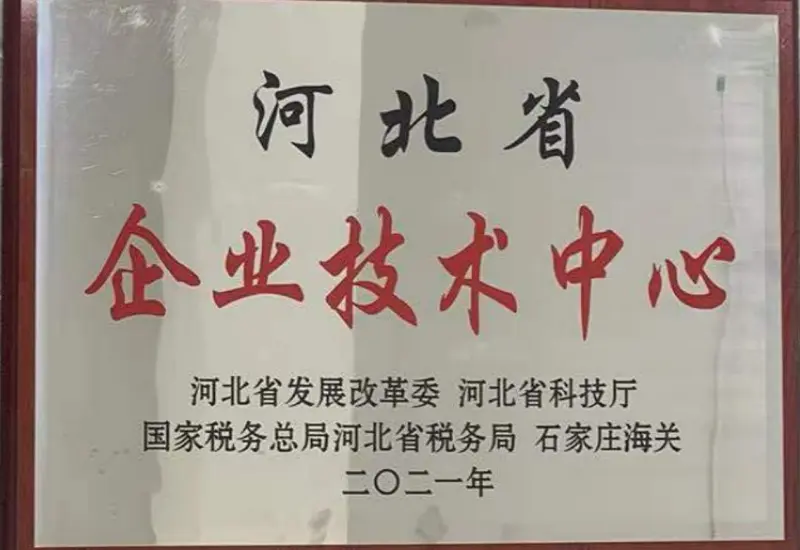
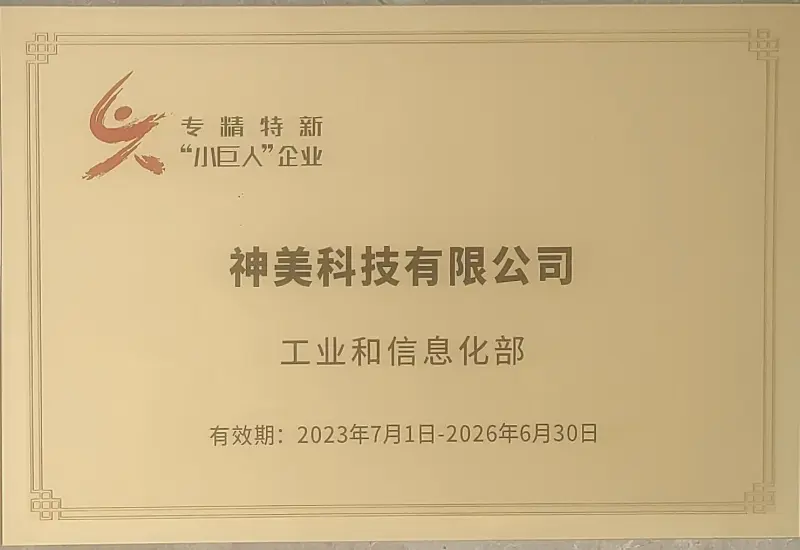
Recognized as a National Specialized, Refined, Unique and Innovative "Little Giant" Enterprise, Smedic's core engineering team is composed of academic scholars, senior process engineers, and wastewater PhDs. We have founded an R&D framework consisting of one Academy, three Research Institutes, and five Pilot Production Bases. Smedic operates the Hebei Advanced Water Treatment Chemicals Technology Innovation Center alongside joint laboratory programs with Tsinghua University, Shandong University, and Beijing University of Technology.

📜 Global Patent & Standard Drafts

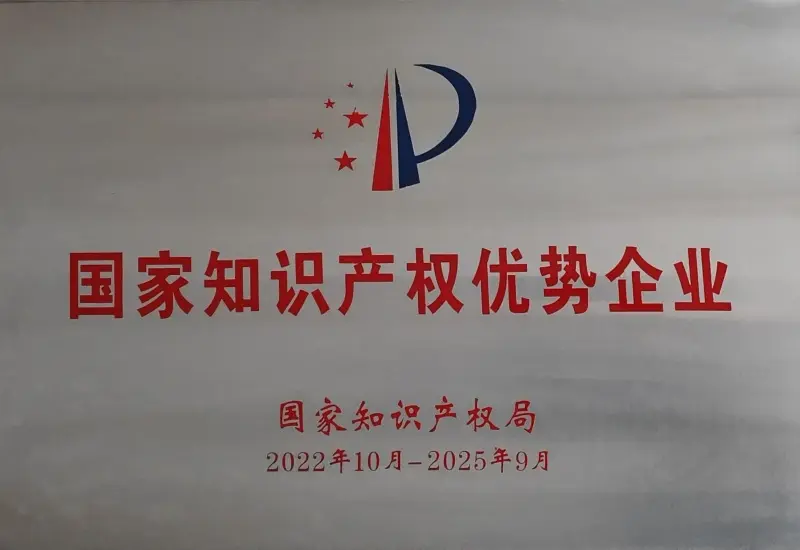
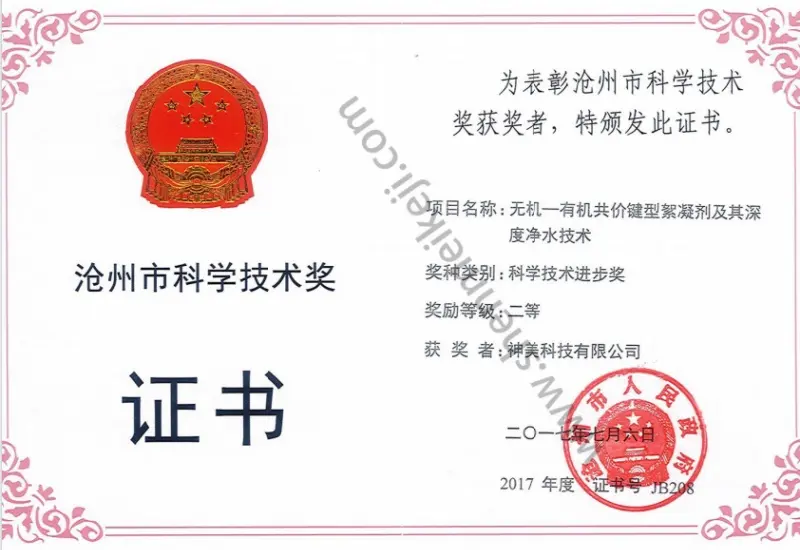
Our technology division has secured over 60 Chinese patents (including more than 40 invention patents). Smedic has spearheaded the writing and compilation of over 10 national and industry standards regulating composite carbon sources, composite coagulants, sodium acetate, and microbial denitrifying agents. Awarded the 22nd China Patent Award, our inorganic-organic covalent bond flocculants have been appraised as "internationally advanced."
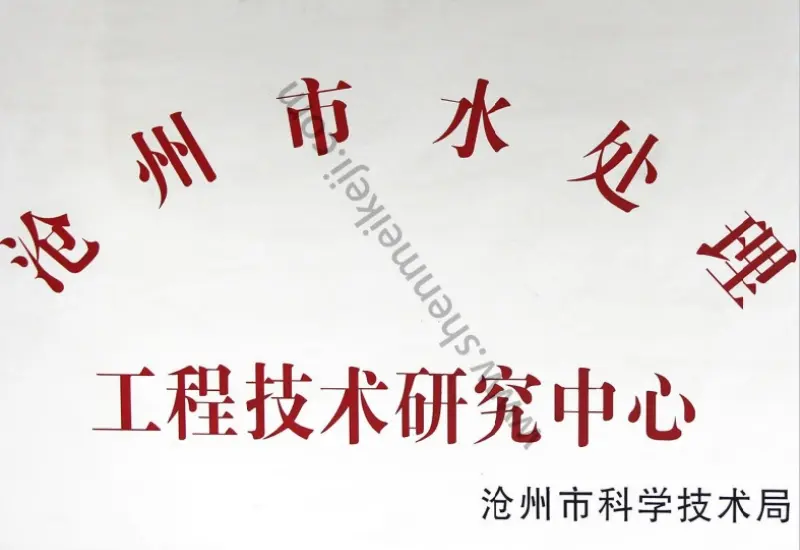
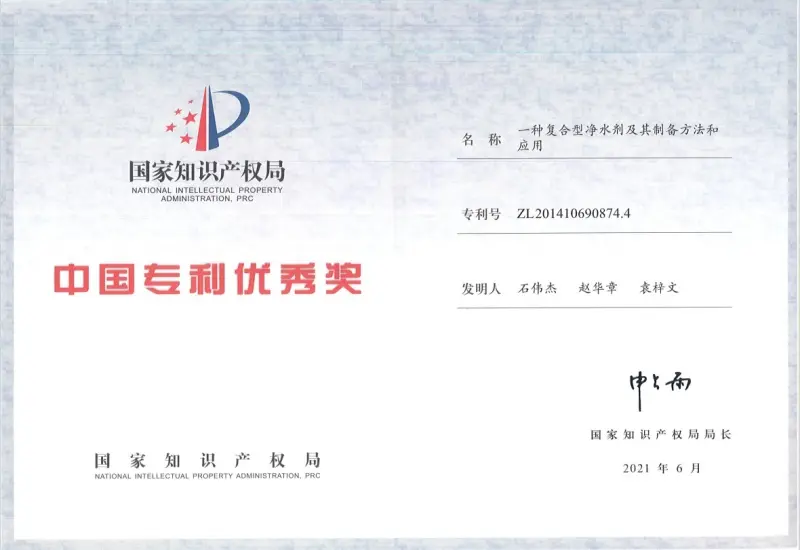
Honors & Credentials

Smedic Patent Certificate
Smedic Standard Certificate
Smedic Little Giant Certification
Smedic Quality Management System
Smedic Green Factory Standard
Smedic Science Progress Award
White Paper Insight

Chinese Factory Efficiency & Supply Chain Resilience

How vertical integration, raw material availability, and localized scale dynamics translate to international buyer advantages.

1. Monomer-to-Polymer Vertical Integration

Unlike western formulators who procure intermediate chemicals, Chinese chemical hubs reside adjacent to petroleum and chlor-alkali complexes. This geographical positioning gives Smedic direct pipeline access to raw feedstocks like acrylonitrile, acrylamide monomers, and epichlorohydrin, shielding our clients from global price shocks.

2. Smart Manufacturing & Scale Efficiency

Operating fully automated reactor loops allows us to maintain strict consistency in molecular weight distribution and charge density across massive production runs. Smedic's facility scale minimizes thermal energy consumption and product loss, driving down unit production costs.

3. Modern Environmental Safety Compliance

Smedic's production bases operate as certified "Green Factories." Complete zero-emission thermal wastewater reuse loops are built right into our sites, ensuring zero regulatory-induced supply interruptions.

Applications

Industrial Demineralization & Treatment Use Cases

Real-world chemical engineering deployments where Smedic's product range provides high-performance separation.

Power Generation Boiler Loops

Before feed water enters high-pressure steam generators, it must undergo demineralization via Strong Base Anion (SBA) resins. Pre-treating the inlet water with Smedic's Polyaluminum Chloride (PAC) removes colloidal silica, which otherwise coats resins and leads to silica leakage in the boiler loop.

Metallurgical & Heavy Industrial Discharge

Electroplating, heavy manufacturing, and pickling operations generate wastewater high in toxic metal anions and heavy metals. Integrating Smedic's specialized Heavy Metal Removal Agent forms insoluble organometallic complexes that settle rapidly, keeping industrial discharge safely within environmental limits.

Semiconductor Ultra-Pure Water (UPW)

Microchip lithography requires water of absolute purity. Our polyether defoamers and high-purity coagulants ensure that pretreatment filtration runs efficiently, preventing organic carryover from fouling downstream mixed-bed ion exchangers.

Company History

Pioneering Progress Since 2011

A chronological view of Smedic's expansion from a regional chemical supplier to an international industry leader.

2011

Smedic was founded, setting up its primary production base and initiating development of environmental protection agents.

2014

Completed our municipal wastewater chemical portfolio, launching high-performance polyacrylamides and customized coagulants.

2016

Established the Guiyang production base, extending high-efficiency chemical distribution networks to southwest China.

2018

Expanded manufacturing facilities in Hebei and Shandong, driving Smedic's total annual capacity beyond 1 million tons.

2020

Awarded the National Specialized, Refined, Unique and Innovative "Little Giant" Enterprise certification for technical leadership.

2024

Partnered with the Chengdu Institute of Mineral Comprehensive Utilization and the China Geological Survey, establishing a joint venture for highly specialized mineral reagents.

Global Purchasing Guide

Procurement Standards for Global Water Purification Chemicals

Key requirements for international purchasing managers sourcing from Chinese chemical manufacturers.

⚖️ 1. Chemical Certification Compliance

For municipal or food-contact water systems, checking local compliance is crucial. Ensure your manufacturer provides NSF/ANSI Standard 60 certifications, ISO 9001 quality management alignment, and REACH registration for European markets.

2. Active Component Assay and Solid Content

Avoid buying water in your bulk chemical shipments. Insist on verification of the active solids content (e.g., solid sodium acetate >99%, polymer active content >90%) to optimize overseas freight costs and improve overall process efficiency.

As the industrial water sector moves toward Zero Liquid Discharge (ZLD) and strict environmental guidelines, selecting an advanced manufacturer with robust chemical characterization capabilities is essential. Smedic's class-leading laboratories provide comprehensive technical certificates of analysis (COA), gel permeation chromatography data for molecular weight profiling, and raw material safety documentation.
Expert Q&A

Anion Exchange Chemistry FAQ

Technical solutions and answers to common challenges in industrial ion exchange and chemical water treatment systems.

What causes organic fouling in anion exchange systems, and how can it be mitigated?
Organic fouling occurs when high-molecular-weight natural organic matter (NOM) or humic acids adsorb onto the porous structure of anion exchange resins. Because these organics are negatively charged, they bind to the active anion groups but are too large to easily wash out during normal regeneration cycles. This blocks exchange sites and lowers demineralization performance. Pretreating the feed water with advanced coagulants, like Polyaluminum Chloride (PAC) or high-efficiency organic-cationic coagulants, removes these organic compounds before they reach the resin bed.
Why is the molecular weight of Anionic Polyacrylamide (APAM) critical to flocculation?
The molecular weight of APAM dictates its polymer chain length, which directly determines its bridging capacity during coagulation. High molecular weight APAM (12–20+ million g/mol) creates a robust web-like structure that gathers micro-flocs into heavy, fast-settling aggregates. If the molecular weight is too low, the polymer chain cannot bridge the distance between particles, resulting in slower settling rates and higher turbidity.
How does Smedic's Fluoride Removal Agent outperform standard activated alumina?
Standard activated alumina operates within a very narrow pH range and has low capacity in the presence of competing ions like sulfates and silicates. Smedic's specialized Fluoride Removal Agent utilizes a modified inorganic-organic polymer design. It precipitates fluoride directly as stable micro-flocs across a wider pH range. This eliminates the need for large adsorption beds and simplifies the overall system design.
How does pure solid sodium acetate function as a carbon source in denitrification?
In municipal and industrial biological denitrification, heterotrophic denitrifying bacteria need an organic carbon source to reduce nitrate (NO3-) to gaseous nitrogen (N2). Solid sodium acetate provides a clean, highly biodegradable source of acetate ions (CH3COO-). These ions enter the bacterial metabolic cycle directly, enabling much faster denitrification rates than methanol or glucose without generating secondary toxic intermediate compounds.
What is the difference between polyether defoamers and silicone defoamers?
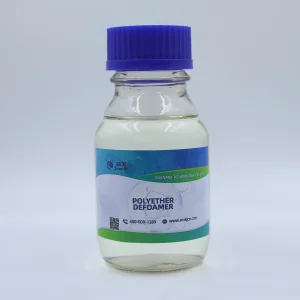
Polyether defoamers consist of block copolymers of ethylene oxide and propylene oxide. They provide excellent high-temperature stability, low toxicity, and leave no residual surface residue, making them ideal for biological reactors and filtration membrane protection. Silicone defoamers, based on polydimethylsiloxane (PDMS), offer highly effective foam knockdown at very low addition rates. However, they can cause issues in high-pressure filtration systems by fouling membranes if not dosed correctly.
Portfolio Part II

Specialized Corrosion Inhibitors, Defoamers & Compounds

Advanced specialty chemicals for cooling systems, defoaming control, and pH regulation.
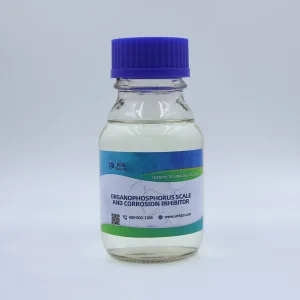
Organophosphorus Corrosion and Scale Inhibitor

ODM China Suppliers Factory: High-Performance Organophosphorus Corrosion & Scale Inhibitor

Analyze Specifications
Polyether Defoamers Foam Suppression

ODM China Suppliers of Polyether Defoamers - Foam Suppression Factory

Analyze Specifications
OEM Fluoride Removal Agent

OEM Smedic Fluoride Removal Agent: High-Performance Water Treatment

Analyze Specifications
OEM Sodium Acetate Wastewater Treatment

OEM China Suppliers Factory Smedic Pure Solid Sodium Acetate Compound

Analyze Specifications
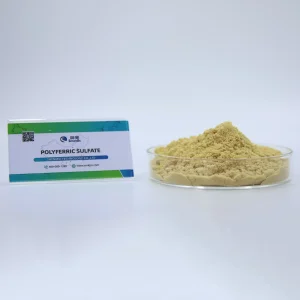
Polyferric Sulfate PFS Coagulant

China High-Efficiency Polyferric Sulfate PFS Coagulant from China Suppliers

Analyze Specifications
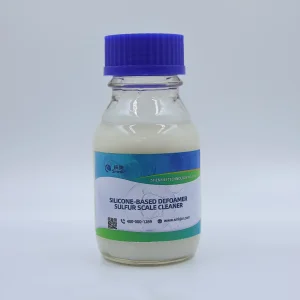
Organic Silicone Defoamer Agent

ODM Effective Organic Silicone Defoamer Agent from China Suppliers

Analyze Specifications
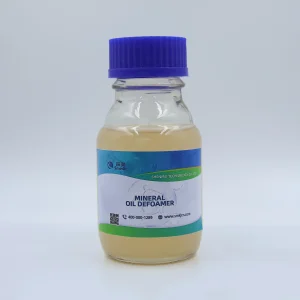
Mineral Oil Defoamer Solution

China Reliable Mineral Oil Defoamer Solution from China Suppliers

Analyze Specifications
China Polyether Defoamer Suppliers

China Polyether Defoamer Suppliers - High-Quality Factory Production

Analyze Specifications