Choosing among China’s top Water Purifying Chemicals suppliers requires more than comparing prices. It requires evidence, technical understanding, and careful communication. Suppliers may offer coagulants, flocculants, activated carbon, chlorine compounds, or membrane-cleaning chemicals. Each product serves a different treatment challenge. Raw water quality changes by region, season, and industrial activity.
Reliable suppliers should provide clear specifications, safety data sheets, batch information, and practical application guidance. Look for verified production standards, quality-control procedures, export experience, and responsive technical support. Certificates can help, but they should not replace independent testing. A product label alone cannot prove consistent performance.
Ask whether the supplier supports jar testing and pilot trials. A small sample may reveal how quickly suspended solids settle in a transparent beaker. It may also expose excessive sludge, unstable pH, or poor results at lower dosages. These details matter in municipal plants, food factories, textile facilities, and wastewater stations. Delivery capacity matters too. A supplier with excellent chemistry may still fail during urgent replenishment.
The meaning of “top” is not universal. It depends on water conditions, compliance needs, budget, and service reliability. Some suppliers appear strong online but provide limited technical follow-up. That is worth questioning. Buyers should compare several quotations, inspect documentation, and test samples before signing long-term agreements. Careful evaluation reduces operational risk and supports safer, more predictable water treatment.
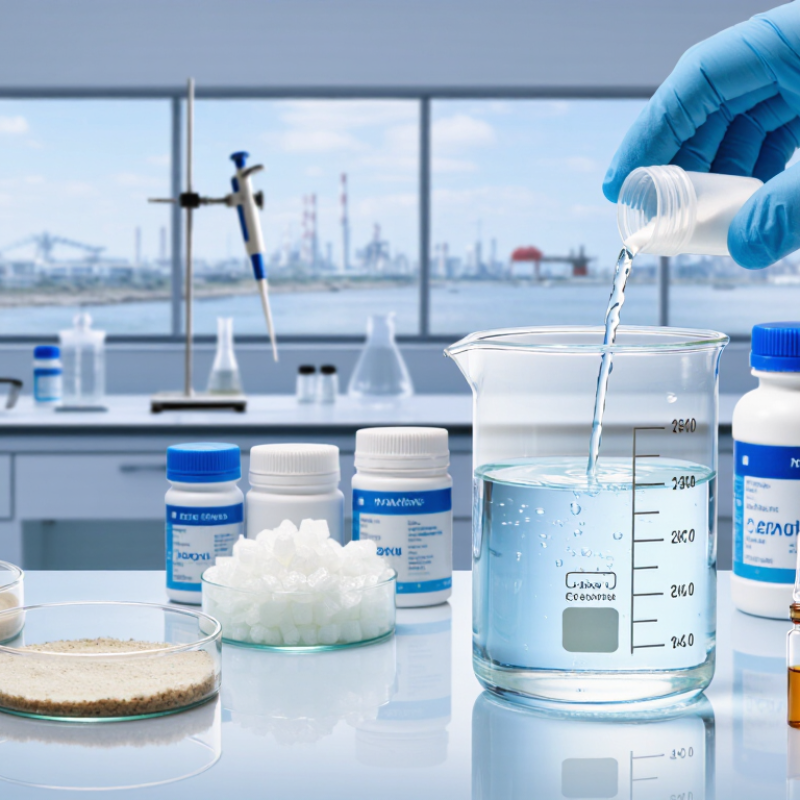
Water Purifying Chemicals: Types, Uses, and Industry Standards
Water purifying chemicals support drinking water, wastewater, and industrial treatment systems. Common types include coagulants, flocculants, disinfectants, pH regulators, and activated carbon. Coagulants gather fine particles into visible flocs, while flocculants help them settle faster. Disinfectants control microorganisms after clarification. Each chemical needs careful dosing, because excessive treatment can create new water-quality concerns.
Reliable suppliers in China should provide clear specifications, batch records, safety data, and application guidance. Products may be evaluated against standards such as GB, ISO, EN, or NSF requirements, depending on their intended use and destination market. Testing should cover purity, active content, moisture, insoluble matter, and heavy-metal limits. A certificate alone is not enough. Independent laboratory checks can reveal differences between samples and production batches.
Tips: Request a small trial batch before signing a large order. Test the chemical with your actual water, temperature, and flow conditions. Store materials in sealed, labeled containers away from heat and moisture. Keep dosing records and inspect treated water regularly. Jar testing is practical, but it cannot replace continuous process monitoring. I have found that the cheapest option often becomes expensive after unstable dosing and extra sludge appear. The “best” chemical may still fail when operators lack training or equipment.
China’s Water Treatment Chemical Manufacturing Landscape
China’s water treatment chemical manufacturing landscape is broad, export-oriented, and highly specialized. Suppliers commonly produce polyaluminum chloride, polyacrylamide, ferric salts, activated carbon, and disinfectant chemicals. Production clusters often sit near mineral resources, ports, and large industrial wastewater markets. This reduces transport costs and supports steady bulk supply.
Quality differences can be significant. Experienced buyers inspect raw material records, batch consistency, laboratory capacity, and wastewater performance data. A reliable manufacturer should provide certificates, safety documentation, application guidance, and samples for jar testing. Traceability matters. In practical plant evaluations, small changes in polymer charge or coagulant concentration can affect sludge volume, filter pressure, and final water clarity. Technical support is therefore as important as quoted price.
China’s stronger manufacturers are investing in automated dosing, cleaner production, and tighter process control. Many serve municipal water plants, paper mills, mining operations, food processors, and industrial parks. However, capacity alone does not prove reliability. Some suppliers communicate well but offer limited field validation. Others have strong laboratories but inconsistent export documentation. That is an important weakness. Buyers should compare test results under local water conditions, verify production records, and confirm packaging durability before signing long-term contracts. Weather, storage temperature, and transport time can also influence product performance.
Key Criteria for Evaluating Chinese Chemical Suppliers
China Top Water Purifying Chemicals Suppliers
Evaluating Chinese water-treatment chemical suppliers requires more than comparing prices. The UN World Water Development Report 2024 states that agriculture uses about 70% of global freshwater withdrawals. This pressure increases demand for reliable coagulants, flocculants, disinfectants, and scale-control products. Supplier selection should begin with verified production capacity, stable raw-material sourcing, and documented batch traceability.
Ask for recent certificates of analysis, safety data sheets, and impurity profiles. Test active content, moisture, pH, heavy metals, and dissolution behavior. Small differences can change sludge volume or filtration speed. Jar testing with your actual water is essential. Laboratory results can look excellent. Plant performance may still differ. That gap deserves attention.
China’s GB 5749-2022 drinking-water standard includes 97 control indicators, according to published regulatory guidance. Suppliers serving potable-water projects should explain how their chemicals support applicable limits. Request third-party test reports, production records, retention-sample policies, and emergency response procedures. ISO 9001 certification can support process control, but it cannot replace an on-site audit. Check whether the certificate matches the manufacturing location and product scope. Also review export documentation, labeling, and destination-market requirements.
A practical audit should inspect sealed packaging, warehouse humidity, batch coding, and loading conditions. Poor storage can damage otherwise compliant products. Payment terms matter, but consistency matters more. One weakness in many evaluations is excessive reliance on paperwork. Field data from repeated deliveries is stronger evidence.
Leading Supplier Profiles and Product Capabilities
China Top Water Purifying Chemicals Suppliers
Leading supplier profiles should be judged by capability, not catalog size. Reliable suppliers typically provide coagulants, flocculants, disinfectants, membrane cleaners, and corrosion-control chemicals. Their technical teams should support jar testing, dosing trials, and process troubleshooting. This matters because raw water changes with seasons, rainfall, and industrial discharge.
The UN World Water Development Report 2024 states that 2.2 billion people lacked safely managed drinking water in 2022. This pressure increases demand for efficient treatment chemicals and dependable supply chains. Industry market reports also forecast steady growth in global water treatment chemical demand through the decade, driven by municipal reuse, industrial production, and stricter discharge controls. However, estimates differ between reports. A supplier profile can look stronger on paper than in a pilot test. That is an important weakness to recognize.
Tips: Request recent certificates, batch data, safety documentation, and application references. Ask for performance results under comparable water conditions. Confirm active content, storage life, packaging quality, and delivery capacity. Do not select a chemical only because its price is lower. A small dosage mistake can increase sludge, energy use, or membrane fouling. Suppliers with laboratories and responsive engineers usually offer better long-term value, although service quality still needs independent verification.
China Top Water Purifying Chemicals Suppliers — Product Capability Snapshot
The chart compares representative operating pH ranges for widely used water-treatment chemical categories. These ranges reflect common engineering practice and may vary by formulation, dosage, water quality, and treatment process.
Typical applications include coagulation, flocculation, disinfection, suspended-solids removal, and sludge conditioning. The chart presents product-category capabilities rather than company or brand performance data.
Export Compliance, Quality Control, and Procurement Considerations
China’s water-purifying chemical suppliers serve municipal, industrial, and emergency treatment markets.
Procurement decisions now require more than competitive pricing. The WHO and UNICEF Joint Monitoring Programme reported that
2.2 billion people lacked safely managed drinking water in 2022.
This figure increases pressure on treatment reliability and chemical safety.
Export compliance should begin with the destination market.
Suppliers should provide current safety data sheets, transport classifications, certificates of analysis, and complete batch traceability. Documents must match the actual product, packaging, and concentration. For European shipments, buyers may need REACH-related registration checks and CLP-compliant labeling. Other markets may require local approvals or drinking-water standards.
A generic certificate is not enough.
Quality control needs visible evidence.
Ask for raw-material specifications, production records, heavy-metal testing, and retained samples. For coagulants, compare active content, basicity, insoluble matter, and performance under local water conditions. For disinfectants, verify concentration decline during storage and transport. The WHO Guidelines for Drinking-water Quality emphasize controlling chemical contaminants and treatment by-products. Factory audits can reveal poor storage, mixed batches, or weak moisture protection. They are useful, but not perfect. Independent laboratory testing remains sensible for critical orders. Buyers should also confirm container seals, pallet stability, temperature limits, lead times, Incoterms, and liability for rejected cargo.
A low quotation may hide expensive compliance gaps.
Conclusion
This article provides a practical overview of Water Purifying Chemicals, including coagulants, flocculants, disinfectants, pH regulators, and specialty treatment agents. It explains how these products support municipal water systems, industrial wastewater treatment, drinking water preparation, and process water management, while emphasizing the importance of meeting recognized industry standards for safety, performance, and environmental responsibility.
It also examines China’s water treatment chemical manufacturing landscape and outlines key criteria for evaluating suppliers, such as production capacity, technical expertise, quality consistency, testing facilities, documentation, and customer support. Supplier capabilities should be assessed through product specifications, batch control, certifications, export experience, packaging options, and regulatory compliance. Careful procurement planning, reliable logistics, transparent communication, and appropriate quality inspections can help international buyers select suitable partners and achieve stable, compliant water treatment results.

 Smedic Tech