Silicone Based Defoamer has emerged as a crucial ingredient in various industries, including food processing, pharmaceuticals, and textiles. According to a recent report by MarketsandMarkets, the global defoamer market is projected to reach USD 4.5 billion by 2025, driven by the rising demand for silicone-based products. These defoamers are highly effective in reducing surface tension in liquids. They also prevent the formation of foam during production processes.
The efficiency of Silicone Based Defoamer can influence the overall production quality. In the food industry, for instance, foam can trap air and affect texture, leading to subpar products. Data from the American Chemical Society highlights how improper foaming can reduce liquid yields by up to 30%. Despite these advantages, there are limitations. Not all silicone-based formulations are compatible with every application, and they require careful selection.
Industry professionals must remain critical of their options. While Silicone Based Defoamer offers many benefits, improper usage may lead to unexpected results. Understanding the specifics of each application can enhance reliability. Recent studies suggest that periodic evaluation of defoamer effectiveness is necessary. This ensures optimal performance in tackling foam-related challenges across various sectors.
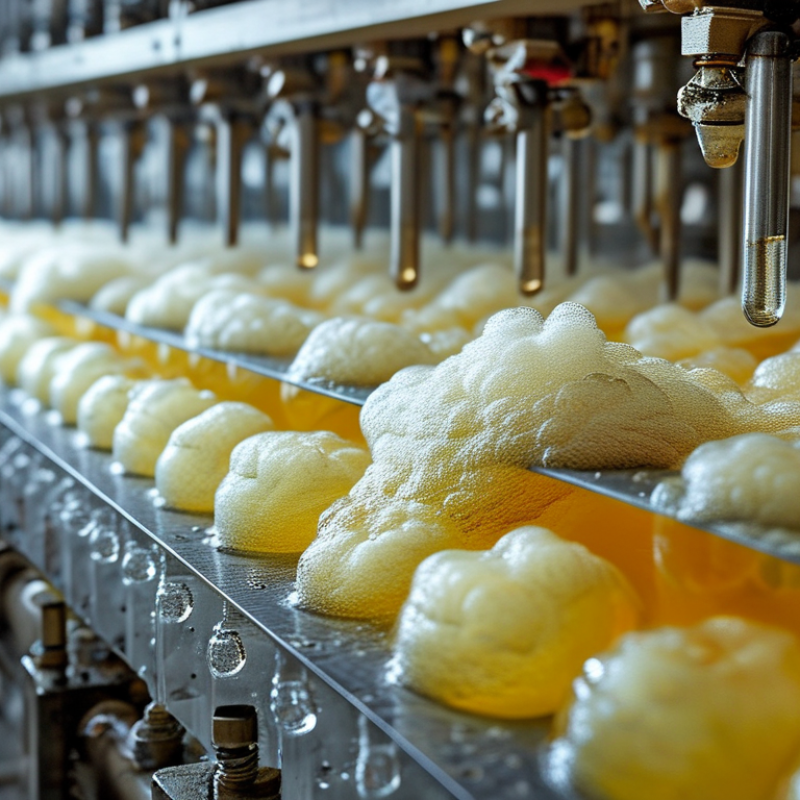
Definition of Silicone Based Defoamer and Its Characteristics
Silicone-based defoamers are essential in various industrial processes, including food production and pharmaceuticals. They disrupt foam formation and enhance product stability. According to a recent industry report by Freedonia Group, the global market for defoamers is projected to reach $6.0 billion by 2026, highlighting their growing significance.
These defoamers are characterized by their low surface tension and high thermal stability. Their effectiveness is due to the ability to reduce surface tension more efficiently than traditional defoamers. This property enables faster foam reduction, especially in systems with high temperatures or pH variations. Furthermore, silicone defoamers are less prone to degradation, maintaining their performance over time.
However, users should consider the compatibility of silicone-based defoamers with specific applications. In some instances, they may not be suitable for all formulations. Furthermore, while they improve product consistency, overuse can lead to adverse effects such as residual silicone in end products. Balancing defoamer use is critical for optimum results, ensuring effectiveness without negative impacts.
What is Silicone Based Defoamer and How Does it Work? - Definition of Silicone Based Defoamer and Its Characteristics
| Characteristic |
Description |
| Chemical Composition |
Silicone polymers and emulsifiers |
| Mechanism of Action |
Reduces surface tension of liquid, allowing bubbles to burst |
| Applications |
Used in food processing, paint formulations, and wastewater treatment |
| Advantages |
Effective at low concentrations, heat stability, and compatibility with various formulations |
| Environmental Impact |
Generally considered safe, but proper disposal is essential |
| Typical Dosage |
Ranges from 0.1% to 2% based on application |
Mechanism of Action: How Silicone Based Defoamers Eliminate Foams
Silicone-based defoamers are effective in various industrial applications. They play a crucial role in controlling unwanted foam in liquids, which can hinder processes. Foam can trap air, making it difficult for liquids to flow properly. Silicone defoamers counteract this issue efficiently.
The mechanism of action for silicone-based defoamers involves film rupture and destabilization. When added to a foamy solution, they lower the surface tension. This action allows air bubbles to coalesce. Once bubbles merge, they rise and burst, eliminating foam. The silicone compound creates a layer that prevents new bubbles from forming.
However, these defoamers are not without challenges. In some cases, their performance can be inconsistent, depending on the solution's composition. Factors such as temperature and pH can impact effectiveness. Understanding these variables is essential for optimal use. Users must monitor conditions diligently to ensure successful foam control.
Applications of Silicone Based Defoamers in Various Industries
Silicone-based defoamers play a crucial role in various industries. Their application ranges from food processing to wastewater treatment. In food production, these defoamers help to control foaming during mixing and cooking. Excess foaming can lead to production inefficiencies and inconsistent product quality. By incorporating silicone-based defoamers, manufacturers ensure a smoother operation and better end products.
In the paint and coatings industry, these defoamers improve the quality of the final product. They reduce bubbles that form during mixing and application. This results in a smoother finish and enhances the adhesion and durability of the paint. In wastewater treatment, silicone-based defoamers prevent excessive foam formation that can hinder treatment processes. The effective control of foam is essential for maintaining system efficiency.
Despite their benefits, some challenges remain. For instance, not all silicone-based defoamers work effectively across different mediums. Their compatibility with various substrates and formulations can lead to inconsistencies. Therefore, careful selection and testing are crucial. Industry professionals must evaluate the specific conditions where a defoamer is intended to be used. Continuous refinement and adaptation are necessary for achieving optimal results.
Advantages of Using Silicone Based Defoamers Over Other Types
Silicone-based defoamers are gaining popularity in various industries for their remarkable efficiency in controlling foam. Unlike traditional defoamers, which often rely on mineral oils or petrochemical derivatives, silicone defoamers utilize siloxane compounds. These compounds quickly spread on the surface of the foam, disrupting its structure and facilitating rapid deflation. A report by industry analysts predicts a market growth rate of 5% annually for silicone defoamers, reflecting their increasing acceptance in sectors such as food processing, pharmaceuticals, and water treatment.
One significant advantage of silicone-based defoamers is their effectiveness at lower concentrations. They can achieve superior foam control, often requiring only 0.1% for optimal performance. Traditional alternatives, in contrast, may need 0.5% or more to achieve comparable results. This efficiency not only reduces costs but also minimizes the environmental impact. Moreover, silicone defoamers exhibit thermal stability and a broad pH range, making them versatile for various applications. However, there are considerations; their higher initial costs can deter some manufacturers. Balancing cost against effectiveness might pose a challenge for budget-sensitive operations, and understanding this can lead to better decision-making.
Safety and Environmental Considerations for Silicone Based Defoamers
Silicone-based defoamers are widely used in various industries to control foaming. While they are effective, safety and environmental considerations are essential. Silicone compounds can vary significantly in terms of their environmental impact, which deserves careful examination.
Many silicone defoamers are considered low in toxicity. They often break down more easily than traditional chemical defoamers. However, there are still concerns related to their bioaccumulation in aquatic environments. Understanding the potential effects on wildlife is crucial. Some applications may lead to silicone leaching into water sources, raising questions about long-term ecological consequences.
It's important to evaluate the specific formulation being used. Not all silicone-based defoamers have the same environmental profile. Sustainable sourcing and responsible usage can mitigate risks. Companies must prioritize transparency in their ingredient lists. Customers should demand information on the safety and disposal of these defoamers to make informed decisions.
FAQS
: They control unwanted foam in liquids across various industries.
They lower surface tension, allowing air bubbles to merge and burst.
Their performance can vary with the solution’s composition, temperature, and pH.
Yes, they help reduce foaming during mixing and cooking processes.
To ensure their effectiveness for optimal foam control.
They improve final product quality by reducing bubbles during application.
No, their effectiveness can vary across different substrates and formulations.
Users may face inconsistent results or foam control issues.
Yes, continuous refinement is needed for achieving better outcomes.
They prevent excessive foam that can impede treatment processes.
Conclusion
Silicone Based Defoamers are specialized additives designed to reduce and eliminate foam in various industrial processes. These defoamers are characterized by their unique chemical structure, which allows them to effectively disrupt the surface tension of foams, leading to their destabilization and eventual collapse. The mechanism of action involves the spreading and penetration of the silicone compounds into the foam bubbles, thereby enhancing the coalescence of the particles, which results in a significant reduction of foam volume.
The applications of Silicone Based Defoamers span multiple industries, including food processing, pharmaceuticals, and wastewater treatment, where foam can interfere with operations and product quality. The advantages of using Silicone Based Defoamers over traditional types include their effectiveness at low concentrations, compatibility with various formulations, and stability under a wide range of temperatures and pH levels. Additionally, safety and environmental considerations are important; many silicone defoamers are formulated to be non-toxic and environmentally friendly, making them suitable for diverse applications without compromising safety standards.

 Smedic Tech