Choosing the right Silicon Antifoaming Agent starts with the process, not the product label. Foam may appear as a thin white layer, stubborn bubbles in a mixing tank, or overflow during filling. Each symptom can require a different solution. A product that works well in wastewater may perform poorly in coatings, adhesives, fermentation, or paper production. No single formula wins every batch.
A practical evaluation should examine temperature, pH, shear force, solids content, and contact time. These conditions determine whether the agent spreads quickly, remains stable, or separates from the mixture. In plant trials, small dosage changes can alter surface appearance, filtration speed, and final product quality. Test gradually. Record every result.
Reliable selection also depends on technical documentation. Request the technical data sheet, safety data sheet, recommended dosage range, active content, storage guidance, and batch traceability. For food, pharmaceutical, or personal-care applications, confirm the relevant quality and regulatory requirements with qualified professionals. Supplier experience matters, but clear evidence matters more. Independent laboratory testing can reveal compatibility problems before full-scale production.
Watch the details. A clear tank is not always a successful process. Excessive antifoam may create craters in coatings, reduce adhesion, or interfere with downstream treatment. Under-dosing may leave foam during pumping and packaging. Some recommendations sound convincing but lack process data. That should invite reflection, not immediate trust.
The best choice balances foam control, compatibility, cost, and production reliability. Start with a controlled trial, compare alternatives, and review the evidence before approving a Silicon Antifoaming Agent for routine use.
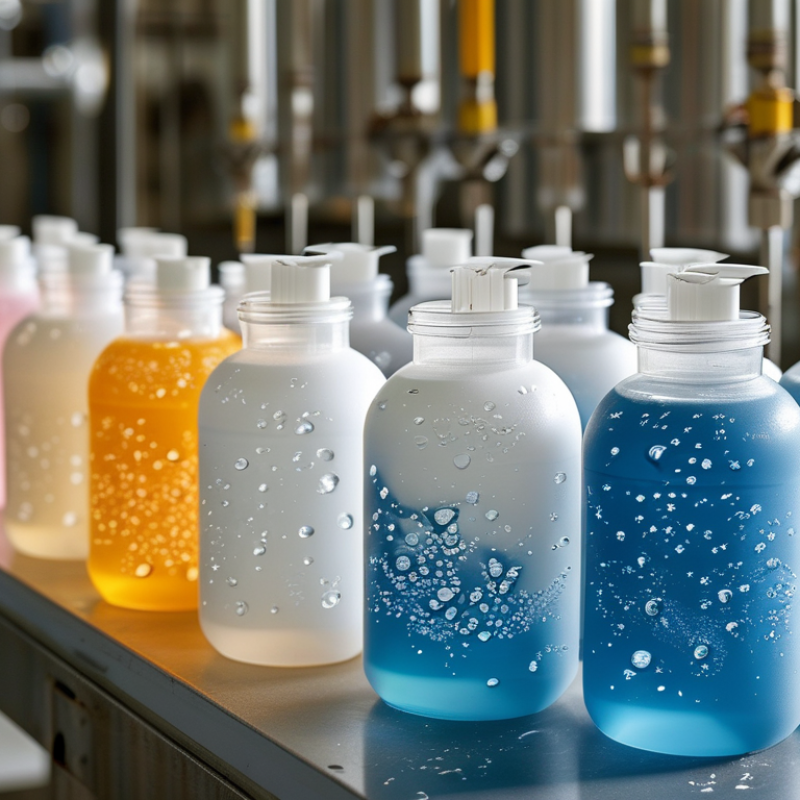
A silicone antifoaming agent is a foam-control additive based on silicone fluids, commonly polydimethylsiloxane, or PDMS. It is added to liquids that trap air during mixing, pumping, heating, or fermentation. The agent spreads across foam bubbles, weakens their thin liquid films, and helps them collapse. In simple terms, it makes stubborn bubbles less stable. That is the practical meaning.
These products may contain silicone oil, silica particles, emulsifiers, or water. Their exact structure affects performance. Some are supplied as water-based emulsions, while others suit concentrated or high-temperature systems. A small dose can work well, but excess material may cause surface defects, cloudiness, or poor coating adhesion. Testing matters. Observe foam height, drainage time, and final appearance under real process conditions. Laboratory shaking alone can mislead. Results vary.
Choosing one requires more than asking whether it is “silicone.” Check pH, temperature, shear, viscosity, and contact with downstream materials. Confirm whether the additive meets food-contact, pharmaceutical, or industrial specifications. Review technical data sheets and safety information from qualified suppliers. Compatibility is easy to overlook. The best choice may change after filtration, heating, or dilution. A useful trial uses the lowest practical dosage and records results over time. Foam may disappear quickly, yet reappear during filling. That detail deserves attention. No formula is perfect; process conditions can expose weaknesses.
| Selection Dimension | What It Means | Typical Data or Range | Practical Recommendation |
|---|---|---|---|
| Chemical Identity | The active foam-control material is generally based on silicone polymers, often combined with hydrophobic silica or other dispersing materials. | Common silicone chemistries include polydimethylsiloxane and modified silicone-polyether structures. | Confirm the chemical description and active ingredients in the technical data sheet and safety data sheet. |
| Physical Form | The product form affects handling, dispersion, storage, and compatibility with the process medium. | Typical forms include water-based emulsions, oil-based compounds, self-dispersing products, and solvent-free concentrates. | Use a water-based emulsion for many aqueous systems; consider a compound or self-dispersing grade for high-temperature or solvent-containing processes. |
| Active Silicone Content | Active content indicates how much of the supplied product contributes directly to foam control. | Water-based silicone emulsions commonly contain approximately 10%–60% active material, depending on formulation. | Compare products on an active-material basis rather than only comparing the added product volume. |
| Recommended Dosage | The required amount depends on foam stability, process shear, solids content, temperature, and contact time. | A practical screening range is often 0.005%–0.20% of the total formulation; some difficult systems require more. | Start with the lowest effective level and increase gradually after laboratory or pilot testing. |
| Operating Temperature | Heat can change viscosity, volatility, emulsion stability, and the performance of the defoamer. | Many aqueous grades are suitable for moderate processing temperatures, while specialized grades may be designed for processes above 100 °C. | Test at the actual process temperature and include both short-term shock heating and long residence time where applicable. |
| pH Compatibility | Strongly acidic or alkaline conditions can affect emulsion stability and performance. | Many general-purpose aqueous products operate across approximately pH 4–10, but the usable range is product-specific. | Match the product to the actual pH, including pH changes during heating, dilution, and chemical reaction. |
| Foam Type | Foam may be caused by surfactants, proteins, polymers, fermentation, gas injection, agitation, or air entrainment. | Fast-collapsing surface foam and persistent microfoam may require different defoamer structures. | Identify whether the priority is rapid knockdown, long-term prevention, microfoam reduction, or all three. |
| Process Shear | Pumps, high-speed mixers, spray systems, and filling equipment can continuously generate foam. | Low-shear systems may need less persistent foam control than high-shear systems. | Evaluate foam control before, during, and after the highest-shear process step. |
| Compatibility and Surface Defects | Excess silicone or poor dispersion may cause craters, fisheyes, pinholes, surface slip, or recoating problems. | Risk is higher in coatings, inks, adhesives, laminates, and other systems where surface appearance is critical. | Check gloss, adhesion, recoatability, leveling, and surface appearance after aging, not only immediately after application. |
| Dispersibility | A defoamer must distribute through the process without forming separate oil droplets or unstable aggregates. | Water-dispersible products are generally preferred for aqueous formulations; solvent compatibility is essential in solvent-based systems. | Add the product at the recommended stage and use controlled mixing to prevent local overdosing. |
| Storage Stability | Storage conditions can affect emulsion separation, viscosity, sedimentation, and final performance. | Many water-based emulsions are stored in a cool, frost-free environment, commonly around 5–35 °C. | Protect from freezing, excessive heat, and contamination; mix gently if the technical data sheet permits. |
| Regulatory and End-Use Requirements | Food contact, pharmaceutical, personal care, environmental, and industrial applications may have different restrictions. | Required documentation may include composition information, safety data, allergen status, regulatory statements, and migration or purity data. | Verify compliance for the destination market and intended application before commercial use. |
| Measurement Method | A defoamer that performs well in a simple beaker test may behave differently in production equipment. | Useful measurements include foam height, foam collapse time, foam volume, air release, surface defects, and viscosity change. | Use a repeatable test that reproduces production temperature, shear, residence time, concentration, and order of addition. |
| Type | Main Characteristics | Typical Application Fit | Important Limitation |
|---|---|---|---|
| Silicone Emulsion | Silicone droplets dispersed in water, usually easier to handle in aqueous processes. | Water-based coatings, paper processing, wastewater treatment, cleaning products, and aqueous chemical formulations. | May be sensitive to freezing, high electrolytes, extreme pH, or excessive shear. |
| Silicone Compound | A concentrated silicone-based material, often containing hydrophobic particles to improve foam knockdown. | High-temperature, high-shear, or highly concentrated industrial processes. | Can be difficult to disperse and may create surface defects if overdosed. |
| Self-Dispersing Silicone Defoamer | Formulated to disperse in the process without requiring a separate water emulsion. | Processes requiring rapid distribution or low added water. | Performance depends strongly on the formulation polarity and mixing conditions. |
| Silicone-Polyether Modified Defoamer | Combines silicone-based foam control with polyether groups that can improve compatibility or dispersibility. | Coatings, inks, adhesives, detergents, and formulations where surface compatibility is important. | May provide less aggressive foam knockdown than some highly hydrophobic silicone compounds. |
: Their low surface tension helps droplets spread across unstable foam films. The films weaken, bubbles merge, and foam collapses.
They can support wastewater treatment, coatings, food processing, and chemical manufacturing. Each process needs separate testing.
Not always. Excess silicone may cause surface defects, filter fouling, oil spots, or unwanted residues.
Check foam source, liquid composition, temperature, pH, salts, solvents, solids, and mixing intensity.
Test several low dosages at actual temperature and shear. Measure foam height, collapse time, and downstream residue.
High-shear reactors behave differently from quiet beakers. Scale, agitation, and raw-material loading can change foam behavior.
Poor dispersion may affect color, clarity, adhesion, filtration, coatings, or wastewater treatment.
Observe at least one complete operating cycle. Compare results across several production cycles when possible.
Record temperature, dosage, agitation speed, foam height, collapse time, and visible surface changes.
Yes. It may reveal hidden process changes. Still, one trial should not guide every decision.
A Silicon Antifoaming Agent is a specialized additive designed to reduce or prevent unwanted foam in industrial liquids. It works by spreading across foam films, weakening their structure, and helping trapped air escape more quickly. This improves processing efficiency, product consistency, and equipment performance. However, selecting the right agent requires more than choosing the strongest foam breaker. Important factors include compatibility with the formulation, operating temperature, pH, viscosity, dosage, persistence, and whether the final product must meet specific quality or safety requirements.
The most suitable solution depends on the application, such as coatings, wastewater treatment, chemical processing, or manufacturing systems. Users should evaluate how the agent behaves under real operating conditions and whether it creates side effects such as surface defects, deposits, or separation. Small-scale testing, dosage optimization, and monitoring during production can help confirm performance. Safe handling, proper storage, and compliance with applicable workplace and environmental requirements are also essential for reliable use.

 Smedic Tech