China’s Top 10 RO Membrane Cleaners for Global Buyers examines a practical question: which products can restore membrane performance without creating new risks? A suitable Ro Membrane Cleaner should address the actual foulant, not merely produce dramatic short-term results. Calcium carbonate, metal oxides, organic matter, and biofilm require different cleaning strategies. One chemical rarely solves every problem.
Dr. Yoram Cohen, a respected membrane scientist at UCLA, has repeatedly emphasized the importance of controlling fouling rather than reacting blindly. His practical message can be stated clearly: “Good pretreatment is the first line of defense against membrane fouling.” This principle matters when comparing Chinese suppliers. Product quality depends on formulation, concentration, pH control, technical documentation, and verified compatibility with polyamide membranes. It also depends on the supplier’s response when field conditions become complicated.
This guide considers cleaning strength, material safety, operating instructions, packaging, export experience, and after-sales support. It also looks beyond attractive claims. A cleaner may perform well in a laboratory but disappoint inside a heavily fouled industrial skid. That gap deserves attention.
Small details matter. A technician may find a reddish deposit inside the cartridge housing, a falling permeate flow, or a rising differential pressure. These signs can point toward different cleaning needs. Buyers should request SDS files, test data, and small-scale trials before making large purchases. No ranking is perfect. Some information changes, and supplier claims require independent checking. Still, this comparison offers a useful starting point for global buyers seeking a dependable Ro Membrane Cleaner from China.
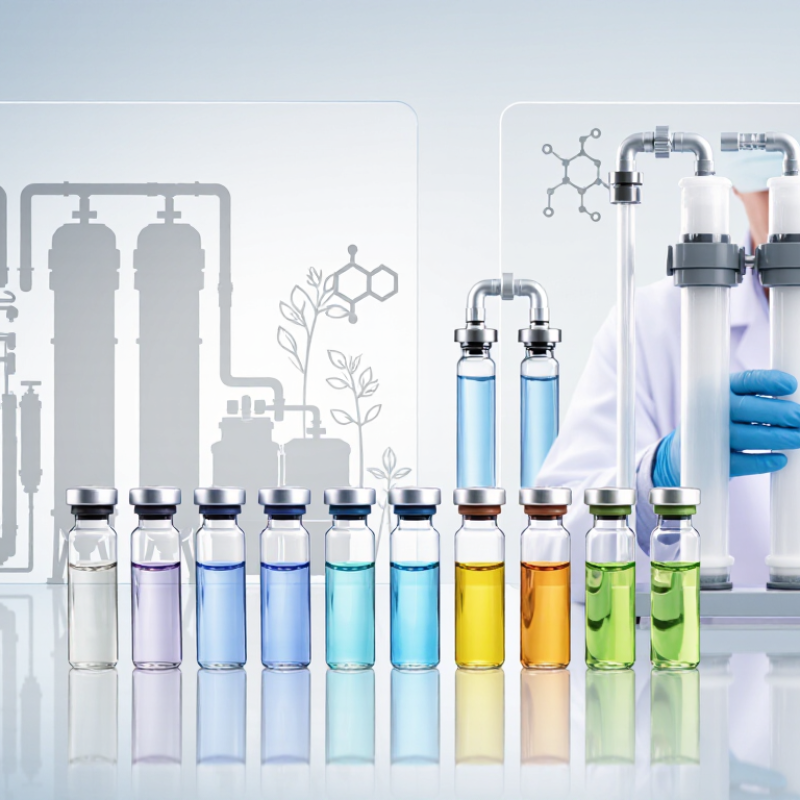
RO membrane cleaners are formulated liquids or powders that remove deposits from reverse osmosis elements. They target scale, metal oxides, organic matter, and biological films. Each contaminant needs a different chemistry. Acid cleaners dissolve carbonate scale. Alkaline cleaners loosen oils, proteins, and microbial residue.
Their importance is practical. A fouled membrane produces less permeate and often needs higher feed pressure. That raises energy use and can shorten membrane life. The 2024 UNESCO World Water Development Report states that agriculture accounts for about 70% of global freshwater withdrawals. Efficient treatment therefore matters, especially where water and electricity costs are already high. Cleaner selection must follow feed-water testing, not sales language. This is where many purchasing decisions become weak.
Tips: Check the membrane manufacturer’s compatibility limits, pH range, temperature, and cleaning concentration. Review the Safety Data Sheet and request laboratory performance data. Measure normalized permeate flow, salt passage, and pressure before and after cleaning. Small details matter. A cloudy sample, unusual odor, or fast pressure recovery can reveal useful clues. However, a cleaner cannot repair irreversible oxidation or physical damage. That limitation is easy to overlook. The International Water Association also emphasizes operational monitoring and preventive maintenance in water treatment systems. Buyers comparing China’s top ten RO membrane cleaners should ask for batch consistency, traceable testing, and clear disposal guidance. A low purchase price may hide higher downtime. The best choice is not always the strongest chemical.
China Top 10 RO Membrane Cleaners for Global Buyers
RO membrane fouling usually falls into four practical categories: organic, inorganic, biological, and colloidal fouling. Organic fouling leaves oily films, while colloids create a dull, gray layer on membrane surfaces. Scaling appears as hard deposits from calcium carbonate, silica, or sulfate salts. Biofouling is different. It forms slimy layers and may cause a sudden pressure increase. Each type needs a suitable chemical approach. Alkaline cleaners help remove oils and biological residues. Acid cleaners dissolve mineral scale. Chelating agents can support the removal of stubborn metal deposits. Surfactants improve contact with greasy contaminants.
Tips: Confirm the membrane material, fouling type, and cleaning limits before purchasing. Polyamide membranes can be damaged by strong oxidants, excessive heat, or incorrect pH. Follow the supplier’s concentration and circulation guidance. A small compatibility test is wiser than a full cleaning cycle.
In global purchasing, product selection should include safety data, batch consistency, shelf-life information, and wastewater handling guidance. A cleaner may perform well in laboratory trials but behave differently with high-silica feedwater. That detail is often underestimated. Review cleaning records, differential pressure, normalized permeate flow, and salt rejection before and after cleaning. Avoid mixing acid and alkaline products directly. Rinse thoroughly between stages. Sometimes the chosen chemical is not the real problem; poor pretreatment or delayed cleaning may be the cause. Mistakes happen, so document them and adjust the next CIP procedure carefully.
A practical comparison of commonly supplied reverse osmosis membrane cleaning formulations for industrial and commercial water-treatment applications.
| Rank | Cleaner Type | Primary Active Chemistry | Main Fouling Target | Typical Cleaning pH | Typical Use Concentration | Recommended Temperature | Suitable Membrane Materials | Key Application Notes |
|---|---|---|---|---|---|---|---|---|
| 1 | Alkaline Surfactant Cleaner | Alkalinity builders, low-foaming surfactants and dispersants | Oil, grease, organic matter, biofilm and particulate deposits | pH 10.5–12.0 | 0.5–2.0% w/v | 30–35°C | Most polyamide thin-film composite membranes | Usually the first step for organic and biological fouling. Rinse thoroughly before any acid cleaning. |
| 2 | Citric Acid Cleaner | Citric acid with optional corrosion-control additives | Calcium carbonate, metal hydroxides and light inorganic scale | pH 2.0–3.0 | 1.0–2.0% w/v | 20–30°C | Polyamide, cellulose acetate and other acid-compatible membranes | Biodegradable organic acid commonly used for mild scale removal and final acid cleaning. |
| 3 | Phosphoric Acid Descaler | Phosphoric acid and controlled wetting agents | Carbonate scale, iron deposits and some mineral fouling | pH 1.5–2.5 | 0.5–2.0% w/v | 20–30°C | Acid-resistant thin-film composite membranes | Useful when stronger mineral-scale dissolution is required. Confirm membrane and vessel compatibility first. |
| 4 | Sulfamic Acid Cleaner | Sulfamic acid with surfactants and chelating agents | Calcium carbonate, sulfate deposits and mixed inorganic scale | pH 1.5–3.0 | 0.5–2.0% w/v | 25–35°C | Many polyamide RO membranes, subject to supplier limits | Solid acid powder is convenient for transport and preparation. Avoid prolonged exposure and excessive temperature. |
| 5 | EDTA Chelating Cleaner | Disodium or tetrasodium EDTA, alkalinity builders and dispersants | Iron, manganese, copper and other metal-associated deposits | pH 8.5–11.0 | 0.5–2.0% w/v | 25–35°C | Polyamide thin-film composite membranes | Effective for metal fouling and mixed deposits. Requires adequate flushing to remove residual chelating agents. |
| 6 | Low-pH Chelated Iron Cleaner | Organic acids, citrate or gluconate, and metal-complexing agents | Iron oxide, iron hydroxide and metal-organic deposits | pH 2.0–4.0 | 0.5–2.0% w/v | 20–30°C | Acid-compatible polyamide membranes | Designed for iron fouling where a combined acid and chelation effect is beneficial. |
| 7 | Enzyme-Based Organic Cleaner | Protease, amylase, lipase or blended enzymatic components | Protein, carbohydrate, fat and biodegradable organic deposits | pH 7.0–10.0 | 0.1–1.0% w/v | 25–40°C | Most polyamide membranes when used within supplier limits | Useful for food, beverage and biological organic fouling. Avoid chlorine and strong oxidants because they deactivate enzymes. |
| 8 | Non-Ionic Surfactant Cleaner | Low-foaming non-ionic surfactants and wetting agents | Oil films, hydrophobic organic deposits and suspended solids | pH 8.0–10.5 | 0.1–1.0% w/v | 25–35°C | Polyamide and cellulose acetate membranes, subject to testing | Improves wetting and detachment of hydrophobic fouling. Low-foaming grades are preferred for recirculating systems. |
| 9 | Polymer Dispersant Cleaner | Polyacrylate, phosphonate or other membrane-compatible dispersants | Colloidal silica, clay, silt and fine particulate deposits | pH 8.0–11.0 | 0.2–1.0% w/v | 25–35°C | Most polyamide RO membranes after compatibility verification | Helps separate and suspend particles during cleaning. Particularly useful for colloidal and silt-related fouling. |
| 10 | Silica and Mixed-Scale Cleaner | High-pH builders, dispersants, chelants and specialty surfactants | Colloidal silica, aluminosilicate, sulfate scale and mixed deposits | pH 10.0–12.0 | 0.5–2.0% w/v | 25–35°C | Polyamide membranes within manufacturer-approved pH limits | Used for difficult mixed fouling. Silica deposits may require extended contact time and repeated cleaning cycles. |
Operational note: Cleaning conditions vary by membrane model and foulant composition. Always follow the membrane manufacturer’s maximum pH, temperature and pressure limits, conduct a compatibility test, use permeate-quality water for solution preparation, and rinse until the cleaning solution is fully removed.
China’s Top 10 RO Membrane Cleaners for Global Buyers should be judged by performance, documentation, and application fit. A strong product removes biofilm, mineral scale, or organic fouling without weakening the membrane layer. Details matter.
Experienced buyers should examine cleaning chemistry, working pH, temperature limits, dosage, and contact time. Clear technical data sheets and safety documents support safer international purchasing. Compatibility evidence for polyamide membranes is especially important. Suppliers should explain whether the cleaner suits seawater, brackish water, or wastewater systems. Test before scaling.
A practical evaluation can include ten leading cleaner types from China, such as alkaline detergents, acidic descalers, enzyme blends, chelating formulas, and low-foam concentrates. Each type serves a different fouling pattern. Operators can compare cleaning recovery, water consumption, residue, and total treatment cost. A small CIP trial may reveal more than a sales claim.
Global buyers should also request batch consistency records, export packaging details, and independent laboratory results when available. One weakness remains common: some product descriptions provide dosage ranges but limited membrane-life data. That gap deserves attention. Real plant conditions vary, and an impressive laboratory result may not transfer directly to a busy treatment facility. Experienced teams should record pressure, flow, conductivity, and normalized permeate data before and after cleaning. These records make supplier comparisons more reliable.
China Top 10 RO Membrane Cleaners for Global Buyers
When comparing RO membrane cleaners from Chinese suppliers, performance should be measured, not assumed. Request test data for normalized permeate flow, salt rejection, pressure, temperature, and cleaning time. A useful comparison uses the same fouling type, membrane area, water chemistry, and dosage. Otherwise, the results may look impressive but remain difficult to trust.
Compatibility matters just as much. Check whether the formula suits polyamide membranes, feed spacers, seals, housings, and cleaning equipment. Acidic cleaners often target mineral scale, while alkaline formulas address oil, biofilm, and organic deposits. Chelating agents can improve scale removal, but excessive strength may damage sensitive components. Always review the recommended pH range and maximum contact time.
Ask for safety data, batch consistency records, and storage guidance. A 25°C warehouse test may not represent performance after months of transport. Small pilot trials are valuable: measure flux recovery before and after cleaning, then inspect salt rejection for unexpected decline. Clean thoroughly with permeate water. Do not mix formulas casually.
Real-world results vary. A cleaner that works well on iron deposits may perform poorly against silica. Supplier documents can also miss field conditions. That is why experienced buyers should keep membrane history, water analysis, and cleaning records. The best choice is rarely the strongest formula; it is the most compatible one that delivers repeatable recovery without shortening membrane life.
Selecting an RO membrane cleaner from China requires more than comparing price and dosage. Buyers should request the technical data sheet, safety data sheet, certificate of analysis, and batch traceability records. These documents should identify active ingredients, concentration, pH range, storage conditions, and expiry dates. Not every certificate proves product performance.
Global compliance depends on the destination market. Ask whether the cleaner meets applicable chemical labeling, transport, wastewater, and worker-safety rules. For drinking-water systems, verify any required approval for chemical contact and cleaning procedures. ISO 9001 may demonstrate quality management, but it does not automatically certify a cleaner for every application. This distinction is often missed.
Application testing should come before a large purchase. Confirm compatibility with polyamide, cellulose acetate, seals, housings, and cleaning equipment. A small circulation test can reveal swelling, discoloration, foaming, or unstable pressure recovery. Follow the supplier’s dilution range, temperature limit, contact time, and rinsing instructions. Operators need gloves, face protection, ventilation, and clear spill procedures.
A low price can look attractive. It may hide weaker concentration or inconsistent batches. My practical view is less comfortable: laboratory data alone cannot predict every fouling condition. Record feed-water history, differential pressure, normalized flow, and cleaning results. Compare those records after each trial. Also check packaging strength, multilingual labels, and delivery conditions before shipment, because damaged containers create safety and compliance problems.
They remove scale, metal oxides, oils, organic matter, and biological films. Different deposits require different cleaning chemistry.
Fouling reduces permeate flow and may increase feed pressure. Energy use can rise. Membrane life may also become shorter.
Acidic cleaners usually target carbonate scale and mineral deposits. Alkaline cleaners loosen oils, proteins, and microbial residue. Testing is still necessary.
Request technical data sheets, safety documents, dosage ranges, pH limits, and temperature limits. Ask for laboratory results and batch consistency records.
Measure pressure, conductivity, salt passage, and normalized permeate flow before and after cleaning. A cloudy sample can reveal remaining contamination.
No. Excessive strength may harm the membrane or leave residues. The best cleaner is compatible with the membrane and the fouling type.
Confirm membrane compatibility, working pH, temperature, concentration, and contact time. Start with a small CIP trial. Test before scaling.
No. Cleaning cannot reverse oxidation, tears, or permanent physical damage. I might underestimate this limitation during purchasing.
A low purchase price may hide extra water use, downtime, or repeated cleaning. Compare total treatment cost, not only the container price.
Regular records show whether performance actually recovers. Plant conditions change, and laboratory results may not transfer perfectly. That gap matters.
RO Membrane Cleaner is an essential chemical solution for maintaining the efficiency, capacity, and service life of reverse osmosis systems. This article explains what these cleaners are, why routine membrane maintenance matters, and how different fouling problems—including scale, organic deposits, biological contamination, and metal oxides—require suitable cleaning approaches. It also introduces China’s top 10 RO membrane cleaner options for global buyers, focusing on product function rather than brand promotion.
For international purchasers, the article provides practical guidance on comparing cleaning strength, formulation, membrane compatibility, operating temperature, concentration, and required contact time. It also highlights key considerations for safe storage, handling, transportation, certification, documentation, and application in municipal, industrial, commercial, and process-water systems. By evaluating technical performance, compatibility with membrane materials, supplier support, and compliance requirements, buyers can select a reliable cleaning solution that helps reduce downtime, protect membrane performance, and improve the long-term operating value of their RO equipment.

Smedic Tech